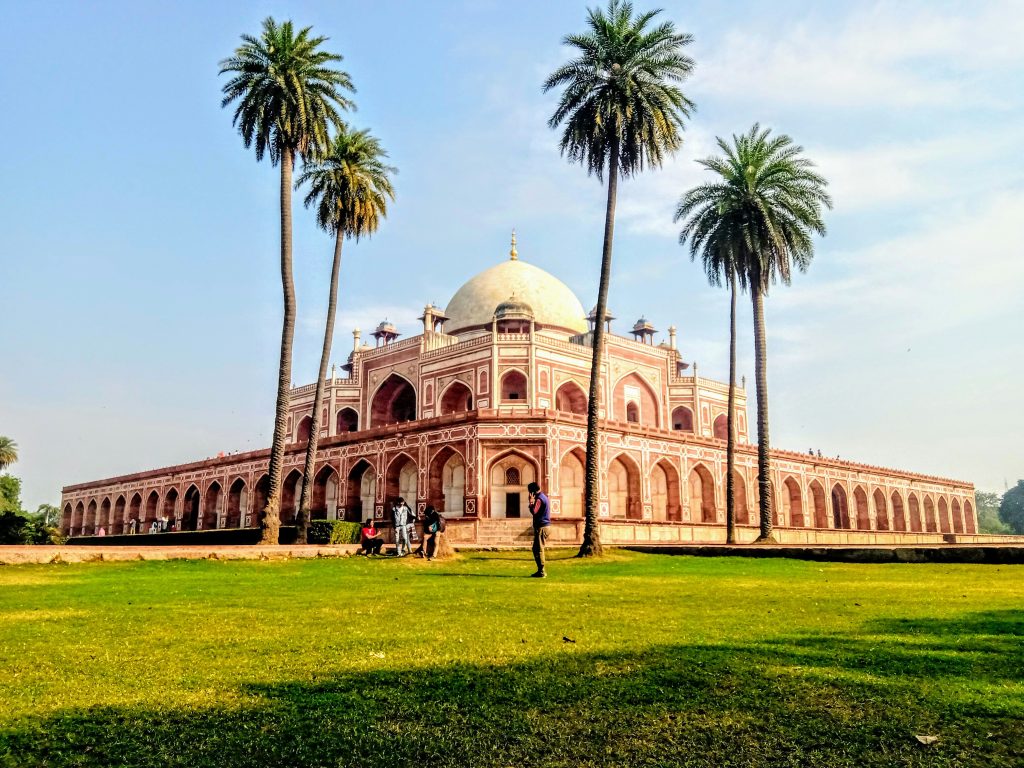
New Delhi
88 hostels · dorms from €3
The capital: Mughal monuments, enormous markets, and the gateway to the Golden Triangle.

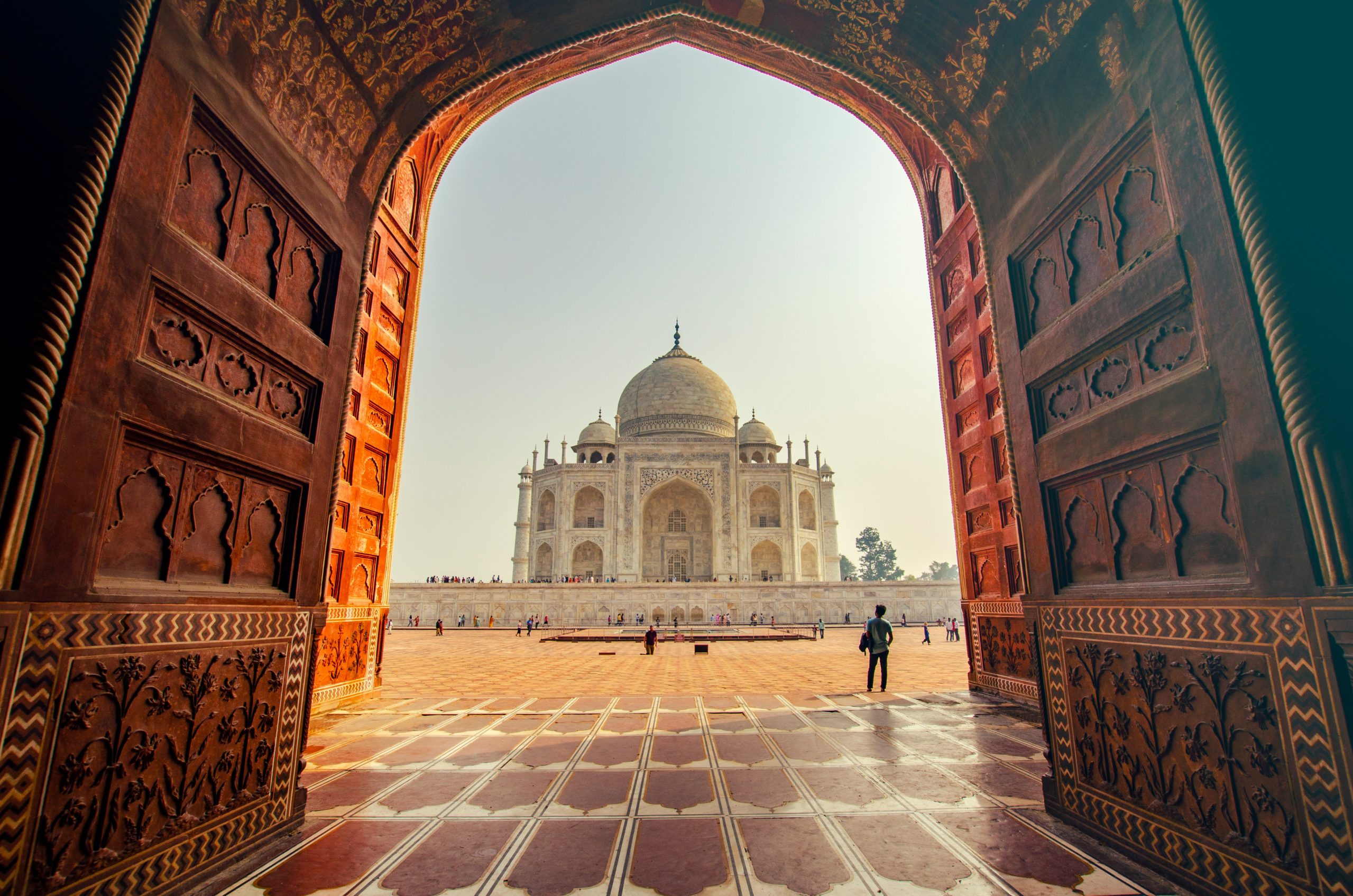
A country the size of a continent with twenty-two official languages, the cheapest long-distance trains anywhere, and food that changes completely every few hundred kilometres.
India is 3,000km across and trying to see it in one trip is the mistake everyone makes first. The sensible approach is to choose a region and travel it properly.
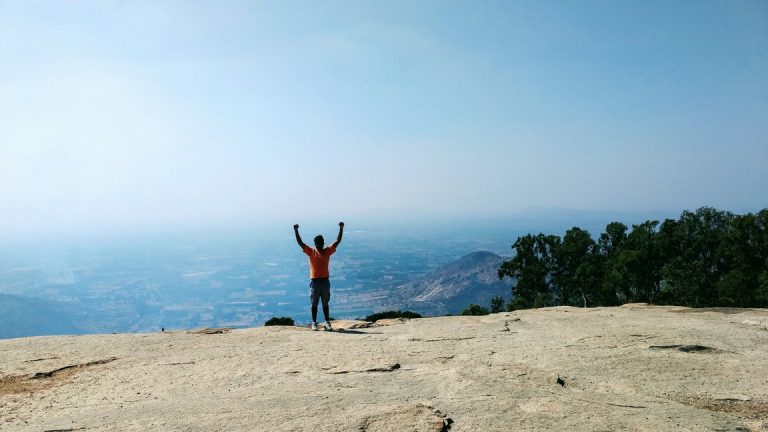
The north has the Golden Triangle — Delhi, Agra and Jaipur — which is the standard first trip and covers the Taj Mahal, Mughal forts and Rajasthan's palaces. Further north again, Rishikesh and the Himalayan foothills are where the country goes quiet and cool.
Goa and Kerala in the south are a different country in climate, language, food and pace: beaches, backwaters, coconut and fish rather than wheat and dairy. Mumbai is the commercial capital and the most immediately navigable big city for a first visit.
Three weeks does one region well. Six does two. The trains are the great pleasure and the great planning task — they are cheap, extensive and book out weeks ahead.
Trains and cheap domestic flights link everything, and distances are much larger than they look.
The capital: Mughal monuments, enormous markets, and the gateway to the Golden Triangle.
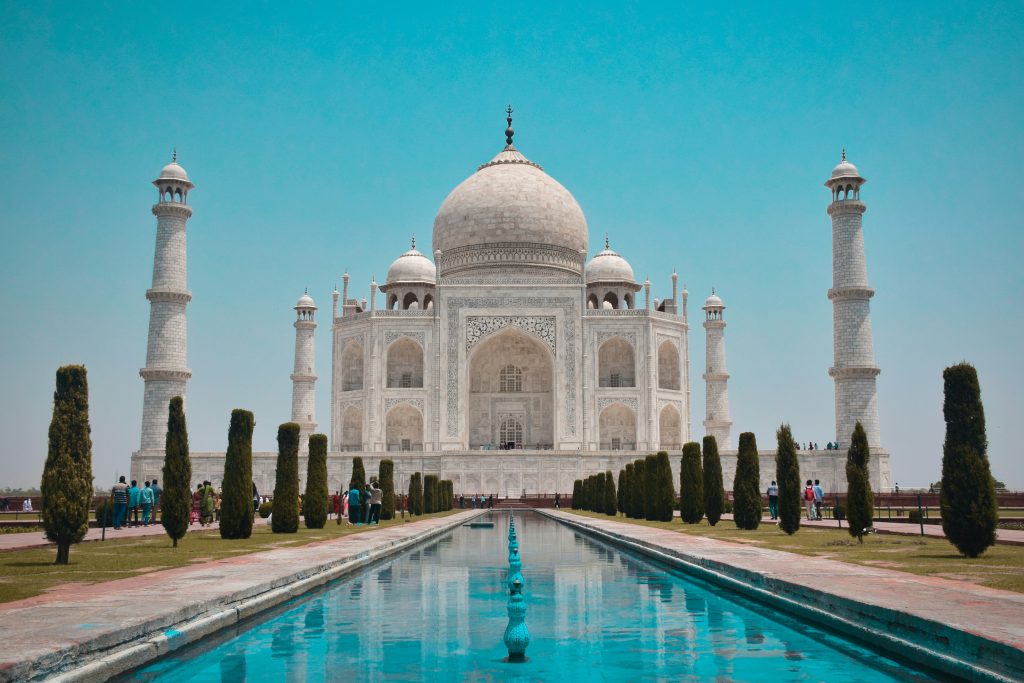
The Taj Mahal at sunrise, a Mughal fort, and a city most people pass through in a day and could give two.
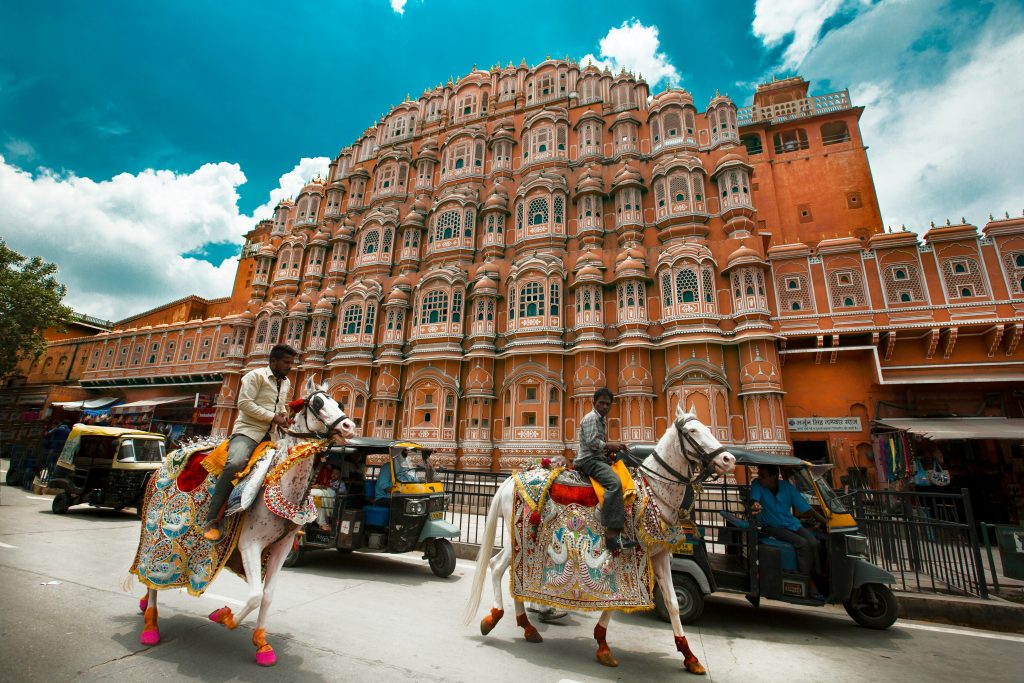
The pink city, Rajasthan's capital, with hill forts and palaces and the best crafts in the country.
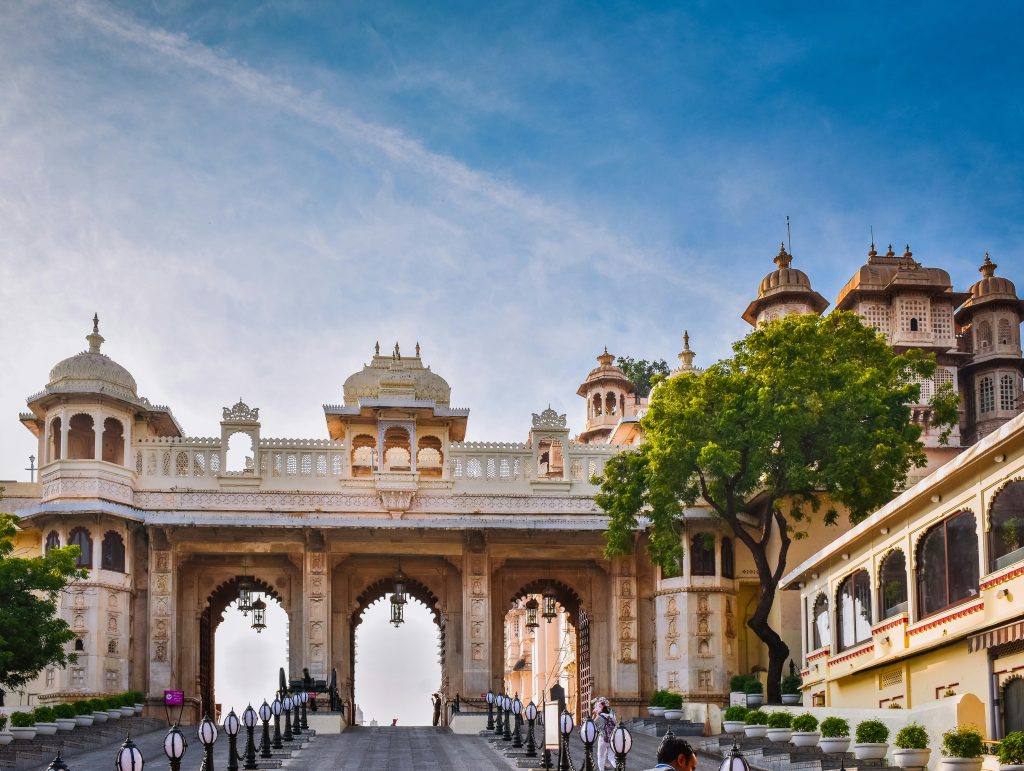
Palaces on a lake, the prettiest city in Rajasthan, and the one people stay in longest.
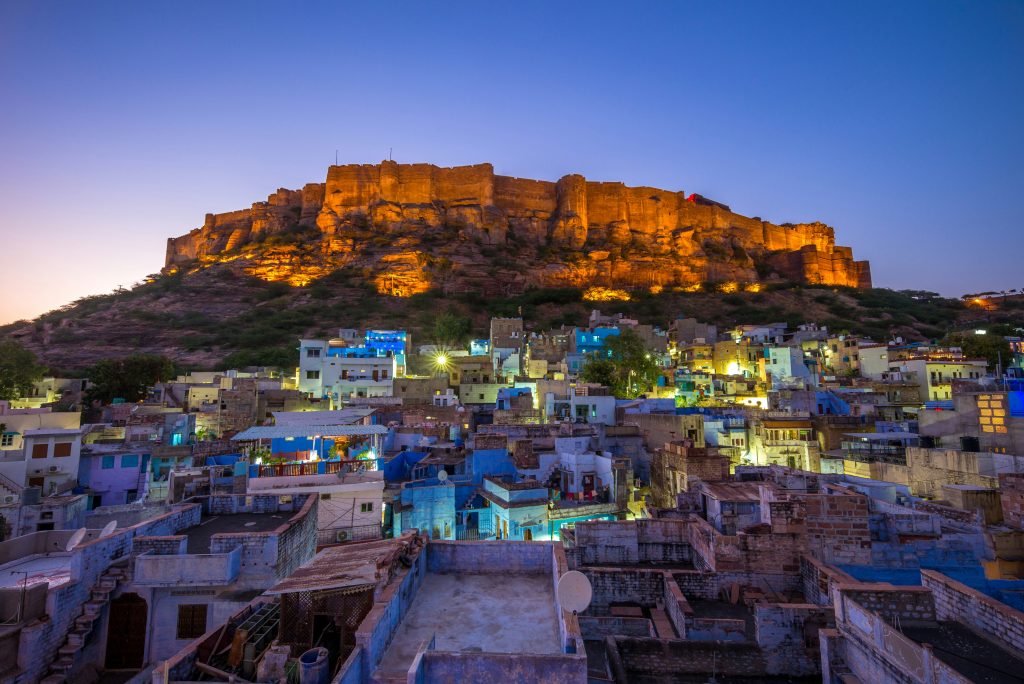
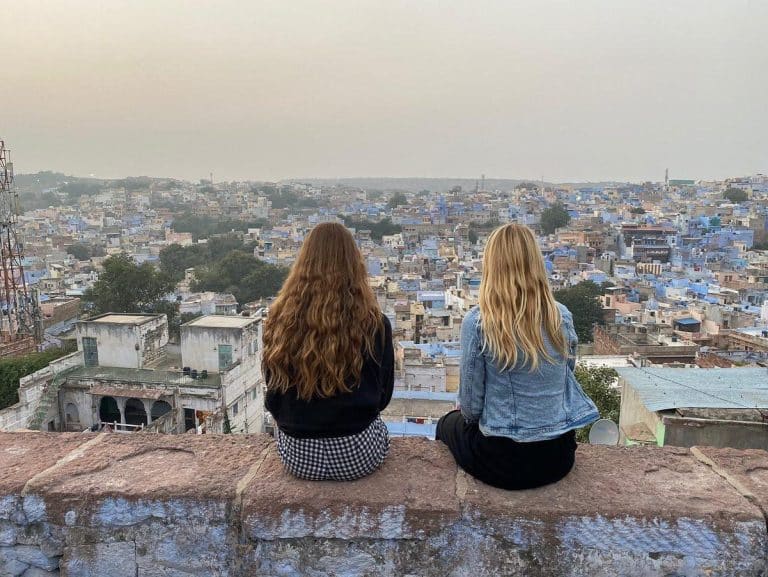
The blue city under an enormous hill fort, with a stepwell in the middle and the Thar desert beyond.
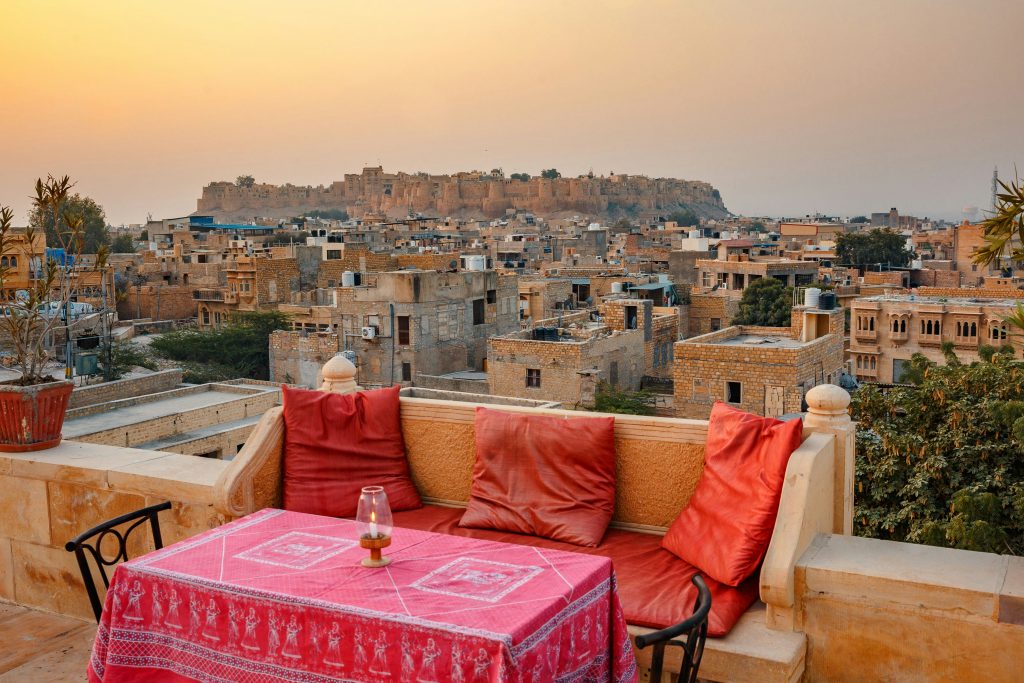
A golden sandstone fort still lived in, at the edge of the desert, and the base for camel safaris.
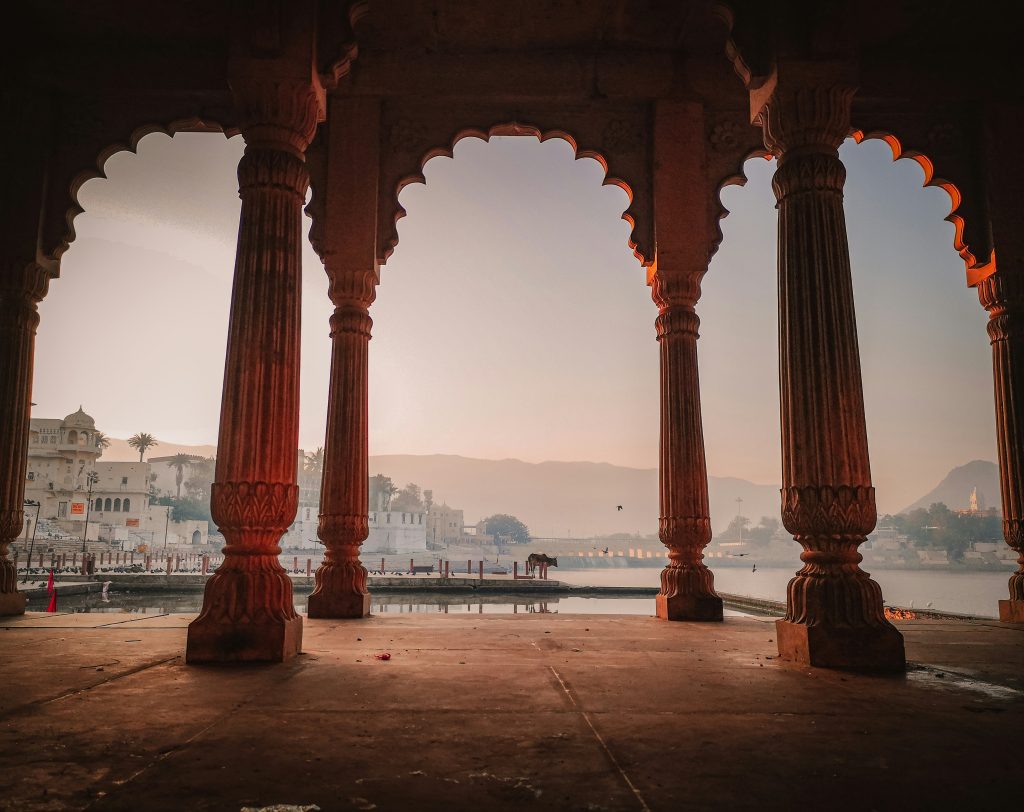
A holy lake ringed by ghats and temples, a camel fair in November, and no meat or alcohol in the town.
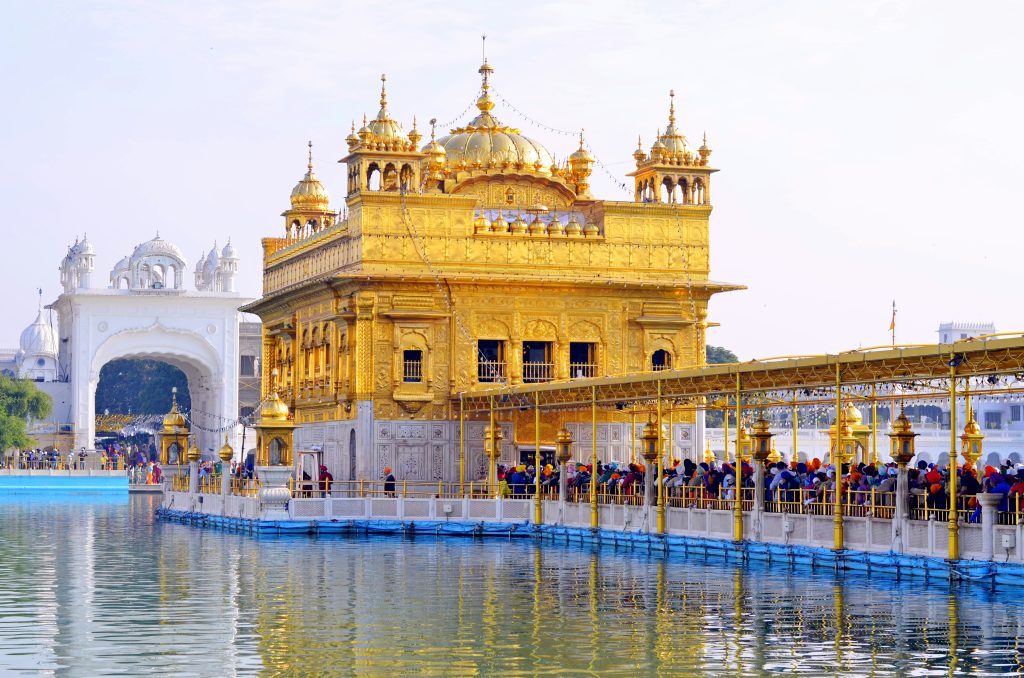
The Golden Temple, which feeds 100,000 people a day for free, and the border ceremony at Wagah.
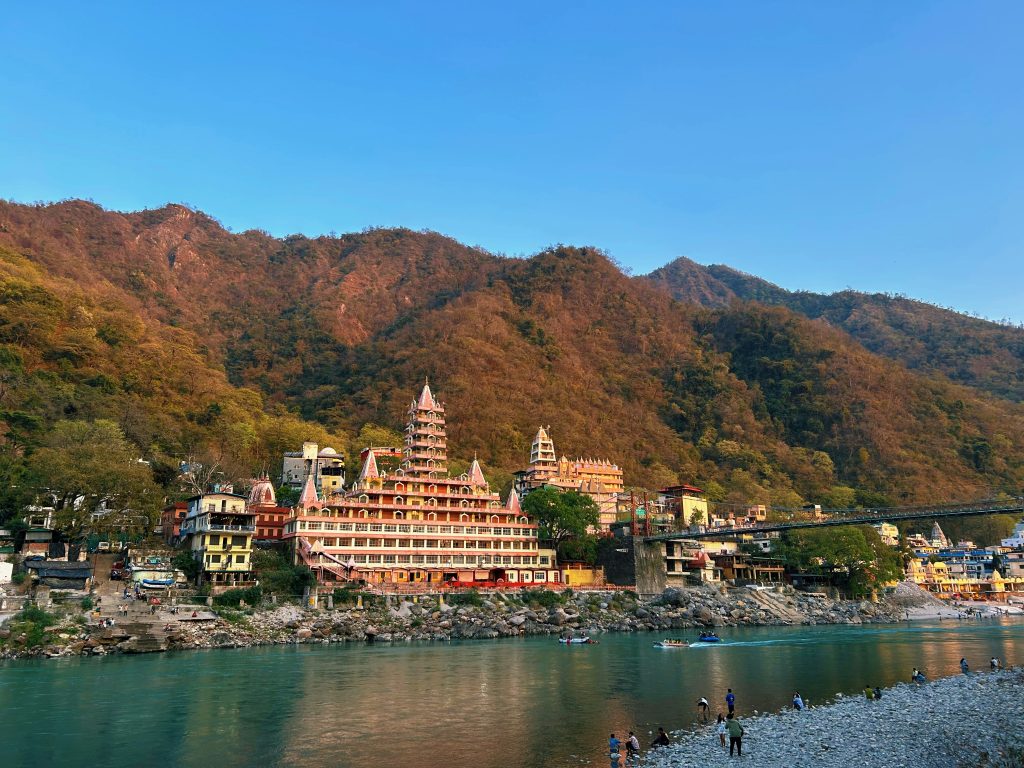
On the Ganges in the Himalayan foothills: yoga, rafting and no alcohol or meat in the holy zone.
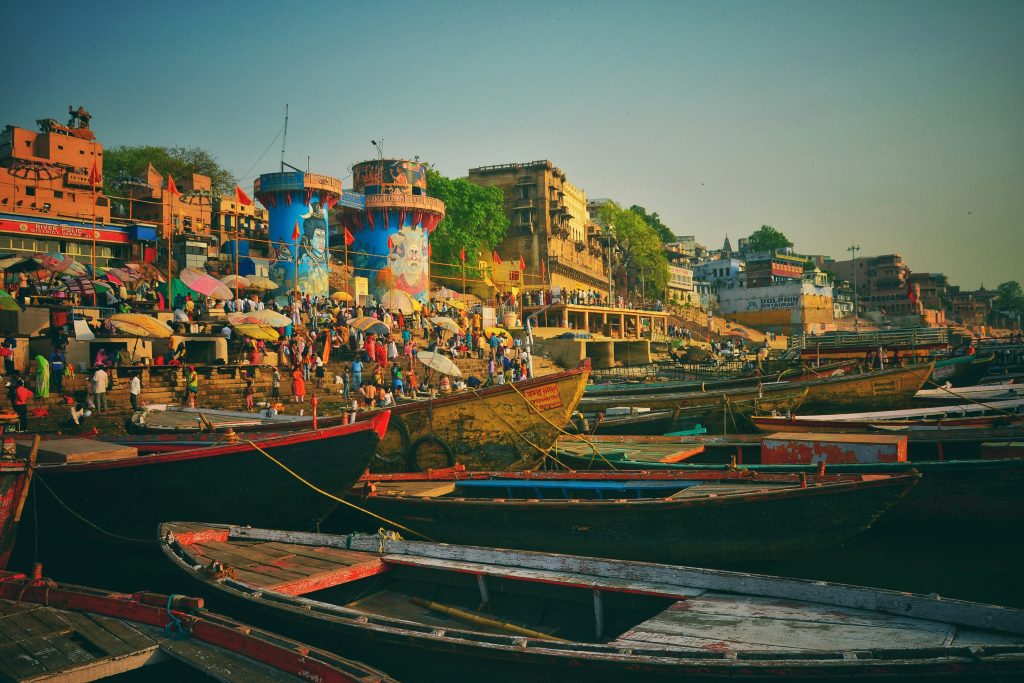
The holiest city on the Ganges, where cremations happen in public on the ghats. Intense and unmissable.
Colonial architecture, the best literary and coffee house culture in India, and Durga Puja in autumn.
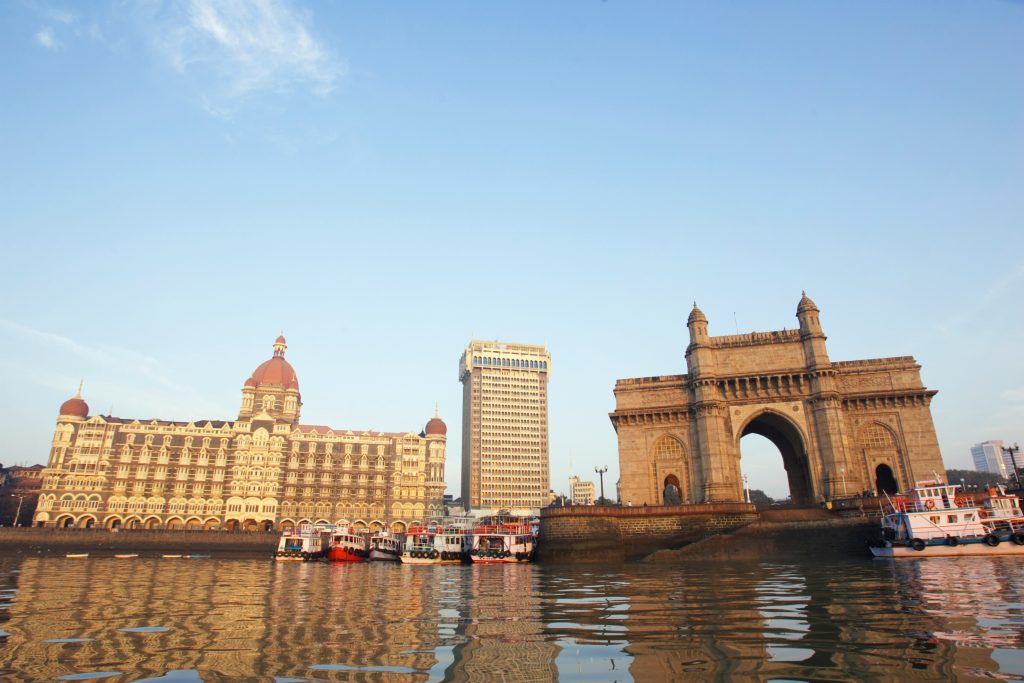
The commercial capital: colonial architecture, Bollywood, street food and the Gateway of India.
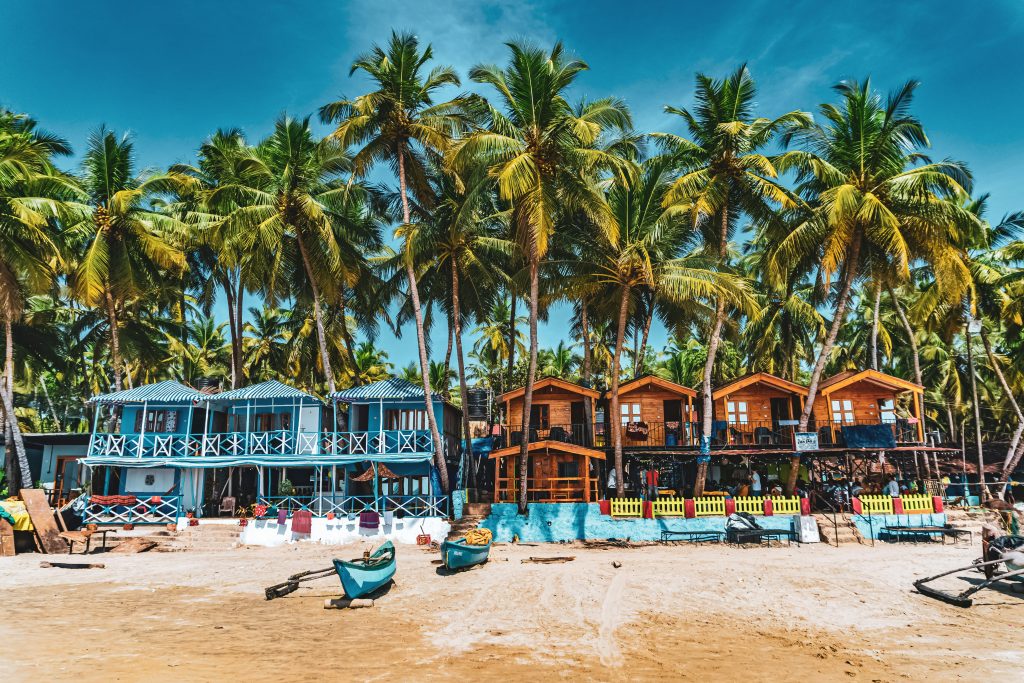
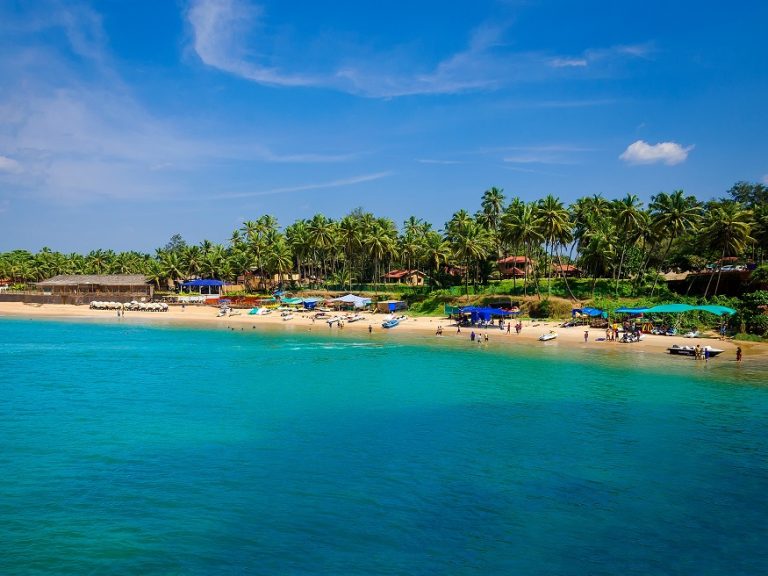
Beaches, Portuguese churches and a season that runs November to March. The easiest landing in India.
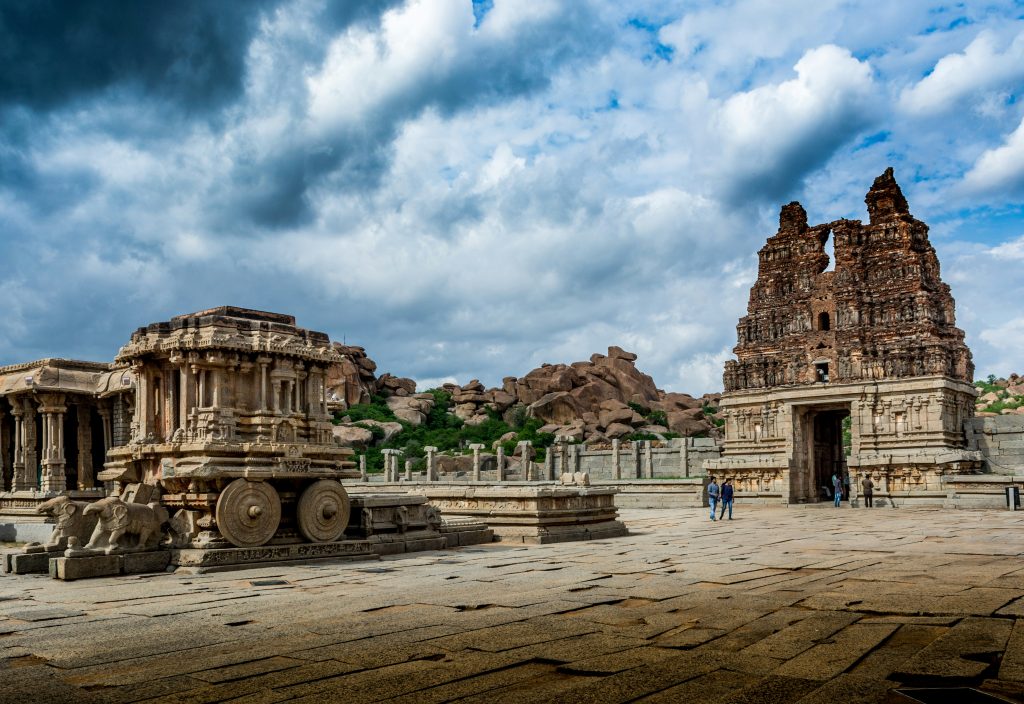
Boulder-strewn ruins of a vast Vijayanagara capital, with a river, rice paddies and a long-staying traveller scene.
Kerala's port city: Chinese fishing nets, a Jewish quarter, spice warehouses and the backwaters starting south of it.
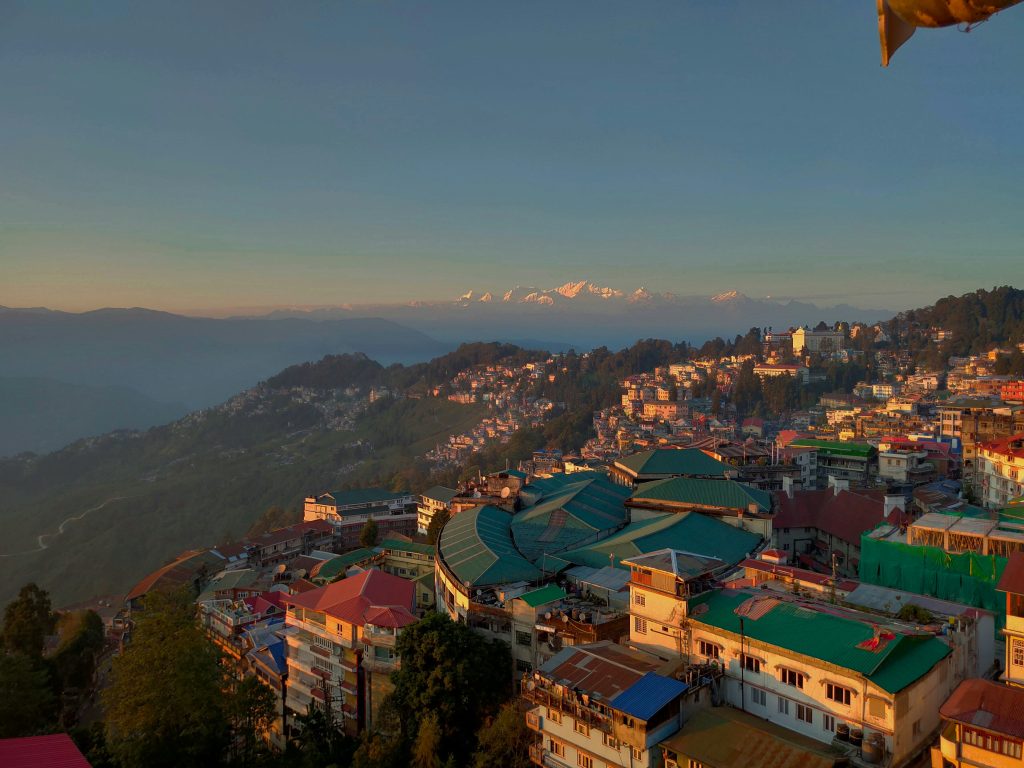
Tea estates under Kanchenjunga, a toy train up the hill, and the Himalayas on a clear morning.
Ladakh at 3,500 metres: Buddhist monasteries, high passes and a season that runs May to September.
India supports every kind of trip, and the region you choose matters more than the type.
Mughal forts, Hindu temples and the Taj Mahal.
It changes completely every few hundred kilometres.
Goa and Kerala, from November to March.
The Himalaya, and rafting on the Ganges.
The cheapest major destination in the world.
The Taj Mahal deserves the reputation and rewards an early start — it opens at sunrise, and the marble changes colour in the first hour. Agra otherwise is a day, and the fort there is better than most people expect.
Rajasthan is the classic circuit: Jaipur's forts, Jodhpur's blue city, Udaipur's lake palaces and Jaisalmer's desert fort, all linked by trains and buses over about ten days.
Varanasi is the one that stays with people. Cremations take place openly on the ghats, the evening aarti ceremony draws thousands, and a boat on the Ganges at dawn is the single most affecting hour available in India. It asks for respect rather than photographs.
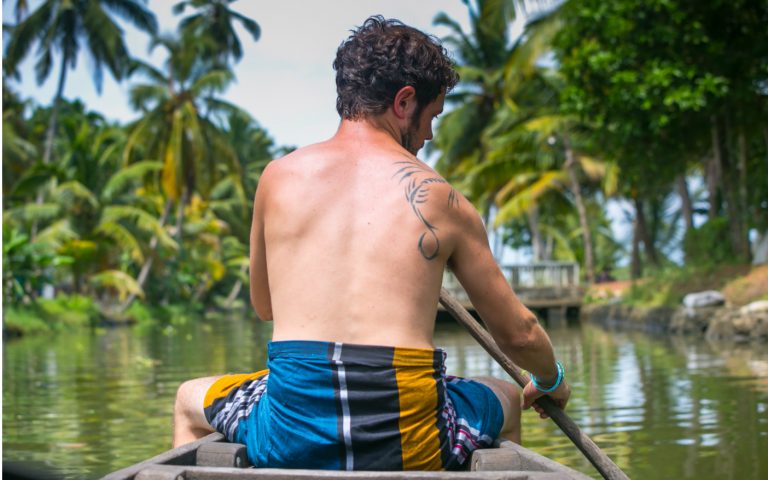
In the south, Kerala's backwaters by houseboat and Goa's beaches are the gentler end, and Rishikesh has yoga, rafting and the Himalayan foothills behind it.
Indian food as served abroad is mostly one region's cooking. Here it changes completely as you travel: wheat, dairy and tandoor in the north; rice, coconut and fish in the south; fierce vegetarian thalis in Gujarat; Mughlai meat dishes in Lucknow and Hyderabad.
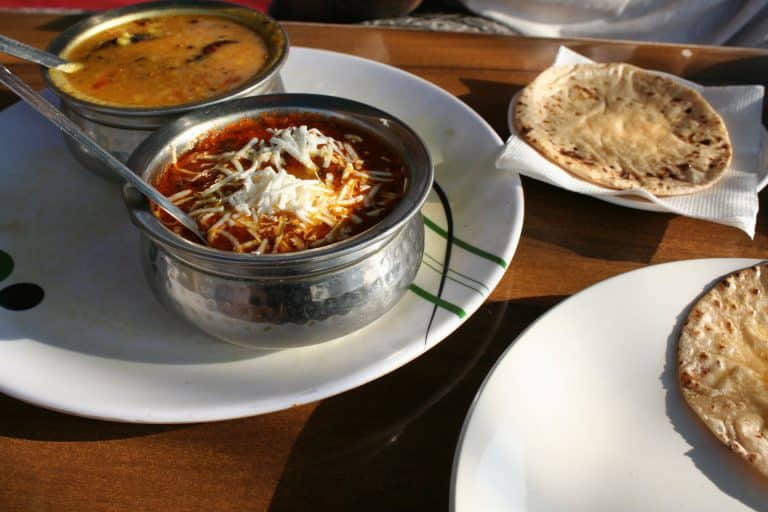
A thali is the best value meal anywhere — a tray of several dishes with rice and bread, refilled until you stop, for €1 to €4. Street food is superb and is where most stomach trouble starts, so the usual filter applies: high turnover, cooked hot in front of you, busy with locals.
Drink bottled or filtered water only, and that includes avoiding ice in smaller places. Lassi, chai and fresh juice are everywhere and cost pennies.
Nightlife varies enormously by state, because alcohol laws do. Gujarat and Bihar are dry, Rishikesh is dry within the holy zone, and several states have high taxes or restricted hours. Goa is the exception at the other end — cheap alcohol, beach parties and a season from November to March.
Mumbai has the country's best bar and club scene, and Bengaluru has the craft beer. In both, it is closer to a European night out at European prices.
Elsewhere, evenings are about food, markets and rooftop restaurants rather than bars, and that is the normal rhythm rather than a limitation.
The railway is the great Indian institution: 68,000km of it, tickets from a few euros, and sleeper berths that turn a 500km journey into a night's accommodation. Book through IRCTC weeks ahead, because popular routes genuinely sell out, and understand the classes — AC3 is the practical middle, sleeper class is cheapest and hot.
Domestic flights on IndiGo and others are inexpensive and save days on the long legs, which matters more here than almost anywhere.
In cities, use Uber and Ola rather than negotiating with rickshaws, which removes the whole haggling problem. Prepaid taxi booths at airports and stations are the safe alternative.
India is the cheapest major destination in the world. Dorms start around €5, a thali is €1 to €4, an overnight train in sleeper class is a few euros, and a comfortable day lands between €15 and €30.
Goa in peak season and the big-city hotels are the exceptions, and organised treks or houseboat trips add up — a Kerala houseboat is €80 to €150 a night, which is the most expensive thing most travellers here do.
Cash still matters outside the cities, though UPI and cards are now widespread. ATMs are everywhere; withdrawal limits are lower than in Europe, so expect more frequent trips.
India requires more awareness than most destinations in this guide, and that is worth stating plainly rather than softening.
Scams are common and persistent around tourist sites and transport hubs: fake tourist offices, drivers claiming your hotel is closed, and "official" ticket counters that are not. Book transport online, go directly to your accommodation, and treat any unsolicited approach at a station as a sales pitch.
Women travellers face more harassment than in most countries covered here, and many choose to travel with others, dress conservatively, avoid arriving anywhere at night and use women-only train carriages where available. This is not universal and millions of women travel India happily, but pretending the risk is the same as in Japan would be dishonest.
Stomach trouble is near-universal at some point. Bottled water, hot fresh food and a course of rehydration salts in your bag cover most of it.
Almost all visitors need a visa in advance. The e-visa system covers most nationalities and is applied for online with a photograph and passport scan, usually approved within a few days — apply through the official Indian government portal, not the many lookalike sites that charge several times the fee.
Passports need six months' validity from arrival and two blank pages.
Some regions require additional permits, including parts of the northeast, Ladakh's border areas and the Andaman islands. Check these separately if they are on your route, because they cannot always be arranged on arrival.
October to March is the answer for most of the country. The monsoon arrives in June and the pre-monsoon heat in May is genuinely dangerous in the north.
Average highs for Delhi, which swings enormously. The south is warmer and less extreme year-round, Ladakh and the high Himalaya are only accessible in summer, and the monsoon moves north across the country from June.
Pick how you travel and how long for. Per night, for one person, in euro equivalents of rupees.
Prices are in rupees locally; these are euro equivalents. Kerala houseboats, organised treks and domestic flights sit outside these figures.
Two of these are among the largest gatherings of people on earth.
 Staff pick
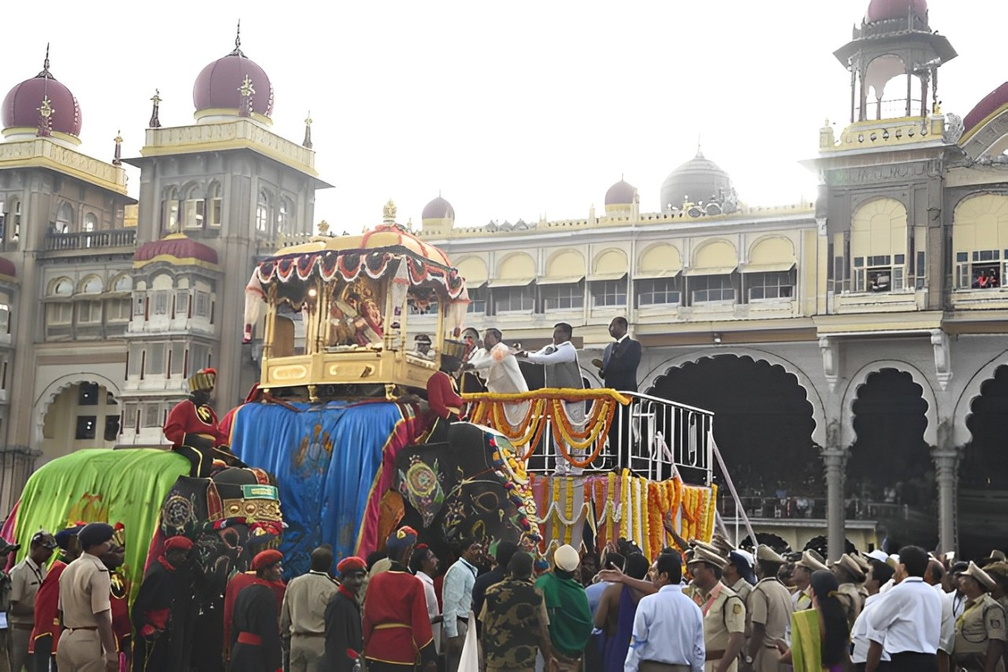
Mysore Dasara, a ten-day Hindu festival celebrated in the city of Mysore, India. With a history dating back to the 15th century, this cultural…
 Staff pick
Dive into the culture of India with Karnataka’s Naada Habba, a vibrant celebration of Navratri steeped in history and tradition dating back to 1610.…
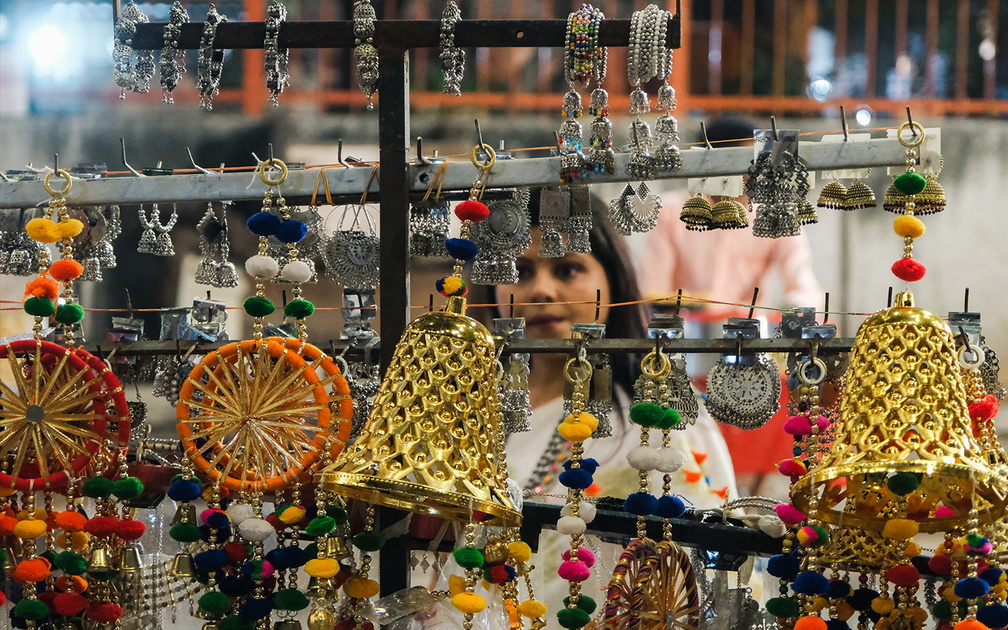 Staff pick
Durga Puja, the vibrant Hindu festival celebrating the goddess Durga, is a stunning spectacle of elaborate decorations, traditional rituals, and cultural performances. Held annually…
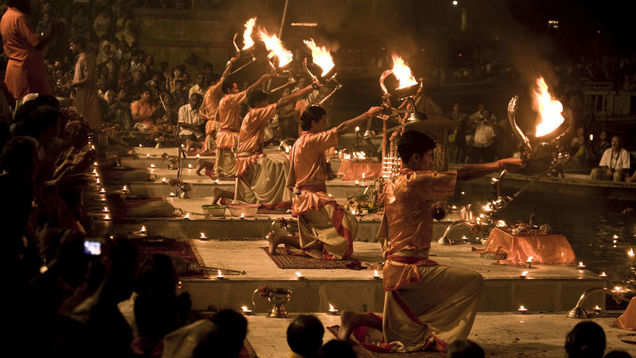 Staff pick
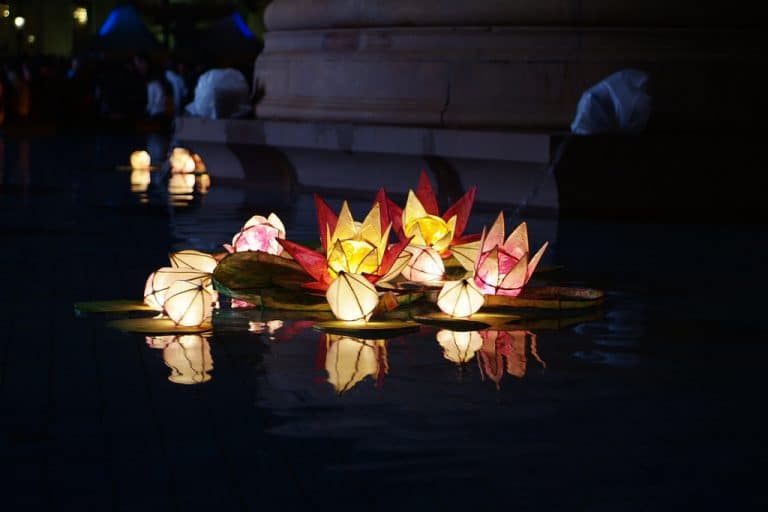
The Diwali Festival in Varanasi is a magical celebration of light and devotion, transforming the city into a radiant spectacle. The ghats along the…
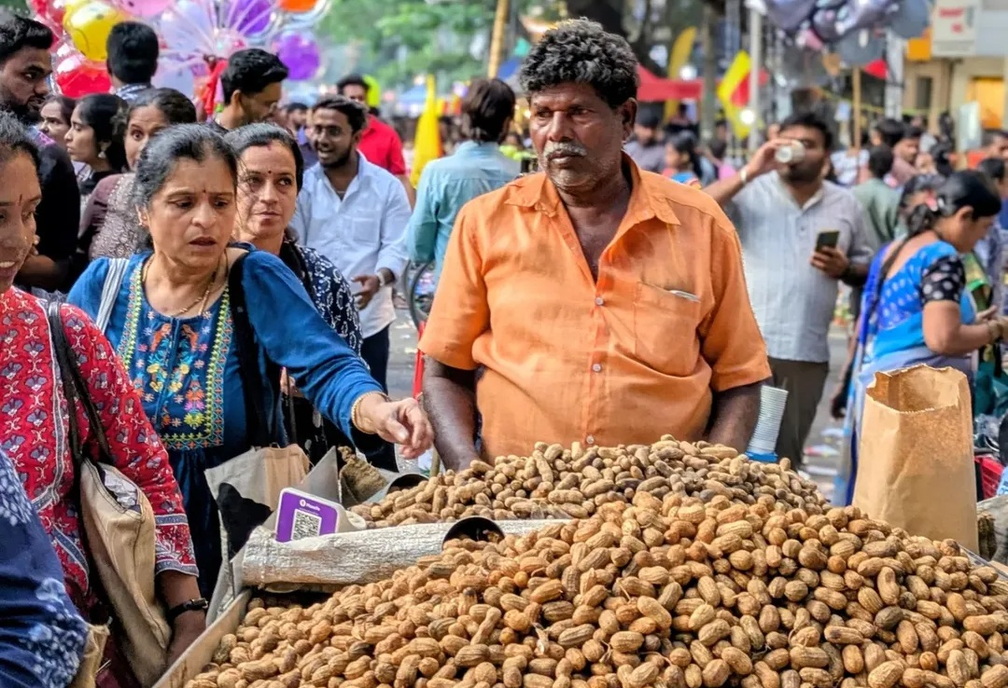 Staff pick
Kadlekai Parishe is a historic groundnut fair where farmers from across Karnataka gather to offer their first groundnut harvest at the revered Dodda Basava…
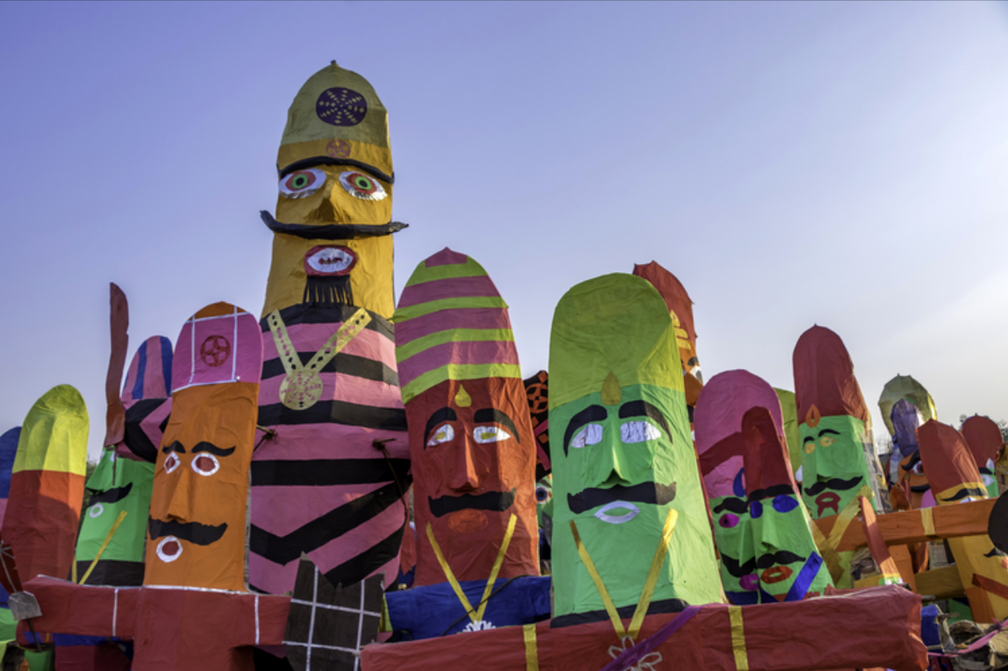 Staff pick
Immerse yourself in Dussehra, one of India's most vibrant Hindu festivals celebrating the triumph of good over evil. Experience colorful processions, captivating performances of…
 Staff pick
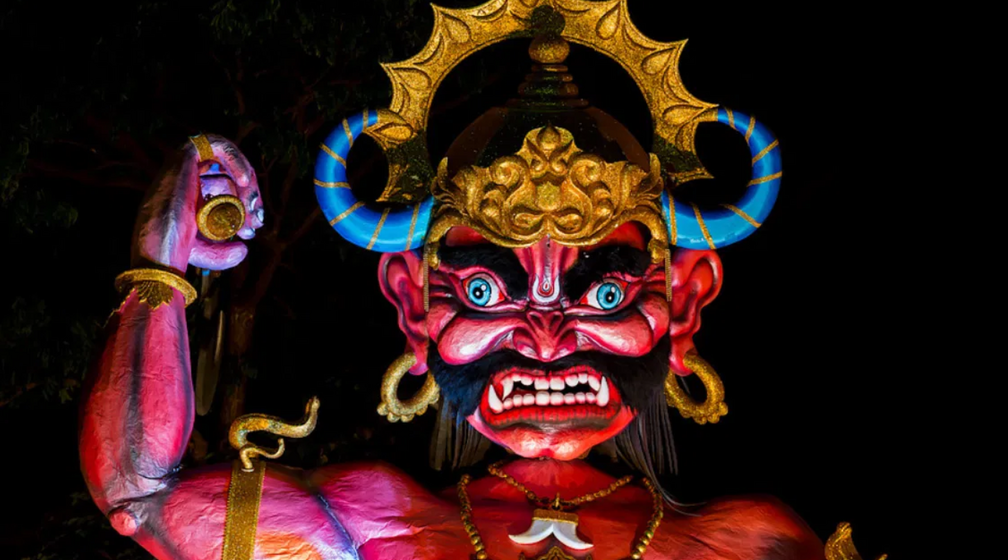
Every year, the enchanting festival of Narak Chaturdasi captivates visitors in India with its unique blend of spirituality and spectacle. Held on the day…
 Staff pick
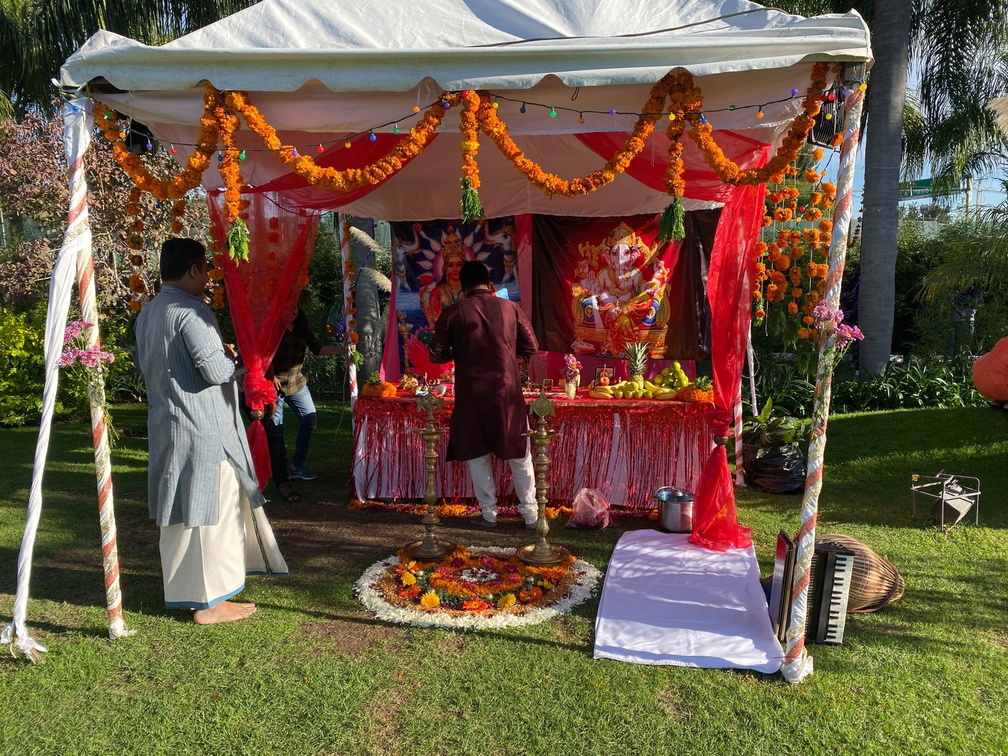
Experience the vibrant and joyous celebration of Diwali, also known as the Festival of Lights, in India. With millions of attendees from around the…
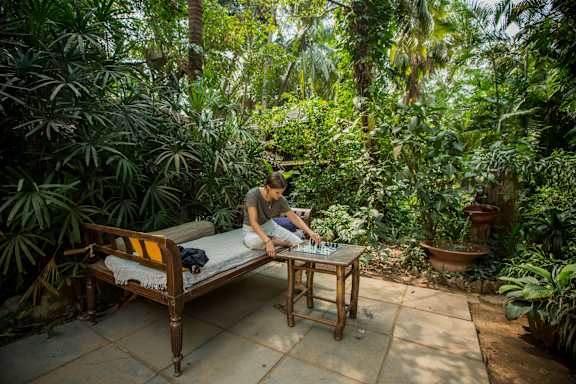
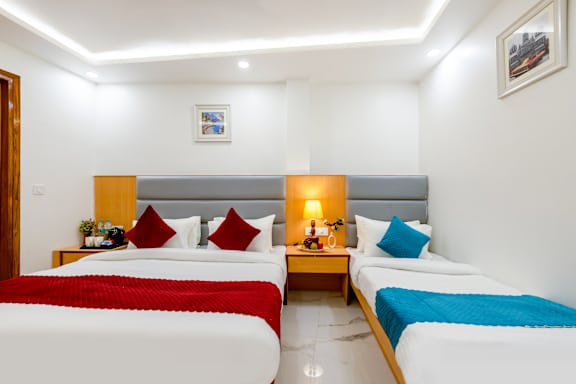
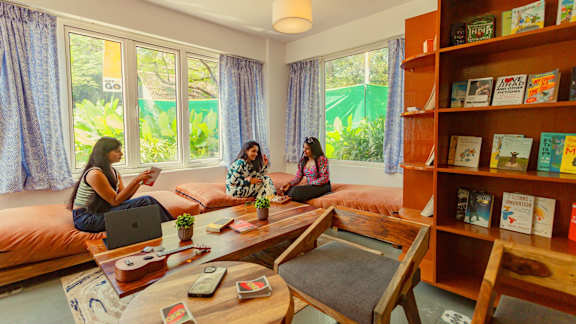
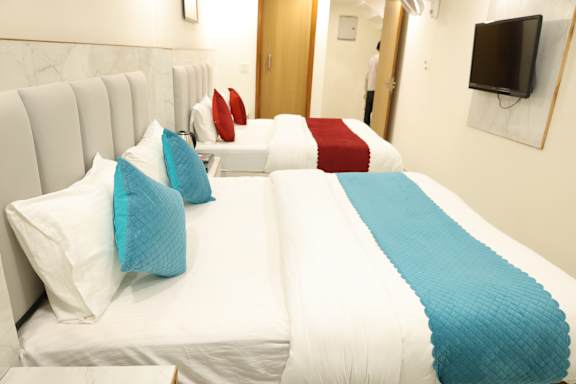
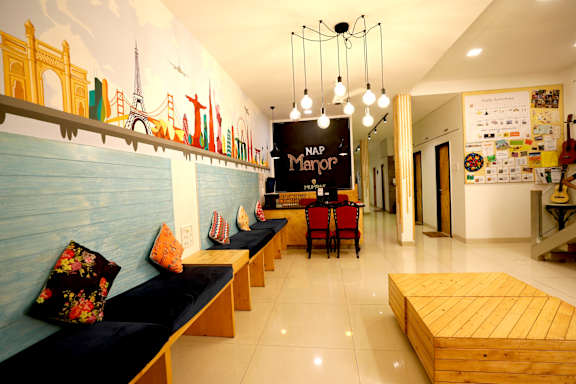
The highest-rated hostels in the country, live from Hostelworld. The backpacker hostel scene has grown quickly in Goa, Delhi, Rishikesh and Mumbai.
 Sustainable


 Sustainable
 Sustainable
The ones we get asked most.

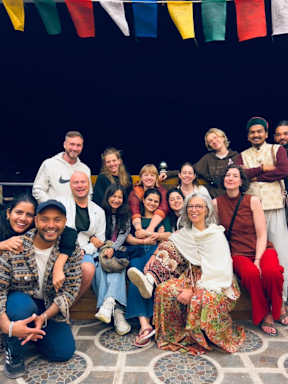
Compare hostels across India — live prices, real reviews and free cancellation on most bookings. Then meet the people already there in the app.

 Get the App.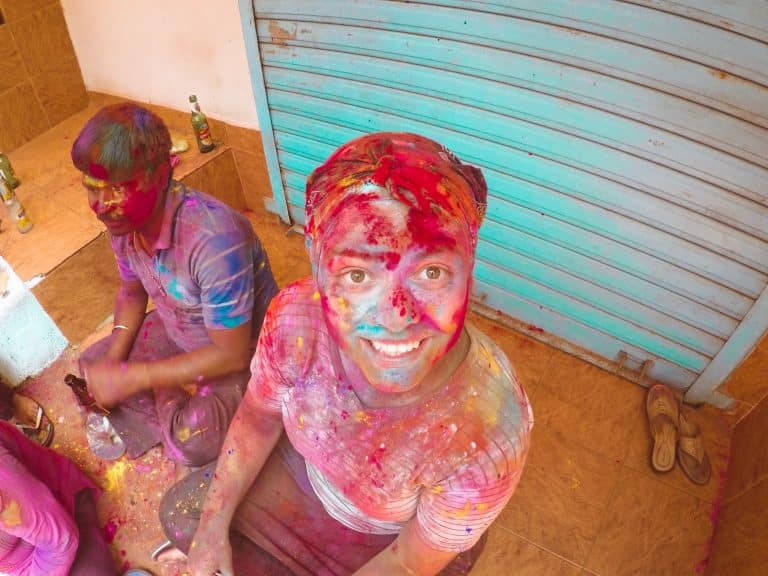
 Get the App.