Beachfront
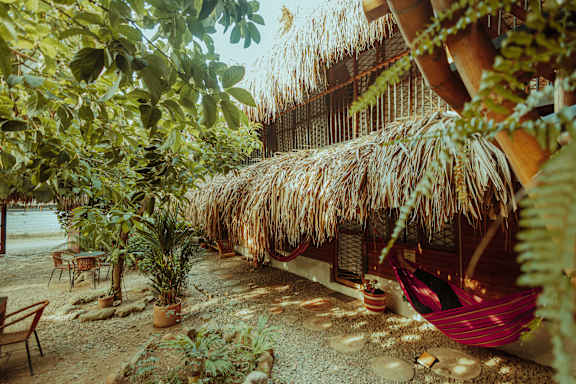
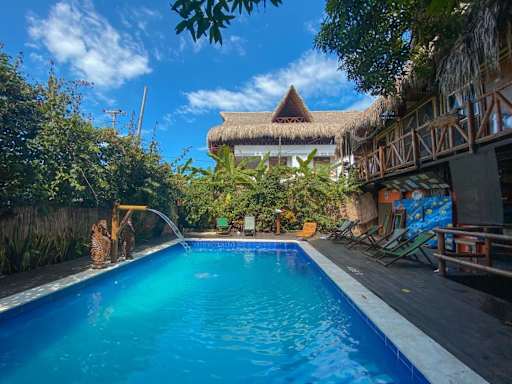
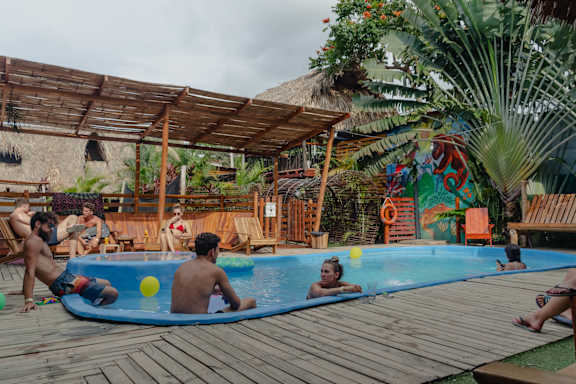
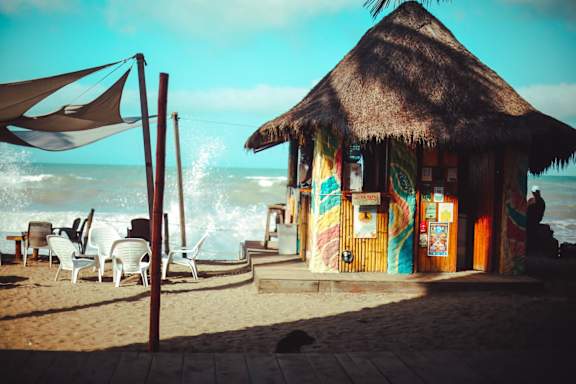
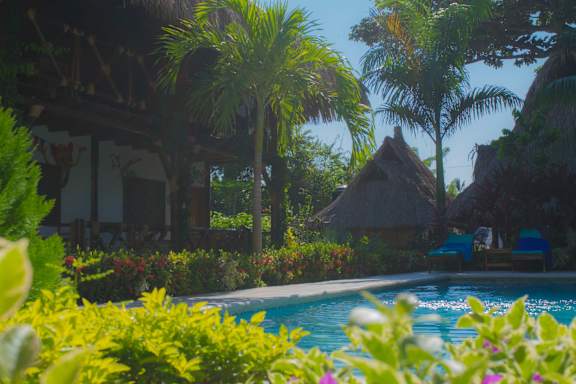
Hammocks, sea viewsHostels along the beach, with pools, bars and restaurants. A walk down sandy lanes from the main road.

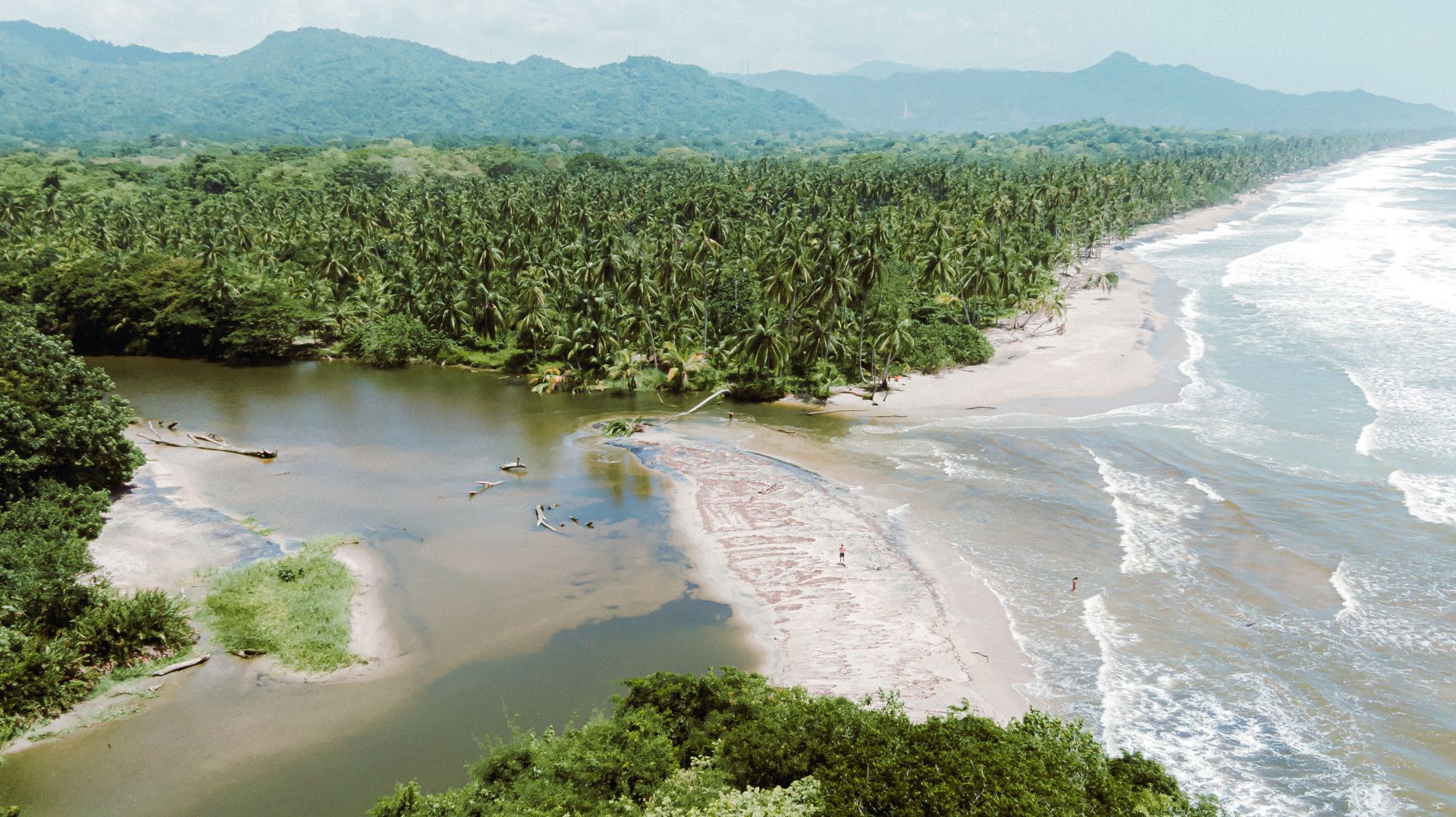
A laid-back village on the Caribbean coast where a river runs down from the Sierra Nevada to a wild beach. Hammocks, river tubing and some of the most relaxed hostels in Colombia.
Palomino is a small village in La Guajira, around two hours east of Santa Marta, at the point where the Río Palomino flows out of the Sierra Nevada into the Caribbean. On clear mornings you can see the snow-capped peaks from the beach. The village itself is a strip of shops along the main road, with sandy lanes leading down through palm trees to the sea.
People come to slow down. The beach is long, wide and wild, lined with palms and hostels with hammocks, pools and bars. The best thing to do is float down the river on an inner tube, from the jungle to the sea. The Sierra Nevada is home to the Kogui, Arhuaco and Wiwa peoples, and some Indigenous communities near Palomino welcome respectful visitors.
Give Palomino two to four days. It combines well with Tayrona, which has an entrance on the road back to Santa Marta, and with a trip further into La Guajira. Bring cash, mosquito repellent and patience: power and internet can be unreliable.
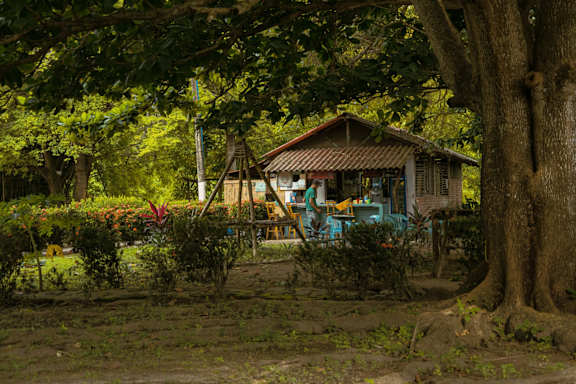
Stay on the beach for hammocks and sea views, or in the village near the main road for cheaper beds and easy buses.
Hostels along the beach, with pools, bars and restaurants. A walk down sandy lanes from the main road.
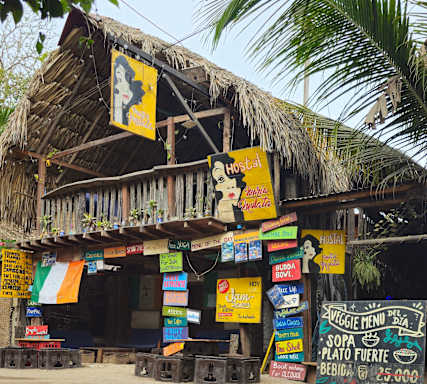
Cheaper hostels near the main road, with shops and local restaurants.
A few hostels inland near the river, surrounded by forest.
Orange labels are neighbourhoods, dots are the 12 top-rated hostels. Map data from OpenStreetMap contributors.
Go river tubing. Take a motorbike taxi up to the start of the trail, walk around 20 to 40 minutes through the jungle, then float down the Río Palomino on an inner tube for one to two hours, all the way to the sea. Tubes are rented in the village. Go in the morning, and check the river with your hostel, as it can rise fast after rain in the mountains.
The beach is beautiful for walks and sunsets, but the sea has strong currents and big waves. Swim only where locals say it is safe, and never alone. Surf lessons are available on calmer days.
Visit an Indigenous community with a local guide to learn about the culture of the Sierra Nevada, or take a yoga class at one of the beach hostels. The Quebrada Valencia waterfalls, on the road towards Santa Marta, are a good stop, and Tayrona's eastern entrances are close.
The beach is free and long enough to have stretches to yourself. Walk to the river mouth at sunset, where the fresh water meets the sea.
Swimming in the calm parts of the river near the beach is free, and many people prefer it to the sea.
Hammocks at your hostel are free, and that is how most days in Palomino end.
Fresh fish with coconut rice and patacones is the staple, and fresh juices made from tropical fruit are everywhere. The beach hostels have restaurants, many with vegetarian food.
The village along the main road has cheaper local restaurants serving menús del día, plus small shops for supplies.
There is no big supermarket, so stock up in Santa Marta if you plan to cook.
Palomino is relaxed, but a few beach hostels have busy bars and run parties, especially at weekends and in high season.
Otherwise, nights are about hammocks, music and drinks on the beach.
Take a torch: the lanes to the beach are dark.
The village is small, and the beach is a walk down from the main road. Motorbike taxis take you to the start of the tubing trail and around the area.
Buses run along the coast road to Santa Marta, around two hours, passing Tayrona's entrances, and east to Riohacha, the starting point for tours to Cabo de la Vela and Punta Gallinas in the desert of La Guajira.
Santa Marta's Simón Bolívar airport is the nearest.
Palomino is good value. Dorm beds start around €8, with well-rated beach hostels from €10 to €18. Village food is cheap, beach restaurants cost more.
Tubing is cheap, including the tube and the motorbike taxi.
Bring cash. ATMs are limited and can run out, and many places do not take cards.
Palomino is relaxed and generally safe. Take normal care with belongings on the beach and in shared spaces.
The sea is the main danger. Strong currents and waves make it unsafe for swimming much of the time. The river can rise quickly after rain in the mountains, so check before tubing.
Mosquitoes and sandflies are common, so bring repellent. Respect Indigenous communities and ask before taking photos. In an emergency, call 123.
Jungle parks, waterfalls and the desert of La Guajira.
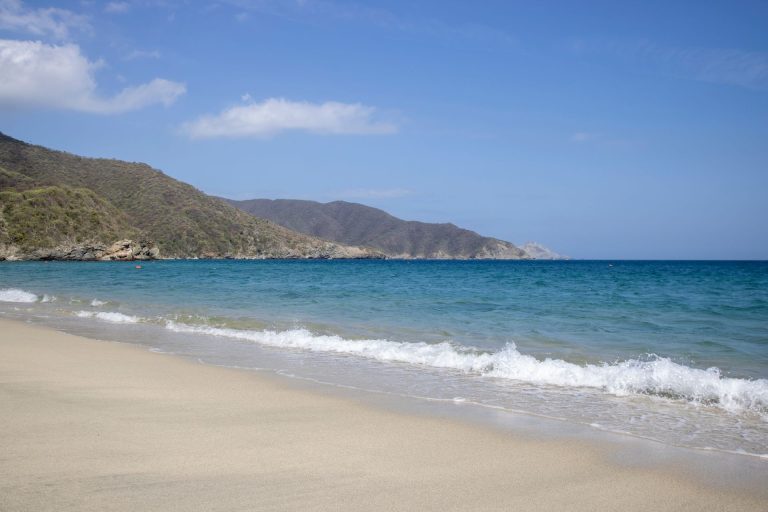
Jungle beaches. Check closure dates before going.
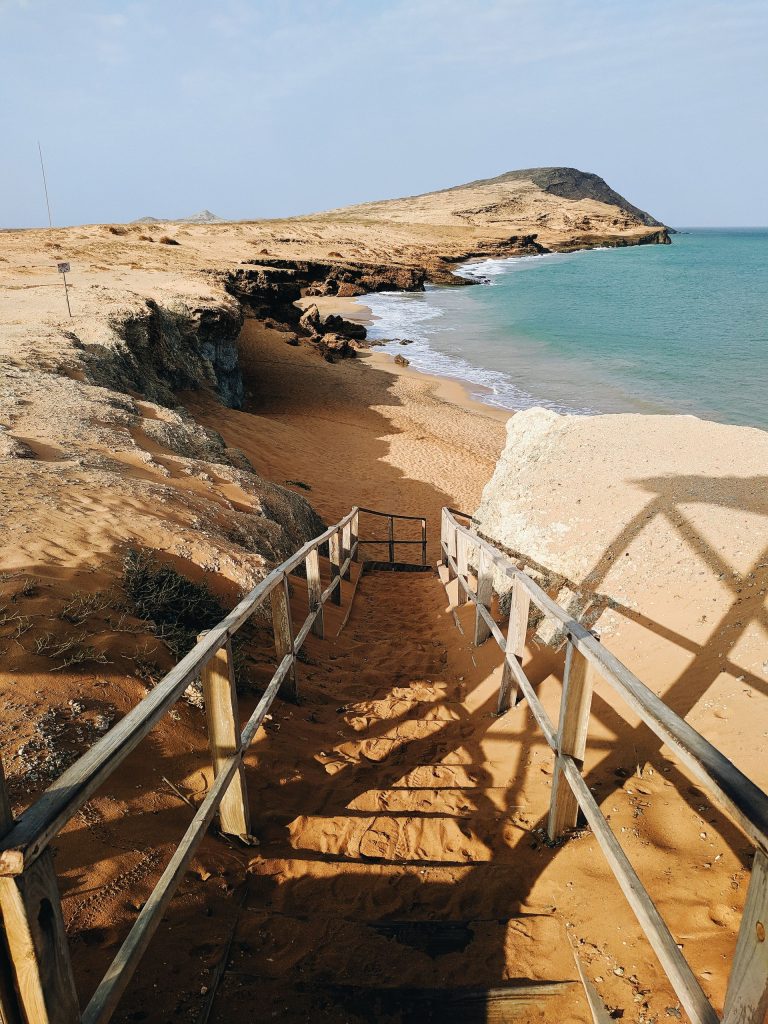
Cabo de la Vela and Punta Gallinas, the northern tip of South America.
Holiday crowds and hostel parties.
Beach hostels fill up and parties are busiest. Book ahead.
Colombian holiday crowds on the coast.
The highest-rated hostels in Palomino, straight from Hostelworld. Prices and availability are live on each property page.





Palomino is hot all year. December to April is the dry season. September to November is wettest, with a muddier river.
Average highs, rounded. Afternoons can be very humid.
Per night, for one person, based on Palomino prices.
Treat these as a guide. La Guajira tours cost extra.
The ones we get asked most.

Compare hostels in Palomino: live prices, real reviews and free cancellation on most bookings. Then meet the people already there in the app.

 Get the App.



 Get the App.