CBD
Laneways and free tramsLaneways, arcades, markets and the Free Tram Zone.

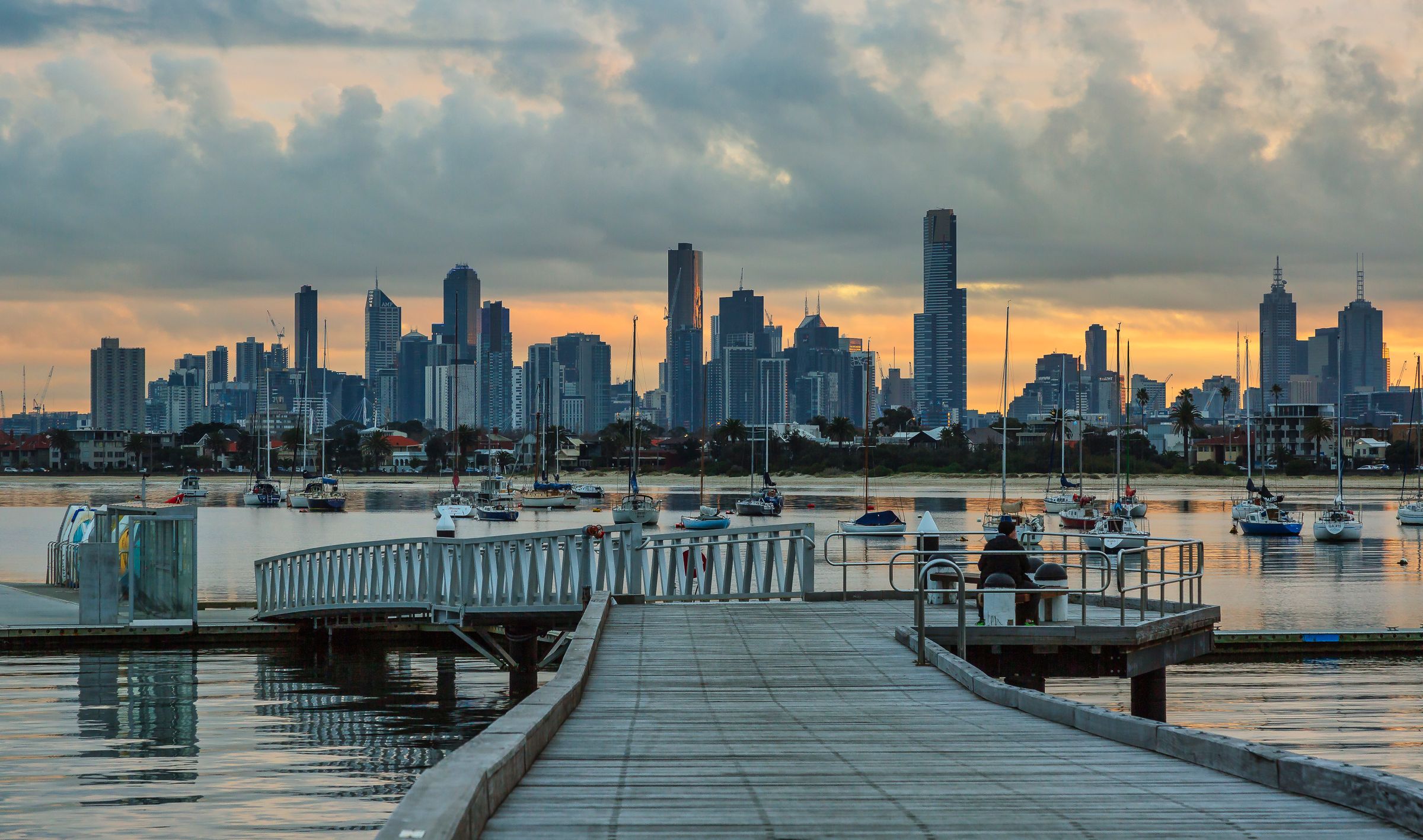
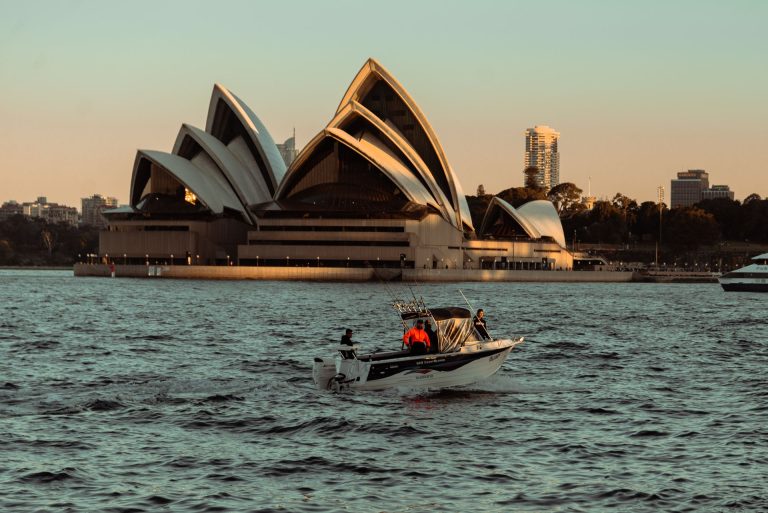
Melbourne is the city to lose unplanned days in: laneways full of coffee and street art, a free tram zone across the centre, live music every night of the week and the best food in Australia. It doesn't have Sydney's harbour, and it doesn't need it. The Great Ocean Road starts down the coast.
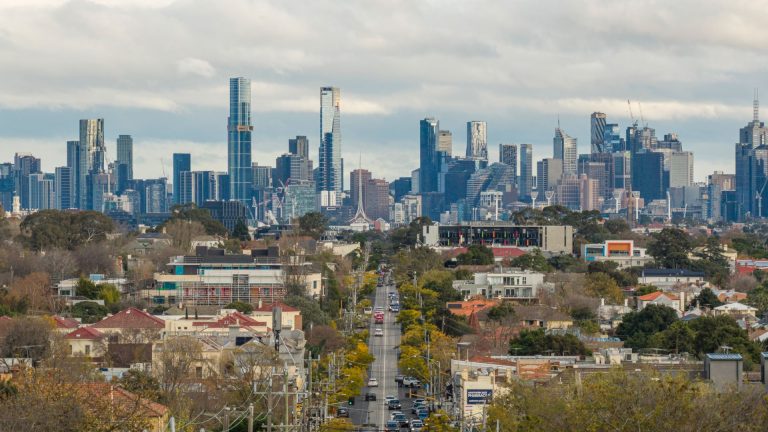
Melbourne sits on Port Phillip Bay at the mouth of the Yarra River, in Victoria. It's Australia's second city and, depending on who you ask, its cultural capital.
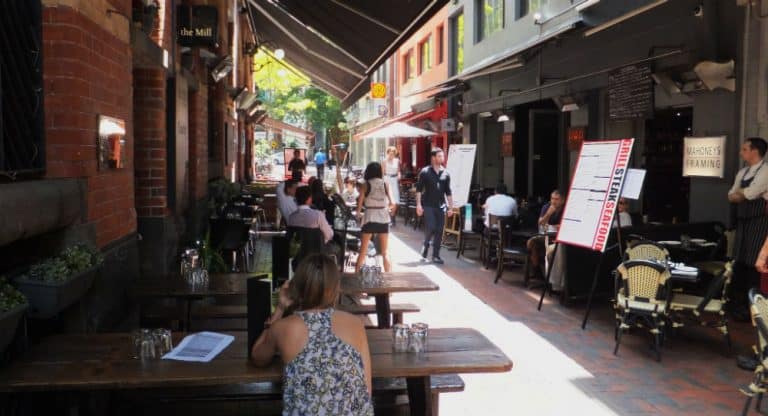
The centre, or CBD, is a grid of wide streets cut through with narrow laneways and arcades, packed with cafés, bars, restaurants and street art. Trams rattle through it, and inside the Free Tram Zone you ride them for nothing.
Around the centre are neighbourhoods with distinct characters. Fitzroy and Collingwood, to the north, are the vintage shops, pubs and live music. St Kilda, on the bay, has a beach, a pier, an old amusement park and a long backpacker history. Southbank, across the river, has the arts precinct, and Richmond and Brunswick have food, pubs and multicultural streets.
Melbourne is obsessed with three things: coffee, food and sport. The Australian Open, the Grand Prix, the AFL and the Melbourne Cup all happen here, and a game at the MCG is an experience even if you don't follow it.
The weather is famously changeable, with four seasons in a day, so pack layers.
Four or five days covers the city, and the Great Ocean Road, Phillip Island and the Yarra Valley are all easy trips from here.
Stay in the CBD for the Free Tram Zone and laneways, Fitzroy for bars and live music, or St Kilda for the beach and backpacker scene.
Laneways, arcades, markets and the Free Tram Zone.
Vintage shops, pubs and venues just north of the centre.
Bayside suburb with a beach, pier and hostels.
The NGV, the arts precinct and riverside walks.
Orange labels are neighbourhoods, dots are the 12 top-rated hostels. Map data from OpenStreetMap contributors.
Start in the laneways of the CBD. Hosier Lane and AC/DC Lane are covered in street art, and Degraves Street and Centre Place are lined with cafés. The Block Arcade and Royal Arcade are 19th-century shopping arcades.
Federation Square, opposite Flinders Street station, is the city's meeting point, with the Ian Potter Centre for Australian art. The National Gallery of Victoria, across the river, has free general entry and is one of the best galleries in the country.
Queen Victoria Market sells everything from fresh food to souvenirs, and runs a night market in summer and winter.
Walk along the Yarra to the Royal Botanic Gardens, which are free.
Watch sport at the MCG: AFL from March to September, cricket in summer. The Australian Open tennis is in January.
Fitzroy and Collingwood are for wandering: vintage shops, record stores, pubs and live music venues. St Kilda has a beach, Luna Park and a pier where little penguins come ashore at dusk.
Day trips go along the Great Ocean Road to the Twelve Apostles, to Phillip Island for the penguin parade, and to the Yarra Valley wineries.
Ride the trams for free in the Free Tram Zone, which covers the CBD and Docklands.
The National Gallery of Victoria has free general entry, and so does the Ian Potter Centre at Federation Square.
Walk the laneways and street art of Hosier Lane and AC/DC Lane.
The Royal Botanic Gardens are free and a lovely walk.
Watch the little penguins come ashore at St Kilda pier at dusk.
Hostels run free walking tours, and many pubs have free live music.
Melbourne takes food and coffee more seriously than anywhere else in Australia. The flat white is a point of local pride, and every laneway café takes its beans personally.
The city is multicultural, and the food shows it. Chinatown on Little Bourke Street, Vietnamese pho on Victoria Street in Richmond, Greek in Lonsdale Street, Italian on Lygon Street in Carlton, and Middle Eastern on Sydney Road in Brunswick.
Queen Victoria Market is good for cheap eats and fresh food for the hostel kitchen.
Pubs serve parmas, burgers and specials, and the laneway restaurants range from cheap dumplings to fine dining.
A beer in a bar is AU$10 to AU$14. Tap water is safe to drink.
Melbourne is Australia's live music capital. Venues in Fitzroy, Collingwood, Brunswick and St Kilda host bands every night of the week, often with free entry early on.
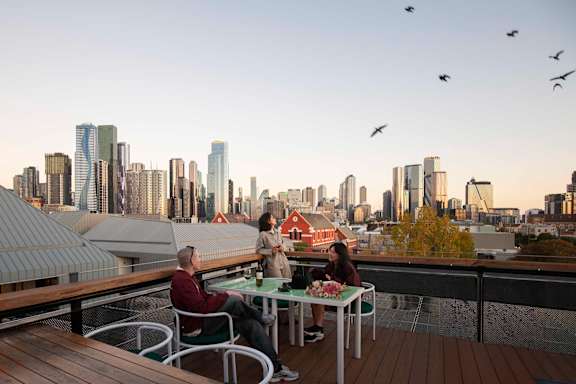
The CBD's laneways hide small bars and rooftop bars, many down unmarked stairways.
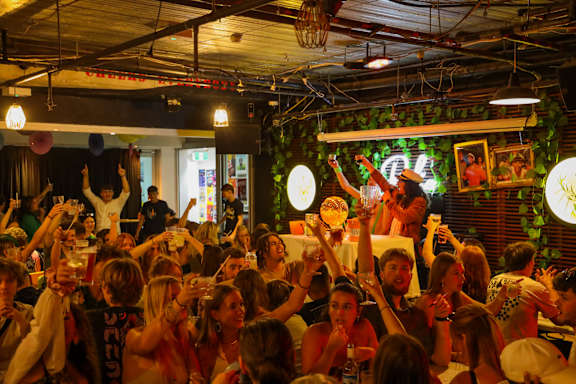
St Kilda's bars and the backpacker hostels have their own scene, with pub crawls and hostel nights.
Chapel Street in South Yarra and Prahran has clubs and bars.
Trams and trains run late on weekends, and ride-hailing is easy.
Melbourne Airport (Tullamarine) is about 25 km north-west of the centre. The SkyBus runs to Southern Cross station.
Public transport uses the myki system on trams, trains and buses. Inside the Free Tram Zone in the CBD and Docklands, trams are free.
Trams run to Fitzroy, St Kilda, Richmond and Brunswick, and trains reach the suburbs and the bay.
V/Line trains and buses go to regional Victoria. For the Great Ocean Road, most travellers join a day tour or hire a car.
Domestic flights connect Melbourne with Sydney, Brisbane, Cairns and Perth, and the Spirit of Tasmania ferry sails to Tasmania.
Melbourne is slightly cheaper than Sydney. Hostelworld lists dorm beds from about AU$30 at Barkly Backpackers in St Kilda and AU$35 to AU$50 at the central hostels.
Cheap food is easy to find: dumplings, pho and market food for AU$12 to AU$20, and pub meals for AU$22 to AU$35.
Trams in the Free Tram Zone cost nothing, and myki fares are capped daily.
The NGV, the Botanic Gardens and the laneways are free.
A Great Ocean Road day tour is the main extra cost.
Without working, allow around AU$90 to AU$130 a day.
Melbourne is a safe city, with low crime. Watch your belongings on crowded trams and in nightlife areas.
The weather changes fast. Carry a layer and an umbrella, even in summer, when temperatures can drop by ten degrees in an hour.
The sun is still strong, so wear sunscreen in summer.
Watch out for trams, which have priority and are quiet, especially when crossing roads.
At night, watch your drinks and stick with friends.
On day trips to the Great Ocean Road, swim only at patrolled beaches, as the surf is dangerous.
Melbourne is the starting point for the Great Ocean Road, Phillip Island's penguins and the Yarra Valley.
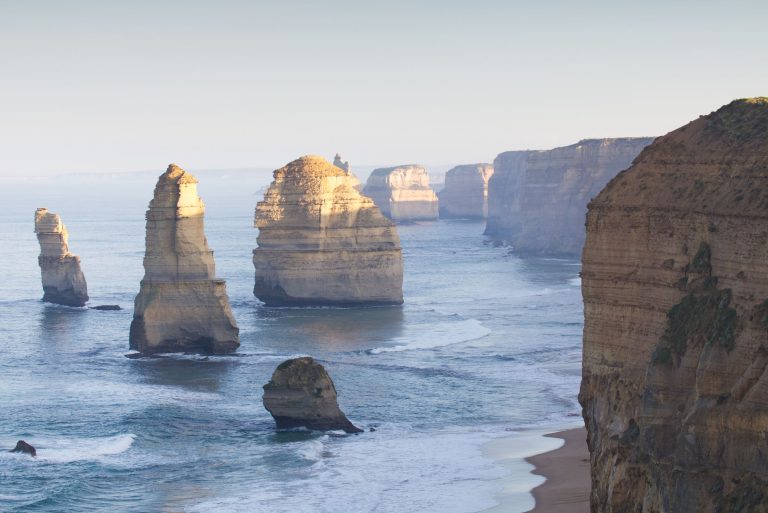
Coastal road to the Twelve Apostles, with surf beaches and rainforest.
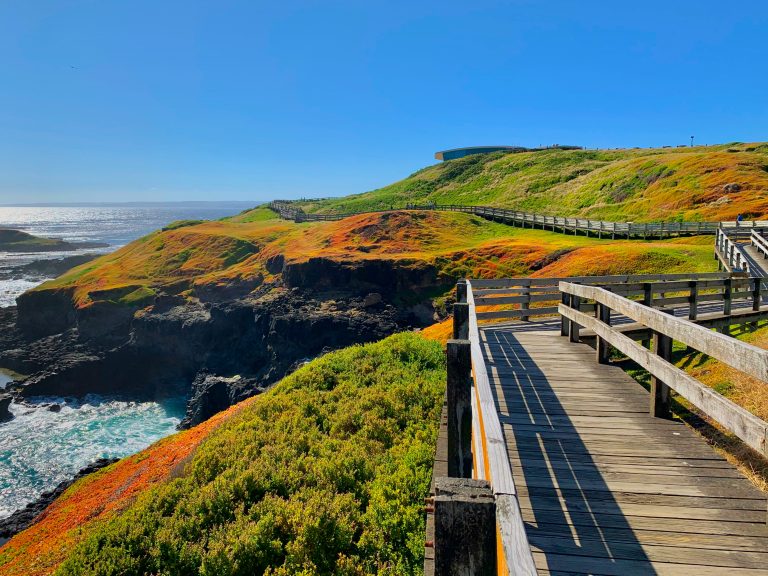
The penguin parade at dusk and coastal walks.
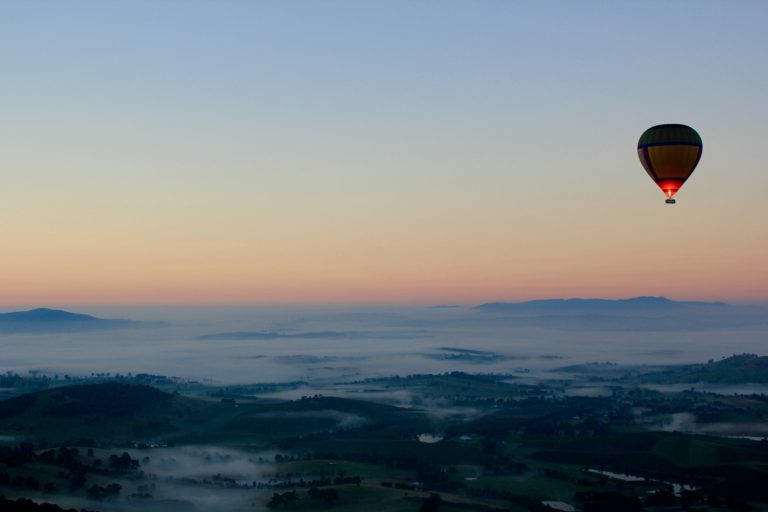
Wineries, cheese and the Healesville Sanctuary.
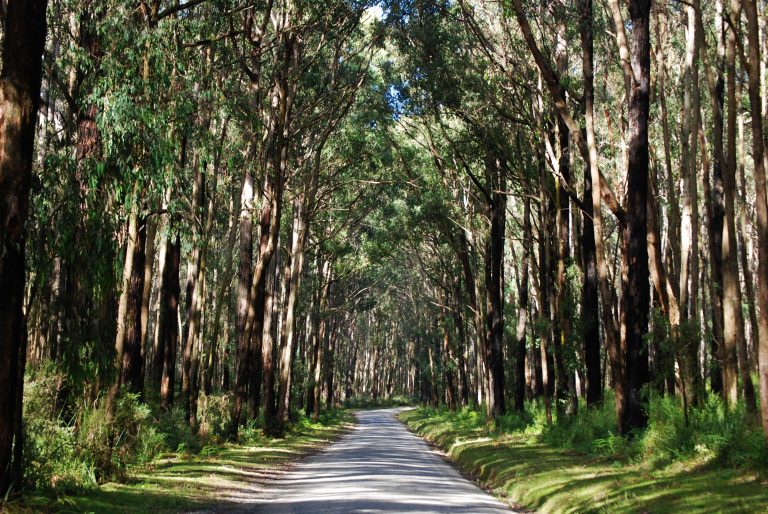
Forest walks and the Puffing Billy steam train.
Melbourne's calendar is packed with sport, comedy and food: the Australian Open, the Grand Prix, the Comedy Festival and the AFL Grand Final.
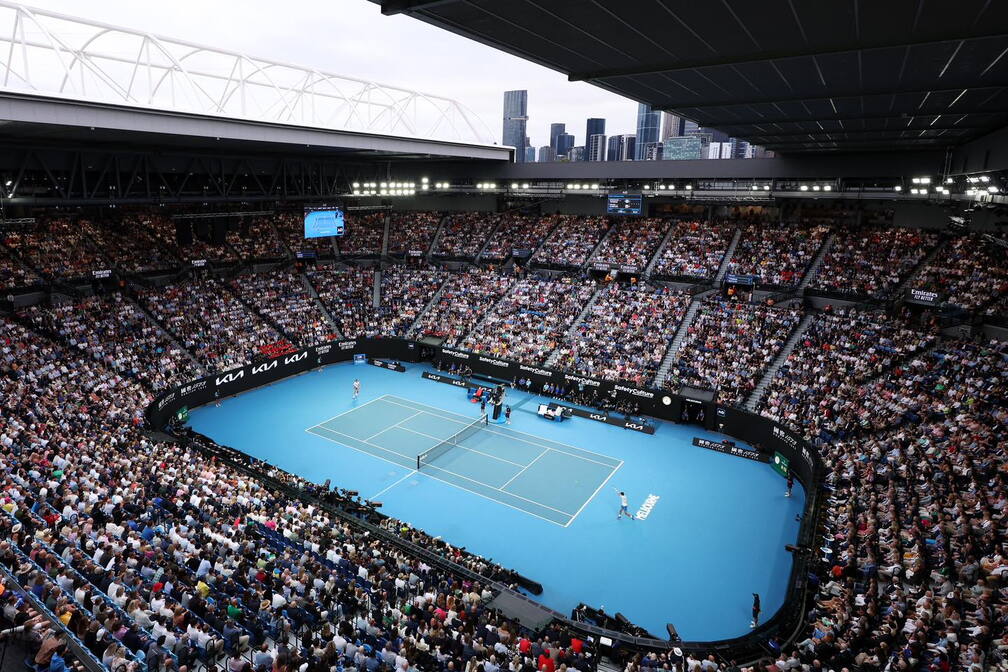 Staff pick
The Australian Open, one of the four Grand Slam tennis tournaments, attracts the world's top players and avid fans to Melbourne each January. With…
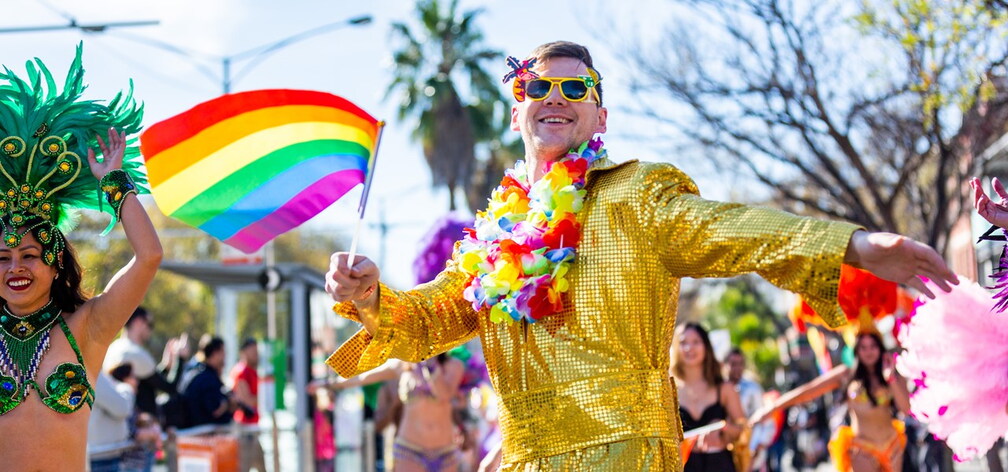 Staff pick
Midsumma Festival is Melbourne's premier LGBTQIA+ arts and culture event, showcasing vibrant performances, visual arts, and community events. With its inclusive atmosphere and diverse…
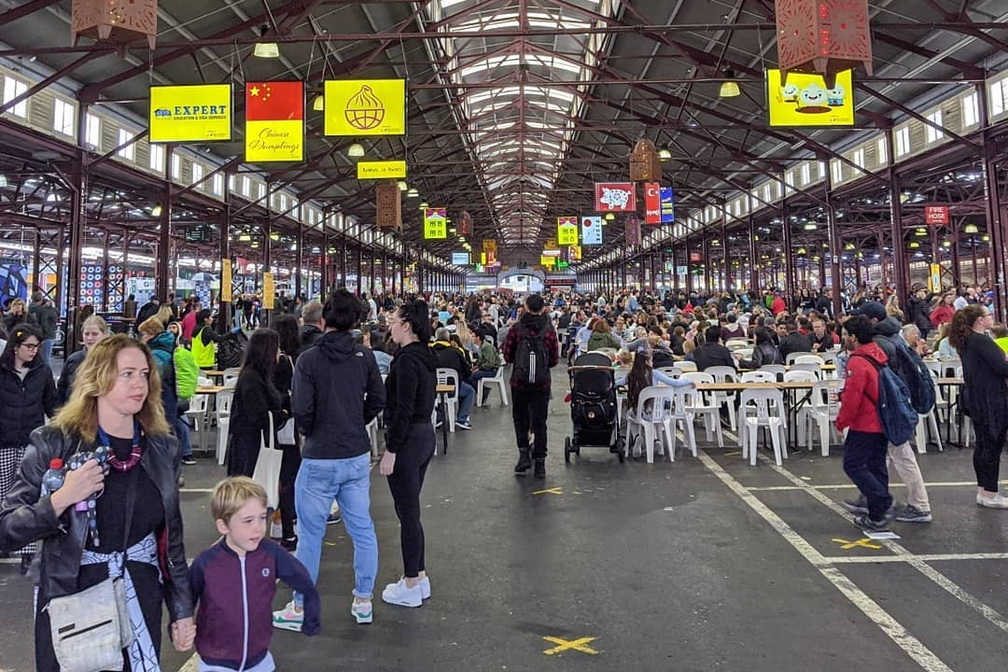 Staff pick
Dumplings from every corner of the globe gather under one roof at Queen Victoria Market, from xiao long bao and gyoza to pierogies, manti,…
 Staff pick
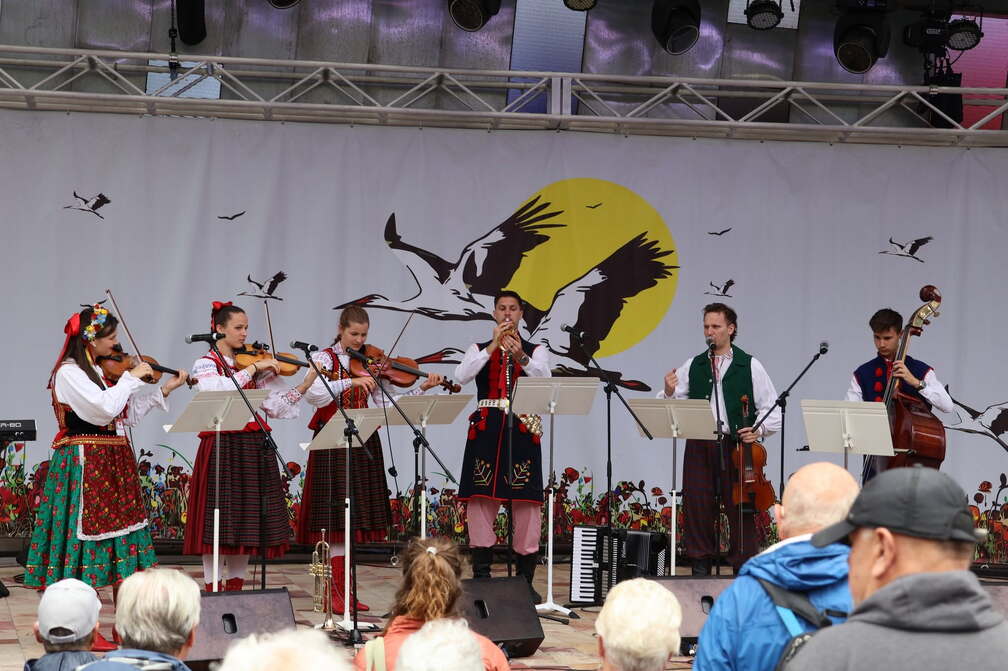
For over two decades, Melbourne's Polish community has gathered at Fed Square to share their culture through this volunteer-run celebration. You'll find Polish food,…
 Staff pick
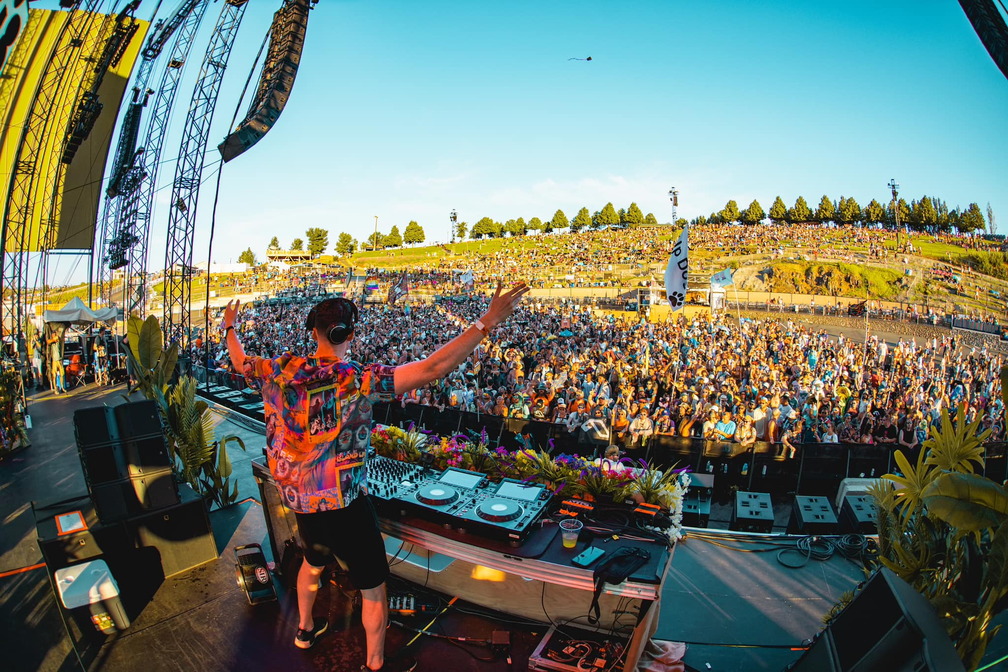
Anjunadeep Open Air brings its renowned deep house, progressive house, and melodic house sounds to Melbourne, transforming a unique warehouse space into an immersive…
 Staff pick
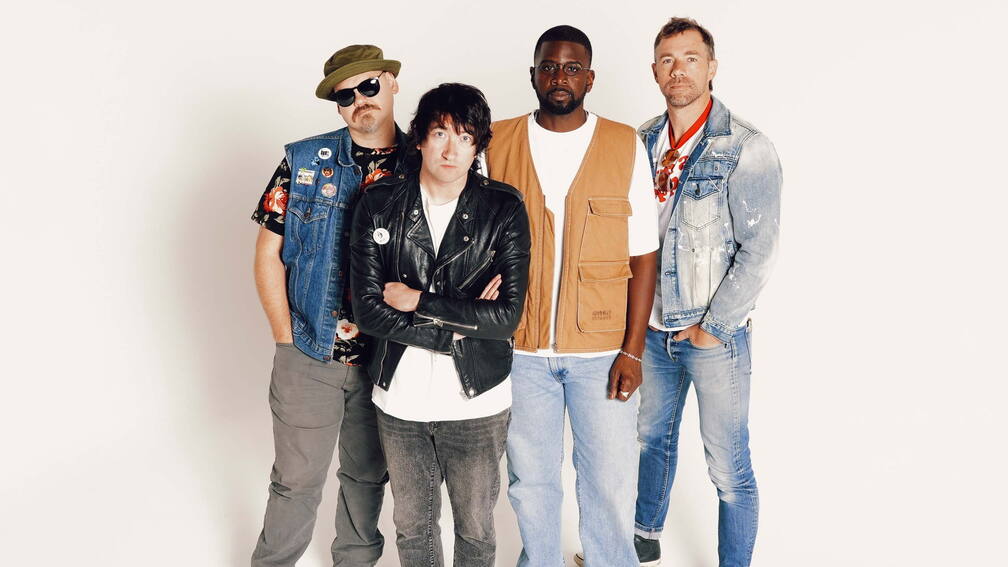
Plain White T’s are a Grammy-nominated American pop rock band best known for their chart-topping hit “Hey There Delilah,” which reached No. 1 on…
 Staff pick
honestav is an emerging indie artist known for raw, bedroom-pop vibes and confessional songwriting. Her shows are emotionally resonant and filled with intimate, melodic…
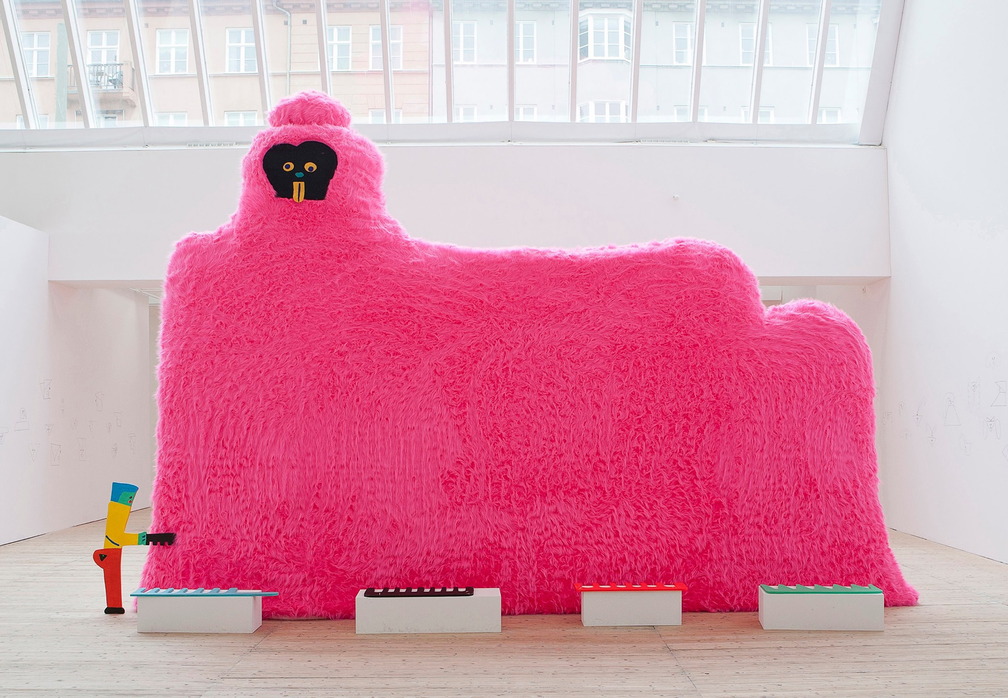
This exhibition offers a global journey through contemporary art and design with more than eighty ambitious and thought-provoking projects. You will experience a diverse…
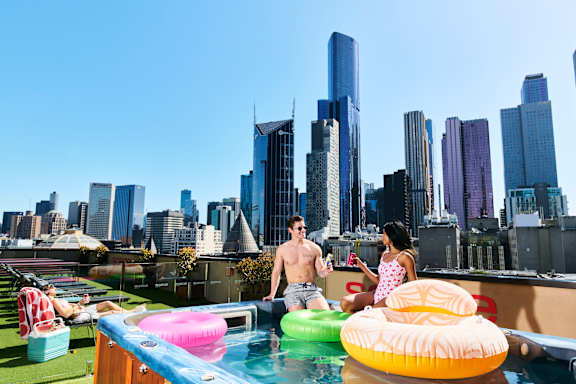
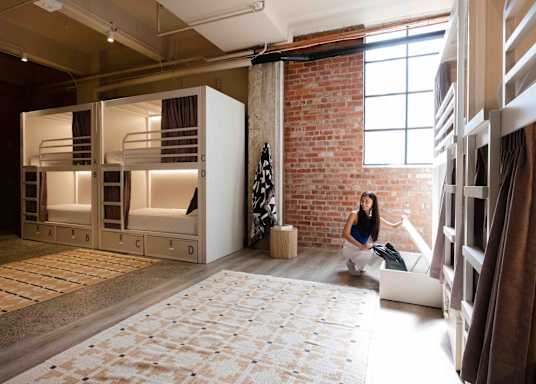
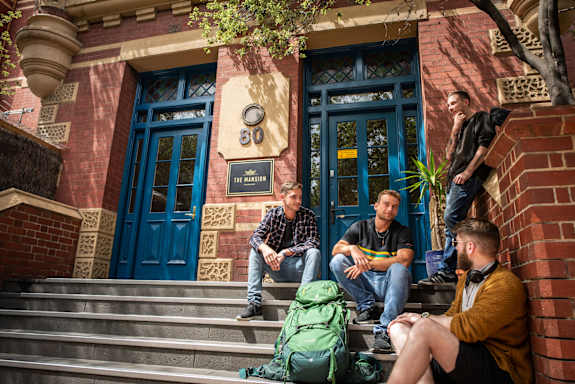
Melbourne has around 36 hostels on Hostelworld, in the CBD, Fitzroy and St Kilda.
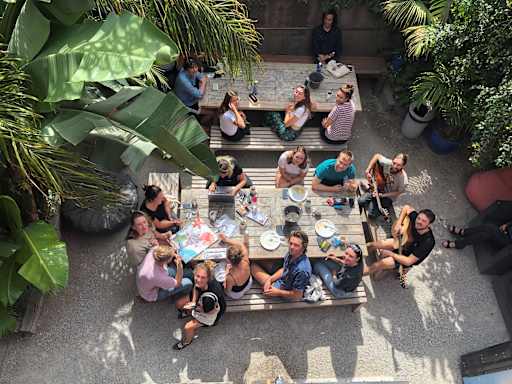
A Fitzroy institution, rated 9.9 from 2,774 reviews, in a former convent close to the bars and venues. Dorms from about AU$35.
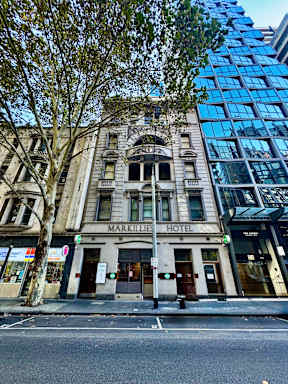
Rated 9.6 from 3,351 reviews, under 1 km from the centre, with dorms from about AU$48.
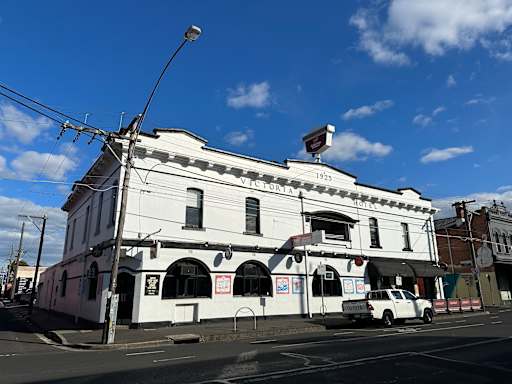
Rated 9.8 from 219 reviews, in St Kilda near the beach, with dorms from about AU$30.
 Sustainable
 Sustainable
Melbourne has cool winters and warm summers, with highs from 13°C in July to 26°C in January and February. March to May and October to November are pleasant. Summer brings the Australian Open and hot days.
Average daily highs from weather2travel's Melbourne climate data. Crowd levels are our rough guide.
Pick a style and a number of nights for a rough total. Per day, for one person, in Australian dollars.
Estimates. Beds are based on Hostelworld prices in October 2026, converted from US dollars. Day tours sit outside these figures.
Prices and timetables change. Check before you travel.

Compare Melbourne hostels: live prices, real reviews and free cancellation on most bookings. Then meet the people already there in the app.

 Get the App.




 Get the App.