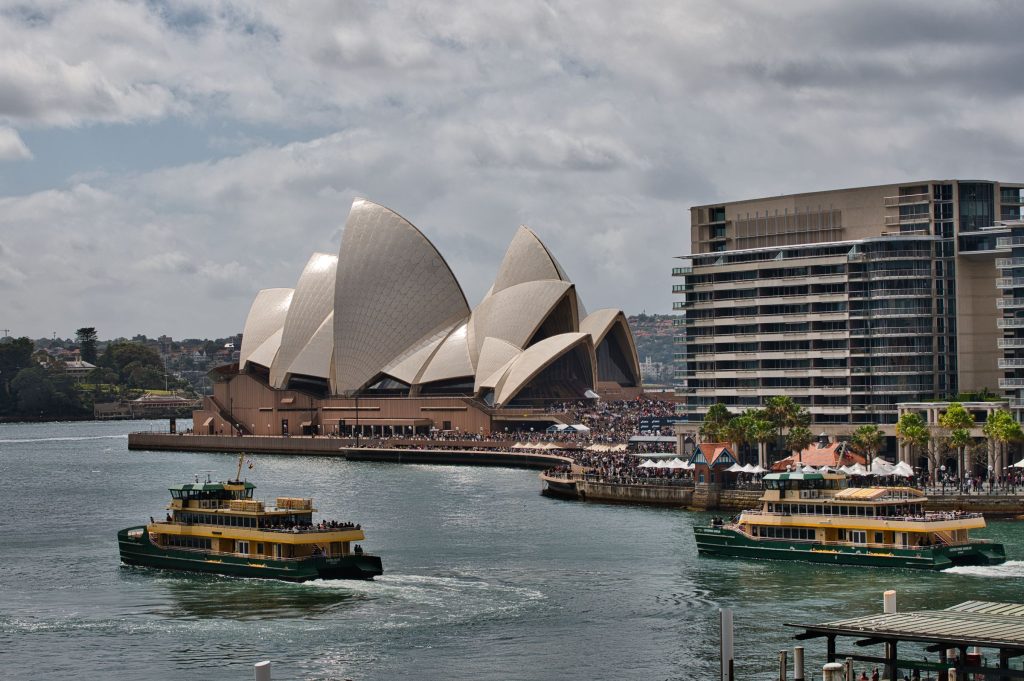
Sydney
60 hostels · dorms from AUD 28
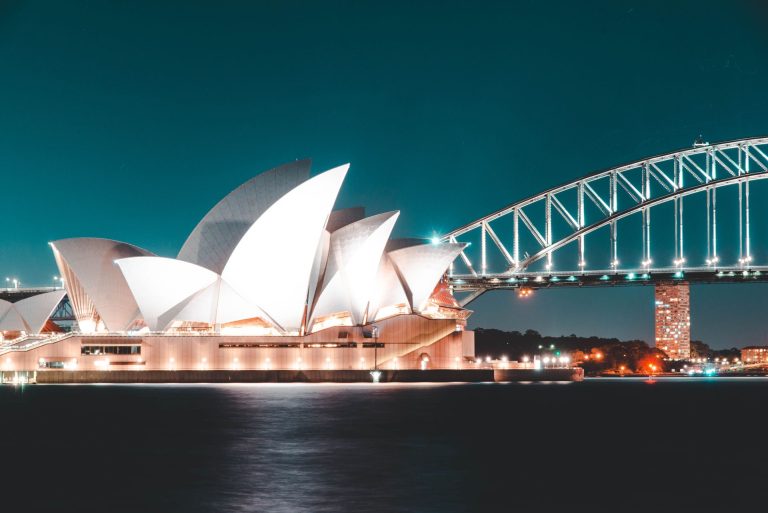
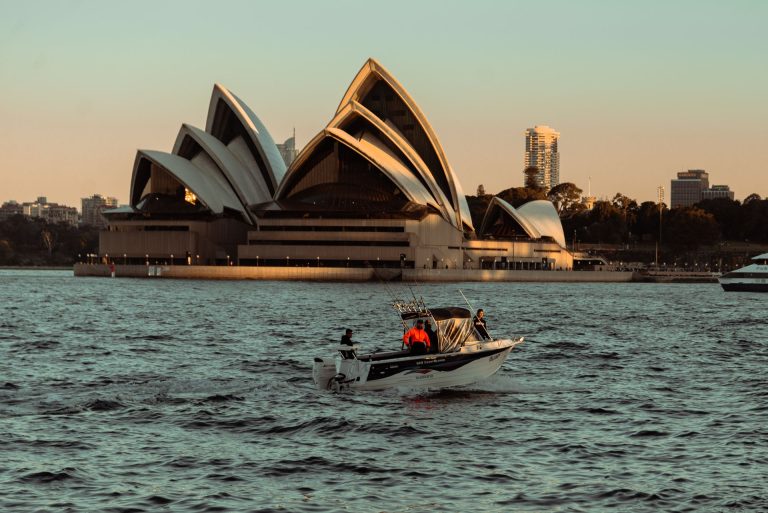
The harbour, the bridge, Bondi and the coastal walks. Where most trips start.
Loveee sydney! Definitely so much free stuff to do as a backpacker!
A traveller, on Hostelworld

A continent with 25 million people on the edges of it. Reefs, deserts, surf towns and the best working holiday scheme in the world: and distances that catch everyone out.
Australia is the size of Europe with the population of greater Cairo, and the single biggest mistake is underestimating the distances. Sydney to Perth is a four-hour flight: longer than London to Cairo. Cairns to Melbourne by road takes a week.
Most trips take the east coast: Sydney, Byron Bay, Brisbane, the Whitsundays and Cairns, linked by the Greyhound bus or a camper van, with the Great Barrier Reef at the top. That route is the backpacker spine of the country and it works.
The west and centre are emptier and harder: Perth, Broome, Uluru and Darwin, with long driving days between them and far fewer people doing it.
Two weeks gets you one stretch of coast. A month does the east coast properly. A year on a working holiday visa is what a lot of people end up doing, and it is the reason Australia has the hostel infrastructure it does.
Domestic flights do the long legs. The east coast works by bus or camper van.
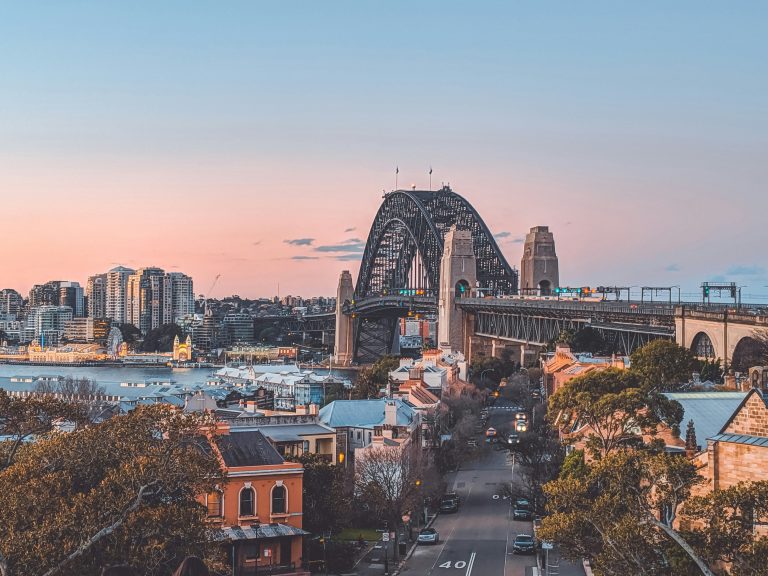
The harbour, the bridge, Bondi and the coastal walks. Where most trips start.
Loveee sydney! Definitely so much free stuff to do as a backpacker!
A traveller, on Hostelworld
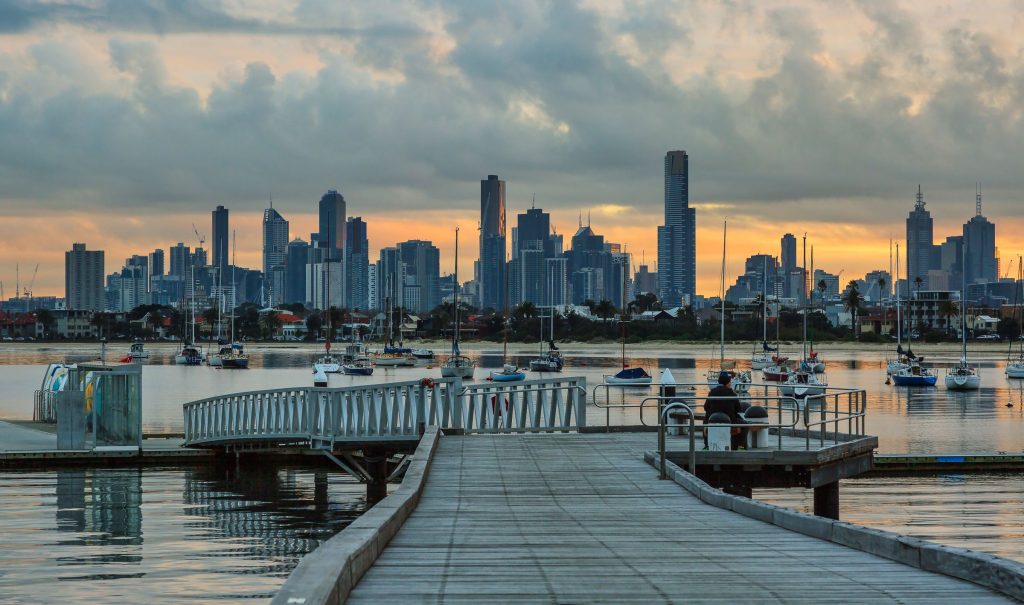
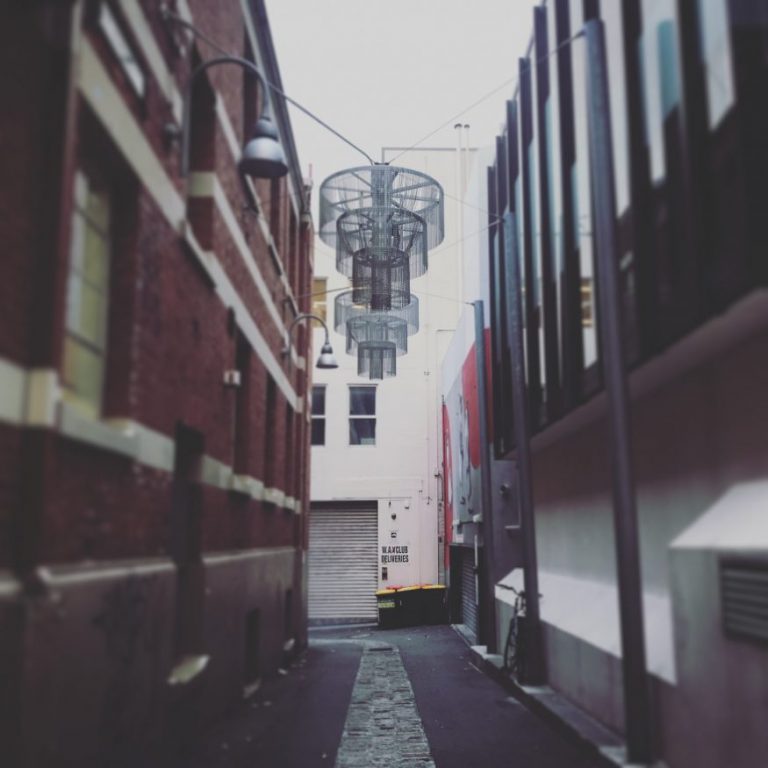
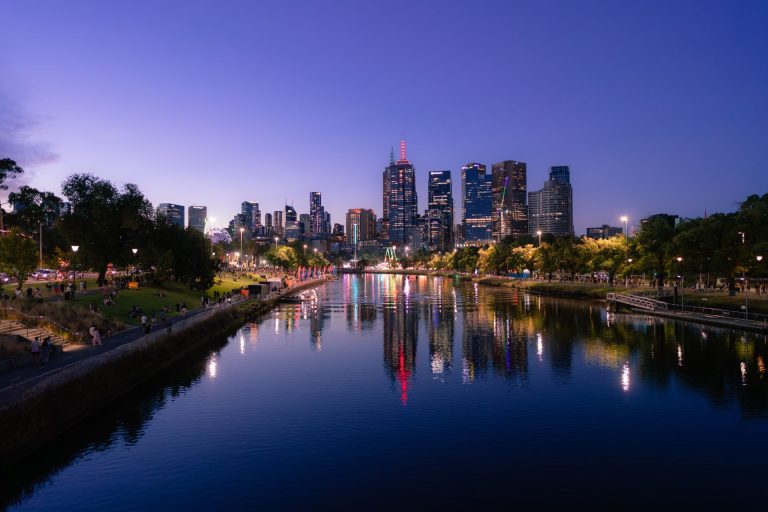
Laneways, coffee, live music and the best food city in the country.
Lots of places to go, the city is always alive, lots of parks. I loved the public transport.
A traveller, on Hostelworld
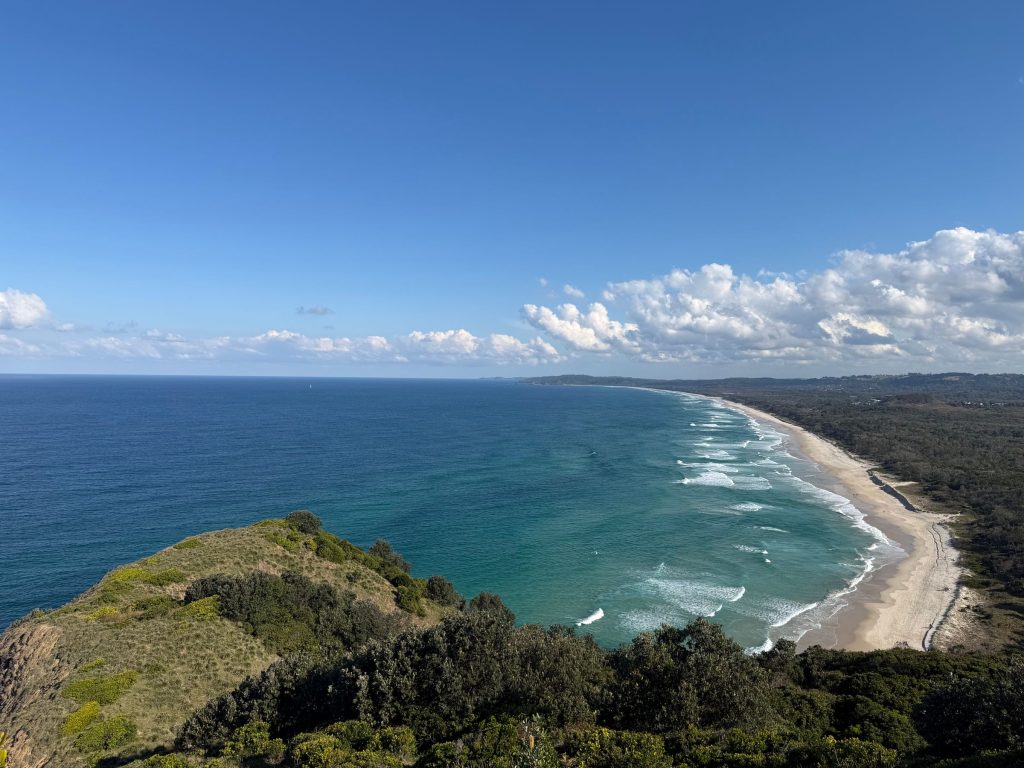
Surf, sunrise at the lighthouse and the busiest backpacker town on the coast.
byron bay is one of my new favourite places. it’s so welcoming, everyone is nice and friendly and wants to get to know each other. if you like connecting with nature, doing water sports, and socialising you’ll love byron bay. beach bbqs, sunrises and sunsets, live music, cafe culture, hiking in nature parks, swimming with wild dolphins etc. super easy to get around on foot and never needed any other transport. cheap food for cooking and dining out. great dietary provisions here too
A traveller, on Hostelworld
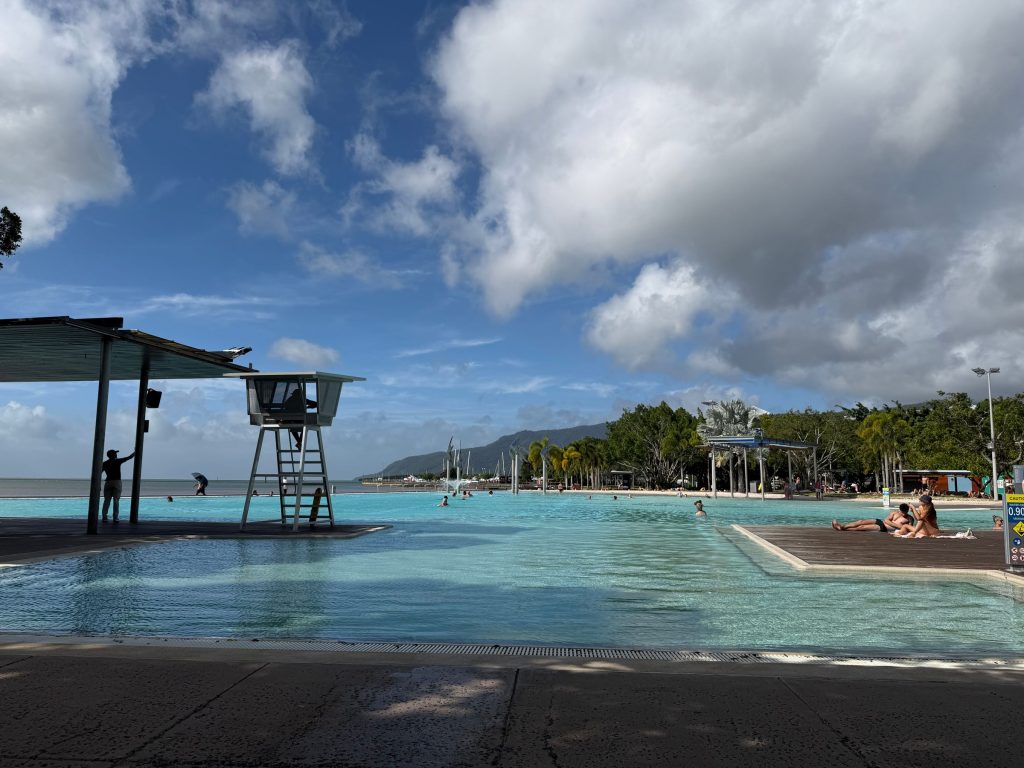
The gateway to the Great Barrier Reef and the Daintree rainforest.
Cairns has it all, nightlife, beautiful waterfalls and restaurants, so many things to do.
A traveller, on Hostelworld
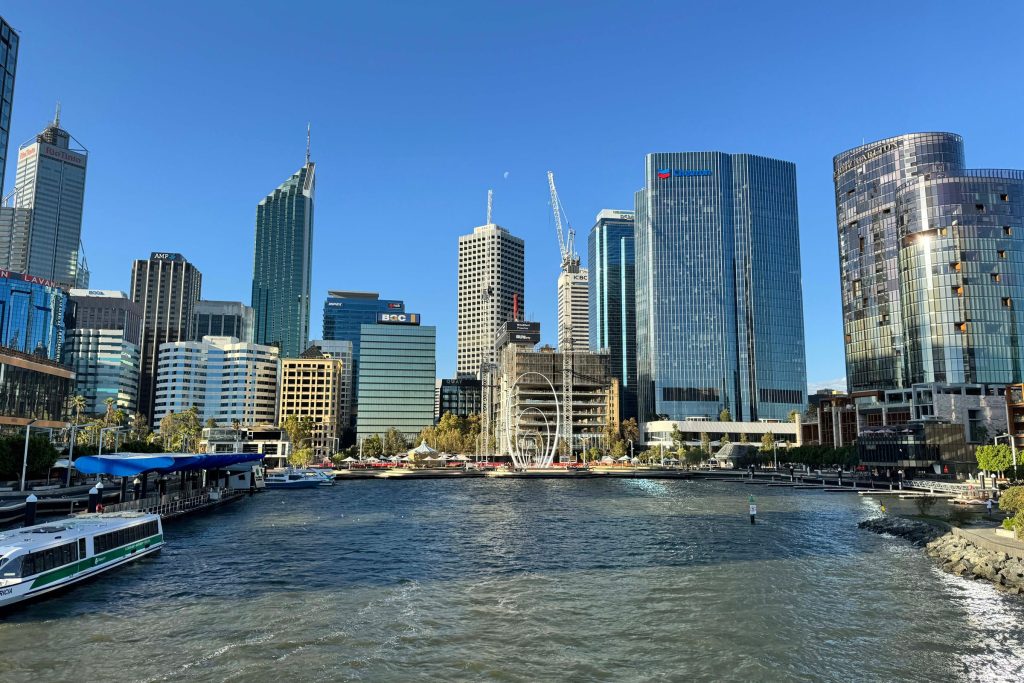
The most isolated major city on earth, with beaches and the Margaret River south of it.
Perth is really nice. Good clubs, bars, restaurants, and nice parks. A few trails around as well if you like walking
A traveller, on Hostelworld
Australia is a road trip and a beach trip, and for a lot of people it is also a job.
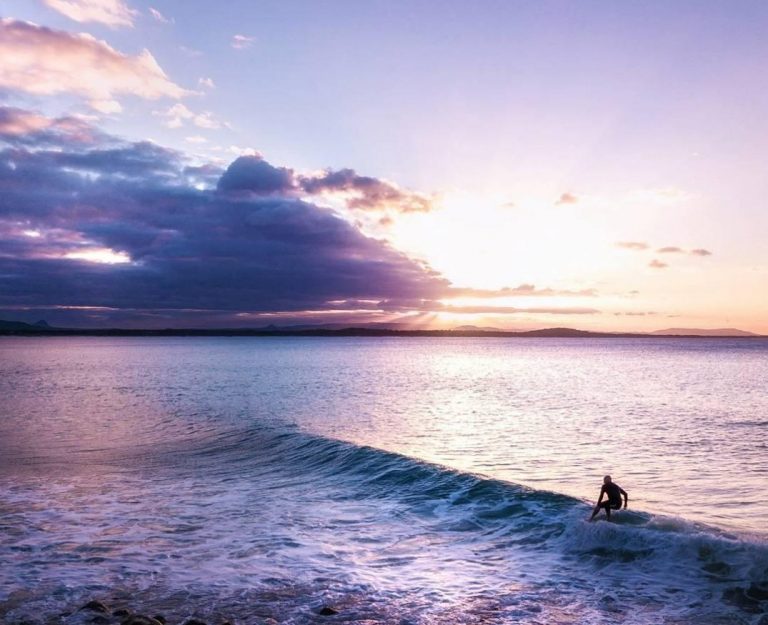
Ten thousand beaches, and surf culture built around them.
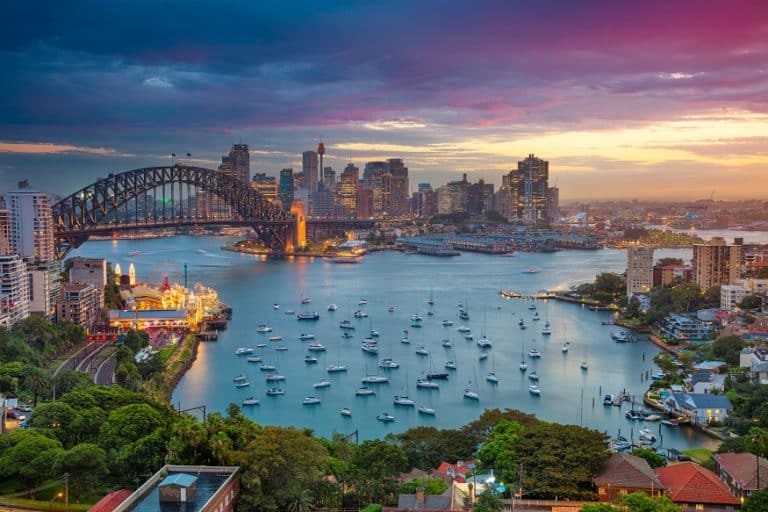
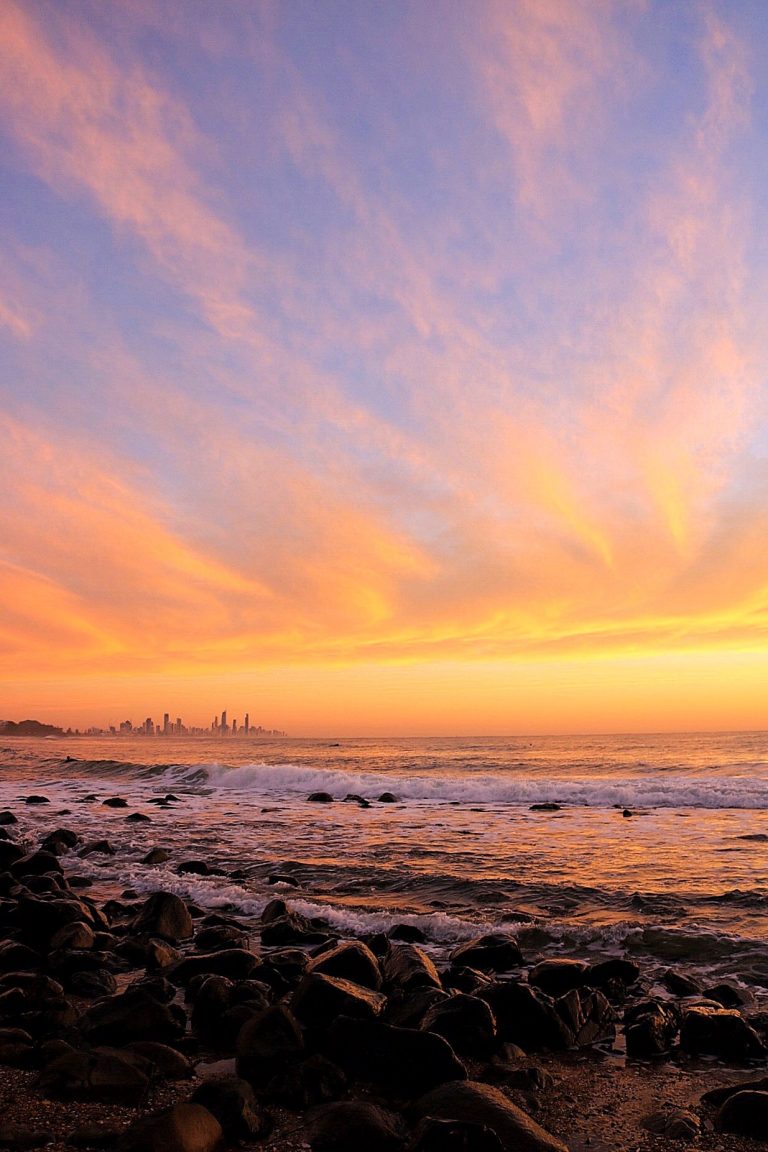

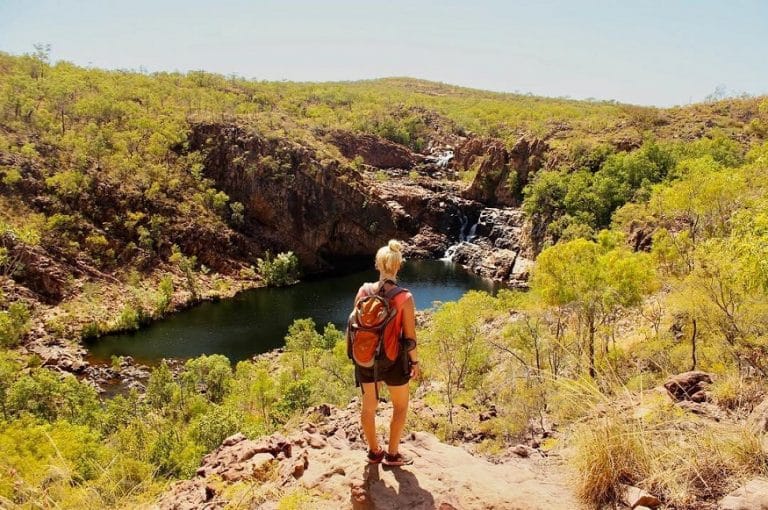
Reef, rainforest and desert, often in the same week.
Sydney and Melbourne, and they are nothing alike.
Expensive, and the hostel bars do a lot of the work.
Not cheap, and working is how most people manage it.
65,000 years of Aboriginal culture, and the newest cities.
The Great Barrier Reef from Cairns or Airlie Beach is the headline, and day boats, liveaboards and snorkelling trips all run daily. Choose operators with reef-safe credentials: the reef has been through repeated bleaching events and the better operators are open about it.
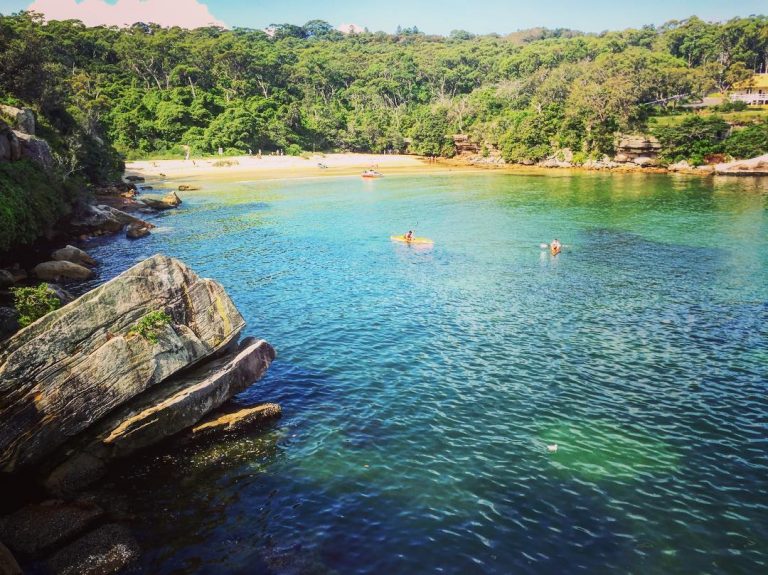
The east coast route is the backbone: Sydney's coastal walks and harbour, Byron Bay's surf and lighthouse sunrise, the Whitsundays sailed on a two or three day trip, and Cairns for the reef and the Daintree.
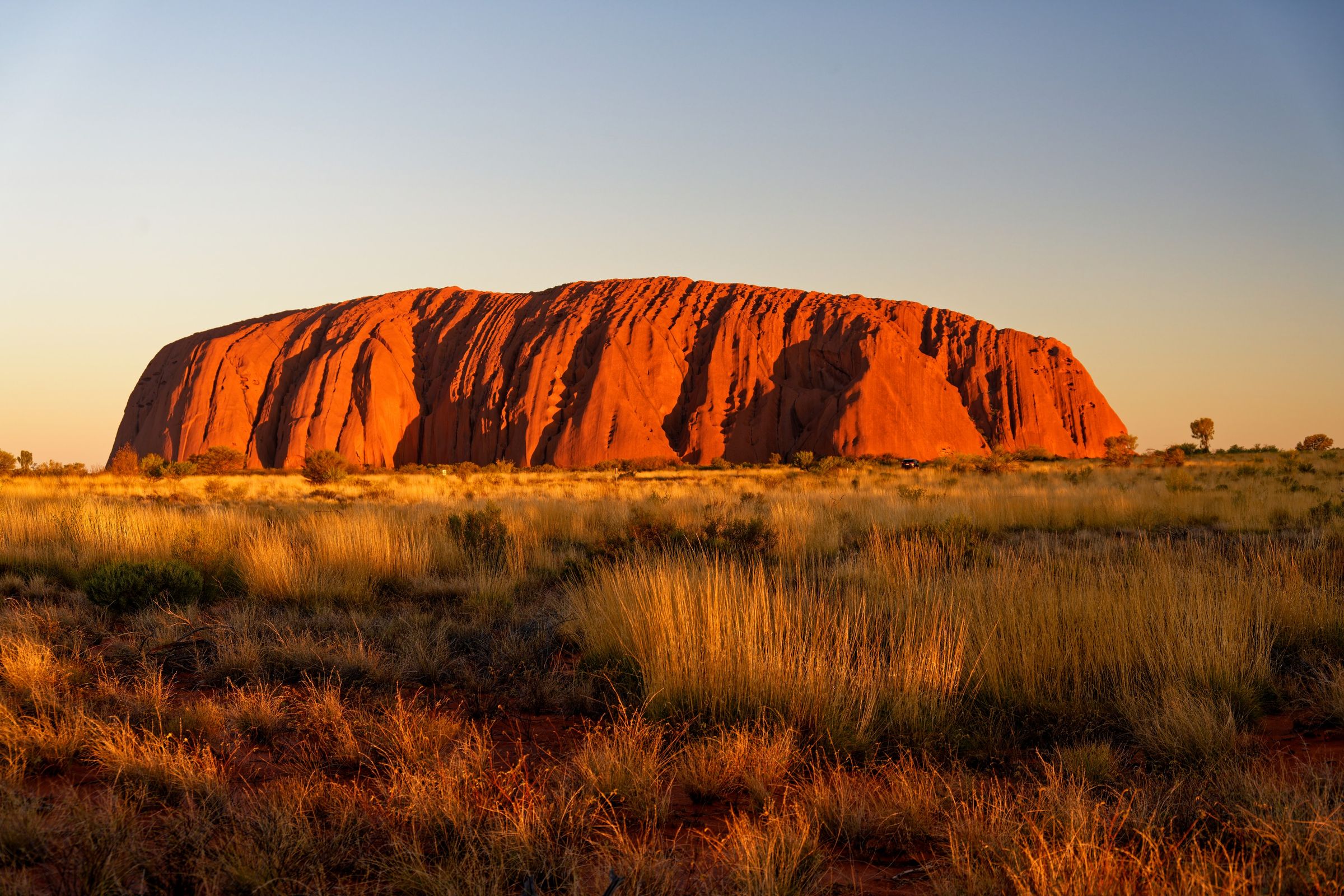
In the centre, Uluru is best understood on a walk with an Anangu guide rather than just photographed at sunset, and Kata Tjuta nearby gets far fewer people.
Melbourne is the city to spend unplanned days in: laneways, galleries, live music and coffee that Australians will argue about at length.
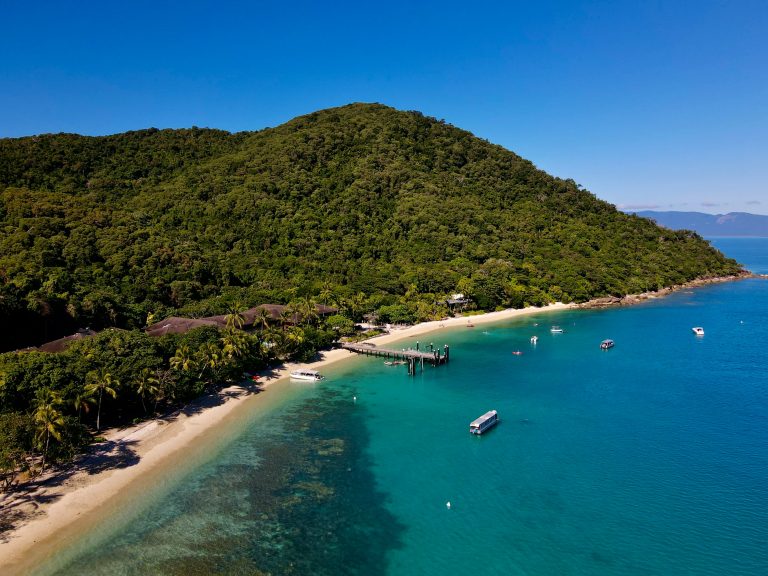
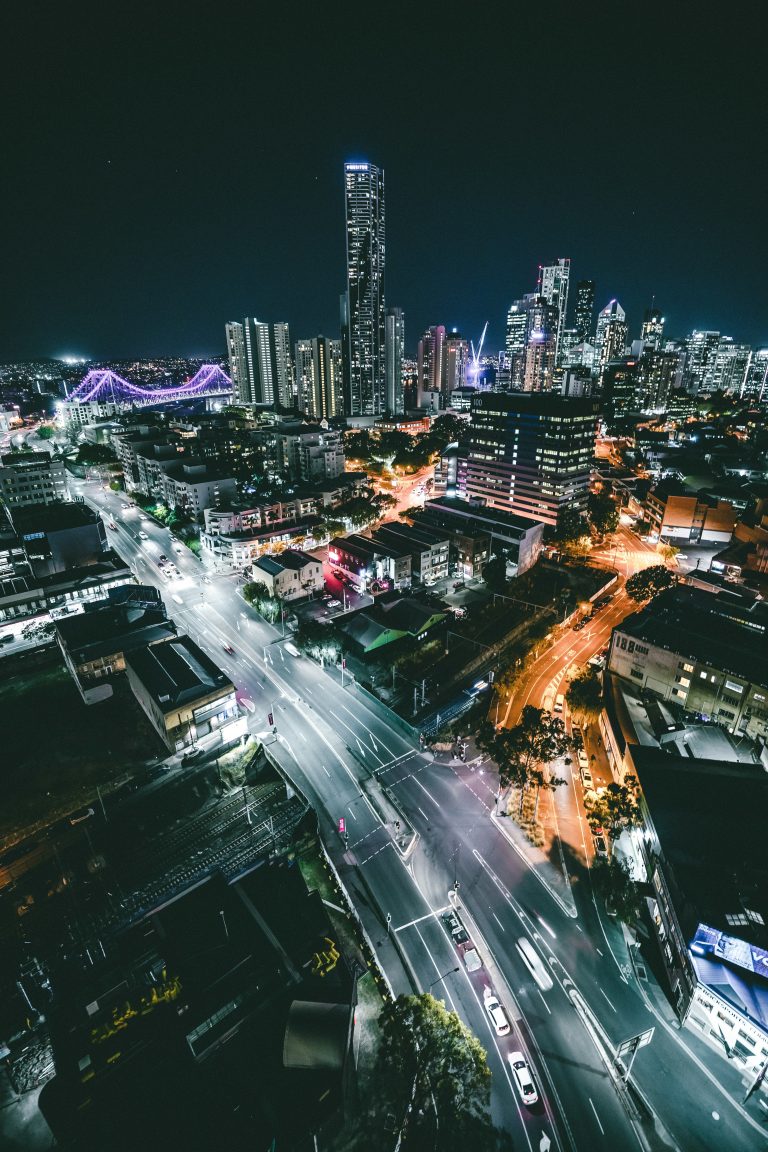
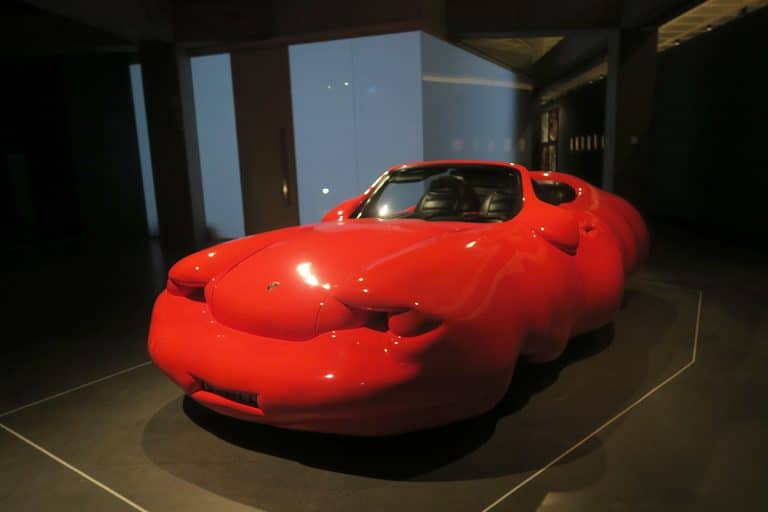
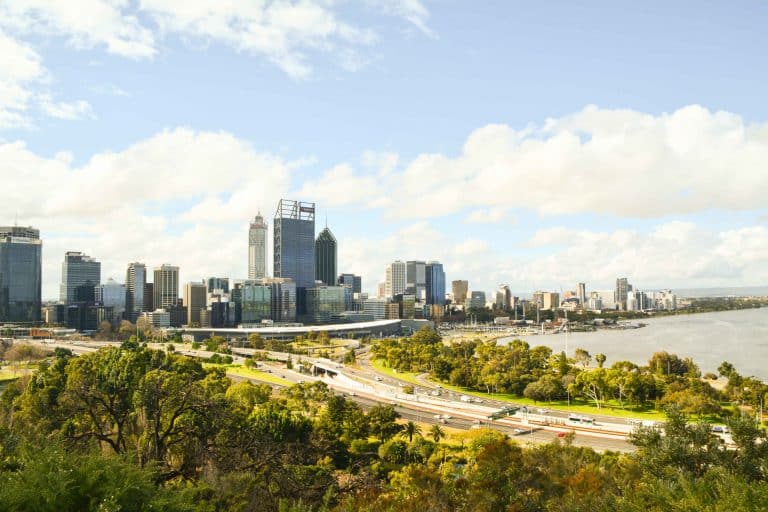
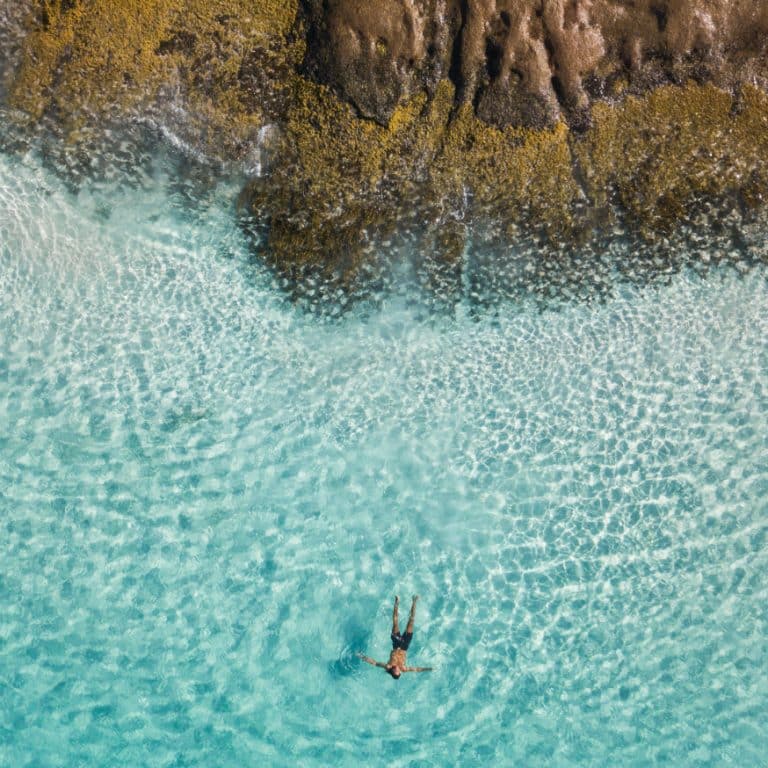
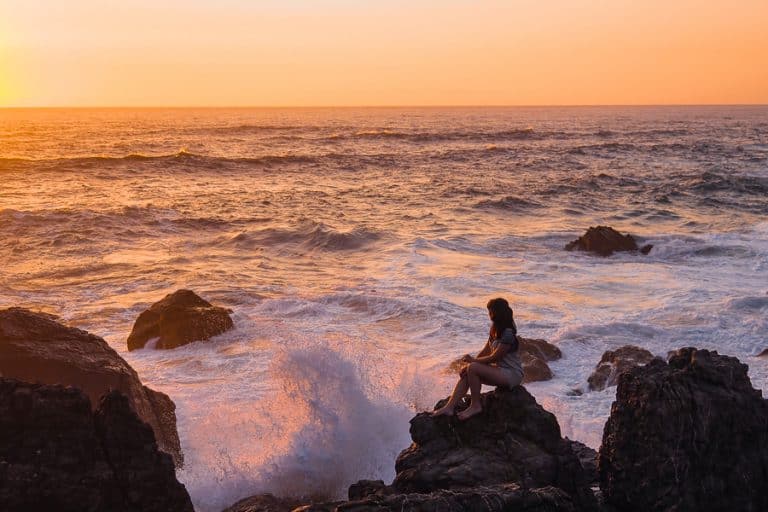
Australia eats well and charges for it. A cafe breakfast is AU$18 to AU$28, a pub meal AU$22 to AU$35, and the quality is generally high: this is a country where brunch is a serious cultural undertaking.
The value is in the multicultural food: Vietnamese in Melbourne's Footscray, Chinese in Sydney's Haymarket, Lebanese, Greek and Thai everywhere, mostly AU$12 to AU$20.
Coffee is genuinely excellent and Australians are insufferable about it, with flat whites and long blacks rather than anything syrupy. Supermarkets (Coles and Woolworths) are how most backpackers actually eat, and hostel kitchens are well equipped for that reason. Meat pies, barbecues and pub parmas are the national comfort foods.

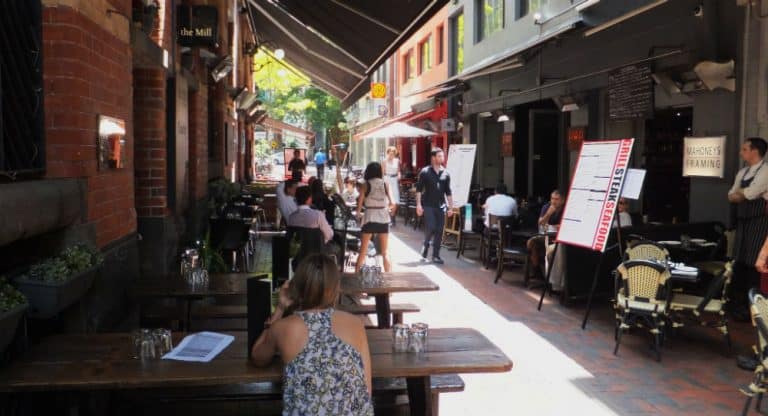

Melbourne has the best live music scene in the country, spread across Fitzroy, Collingwood and the CBD laneways. Sydney's nightlife took a hit from lockout laws that have since been rolled back, and Newtown and Surry Hills are the places to look.
Backpacker towns run their own economy: Byron Bay, Airlie Beach and Cairns have hostel bars with cheap meal deals and organised nights, which is where a lot of the social life happens.
Drinks are expensive: AU$10 to AU$14 for a beer in a bar, AU$18 to AU$25 for cocktails. Bottle shops are much cheaper, and pre-drinking at the hostel is standard practice rather than a student habit here.
Fly the long legs. Jetstar, Virgin and Qantas connect the cities, and Sydney to Cairns or Perth is three to five hours: the alternative is days of driving.
The east coast works by Greyhound bus with hop-on hop-off passes, or by camper van, which is the classic version: buy or rent one, sleep in it, and drive Sydney to Cairns over a few weeks. Check what counts as legal free camping in each state, because the rules differ and fines are real.
Cities have decent public transport with tap-on cards: Opal in Sydney, Myki in Melbourne. Melbourne's central tram zone is free.
If you drive: distances between fuel stops in the outback are enormous, kangaroos make dusk and dawn genuinely dangerous, and road trains take a long time to overtake.
Australia is expensive and the working holiday visa is the reason so many people can stay. Dorms start around AU$35 and run to AU$50 in Sydney, a pub meal is AU$22 to AU$35, and a beer in a bar is AU$10 to AU$14.
A day without working comes to AU$90 to AU$140. Cooking in hostel kitchens, buying at Coles or Woolworths, and using free beaches and coastal walks is how people bring that down.
The working holiday visa for under-30s, or under-35s for some nationalities, allows twelve months of work, extendable with regional work. The minimum wage is high by international standards, which is why hospitality and farm jobs fund so many trips here.
Australia is a safe country with low crime, and the risks are environmental rather than human: though not the ones people expect.
The sun is the genuine daily hazard. UV levels are extreme, burn times in summer can be under fifteen minutes, and Australia has among the highest skin cancer rates in the world. Sunscreen, a hat and shade between 10am and 3pm are not optional advice here.
The sea kills more people than anything else. Rip currents drown swimmers every year; swim between the red and yellow flags on patrolled beaches and nowhere else. In the tropical north, box jellyfish and irukandji make the water dangerous from roughly November to May, and stinger nets and vinegar stations exist for that reason. Saltwater crocodiles inhabit northern rivers and estuaries: obey the signs absolutely.
Snakes and spiders worry visitors and rarely hurt anyone. Bushfire season is a real consideration in summer.
Everyone needs a visa, including visitors from countries that usually travel visa-free elsewhere. The eVisitor or Electronic Travel Authority is free or cheap, applied for online and usually granted quickly, and covers stays of up to three months.
The working holiday visa (subclass 417 or 462) is the one that shapes long trips: available to people generally aged 18 to 30, or up to 35 for some nationalities, allowing twelve months of work and study, and extendable to a second and third year with specified regional work.
Biosecurity at the border is the strictest in this guide. Food, seeds, wooden items, dirty hiking boots and anything organic must be declared: fines are substantial and the checks are thorough. Declare it and let them decide.
Southern hemisphere seasons, and the country is too big for one answer. The south is best in summer; the tropical north is best in winter, when it is dry.
Average highs for Sydney. Cairns and Darwin run hot and humid year-round with a wet season from November to April; Melbourne is genuinely cold in winter; and the centre swings from 40°C days to freezing nights.
Pick how you travel and how long for. Per night, for one person, in Australian dollars.
Domestic flights, reef trips and Whitsundays sailing sit outside these figures. A working holiday visa is how most long trips are funded.
The sporting calendar runs the year here, and two of these fill their cities completely.
 Staff pick
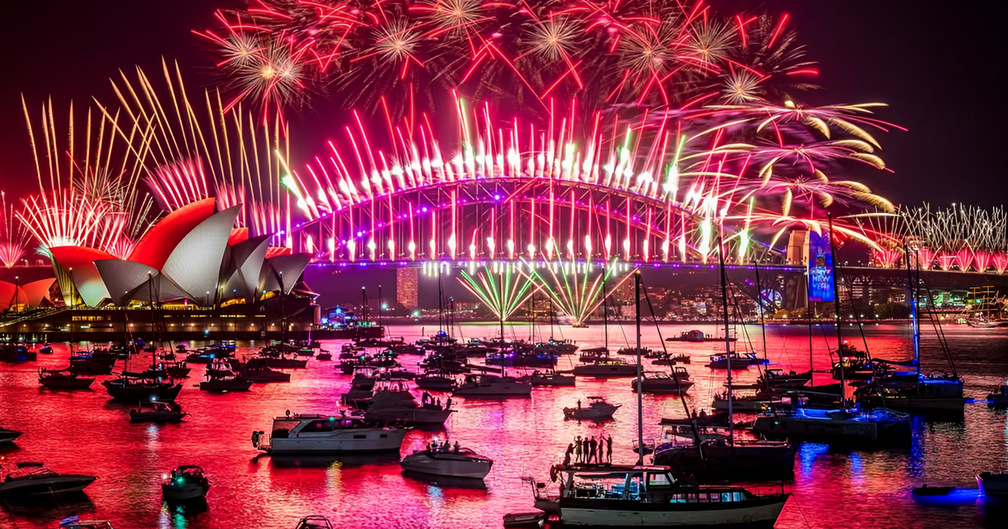
Ring in the new year with style and spectacle at Sydney New Year’s Eve, one of the world’s most iconic celebrations. From dazzling fireworks…
 Staff pick
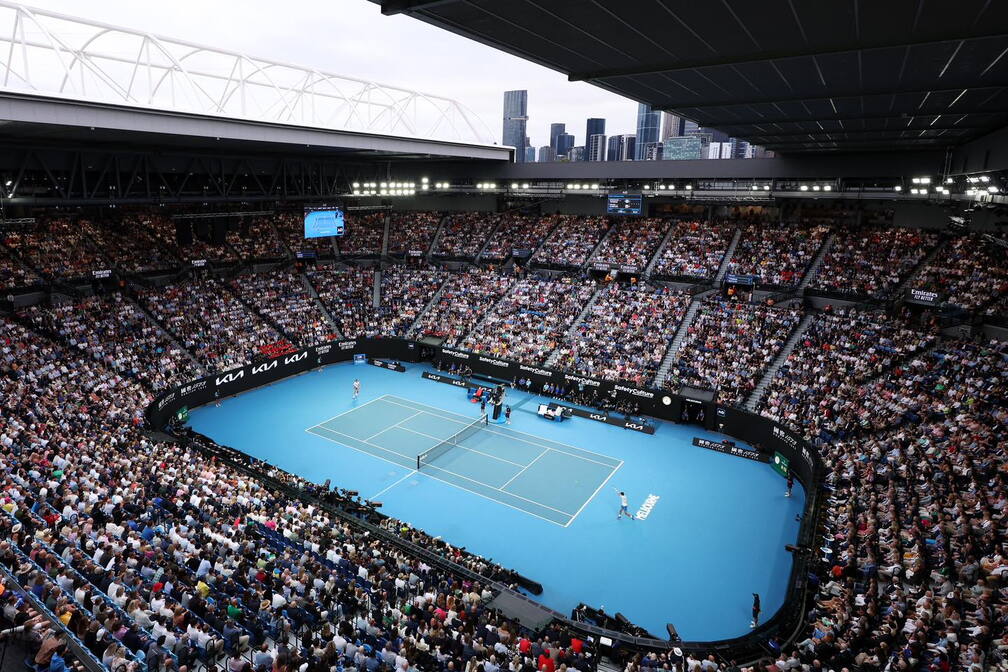
The Australian Open, one of the four Grand Slam tennis tournaments, attracts the world's top players and avid fans to Melbourne each January. With…
 Staff pick
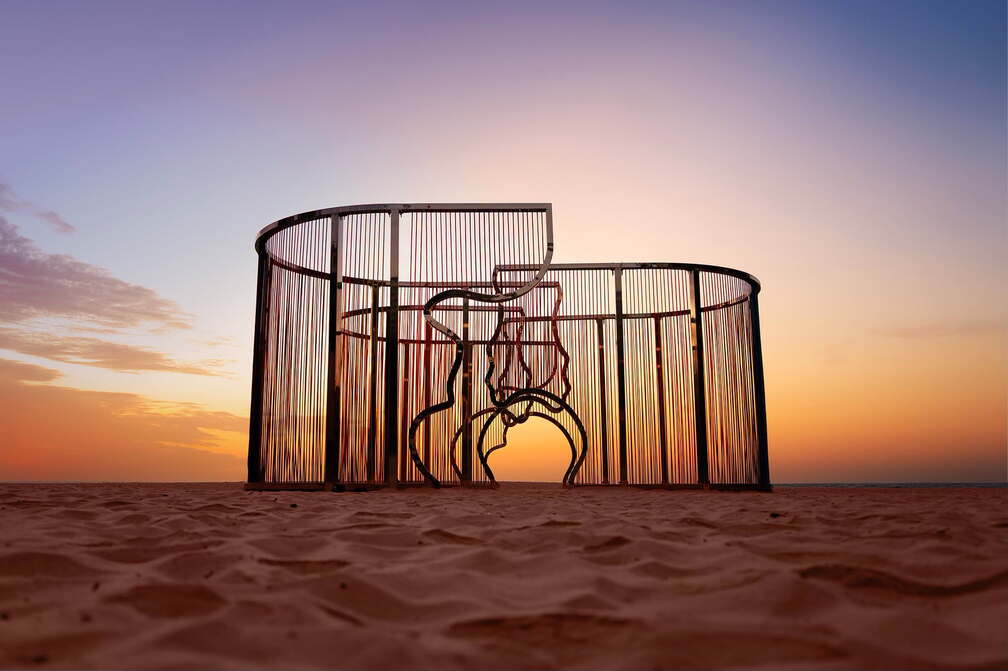
Sculpture by the Sea transforms the iconic Bondi Beach into a breathtaking 2km coastal sculpture park, showcasing around 100 works by artists from Australia…
 Staff pick
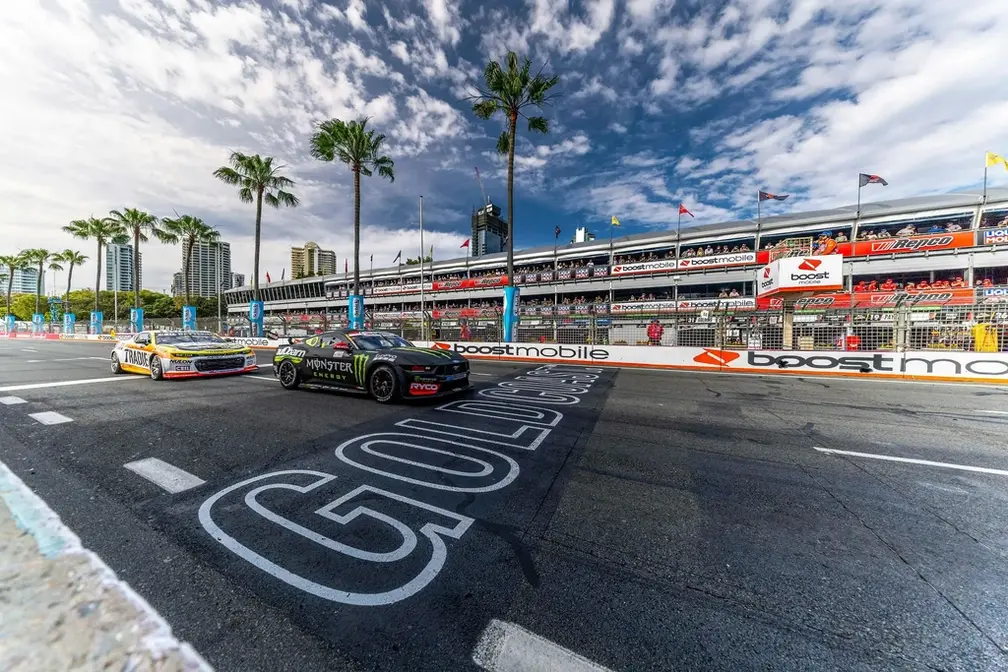
Experience the thrill of Australia's premier Supercars Championship event as Surfers Paradise transforms into a high-speed racing paradise. This action-packed weekend combines world-class motorsport…
 Staff pick
The Australian Motorcycle Grand Prix is a major race on the MotoGP calendar, drawing top riders and fans from around the world. Held on…
 Staff pick
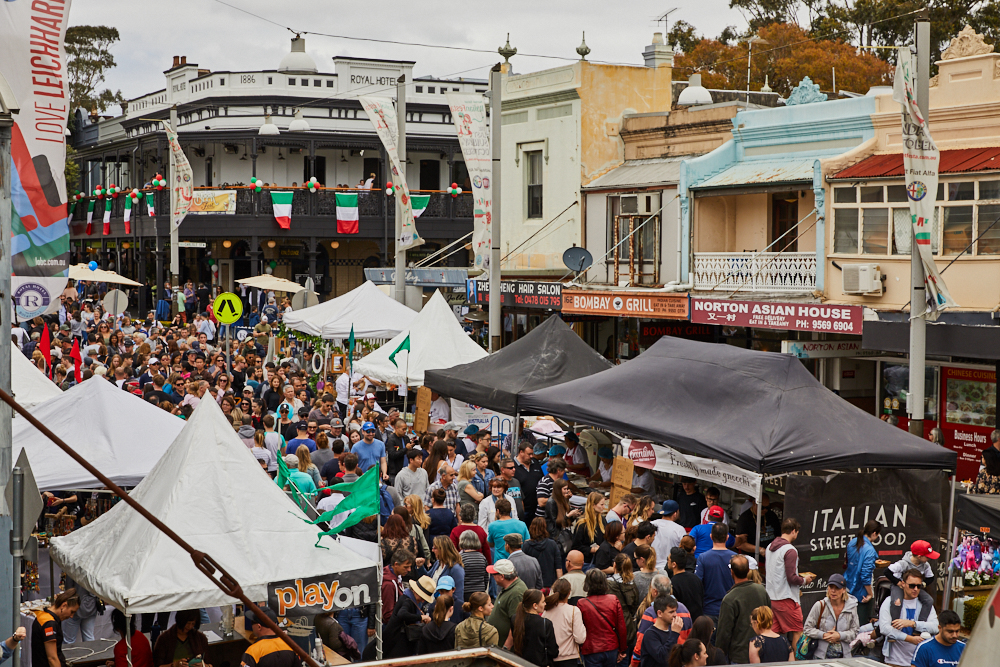
The Norton Street Italian Festa is a beloved celebration of Italian heritage and community spirit in Sydney’s iconic ‘Little Italy’ precinct of Leichhardt. Drawing…
 Staff pick
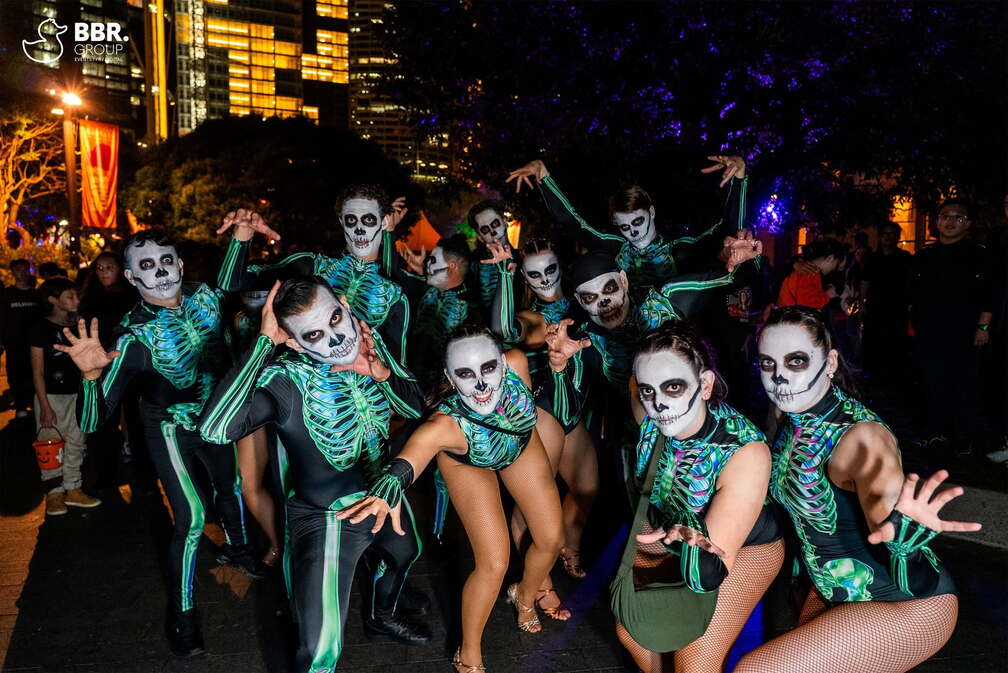
Ghost Festival transforms The Rocks, New South Wales, into a thrilling Halloween playground filled with wild parties, immersive experiences, and electrifying street performances. Attendees…
 Staff pick
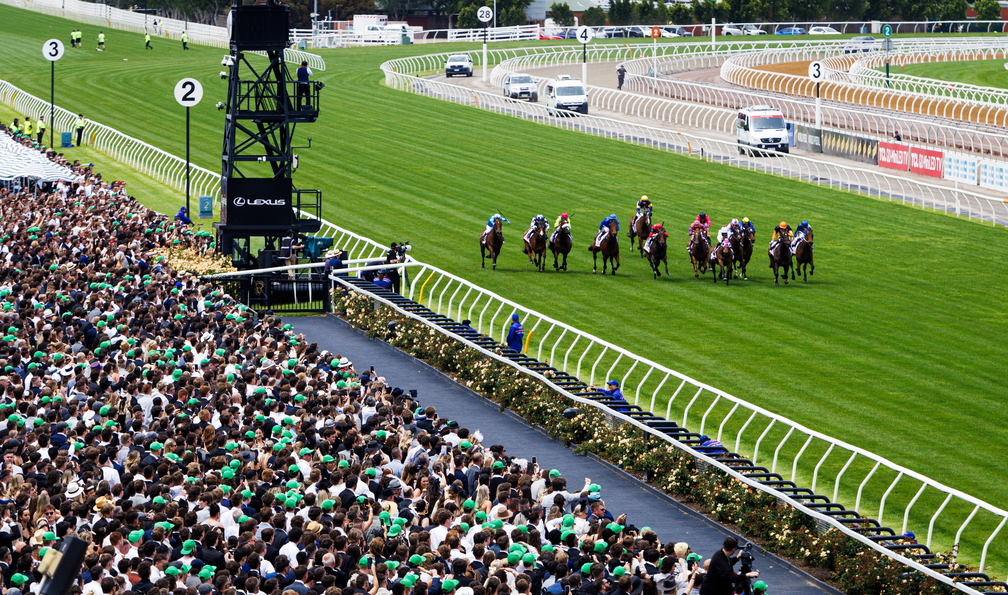
The Melbourne Cup Carnival is the pinnacle of Australia's horse racing season, drawing in nearly 300,000 spectators each year. This prestigious event features world-class…
The highest-rated hostels in the country, live from Hostelworld. Sydney, Melbourne and the east coast towns have the most, and many cater to working holiday stays.
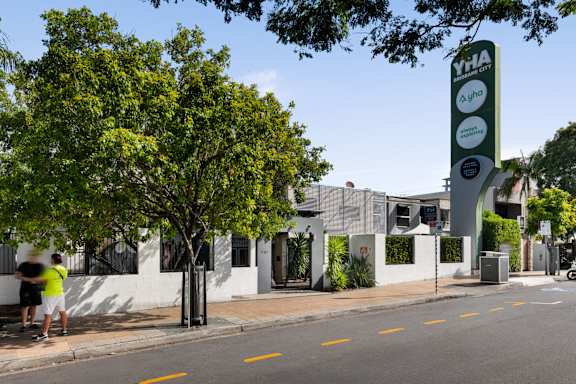 Sustainable
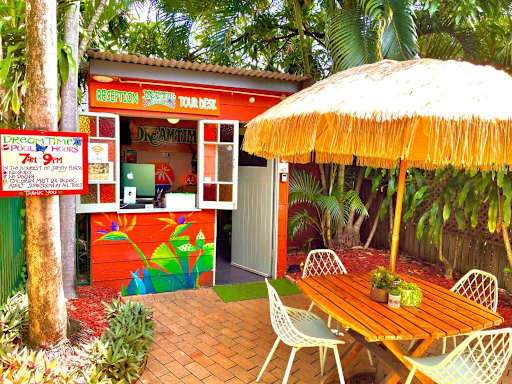
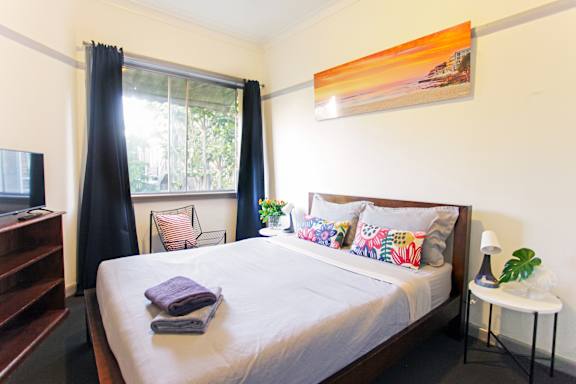
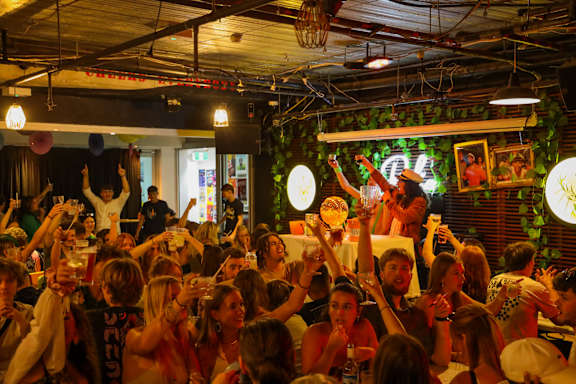
The ones we get asked most.

Compare hostels across Australia: live prices, real reviews and free cancellation on most bookings. Then meet the people already there in the app.

 Get the App.

 Get the App.