City Bowl (Long Street)
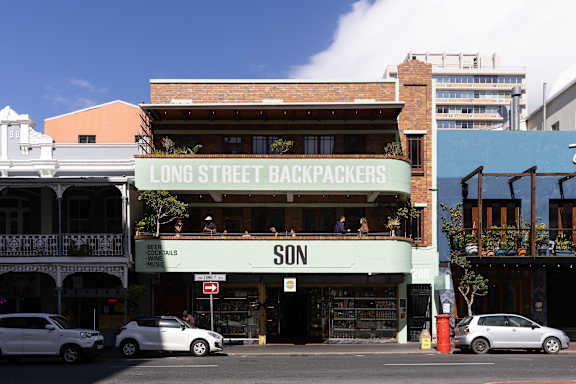
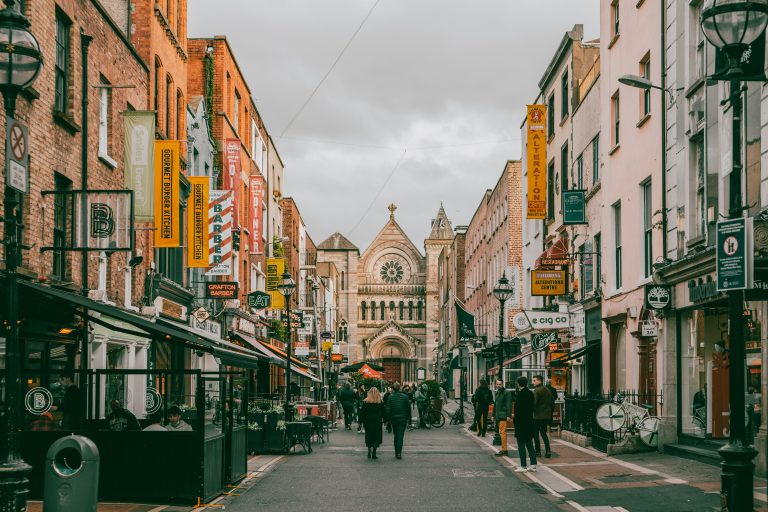
Party, first-timersThe backpacker heart of Cape Town, with bars, restaurants and MyCiTi stops on the doorstep. Noisy at night and the area where most phone snatches happen.

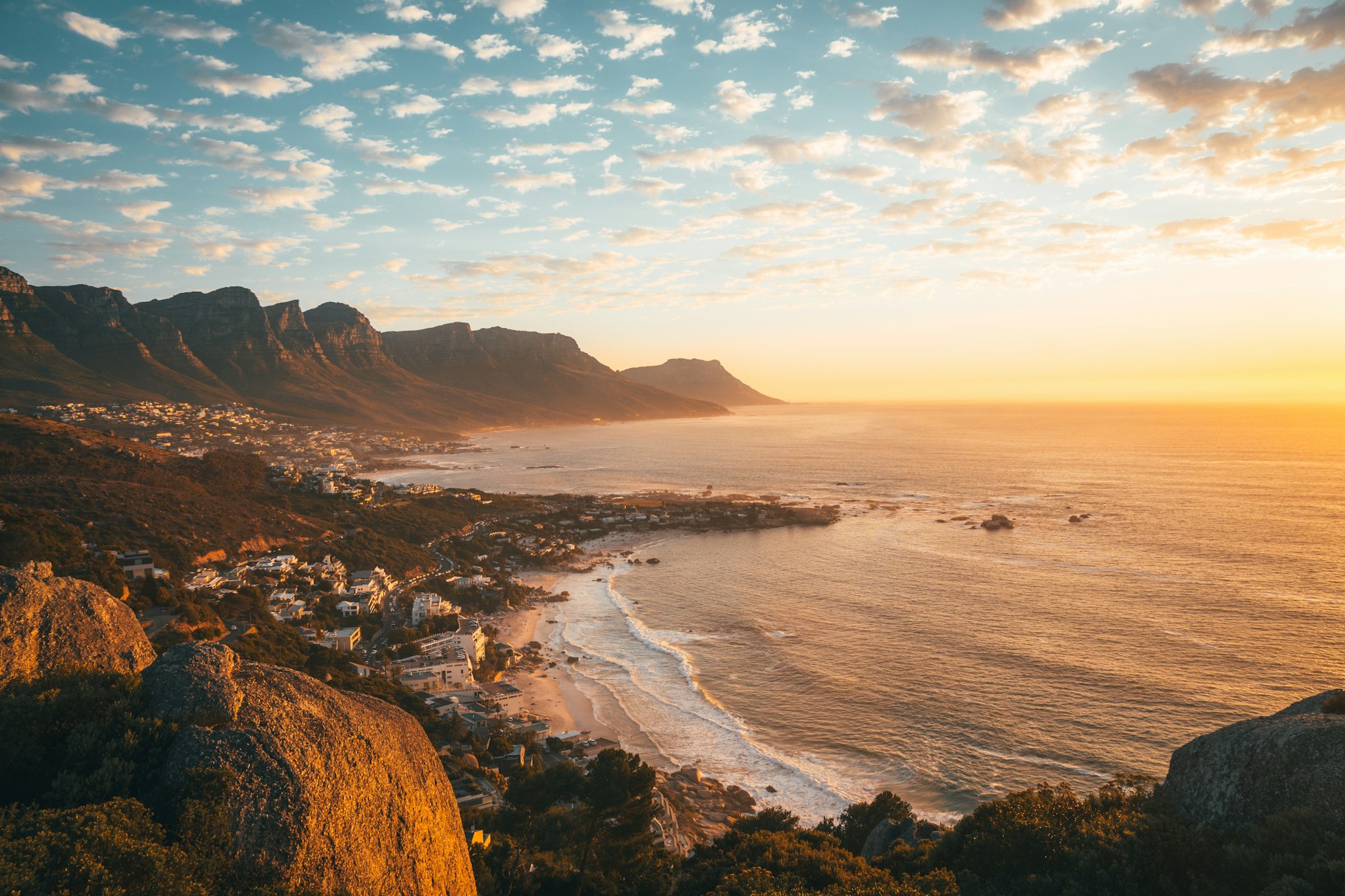
Cape Town puts a 1,000-metre mountain, Atlantic beaches, penguins and wine country inside an hour of your hostel. It's the easiest city in Africa for backpackers to love, as long as you learn how the city works after dark.
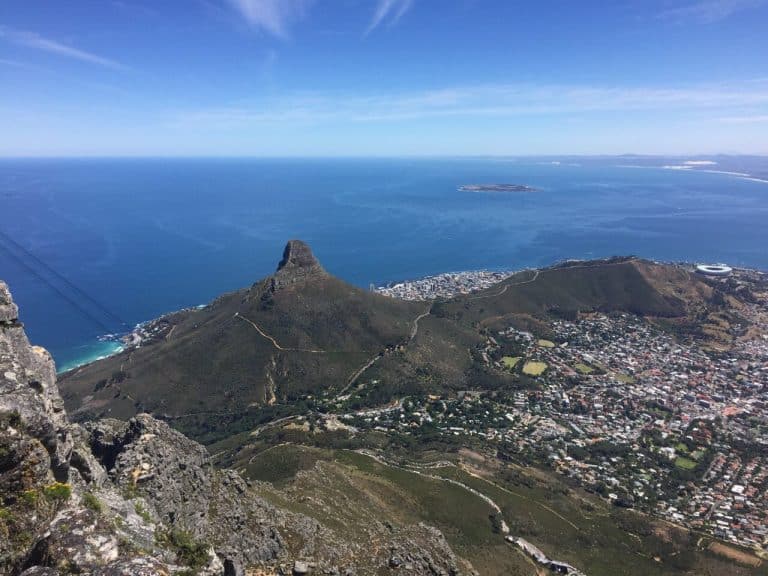
Most South Africa trips start or end here, and plenty of people extend their stay once they arrive. The City Bowl sits in an amphitheatre below Table Mountain, Lion's Head and Signal Hill, with the Atlantic seaboard on one side and the warmer False Bay beaches about 40 minutes south. Wherever you stay, you're never far from a trailhead or a beach.
Hostels cluster in the City Bowl around Long Street and Kloof Street, in Gardens, and along the seafront in Sea Point and Green Point. From there you can do Table Mountain by cableway or on foot, take the ferry to Robben Island from the V&A Waterfront, eat Cape Malay food in the Bo-Kaap, and spend Saturdays at the food markets in Woodstock and Granger Bay.
The peninsula is a day trip of its own: Muizenberg's surf beach and painted huts, Kalk Bay's harbour, the penguins at Boulders Beach in Simon's Town and the cliffs of Cape Point. Inland, Stellenbosch and Franschhoek are under an hour and a half away, and Hermanus is the place for whales from June to November.
The honest bit: Cape Town is one of the most unequal cities in the world, and petty crime and muggings are real. You'll use Uber and Bolt far more than at home, especially at night, and the FCDO advises hiking in groups on busy trails. The wind is the other thing nobody warns you about. The southeaster, locally called the Cape Doctor, blows hard through summer and can close the cableway with no notice.
Four days covers the highlights. A week lets you hike, do the peninsula and winelands at a relaxed pace, and leave room for the inevitable cloudy day on the mountain. Cape Town is also the start of the Baz Bus route along the Garden Route, so it's easy to roll straight on east once you're done.
Stay central. The City Bowl and Sea Point put you on MyCiTi routes, close to restaurants and a short, cheap Uber from almost everything. The further suburbs are lovely, but you'll spend more time and money getting around.
The backpacker heart of Cape Town, with bars, restaurants and MyCiTi stops on the doorstep. Noisy at night and the area where most phone snatches happen.
Leafy streets up the slope towards Table Mountain, with good cafés and restaurants on Kloof Street and quick Ubers to the cableway and trailheads.
Brightly painted houses and Cape Malay kitchens on the slopes of Signal Hill, a few minutes' walk from the centre.
Apartment blocks, restaurants and the Sea Point Promenade along the Atlantic. Calmer than Long Street, but still central.
Between the stadium, the urban park and the V&A Waterfront, where the Robben Island ferry leaves. Safe, walkable and pricier.
Creative, student-heavy suburbs east of the centre, home to the Old Biscuit Mill market. Use Uber at night.
Orange labels are neighbourhoods, dots are the 12 top-rated hostels. Map data from OpenStreetMap contributors.
Table Mountain comes first, and the trick is to go on the first clear, calm day rather than the day you'd planned. The Aerial Cableway costs R475 return booked online (about €26) or R530 at the ticket office. Tickets are valid for seven days, which helps when the wind closes it. If you'd rather walk, Platteklip Gorge is the direct route from Tafelberg Road: around 680 m of climbing, two and a half to three hours up, steep but with no exposure. India Venster, starting near the lower cable station, has short scrambling sections with chains and staples. It's popular but not for anyone uneasy with heights, and a guide is a good idea. Skeleton Gorge climbs from Kirstenbosch with wooden ladders and slippery boulders.
Lion's Head is the sunrise and sunset hike: around 5 km return and 390 m of climbing, with a final section on chains. Go with friends from your hostel, not alone, and bring a head torch if you're coming down after sunset.
Robben Island tours leave from the Nelson Mandela Gateway at the V&A Waterfront and take around three and a half to four hours, including the ferry. Tours often include time with a former political prisoner. Book ahead from November to March and expect cancellations in rough seas.
The Cape Peninsula is worth a full day. Drive or tour down the False Bay side through Muizenberg and Kalk Bay, see the African penguins from the boardwalks at Boulders Beach, then head to Cape Point and the Cape of Good Hope. Come back over Chapman's Peak Drive for the sunset. From 1 November 2026 the international entry fees are R282 for Boulders and R592 for Cape Point.
In town, the Bo-Kaap's coloured houses and the District Six Museum tell the story of the city's Cape Malay community and of forced removals under apartheid. Zeitz MOCAA, in a converted grain silo at the Waterfront, is Africa's biggest contemporary art museum. For the townships, go with a reliable local guide rather than on your own.
Plenty of Cape Town's best days cost nothing. The main Table Mountain trails from Tafelberg Road have no entry fee. SANParks only charges at gated sections of the national park, like Boulders, Cape Point and Silvermine. That makes Platteklip Gorge or Lion's Head the best free day in the city, provided you go in a group and start early.
The Sea Point Promenade is where Cape Town comes to walk, run and watch the sunset, stretching along the seafront from Mouille Point towards Bantry Bay. There are outdoor gyms, lawns and the public tidal pools along the rocks. Signal Hill is the other classic sunset spot. Drive or Uber up and bring a picnic, but leave before it gets dark and quiet.
In the city centre, walk the Bo-Kaap's cobbled streets (be respectful, people live there), wander through the Company's Garden, and browse the stalls at Greenmarket Square. Tip-based walking tours leave from the centre most days and are a good introduction to the city's history in the first couple of days.
The beaches are free, but the water isn't warm. Clifton's four coves and Camps Bay are on the cold Atlantic side, so they're best for sunbathing. Muizenberg on False Bay is warmer and has some of the city's easiest beginner surf, with board hire along the beachfront. Kalk Bay harbour is free to wander, and you'll often see seals waiting for the fishing boats. Don't touch or feed them, as rabies has been found in Cape fur seals on the peninsula.
In summer, check what's free on the city's events calendar, as outdoor concerts and festivals pop up most weekends.
Cape Town's own cuisine is Cape Malay, built by the enslaved and exiled people brought here from South-East Asia by the Dutch. In the Bo-Kaap you'll find bobotie, gently spiced curries, samoosas and the spiced, coconut-sprinkled koesisters that are traditionally eaten on Sunday mornings. It's the meal to have in your first few days.
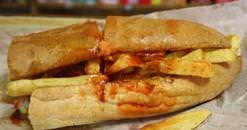
The Gatsby is the city's other signature: a whole baguette stuffed with chips, polony or steak and sauce, sized to share among three or four people and found in takeaways across the Cape Flats and Athlone. Down on the coast, Kalk Bay and Hout Bay are the places for fish and chips, often snoek or hake, eaten on the harbour wall.
Saturdays are for markets. The Neighbourgoods Market at the Old Biscuit Mill in Woodstock is the best known, with street food, coffee and craft beer. The Oranjezicht City Farm Market at Granger Bay, near the Waterfront, runs at weekends with a sea view. Go early, as both get busy by late morning.
Wine is easy here. Constantia, inside the city, is the closest wine area and is about 20 minutes from the centre. Stellenbosch and Franschhoek make a full day out. Chenin Blanc and Pinotage are the local grapes to try. Don't drive between tastings; book a tour, or take the Franschhoek wine tram.
For self-catering, the big supermarkets (Checkers, Pick n Pay, Woolworths) are cheap by European standards and many hostels have good kitchens and a braai. Tip 10 to 15% in restaurants and cafés, since staff rely on it.
Long Street is the backpacker strip: bars with balconies, cheap drinks, live music and clubs that run late, all within stumbling distance of several hostels. It's a lot of fun and it's also where phones and wallets go missing, so take only what you need and keep it in your front pocket.
If Long Street is too much, Bree Street, a block over, is lined with wine bars, cocktail spots and restaurants that stay busy until late. Kloof Street in Gardens is similar, with a slightly older crowd. The V&A Waterfront is safe and polished but pricier, and most of it closes earlier.
Woodstock and Observatory (Obs) are where students and creatives go: cheaper bars, live music, and a more local crowd. Sea Point has bars and restaurants along Main Road and is handy if you're staying on the Atlantic side.
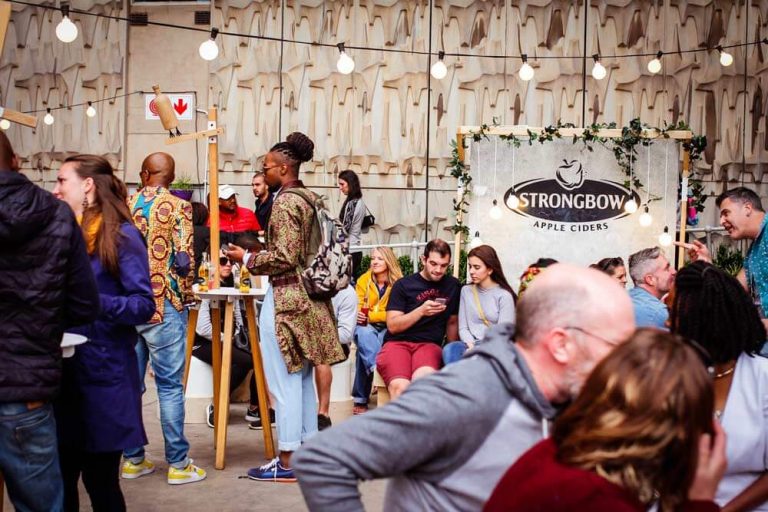
Summer brings outdoor music, sundowners on the beaches and, on Sundays, the Kirstenbosch Summer Sunset Concerts in the botanical garden. Winter is quieter, and plenty of people swap clubs for wine bars with a fire. Hostel bars and pub crawls are the easiest way in if you've arrived alone, and they usually end up on Long Street anyway.
Getting home safely is the rule that matters. Take Uber or Bolt door to door after dark, even if your hostel is five minutes' walk away, and wait inside until the car arrives. Never leave your drink unattended, and don't take a ride from someone who approaches you claiming to be your driver.
Cape Town doesn't have a metro, so most travellers use a mix of MyCiTi buses and ride-hailing. MyCiTi runs from the Civic Centre hub to the V&A Waterfront, Gardens, Sea Point, Camps Bay, Hout Bay and the northern suburbs like Table View. You pay with a myconnect card (R40, about €2) loaded with Mover credit. Off-peak trips under 5 km cost R15, and peak fares apply on weekdays from 06:45 to 08:00 and 16:15 to 17:30. If you're riding a lot, a one-day pass is R130, three days R290 and seven days R420.
Uber and Bolt are cheap, quick and the safest way to get around at night. Book through the app, wait inside until the car arrives, and check the plate and driver's name before you get in. The FCDO warns about fake drivers at airports and tension between metered taxis and e-hailing drivers, so stick to official pickup zones.
From the airport, an Uber or Bolt to the City Bowl usually costs around R200 to R400 (about €11 to €22) and takes 20 to 30 minutes. The MyCiTi airport bus was suspended in December 2022, and the official site still listed it as suspended in 2026. If you drive, take the N2 and M3 rather than the R300 or back roads, as the FCDO advises.
The Metrorail Southern Line runs along False Bay to Muizenberg, Kalk Bay and Simon's Town and has some beautiful sea views, but service can be unreliable. Travel in daylight and ask your hostel how it's running.
For the peninsula and winelands, renting a car for a day or two between friends often works out cheaper than tours. Drive on the left, keep bags out of sight and don't leave anything in the car at viewpoints.
At around R18.5 to €1 (October 2026), Cape Town is cheaper than most European cities for food, drink and getting around, but it's the priciest place in South Africa for beds and activities. Dorms cost more in December and January, and the city fills up over New Year and Easter.
The big-ticket sights add up. The cableway is R475 return online (about €26). From 1 November 2026, the international conservation fees are R592 (about €32) for Cape Point and R282 (about €15) for Boulders. Robben Island tickets were last published at R600 (about €32) for non-South African adults, but check the official site, as prices change. Fit at least one free hiking day around each paid one.
Getting around is cheap. MyCiTi trips are R15 to R35 depending on distance and time, and most Uber rides inside the City Bowl and Atlantic seaboard cost the same as a coffee or two back home. The airport run is the biggest single fare, at around R200 to R400.
Eating is where you can save the most. Self-cater from supermarkets, eat at the Saturday markets, and save restaurant meals for Bo-Kaap curries or fish and chips at Kalk Bay. Wine tastings in Constantia or Stellenbosch are cheap by European standards, but a winelands tour with transport costs a lot more than the tastings themselves.
Cards and contactless work nearly everywhere. Keep small notes for car guards, who watch parked cars in exchange for a few rand, and for tips. Use ATMs inside malls or banks rather than on the street, and refuse any offer of help at the machine.
Cape Town is safe enough for millions of visitors a year, but it isn't a city where you can switch off. Most problems are opportunistic: phone snatches on Long Street, muggings on quiet trails or streets after dark, and break-ins at viewpoints and beach car parks. A few simple habits avoid nearly all of it.
On the mountain, the FCDO reports muggings and violent attacks on hikers, including on Lion's Head and Signal Hill. Stick to busy, marked trails, avoid quiet early mornings and evenings, go at weekends when there are more people around, and hike in groups of four or more. Start early, finish before dark and save the Wilderness Search and Rescue number: +27 21 937 0300.
In town, keep your phone away when you're walking, carry only what you need and use Uber or Bolt after dark, even for short distances. Use ATMs inside malls or banks and refuse help from strangers at the machine. Visit townships only with a reliable local guide. The FCDO also advises against taking MyCiTi buses to Khayelitsha after violent attacks there.
When driving, keep doors locked and windows up and put bags in the boot. To and from the airport, stay on the N2 and M3 and use the airport approach road (exit 16), not the R300 or Borcherds Quarry Road. Don't follow GPS shortcuts off the main roads.
At the beach, swim only between the red and yellow flags on patrolled beaches, as rip currents are strong. Keep your distance from seals, because rabies has been found in them along the peninsula, and get medical help straight away after any bite.
The best day trips need a car, a tour or a seat on the Baz Bus. Split a hire car between three or four people and the peninsula and winelands get much cheaper.
Muizenberg, Kalk Bay, the penguins at Boulders Beach and the cliffs at Cape Point, with Chapman's Peak Drive on the way back.
University town with oak-lined streets and dozens of wine estates. The first stop on the Baz Bus Garden Route.
A valley of wine estates and good restaurants. The hop-on hop-off wine tram means nobody has to drive.
Southern right whales close to the cliffs from June to November, with a cliff path running along the town.
Cape Town's own wine valley, the easiest tasting trip if you're short on time.
Summer is packed with outdoor events. Over New Year, Easter and the Cycle Tour weekend, hostels fill up early.

A significant new play explores the public and private life of South African activist and judge Albie Sachs. The story is told with warmth…

PAGEBOUND is a dance production that follows a young girl's journey through fantasy, mystery, and adventure. The show features a variety of dance styles…

Pamela Wijnberg presents a morning concert titled All You Need Is Love at the Baxter Concert Hall. The event is part of the Morning…
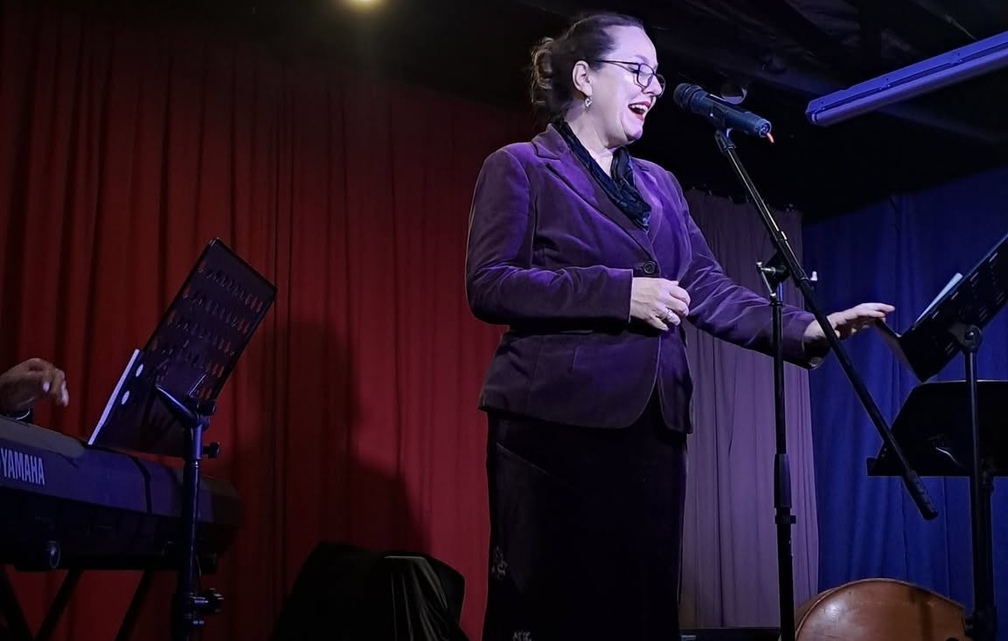
Louise Howlett and Albert Combrink present a morning concert titled As Time Goes By at the Baxter Concert Hall. The performance starts at 10:30…

The Cape Town Concert Series marks over 70 years of music with a special piano recital by South African Steinway Artist Ben Schoeman. The…
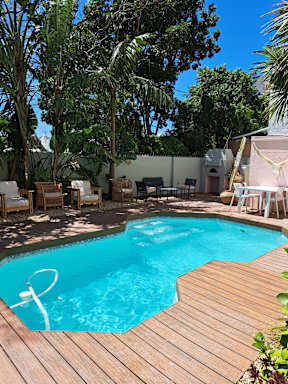
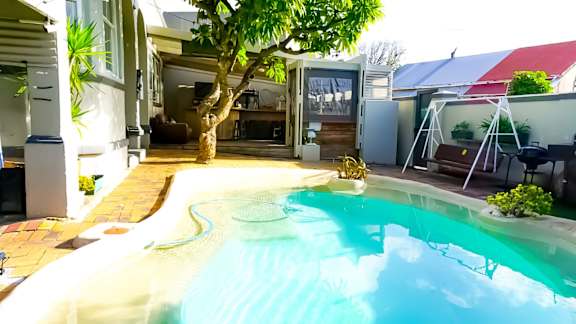
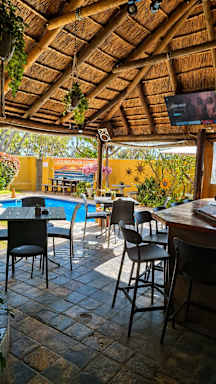
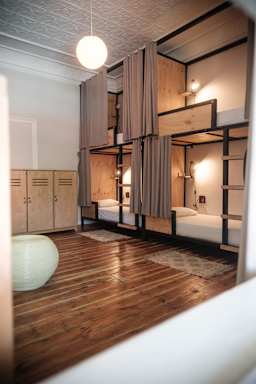
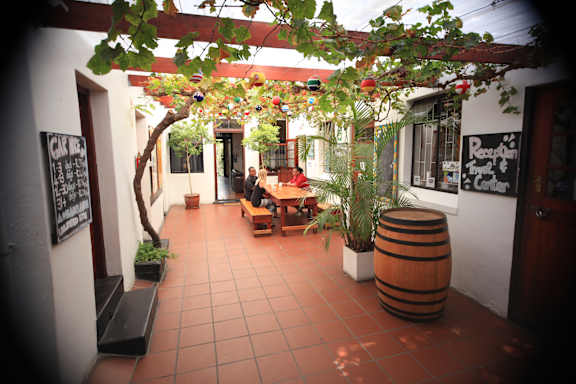
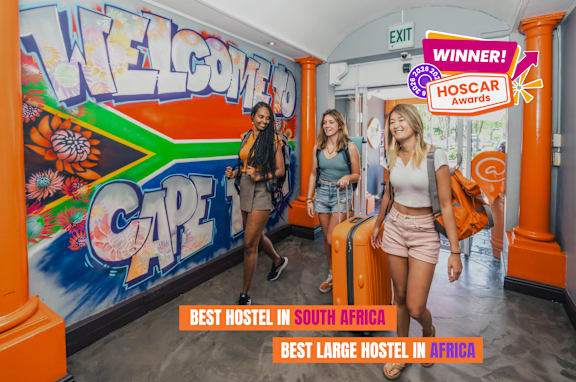
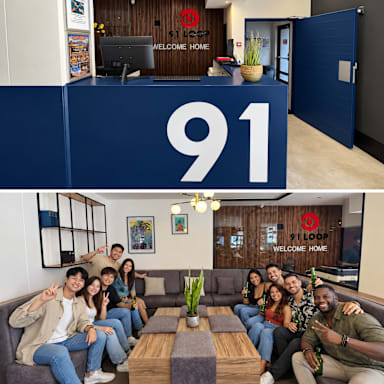
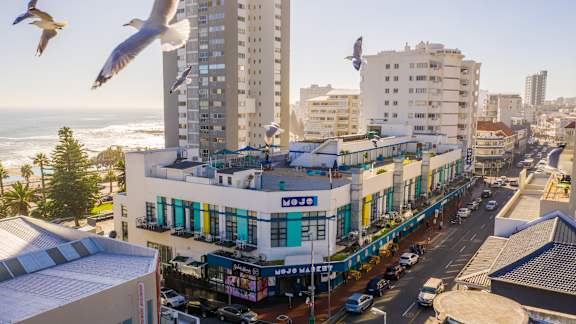
Most Cape Town hostels are in the City Bowl, around Long Street and Kloof Street, or along the seafront in Sea Point and Green Point. Long Street is for being close to the bars; Gardens and Sea Point are quieter. Look for ones with a pool, a braai and a tour desk.



Cape Town has a Mediterranean climate: hot, dry, windy summers and mild, wet winters. November to March is beach and hiking season. June to August is rainy but quiet and cheap, and whale season begins.
Average highs are 1991–2020 normals for Cape Town International Airport, via climate-zone.com, rounded to the nearest degree. The airport can be a degree or two warmer than the Atlantic seaboard. Crowd scores are our own rough guide, based on South African school holidays and peak international travel.
Choose a style and the number of nights for a rough total. Robben Island, Cape Point and wine tours come on top of the doing budget on the days you do them.
Our estimates in euros per day at around R18.5 to €1. They cover a dorm or private room, self-catering or cheap meals, MyCiTi and Uber, and some paid sights. Check live dorm prices below. December, January and Easter cost more.
Prices and safety advice change. Check the official sources before you travel.

Compare Cape Town hostels — live prices, real reviews and free cancellation on most bookings. Then meet the people already there in the app.

 Get the App.

 Get the App.