Santa Maria Novella
Transport and valueAround the station, where many hostels are. Convenient, busy and less charming.

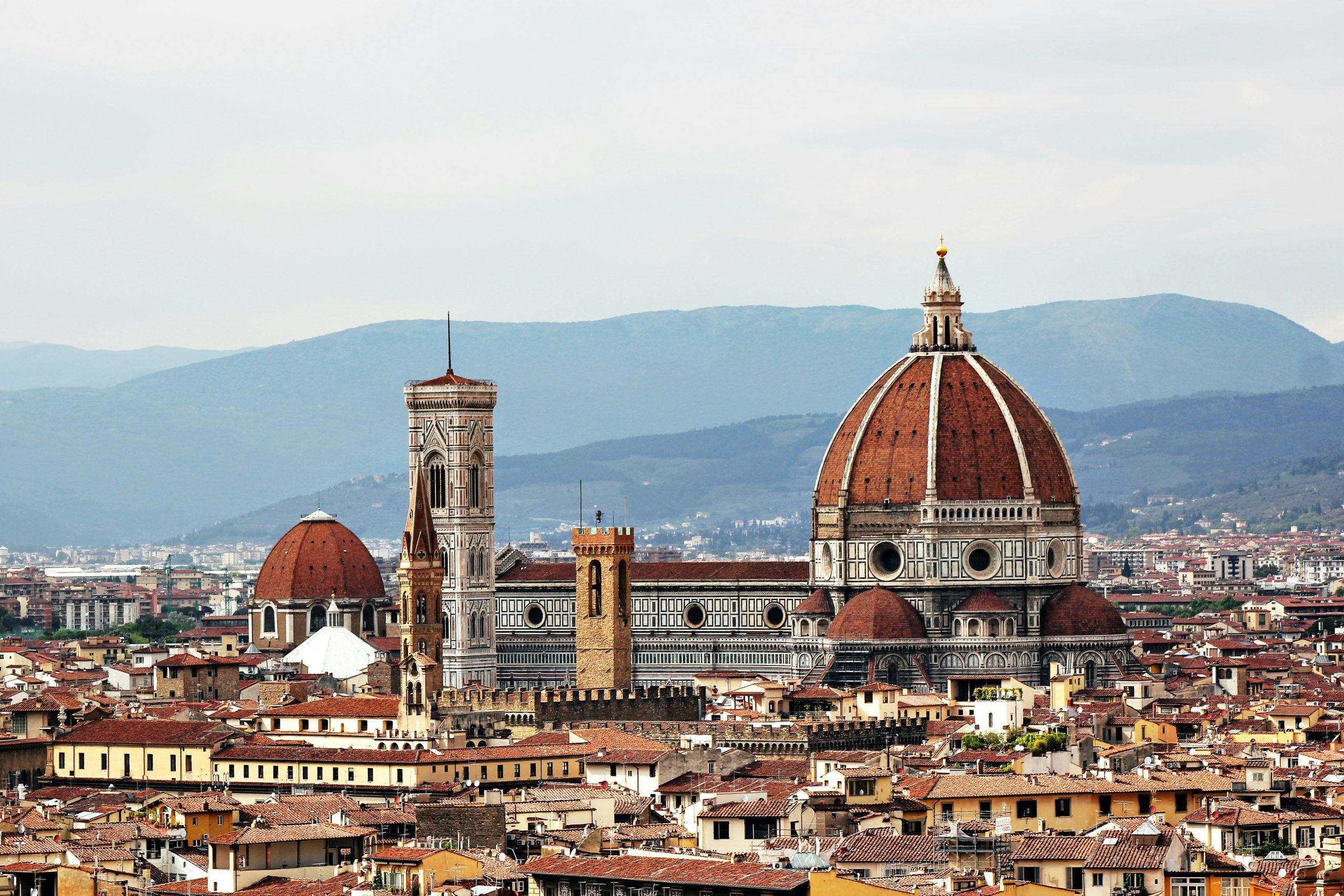
The Renaissance in a city you can cross on foot in twenty-five minutes: Brunelleschi's dome, Botticelli's Venus, Michelangelo's David. Book the big museums before you arrive.
Florence was the richest city in Europe in the fifteenth century, and it spent the money on art. The Medici banking family paid for much of it, and the result is a centre so dense with masterpieces that the whole of it is a UNESCO World Heritage Site.
The historic centre is small: about twenty-five minutes on foot from the station to Santa Croce, with the Duomo in the middle and the Arno along the southern edge. Across the river is the Oltrarno, the old artisans' quarter, where the city feels less like a museum.
Florence is crowded from Easter to October, and the queues for the Uffizi and the Accademia are the stuff of legend. Book both, get up early, and give the city three days. It is also the base for Tuscany: Siena, Pisa, Lucca and the Chianti hills are all within an hour or so.
Everything is walkable. The station area is convenient and cheaper; the Oltrarno and Santa Croce are the neighbourhoods to be in.
Around the station, where many hostels are. Convenient, busy and less charming.
Around the Mercato Centrale and the Medici church. Central and lively.
The east side, with the great Franciscan church and busy bars.
Across the river: workshops, Piazza Santo Spirito and the best trattorias.
Under Piazzale Michelangelo, with medieval gates and quiet lanes.
Orange labels are neighbourhoods, dots are the 12 top-rated hostels. Map © MapTiler © OpenStreetMap contributors.
The routes we would take, in the order we would take them.
Book the Uffizi, the greatest collection of Renaissance painting in the world, with Botticelli's Birth of Venus and Primavera. It costs €25 in the high season, less in winter, and the first slot of the morning is the one to take. The Accademia is for one thing, Michelangelo's David, and the unfinished Prisoners that line the hall to it. Book it too.
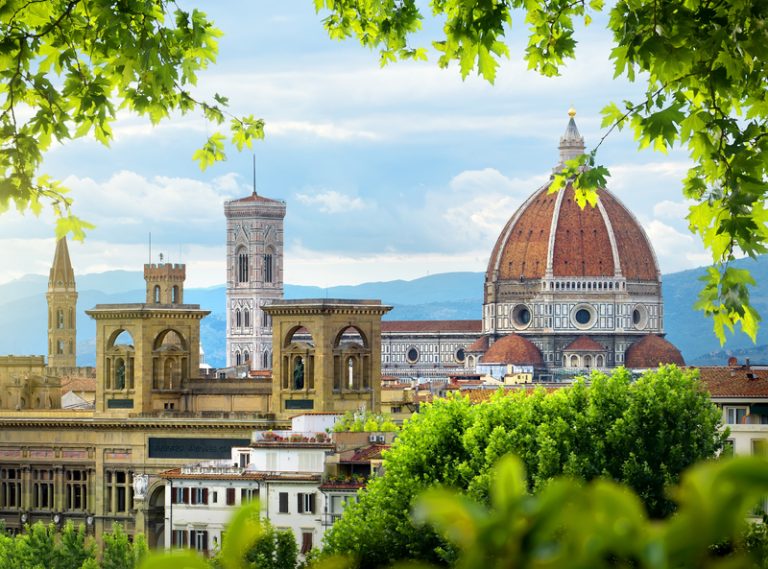
The Duomo itself is free to enter, but the climb up Brunelleschi's dome, 463 steps between the inner and outer shells, is on a separate pass with a timed slot. The bell tower and the baptistery are on the same pass.
Walk across the Ponte Vecchio into the Oltrarno for the Pitti Palace and the Boboli Gardens, then climb to Piazzale Michelangelo for the view at sunset. Keep going up the hill to San Miniato al Monte, one of the most beautiful churches in Italy, where the monks sing vespers in the late afternoon.
The Bargello, less crowded, has the best sculpture collection in the city, including Donatello's David.
The Duomo is free to enter, as are many of the city's churches, and the queue moves fast early in the morning.
Piazzale Michelangelo, with the whole city laid out below, is free and busiest at sunset. San Miniato al Monte, above it, is free and quieter, with Gregorian chant at vespers.
The Ponte Vecchio, Piazza della Signoria and its open-air sculpture gallery, the Loggia dei Lanzi, cost nothing. Look out for the wine windows, small hatches in palace walls where wine was once sold through the wall, and a few of which still serve it.
State museums, including the Uffizi and the Accademia, are free on the first Sunday of the month, with long queues and no booking.
Florentine food is simple, meaty and cheap if you eat where the city eats. Lampredotto, a tripe sandwich from a street cart, costs about €5 and is the lunch of the city. Schiacciata, flat oily bread stuffed with salami and cheese, is the other; the famous shops have queues down the street, and the less famous ones are just as good.
Bistecca alla fiorentina, the huge T-bone steak, is priced by the kilo and served rare. Share one. Ribollita, bread and bean soup, and pappa al pomodoro are the peasant classics.
The Mercato Centrale in San Lorenzo has a food hall upstairs and market stalls below. Sant'Ambrogio market, on the east side, is more local and cheaper.
The restaurants on Piazza della Signoria and around the Duomo charge for the view. Cross the river to the Oltrarno for better trattorias at lower prices.
Florence goes out in its squares. Piazza Santo Spirito, in the Oltrarno, is the centre of it: bars around the square and people drinking on the church steps late into the night.
Sant'Ambrogio and the streets around Santa Croce have bars full of students, including thousands of Americans on study-abroad programmes. San Niccolò, under Piazzale Michelangelo, is quieter and prettier.
Aperitivo starts around six, with a spritz and snacks for €8 to €12. A glass of Chianti in a wine bar is about €5 to €7.
It is a city of bars rather than clubs.
Florence is a walking city. The historic centre is closed to most traffic, and walking is faster than the bus.
The T2 tram runs from Florence airport to the station, Santa Maria Novella, in about twenty minutes, on a standard city ticket costing under €2. Buses 12 and 13 climb to Piazzale Michelangelo. From Pisa airport, trains run to Florence in about an hour.
High-speed trains reach Rome in about an hour and a half, Bologna in about forty minutes and Milan in about two. Buses to Siena leave from next to the station and are faster than the train.
Do not drive into the centre. It is a ZTL zone, enforced by camera, and the fines arrive by post.
Florence is one of the more expensive Italian cities for beds. Dorms start around €21 and climb steeply in summer. A careful day is €55 to €75.
The museums are the big variable. The Uffizi is €25 in the high season, the Accademia and the Duomo pass have their own tickets, and booking fees add a few euros each.
Lampredotto, schiacciata and market lunches keep eating cheap. The churches, piazzas and viewpoints are free, and the city tax is paid per night at the hostel.
Florence is safe. The main problem is pickpocketing, concentrated around Santa Maria Novella station, the buses, the Duomo and the Ponte Vecchio crowds.
The usual scams operate around the big sights: petition clipboards, bracelets and people who pretend to find a ring on the ground. Walk on.
In summer, the heat in the stone streets is intense. Carry water; the public fountains are drinkable.
Do not drive into the ZTL. Emergency number is 112.
Florence is the base for Tuscany. Most of these are day trips by bus or train.
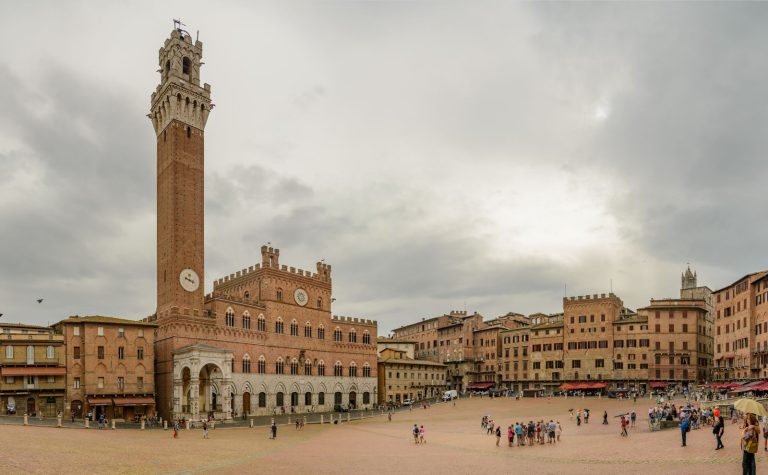
A Gothic hill city with a shell-shaped square and a striped cathedral.
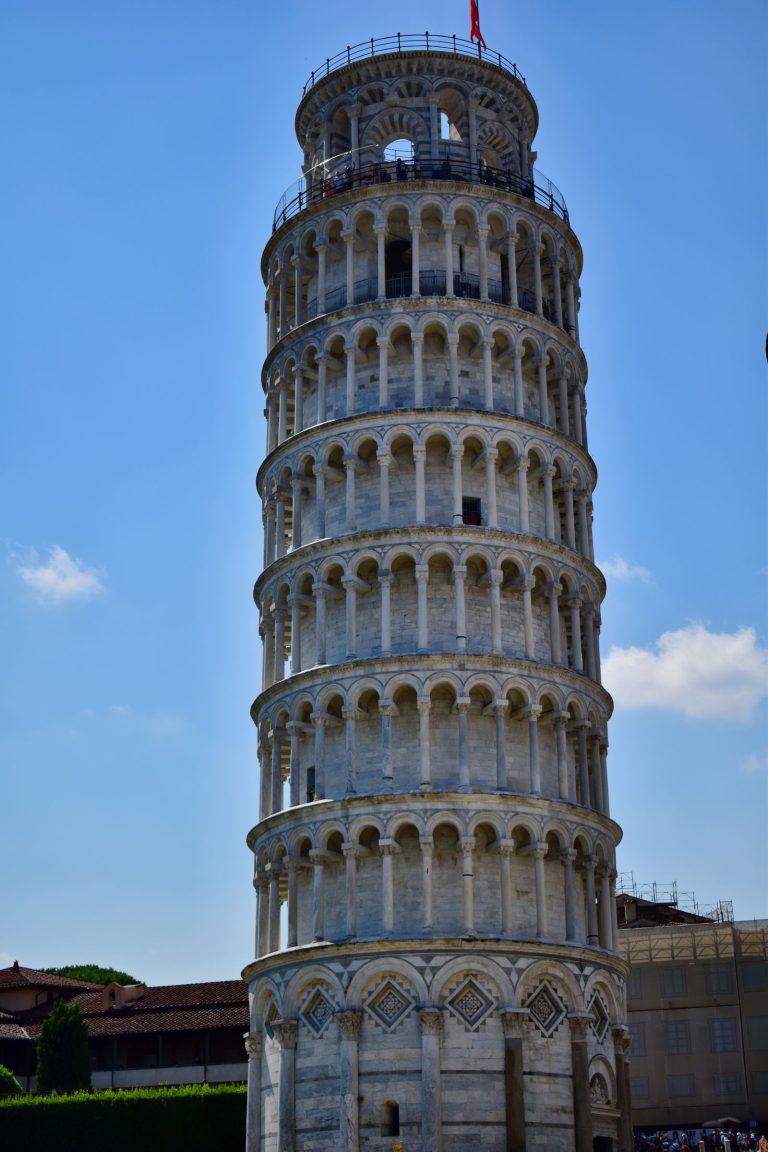
The Leaning Tower and its square, then the walled city of Lucca, where you can cycle the ramparts.
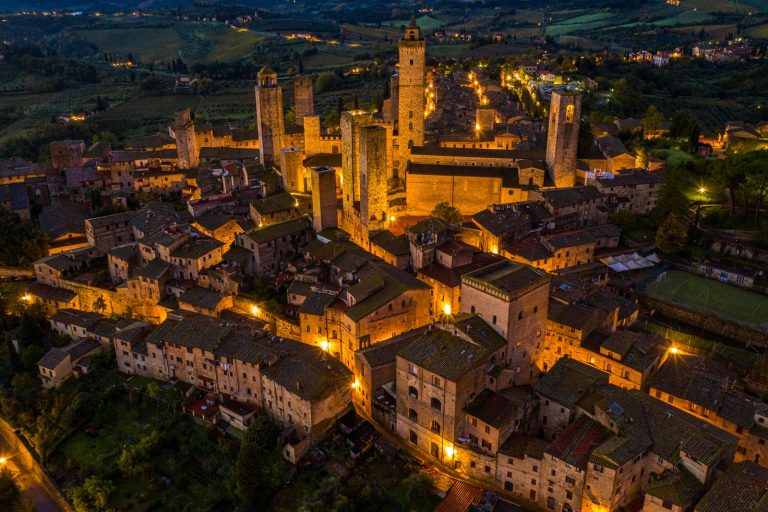
A medieval town of stone towers on a hill, and very busy by midday.
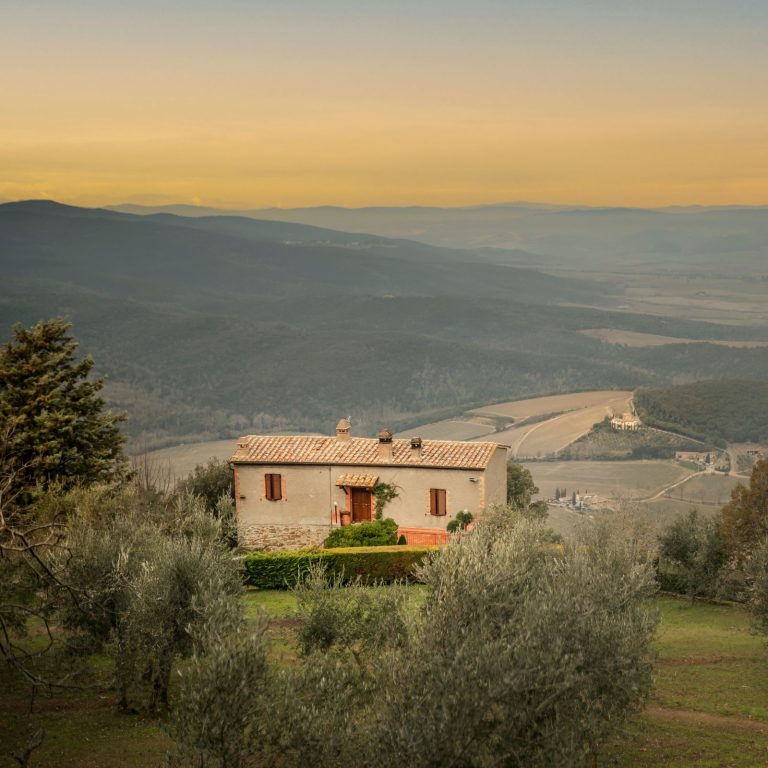
Vineyards, olive groves and wine towns between Florence and Siena.
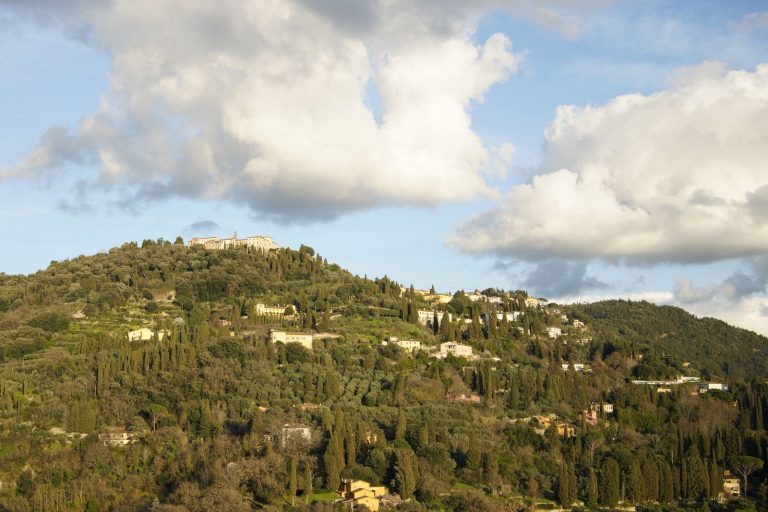
A hill town with a Roman theatre and a view back over Florence.
The city's patron saint's day in June is the one to catch, with a medieval football match to go with it.
 Staff pick
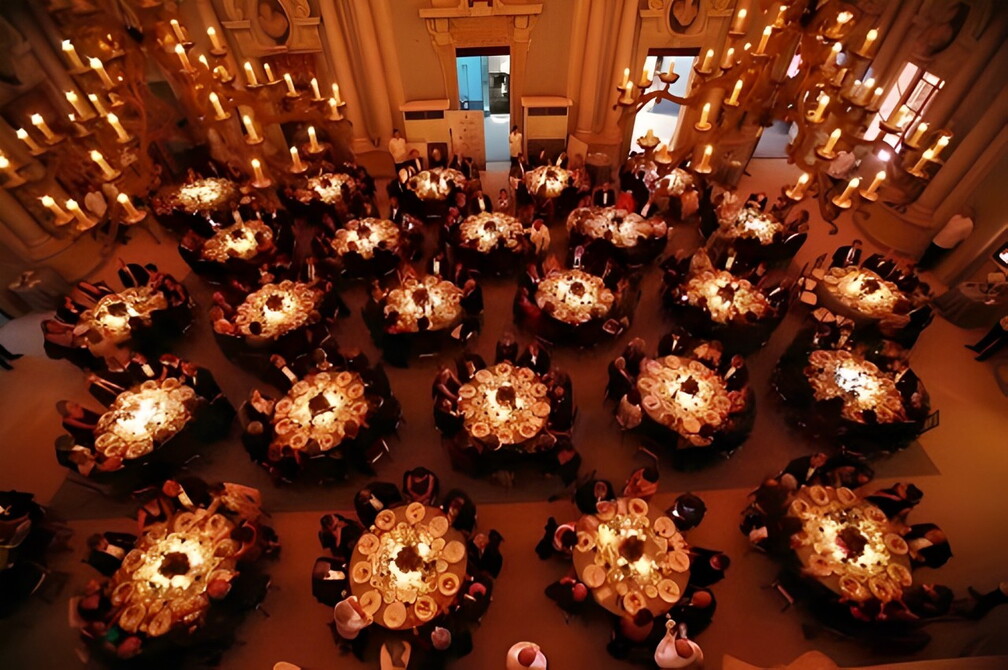
Find yourself at the stunning Palazzo Corsini sull'Arno, as the Florence International Biennial of Antiques features premier ancient and modern art dealers from around…
 Staff pick
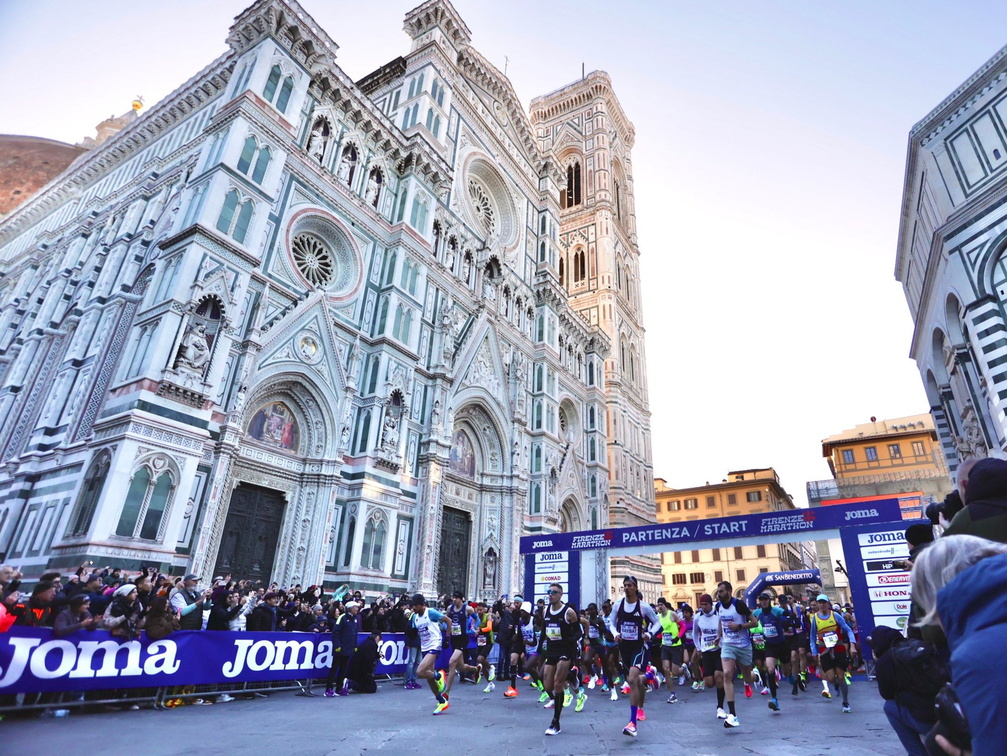
Celebrating unforgettable moments since 1984, the Florence Marathon invites participants to take part in this exhilarating race. This iconic 42.195 km event offers runners…
 Staff pick
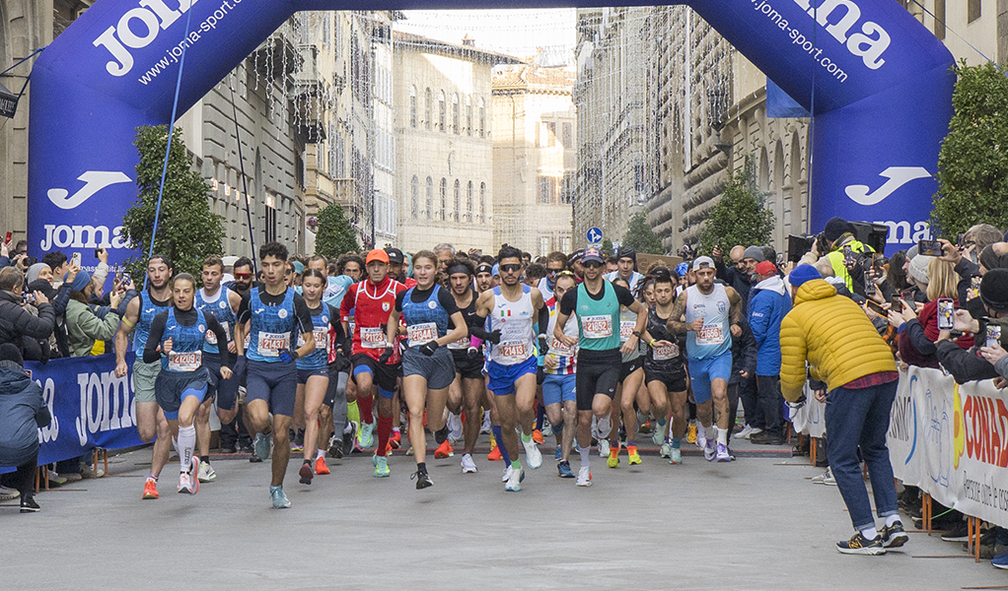
Experience the Estra Firenze Marathon in Florence, Italy, where runners journey through the city’s historic streets and past iconic landmarks. This celebrated event offers…
 Staff pick
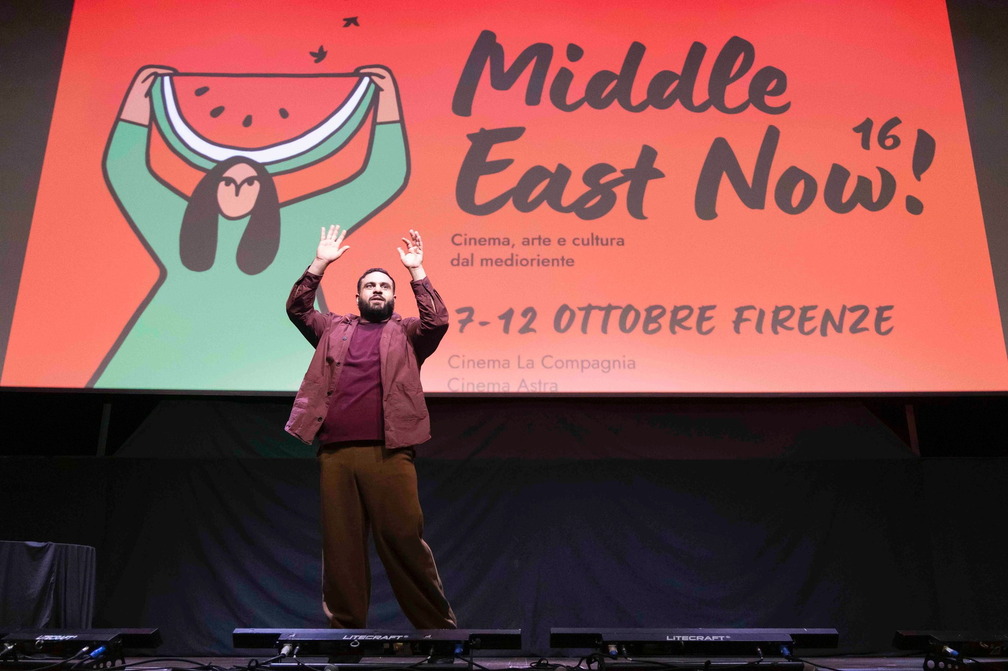
Middle East Now – Festival of Cinema and Contemporary Culture in Florence, Italy, is a dynamic celebration of film, art, and cultural dialogue from…
 Staff pick
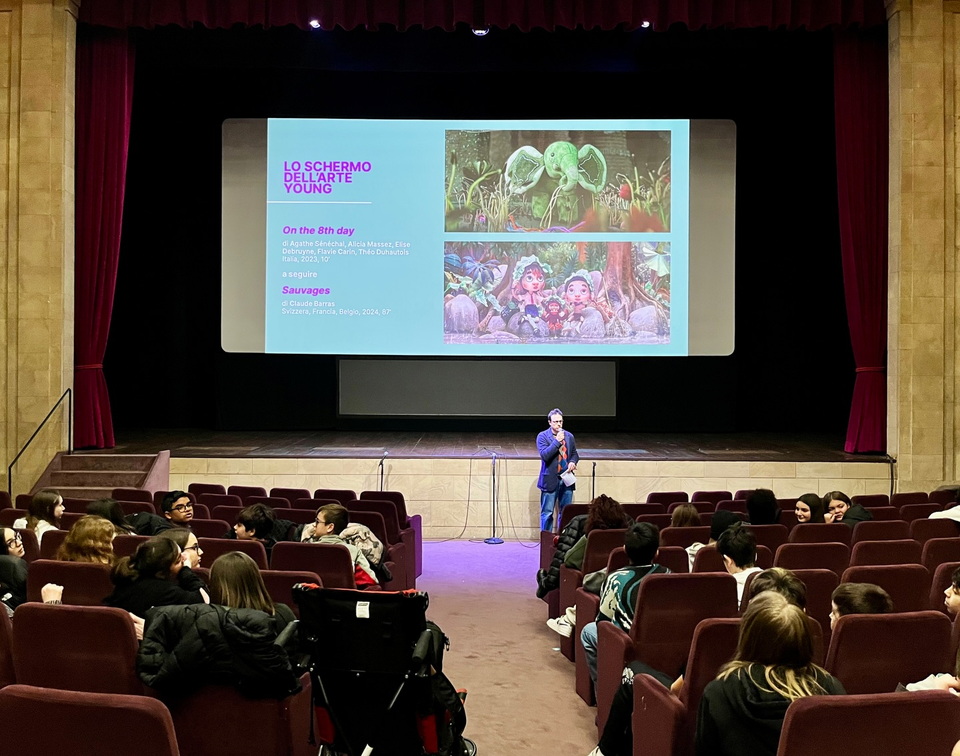
Lo Schermo dell’Arte – Festival di Cinema e Arte Contemporanea in Florence, Italy, is a renowned event dedicated to the convergence of contemporary art…
 Staff pick
The River to River Florence Indian Film Festival, founded in 2001, is the first event outside India entirely dedicated to Indian cinema. The festival…

The Florence International Antiques Biennial stands as the world's most important exhibition and market for Italian and international antiques. Held inside the historic Palazzo…
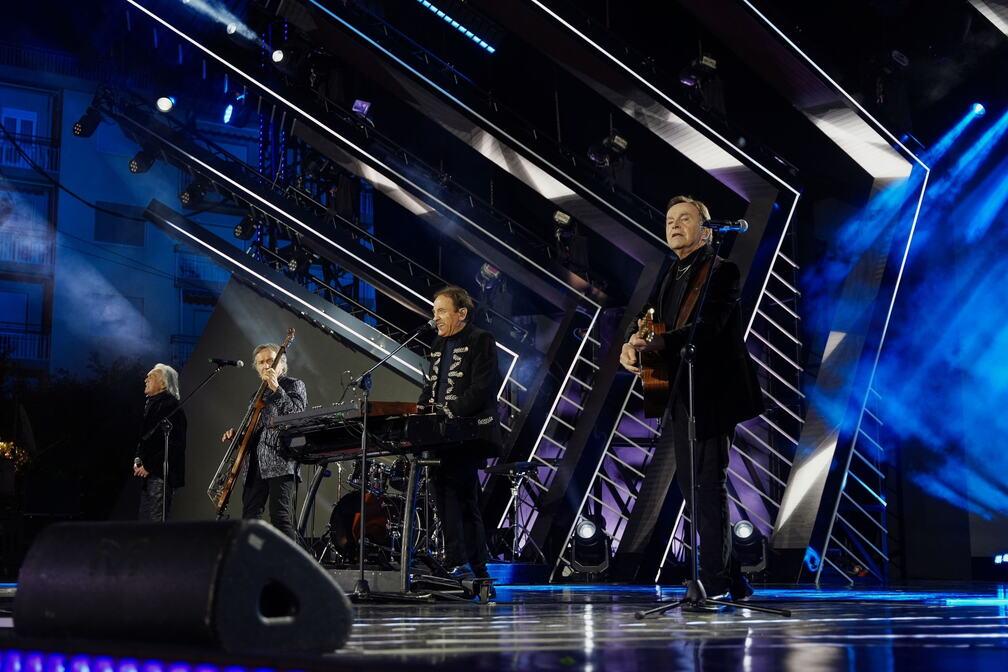
Roby Facchinetti, Dodi Battaglia, Red Canzian, and Riccardo Fogli reunite on stage to celebrate 60 years of music, friendship, and success. The event includes…
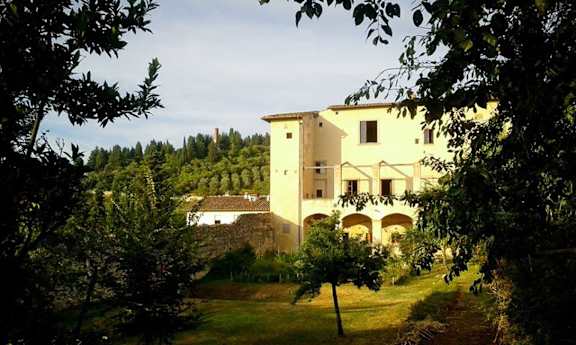
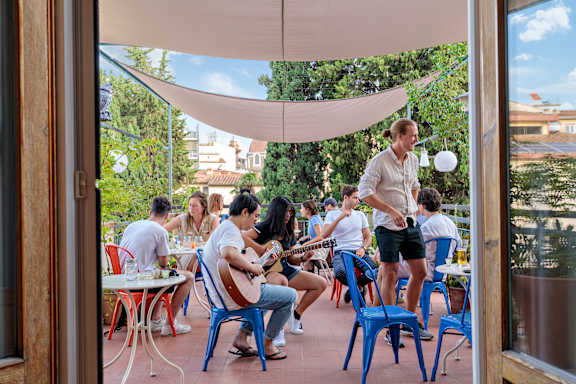
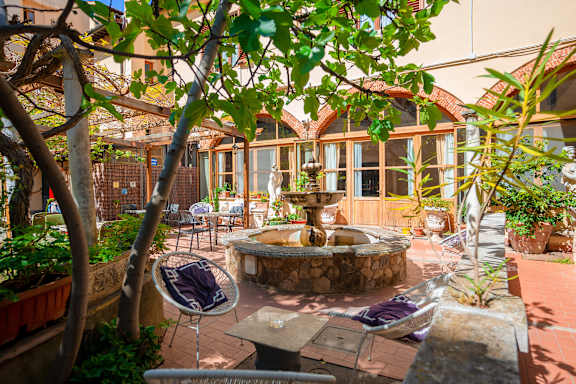
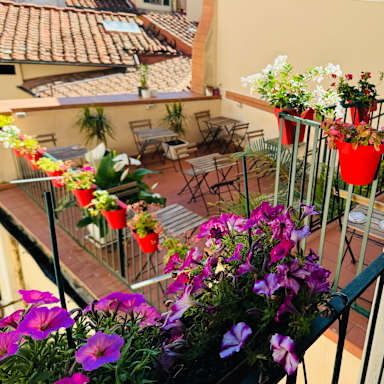
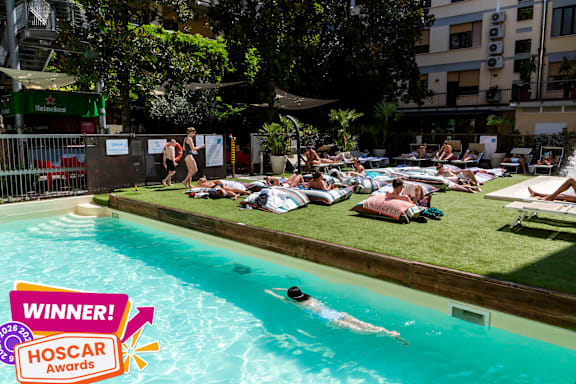
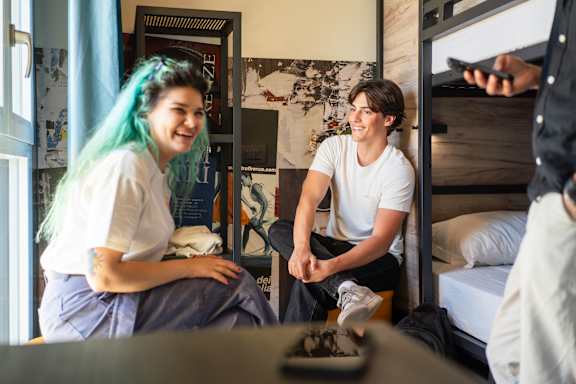
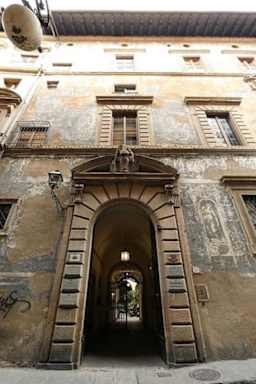
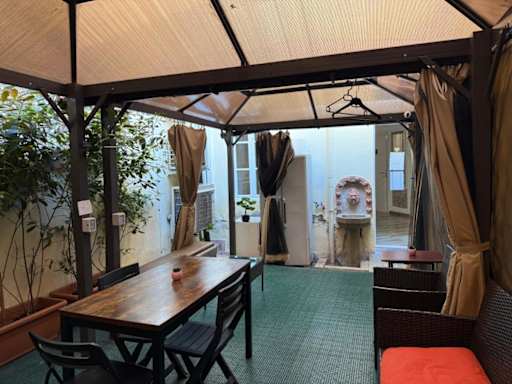
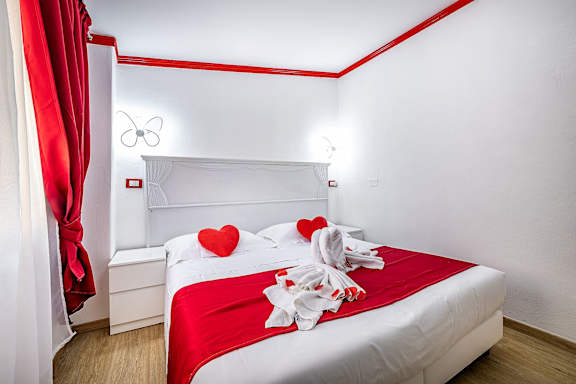
Florence has plenty of hostels, most near Santa Maria Novella station and in San Lorenzo. Book well ahead for summer. These are the top-rated right now, live from Hostelworld.

 Sustainable
April, May, September and October are ideal. July and August are very hot and very crowded.
Average highs. Florence sits in a bowl of hills that traps the heat, and summer is often as hot as Rome, or hotter.
Pick how you travel. Per person per night, in euros.
Transport assumes walking and the odd tram. Sights: Uffizi €25 in the high season, plus booking fees.
The ones we get asked most.

Compare Florence hostels — live prices, real reviews and free cancellation on most bookings. Then meet the people already there in the app.

 Get the App.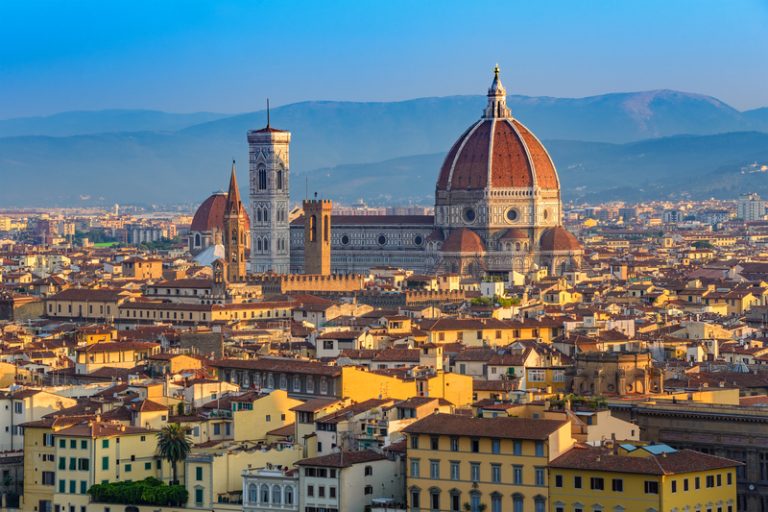
 Get the App.