Old Town (Lipscani)
NightlifeThe historic core: bars, clubs, restaurants and most hostels. Loud until dawn at weekends.

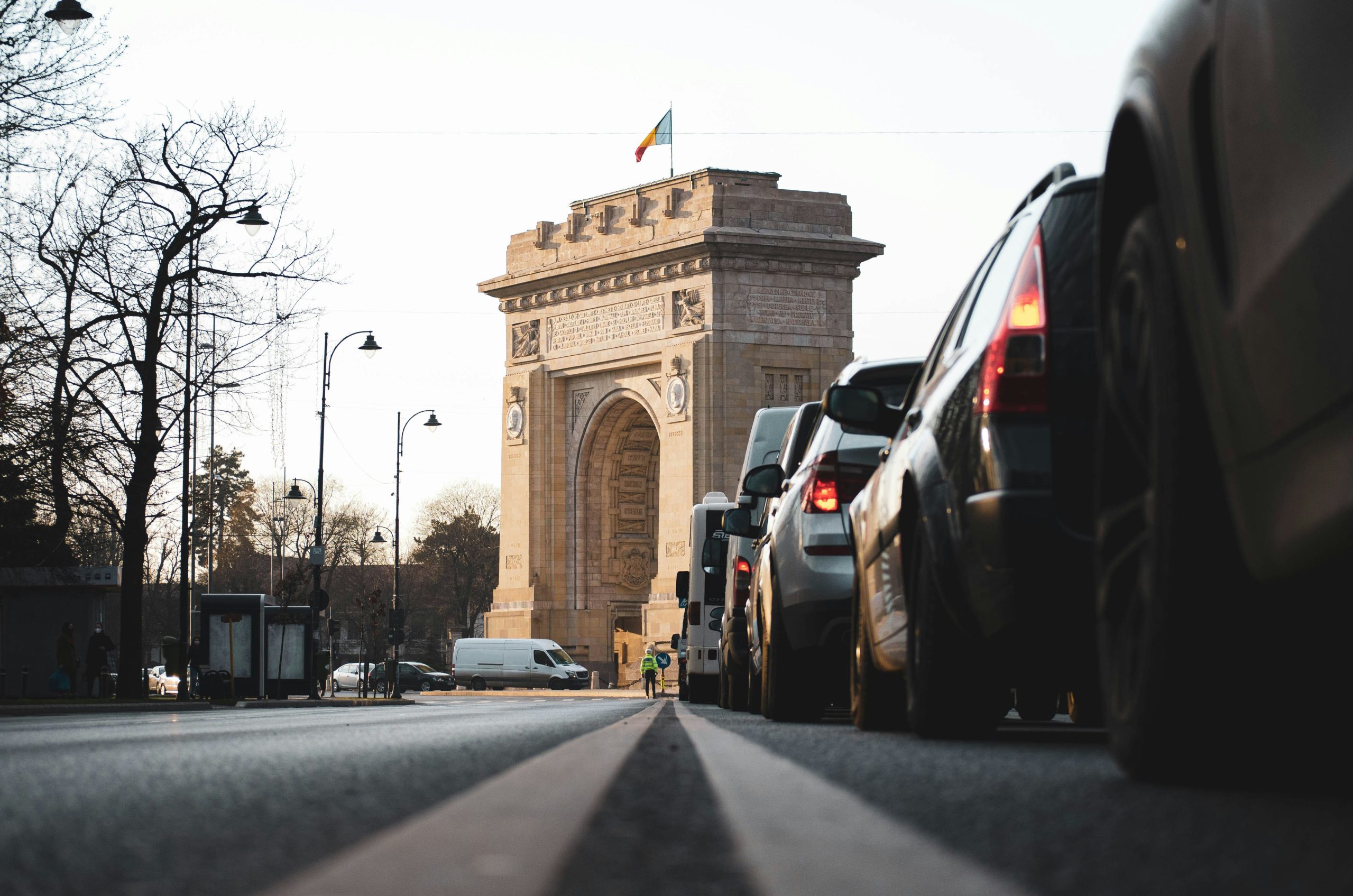
Big, loud, green and cheap: the heaviest building on earth, an old town that does not sleep, and belle époque boulevards between the concrete.
Bucharest earned the nickname Little Paris before the Second World War for its boulevards, its belle époque villas and its Arc de Triomphe, and a good deal of that city survives in the streets north of the centre.
Then, in the 1980s, Nicolae Ceausescu demolished around a fifth of the historic centre to build the Palace of the Parliament and the boulevard leading to it. The palace is one of the largest administrative buildings in the world and is often described as the heaviest. It is obscene, fascinating, and toured daily.
The revolution of December 1989 ended that regime within days, and Revolution Square, where Ceausescu gave his last speech, is marked plainly.
The old town, Lipscani, is the nightlife centre and runs all night. The parks are large and genuinely good. The food is cheap and heavy.
It is not a pretty capital and does not pretend to be. Two or three days, and most people move on to Transylvania.
A sprawling city with a compact old centre and a better-looking north.
The historic core: bars, clubs, restaurants and most hostels. Loud until dawn at weekends.
Around the main boulevards: metro hubs, shops and a short walk to the old town.
South-west: villas, the botanical garden and the palace down the road.
North: belle époque villas, the lakes, the Village Museum and a calmer feel.
Orange labels are neighbourhoods, dots are the 12 top-rated hostels. Map © MapTiler © OpenStreetMap contributors.
Tour the Palace of the Parliament. Ceausescu had around a fifth of the historic centre demolished to build it, it has over a thousand rooms, and guided tours of the portion open to visitors run about 60 to 80 lei (€12–16). Book ahead and bring your passport, which is checked. It is a monument to a particular kind of madness and it is essential.
The Village Museum in Herastrau park, about 30 lei (€6), is an open-air collection of wooden houses, churches and mills moved from villages across Romania, and it is one of the best of its kind in Europe.
Carturesti Carusel is a restored nineteenth-century building turned into a six-level bookshop with white spiral balconies, free to walk into.
Stavropoleos Monastery, a tiny eighteenth-century church in the old town, is free and beautifully carved.
Revolution Square, where Ceausescu made his last speech on 21 December 1989 before fleeing by helicopter from the roof, is free and plainly marked.
Revolution Square, the old town and Stavropoleos Monastery all cost nothing.
The parks are large and free: Cismigiu in the centre, Herastrau around its lake in the north, and Carol Park with its mausoleum on the hill.
Calea Victoriei, the grand old boulevard, is free to walk and holds most of the surviving belle époque architecture, including the Romanian Athenaeum.
Carturesti Carusel is free to browse.
Watching the Palace of the Parliament from the end of Unirii Boulevard is free and gives you the scale, which is the point, even without the tour.
Cheap and substantial. A main is 35 to 60 lei (€7–12) and lunch menus less.
Mici are the thing to order: small skinless grilled sausages of mixed meat, served with mustard and bread, around 5 lei (€1) each, and eaten everywhere.
Sarmale — cabbage rolls stuffed with pork and rice, served with polenta and sour cream — are the national dish.
Ciorba, the sour soup, comes in many versions and is the Romanian starter. Ciorba de burta, tripe soup, is the one locals swear by.
Papanasi are fried doughnuts with sour cream and jam, and one portion is dessert for two.
A beer is 10 to 18 lei (€2–3.50), and Romanian wine is seriously underrated — Feteasca Neagra is the local red to try.
The old town is dense, loud and runs all night — dozens of bars and clubs in a few streets, busy every night at weekends, and a good deal of it aimed at visitors and stag groups.
The better scene is elsewhere: the courtyard and garden bars in villas around the centre and north, which open in summer and are the most Bucharest thing about the city's nightlife.
A beer is 10 to 18 lei (€2–3.50) and cocktails 30 to 50 lei (€6–10).
Clubbing is serious and runs very late — Bucharest has a respected electronic scene and some venues open until morning.
Summer moves everything outdoors, and the garden bars are where to be from May to September.
The metro is the fastest way around, and metro plus buses run on contactless or a card at around 3 lei (€0.60) a trip.
Use Bolt or Uber for taxis. Street-hailed taxis, particularly at the airport and Gara de Nord, have a long record of overcharging visitors.
From the airport, the train to Gara de Nord or express bus 100 to the centre takes about 40 minutes for 5 to 10 lei (€1–2).
The city is large and the centre is only partly walkable — distances between areas are longer than the map suggests, and traffic is heavy.
Trains to Brasov take about two and a half to three hours and to Sibiu or Cluj considerably longer. Romanian trains are slow but cheap and generally reliable.
One of the cheapest capitals in the EU. Dorms are 50 to 110 lei (€10–22), a main 35 to 60 lei (€7–12), and a beer 10 to 18 lei (€2–3.50).
A day is €30 to €55.
Romania uses the leu, not the euro. Places that accept euros apply poor rates. Cards work widely in the city.
Exchange at banks or established bureaux, never on the street, and check the commission — some bureaux advertise attractive rates and charge heavily on the back.
The Palace tour and the Village Museum are the only significant entries. Everything else worth doing is free or close to it.
Bucharest is safer than its reputation, with low violent crime against visitors. The problems are commercial and traffic-related.
Taxis are the first. Street-hailed taxis at the airport and Gara de Nord routinely overcharge. Use Bolt or Uber.
Money exchange is the second. Never change money on the street, and check the commission at bureaux before handing anything over.
The old town has occasional issues with inflated bills and strip clubs that use street promoters to bring men in. Check prices, and do not follow promoters.
Traffic is aggressive and Romania has one of the highest road fatality rates in the EU. Cross at lights and look properly.
Stray dogs were once a serious problem and have been sharply reduced since 2013, but they persist in outer areas. Emergency number is 112.
A mountain resort, a lakeside palace and the start of Transylvania.
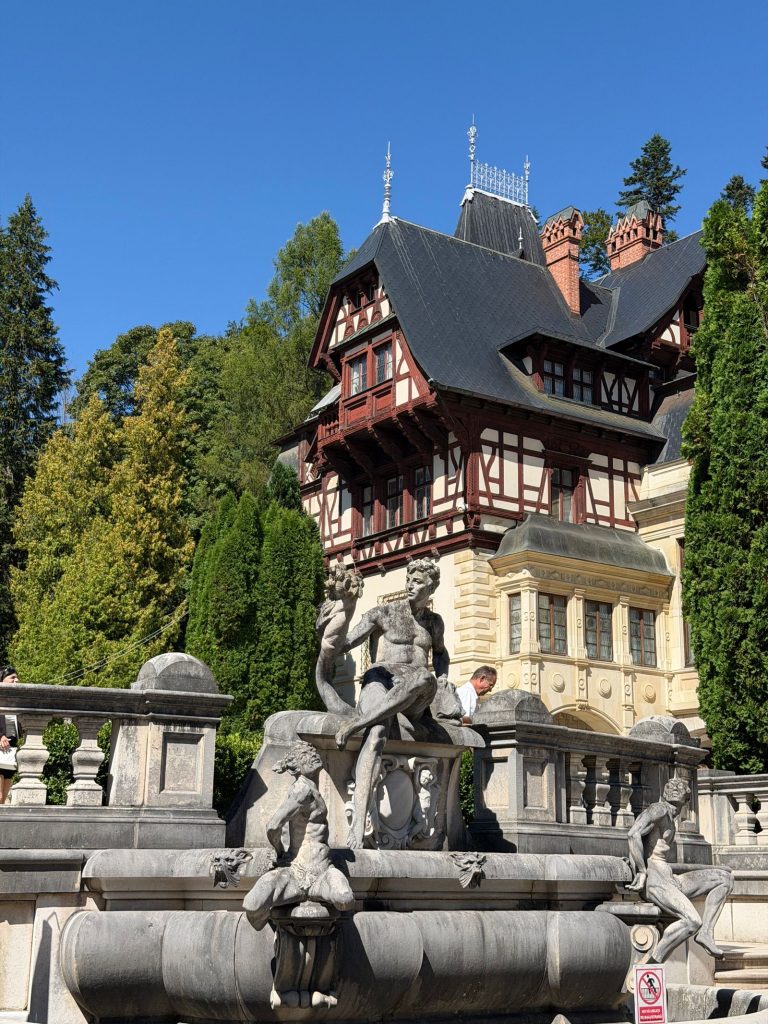
A mountain resort with a neo-Renaissance royal castle, one of the most elaborate in Europe.
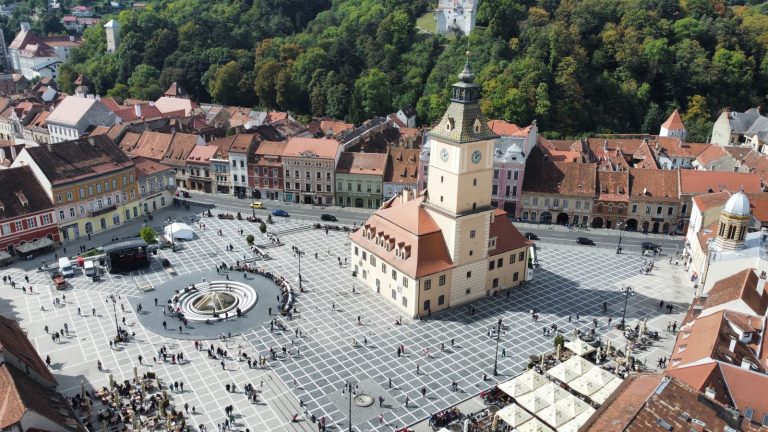
The gateway to Transylvania, and better as a base than as a day trip.
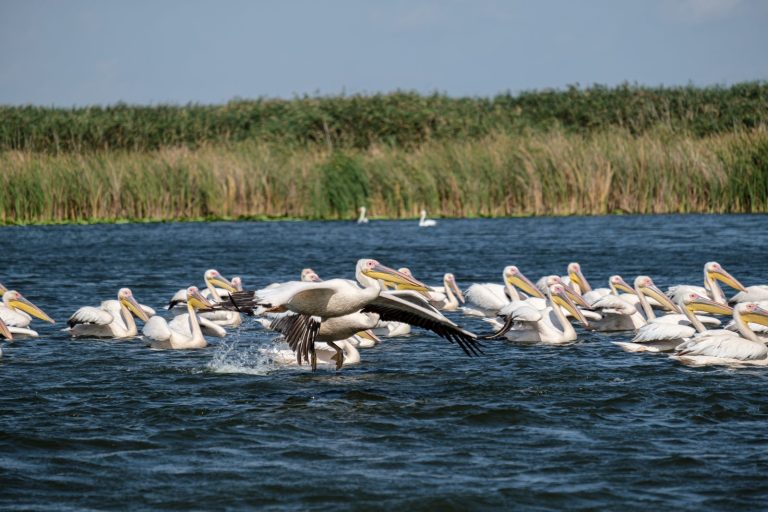
One of Europe's largest wetlands, UNESCO-listed, reached via Tulcea. Too far for a day.
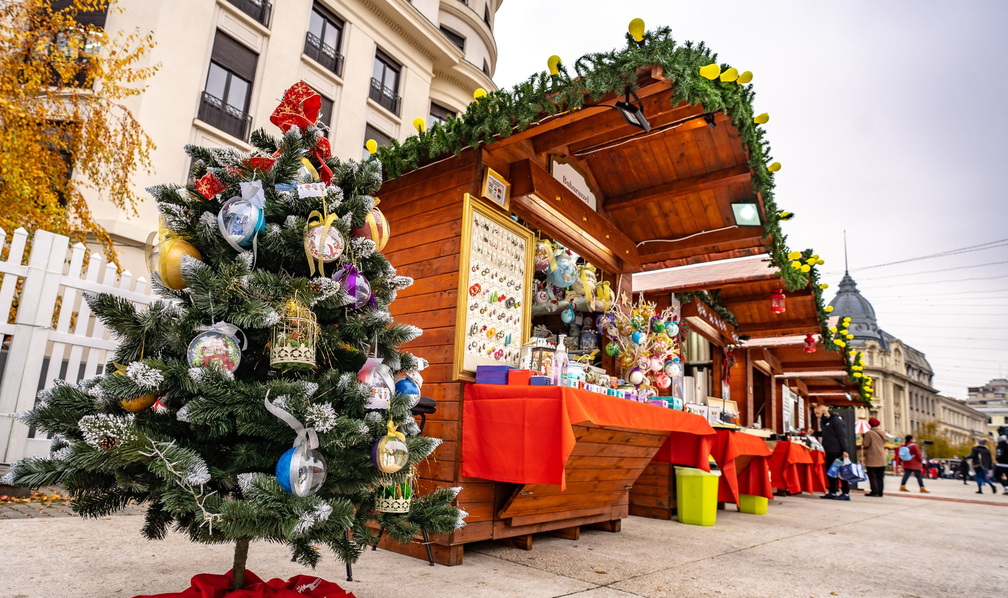
A Christmas market in front of the heaviest building on earth.
 Staff pick
The Bucharest Christmas Market transforms Constitution Square, Bucharest, into a festive wonderland each winter, drawing visitors from across Romania and beyond. Over 100 wooden…
 Staff pick
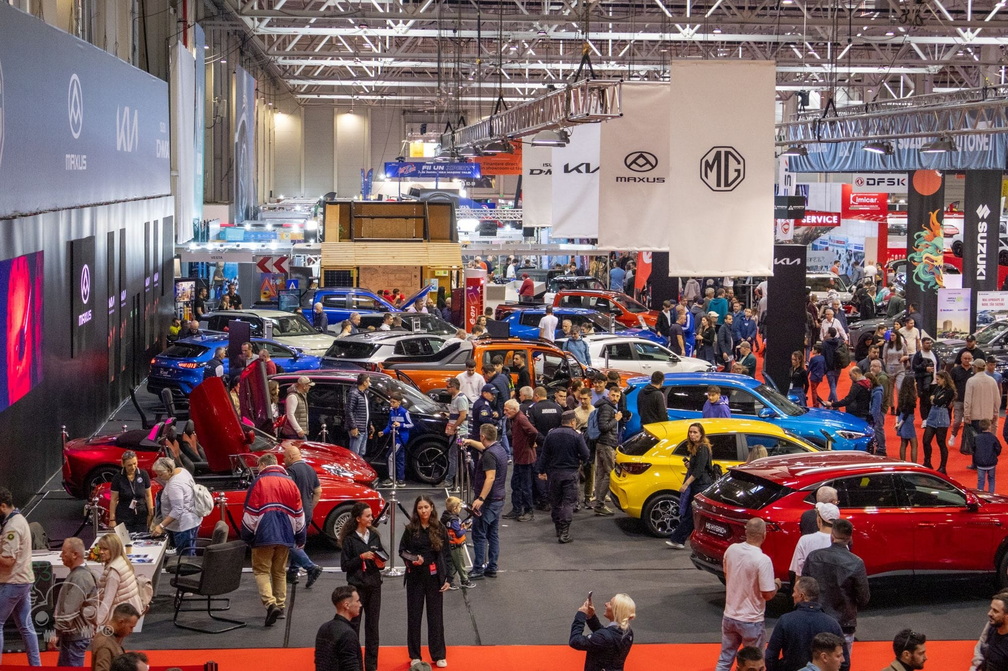
The Bucharest Auto Show & Accessories (SAB) is Romania’s premier automotive showcase, bringing together leading car manufacturers, electric mobility innovators, and accessory suppliers at…
 Staff pick
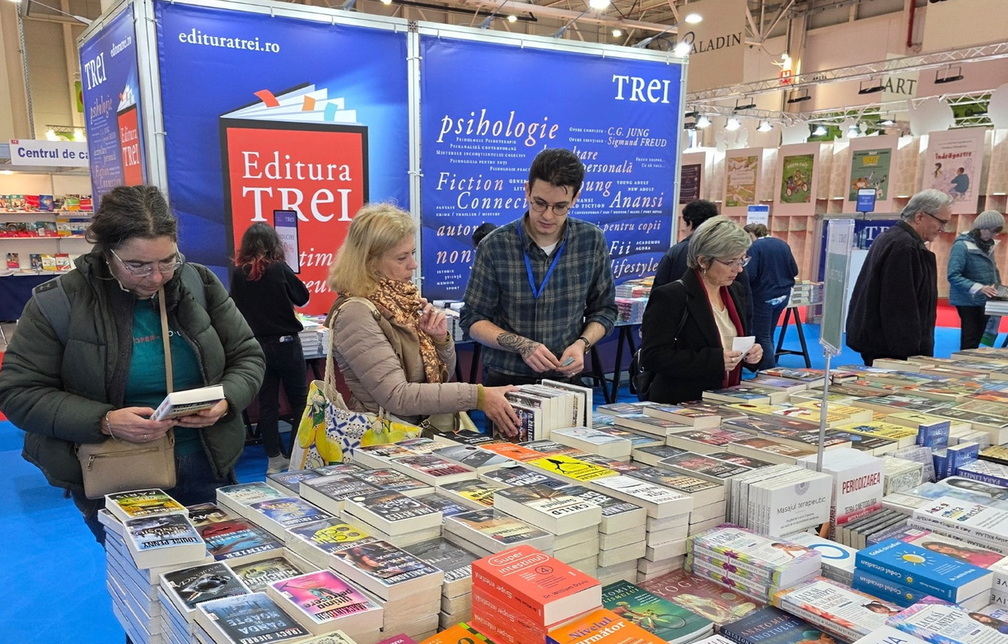
The Gaudeamus Radio Romania Book Fair in Bucharest, Romania, is a major literary event that has brought together book lovers and industry professionals for…
 Staff pick
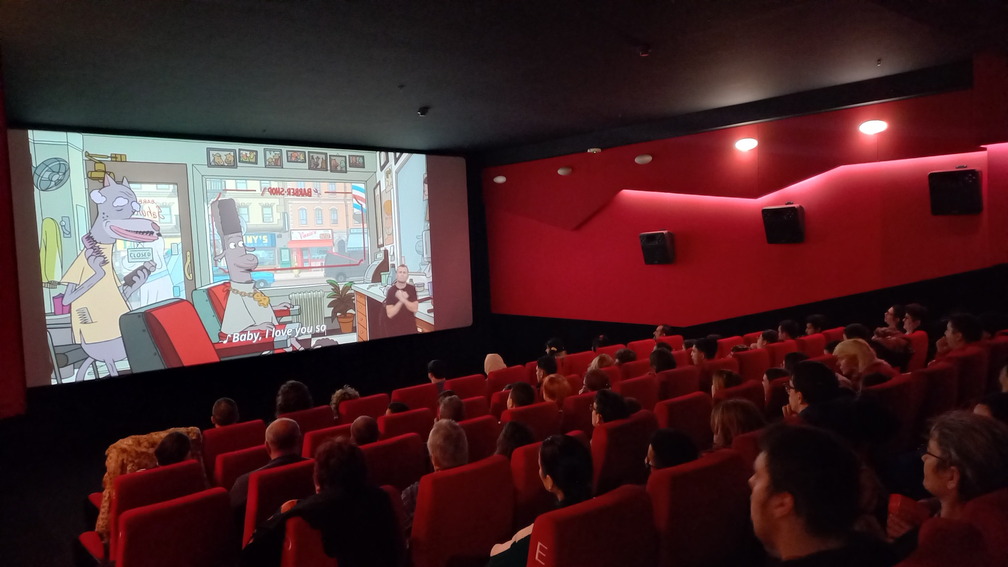
Animest International Animation Film Festival in Bucharest, Romania, is the country’s leading celebration of animated film, bringing together acclaimed works from around the world…
 Staff pick
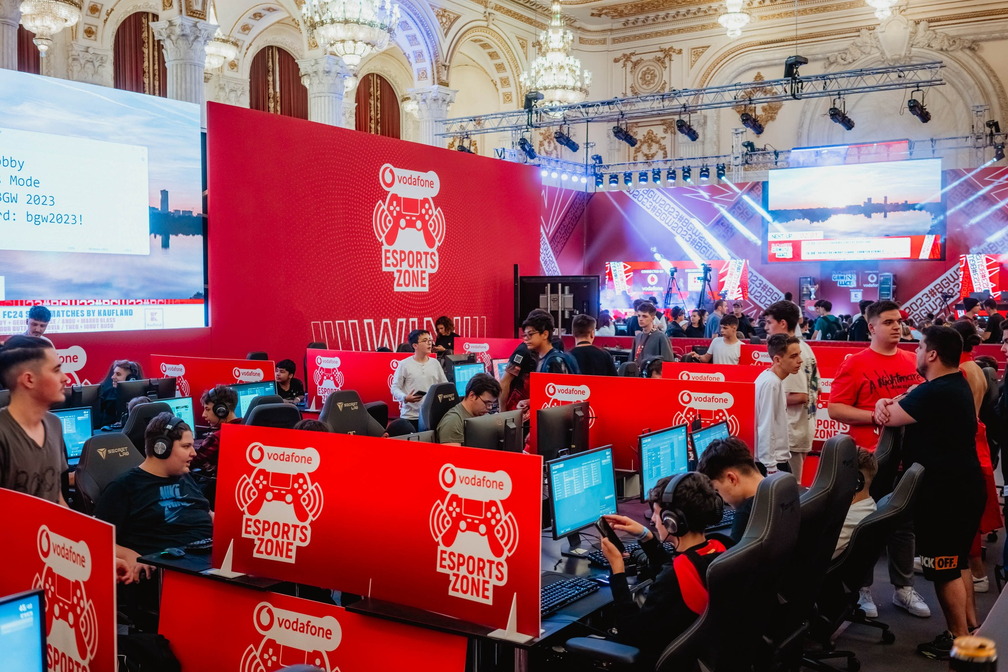
Bucharest Gaming Week in Bucharest, Romania, at Romexpo brings together gamers, developers, and industry leaders for a celebration of gaming culture that has grown…
 Staff pick
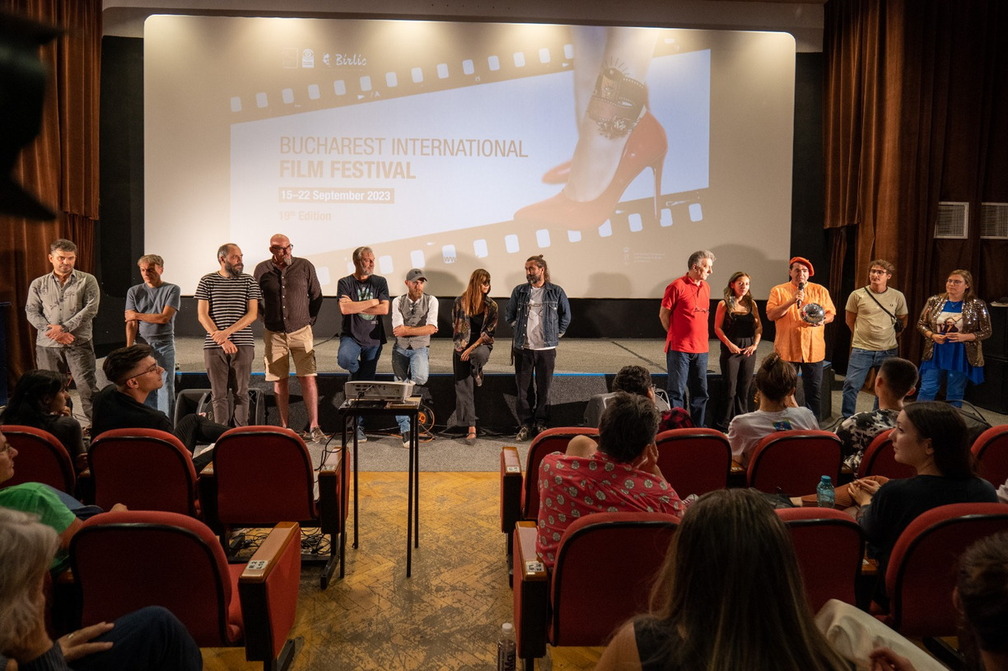
The Bucharest International Film Festival is a prestigious event showcasing the best in contemporary world cinema. With its diverse selection of films, insightful panel…
 Staff pick
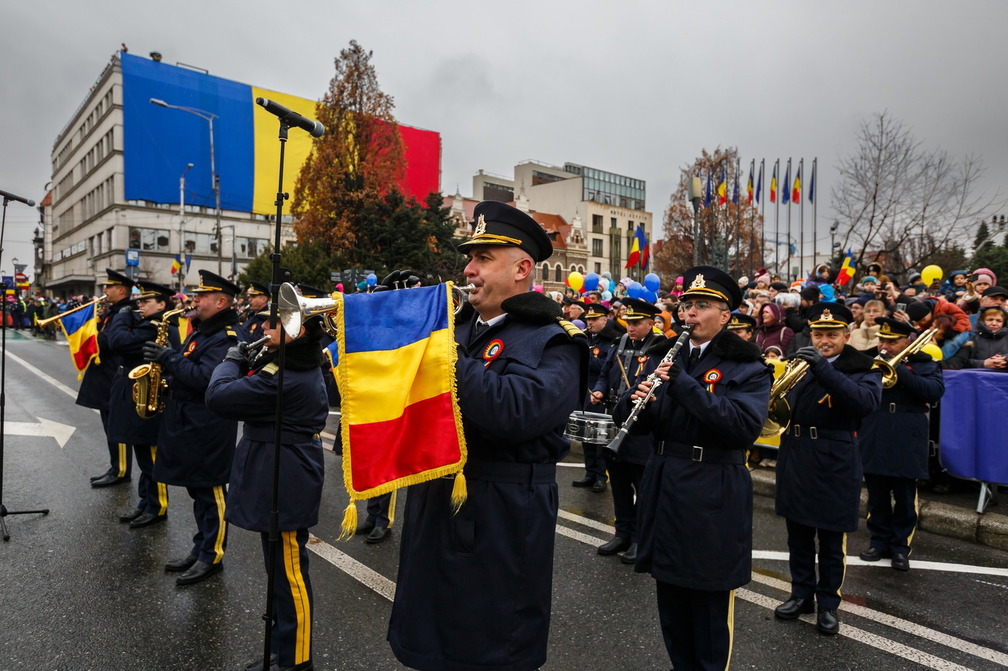
The Romania National Day Parade in Bucharest, is a grand celebration of the country’s unity and heritage. Spectators gather to witness an impressive display…
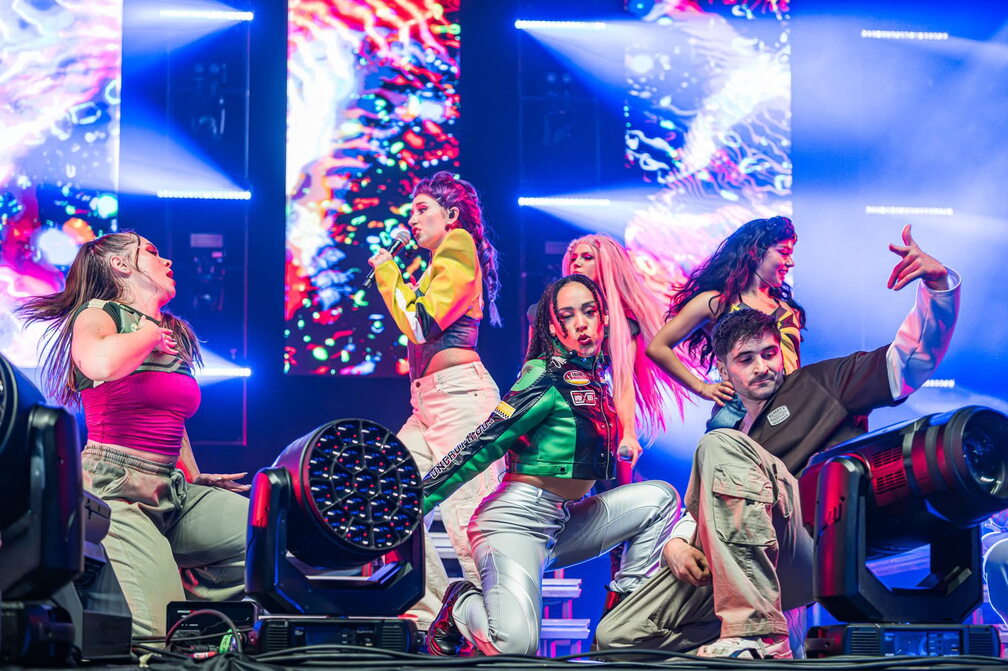
K-POP FOREVER! is a large-scale international show inspired by the Netflix film K-POP DEMON HUNTERS. The event celebrates the global cultural phenomenon of K-POP…
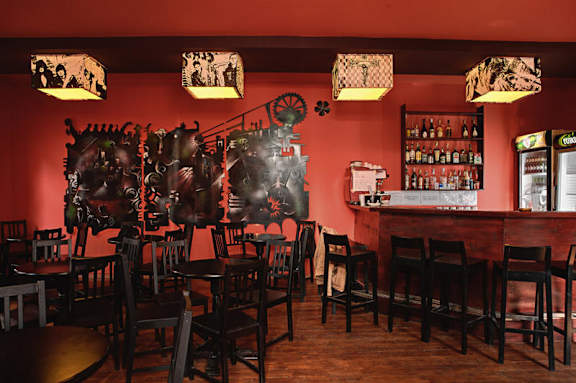
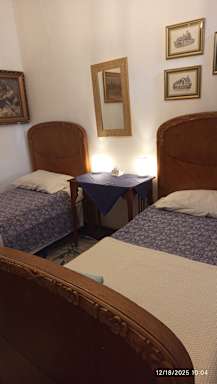
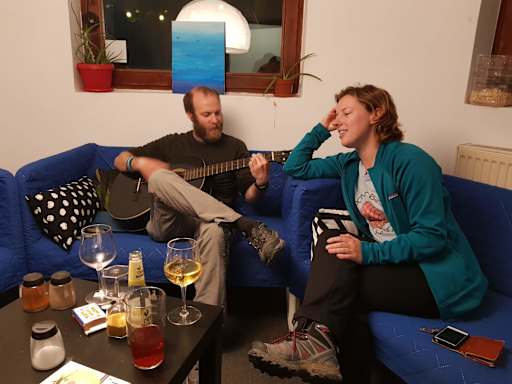
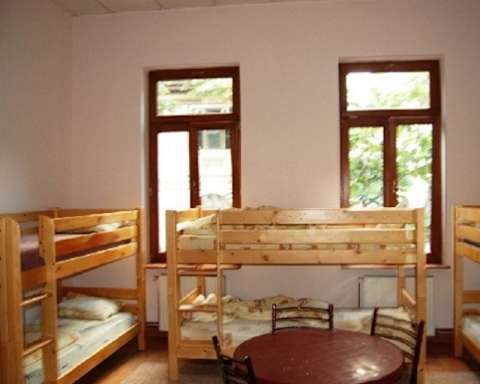
A good scene concentrated in and around the old town, at some of the lowest prices in the EU. Live from Hostelworld.
April to June and September to October. Summer is very hot, winter cold and grey.
Average highs. Bucharest sits on an open plain and summer heat is severe — July and August regularly pass 35°C, and the concrete holds it well into the night.
Pick how you travel. Per person per night, in euros — you will pay in lei, at roughly 5 to the euro.
Shown in euros for comparison; Romania uses the leu and places accepting euros use poor rates. The Palace tour at about €12–16 sits in the doing line.
The ones we get asked most.

Compare Bucharest hostels — live prices, real reviews and free cancellation on most bookings. Then meet the people already there in the app.

 Get the App.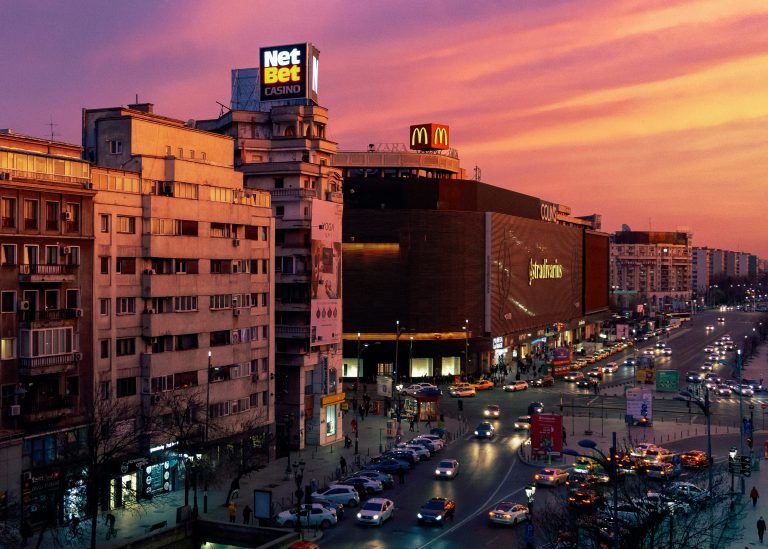
 Get the App.