
How Backpackers Communicate: Best eSIMs & Tips by Country
The moment you land somewhere new, connectivity becomes everything. You need maps, you need translation, you need to message your hostel, and you need to tell someone back home you arrived safely. What you don’t need is paying €15 a day in roaming charges or spending your first hour in a new country queuing at an airport SIM stall that charges three times the street price.
The Hostelworld City Chats are full of this exact conversation.
“Yo what’s the best go for a SIM card? Arriving tonight and trying to balance stress versus price.”
“Landing on 21st in Bangkok. Would you recommend buying an eSIM or just a regular SIM card?”
“Any recommendation on good SIM card for Vietnam?“
These questions come up in every city, every day.
This guide answers them. It covers how to think about eSIMs versus physical SIMs, the best providers for long-term travellers, and a country-by-country breakdown of what actually works in the destinations backpackers visit most. No roaming bills. No dead zones at the airport. Just data, wherever you go.

📱 eSIM vs Physical SIM: Which One is Right for You?
This is the first decision, and it’s genuinely worth making before you land.
eSIMs are digital SIM cards activated through an app before you travel. No physical card, no airport queue, no language barrier at a phone shop. You buy online, scan a QR code, and activate in minutes. Most modern smartphones support eSIM (iPhone XS and later, most flagship Androids).
Physical SIMs require visiting a shop or stall, showing your passport in most countries, and sometimes navigating the process in a language you don’t speak. The upside: they’re often significantly cheaper than eSIMs for the same data, especially for longer stays. In Thailand, Vietnam, and Sri Lanka, a physical SIM from a convenience store or telecoms shop costs a fraction of any eSIM plan.
The real Bangkok City Chat put it clearly: “I’d get a regular SIM card, but not from the airport. They’re very overpriced there.”
The general rule: eSIM for convenience and short stays. Physical SIM for longer trips and better value. Many backpackers do both: an eSIM to cover arrival, then a local physical SIM once they’ve had time to shop around.
🌐 Best eSIM Providers for Backpackers
If you’re going the eSIM route, a few providers have earned consistent recommendations across the backpacker community.
| Provider | Best for | Coverage | Approx. price |
|---|---|---|---|
| Airalo | Best overall, most countries | 200+ countries | €3-30 per plan |
| Holafly | Unlimited data users | 160+ countries | €19-49/30 days |
| Nomad | Flexible short trips | 170+ countries | Competitive |
| Saily | Europe and Asia | Growing network | Mid-range |
| Revolut | Existing Revolut users | Select countries | Varies by plan |
Hostelworld has a partnership with Airalo, so Hostelworld travellers can browse and buy eSIM plans directly through the Hostelworld x Airalo store, with plans available for 200+ countries.
From the Chiang Mai City Chat: “Hey guys, anyone recommend an eSIM brand which is good? Not sure whether to go through Revolut.” The consensus across chats tends to land on Airalo for coverage and Holafly for unlimited. Check both before you buy for the destination you’re heading to.
Always buy your eSIM before you land. You can activate it on the plane or in the airport. Waiting until you arrive and need it is the one mistake worth avoiding.

🇹🇭 Thailand: The Easiest SIM Country in Southeast Asia
Thailand makes getting connected remarkably simple, and the Bangkok City Chat reflects just how much discussion this generates: “Hi everyone! Tomorrow I’ll be arriving in Thailand and wanted to ask which SIM cards you’re using, preferably with unlimited data.”
The answer from experienced travellers is consistent: don’t buy at the airport. The same SIM available at Suvarnabhumi Airport for 300-400 Baht is available at any 7-Eleven, Family Mart, or AIS/DTAC/True Move store in Bangkok for 49-99 Baht.
From the Bangkok City Chat: “Get the 49 Baht DTAC from 7/11, top it up there (tell the cashier you want 200 Baht or something), then in the DTAC app you can buy your data package.”
The three main carriers:
- AIS: best nationwide coverage, slightly pricier
- DTAC (now merged with True): cheapest entry point, widely available at 7/11
- True Move H: good urban coverage, popular tourist packages
For a week’s stay, 300-500 Baht gets you unlimited data with a speed cap. For a month, 599-799 Baht packages are standard. Registration requires your passport.

🇻🇳 Vietnam: Physical SIM Is the Clear Winner
Vietnam is one of the cheapest countries in the world for mobile data, and eSIMs are genuinely not the right choice here. From the Hanoi City Chat: “Hello, has anyone bought a SIM card at the airport? How much would it be for a month?” And from another message: “Any recommendation on good SIM card for Vietnam?”
The answer from seasoned Vietnam travellers: buy a physical SIM. The networks are cheap, fast in cities, and available at the airport and everywhere else.
The main carriers:
- Viettel: best rural and inter-city coverage, essential if you’re travelling outside Ho Chi Minh City and Hanoi
- Mobifone: strong urban coverage, popular tourist packages
- Vietnamobile: cheapest but patchier
A tourist SIM from any carrier at Hanoi’s Noi Bai or Ho Chi Minh City’s Tan Son Nhat airport costs around 200,000-300,000 VND (~€8-12) for 30 days of data. The airport price is reasonable here, unlike Thailand. Registration requires your passport and takes five minutes.
eSIM note: eSIMs work in Vietnam’s cities but coverage and speeds are less consistent than a local physical SIM. For a long stay or a trip that takes you outside major cities, physical is the better choice.
🇱🇰 Sri Lanka: Data Packages Worth Planning Around
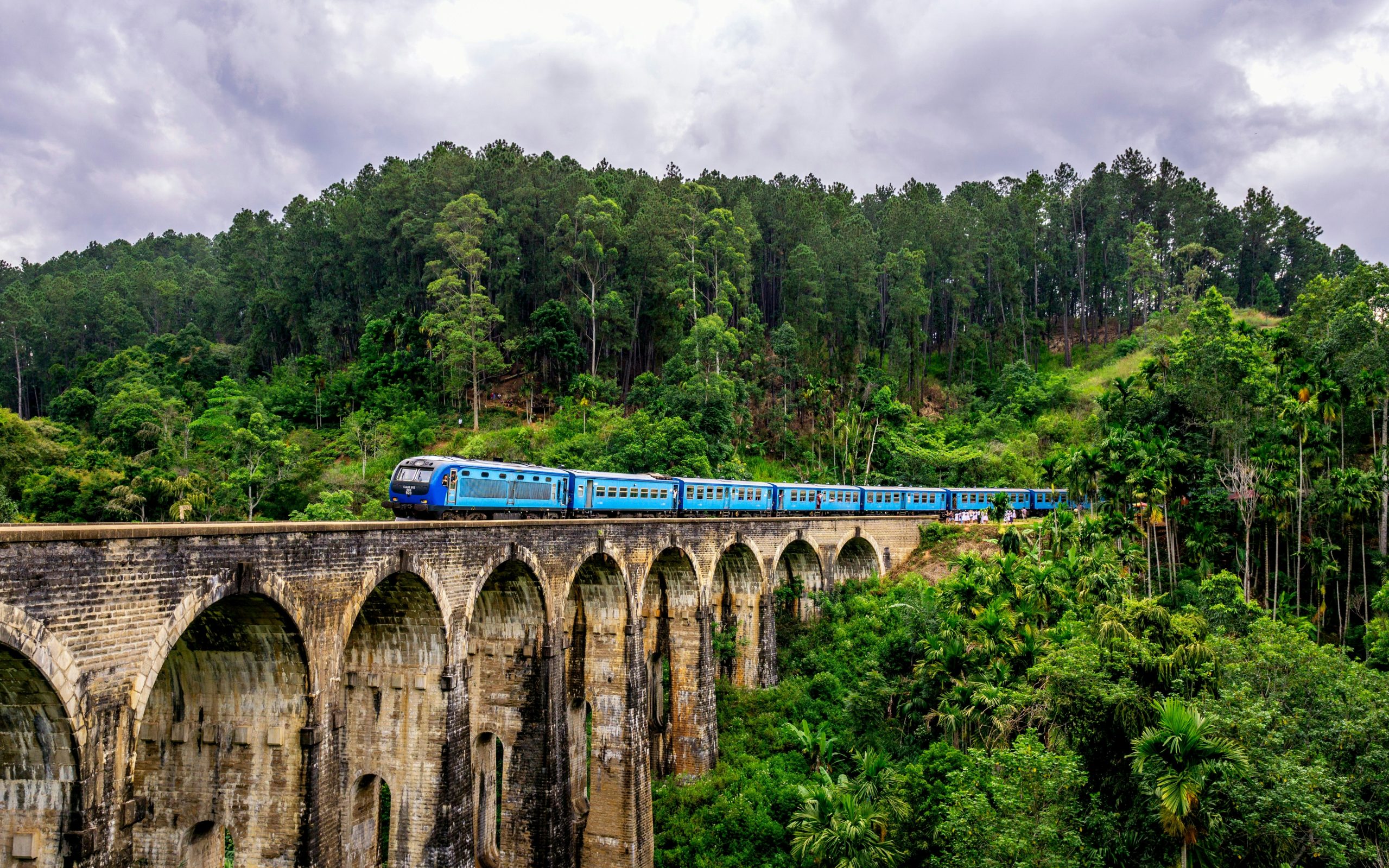
Sri Lanka generates regular chat questions around connectivity, reflecting a destination that rewards a little advance research. The coverage is good in Colombo and along the southern coast, patchier in the hill country and more remote areas.
The main carriers:
- Dialog: the most consistently recommended, best data packages, good app for managing plans
- Mobitel: state-owned, wider rural coverage
- Hutch and Airtel: cheaper options, more variable coverage
SIM cards are sold at the airport on arrival. Passport registration is required. A Dialog tourist SIM with a week’s data costs around LKR 1,000-2,000 (~€3-6). Monthly data packages are competitive: 20-50GB packages from Dialog run LKR 3,000-5,000 (~€8-14).
The coverage reality: in Ella, Kandy, and the central highlands, 4G is present but less consistent. Download offline maps and any content you’ll need before leaving Colombo or Galle. In beach areas along the south and west coast, coverage is generally strong.

🇱🇦 Laos: Where eSIM Questions Come Up Most
Laos generates more eSIM questions per traveller than almost anywhere else on the Southeast Asia circuit, probably because it’s a destination many backpackers arrive at by slow boat from Thailand, without having had time to sort connectivity.
From the Luang Prabang City Chat: “I arrive on the 24th after the slow boat. What are people using for data? Is it easy to get a SIM card, or better to use an eSIM?” “Hi guys, does anyone know where I can get a SIM card?” “Hi, what apps are people using for eSIMs for Laos?”
The honest answer for Laos:
- Physical SIMs from Unitel or Lao Telecom are available in Luang Prabang and Vientiane, cheap, and reasonably fast in towns
- Coverage drops significantly in rural areas regardless of carrier
- eSIMs work in cities but aren’t significantly better than a local physical SIM for the price
- The slow boat from Huay Xai to Luang Prabang has no meaningful signal for most of the journey. Download your entertainment before you board.
Book Hostels in The Philippines
🇵🇭 The Philippines: Physical SIM, Not eSIM
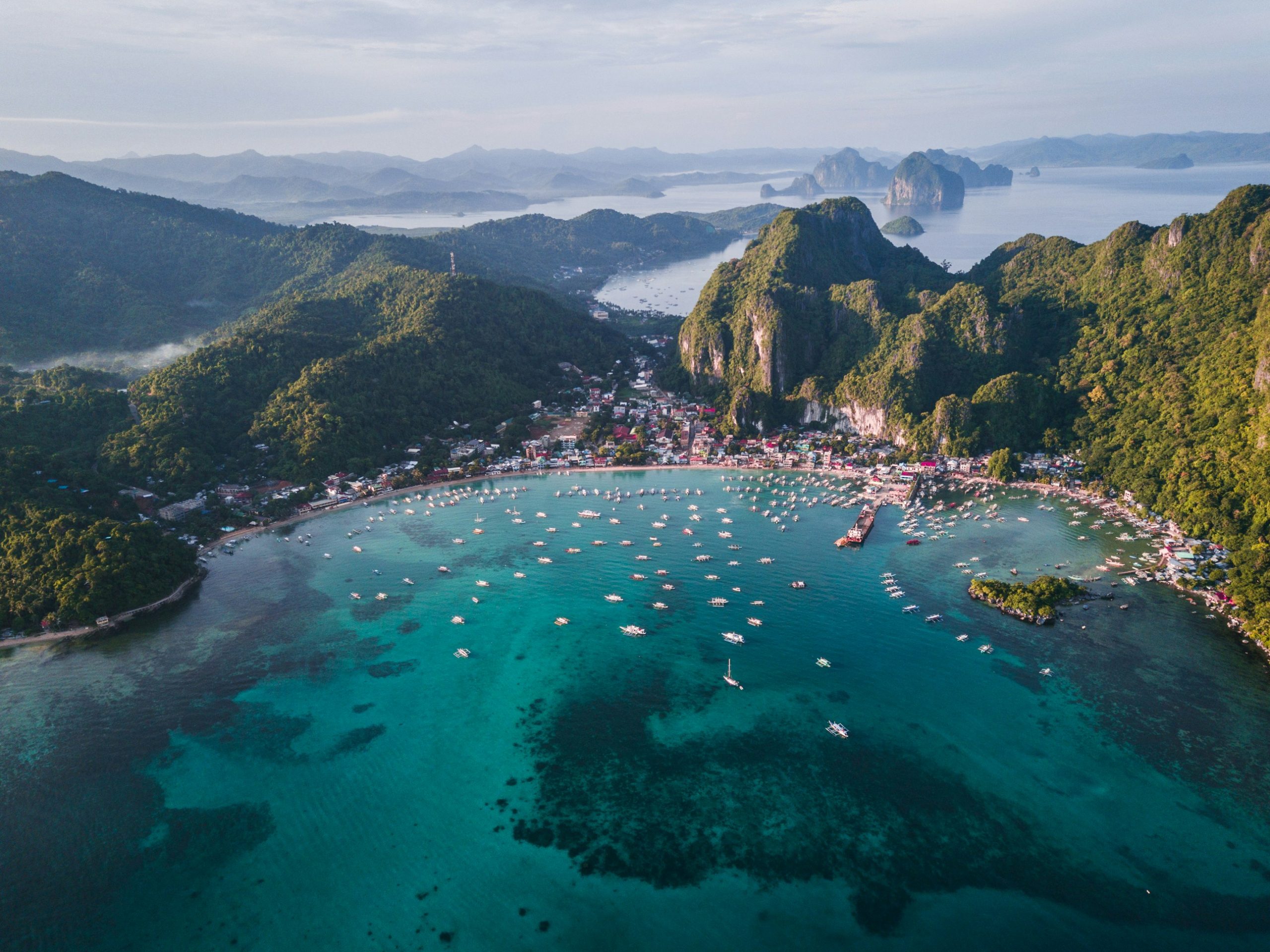
The Philippines gets a specific mention because one chat from the Coron City Chat cuts through the noise directly: “Don’t do an eSIM, they don’t work well at all. Get a physical SIM from any shop, registered online but it’s super cheap, data and more effective.”
The main carriers:
- Globe: better coverage overall and more tourist-friendly packages
- Smart (TNT): strong in some regions, cheaper entry point
Registration is done via the carrier’s app with your passport. A 30-day package with 30GB costs around PHP 499-599 (~€8-10). SIM cards are available at the airport, malls, and convenience stores.
Island-hopping note: coverage between islands varies. Palawan, Cebu, and the Visayas are generally well-covered. More remote islands have patchy or no signal regardless of carrier.

🇧🇷 Brazil: Where to Get a SIM in Rio
From the Rio de Janeiro City Chat: “Does anyone have tips or experience with getting a SIM (don’t have eSIM) at Rio airport or somewhere else in Rio?”
Brazil’s airport SIMs are more reasonably priced than in many countries, but the city is easier to navigate with a little preparation.
The main carriers:
- Vivo: best coverage and most consistent data speeds
- Claro: competitive, good in urban areas
- TIM: widespread retail presence
SIM cards require CPF registration (Brazilian tax ID), which international tourists don’t have. The workaround: buy a pre-registered tourist SIM from authorized retailers at the airport or from shops in tourist areas. These are legal, common, and cost BRL 30-60 (~€5-10) for a tourist package.
eSIMs work well in major Brazilian cities. For a short stay in Rio or São Paulo, Airalo or Holafly are genuinely competitive options that avoid the CPF registration process entirely.
🌍 General Rules That Apply Everywhere
A few principles that hold across most destinations:
Never buy at the airport unless you’ve verified the price is reasonable. In Thailand and much of Southeast Asia, airport SIMs are significantly overpriced. In Vietnam and Brazil, airport prices are more competitive. Research before you land.
Bring your passport. Every country on this list requires passport registration for a SIM card, whether in-store or via app. Having it accessible (not buried in your checked bag) saves time.
Check coverage maps before buying. Each carrier’s website has a coverage map. For destinations that take you off the beaten track, choose the carrier with the strongest rural coverage rather than the cheapest urban package.
eSIM for arrival, physical SIM for longer stays. An eSIM bridges the gap between landing and finding a phone shop. A local physical SIM is almost always better value for anything over a week.
Ask in the Hostelworld City Chat before you land. The message “what SIM are people using here?” gets answered fast by travellers who arrived days ago and have already figured it out. Real-time local knowledge beats any guide written months earlier.
✅ Final Thoughts: Stay Connected, Stay Smart
The backpacker connectivity conversation happens in every hostel and every City Chat, because data is not a luxury item on the road. It’s navigation, translation, booking confirmation, and the link between you and everyone you’ve told you’d message when you landed.
The tools are better than they’ve ever been. Airalo and Holafly have made eSIM genuinely simple. Physical SIMs in Thailand, Vietnam, and Sri Lanka are among the cheapest in the world. And the Hostelworld City Chat is full of travellers who solved the same problem two days ago and are happy to tell you exactly what they did.
Buy before you land when you can. Skip the airport stall when the street price is better. Ask the chat when you’re not sure.
You’ve got this.
Download the Hostelworld app to start booking now


❓ FAQs: Backpacker SIMs and eSIMs
What is the best eSIM provider for backpackers?
Airalo has the widest coverage (200+ countries) and is available directly through the Hostelworld x Airalo store. Holafly is the best choice for unlimited data users.
Is it cheaper to buy a SIM at the airport?
In most Southeast Asian countries (Thailand, Vietnam, Cambodia), no. Airport SIM prices are significantly higher than what you'll pay at a convenience store or telecoms shop in the city. In Vietnam and Brazil, airport prices are more competitive.
What SIM card is best for Thailand?
DTAC (now part of True Move) sold at 7-Eleven is the most widely recommended budget option. AIS offers the best nationwide coverage. Avoid airport stalls and buy from a 7-Eleven or telecoms shop in the city.
What SIM card should I use in Vietnam?
Viettel has the best rural coverage. Mobifone is popular for urban travel. Both offer tourist SIM packages from around €8-12 for 30 days at the airport, which is reasonably priced compared to other countries.
Do eSIMs work in Southeast Asia?
Generally yes in cities, but physical SIMs often offer better coverage in rural areas and better value for longer stays. In the Philippines specifically, chat users consistently recommend against eSIMs in favour of local physical SIMs.
Where should I ask for current SIM advice for a specific country?
The Hostelworld City Chat for your destination. It's updated in real time by travellers who are currently there or just arrived. Search for SIM-related messages or ask directly: "what SIM are people using here?" gets a fast, current answer.


 Get the App.