Puerto Viejo town
Bars, foodThe lively centre.

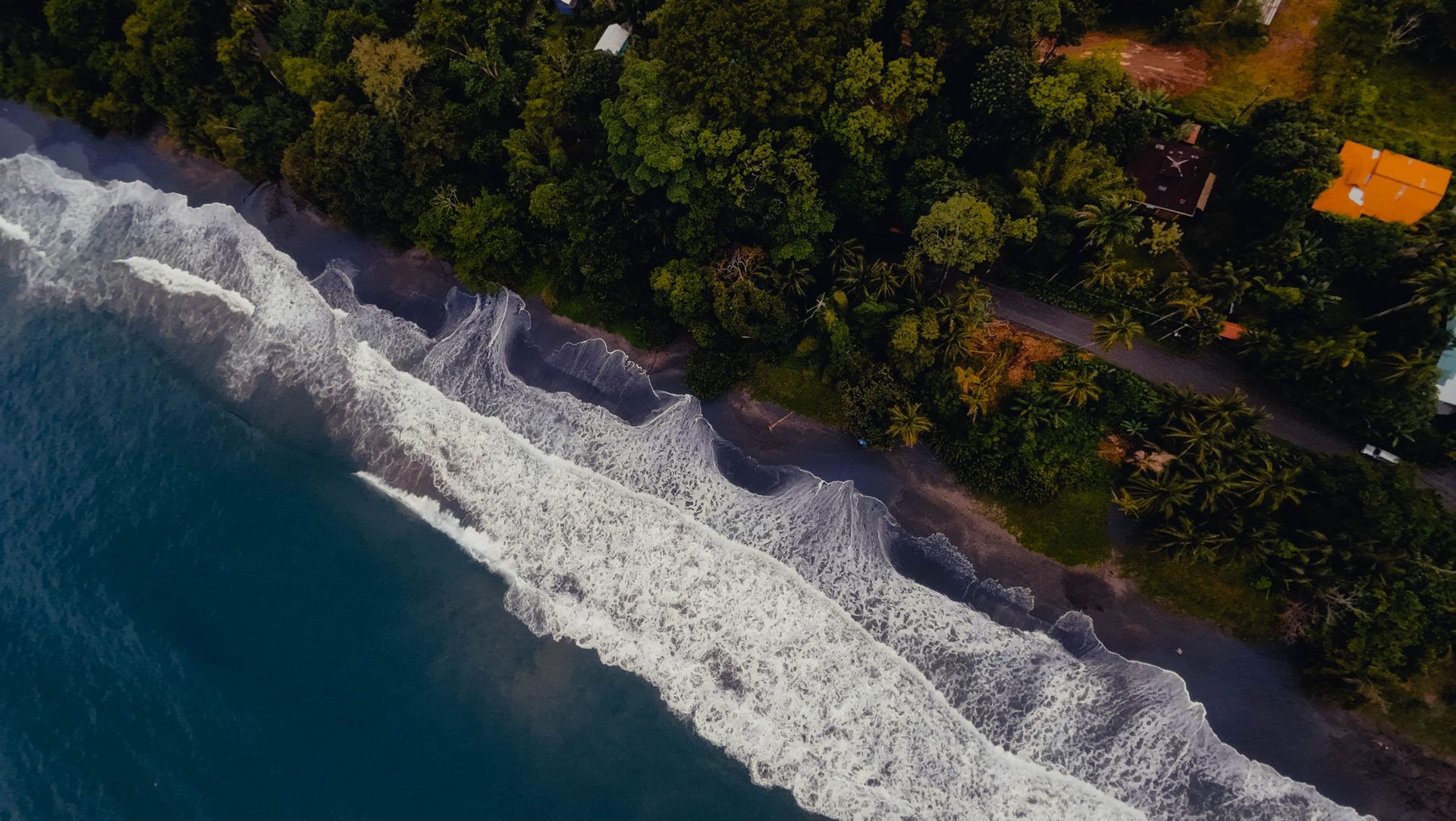
Costa Rica's Caribbean side: Afro-Caribbean culture, reggae and calypso, coconut rice and beans, sloths and monkeys in Cahuita National Park, the beaches of Punta Uva and the Salsa Brava wave.
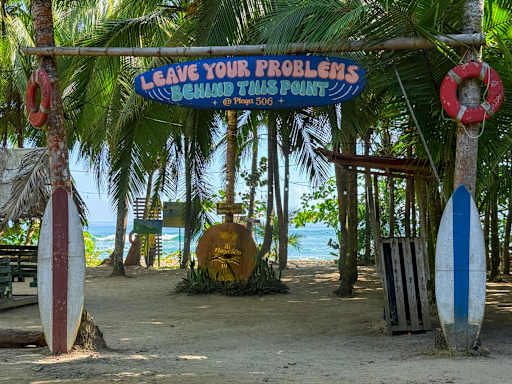
Puerto Viejo is a laid-back beach town on the southern Caribbean coast, near the border with Panama, and it feels very different from the rest of Costa Rica. Many families here are descended from Jamaican workers who came to build the railway in the late 1800s, and the town's Afro-Caribbean culture shows in its food, music and English-based Creole language.
The coast is lined with jungle-backed beaches: Playa Cocles for surf, and Punta Uva and Manzanillo for calm, clear water. Salsa Brava, right in town, is one of the most powerful waves in the country. Cahuita National Park, 20 minutes north, is one of the best places to see sloths, monkeys and raccoons on an easy beach trail, with no fixed entry fee from Cahuita village. The Jaguar Rescue Center rehabilitates injured animals, and the Bribri Indigenous territory is nearby.
The Caribbean coast has its own weather and is often driest in September and October. Give Puerto Viejo four days to a week.
In town for bars and food, along the coast road at Cocles and Punta Uva for beaches, or in Cahuita for a quieter village.
The lively centre.
Along the coast road south.
A village 20 minutes north.
Orange labels are neighbourhoods, dots are the 11 top-rated hostels. Map data from OpenStreetMap contributors.
Hire a bike and cycle the coast road to Playa Cocles, Punta Uva and Manzanillo, stopping to swim. Walk the beach trail in Cahuita National Park to see sloths, howler monkeys and coral reef, and snorkel on the reef with a guide.
Visit the Jaguar Rescue Center, and hike in the Gandoca-Manzanillo Wildlife Refuge. Visit a Bribri Indigenous community to learn about cacao and chocolate, and take a chocolate tour.
Surfers can try Playa Cocles, or watch the experts at Salsa Brava. In the evenings, listen to reggae and calypso in town.
All beaches are public, so Cocles, Punta Uva and Manzanillo are free. Cahuita National Park has no fixed fee from the Cahuita village entrance, which asks for a donation.
Cycling the coast road costs only the bike hire.
Live music in town is often free.
The Caribbean coast has the most distinctive food in Costa Rica. Try rice and beans cooked in coconut milk, Caribbean-style chicken, rondón, a coconut seafood stew, patí, a spicy pastry, and pan bon, a sweet bread.
There are also plenty of international and vegan restaurants. Casados at sodas cost €6 to €10.
Restaurant bills add 13 per cent tax and a 10 per cent service charge, so check whether menu prices include them; an extra tip is optional.
Puerto Viejo has the best nightlife on the Caribbean coast, with reggae and calypso bars, beach parties and a mixed crowd of locals and travellers.
Some bars have regular weekly party nights.
Take care walking or cycling along the dark coast road at night.
Public buses run from San José to Puerto Viejo in around four to five hours, and shuttles cost €45 to €70. Shuttles also run to Bocas del Toro in Panama.
Bikes are the best way to get around, and the coast road is flat. Local buses run between Cahuita, Puerto Viejo and Manzanillo.
Taxis are available in town.
Puerto Viejo is one of the better-value places in Costa Rica. Dorm beds start at around €12 to €20 a night. Casados cost €6 to €10.
Bike hire is cheap, and Cahuita National Park asks only for a donation.
US dollars are accepted everywhere alongside colones.
Puerto Viejo is generally safe, but petty theft and bike theft are common. Lock everything, use safes and do not leave belongings on the beach.
The coast road is unlit at night; use a bike light or take a taxi. Some beaches have strong currents, especially Cocles; swim near lifeguards where there are any.
Drugs are offered in town; avoid them. In an emergency, call 911.
Parks, refuges and Panama.
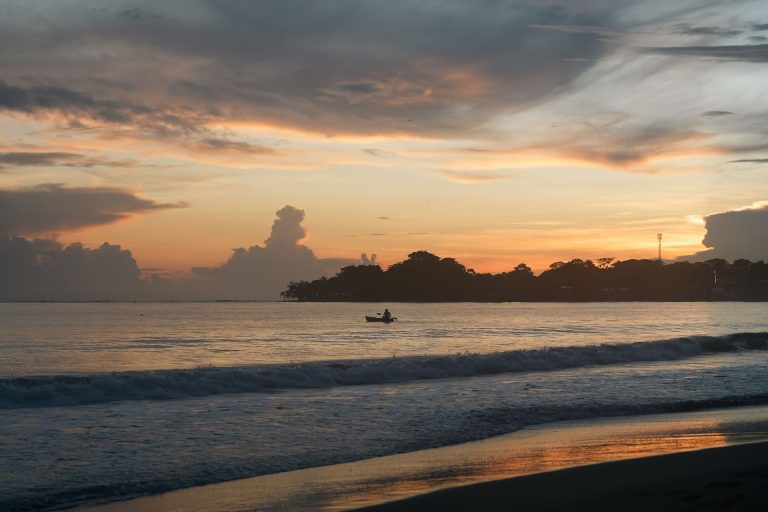
Sloths, monkeys and reef.
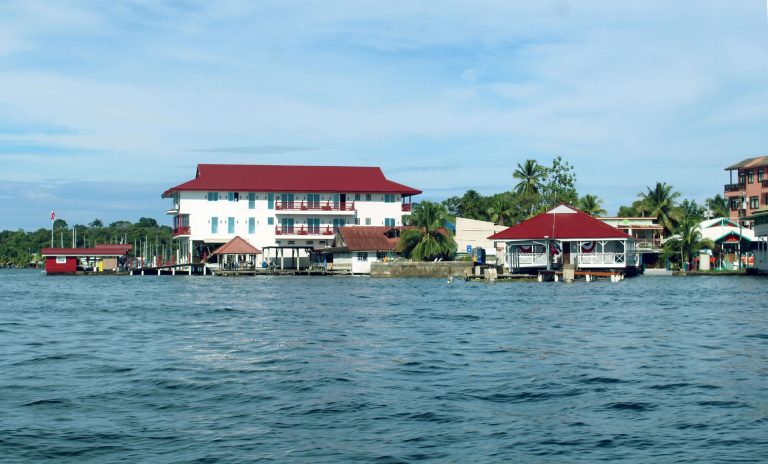
Islands in Panama.
Calypso, surf and the dry spells.
Usually the driest months here.
Busy beaches.
The highest-rated hostels in Puerto Viejo, live from Hostelworld. Prices and availability are live on each property page.
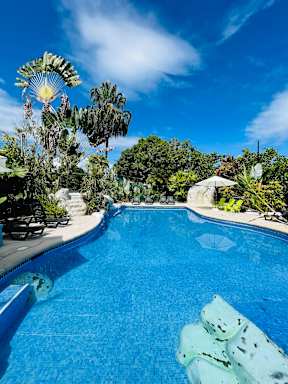
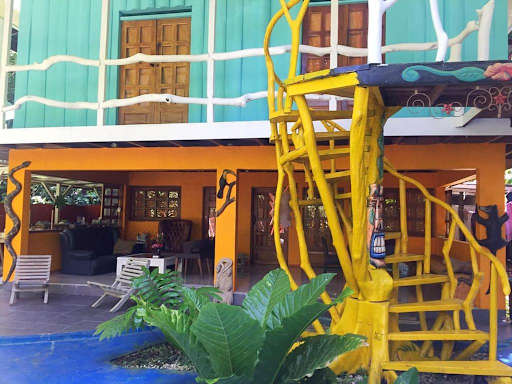
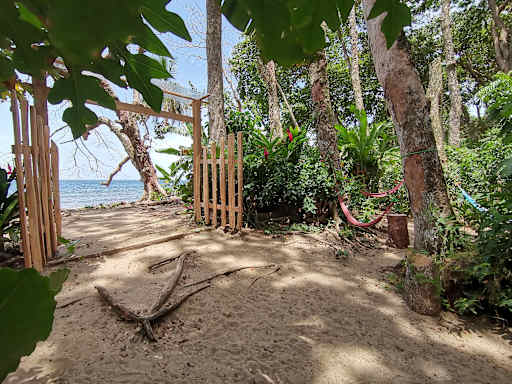
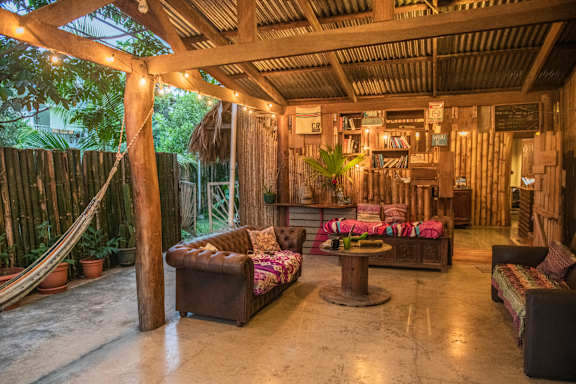
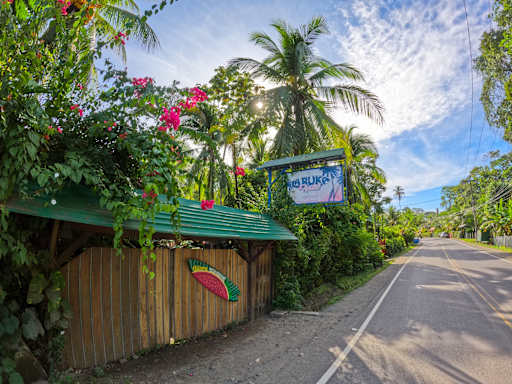
The Caribbean coast has its own weather. February to April and September to October are usually driest, when the Pacific is at its wettest. November to January and July can be wet.
Average highs, rounded. The driest months are often September and October.
Per night, for one person, based on Puerto Viejo prices.
Treat these as a guide. Tours cost extra.
The ones we get asked most.

Compare hostels across Costa Rica: live prices, real reviews and free cancellation on most bookings. Then meet the people already there in the app.

 Get the App.



 Get the App.