Playa Carmen
Transport, shopsThe crossroads at the north of town.

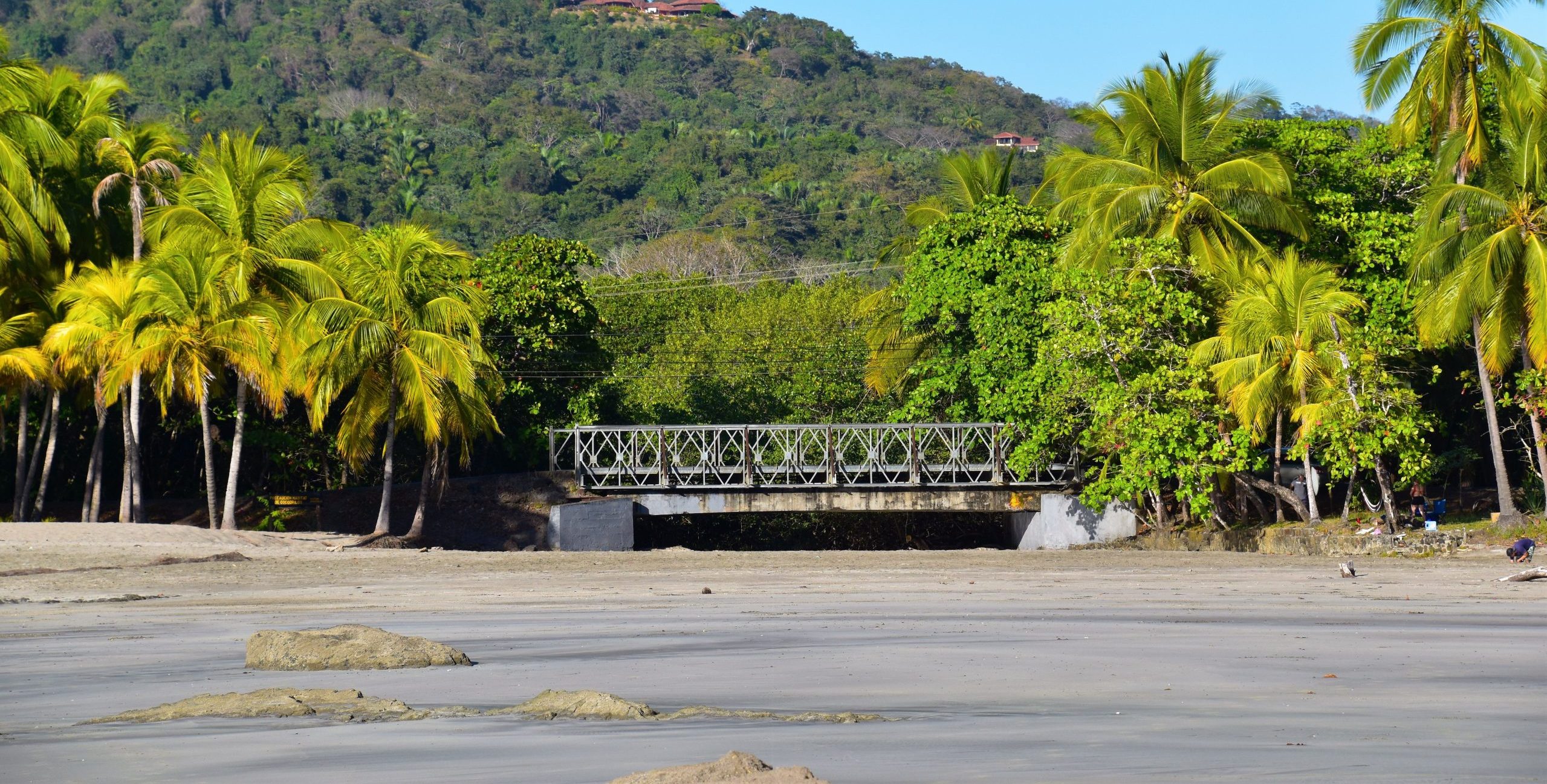
A Pacific surf town at the tip of the Nicoya Peninsula: consistent waves, long beaches, yoga studios, beach bars and big sunsets, with Montezuma's waterfalls and the Cabo Blanco reserve nearby.
Santa Teresa is a long, dusty road of surf shops, cafes, hostels and yoga studios behind a series of beaches on the southern tip of the Nicoya Peninsula. It started as a remote surf spot and is now one of the most popular, and expensive, beach towns in Costa Rica, with many people staying for weeks or months.
The surf is consistent all year, with waves for beginners and experts, and lessons and board hire everywhere. Playa Santa Teresa, Playa Carmen and Playa Hermosa are the main beaches, and the sunsets draw crowds every evening.
Nearby, the village of Montezuma has waterfalls you can swim in, and Cabo Blanco Nature Reserve, the oldest protected area in the country, has forest trails down to a beach. Santa Teresa is not cheap, and the main road is dusty in the dry season and muddy in the wet. Give it four days to a week.
Playa Carmen for transport and shops, the middle of Santa Teresa for surf and bars, or Mal País for quiet.
The crossroads at the north of town.
The middle of the beach road.
The southern end, near the tide pools.
Orange labels are neighbourhoods, dots are the 8 top-rated hostels. Map data from OpenStreetMap contributors.
Take a surf lesson or hire a board at Playa Santa Teresa or Playa Carmen, and watch the sunset from the beach every evening. Join a yoga class, many of which are drop-in.
Visit Montezuma, about 40 minutes away, to swim at its waterfalls, and hike in Cabo Blanco Nature Reserve to a quiet beach. Take a boat trip to Isla Tortuga for snorkelling and beaches.
Go horse riding on the beach, explore the tide pools at Mal País, and hire a quad bike or scooter to explore the coast.
All beaches in Costa Rica are public, so every beach in Santa Teresa is free, and so are the sunsets. The tide pools at Mal País cost nothing.
The Montezuma Waterfalls are free to reach on foot, though parking costs money.
Cabo Blanco charges entry.
Santa Teresa has many international restaurants, cafes and healthy food, at high prices. For cheaper meals, look for sodas serving casados, from €6 to €10, and the supermarkets for self-catering.
Fresh fish, poke bowls and smoothies are everywhere.
Restaurant bills add 13 per cent tax and a 10 per cent service charge, so check whether menu prices include them; an extra tip is optional.
Santa Teresa has a lively nightlife for a small town, with beach bars, live music and weekly parties at a few venues. Sunset drinks are a ritual.
The long-staying surf crowd keeps it social.
Cocktails cost €6 to €10.
Shuttles run to Santa Teresa from San José, La Fortuna and Liberia, usually with a ferry crossing from Puntarenas to Paquera, for €45 to €70. Public buses and the ferry are cheaper but take most of a day. Small planes fly to Tambor, about 40 minutes away.
In town, people walk, cycle, or hire scooters and quad bikes. The main road is dusty or muddy.
A 4WD is useful in the rainy season.
Santa Teresa is one of the most expensive places in Costa Rica. Dorm beds start at around €18 to €30 a night. Restaurant mains cost €12 to €25.
Surf lessons cost about €45 to €65, and board hire about €12 to €20 a day.
US dollars are accepted everywhere alongside colones.
Santa Teresa is generally safe, but theft from rooms, cars and the beach is common. Lock up, use safes and never leave belongings on the sand.
Rip currents are strong and there are few lifeguards; surf and swim where others are, and ask locally.
Quad bike accidents happen often on the dusty road; wear a helmet. In an emergency, call 911.
Surf season and the dry season.
Sun, offshore winds and busy beaches.
Bigger waves for experienced surfers.
The highest-rated hostels in Santa Teresa, live from Hostelworld. Prices and availability are live on each property page.
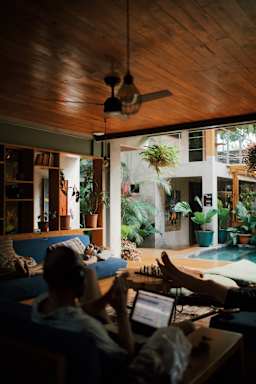
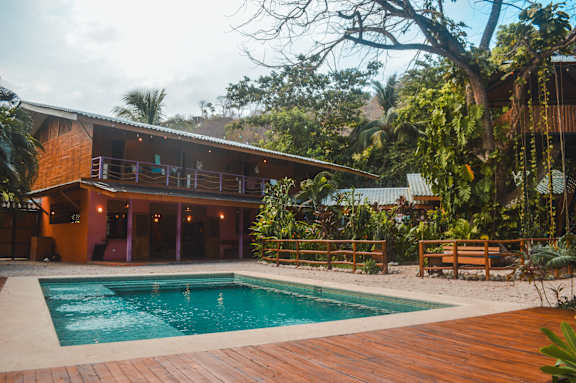
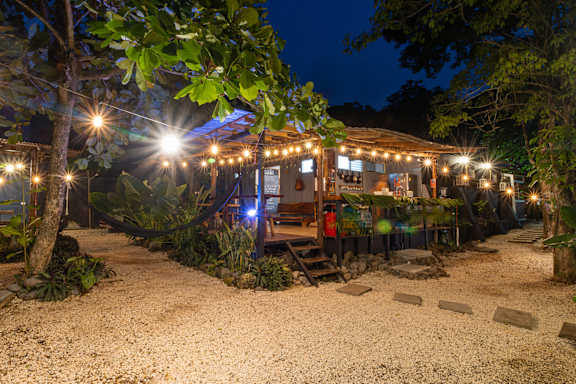
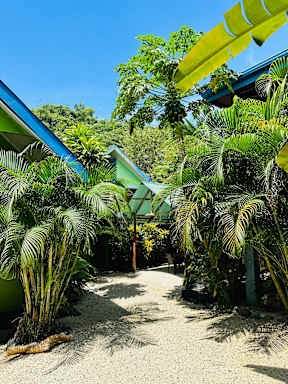
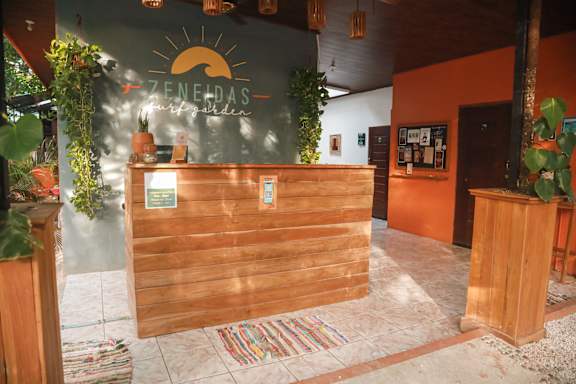
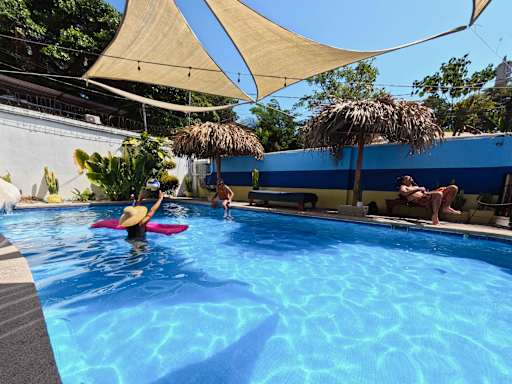
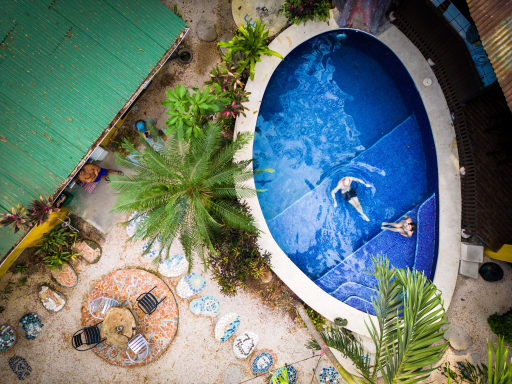
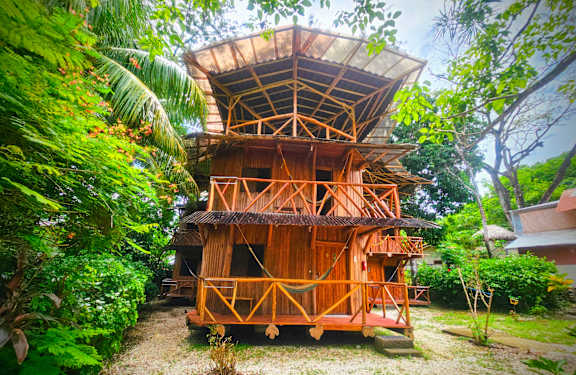 Sustainable
December to April is the dry season, sunny and busy. The green season, from May to November, brings afternoon rain and bigger swells; September and October are the wettest months, and some places close.
Average highs, rounded. Hot all year.
Per night, for one person, based on Santa Teresa prices.
Treat these as a guide. Surf lessons and board hire cost extra.
The ones we get asked most.

Compare hostels across Costa Rica: live prices, real reviews and free cancellation on most bookings. Then meet the people already there in the app.

 Get the App.



 Get the App.