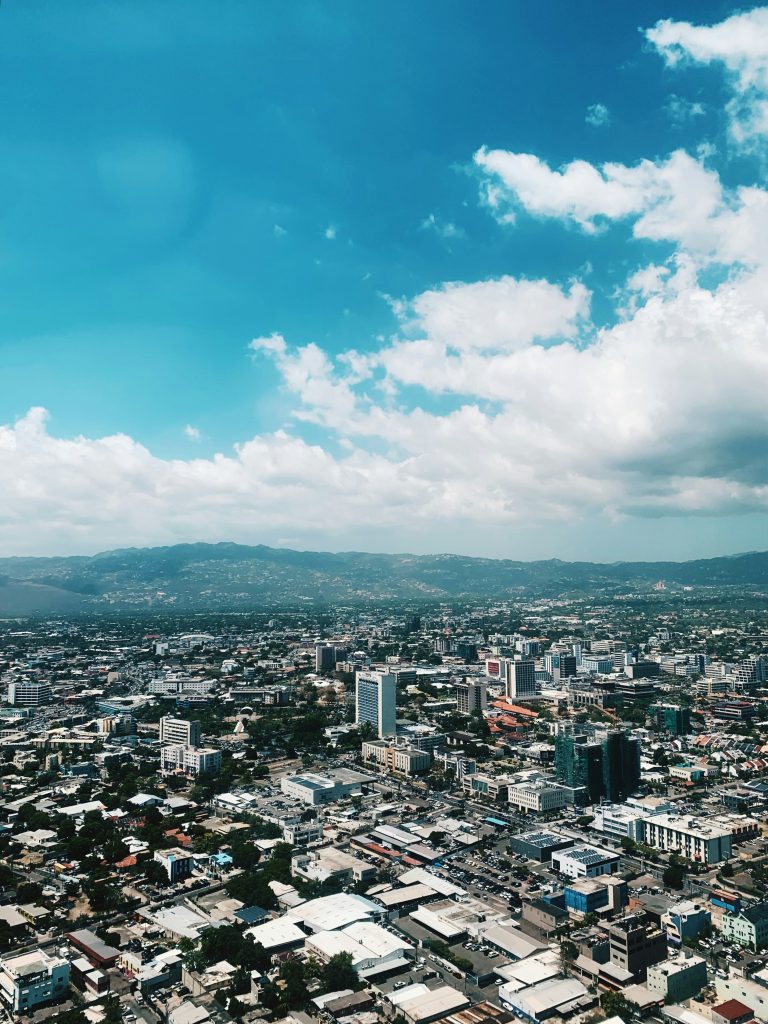
Kingston
8 hostels · dorms from $20
The cultural capital: Bob Marley Museum, Trench Town, live music and the Blue Mountains above.

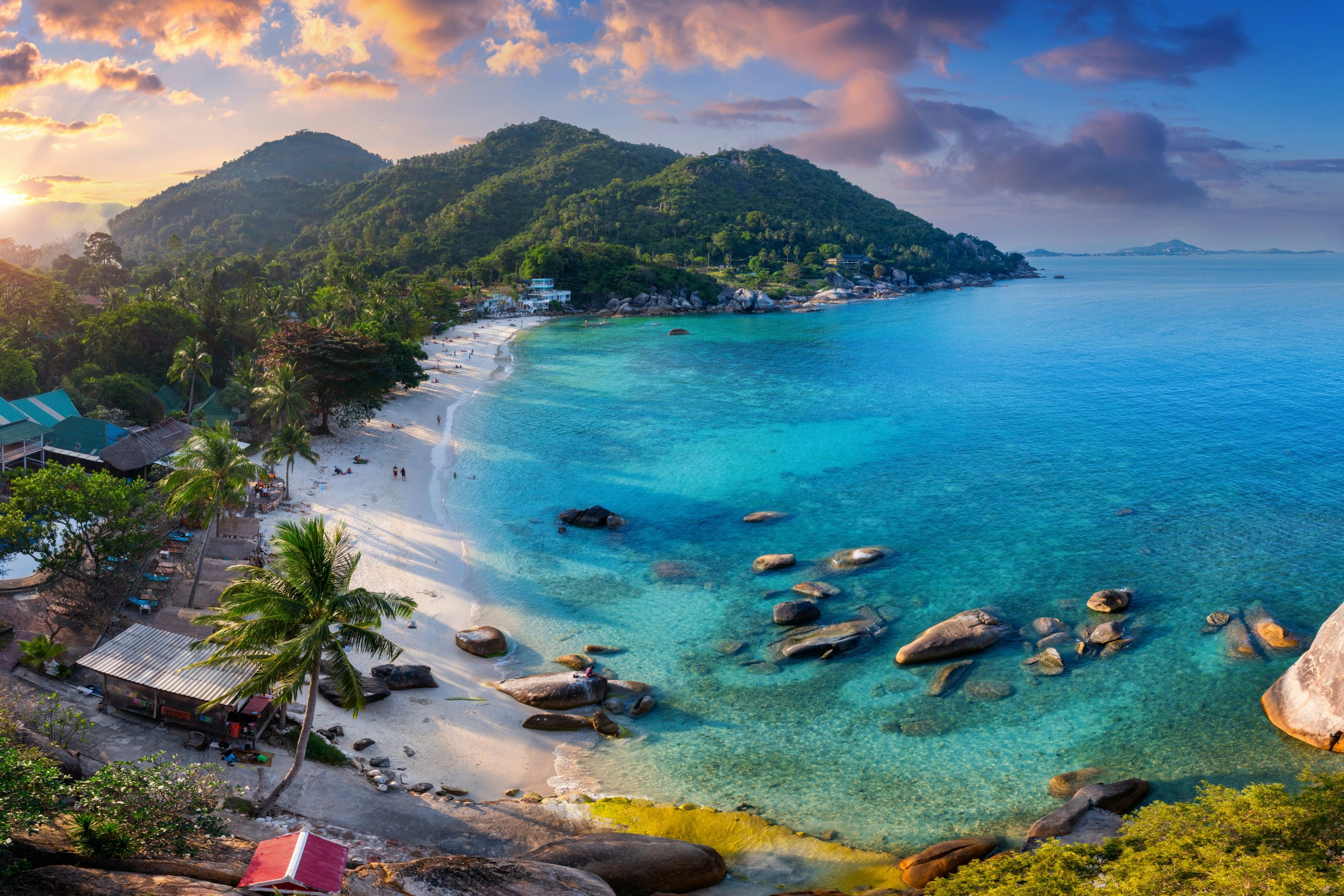
The island that gave the world reggae, with the Blue Mountains behind the beaches and a culture that exports further than its size suggests.
Jamaica is a mountainous island with a cultural output — reggae, dancehall, patois, jerk cooking — that reaches far beyond the Caribbean, and most visitors see only a resort strip on the north coast.
The independent version runs differently. Kingston is the cultural capital: the Bob Marley Museum, Trench Town, live sound systems, and the Blue Mountains rising behind the city with coffee farms and a peak you climb overnight for sunrise.
Negril has the seven-mile beach and the cliffs at the west end. Treasure Beach on the south coast is the quiet alternative, with community tourism and no resort strip at all. Port Antonio in the east is the lushest and least developed.
Ten days to two weeks covers it, and getting around independently takes more effort than the all-inclusive version but is a completely different trip.
Knutsford Express runs comfortable coaches between the main towns. Route taxis fill the gaps.
The cultural capital: Bob Marley Museum, Trench Town, live music and the Blue Mountains above.
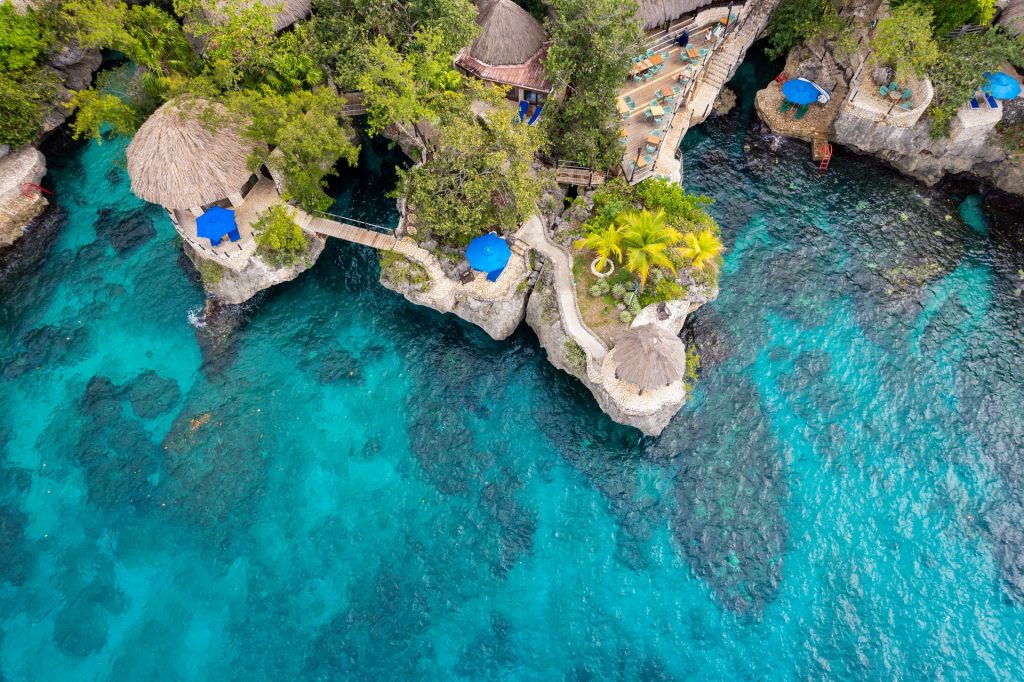
Seven miles of beach and the west end cliffs, with sunsets that draw a crowd.
In our opinion the best and free beaches of jamaica are here in negril so its worth spending some days here
A traveller, on Hostelworld
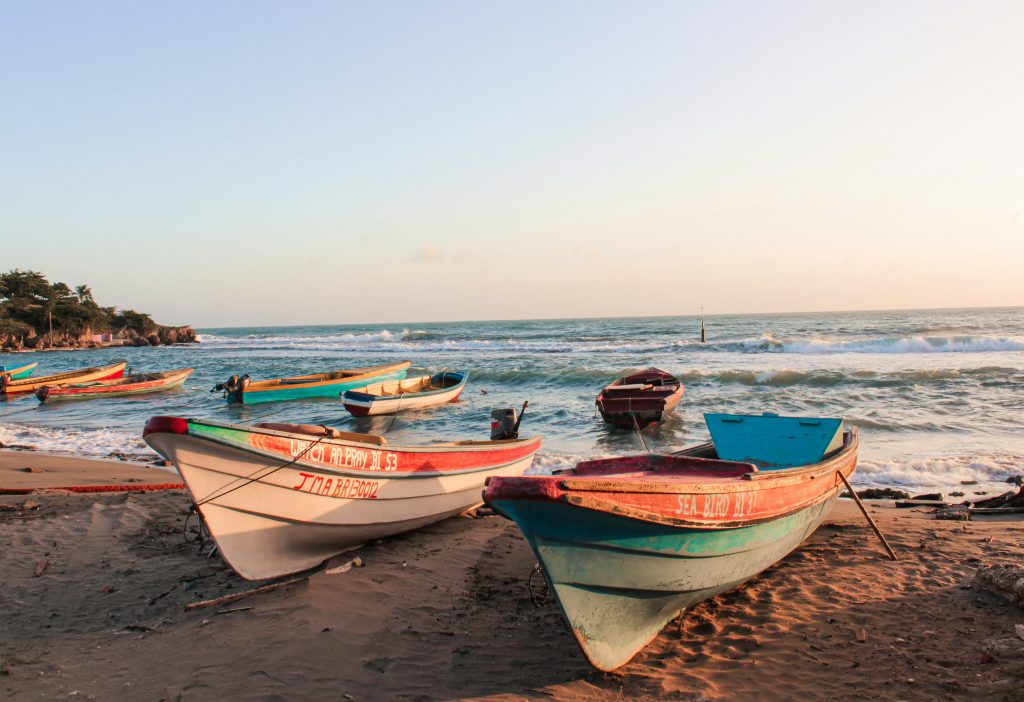
The quiet south coast: community tourism, fishing villages and no resort strip.
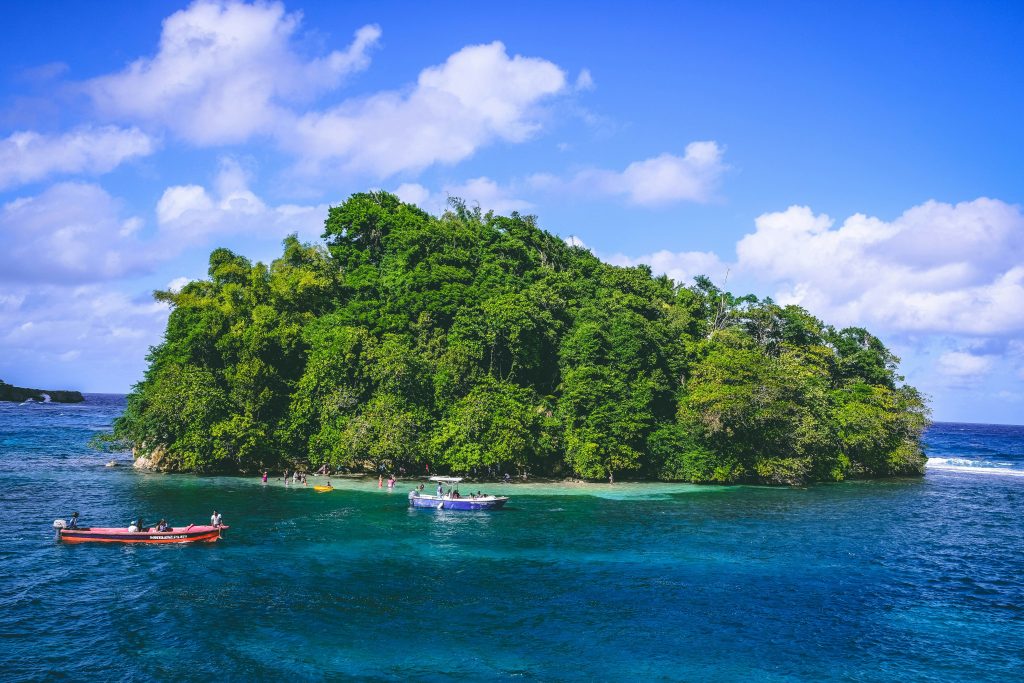
The lush north-east: Blue Lagoon, Reach Falls and very little development.
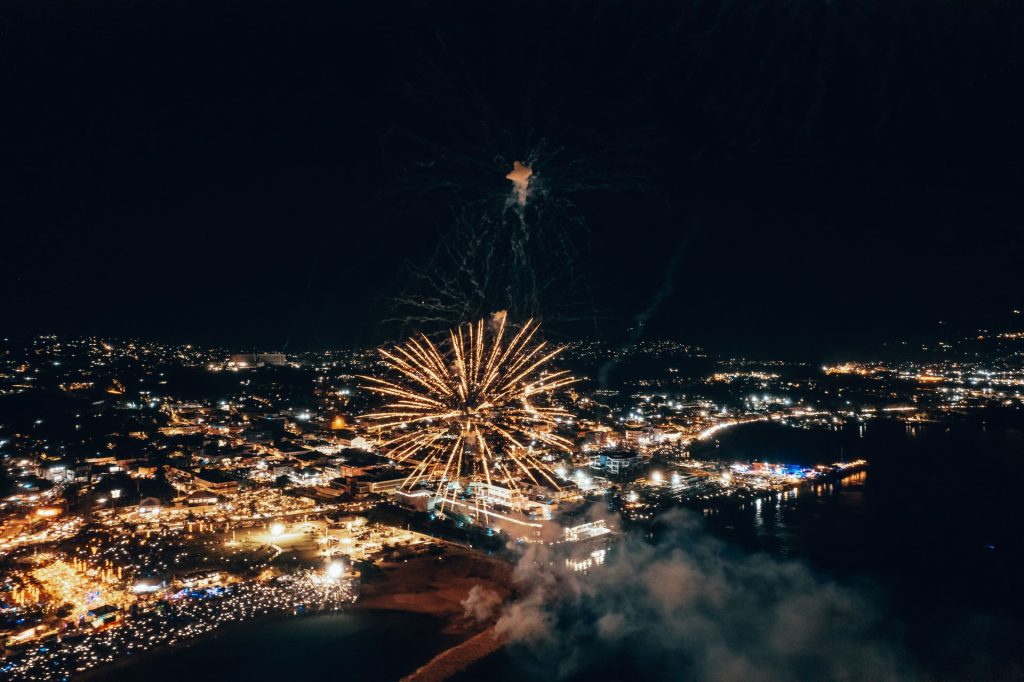
The main airport and resort hub, with a strip that most travellers pass through.
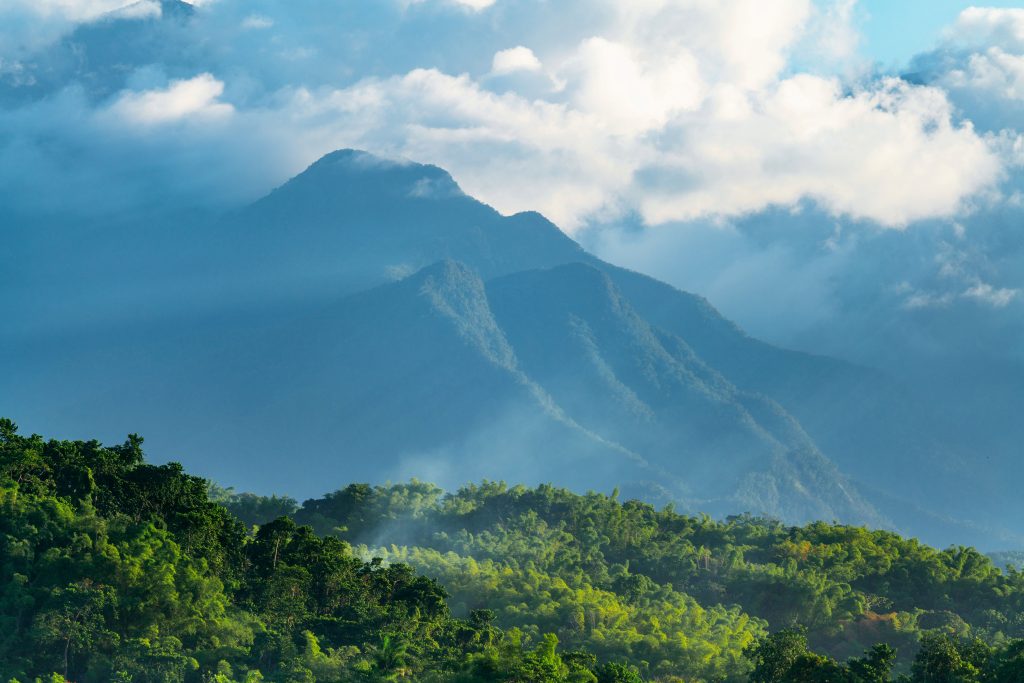
Coffee farms, hiking, and an overnight climb to the peak for sunrise.
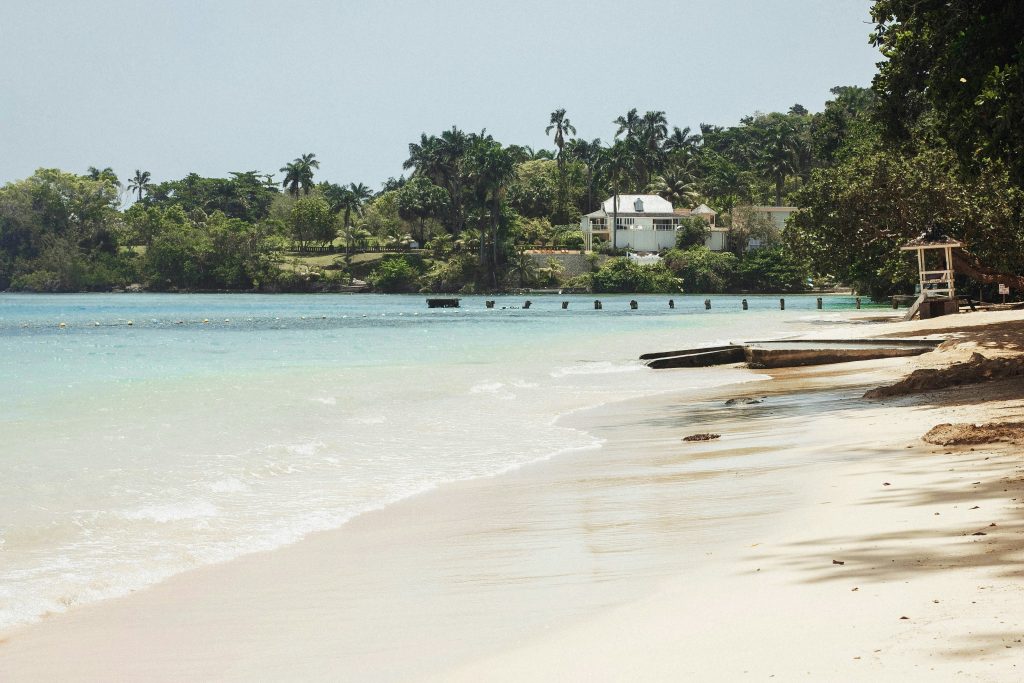
The north coast waterfall town: Dunn's River Falls, the Blue Hole and Bob Marley's birthplace at Nine Mile.
Jamaica is a music and mountains island with beaches attached, and the interior is underrated.
Reggae, dancehall and where both came from.
Seven-mile beach, cliffs and quiet southern coves.
The Blue Mountains, waterfalls and rafting.
Jerk, patties and Blue Mountain coffee.
Sound systems and street dances, which is where it started.
Cheaper than it looks, away from the resorts.
Kingston is where the music makes sense. The Bob Marley Museum occupies his former home and studio, Trench Town Culture Yard is where he grew up, and tours led by people from the neighbourhood are the ones worth taking. Weekly street dances — Dub Club on Sundays, Uptown Mondays — are the living version rather than the museum one.
The Blue Mountains rise directly behind the city, with coffee estates you can tour and a peak at 2,256 metres climbed overnight from Penlyne Castle to reach the top for sunrise, sometimes with Cuba visible on a clear morning.
Port Antonio in the east is the lushest part of the island: the Blue Lagoon, Reach Falls, and bamboo rafting on the Rio Grande, which Errol Flynn started as a tourist activity in the 1940s.
Boston Bay nearby is where jerk cooking originated, and it is still cooked over pimento wood in oil drums.
Jerk is the national cooking method and Boston Bay in the east is where it started — chicken or pork rubbed with scotch bonnet and pimento, smoked slowly over pimento wood in halved oil drums. A plate costs US$5 to US$9 from a roadside grill.
Ackee and saltfish is the national dish and the standard breakfast, served with fried dumplings and plantain.
Patties — flaky pastries filled with spiced beef, chicken or vegetables — are the everyday snack at around a dollar.
Blue Mountain coffee is among the most expensive in the world and is far cheaper bought at an estate in the mountains than anywhere abroad. Red Stripe is the beer, and Appleton is the rum.
Jamaican nightlife is the sound system, and Kingston is where to find it. Weekly street dances run on a fixed calendar — Dub Club up in the hills on Sundays, with a view over the city, is the one most visitors are pointed to, and Uptown Mondays is the dancehall night.
Negril's beach and cliff bars run a different scene, aimed at visitors, with Rick's Café doing sunset and cliff jumping.
Red Stripe is US$2 to US$4 and rum is cheaper. Things start late and dancehall culture has its own etiquette — watch before joining in.
One practical note: cannabis is decriminalised in small amounts for personal use but not legal, and buying it on a beach from someone who approaches you carries real risk.
Knutsford Express is the traveller's answer: comfortable air-conditioned coaches between Kingston, Montego Bay, Negril, Ocho Rios and Port Antonio, booked online, for US$15 to US$30 a leg.
Route taxis are the local option — shared cars running fixed routes between towns for a couple of dollars, crowded and quick. Agree that it is a route taxi rather than a charter before getting in, or the price changes.
Private drivers cost US$80 to US$150 a day and are how many visitors cover the island, particularly for the south coast and Port Antonio where public transport is thinner.
Hiring a car is possible; driving is on the left, roads in the interior are poor and mountainous, and night driving is best avoided.
Jamaica is mid-priced for the Caribbean and much cheaper away from the resort corridors. Dorms start around US$25, a jerk plate is US$5 to US$9, a patty is about a dollar, and Knutsford coaches are US$15 to US$30 between towns.
A day comes to US$50 to US$80 independently.
The resort strips at Montego Bay and Ocho Rios operate as separate economies with all-inclusive pricing, and attractions there — Dunn's River Falls, catamaran trips — are priced for cruise passengers.
US dollars are accepted widely alongside Jamaican dollars, though you generally get a better rate paying in local currency. Cards work in towns; carry cash for route taxis, roadside food and smaller places.
Jamaica has high violent crime rates and government advice from several countries reflects that, with specific warnings for certain areas of Kingston, Montego Bay and Spanish Town. Almost all of it is concentrated in neighbourhoods that visitors have no reason to enter, and tourist areas see far less.
The practical approach is standard and worth following: do not walk in unfamiliar areas at night, use Knutsford Express or arranged drivers rather than wandering, ask your accommodation which parts of town to avoid, and do not display valuables.
Harassment from beach vendors and people offering drugs or tours is common in Negril and Montego Bay, and a firm, polite no repeated is the way through it.
Cannabis is decriminalised in small amounts but not legal, and buying from someone who approaches you on a beach is a common setup. Hurricane season runs June to November.
Most European, UK, US and Canadian citizens enter visa-free for stays of up to 90 days, with the exact period granted at the officer's discretion.
Passports need to be valid for the stay, and proof of onward travel and accommodation may be requested.
An online immigration and customs form is completed before arrival, and airlines check it. There is a departure tax, usually included in airfares.
December to April is the dry season and peak. Hurricane season runs June to November, and the shoulder months are cheaper and still good.
Average highs for Kingston, which is hotter and drier than the north coast. The Blue Mountains are considerably cooler — the peak can approach freezing before dawn, which catches out people doing the sunrise climb in shorts.
Pick how you travel and how long for. Per night, for one person, in US dollars, which are widely accepted here.
Private drivers at US$80–150 a day sit outside these figures. Paying in Jamaican dollars usually gets a better rate than paying in US dollars.
Reggae Sumfest in July is the biggest music event in the Caribbean.
The largest reggae and dancehall festival in the world, over a week.
Soca-driven road march and parties across the capital.
Celebrations at the museum and his birthplace.
Roots reggae in the hills above the city, with the view.
Marking 1962, with parades and street events.
The most reliable weather and the busiest months.
The highest-rated hostels in the country, live from Hostelworld. Kingston and Negril have the most, with guesthouses common on the south coast.
The ones we get asked most.

Compare hostels across Jamaica — live prices, real reviews and free cancellation on most bookings. Then meet the people already there in the app.

 Get the App.



 Get the App.