Centro
First visits, food, busesAround the Centro Cívico and Calle Mitre, with chocolate shops, restaurants and most hostels. Hilly in places, with lake views.

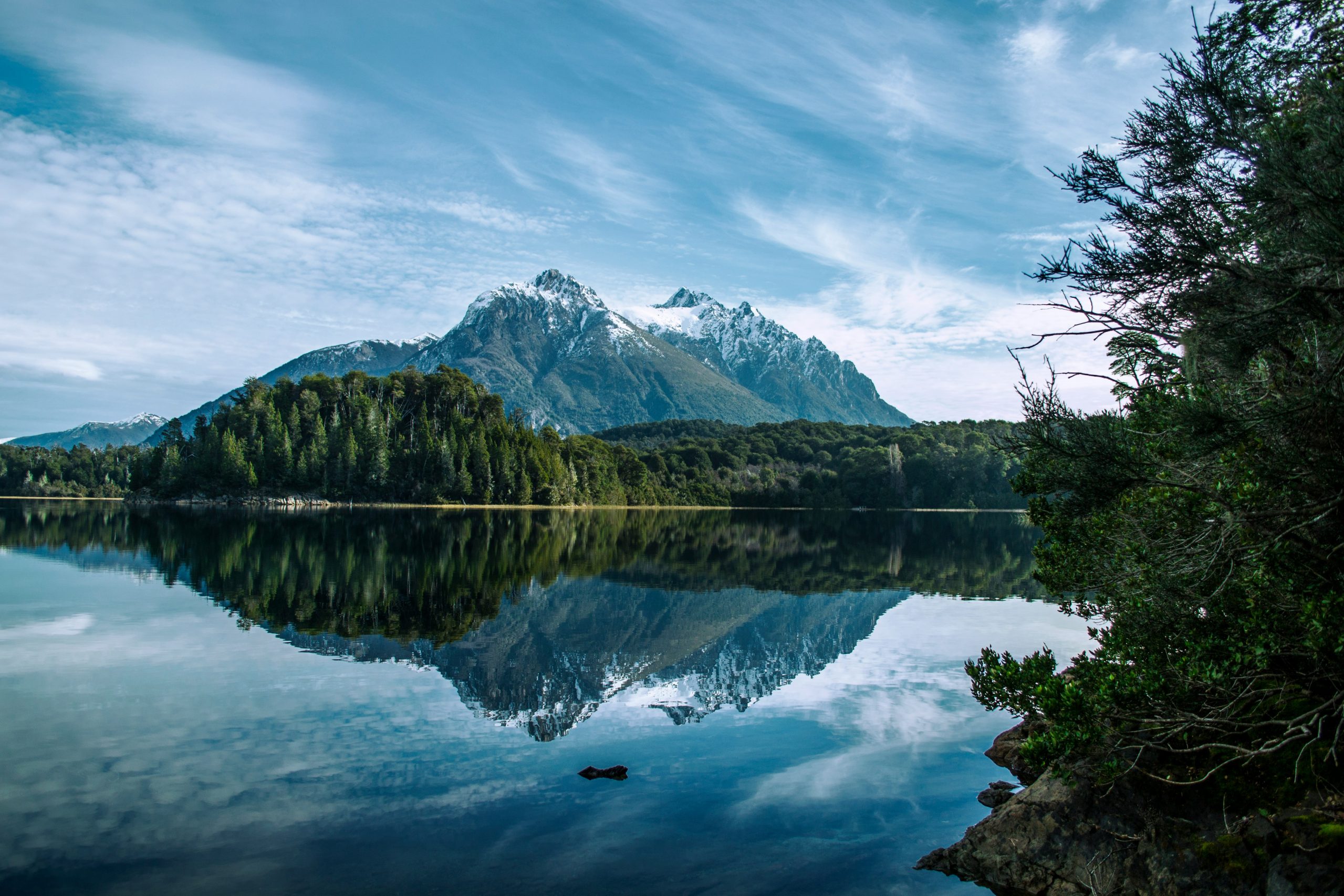
An alpine-style town on a deep blue lake, with forested mountains on every side. Hike to mountain huts in summer, ski in winter, and eat your weight in chocolate all year round.
San Carlos de Bariloche, to give it its full name, sits on the southern shore of Lago Nahuel Huapi, in the national park of the same name and the first ever created in Argentina. Its stone-and-timber Centro Cívico and chalet-style buildings come from the Swiss, German and Italian settlers who shaped the town, and the main street is lined with chocolate shops that turn out bars, truffles and hot chocolate by the bucket.
It is a year-round destination. In summer, the trails lead to mountain huts above the treeline, the lakes are calm enough for kayaking and swimming on warm days, and the roads around the lake are made for cycling. In winter, Cerro Catedral, one of South America's biggest ski resorts, is just outside town.
Plan on four or five days. The town itself is a base rather than a sight: the reasons to come are the viewpoints, lakes and trails around it, plus the famous Seven Lakes Road north towards San Martín de los Andes.
Most travellers stay in the centre, close to restaurants and buses. The lakeside road west of town, Avenida Bustillo, is greener and quieter, and the ski village at Cerro Catedral suits winter trips.
Around the Centro Cívico and Calle Mitre, with chocolate shops, restaurants and most hostels. Hilly in places, with lake views.
The road west along the lake, with hostels and cabins spread over several kilometres. Line 20 runs along it.
The base village of the ski resort. Busy in winter, quiet in summer, and the start of the Frey trail.
Far out on the Circuito Chico, among forests and lakes. Beautiful, but a long bus ride from town.
Orange labels are neighbourhoods, dots are the 12 top-rated hostels. Map data from OpenStreetMap contributors.
Start with the Circuito Chico, a loop of around 60km west of town along the lakes. Take the bus to Cerro Campanario and ride the chairlift, or walk up in about half an hour, for one of the best views in Patagonia: lakes, islands and peaks in every direction. Then hire a bike and cycle the loop past the grand Llao Llao hotel, small beaches and viewpoints.
In summer, hiking is the main event. The walk to Refugio Frey from the Cerro Catedral ski base takes most people around four hours one way and ends at a hut under granite spires, where you can stay the night. Longer routes link huts across the mountains for multi-day treks.
Boat trips cross the lake to Isla Victoria and the Bosque de Arrayanes, a forest of cinnamon-coloured myrtle trees, and kayaking on the calmer bays is a lovely way to spend a morning. In winter, Cerro Catedral is the draw, with ski and snowboard rental in town and at the base.
The Centro Cívico, with its stone buildings and the lake behind, is the town's postcard view and costs nothing. Walk down to the lakeshore promenade for sunset, when the mountains across the water turn pink on clear evenings.
Many of the best viewpoints can be reached on foot for free. You can walk up Cerro Campanario rather than taking the chairlift, and the trails around Llao Llao Municipal Park lead through forest to small beaches and lookouts. On a warm summer day, the lake beaches along Avenida Bustillo are free, if cold.
And while chocolate is not free, many of the big chocolate shops on Calle Mitre hand out samples.
Chocolate first. Bariloche's chocolate shops are an institution, and Calle Mitre is lined with them: dense bars studded with nuts, chocolate in rama (shaved branches), and thick hot chocolate for cold days.
Craft beer is the other local pride. Bariloche has dozens of breweries, from city-centre taprooms to big brewpubs on the lakeside road with views to match. Food leans hearty: trout from the lakes, Patagonian lamb, wild boar and venison, fondue in winter, and smoked meats and cheeses from local smokehouses.
In Colonia Suiza, a village on the Circuito Chico founded by Swiss settlers, the traditional curanto is cooked in a pit with hot stones on certain days, with a craft market alongside. Back in town, the supermarkets are well stocked for hostel cooking.
Bariloche has two nightlife scenes. One is the breweries and bars of the centre, where travellers and locals gather over pints after a day on the trails. The other is the famous student scene: Argentina's school-leavers come here on their end-of-school trip, mostly in winter and around the start of summer, and fill the big clubs in town.
If you want a quieter night, choose a taproom or a bar on the lakeside road. If you want to dance, the clubs open late, like everywhere in Argentina, and are busiest during the student season.
In ski season, après-ski at Cerro Catedral's base village gets going in the late afternoon before people head back to town.
City buses run along the lake and up to the ski resort, and you need a SUBE card to ride them. Line 20 runs from the centre along Avenida Bustillo to Llao Llao, passing Cerro Campanario, and other lines go to Cerro Catedral. Buses get crowded in peak season, so allow time.
For the Circuito Chico, many people take the bus out and rent a bike for the loop. To go further, such as the Seven Lakes Road or Cerro Tronador, a hire car or a tour is the practical choice.
The airport is about 14km east of the centre, with flights from Buenos Aires and other cities. The long-distance bus terminal is a few kilometres east of the centre, with services across Patagonia and over the Andes to Chile.
Bariloche costs more than northern Argentina but less than El Chaltén. Dorm beds run from about €10 to €20, rising during ski season, the winter school holidays and the January peak.
The extras add up: chairlifts, boat trips and ski passes are the big costs, and a lift pass at Cerro Catedral is a serious outlay in winter. Hiking is the great free activity, though a national park fee applies at some access points, and staying in mountain huts costs extra.
Prices are set in pesos and move with inflation, so check them close to your trip. Cards are widely accepted.
Bariloche is a safe town for travellers. Petty theft is the main risk, as in any tourist centre, especially in busy streets and bus stations in high season, so keep an eye on your bags and phone.
On the trails, the weather is the real danger. Conditions in the mountains change quickly, snow can linger on high routes into early summer, and paths to the huts can be steep and exposed. Check the forecast, carry layers and water, and register longer treks with the national park before you set off.
In winter, roads can ice over, and the Seven Lakes Road and border crossings sometimes close. In an emergency, call 911.
Lakes, glaciers and the most famous road trip in northern Patagonia.
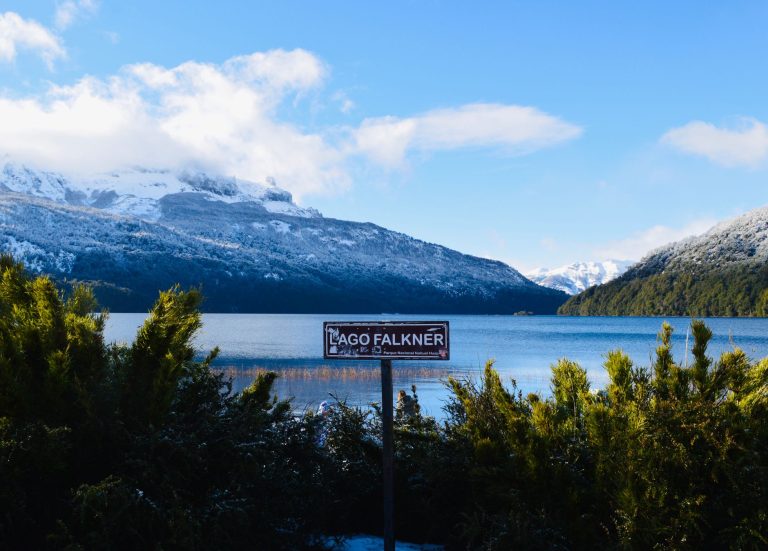
The Ruta de los Siete Lagos to San Martín de los Andes, past forests and lakes.
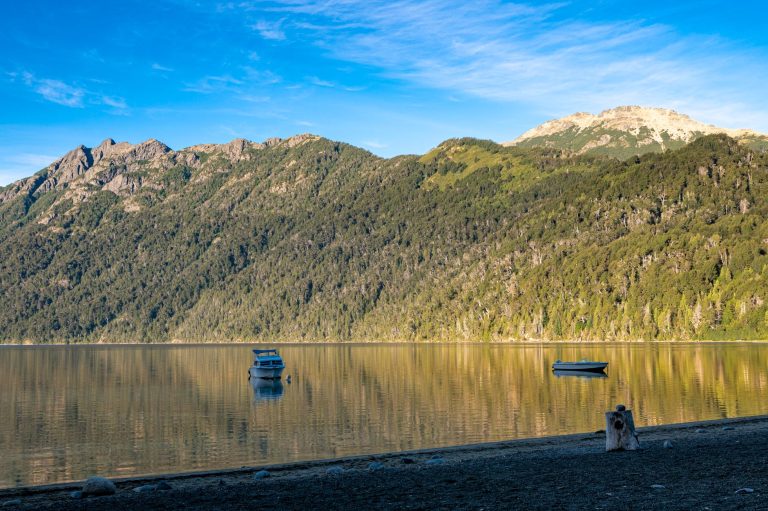
A pretty lakeside village and the start of the Seven Lakes Road.
Snow and chocolate set the calendar.
The national snow festival, with torchlit ski descents, parades and events in town.
The chocolate festival, famous for a giant chocolate bar shared out in the street.
One of South America's biggest ski resorts, just outside town.
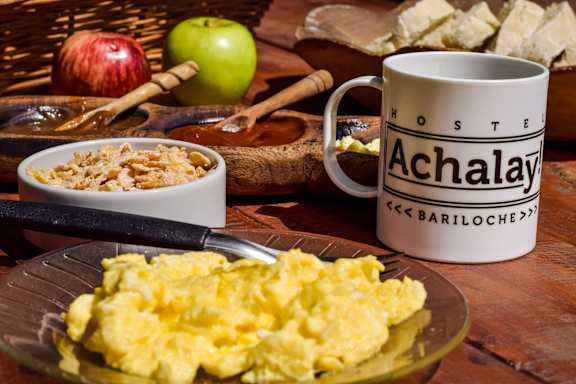
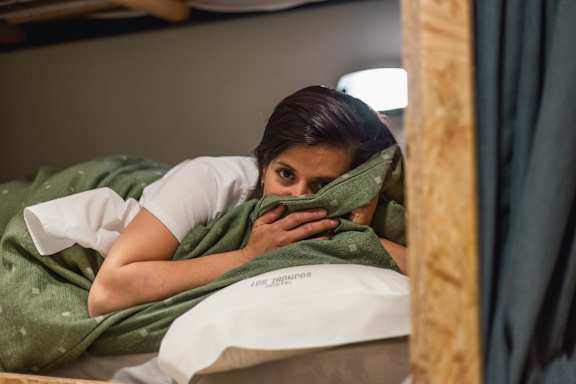
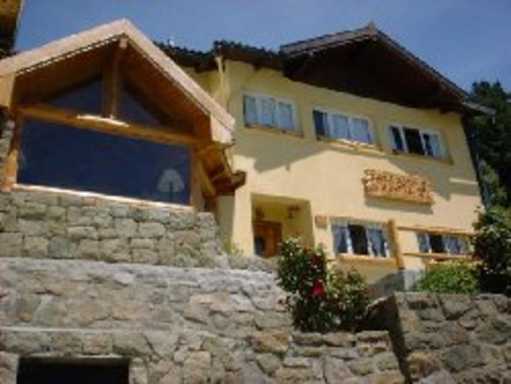
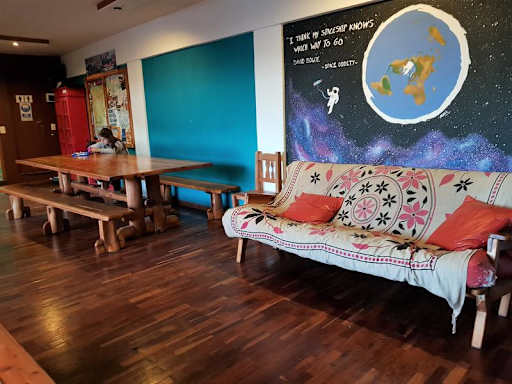
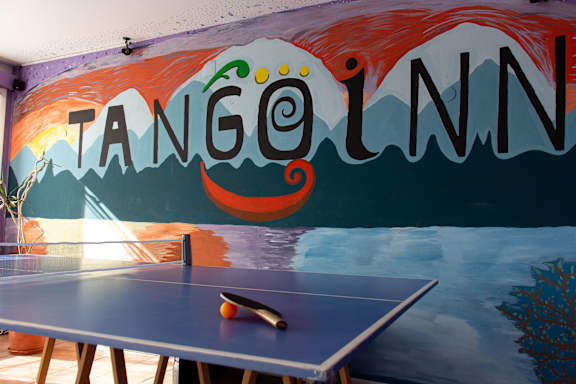
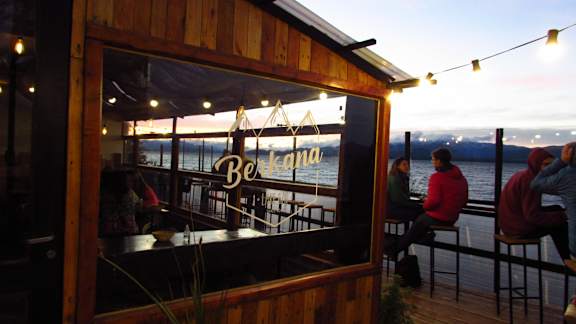
The highest-rated hostels in Bariloche, straight from Hostelworld. Book ahead for July and January.
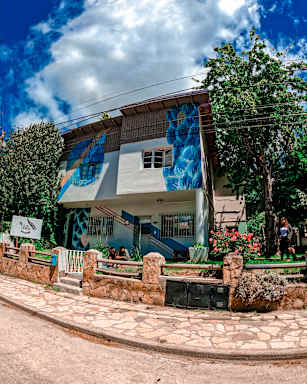
Bariloche has two seasons: December to March for hiking, lakes and long days, and mid-June to September for skiing. Spring and autumn are quieter and lovely.
Average highs, rounded. Nights are cold all year, and July is the busiest winter month.
Per night, for one person, in the summer season.
Prices move with inflation, so treat these as a guide. Ski passes and equipment cost extra in winter.
The ones we get asked most.

Compare hostels in Bariloche: live prices, real reviews and free cancellation on most bookings. Then find your hiking or ski crew in the app.

 Get the App.



 Get the App.