Greece
Greece country guide

Things To Do In Greece

Six thousand islands, 227 of them inhabited, and a mainland most visitors skip entirely. Athens is cheaper than you think and the ferry network does the rest.

€18
Dorm bed, from
6,000
Islands, 227 inhabited
€40
Athens to Santorini by ferry
300
Days of sun a year

The islands are a system, not a list

Greece is easy to get wrong by trying to see too much of it. The islands are grouped, the ferries run within groups far more often than between them, and hopping from Santorini to Corfu is a day of travel and a plane ticket rather than an afternoon boat.

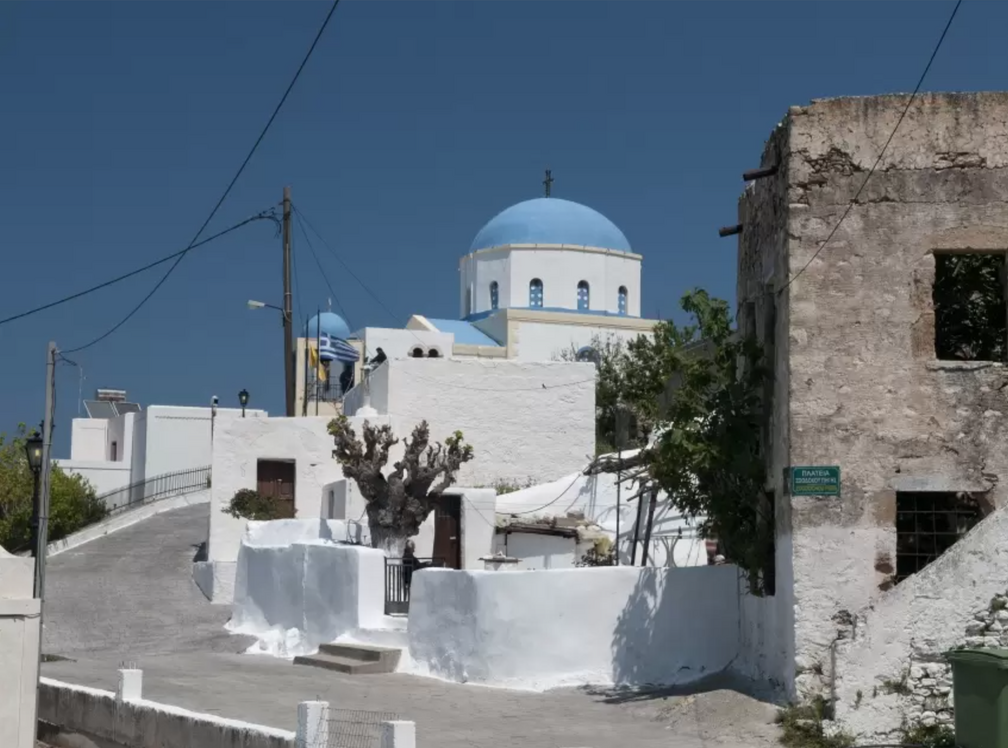
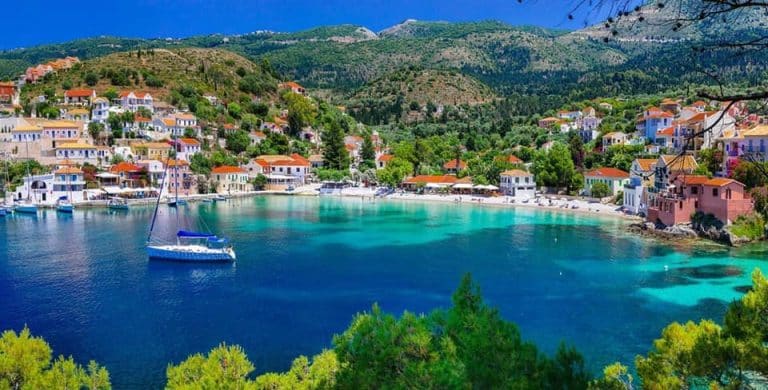
Pick a group. The Cyclades — Santorini, Mykonos, Naxos, Paros, Milos — are the white-and-blue postcard and the busiest. The Dodecanese, off the Turkish coast, are quieter and cheaper. The Ionians are green rather than bare. Crete is big enough to be its own holiday.

The mainland is the underrated half. Athens has the Acropolis and the best food in the country for the money, Meteora's monasteries sit on rock pillars, and the Peloponnese has beaches with no one on them. Two weeks split between Athens, one island group and one mainland detour is the trip most people wish they had taken.

Where to go

Ferries link the islands from Piraeus and Rafina, and domestic flights save whole days in summer.

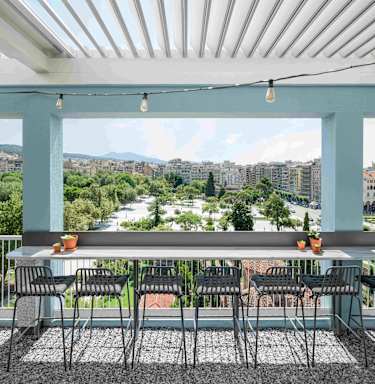
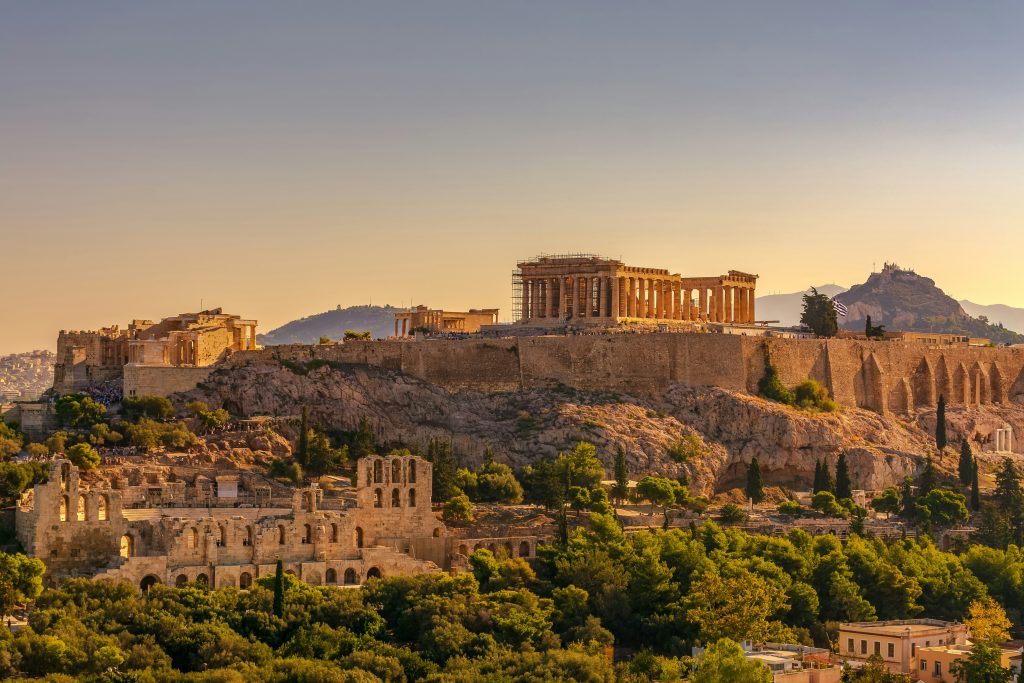
Athens

Athens

50 hostels · dorms from €12

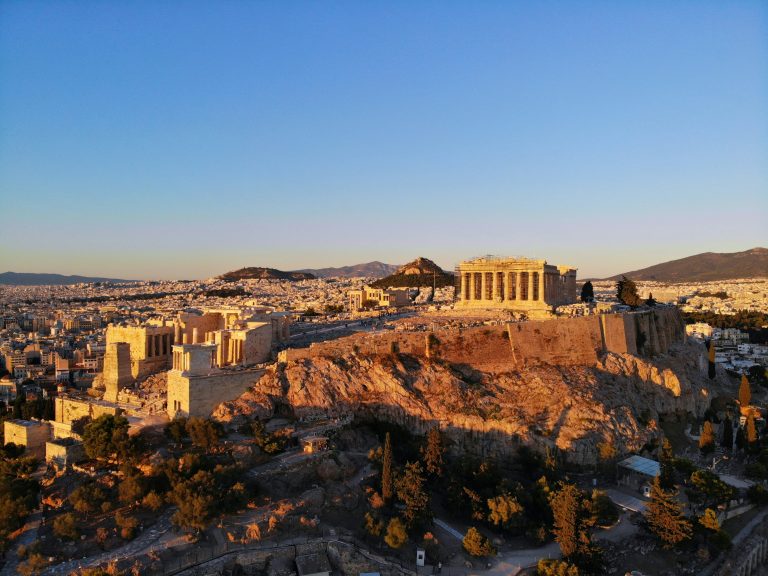
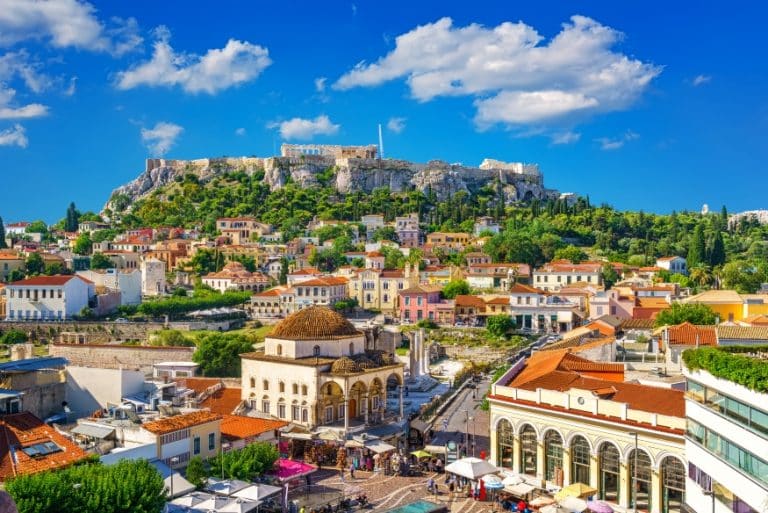
Ancient ruins in the middle of a loud, modern, affordable city. Three days minimum, and better than its reputation.

Athens was awesome!!! I would definitely recommend!

A traveller, on Hostelworld
The Athens guide
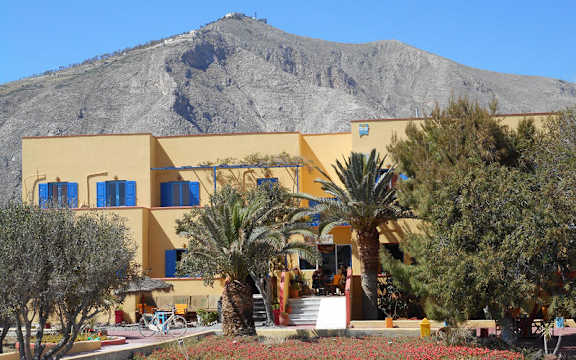
Thessaloniki

Thessaloniki

8 hostels · dorms from €14

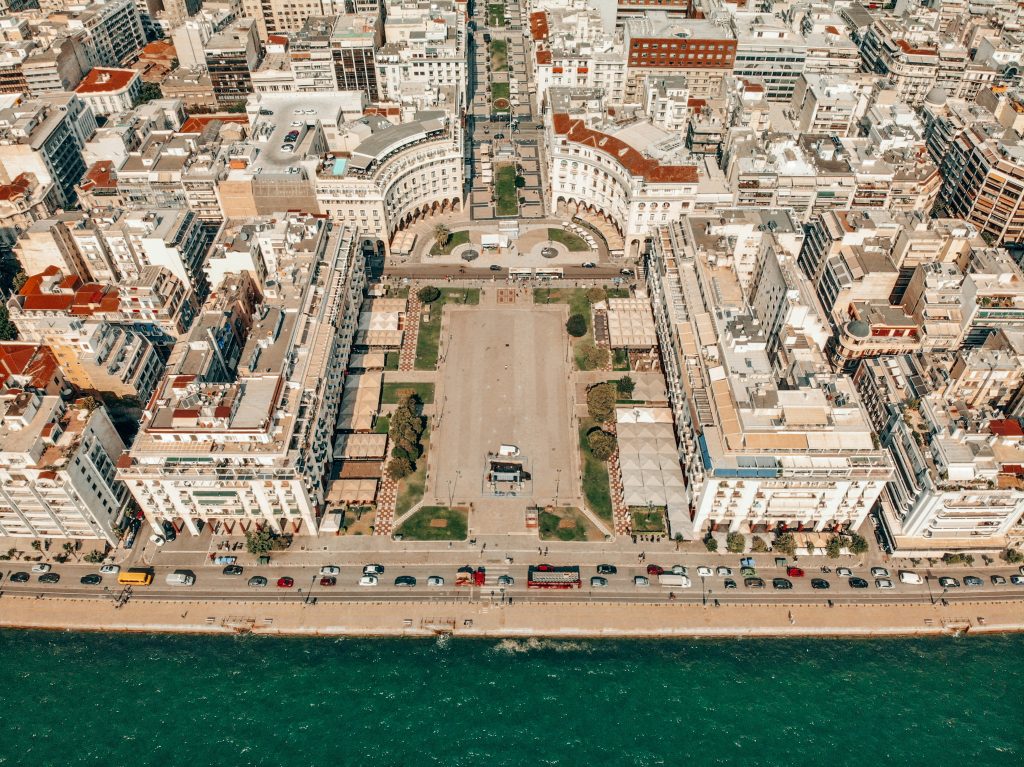
The second city, with the best food in Greece and a student nightlife that outlasts Athens.

This was my first trip to Thessaloniki and I was really happy to get to visit. Much calmer than Athens, the city was quieter but very beautiful, had a great deal of culture and its own style, and so many places to get delicious food. I will definitely return to see more museums!

A traveller, on Hostelworld
The Thessaloniki guide
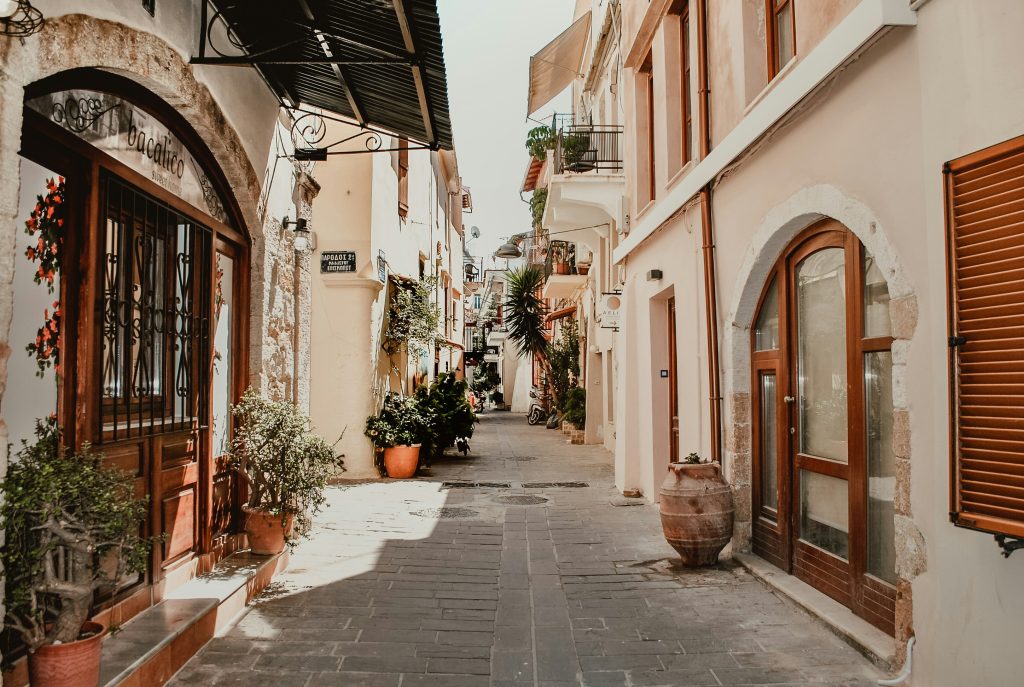
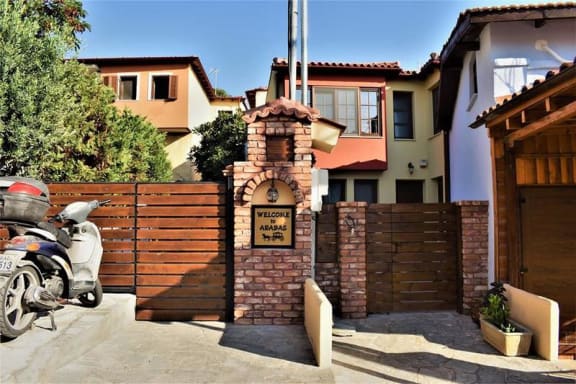
Chania

Chania

11 hostels

Crete's Venetian harbour town, with an old town of Ottoman and Jewish streets and the west of the island beyond it.

Loved Chania. The old city is so charming, as well as the old port that really has a charm (compared to Heraklion, especially).

A traveller, on Hostelworld
The Chania guide
Heraklion

Heraklion

8 hostels

Crete's working capital, with Knossos outside town and the best archaeological museum on any island.

A lot of the beaches are at least a 20-30 minute bus ride away, so know before you go that you may want to stay in a different town or rent a motorbike if beaches are your goal. The town itself is super cute and easily walkable. I enjoyed Heraklion because while a city, it was much more peaceful than Athen with a great view of the sea!

A traveller, on Hostelworld
The Heraklion guide
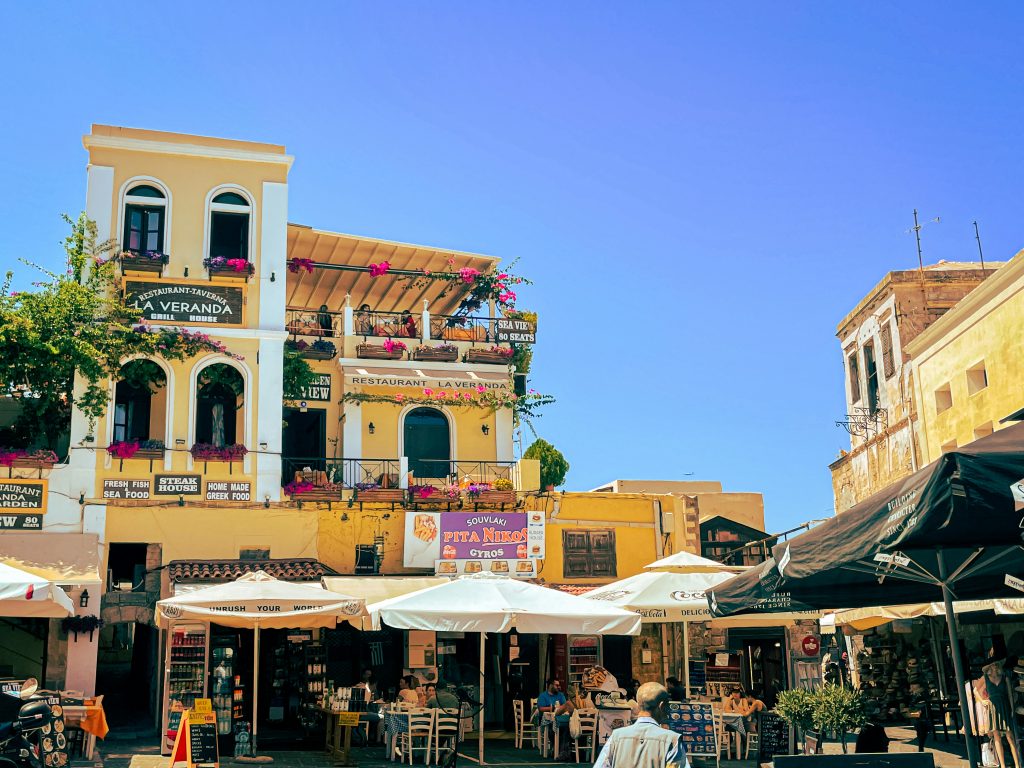
Rhodes Town

Rhodes Town

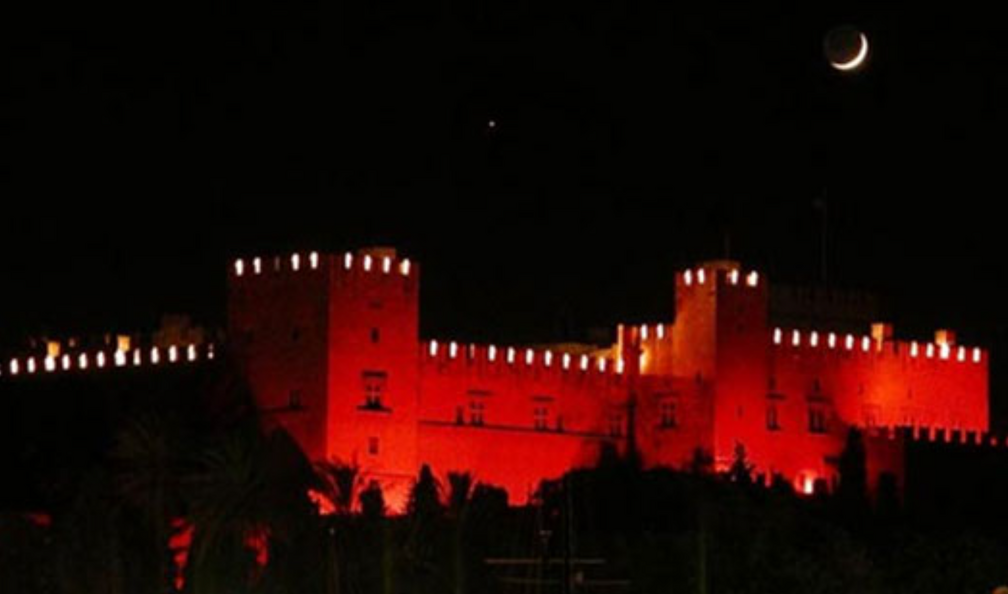
A walled medieval city built by the Knights of St John, still lived in, at the top of a long island.

The Rhodes Town guide
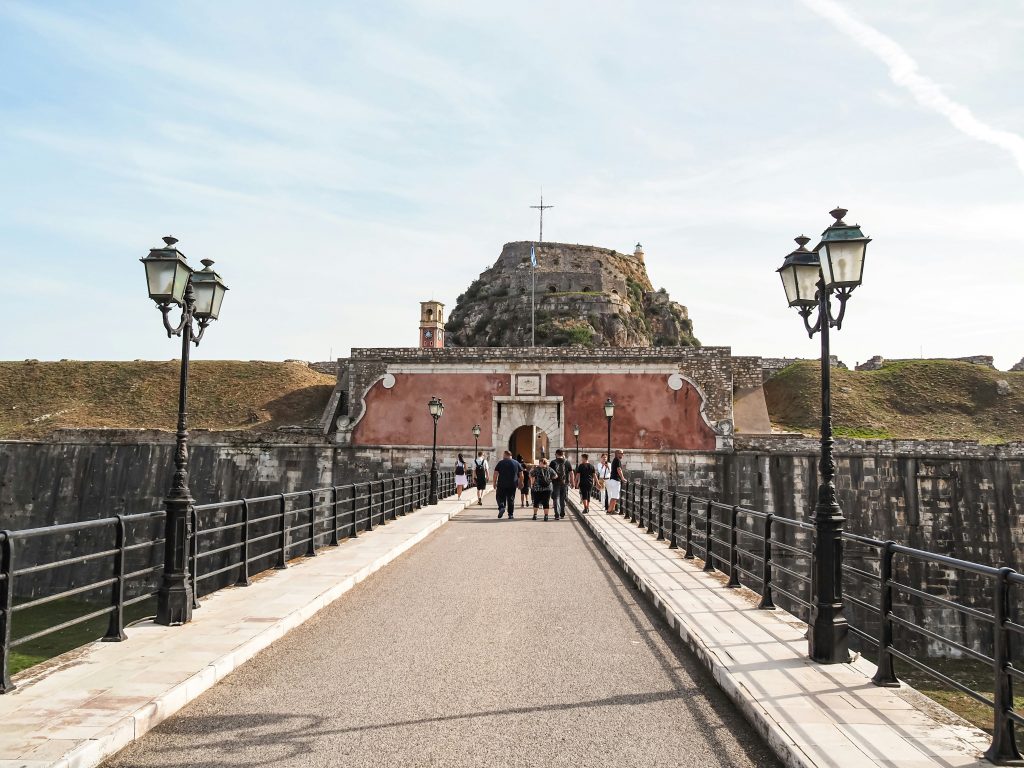
Corfu Town

Corfu Town

Venetian, French and British in turn, with arcaded streets and two fortresses.

The Corfu Town guide
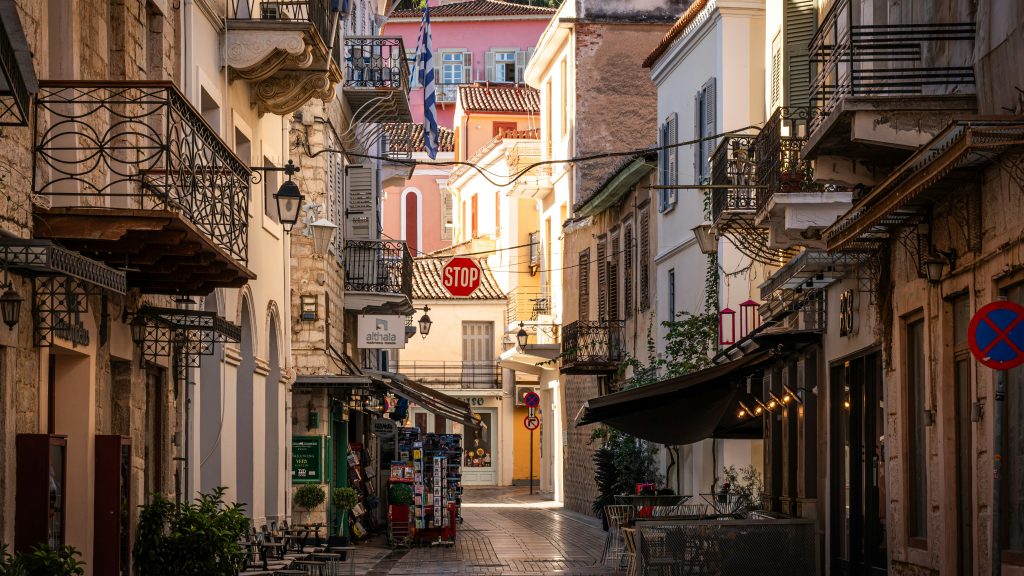
Nafplio

Nafplio

2 hostels

The first capital of modern Greece: neoclassical, on a bay, two hours from Athens and often missed.

The Nafplio guide
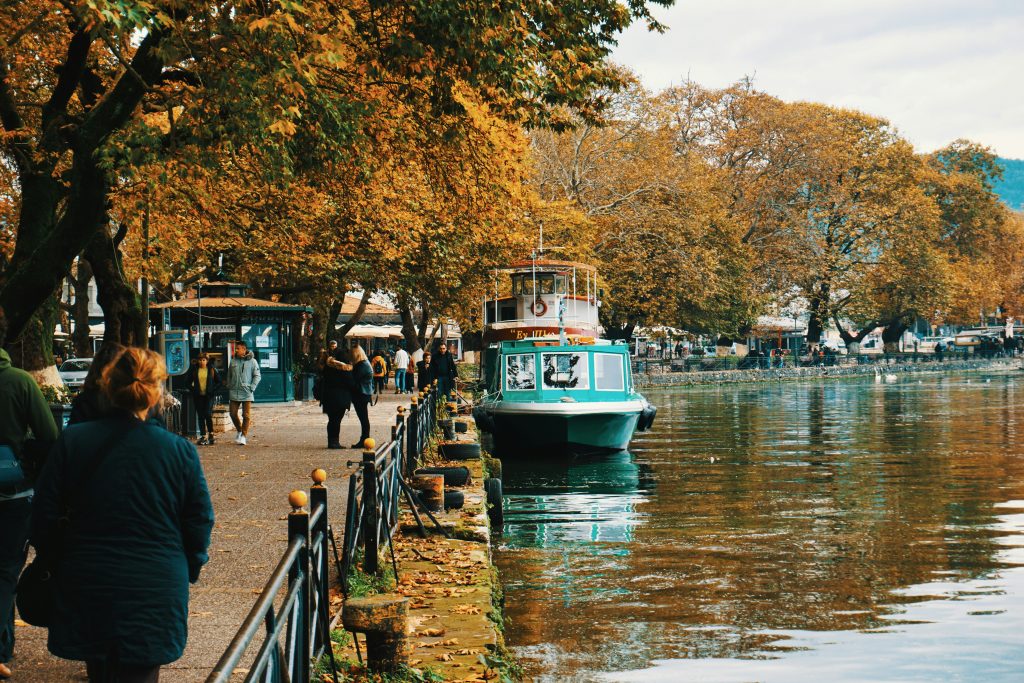
Ioannina

Ioannina

2 hostels

On a lake in the mountains of Epirus, with an Ottoman citadel and the Zagori villages above it.

The Ioannina guide
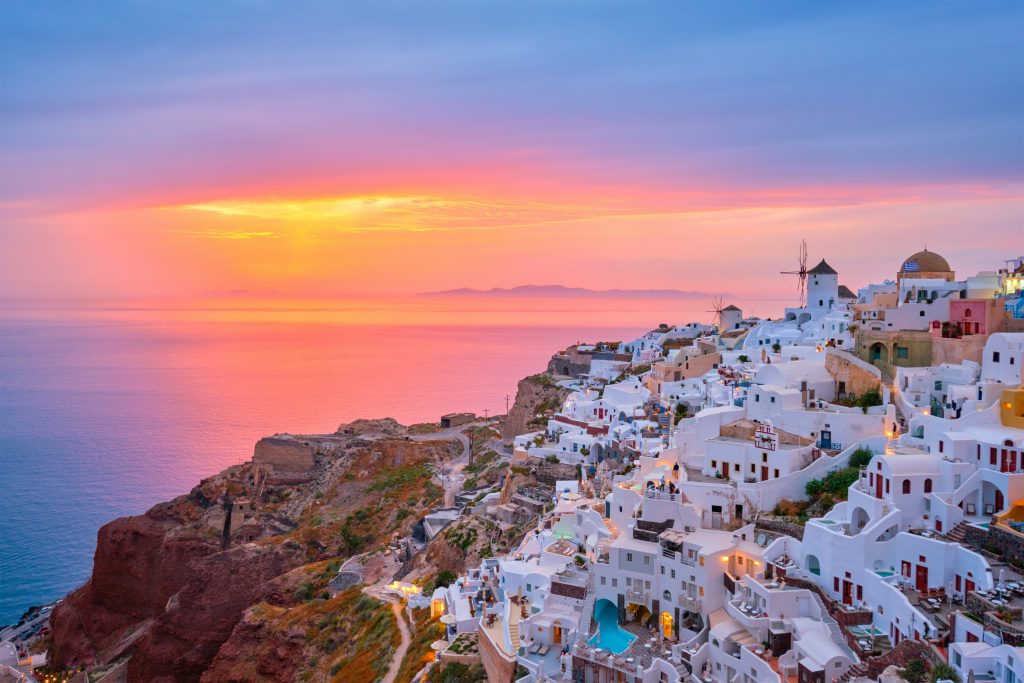
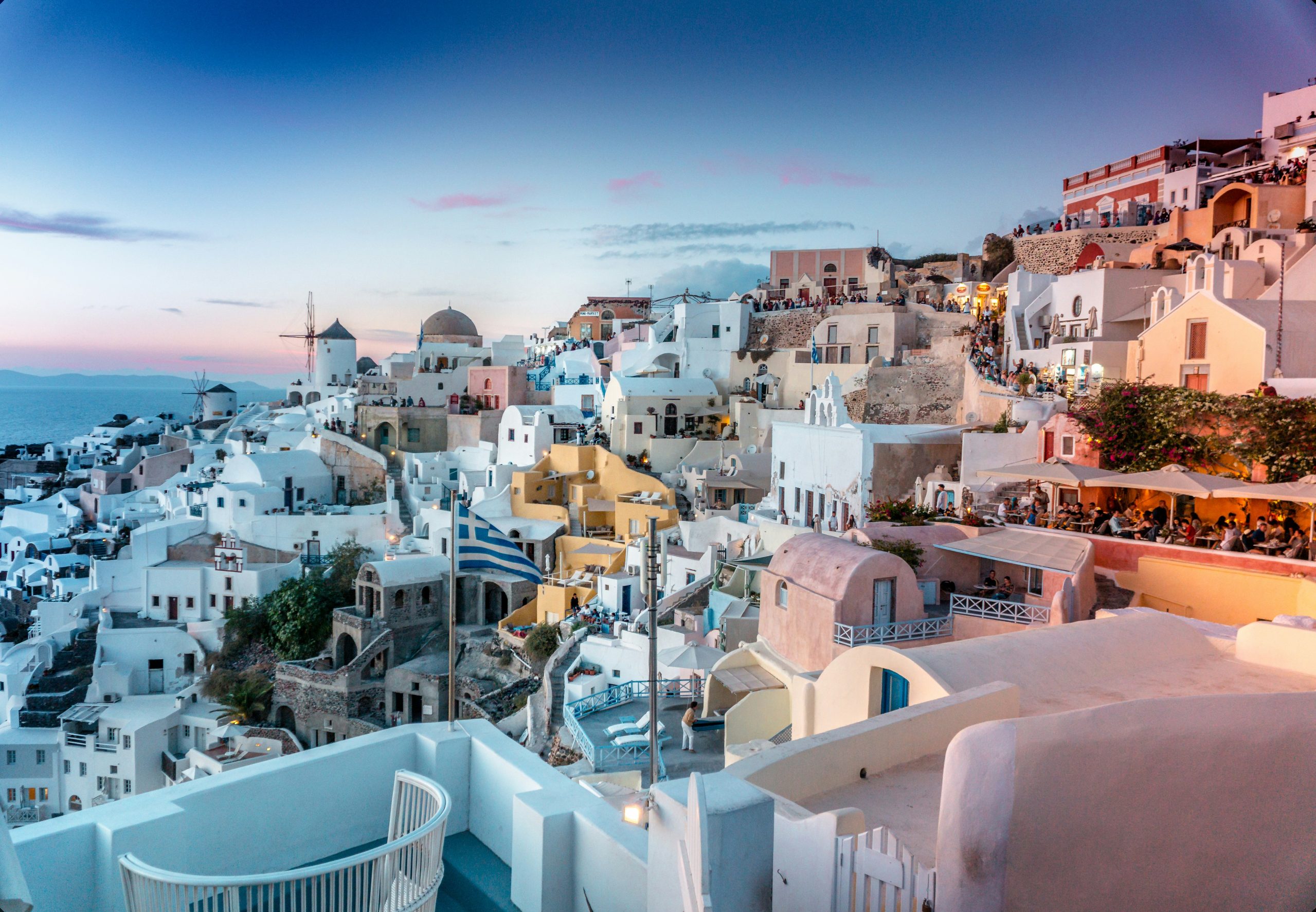
Santorini

Santorini

21 hostels · dorms from €14

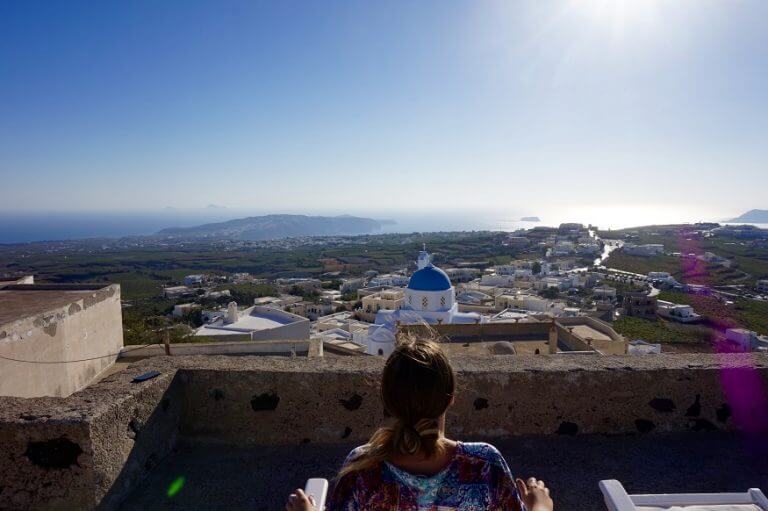
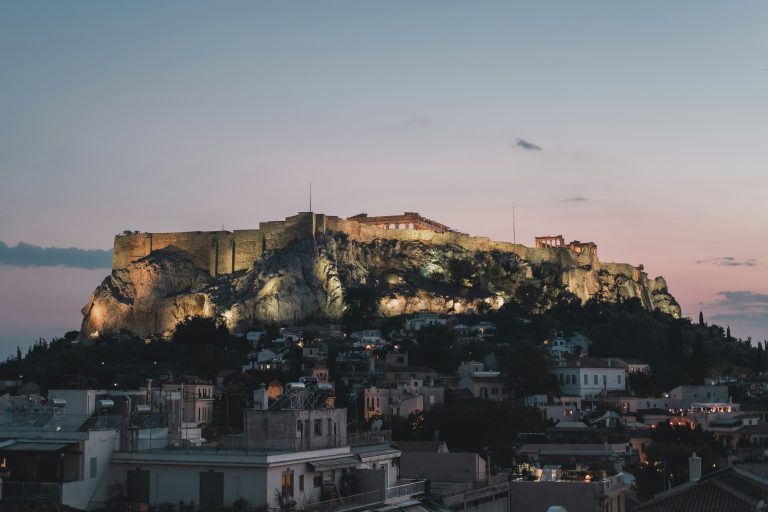
The caldera views everyone has seen, and the prices that come with them. Stay in Oia only if someone else is paying.

There is no direction that you can look where you don't see beauty. Yes, parts are touristy, but I am a tourist! You can pick and choose. The food is unbelievably delicious in every singe place we went.

A traveller, on Hostelworld
The Santorini guide
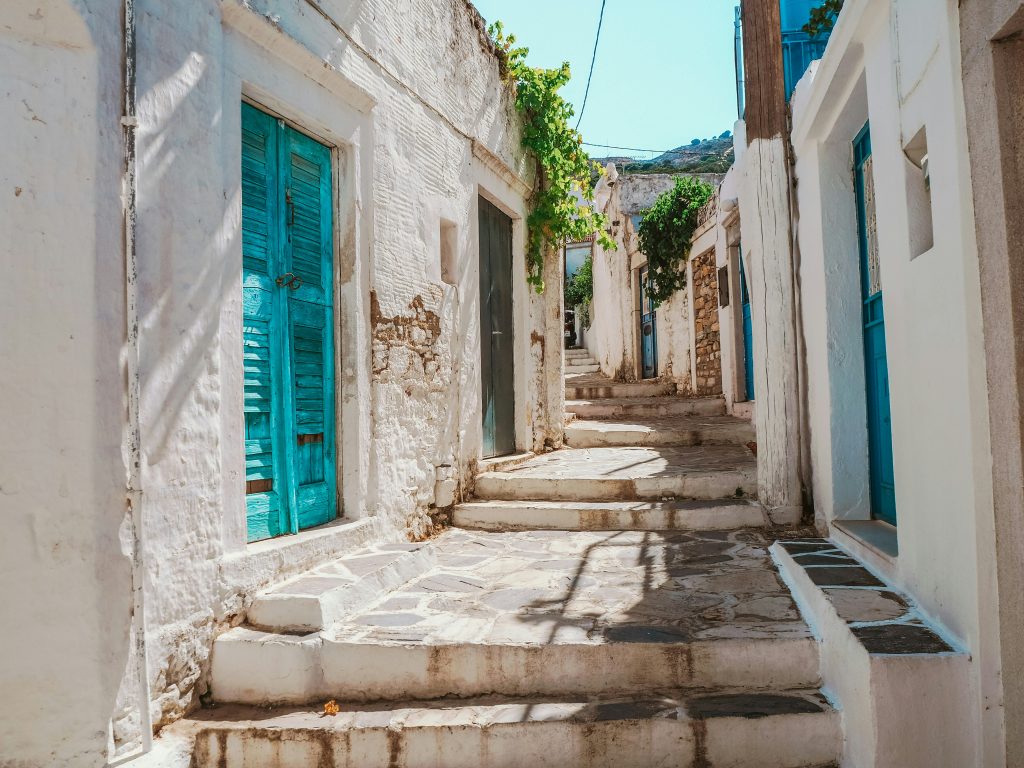
Naxos

Naxos

7 hostels

The Cyclades without the mark-up: beaches, mountain villages and proper food.

We visited Naxos after a quick visit to Santorini. It was a perfect combination for our 2 island Greece adventure. We stayed in the area closest to the ferry dock and it was wonderful for walking to everything including St George beach, wonderful restaurants and shops, Temple of Apollo (great ant sunset) and the ferry dock. We did the #2 hike- Zeus Cave and to the top of Mt Zas. Very challenging but awesome! Great trip!

A traveller, on Hostelworld
The Naxos guide
Paros

Paros

4 hostels · dorms from €24

Between Naxos and Mykonos in both geography and price. Good beaches, a decent night out.

I really liked Paros, very nice chilled island! Plenty to do, or you can just loaf on a beach, completely up to you.

A traveller, on Hostelworld
The Paros guide
Mykonos

Mykonos

9 hostels

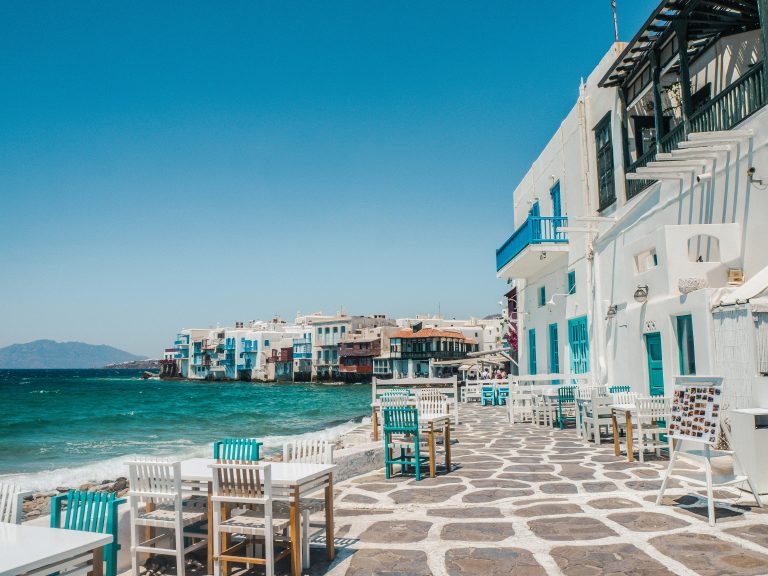
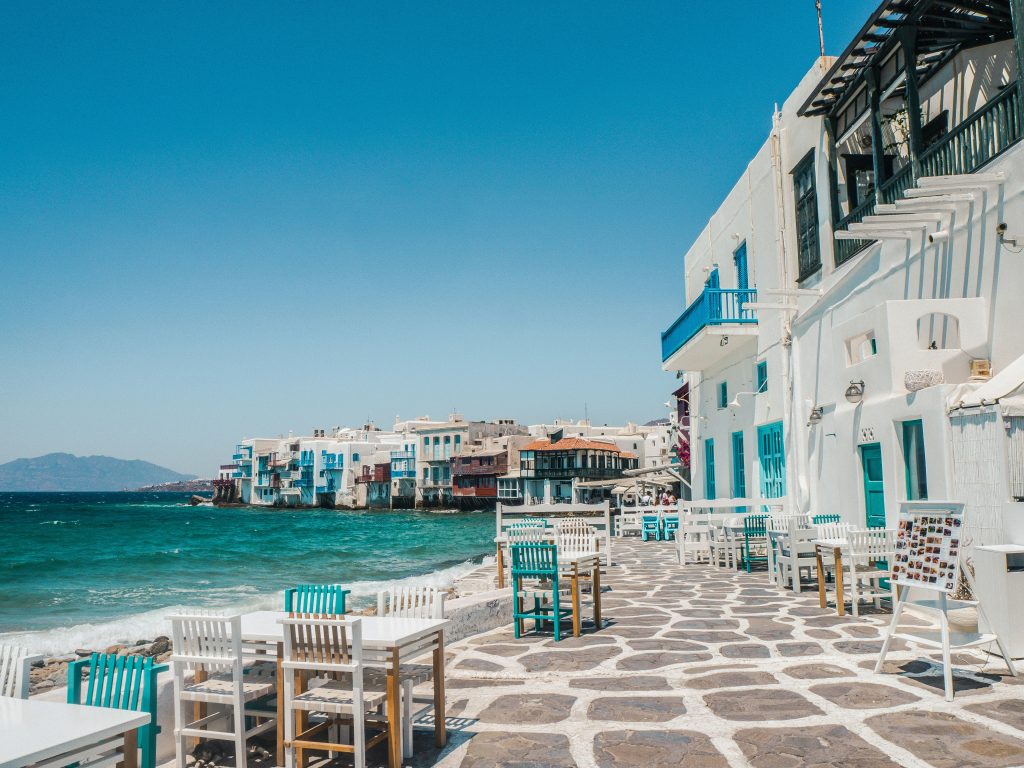
The expensive one: whitewashed lanes, a serious club scene, and Delos, an entire sacred island, offshore.

The Mykonos guide

What kind of trip is this?

Greece does beaches and ruins better than anywhere, and a lot else besides.

Beach in Greece

Six thousand islands' worth, of every kind.

What to do

  • A day on Milos's lunar coastline
  • Swim at Elafonissi in Crete
  • Beach-hop Naxos by scooter

Spots to visit

  • Balos, Crete
  • Sarakiniko, Milos
  • Plaka, Naxos

Best cities for it

Things to do

Things to do in Greece

The Acropolis is the one thing everyone does and the trick is timing: go at opening, around eight, or in the last two hours before closing. In July the rock hits 40°C by midday and there is no shade. The Acropolis alone costs €30 with timed entry, and the old combined ticket for the other Athens sites was withdrawn in 2025, so the Agora, Kerameikos and the rest are now paid separately.

Away from Athens, Delphi and Meteora are the two mainland sights worth a night each rather than a rushed day trip. On the islands, the attraction is swimming, eating and a scooter — most of the Cyclades are small enough to circle in a day.

Crete is the exception that needs planning: the Samaria Gorge is a sixteen-kilometre walk that takes a full day and a bus at either end, and it is the best hike in the country.

Food and drink

Eating in Greece

Greek food is cheap if you eat where Greeks eat, and the divide is sharp. A souvlaki from a counter costs €3.50 to €4.50 and is a proper lunch. A taverna away from the harbour does a full meal with wine for €12 to €18. The same meal on a Santorini caldera terrace is €40 for the view.

Thessaloniki is the food city, with an Ottoman-influenced mezze culture and prices that undercut Athens. Crete has its own cuisine and is the one island where eating well is cheap.

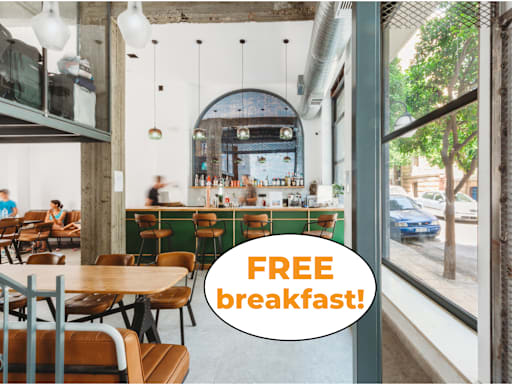
Greek breakfast barely exists — a coffee and a spinach pie from a bakery for €3 is the local version, and it is better than a hostel buffet.

Nightlife

Going out in Greece

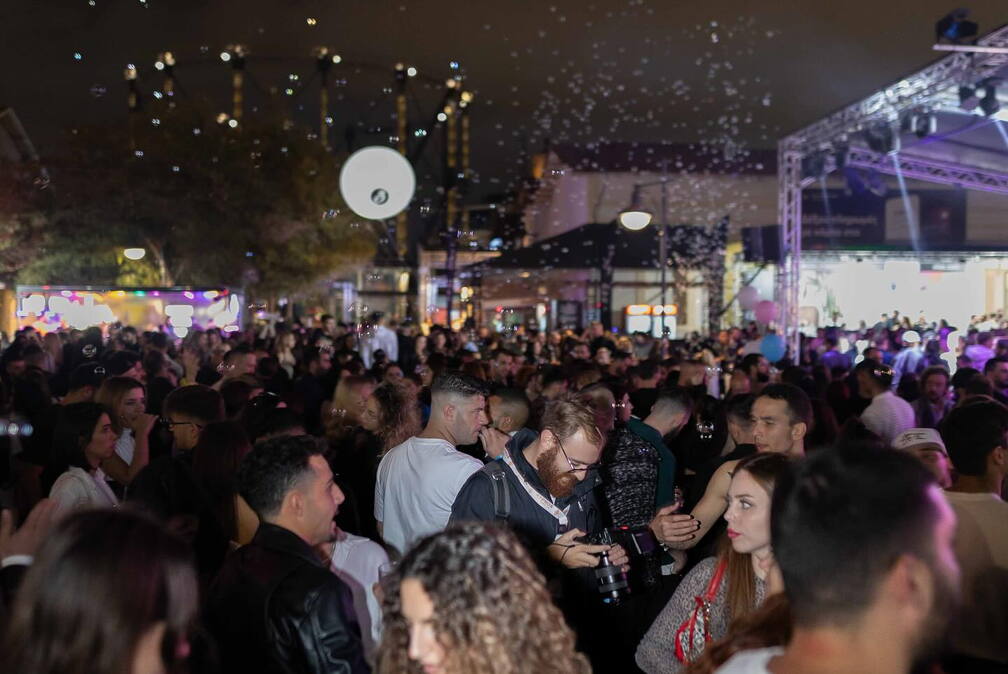
Athens drinks late and outdoors. Psyrri and Exarchia are the neighbourhoods, drinks are €5 to €8, and the rooftop bars around Monastiraki charge a premium for an Acropolis view that is genuinely worth it once.

Thessaloniki has the student population and consequently the best value nightlife in the country — Ladadika and Valaoritou are full every night of the week in term time.

The islands split hard. Mykonos and Ios are international party destinations with prices to match — a beach club day can cost more than three days elsewhere. Naxos, Paros and Milos have bars and music without the mark-up, and Santorini is for sunsets rather than dancing.

Getting around

Getting around Greece

Ferries are the network. Piraeus, the port of Athens, serves most of the Aegean, and Rafina is closer for the northern Cyclades. Conventional ferries are cheap and slow; high-speed catamarans cost roughly double and halve the time. Athens to Santorini is five to eight hours depending which you take.

Book ahead in July and August, when popular routes sell out, and check the operator rather than aggregators for the real timetable. Winter schedules thin dramatically and some routes stop entirely.

On the mainland, KTEL buses go everywhere cheaply and the Athens to Thessaloniki train takes about four hours. Domestic flights from Athens to the bigger islands are often no more expensive than the fast ferry.

Costs

What Greece costs

Greece is one of the cheaper countries in the eurozone until you reach the famous islands. Athens dorms start around €18 and the city is genuinely inexpensive to eat and drink in. Naxos, Paros and Crete stay reasonable. Santorini and Mykonos in August are among the most expensive places in Europe.

Ferries are the budget line to plan for. Athens to Santorini runs €40 to €80 each way depending on speed and season, and island hopping across a group adds up faster than the beds.

The seasonal swing is extreme. The same Paros dorm is €18 in May and €45 in August, for the same weather two weeks either side of it.

Safety

Staying safe in Greece

Greece is a safe country with low violent crime. Athens has pickpockets on the metro line from the airport and around Omonia and Monastiraki, which is ordinary city caution rather than a reason for concern.

The real risks are environmental. Summer heat regularly passes 40°C and the Acropolis has closed at midday during heatwaves; wildfires are a genuine seasonal hazard on the mainland and larger islands, and the emergency alert system sends warnings by SMS. Take them seriously.

Scooters cause more traveller injuries here than anything else. Many rentals are not insured for riders without a proper licence, roads are gravelly, and hospitals on small islands are limited. Wear the helmet and check what your insurance actually covers.

Entry and documents

Entry and documents

Greece is in the Schengen area. EU citizens need an ID card only. UK, US, Canadian and Australian passport holders get 90 days in any 180 across the whole zone, counted together rather than per country.

Passports need three months' validity beyond departure and must have been issued within the last ten years.

ETIAS, the EU's pre-travel authorisation, has been delayed several times — check the official EU site rather than any article for the current position. Ferry companies ask for ID at boarding, so keep your passport accessible rather than packed.

When to go

Greece has a long season and a punishing peak. May, June, September and early October give you swimming weather without August prices or August heat.

13°
Jan
Mild in Athens, most islands closed
14°
Feb
Carnival, and the cheapest month in the capital
16°
Mar
Spring on the mainland. Ferries still limited
20°
Apr
Orthodox Easter is the biggest week of the year
25°
May
The best month. Sea swimmable, islands opening up
30°
Jun
Hot, full ferry schedules, prices climbing
33°
Jul
Peak heat and peak prices. Meltemi winds in the Cyclades
33°
Aug
Greeks on holiday too. Book everything ahead
29°
Sep
Warmest sea of the year and thinning crowds
24°
Oct
Excellent early on. Islands start closing mid-month
19°
Nov
Mainland only. Athens is pleasant and empty
15°
Dec
Athens at Christmas. Most islands shut
Bar height is temperature. Colour is how busy it gets: quiet busy peak

Average highs for Athens. The Cyclades are windier, Crete warmer and longer in season. The Meltemi wind blows hard through the Cyclades in July and August and cancels ferries.

What your trip will cost

Pick how you travel and how long for. Per night, for one person, outside August and away from Santorini and Mykonos.

Excludes ferries, which are the big variable: €40–80 each way between Athens and the Cyclades, more for fast boats in August.

—
  • Beds—
  • Food and drink—
  • Getting around—
  • Doing things—
What's on

What is on while you are there

Orthodox Easter is the one that changes the country entirely. The rest are worth timing around.

Greece travel questions

The ones we get asked most.

How many days do you need in Greece?
Ten days for Athens plus one island group, with three days in the city and the rest island-hopping inside a single group. Two weeks lets you add Crete or a mainland detour to Delphi and Meteora.
Which Greek islands should I visit?
Pick one group rather than crossing between them. The Cyclades — Naxos, Paros, Milos, Santorini — are the classic and best connected. The Dodecanese are quieter and cheaper. Crete is large enough to be a holiday on its own.
Is Greece expensive?
The mainland is among the cheaper eurozone countries: Athens dorms from €18 and a day at €45 to €60. Santorini and Mykonos in August are a different country financially, at €70 to €100 a day or more.
How do the ferries work?
Most Aegean routes leave from Piraeus, with Rafina closer for the northern Cyclades. Slow ferries are cheap, catamarans are roughly double for half the time. Book ahead in July and August, and expect thinner schedules in winter.
When is the best time to visit Greece?
May, June, September and early October. The sea is warmest in September, the crowds are thinner and prices are roughly half of August. July and August bring 40°C heat and the Meltemi wind, which cancels ferries.
Is Athens worth visiting?
Yes, and three days rather than one. It has the Acropolis and its museum, the best-value eating in the country and a genuinely good bar scene. It is also the cheapest major capital in western Europe.
Do I need to book the Acropolis in advance?
In summer, yes — timed slots sell out and the queue in the heat is unpleasant. Entry costs €30, and the old combined ticket for seven sites was withdrawn in 2025, so the other sites are paid separately.

Say yes to hostels, meet the world
Compare hostels across Greece — live prices, real reviews and free cancellation on most bookings. Then meet the people already there in the app.
Get the App. QRGet the App.
Get the App. QR  Get the App.
Scroll to Top