Hungary
Hungary country guide

Things To Do In Hungary

One of Europe's great cities and a country most people never leave it to see. Thermal baths, ruin bars, and prices that still undercut everywhere west of Vienna.

€14
Dorm bed, from
1,300
Thermal springs nationwide
€4
A pint in a ruin bar
2.5h
Vienna to Budapest by train

Budapest, and what else

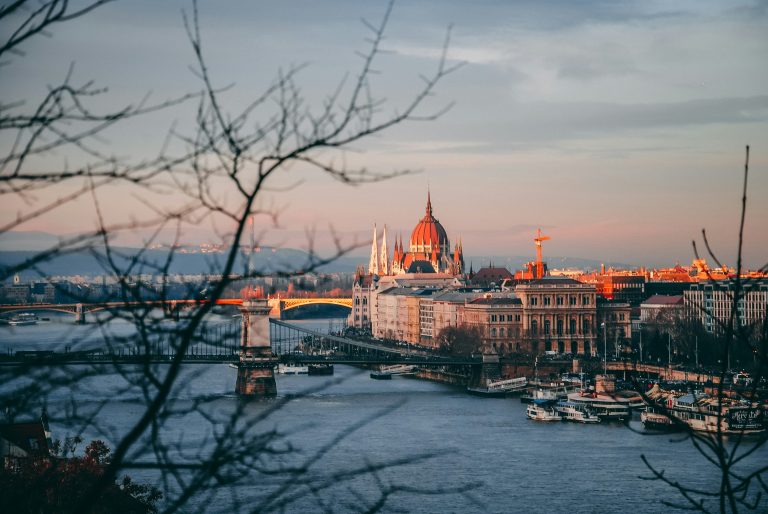
Budapest is three towns — Buda, Óbuda and Pest — that merged in 1873: hilly, quiet Buda on one bank and flat, busy Pest on the other, with the Danube and a set of nineteenth-century bridges between them. It is one of the most striking capitals in Europe and among the cheapest, which is why it has become a fixture on every central European route.

Three days does the city properly: the baths, the parliament, the Jewish quarter and its ruin bars, and a walk up to the castle at dusk. Five days lets you slow down, which is how the city is best enjoyed.

Outside the capital, Hungary empties out fast. Lake Balaton is where the country goes in summer, Eger and Tokaj make wine that deserves more attention abroad, and Pécs in the south has a Turkish-influenced old town. None have much hostel infrastructure, so most travellers base themselves in Budapest and take day trips.

Where to go

Budapest is most of Hungarian tourism. The rest is a few real cities, reachable by cheap train.

Budapest

Budapest

51 hostels · dorms from €12

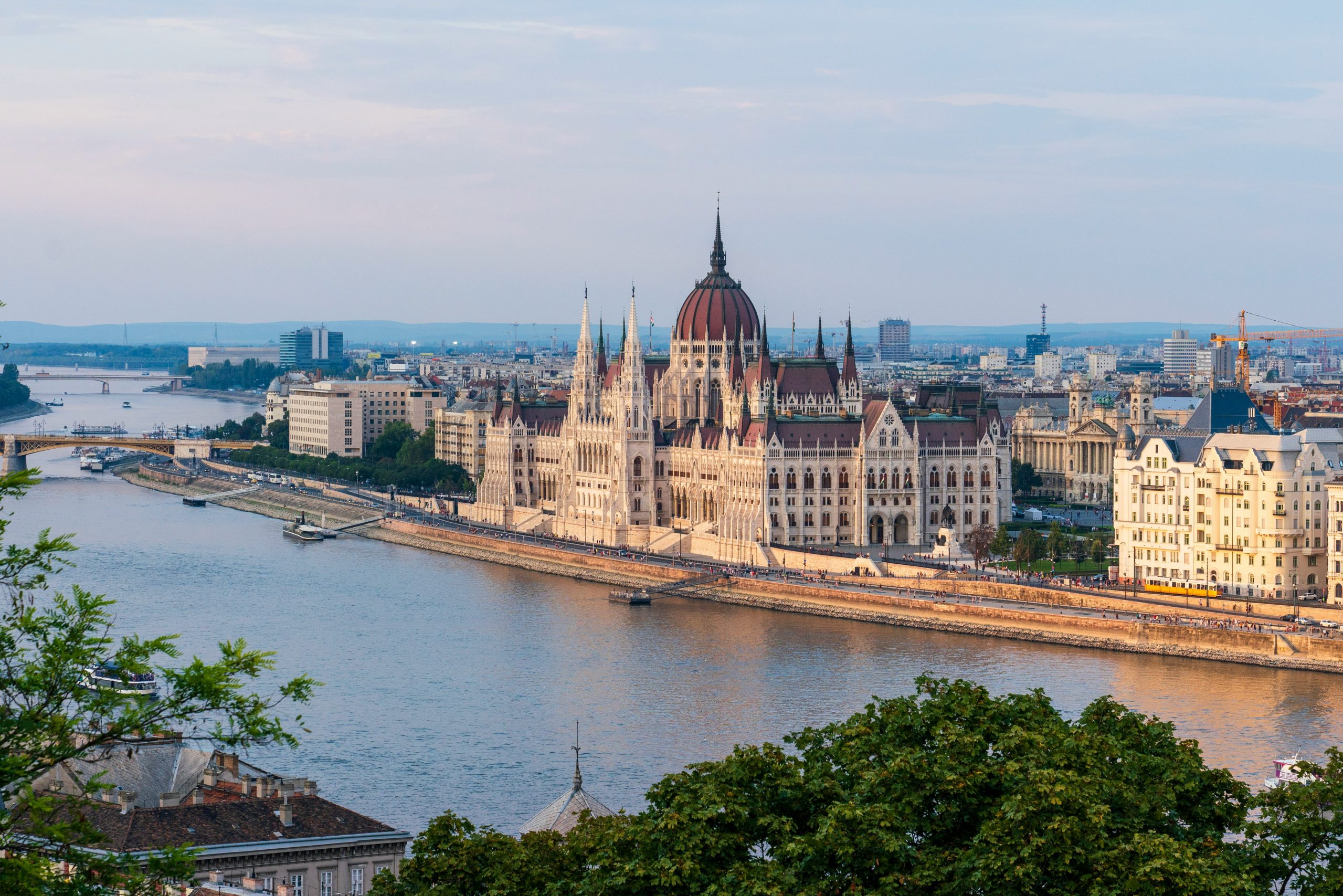
Thermal baths, ruin bars, and the most dramatic parliament building in Europe.

This city has it all!!! Budget to high end. History to night clubs. Amazing food and very walkable! Very impressed and I will come back!

A traveller, on Hostelworld
The Budapest guide
Eger

Eger

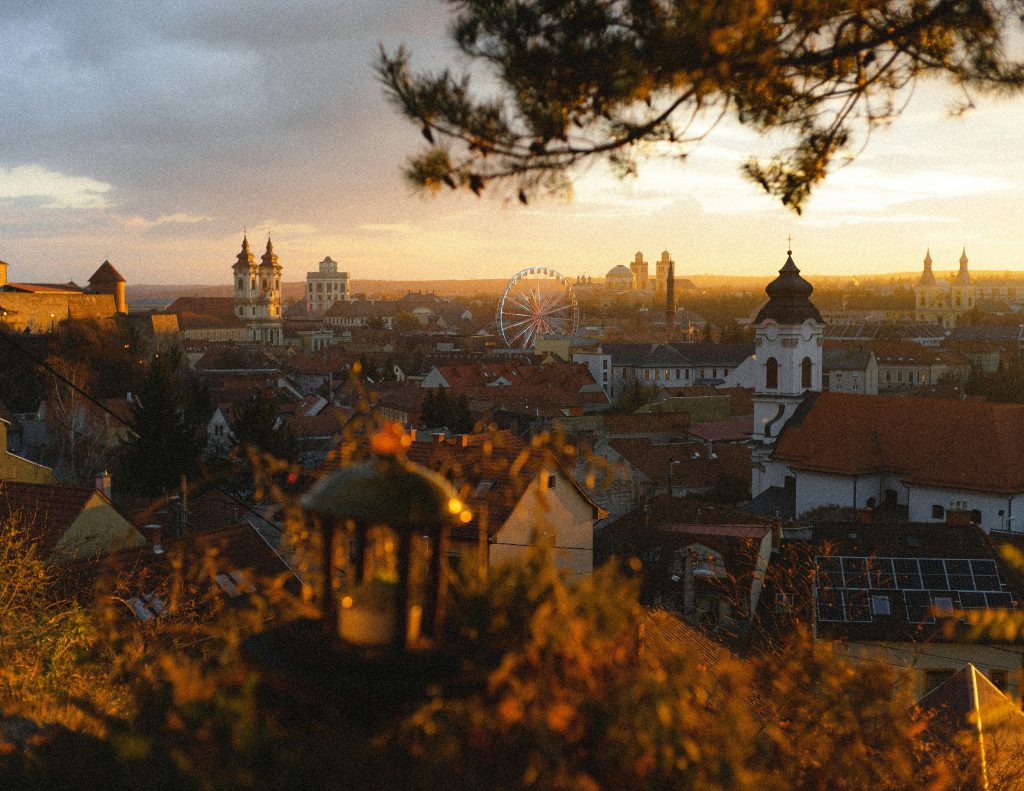
Baroque town, a castle that held off the Ottomans, and the Valley of the Beautiful Women for wine.

The Eger guide
Pécs

Pécs

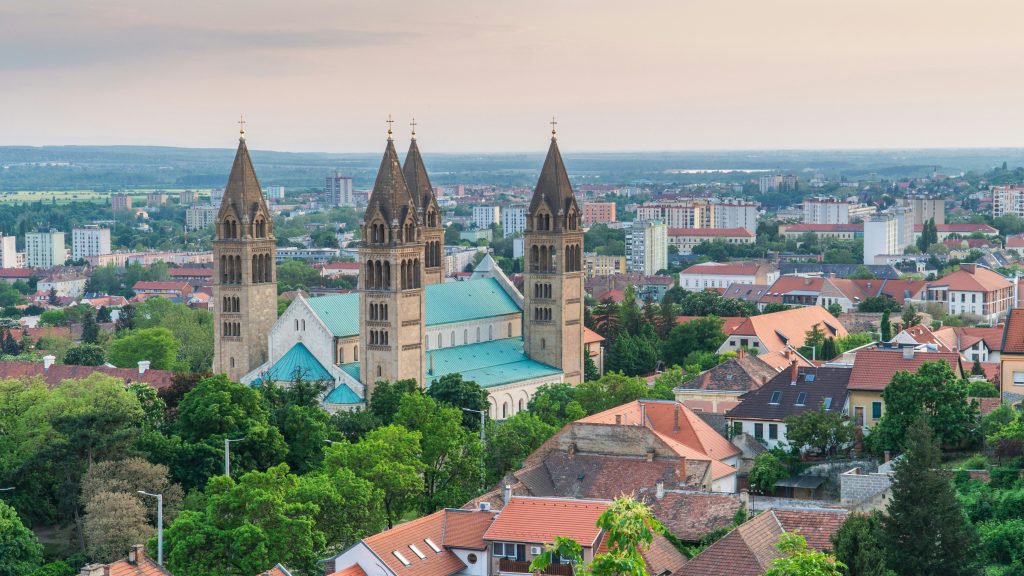
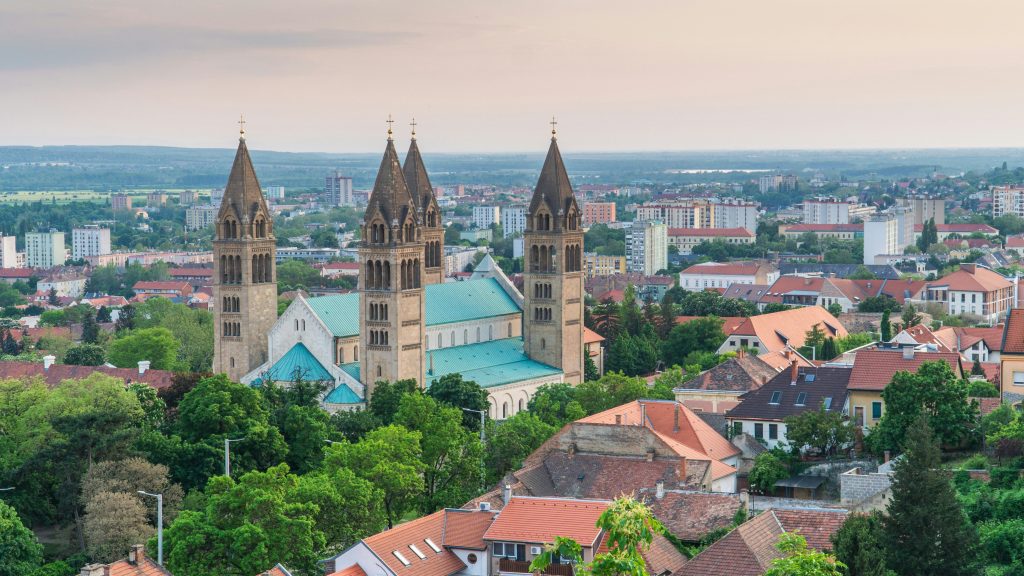
Southern, sunny and Ottoman-influenced, with a mosque converted into a church on the main square.

The Pécs guide
Szeged

Szeged

A planned city of boulevards rebuilt after an 1879 flood, with a big student population and paprika.

The Szeged guide

What kind of trip is this?

Budapest covers most of these on its own, which is unusual for a capital.

City break in Hungary

Three or four days, one city, everything walkable or one metro stop away.

What to do

  • Széchenyi baths in the morning
  • Parliament tour, booked ahead
  • Walk across the Chain Bridge at night

Spots to visit

  • District VII
  • Castle Hill
  • The Danube embankment

Best cities for it

Things to do

Things to do in Hungary

The baths are the thing to do first, not last. Széchenyi is the grand outdoor one with the chess players, Rudas the sixteenth-century Ottoman bath with a rooftop pool over the Danube, and Lukács the quieter local favourite. Gellért, the art nouveau one, is closed for renovation until 2028. Weekday mornings are calm; weekends are a crowd.

The Parliament needs booking ahead and is the best interior in the city. The House of Terror, in the former secret police headquarters, is the hardest and most important museum. The Dohány Street Synagogue is the largest in Europe.

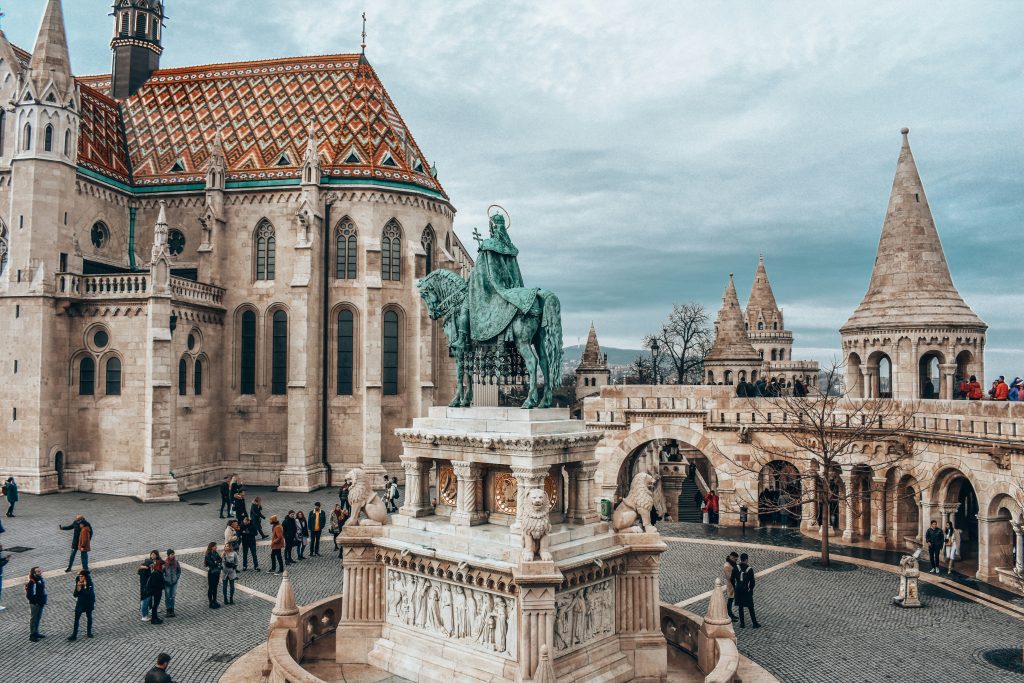
For free, walk. Castle Hill at dusk, Margaret Island in the middle of the Danube, and the Jewish quarter's courtyards, which run between streets and contain half the city's bars.

Food and drink

Eating in Hungary

Hungarian food is heavier than its neighbours' and built on paprika, pork and sour cream. Goulash is a soup rather than a stew, and anyone serving it as a stew is cooking for tourists. Pörkölt is the stew you actually want.

Lunch menus — napi menü — are the value play: two courses for around €6 to €8 in a neighbourhood restaurant, which is what office workers eat. Lángos, a deep-fried dough disc with sour cream and cheese, costs €3 at the Great Market Hall and is the classic hangover food.

Hungarian wine is genuinely good and barely exported. Egri Bikavér from Eger, dry whites from Somló, and Tokaji, which is one of the great sweet wines of the world and costs a fraction of Sauternes.

Nightlife

Going out in Hungary

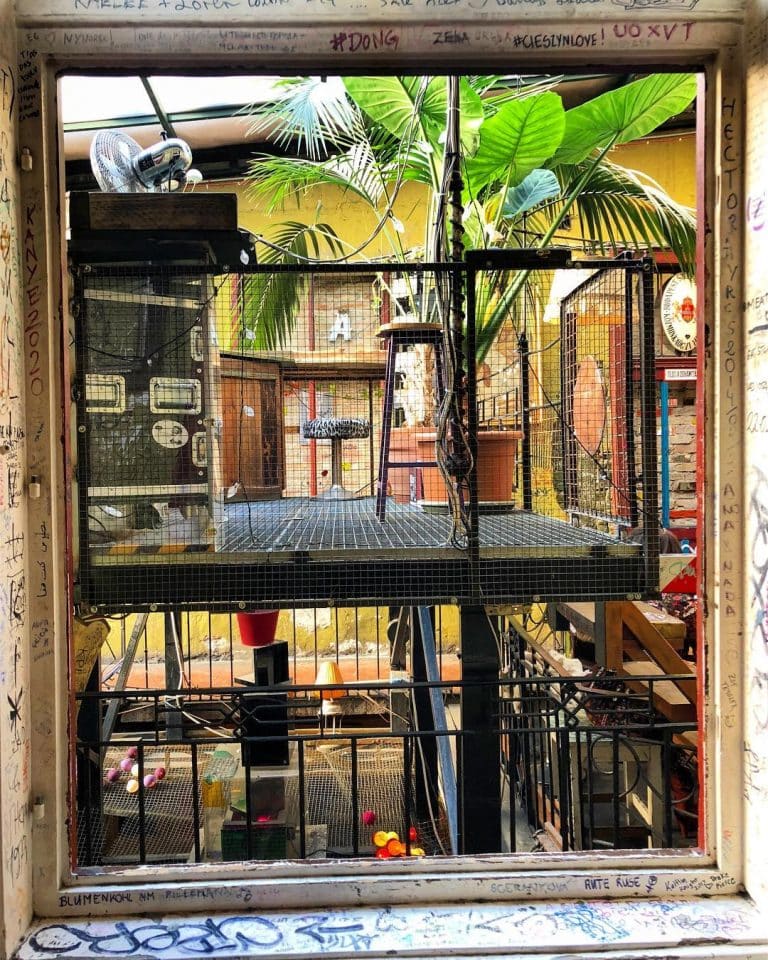
Ruin bars are Budapest's invention: derelict buildings in the old Jewish quarter filled with mismatched furniture, art and several hundred people. Szimpla Kert is the original and now firmly on the tourist trail, which does not stop it being good — go on a weeknight rather than a Saturday.

The whole of District VII is bars, and prices are low enough that a night out costs what two drinks cost in Vienna, two and a half hours up the line. A pint is around €4, less outside the centre.

Summer moves onto the water and the islands: Danube boat parties, outdoor clubs on Margaret Island, and Sziget, which is one of the largest festivals in Europe and turns the city upside down for a week in August.

Getting around

Getting around Hungary

Budapest has four metro lines, including the M1, which is the oldest underground line in continental Europe and a monument in its own right. Trams 4 and 6 run all night, and a 24-hour travel card costs a few euros and covers everything.

Between cities, MÁV trains are cheap and slow, and the network radiates from Budapest, so travelling between two provincial towns usually means going back through the capital. Buses fill the gaps.

Internationally, Budapest is well placed: Vienna in two and a half hours, Bratislava in two, Belgrade and Zagreb in six or seven. It is the natural hinge of any central European route.

Costs

What Hungary costs

Hungary is among the cheapest countries in the EU and Budapest is the cheapest capital that feels like a major European city. Dorms start around €14, a lunch menu is €6 to €8, a pint is €4, and the baths — the single biggest expense most days — run from about €15 at Rudas or Lukács to €35–40 at Széchenyi, depending on the day and whether you want a cabin.

The forint, not the euro, is the currency, and exchange rates at airport and tourist-strip booths are poor. Withdraw from a bank ATM and always decline the machine's own currency conversion.

Sziget week in August is the exception to every figure here, when beds can double.

Safety

Staying safe in Hungary

Budapest is a safe city and walking home at night in the central districts is unremarkable. The problems visitors have are financial rather than physical.

The standard scam is the bar bill: a handful of venues on the tourist strips, and anyone who approaches you on the street offering to take you to a bar, will charge extraordinary amounts. Look at prices before ordering, and never follow someone from the street to a venue.

Taxis are the other one. Use Bolt or a dispatched Főtaxi rather than hailing on the street, especially outside clubs. Pickpocketing exists on trams 4 and 6 and around the main stations, at the usual level for a European capital.

Entry and documents

Entry and documents

Hungary is in the Schengen area but not the eurozone. EU citizens need an ID card; UK, US, Canadian and Australian passport holders get 90 days in any 180 across the whole Schengen zone.

Passports need three months' validity beyond departure and to have been issued within the last ten years. ETIAS has been delayed repeatedly, so check the official EU site.

The currency catches people out more than the paperwork. Prices are in forint, one euro is worth several hundred of them, and mentally dropping two zeros is the quickest way to sanity-check a bill.

When to go

Budapest works all year, which not every capital does. Summer is hot and busy, winter is cold and atmospheric, and the baths make February genuinely appealing.

2°
Jan
Cold and cheap. Outdoor baths in the snow are the point
5°
Feb
Still winter, still empty, still lovely at Széchenyi
11°
Mar
Spring arrives. Prices low, days lengthening
17°
Apr
Excellent. Terraces open, city green
22°
May
The best month. Warm, long evenings, not yet busy
25°
Jun
Warm and busy. Danube boat season starts
28°
Jul
Hot. The city empties for Balaton at weekends
28°
Aug
Sziget week doubles prices and fills every bed
23°
Sep
Excellent again. Wine harvest in Eger and Tokaj
17°
Oct
Cool and quiet. Best value of the year
9°
Nov
Grey, cheap, and bath weather
4°
Dec
Christmas markets and mulled wine, then a New Year spike
Bar height is temperature. Colour is how busy it gets: quiet busy peak

Average highs for Budapest. The city is continental — properly cold in winter and hot in July — with little coastal moderation.

What your trip will cost

Pick how you travel and how long for. Per night, for one person, outside Sziget week.

Prices are in forint locally; these are euro equivalents. A bath visit at €15–40 is the main variable, and worth budgeting separately.

—
  • Beds—
  • Food and drink—
  • Getting around—
  • Doing things—
What's on

What is on while you are there

One of these fills the city entirely. The rest are worth planning around in a good way.

Hungary travel questions

The ones we get asked most.

How many days do you need in Budapest?
Three as a minimum — the baths, the Parliament, the Jewish quarter and Castle Hill. Five lets you take it slowly and add a day trip to Szentendre or the Danube Bend, which is how the city is best enjoyed.
Is Budapest cheap?
It is the cheapest capital in Europe that feels like a major city. Dorms from €14, a lunch menu at €6 to €8, a pint at €4. The baths are the one real expense, from about €15 at Rudas to €35–40 at Széchenyi.
Which thermal bath should I go to?
Széchenyi for the grand outdoor pools and the chess players, Rudas for the 16th-century Ottoman bath and a rooftop pool over the Danube, and Lukács for a quieter local bath. Gellért, the art nouveau one, is closed for renovation until 2028. Weekday mornings are much quieter than weekends.
Does Hungary use the euro?
No. The currency is the forint, and the exchange rate means prices look alarming until you drop two zeros. Cards are accepted almost everywhere; avoid airport and tourist-strip exchange booths.
What are ruin bars?
Bars built inside derelict buildings in the old Jewish quarter, filled with salvaged furniture and art. Szimpla Kert is the original. They are busiest at weekends and much better on a weeknight.
Is Budapest safe?
Yes, with a specific caution: a few bars on the tourist strips overcharge dramatically, and anyone approaching you in the street offering to take you somewhere is running that scam. Check prices, and use Bolt rather than street taxis.
Is there anything to see outside Budapest?
Eger for wine and a castle, Lake Balaton in summer, Tokaj for the sweet wine, Pécs in the south for an Ottoman-influenced old town. Hostel infrastructure is thin outside the capital, so most people use Budapest as a base.

Say yes to hostels, meet the world

Compare hostels across Hungary — live prices, real reviews and free cancellation on most bookings. Then meet the people already there in the app.

Get the App. QRGet the App.
Get the App. QR  Get the App.
Scroll to Top