District V, Belváros
First-timersThe inner city: the parliament, the basilica, the river promenade and the main shopping street.
12 hostels · from €6
Hostels here

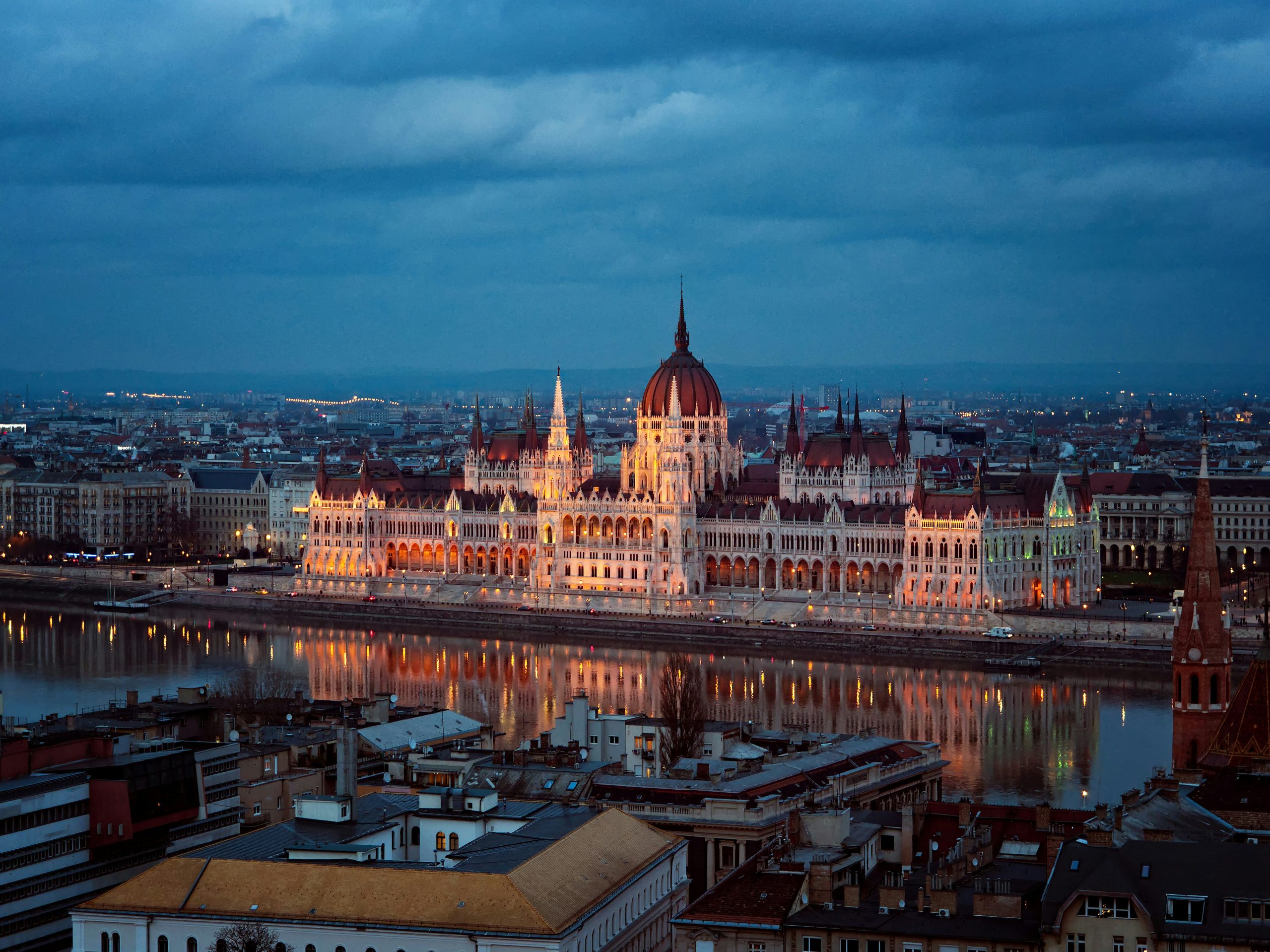
Thermal baths fed by hot springs under the city, bars built into derelict buildings, and the most theatrical parliament in Europe — at central European prices.
Budapest was Buda and Pest until 1873 — hills, castle and quiet on the west bank, flat grid and noise on the east. The Danube between them is wide, fast and lined on both sides with buildings designed to be looked at from the water.
Underneath it all is hot water. More than a hundred thermal springs feed the bath houses, which range from Ottoman domes built in the sixteenth century to enormous neo-baroque complexes where people play chess in the steam.
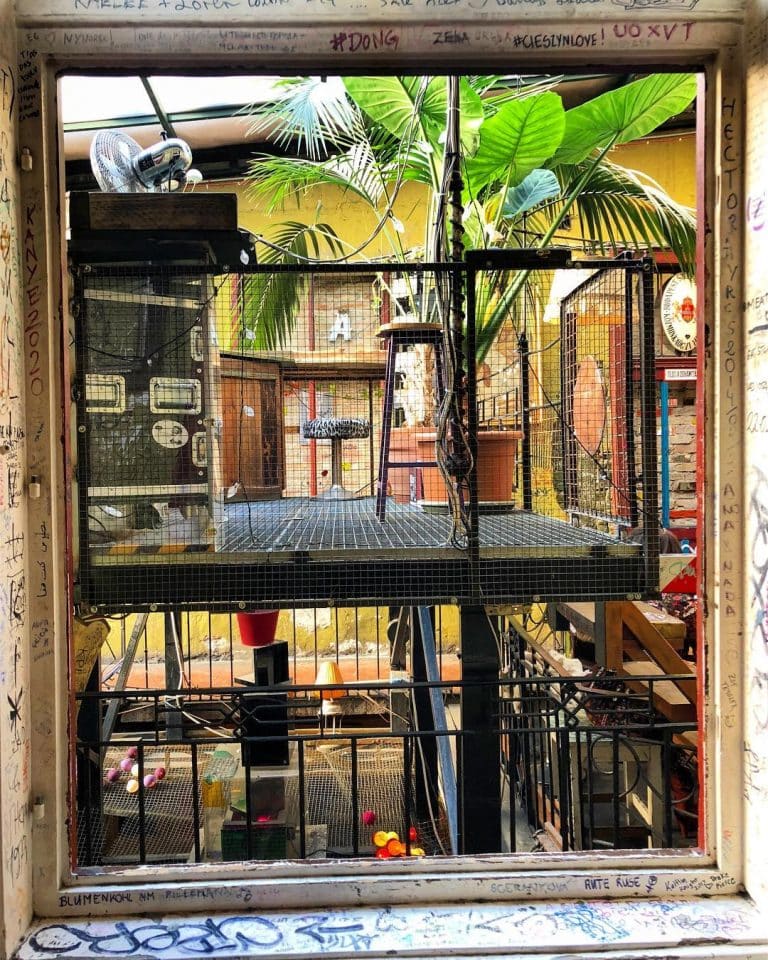
The ruin bars came out of the old Jewish Quarter in District VII, where derelict pre-war buildings were filled with mismatched furniture and left deliberately unfinished. The first and most famous is still going and the district around it is now the nightlife centre of central Europe.
The history is heavy and well presented — the Shoes on the Danube memorial and the House of Terror both deal with the Arrow Cross and the state security years directly.
It is cheaper than western Europe and not as cheap as it was. Three or four days.
Flat, dense Pest on one bank; hills and quiet on the Buda side.
The inner city: the parliament, the basilica, the river promenade and the main shopping street.
Along Andrássy út: the opera house, wide boulevards, restaurants and good transport.
The ruin bar district: the Great Synagogue, dense bars and the loudest nights in the city.
The west bank: the castle hill, Fisherman's Bastion, the Ottoman baths and far fewer people.
East: cheaper beds, the main international station and a short metro ride into the centre.
Orange labels are neighbourhoods, dots are the 12 top-rated hostels. Map © MapTiler © OpenStreetMap contributors.
Go to a bath. Széchenyi in the City Park is the big neo-baroque one with outdoor pools that stay hot in winter and the chess players everyone photographs. Gellért is art nouveau and more ornate. Rudas is the Ottoman one, built in the sixteenth century with an octagonal pool under a domed roof, and it has a rooftop pool over the Danube. Entry runs roughly 8,000 to 12,000 HUF — about €20 to €30 — and varies by bath, by day and by whether you want a cabin or a locker.
The parliament is the other headline, and tours must be booked ahead. Note that ticket prices differ for EU and non-EU citizens, with non-EU visitors paying significantly more — check which applies to you before booking.
The Shoes on the Danube Bank is free: sixty pairs of iron shoes on the embankment, marking where Arrow Cross militia shot Jewish Hungarians into the river in 1944 and 1945.
The House of Terror, in the former secret police headquarters on Andrássy út, covers both the fascist and communist regimes.
Then ride the Millennium metro, line 1, opened in 1896 and the oldest underground railway in continental Europe.
The Shoes on the Danube Bank memorial is free and open at all hours.
Walking the Danube embankments on both sides costs nothing, and the view from the Pest side back to the castle and the Fisherman's Bastion at night is the image of the city.
Fisherman's Bastion charges for the upper terraces in daylight hours but the lower levels are free, and the whole thing is free outside those hours.
Margaret Island, in the middle of the Danube, is a free park with a musical fountain, running track and ruins.
Gellért Hill is a free climb to the Citadella with the best panorama in Budapest, and the Great Market Hall is free to walk through — the upstairs food stalls are a cheap lunch rather than a free one.
Goulash is a soup here, not a stew — gulyás is a paprika-heavy broth with beef and vegetables, and the thick stew foreigners expect is called pörkölt. Ordering confidently and getting soup is a standard visitor experience.
Lángos is the street food: deep-fried dough with sour cream and cheese, around 1,500 to 2,500 HUF (about €4 to €6).
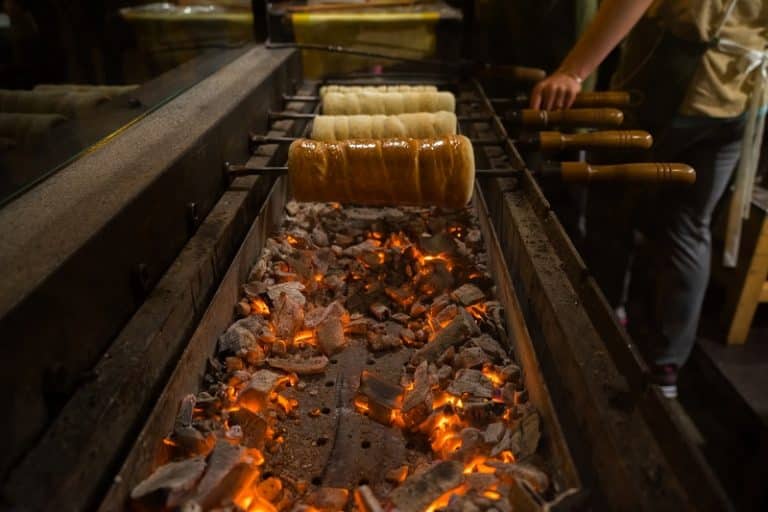
Kürtőskalács, the spiral chimney cake sold everywhere, is Transylvanian rather than Hungarian, which locals will point out.
A main in a normal restaurant is 4,000 to 7,000 HUF, roughly €10 to €18, and the Great Market Hall's upper floor does lunch for less.
Pálinka is fruit brandy at 40 per cent and up, often homemade and stronger. Unicum is the bitter herbal liqueur. Tokaji is the famous sweet wine, and Hungarian dry whites are seriously underrated.
A beer is 1,200 to 2,000 HUF, about €3 to €5.
District VII, the old Jewish Quarter, is the centre of it. Ruin bars occupy derelict pre-war buildings and courtyards, filled with salvaged furniture and left deliberately unrestored — Szimpla Kert was the first and is now a fixture on every itinerary, which means it is busy and touristed without having stopped being good.
The streets around it — Kazinczy, Király, Dob — hold dozens more, and prices drop the further you get from the main drag.
A beer is 1,200 to 2,000 HUF (about €3 to €5) and cocktails €6 to €10.
Budapest is a major stag and hen destination and District VII is where those groups concentrate, particularly at weekends.
Bath parties, held at Széchenyi on some Saturday nights, are a separate and expensive thing — they are club nights in a thermal bath rather than a bathing experience.
Metro, trams and buses run on one ticket at around 450 HUF (about €1.15), with a 24-hour travelcard at roughly 2,500 HUF (about €6) that most visitors should just buy.
Validate single tickets — in the machines at metro entrances or on board trams and buses. Inspectors are frequent, visible and unsympathetic, and the fine is substantial.
Tram 2 along the Pest embankment costs a normal fare and gives the best view in the city, which makes it the cheapest sightseeing anywhere here.
From the airport, bus 100E runs to the centre for around 2,200 HUF (about €5.50) and is the straightforward option.
Use Bolt or a booked taxi rather than hailing one on the street — street taxis overcharging visitors is a long-standing problem.
Trains reach Vienna in two and a half hours and Eger, Pécs and Szeged in two to three.
Cheaper than western Europe and rising steadily. Dorms are €12 to €28, a main €10 to €18, and a beer €3 to €5. A day is €35 to €70.
You pay in forint, not euros. Hungary is in the EU but has kept its own currency, and places that accept euros use poor rates.
Exchange carefully. Use a bank or an established bureau in the centre, never a street tout, and never an exchange office that advertises a rate without showing the commission. Airport exchange rates are poor. Cards are widely accepted and are usually the simplest answer.
The baths at about €20 to €30 are the main spend and worth it.
Check whether service has been added to a restaurant bill before tipping again — some places add 12 to 15 per cent automatically.
Budapest is a safe city with low violent crime, and the problems visitors hit are commercial rather than physical.
Currency exchange is the first one. Street offers of a good rate are a scam, and some bureaux advertise a headline rate then apply a large commission. Use a bank or a well-reviewed exchange office, and count what you are handed before leaving the counter.
Taxis are the second. Hailing on the street, particularly near tourist areas and the airport, is where overcharging happens. Use Bolt or have a venue call one.
The third is inflated bills, historically associated with a handful of bars near Váci utca and with venues that use street promoters to bring people in. Check prices before ordering, and be wary of anyone approaching you on the street to recommend a bar.
Drink spiking has been reported in the District VII nightlife area. Watch your drink, stay with your group.
The Danube is fast, cold and has steep stone embankments with no railings in places. Emergency number is 112.
A Danube bend, a wine valley and central Europe's biggest lake.
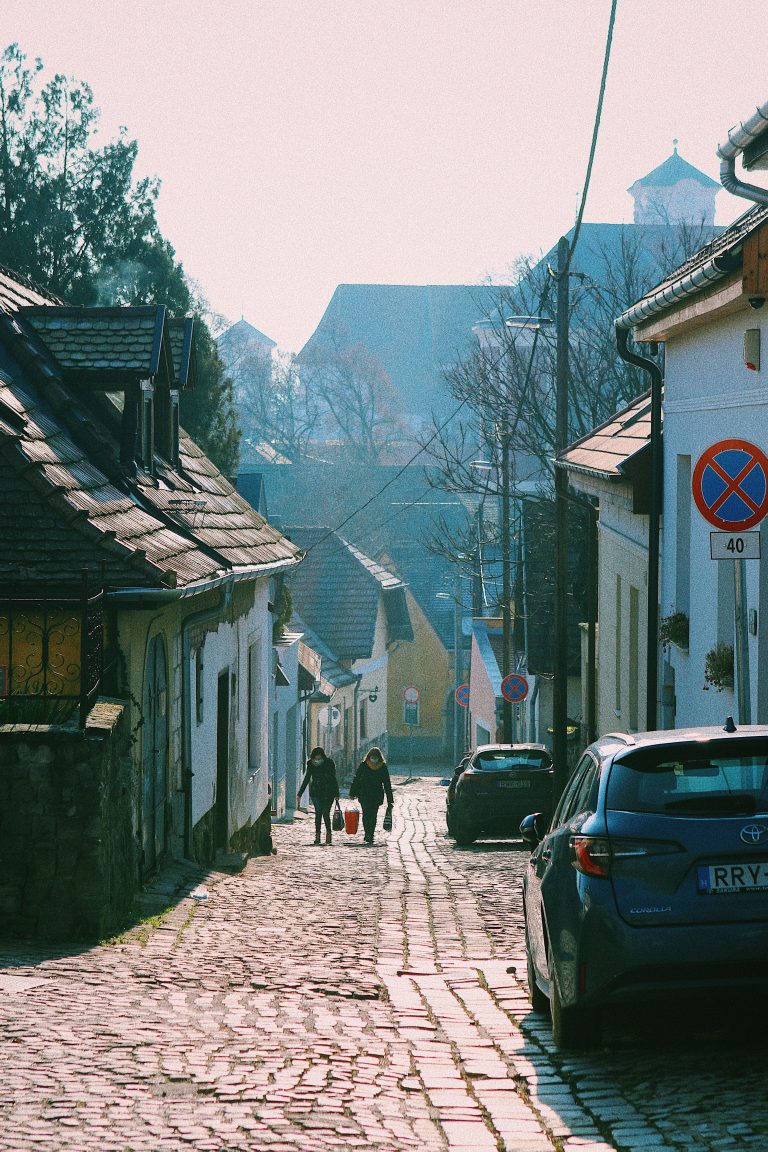
A riverside town of baroque houses, galleries and Serbian Orthodox churches on the Danube Bend.
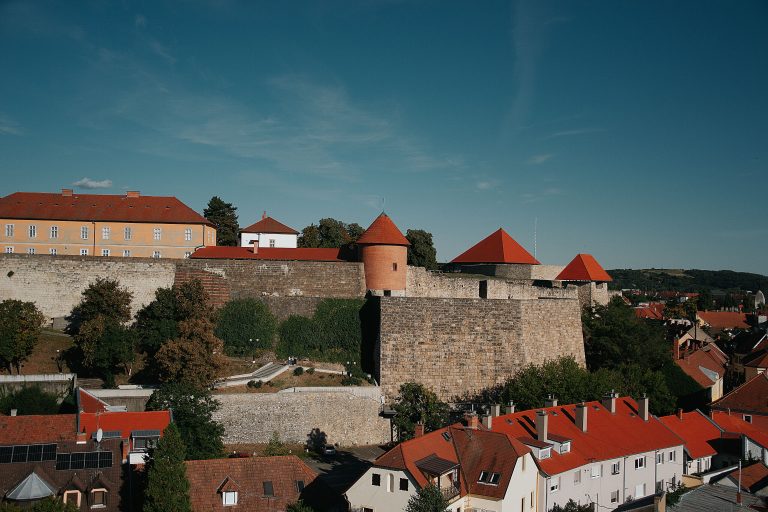
A baroque town with a castle that held off the Ottomans and a valley of wine cellars outside it.
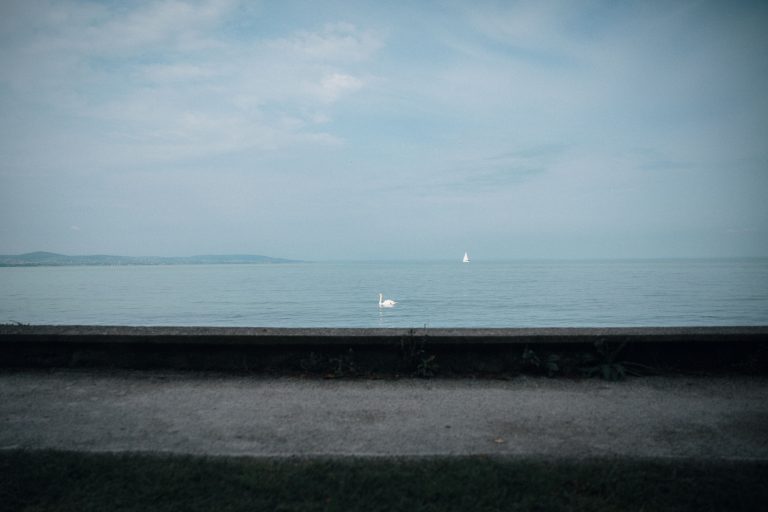
The largest lake in central Europe, with swimming, vineyards on the north shore and resort towns on the south.
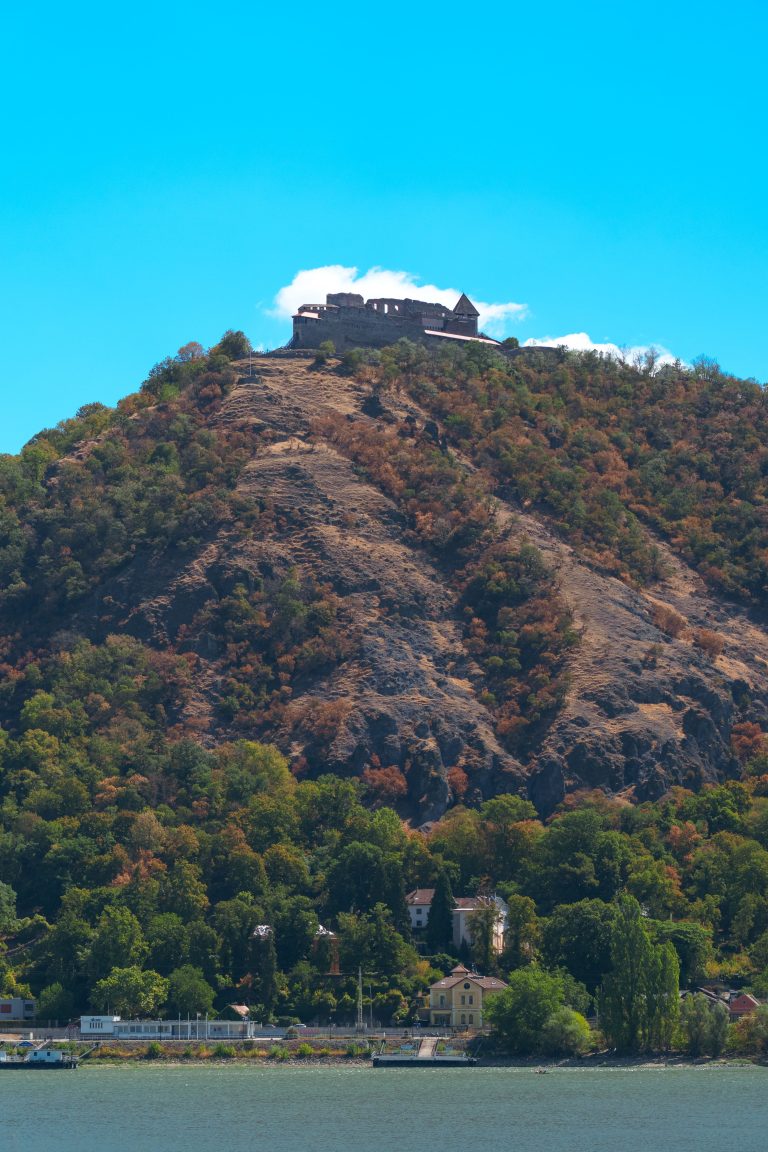
A hilltop citadel over the Danube Bend and Hungary's largest basilica, on the Slovak border.
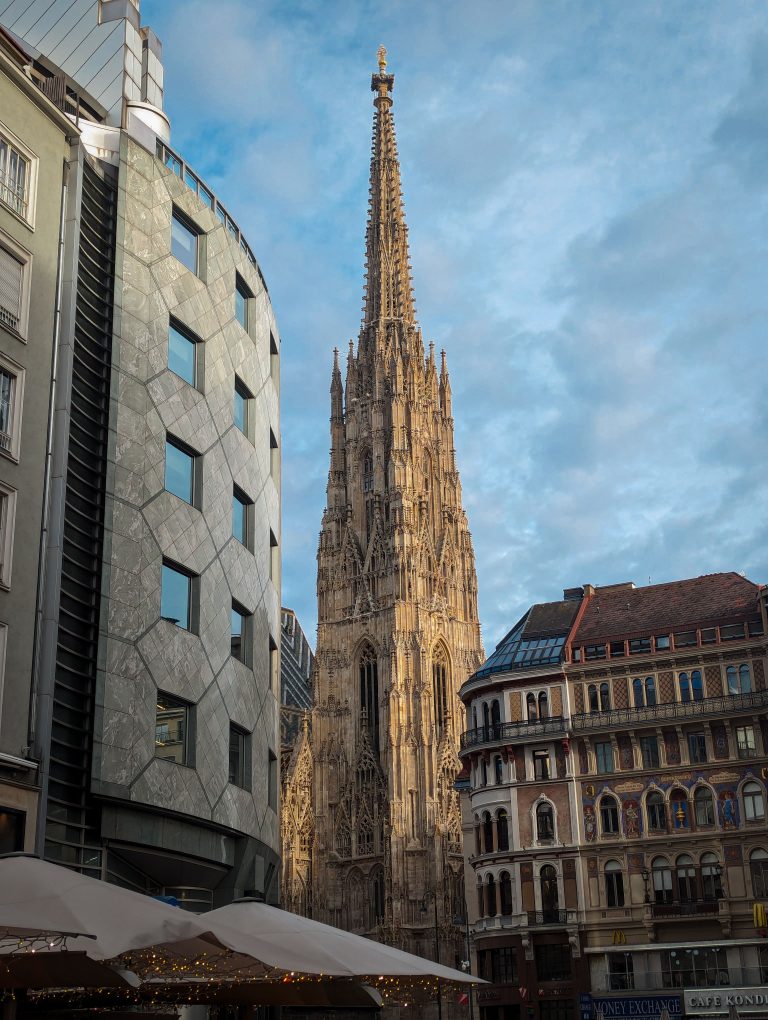
A different country and a much more expensive one, easy as a long day.
One of Europe's largest festivals, on an island in the Danube.
 Staff pick
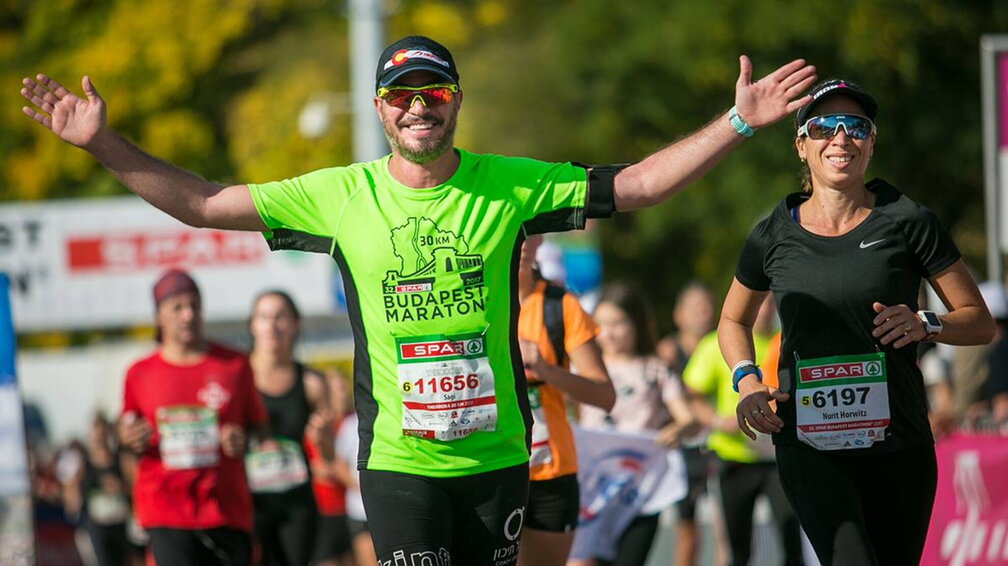
The SPAR Budapest Marathon Festival is Hungary’s largest running event, drawing over 40,000 participants to the heart of Budapest each autumn. Runners of all…
 Staff pick
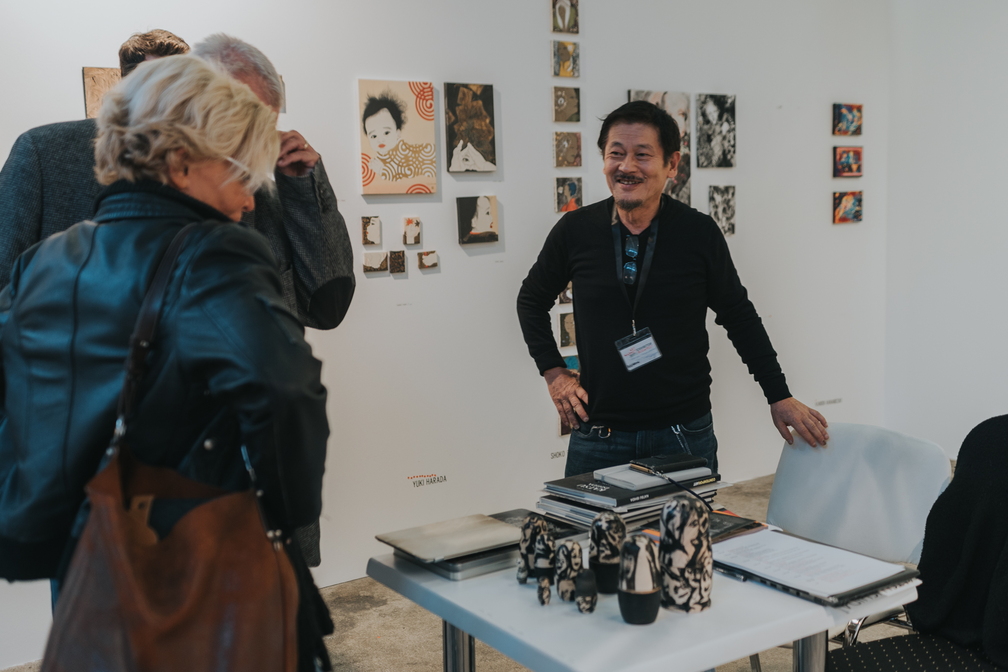
Art Market Budapest is a leading international contemporary art fair that has been drawing art lovers to Hungary since 2011. Hosted at the MTK…

Deep Purple, a legendary hard rock band, will perform in Budapest on October 2, 2026. The concert celebrates their enduring influence on rock music,…
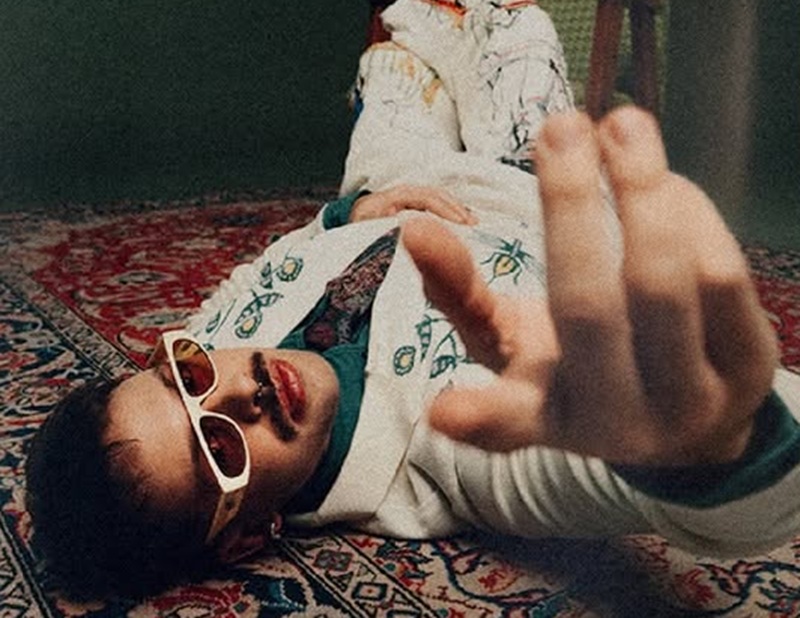
Dzsúdló returns to Budapest Park with a new album and a special double concert event. Across two nights, you'll experience two different musical styles,…
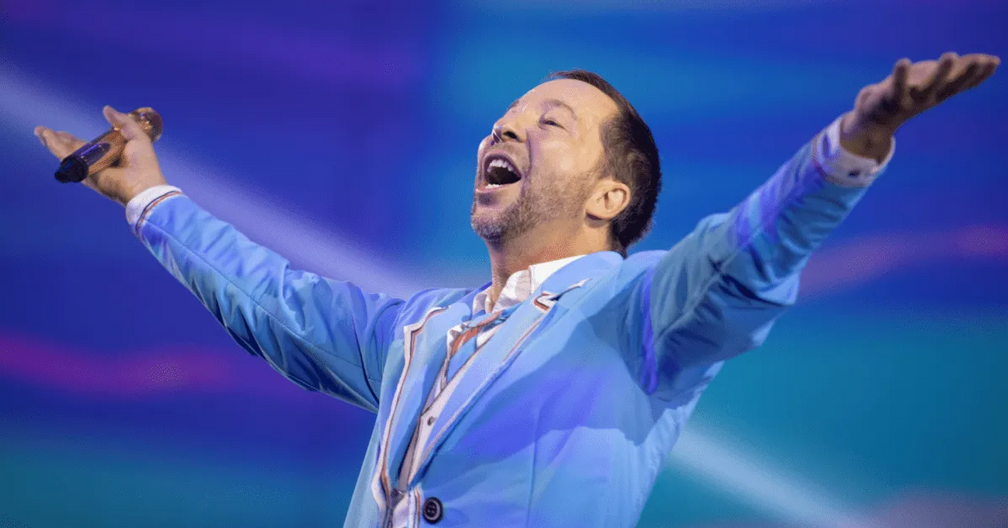
DJ BoBo returns to Hungary with his 2026 Arena Tour, performing at the MVM Dome for the first time. Expect a grand production with…
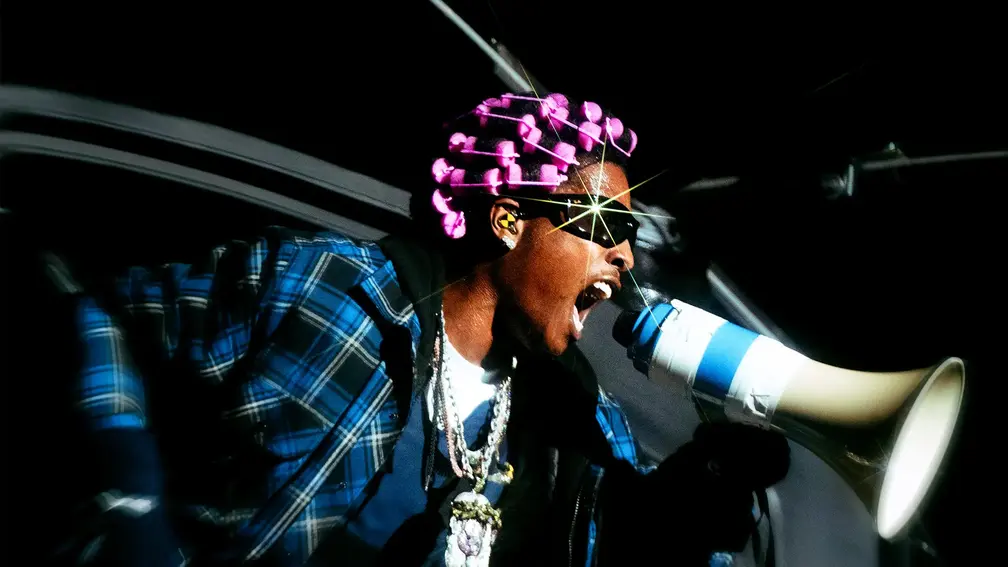
A$AP Rocky is bringing his Don’t Be Dumb World Tour to Budapest, showcasing songs from his latest album. The tour marks a significant return…

The Arena Retro Party 7 brings back the biggest live show of the 80s with a lineup of both international and Hungarian stars performing…
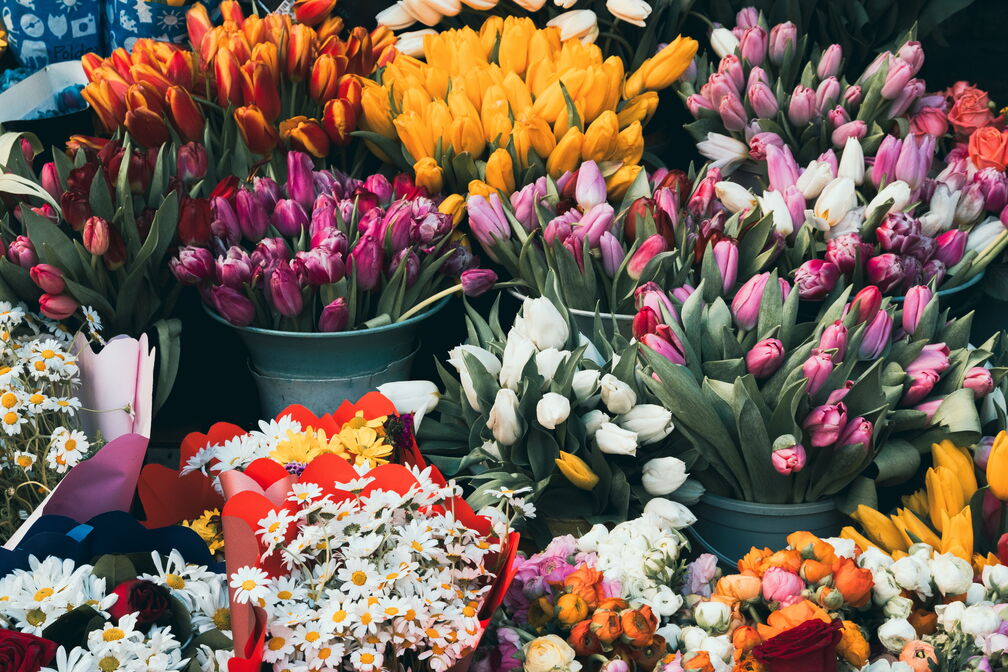
The Flower Fair brings a vibrant selection of blooms and plants to brighten your days. It runs from November 1 to November 3, offering…
A large scene concentrated in Districts VI and VII, at some of the lowest prices in the EU. Live from Hostelworld.
April to June and September to October. The outdoor baths are better in winter than summer.
Average highs. The outdoor thermal pools are kept at bathing temperature year-round, which makes sitting in one at minus five with snow on the ground a better experience than the same pool in August.
Pick how you travel. Per person per night, in euros — you will pay in forint.
Shown in euros for comparison; Hungary uses the forint and places accepting euros use poor rates. A bath at €20 to €30 sits in the doing line.
The ones we get asked most.

Compare Budapest hostels — live prices, real reviews and free cancellation on most bookings. Then meet the people already there in the app.

 Get the App.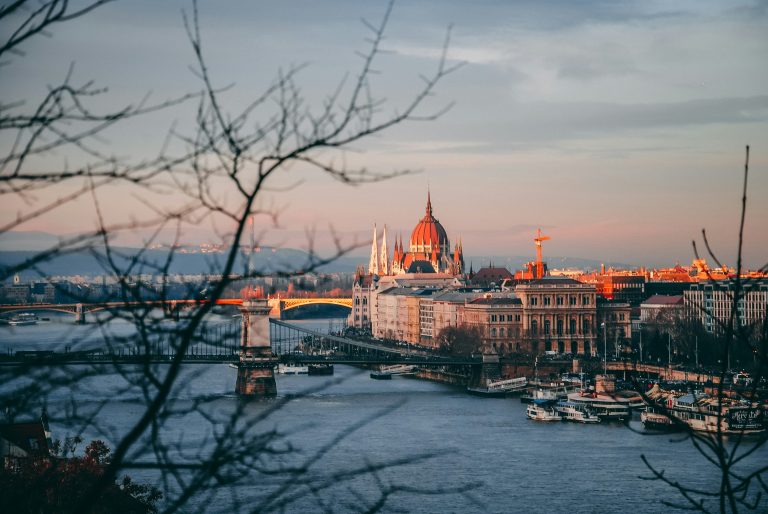



 Get the App.