Ireland
Ireland country guide

Things To Do In Ireland

A small island with an outsized reputation for welcome, and it mostly holds up. Dublin for the pubs and the history, the west coast for the reason people actually come.

€25
Dorm bed, from
2,500km
The Wild Atlantic Way
3h
Dublin to Galway by bus
40
Shades of green, allegedly

Dublin is the start, not the trip

Most visits to Ireland are a long weekend in Dublin, and Dublin is a good city — Trinity College, the Guinness Storehouse, a pub scene that genuinely does have live music most nights of the week. It is also the most expensive part of the country and the least like the rest of it.

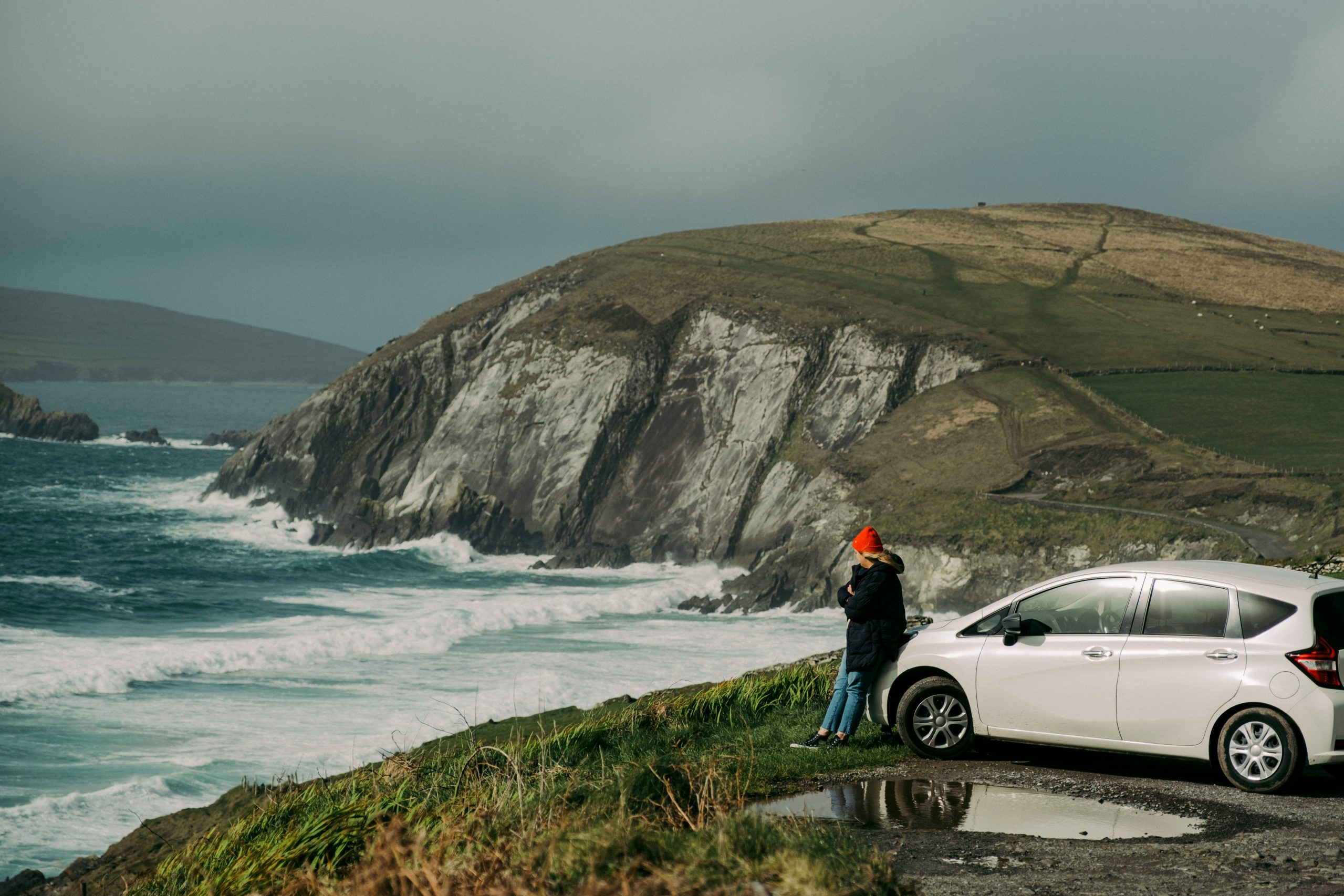
The west is what people picture. Galway is a small city that feels like a permanent festival, the Cliffs of Moher and the Burren are an hour from it, and the Wild Atlantic Way runs 2,500km from Cork up to Donegal through some of the emptiest coastline in Europe.

A week is the honest minimum for both halves: three days in Dublin, three or four on the west coast, with the bus doing the work. Two weeks lets you drive the Wild Atlantic Way properly, which is the best thing you can do on this island.

Where to go

Buses reach everywhere and trains link the cities. The west is where most trips end up.

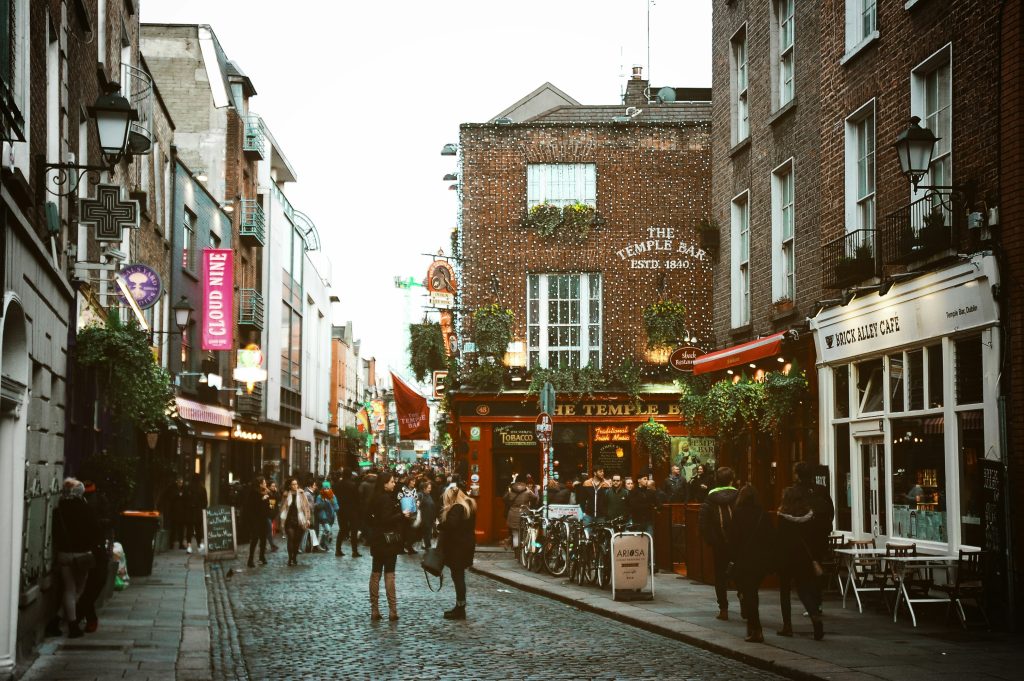
Dublin

Dublin

18 hostels · dorms from €15

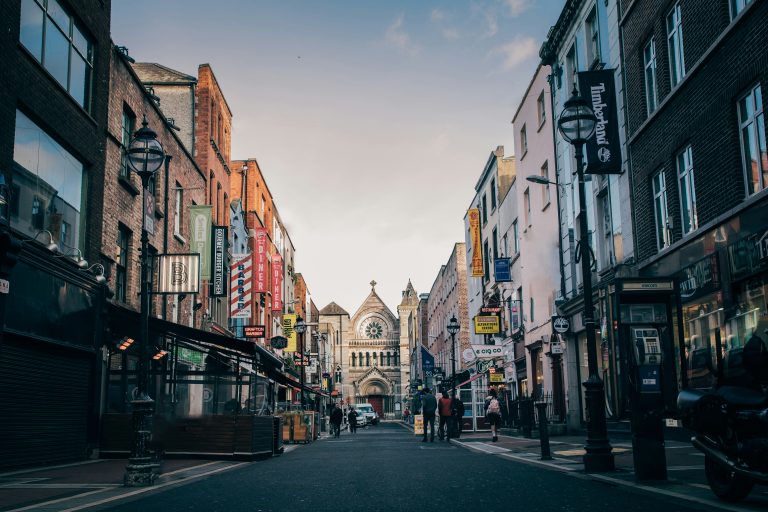
Pubs, Trinity College, the Book of Kells and more history than the size suggests. Expensive, and worth three days.

If you’ve never been in Dublin, you’re missing a lot really. Go to Dublin and explore! Enjoy your moment

A traveller, on Hostelworld
The Dublin guide
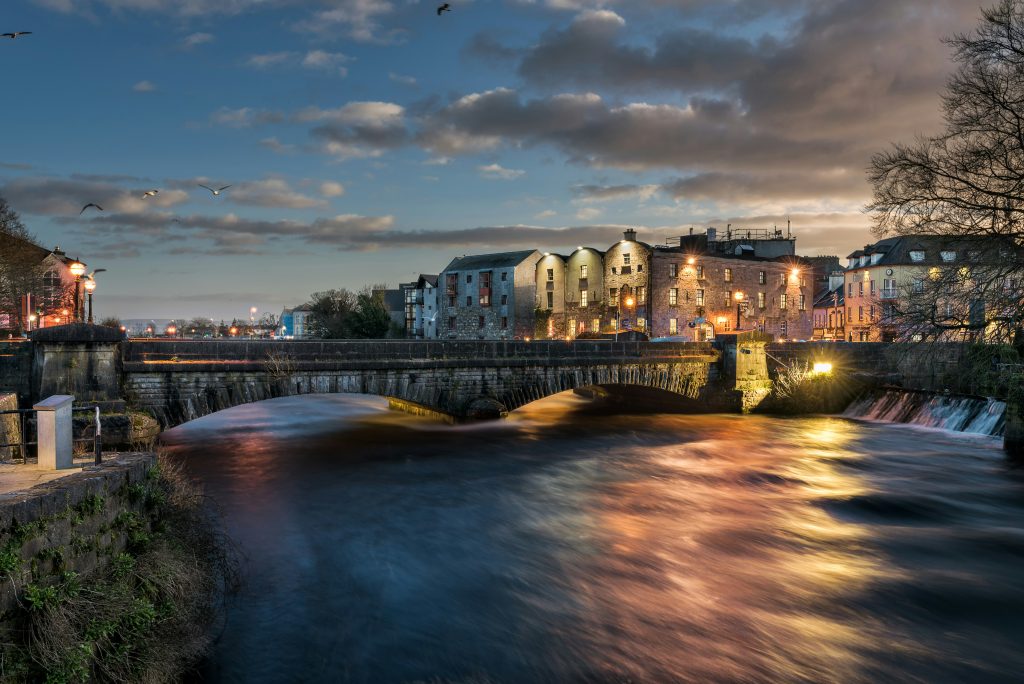
Galway

Galway

9 hostels · dorms from €17

The best small city in Ireland: music in every pub, students everywhere, and the Atlantic an hour away.

Such a beautiful city with wonderful people. Will definitely be going back.

A traveller, on Hostelworld
The Galway guide
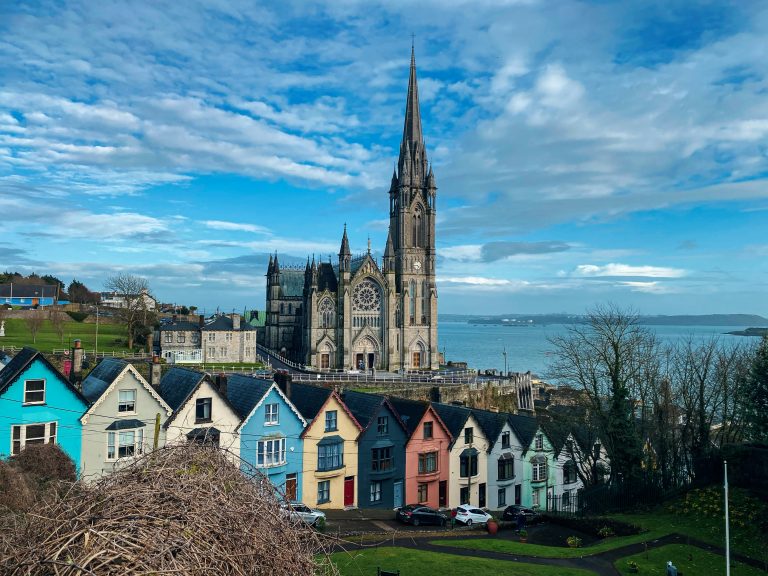
Cork

Cork

4 hostels · dorms from €16

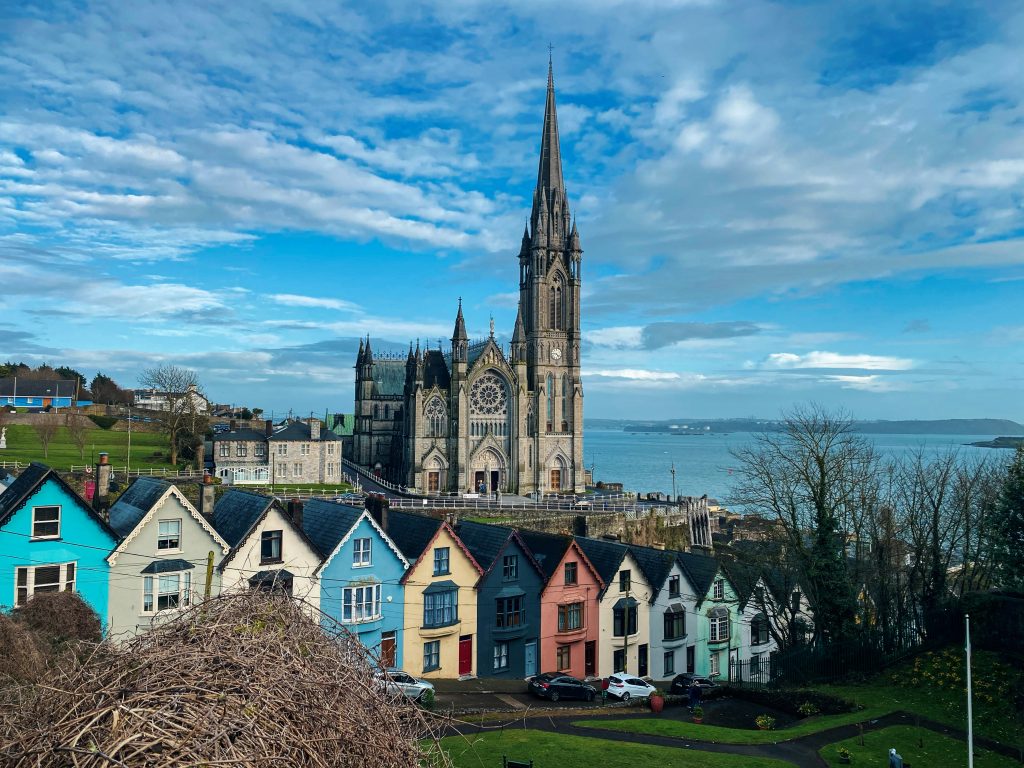
The rebel city. A proper food scene, cheaper than Dublin, and the gateway to the south west.

Cork has such a rich history and is so close to so much. I really love the vibe and the people here.

A traveller, on Hostelworld
The Cork guide
Killarney

Killarney

3 hostels

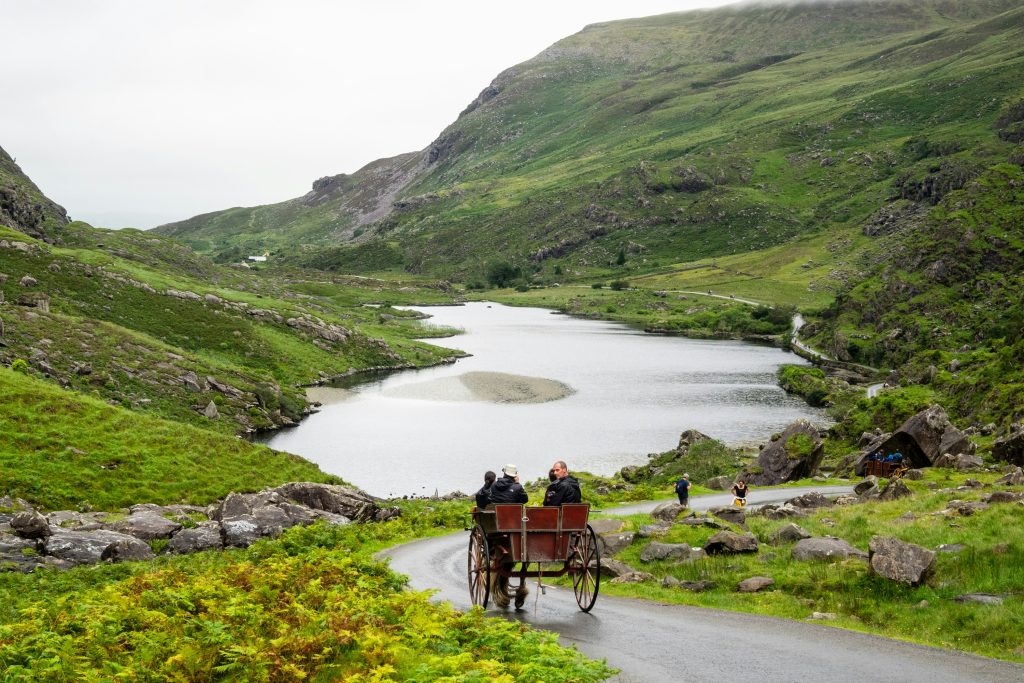
The base for the Ring of Kerry and the national park. Touristy in July, superb in May.

Killarney is very charming and a nice city to go to.

A traveller, on Hostelworld
The Killarney guide
Dingle

Dingle

2 hostels

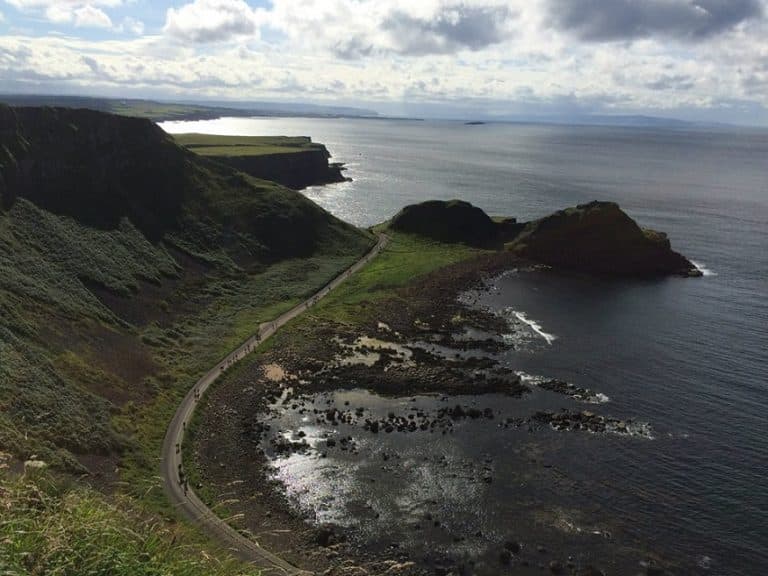
A peninsula town at the western edge, with a coastal drive that beats the Ring of Kerry.

Co. Kerry is gorgeous and Dingle is a sweet little seaside town. Tiny, but feels a bit bigger than most such places perhaps bc there are many options for food, shopping and activities, not to mention pubs.

A traveller, on Hostelworld
The Dingle guide
Kilkenny

Kilkenny

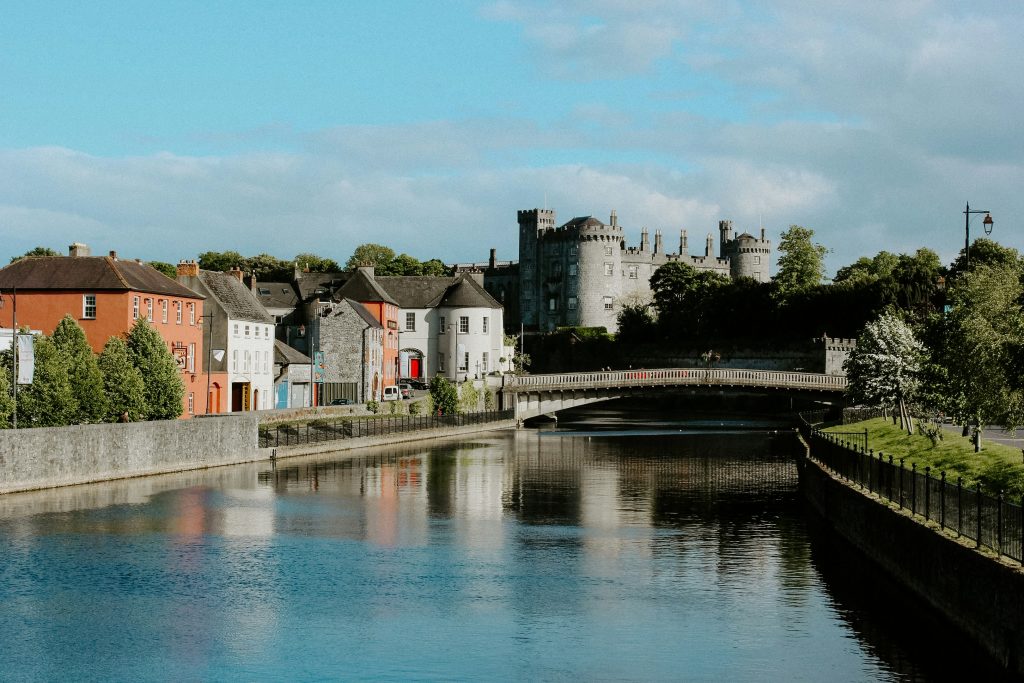
A medieval city on the Nore with a castle, a brewery and the best-preserved centre in the east.

The Kilkenny guide
Limerick

Limerick

1 hostel

On the Shannon, a rugby city with a Georgian core and the gateway to the west coast road.

The Limerick guide
Westport

Westport

1 hostel

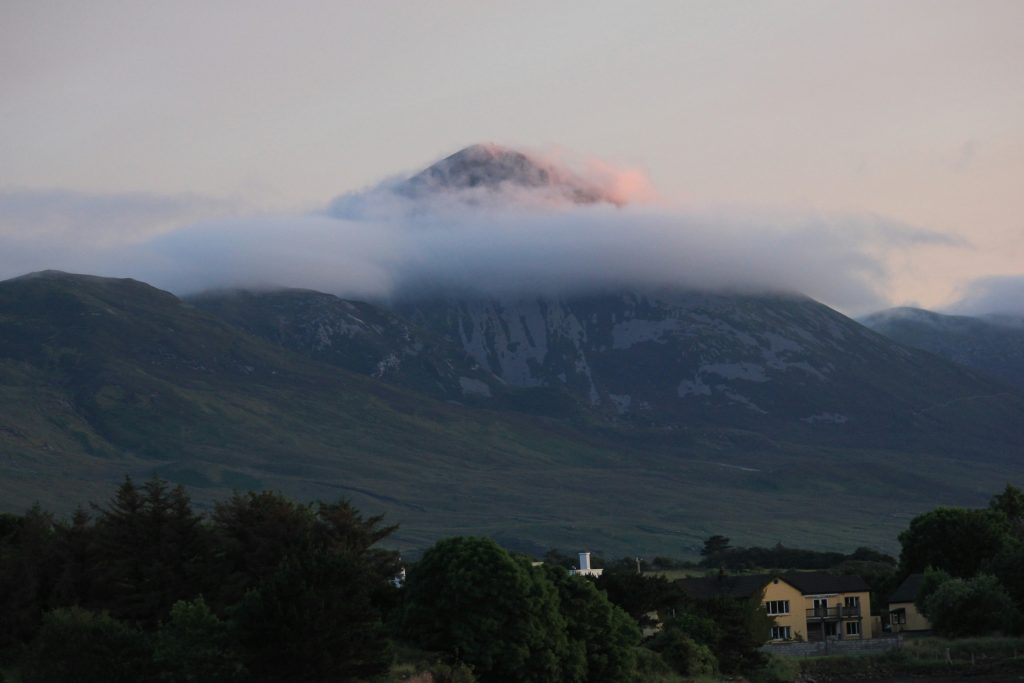
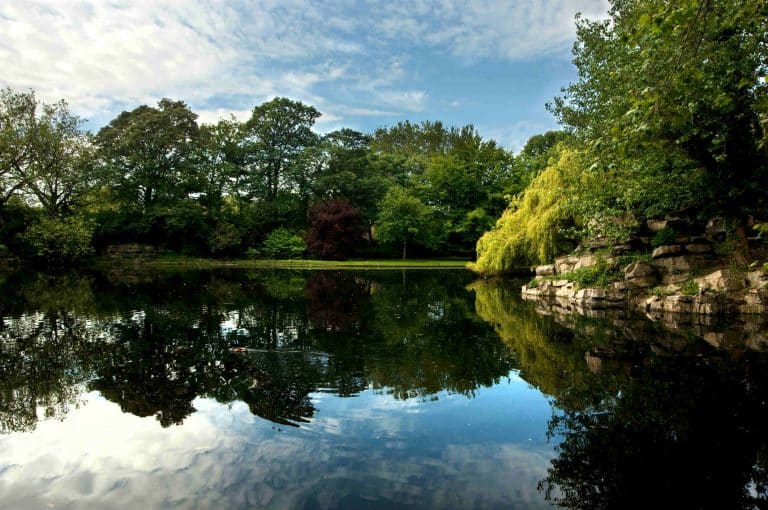
A planned Georgian town under Croagh Patrick, and the start of the Great Western Greenway.

Wonderful place with everything central !

A traveller, on Hostelworld
The Westport guide

What kind of trip is this?

Ireland is at its best outdoors and in pubs, which is a wider range than it sounds.

City break in Ireland

Three or four days, one city, a lot of walking between pubs.

What to do

  • Book of Kells before 09:00
  • Kilmainham Gaol, booked ahead
  • A trad session in the back room

Spots to visit

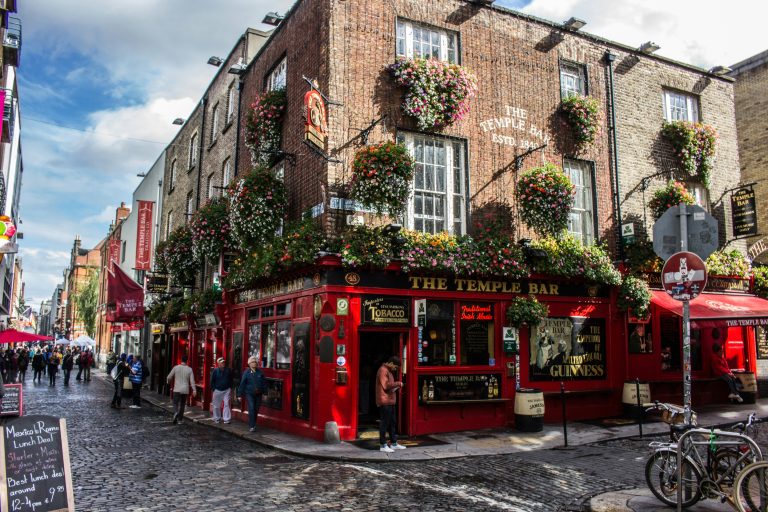
  • Temple Bar, briefly
  • The Liberties
  • Galway's Latin Quarter

Best cities for it

Things to do

Things to do in Ireland

Dublin's must-sees are small and sell out: the Book of Kells at Trinity, Kilmainham Gaol, which needs booking weeks ahead and is the most affecting thing in the city, and the Guinness Storehouse, which is a brand experience that most people enjoy anyway.

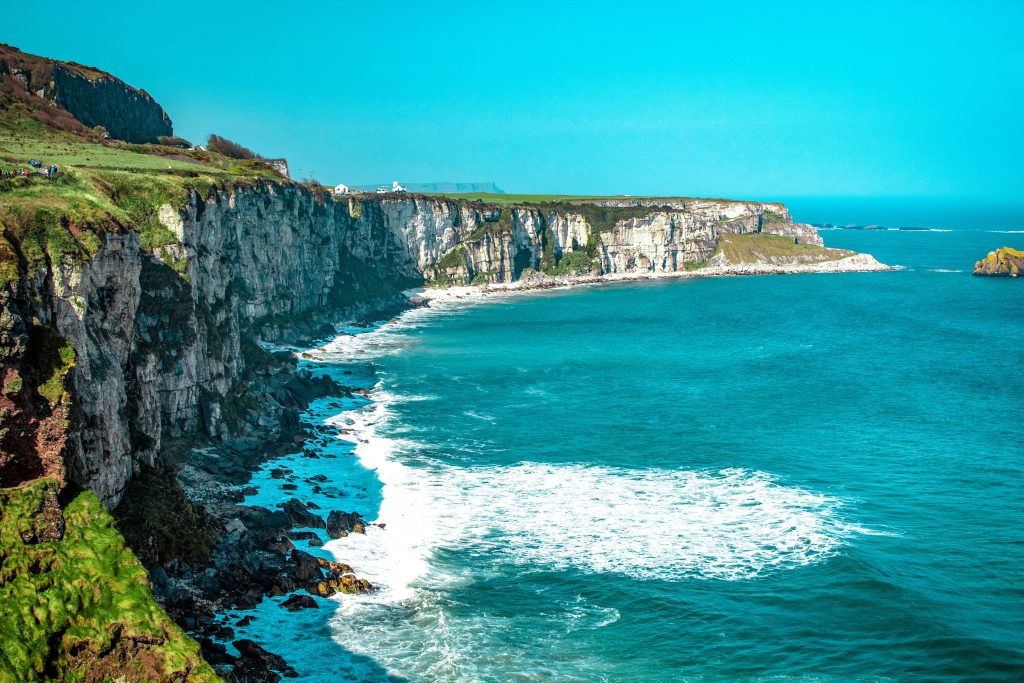
The west is where the country earns its reputation. The Cliffs of Moher are the headline, and the coastal walk from Doolin gets you the same view without the car park. The Burren's limestone plateau, the Aran Islands by ferry, and the Dingle peninsula drive are all within reach of Galway.

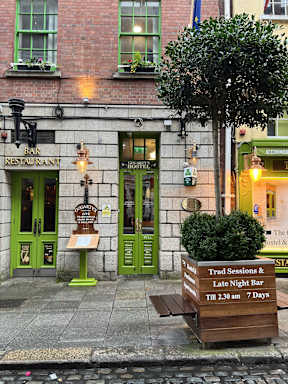
Trad sessions are the other thing to plan for rather than stumble into. Galway, Doolin and Dingle have music most nights; in Dublin, walk past Temple Bar's prices to Camden Street or Stoneybatter.

Food and drink

Eating in Ireland

Irish food has improved beyond recognition and Cork is the proof — the English Market has been running since 1788 and the restaurants around it are the best value in the country. Seafood on the west coast is excellent and often cheap: chowder with brown bread runs €8 to €12 and is a meal.

Pub food is the everyday option. A carvery lunch, served in pubs across the country between twelve and two, gets you a full roast for €12 to €15, which is the cheapest hot meal you will find.

The full Irish breakfast is the other institution. It is enormous, it costs €10 to €14, and it will keep you going through a day of walking in the rain, which is what it is for.

Nightlife

Going out in Ireland

The pub is the institution and it is not the same as a bar. Sessions start around nine, musicians sit in a corner rather than on a stage, and nobody claps between tunes. Galway does this better than anywhere: Quay Street has music every night of the year.

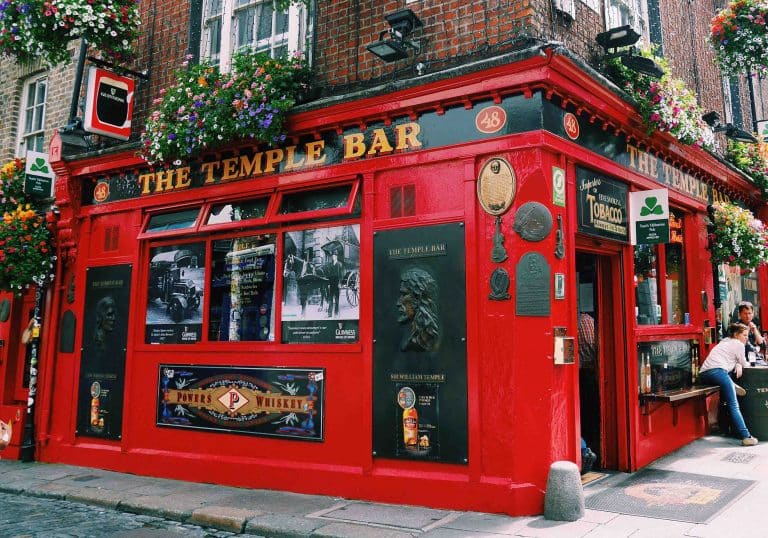
Dublin's problem is Temple Bar, where a pint can cost €8 and the music is for tourists. Two streets away on Camden Street, or out in Stoneybatter and Rathmines, the same pint is €5.50 and the pub is full of locals.

Clubs exist in Dublin, Cork and Belfast but close early by European standards — most are done by 02:30. The night starts earlier here than on the continent, around eight.

Getting around

Getting around Ireland

Buses do more than trains here and cost much less. Citylink and GoBus run Dublin to Galway for around €15 in about three hours, and Bus Éireann covers the rest. Irish Rail is comfortable but limited and expensive without an advance fare.

For the west coast, a car changes the trip. The Wild Atlantic Way, the Ring of Kerry and the Dingle peninsula are all built around driving, roads are narrow and on the left, and rural bus services are sparse. Rental is pricier than mainland Europe and insurance rules catch people out — check what your card actually covers before declining anything at the desk.

Day tours from Galway and Killarney are a reasonable middle ground if you are not driving, and they cost €30 to €45.

Costs

What Ireland costs

Ireland is expensive, and Dublin is the reason. Dorms start around €25 and go well past €40 during rugby weekends, concerts and St Patrick's Day. Galway and Cork run €20 to €28, and the smaller west coast towns less again outside July and August.

Drinking is the budget line people underestimate. A pint is €5 to €6 outside Dublin and €6.50 to €8 in the centre, and rounds culture means it adds up faster than you planned.

Eating can be controlled: carvery lunches, supermarket deli counters and hostel kitchens keep a day near €60. Sights are mostly cheap or free — the national museums in Dublin cost nothing.

Safety

Staying safe in Ireland

Ireland is safe and the welcome is real. The practical risks are the weather and the roads rather than crime, though Dublin has the usual city issues around O'Connell Street and the north inner city late at night, and there has been a rise in reported antisocial incidents in the centre.

Walking the coast needs respect. Cliff paths have no railings in most places, the ground gets slippery in minutes, and people are swept off rocks by rogue waves on the west coast most winters. Stay back from edges and off wet rocks.

Driving is the other one. Rural roads are single-track with stone walls either side, on the left, and visitors misjudge them constantly. Take the extra hour rather than the tight overtake.

Entry and documents

Entry and documents

Ireland is in the EU but not in the Schengen area, so the 90-day Schengen clock does not apply here — time spent in Ireland does not count against it, which is useful on a long European trip.

EU and UK citizens travel freely. US, Canadian and Australian passport holders get 90 days visa-free. Passports should be valid for the length of the stay.

Northern Ireland is part of the UK, and crossing the land border is invisible and unchecked, but it is a different country with different money and different entry rules. Most visitors, including EU citizens, need a UK ETA before crossing, and anyone who needs a UK visa needs it in advance, even though nobody will stop you at the border.

When to go

It rains all year, so pick for daylight rather than sunshine. May to September gives you long evenings; December gives you four hours of useful light and empty pubs.

8°
Jan
Dark, wet, cheap. Pubs at their most local
8°
Feb
Still winter, still empty
10°
Mar
St Patrick's Day fills Dublin for a week
12°
Apr
Days lengthen, west coast still quiet
15°
May
The best month. Long evenings, driest of the year
18°
Jun
Warm for Ireland, long days, busy
19°
Jul
Peak season. Killarney and Galway at their fullest
19°
Aug
Peak prices, plus the Galway races and festivals
17°
Sep
Excellent value. Weather holds, crowds gone
13°
Oct
Cooling, quiet, cheap. Good for cities
10°
Nov
Dark and wet. Lowest prices of the year
8°
Dec
Christmas in the pubs, then a New Year spike
Bar height is temperature. Colour is how busy it gets: quiet busy peak

Average highs. Rainfall is spread across every month, and the west gets considerably more than the east. Daylight is the real variable: 17 hours in June, under 8 in December.

What your trip will cost

Pick how you travel and how long for. Per night, for one person. Dublin adds a third to the bed and a euro or two to every pint.

Excludes car hire, which runs €45–70 a day in summer and is the main cost of a west coast trip. Buses between cities are €12–20.

—
  • Beds—
  • Food and drink—
  • Getting around—
  • Doing things—
What's on

What is on while you are there

One of these makes the whole country expensive for a week. The rest are worth timing a trip around.

Ireland travel questions

The ones we get asked most.

How many days do you need in Ireland?
A week: three days in Dublin, three or four on the west coast around Galway or Killarney. Two weeks lets you drive the Wild Atlantic Way properly, which is the best thing on the island.
Is Ireland expensive?
Yes, particularly Dublin. Dorms from €25 there and €20 in Galway or Cork, a pint at €5 to €8, and a day running €65 to €85 in the capital. Carvery lunches and free national museums help.
Do I need a car in Ireland?
Not for Dublin, Galway, Cork or Belfast — buses link them cheaply. For the Wild Atlantic Way, the Ring of Kerry and the Dingle peninsula, a car transforms the trip. Day tours from Galway or Killarney are the alternative at €30 to €45.
When is the best time to visit Ireland?
May, June and September. May is statistically the driest month and has long evenings. July and August are busiest and priciest; St Patrick's week in March fills Dublin entirely.
Is the Republic of Ireland the same as Northern Ireland?
No. The Republic is an EU country using euros; Northern Ireland is part of the UK and uses pounds. The land border is invisible and unchecked, but UK entry rules still apply if you cross, and most visitors, including EU citizens, need a UK ETA first.
Does Ireland count towards the Schengen 90 days?
No. Ireland is in the EU but not in Schengen, so time here does not count against the 90-in-180 limit. Useful if you are stringing together a long European trip.
Where can I hear traditional music?
Galway, Doolin and Dingle have sessions most nights, and they are free. In Dublin, skip Temple Bar and try Camden Street or the pubs in Stoneybatter, where the music is for the room rather than the tourists.

Say yes to hostels, meet the world
Compare hostels across Ireland — live prices, real reviews and free cancellation on most bookings. Then meet the people already there in the app.

Get the App. QRGet the App.
Get the App. QR  Get the App.
Scroll to Top