Mitte
First-timersThe centre: Museum Island, the Brandenburg Gate, the memorials and most of the sights. Central and least characterful.
10 hostels · from €8
Hostels here

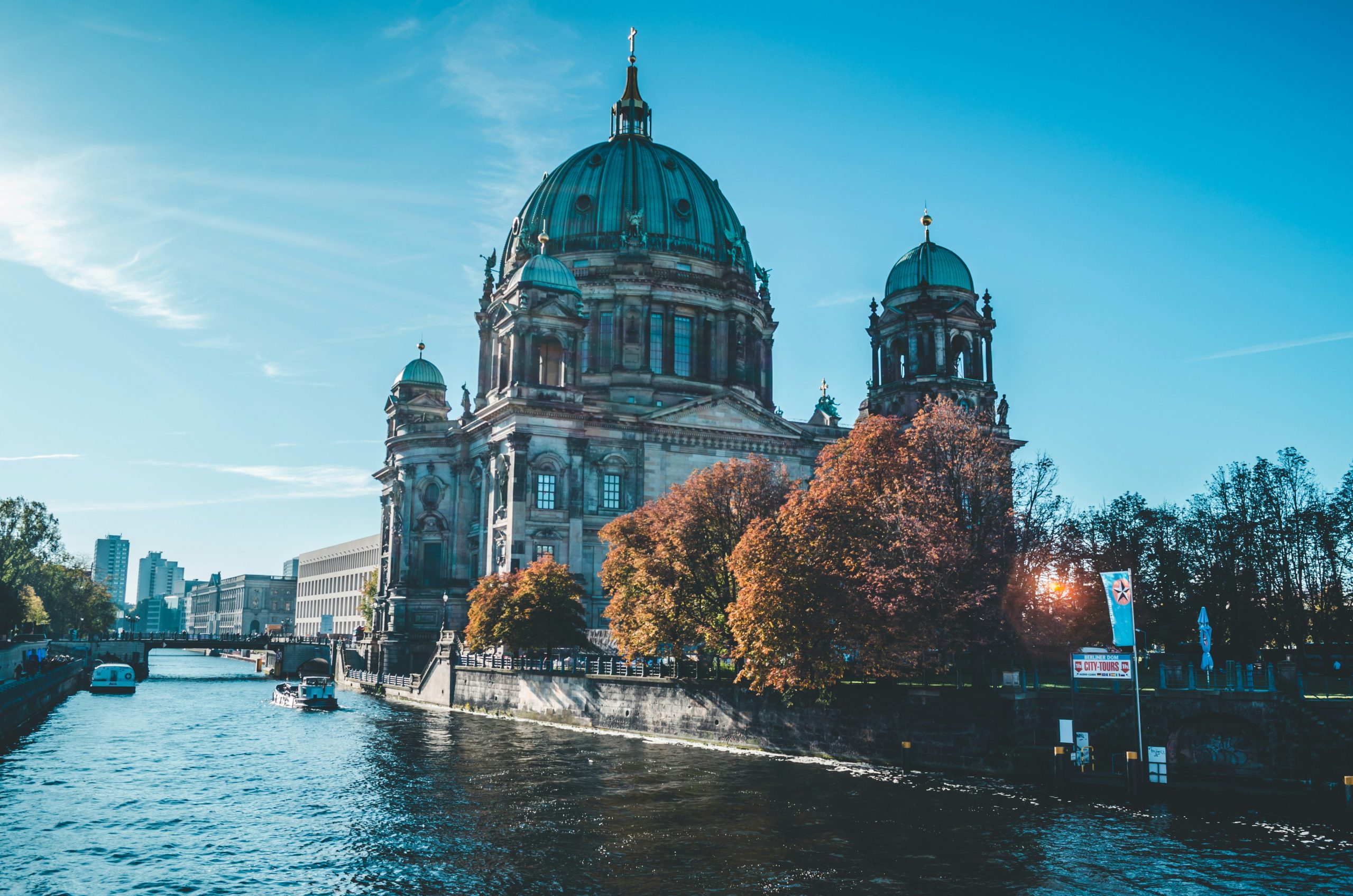
Cheap, scruffy, enormous and the best nightlife in Europe — with a twentieth century written into the streets more plainly than anywhere else.
Berlin is nine times the size of Paris and about a fifth as dense, which is why it feels like a collection of towns rather than a capital. Nothing is close to anything else and the U-Bahn is how you live.
The history is unavoidable and the city does not hide from it. The Holocaust Memorial sits in the middle of town, the Topography of Terror occupies the Gestapo headquarters site, and the Wall's route is marked across the city in a double line of cobbles.
What people actually come for is the nightlife, which is serious, international and unlike anywhere else — Berghain has a global reputation and a door policy to match, and the wider club culture around it was added to Germany's national intangible cultural heritage list in 2024.
It is also the cheapest major capital in western Europe, though noticeably less so than it was ten years ago.
Four days minimum. The museums alone need two.
Pick a district and live in it. Crossing Berlin takes longer than you think.
The centre: Museum Island, the Brandenburg Gate, the memorials and most of the sights. Central and least characterful.
South: Turkish markets, canal-side drinking, street art and the best cheap eating in the city.
East: the East Side Gallery, Boxhagener Platz, the big clubs and a young international crowd.
North: restored nineteenth-century blocks, cafés, playgrounds and the Mauerpark flea market on Sundays.
South-east: cheaper beds, a dense bar scene and the Tempelhof airfield on its doorstep.
Orange labels are neighbourhoods, dots are the 12 top-rated hostels. Map © MapTiler © OpenStreetMap contributors.
Start with the history, because Berlin does it better than anywhere. The Topography of Terror, on the site of the Gestapo and SS headquarters, is free and unflinching. The Memorial to the Murdered Jews of Europe is free and open at all hours, with an information centre below it. The Berlin Wall Memorial on Bernauer Strasse is free and shows a preserved section with the death strip intact, which the tourist stretches do not.
Museum Island holds five state museums — the Pergamon, the Neues with the Nefertiti bust, the Alte Nationalgalerie and two more. A day ticket for all of them is about €24. Parts of the Pergamon are closed for long-term renovation, so check what is open before you go.
The East Side Gallery is a 1.3km stretch of Wall painted by artists in 1990, free and permanently crowded.
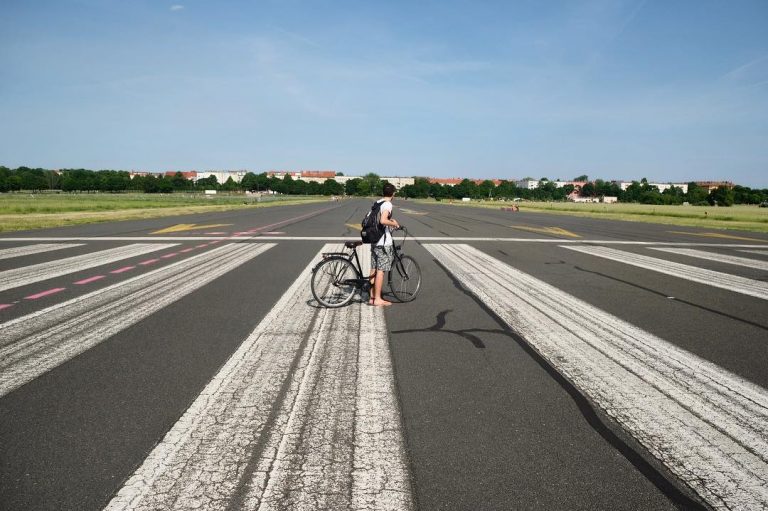
Tempelhof, a Nazi-era airport closed in 2008 and now a public park, lets you walk and cycle the runways. Free, enormous and very Berlin.
A remarkable amount of the essential Berlin is free. The Holocaust Memorial, the Topography of Terror, the Berlin Wall Memorial on Bernauer Strasse and the East Side Gallery all cost nothing.
The Reichstag dome is free with an advance booking — register online days ahead, bring photo ID, and you walk a glass spiral above the parliamentary chamber.
Tempelhofer Feld is free and vast, and so are the Tiergarten, Treptower Park with its enormous Soviet war memorial, and the Mauerpark flea market and open-air karaoke on Sundays.
The state museums are free for under-18s, and several offer free entry on the first Sunday of the month — book ahead, as slots go.
Walking the cobbled double line marking the Wall's route across the city costs nothing and is the best way to understand the geography.
Berlin eats cheaply and internationally rather than traditionally. A döner is €5 to €8 and is effectively the city's national dish — it was invented here in its current form by Turkish workers in the 1970s.
Currywurst is the other one, €4 to €6, and is a sausage with curried ketchup that you should try once and need not repeat.
Kreuzberg and Neukölln have the best cheap food: Turkish, Syrian, Vietnamese and Lebanese at €8 to €14. The Turkish market on Maybachufer runs Tuesdays and Fridays.
A restaurant main is €12 to €20 and a beer €4 to €6, less in a Späti — the late-opening corner shops that sell cold bottles and are a genuine institution.
Drinking in public is legal and normal here, which changes the economics of an evening considerably.
The reason many people come. Berlin's club culture is internationally serious and was added to Germany's national intangible cultural heritage list in 2024.
Berghain is the famous one — a former power station in Friedrichshain with a notoriously strict door, no phones inside, and sets that run from Saturday night into Monday morning. There is no formula for getting in. Go in a small group, sober, dress plainly in black, do not queue loudly in English, and accept that you may be turned away for no stated reason.
There is far more than Berghain: Sisyphos, Renate, About Blank, Watergate and dozens of smaller places.
Nights start very late. Arriving at a club before 1am marks you out; 3am is normal.
A beer is €4 to €6 in a bar and €2 to €3 from a Späti. Club entry is €15 to €25.
The U-Bahn, S-Bahn, trams and buses run on one ticket system. An AB single is about €3.80 and a day ticket about €10, which most visitors need since the city is too big to walk.
Buy before boarding and validate the ticket in the machine on the platform. There are no barriers, which visitors misread as an honour system — inspectors board in plain clothes regularly and the fine is €60 with no discretion.
The airport is in zone C, so you need an ABC ticket at about €4.40. The FEX train takes 30 minutes to the Hauptbahnhof.
Cycling is excellent and flat, with hire from €10 to €15 a day.
For the rest of Germany, the Deutschland-Ticket is a flat monthly pass covering all regional and local transport nationwide — €63 a month since January 2026, sold as a monthly subscription you can cancel, and valid on regional trains but not ICE. If you are travelling Germany for a few weeks it pays for itself quickly.
The cheapest major capital in western Europe, though rising. Dorms are €18 to €38, a main €12 to €20, a beer €4 to €6 in a bar.
A day is €45 to €85.
The savings that matter: the major memorials are free, drinking in public is legal and Späti beer is €2 to €3, and Kreuzberg and Neukölln feed you well for €8 to €14.
Museum Island at about €24 for all five is fair value if you use it properly, and the Reichstag dome is free with a booking.
Carry some cash. Berlin is better than it was but plenty of bars, Spätis and smaller restaurants still take nothing else.
Berlin is a safe city for its size and violent crime against visitors is rare.
Pickpocketing is the main issue, concentrated at Alexanderplatz, on the U-Bahn, at Warschauer Strasse and in club queues.
Görlitzer Park in Kreuzberg has an established open drug trade. It is not somewhere you are likely to be harmed, but you will be approached repeatedly and it is best avoided at night.
Transport tickets: validate them. Plainclothes inspectors work the U-Bahn constantly, the fine is €60, and "I did not know" is not a defence anyone accepts.
Cycle lanes run across pavements in places and Berlin cyclists move fast — stepping into one without looking is the most common visitor mistake here.
Club nights run long and drug use is present; drink water, stay with people you came with. Emergency number is 112.
A palace town, a lake district and a difficult but necessary memorial.
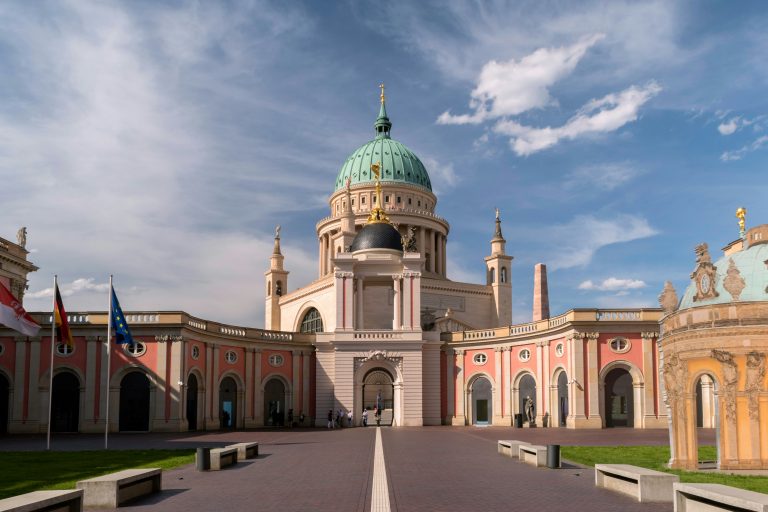
Sanssouci palace and park, Prussian architecture and the Cecilienhof where the 1945 conference was held.
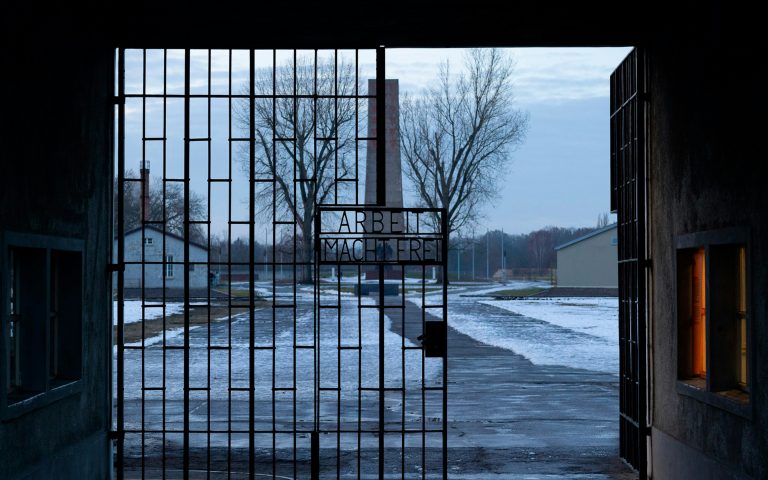
A concentration camp memorial and museum. Free, sobering, and a serious rather than casual visit.
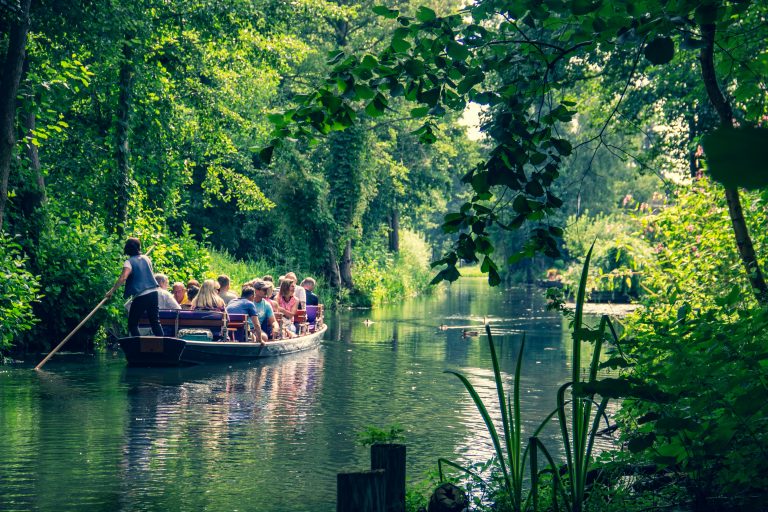
A biosphere reserve of canals and waterways navigated by punt, with cucumbers as the local obsession.
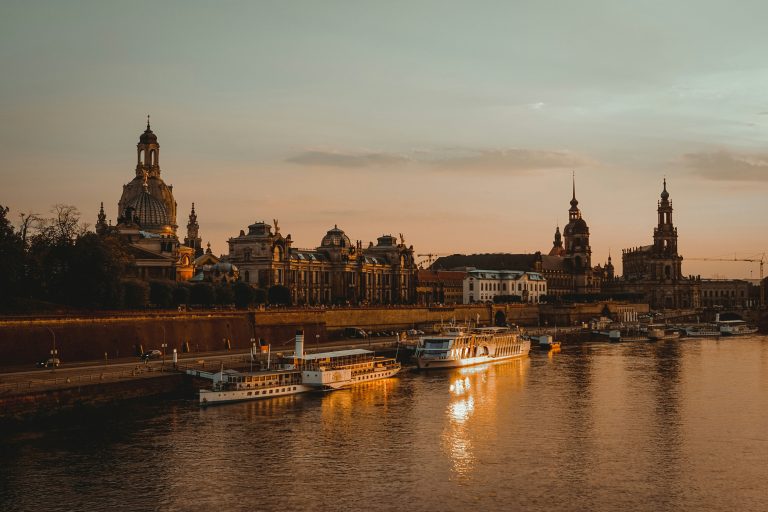
A rebuilt baroque city on the Elbe, and the gateway to Saxon Switzerland.
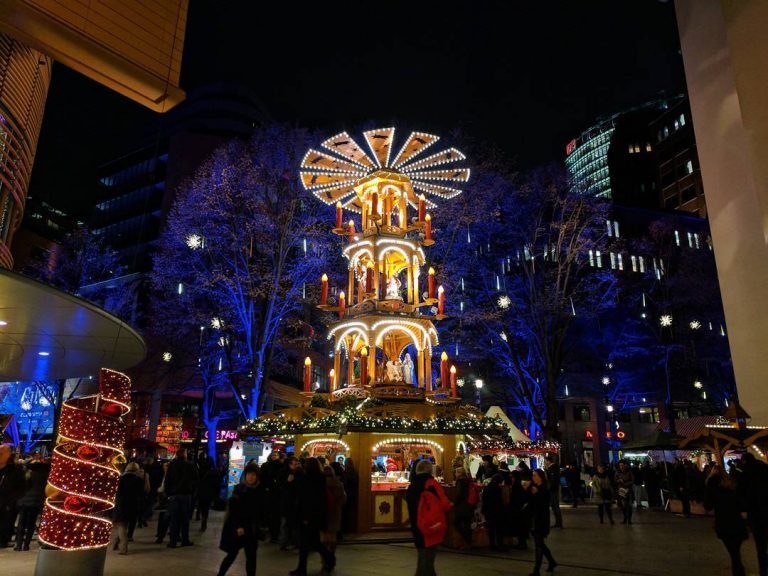
A film festival in February, and Christmas markets in every district.
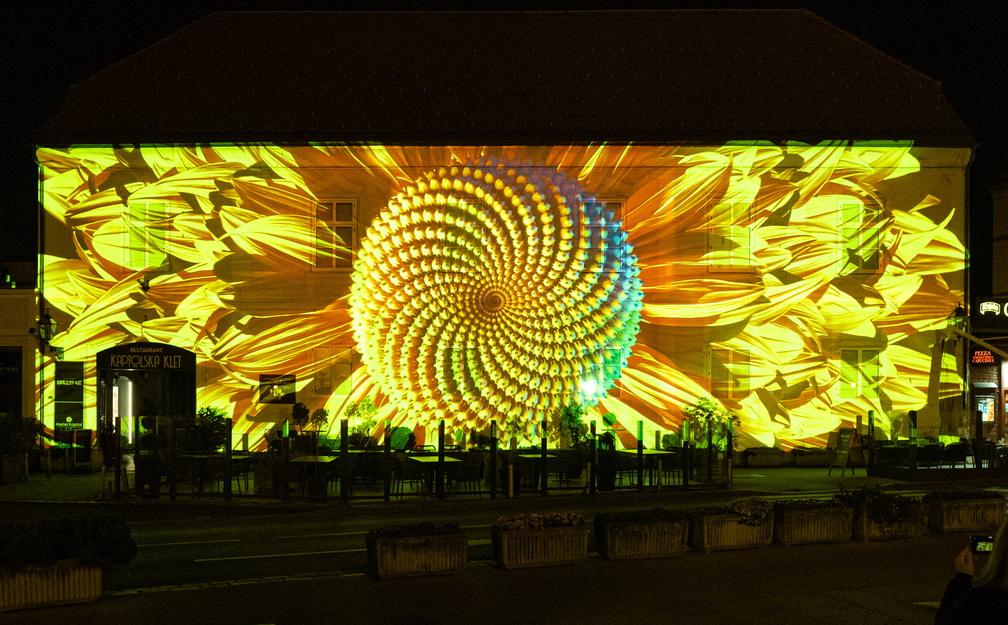 Staff pick
Experience the magic of the Festival of Lights in Berlin, one of the world's most renowned light art festivals. Each autumn, the city transforms…
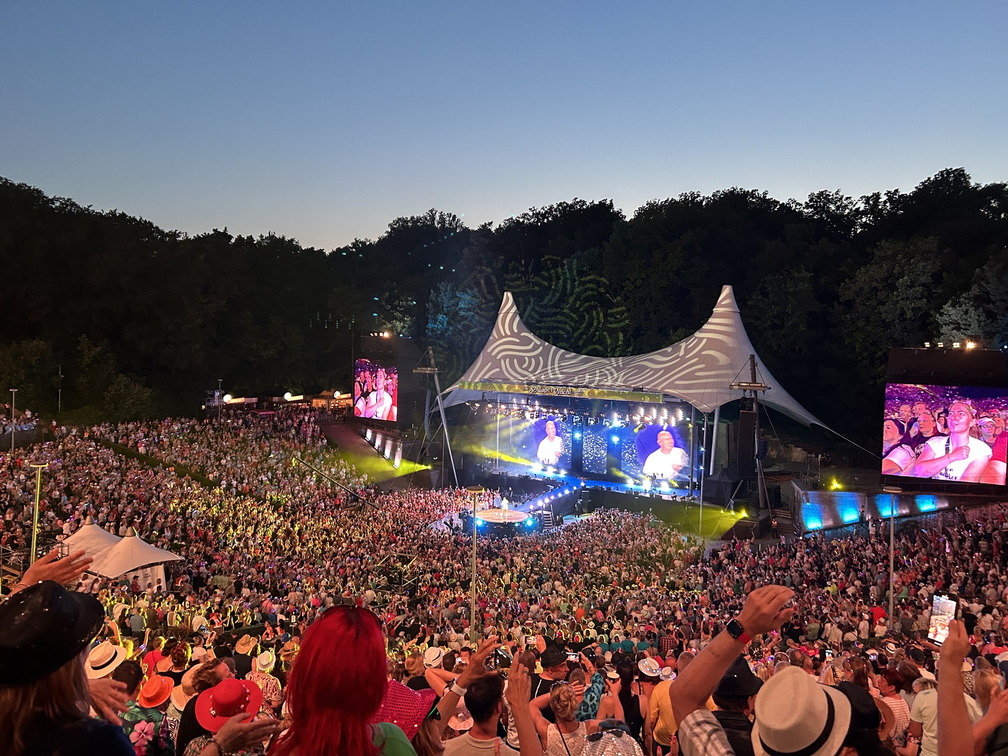 Staff pick
Die Schlagernacht des Jahres is a popular German Schlager music event featuring top stars and newcomers performing live. The 2024 edition includes artists such…
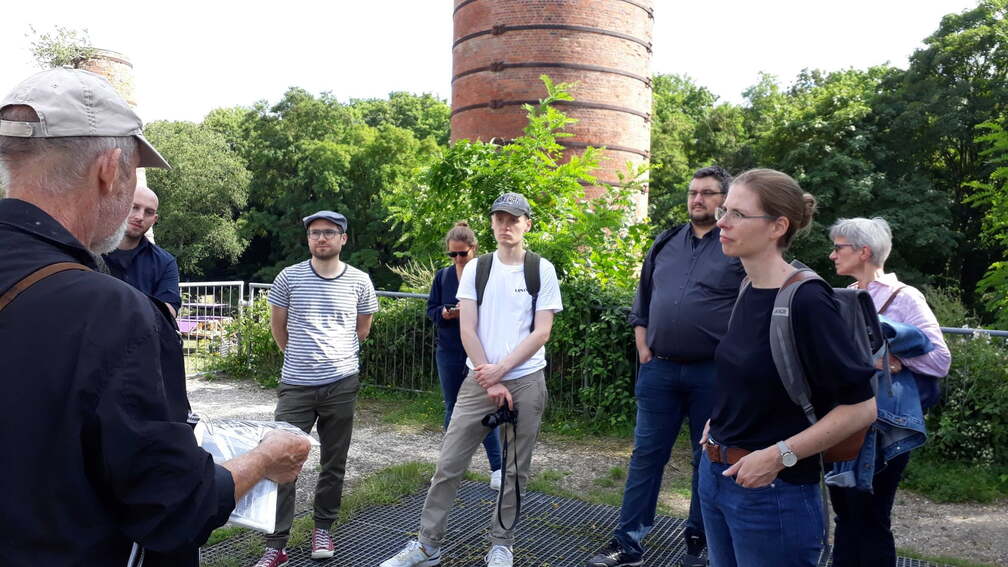 Staff pick
The Festival of Berlin Industrial Culture transforms the city into a vibrant showcase of its rich industrial heritage, inviting guests to explore both iconic…
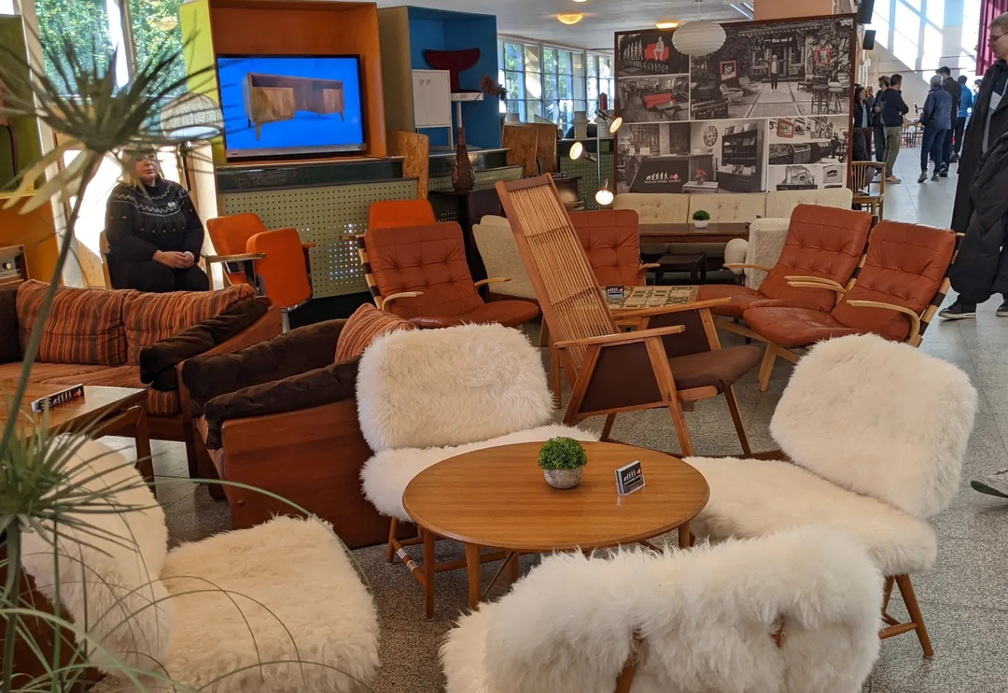 Staff pick
Design Börse Berlin is a renowned vintage fair that brings together top designers, galleries, and collectors from across Europe to the historic Trabrennbahn Karlshorst.…
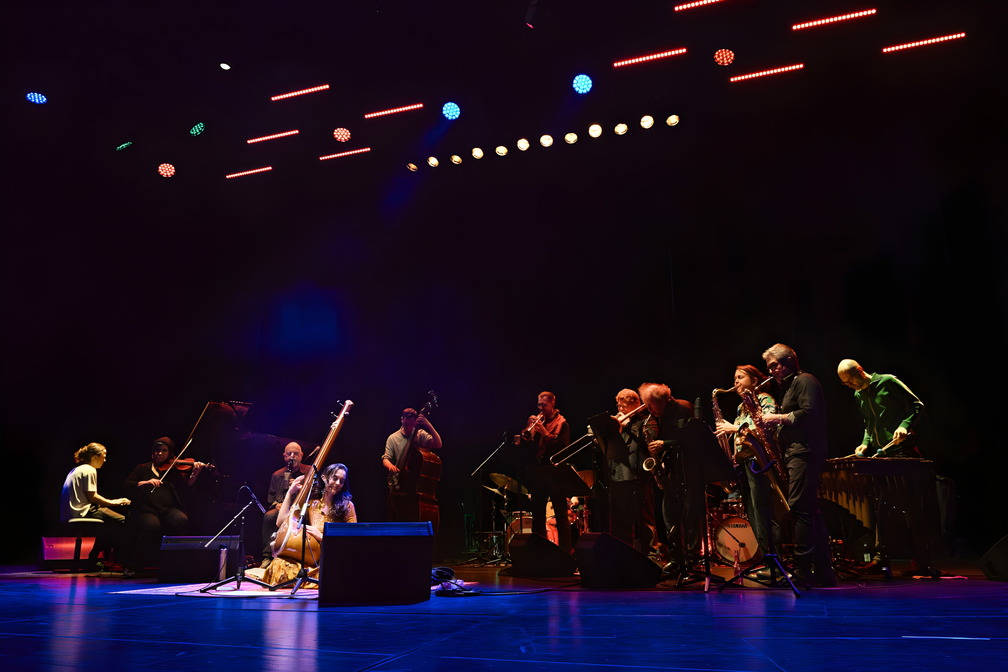 Staff pick
Jazzfest Berlin is one of Europe’s most prestigious jazz festivals, bringing together legendary musicians and emerging artists from around the world. Known for its…
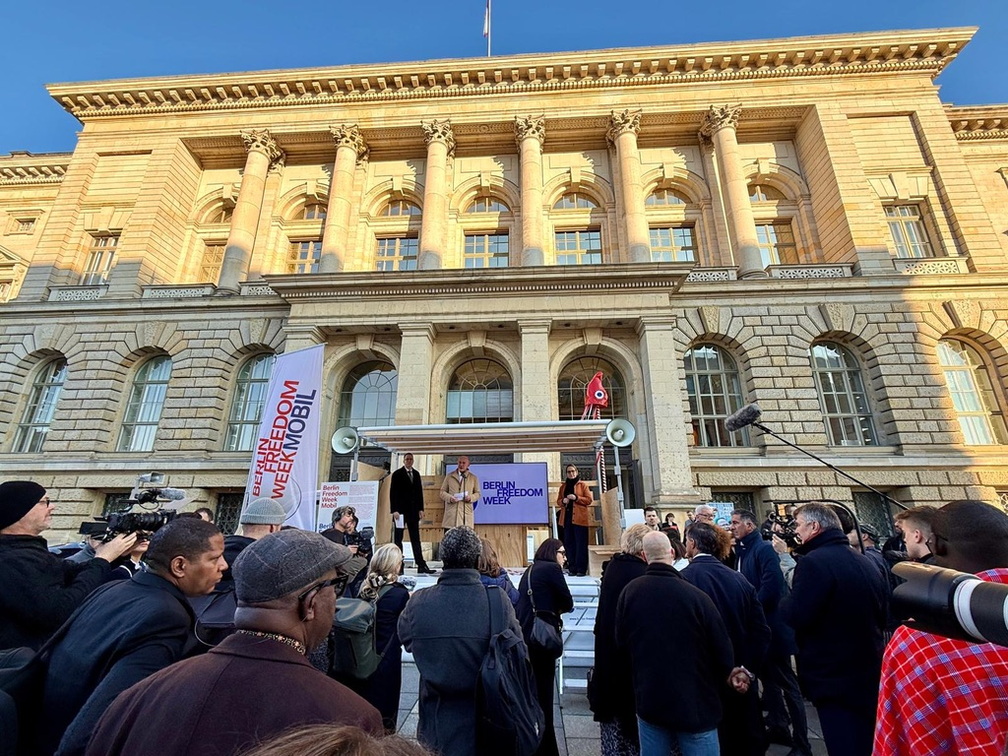 Staff pick
Berlin Freedom Week in Berlin, Germany, is a citywide celebration dedicated to the enduring values of freedom and democracy, inspired by the historic fall…
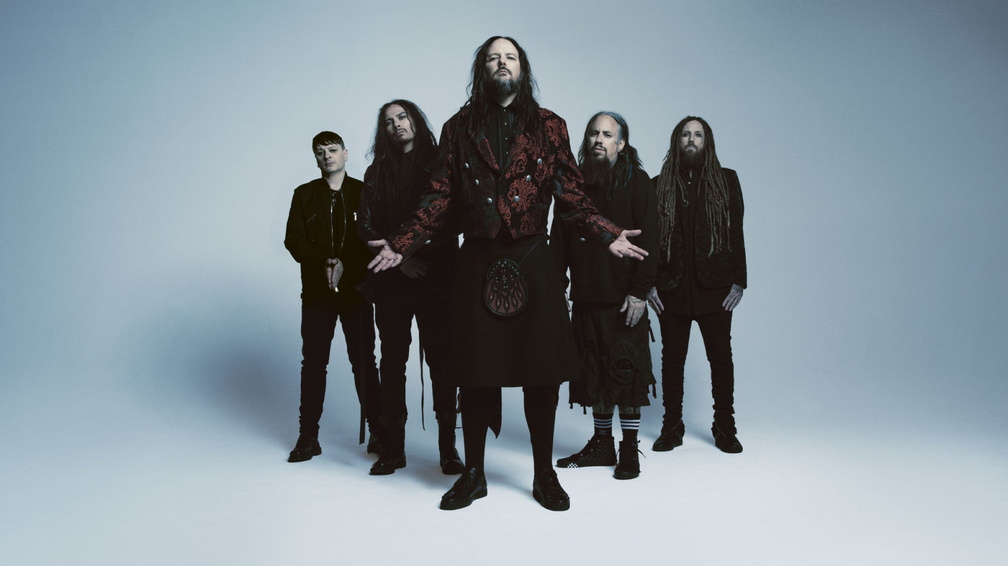 Staff pick
Korn is a nu metal band from California known for their Billboard 200 #1 albums like Follow the Leader and Issues. They have sold…
 Staff pick
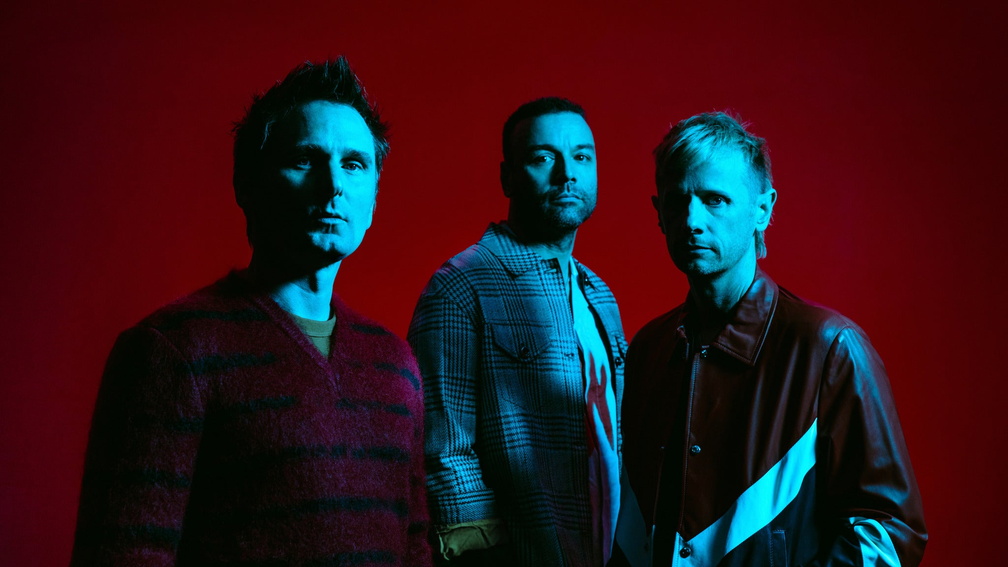
Muse is a globally acclaimed British rock band known for their electrifying live performances and genre-blending sound that fuses alternative rock, electronic, and symphonic…
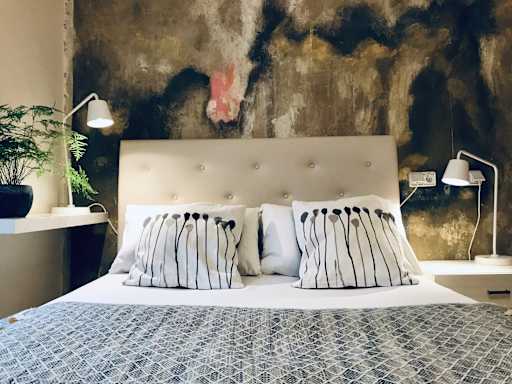
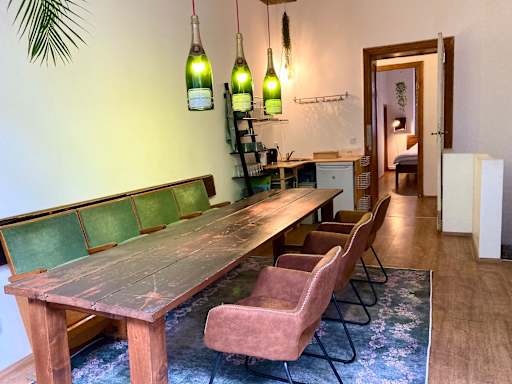
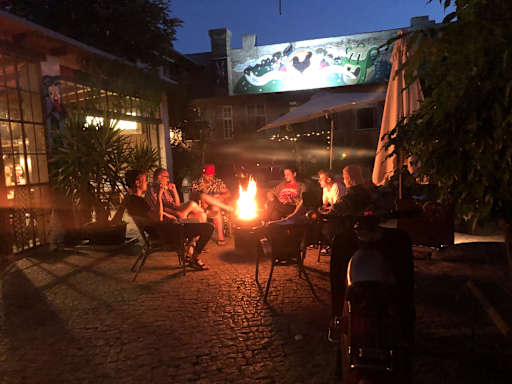
The largest and cheapest hostel scene in western Europe, concentrated in Friedrichshain, Kreuzberg and Mitte. Live from Hostelworld.
May to September for the outdoor city. Winter is grey but the clubs do not care.
Average highs. Berlin is flat, continental and open to the east, so winter is colder and summer hotter than the western German cities — and November is genuinely bleak.
Pick how you travel. Per person per night, in euros.
The doing line is low because the major memorials cost nothing. Club entry at €15 to €25 sits outside these figures.
The ones we get asked most.

Compare Berlin hostels — live prices, real reviews and free cancellation on most bookings. Then meet the people already there in the app.

 Get the App.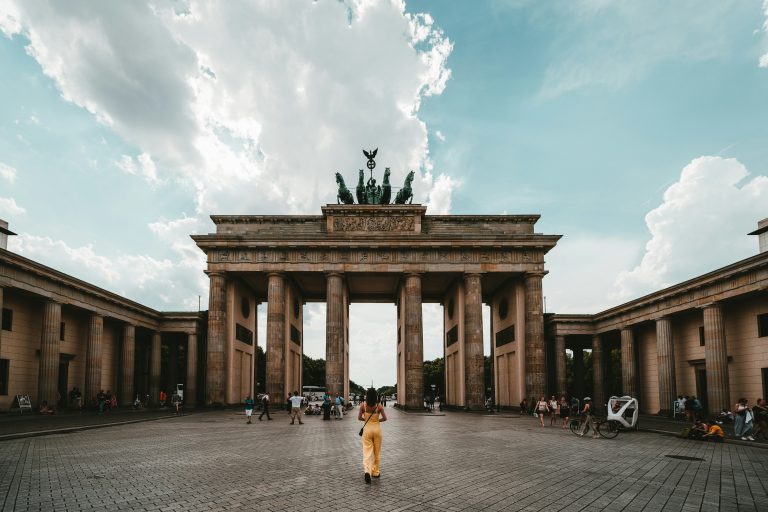


 Get the App.