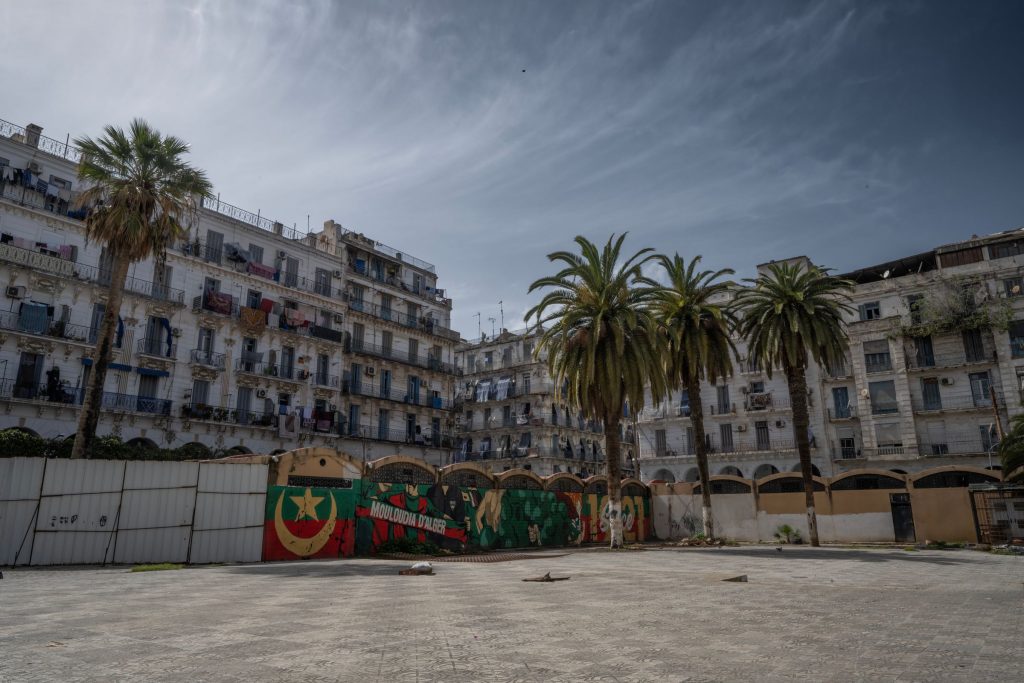
Algiers
White city on a bay: the UNESCO Casbah, Notre-Dame d'Afrique, the Martyrs' Memorial and French-era boulevards.

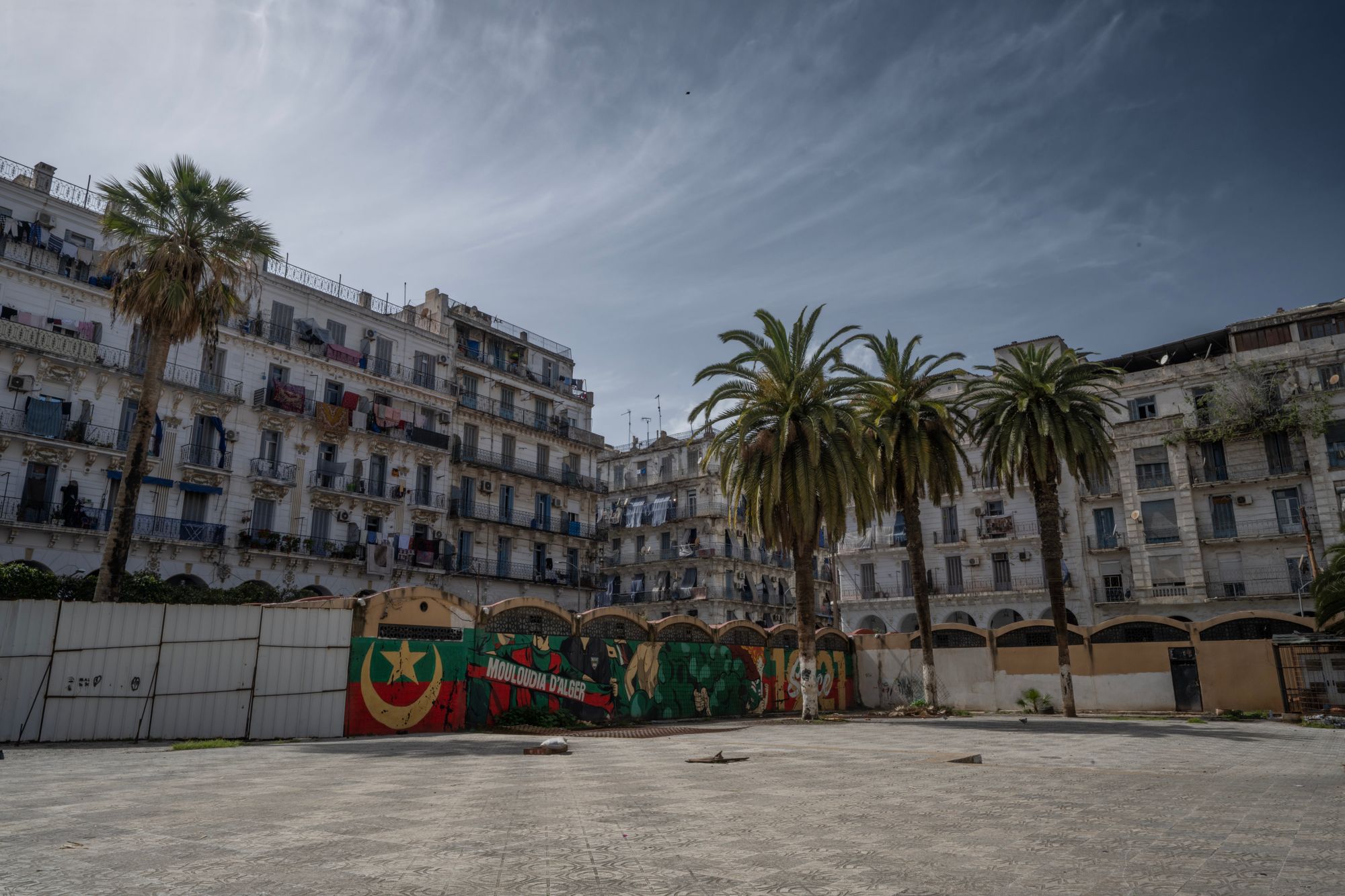
Algeria is Africa's largest country and one of its least visited: a Mediterranean coast of white cities, the best-preserved Roman ruins in North Africa and a Sahara of rock art, red dunes and oasis towns. Visas take planning and tourism is still small, which is exactly why it rewards those who go. Give it two weeks.
Algeria is huge, about four times the size of France, and more than four-fifths of it is Sahara. Most people live along the Mediterranean coast, in cities like Algiers, Oran, Constantine and Annaba, while the south is dotted with oases and the extraordinary landscapes of the Tassili n'Ajjer and the Hoggar mountains.
For decades, very few tourists came. A long civil war in the 1990s, strict visa rules and a lack of tourist infrastructure kept visitors away, and even today you will rarely meet other travellers. That is changing slowly: Algeria introduced a visa on arrival for Saharan tourism in 2024, and more agencies now run desert trips.
The rewards are big. Algeria has seven UNESCO World Heritage sites, including the Casbah of Algiers, the Roman cities of Timgad, Djémila and Tipasa, the M'zab Valley's fortified towns around Ghardaïa, and the rock art of the Tassili n'Ajjer. Algerians are often curious and welcoming to the few foreigners they meet.
Travel here needs more planning than in Morocco or Tunisia. You need a visa arranged in advance or an agency booking for the visa on arrival, police may take an interest in your movements, hotels are more expensive than food and transport, and money works differently, with a large gap between the official and informal exchange rates.
Hostelworld lists only a couple of places in Algeria, so you will mostly use hotels, which you will need to book in advance for the consular visa anyway.
Most trips combine the northern cities and Roman ruins with a desert trip in the south, linked by domestic flights. These are the stops that earn their place.
White city on a bay: the UNESCO Casbah, Notre-Dame d'Afrique, the Martyrs' Memorial and French-era boulevards.
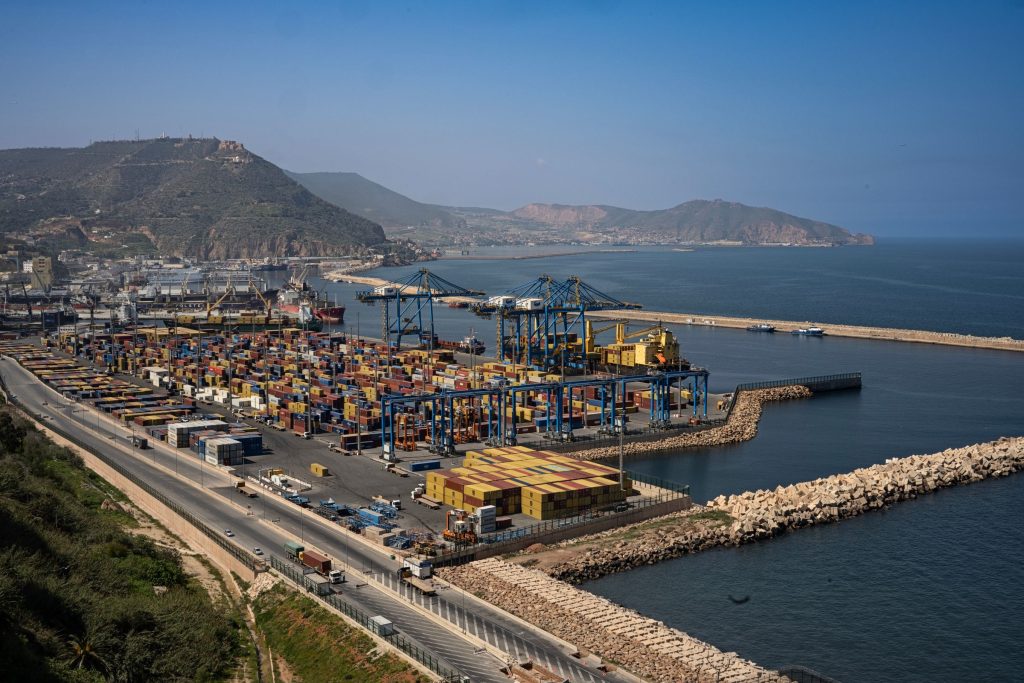
Lively Mediterranean city in the west, birthplace of raï, with a Spanish fort and beaches nearby.
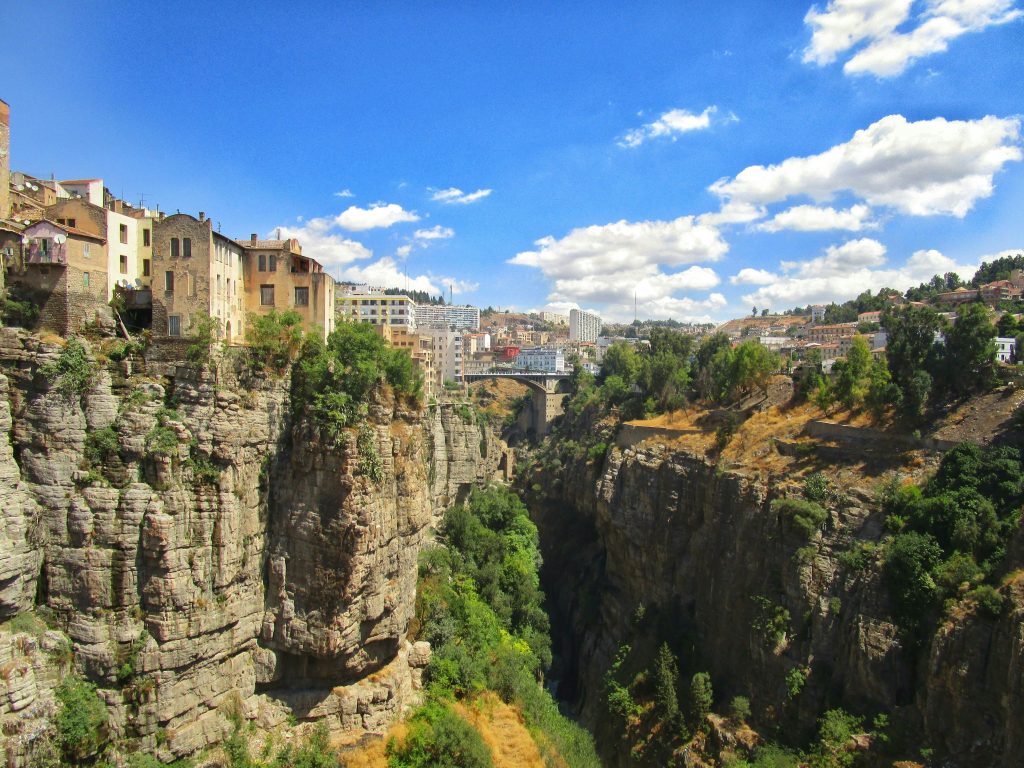
City of bridges, built on cliffs above a deep gorge in the east.
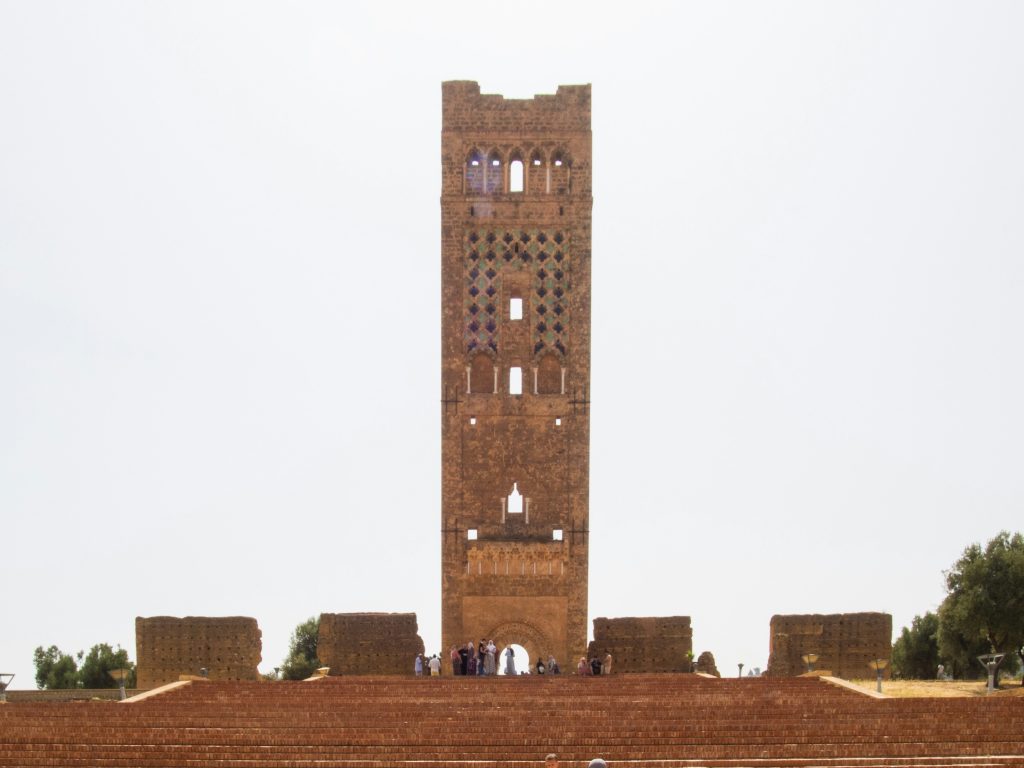
Western city of fine Islamic architecture, mosques and the ruins of Mansourah.
Five fortified Mozabite towns from the 11th century, a UNESCO site. Visit the old towns with a local guide.
Algeria is too big to see in one trip. Choose one or two of these, and remember that most Sahara trips need an agency.
Fly to Djanet or Tamanrasset and explore the Tassili n'Ajjer and the Hoggar with an agency, sleeping under the stars.
Walk through some of the best-preserved Roman cities anywhere, often with no one else around.
Explore the fortified towns of the M'zab, the red ksour of Timimoun and the dunes of Taghit.
Combine Algiers, Oran and Annaba with Mediterranean beaches, French-era architecture and seafront promenades.
Head into the Kabylie mountains, the gorges of Constantine and the national parks of the north.
Ride the trains along the north between Oran, Algiers and Constantine, then fly south to the desert.
Start in Algiers, built on hills above a wide bay. Its Casbah, a UNESCO-listed old town of steep lanes, Ottoman palaces and mosques, is best seen with a local guide, as the lanes are confusing and some parts are crumbling. Below it, the French-era city has grand boulevards, the Grand Post Office and the Notre-Dame d'Afrique basilica on a cliff. The Martyrs' Memorial towers over the bay.
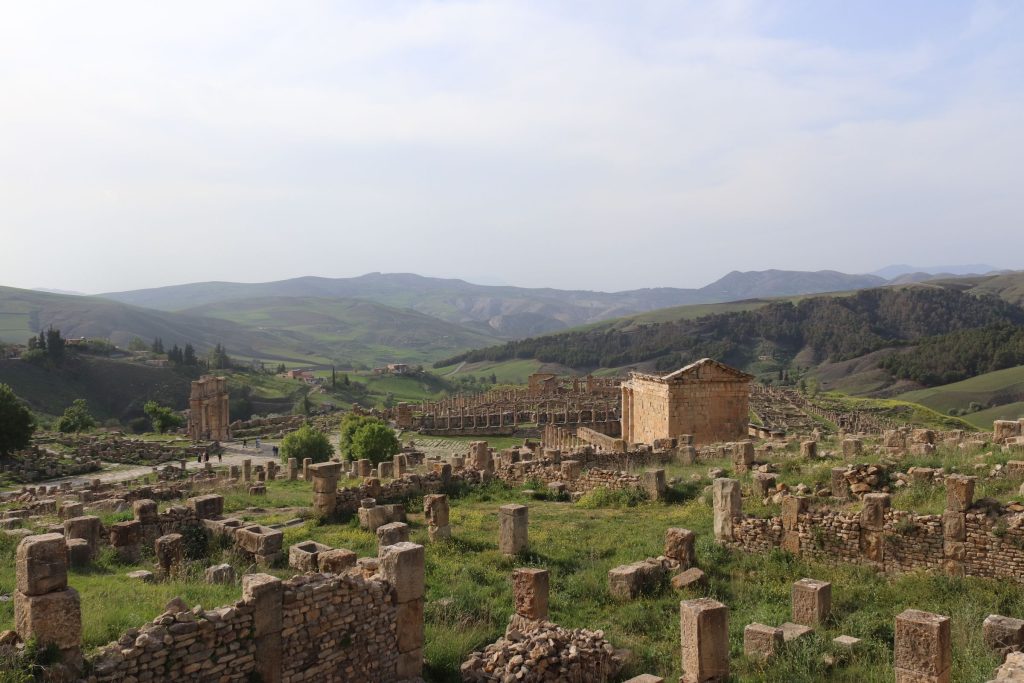
Algeria's Roman ruins are among the best anywhere. Tipasa, an hour west of Algiers, sits on the sea among pine trees. Djémila, in the mountains near Sétif, is a whole Roman town on a ridge, and Timgad, near Batna, is a vast grid of streets, a theatre and Trajan's Arch. You will often have them almost to yourself.
Constantine, built on cliffs above a deep gorge, is spectacular, with bridges strung across the ravine. Oran, in the west, is lively and Mediterranean, the birthplace of raï music. Tlemcen, near the Moroccan border, has fine Islamic architecture.
In the north of the Sahara, the M'zab Valley around Ghardaïa has five fortified towns built by the Mozabite community from the 11th century, a UNESCO site whose architecture inspired modernist architects. Visits to the old towns are only with a local guide. Further south-west, Timimoun's red mud-brick town and Taghit's dunes are beautiful.
The deep Sahara is the highlight. From Djanet, agency trips explore the Tassili n'Ajjer, a UNESCO site with thousands of prehistoric rock paintings, sandstone forests and dunes. From Tamanrasset, tours climb to Assekrem in the Hoggar for one of the great sunrises on earth.
Algerian food shares a lot with Tunisian and Moroccan cooking, with its own regional specialities. Couscous is the national dish, traditionally eaten on Fridays, with lamb, chicken or vegetables. Chorba frik, a soup of cracked green wheat and lamb, is eaten every evening during Ramadan.
Each region has its dishes. Constantine and the east are known for chakhchoukha, torn flatbread in a spicy stew, and Algiers for rechta, thin noodles in a white chicken sauce. In Oran and the west, the street snack is karantika, a chickpea flan sold in sandwiches. Mhajeb, square flatbreads stuffed with spicy tomatoes and onions, are sold everywhere.
Bread is excellent, from French baguettes to traditional flatbreads, and pastries such as makroud (semolina and dates) and baklava are sold in every town. The dates of Biskra and the south are some of the best in the world.
Food is cheap: snacks and street food cost very little, and a meal in a local restaurant a few euros. Coffee culture is strong, and mint tea is served in the south.
Algeria produces wine, and alcohol is sold in licensed hotels, bars and shops, but drinking in public, or being drunk in public, is illegal.
Algerian nightlife is low-key. Evenings revolve around cafés, where men gather for coffee and dominoes, and family promenades along the seafronts of Algiers and Oran in summer.
Oran is the liveliest city at night, the home of raï music, with bars, cabarets and beach venues, especially in summer.
In Algiers, bars are mostly inside hotels and some restaurants, and there are a few clubs. Elsewhere, alcohol is harder to find.
During Ramadan, which next starts in February 2027, cities come alive after sunset, with cafés and pastry shops open late into the night.
Taxis are scarce after dark, so arrange a return pickup in advance. The UK advises avoiding unfamiliar areas, especially suburbs, after dark.
Algeria is enormous, and distances in the south are measured in days by road, so most travellers combine trains and buses in the north with domestic flights to the Sahara.
In the north, SNTF trains link Algiers with Oran and other cities, and are comfortable and cheap. Buses and minibuses run between most towns, and shared taxis cover shorter routes.
Air Algérie's domestic flights are good value and connect Algiers with Djanet, Tamanrasset, Ghardaïa, Timimoun and other desert towns. Most routes go through Algiers, and schedules are often published only a few months ahead. Foreign cards don't always work on Air Algérie's website, so you may need to book through another site or an agency.
In Algiers, the metro and tram are clean and cheap, and the funiculars and cable cars climb the hills. Ride-hailing apps, such as Yassir, operate in big cities. Ask your hotel to call a reputable taxi, especially at night.
Ferries sail to Algiers and Oran from Marseille and Spanish ports, including Barcelona, Valencia, Alicante and Almería, a good way to arrive from Europe.
The land border with Morocco is closed, and the borders with Mali, Niger and Libya are closed or unsafe. The border with Tunisia is open, but the UK advises against travel close to it.
Algeria uses the Algerian dinar (DZD). In October 2026, the official rate is about 151 dinars to €1. On the informal market, which most travellers use, you can get far more: a 2026 guide reports rates of up to 250 dinars to the euro. Changers gather around Square Port Saïd in Algiers and approach visitors at airports and hotels. It is widespread but unofficial, so compare rates, count every note, and remember you can't change dinars back without an official receipt.
Bring euros, which are preferred over US dollars. Cards work in some hotels and smarter restaurants, but are charged at the official rate.
At informal rates, Algeria is cheap for food and transport. Street food and local meals cost a few euros, trains and buses are cheap, and domestic flights are good value.
Hotels are the main cost, and many are mid-range rather than budget. Hostelworld lists only a couple of places in the country.
The other big costs are the visa and the desert. A consular visa costs about €65 at some consulates, while visas on arrival cost from €35 for two days up to €340 for 30 days, and require an agency booking. Sahara trips from Djanet or Tamanrasset are run by agencies and priced per day.
You may only bring in or take out dinars if you have residency, and you must declare cash over €5,000.
Algeria is safer than its reputation suggests, and most visitors have no problems, but it needs care. The UK says terrorist attacks are likely, with a higher risk near the southern, Libyan and Tunisian borders, in rural and mountainous areas of the north and in the Sahara. It advises against all travel within 30 km of the borders with Libya, Mauritania, Mali and Niger, and in parts of the Tunisian border area, and against all but essential travel near the rest of the Tunisian border.
Algerian authorities take the safety of foreign visitors seriously. You may notice police interest in your movements, checkpoints and, in some areas, escorts. Be patient, carry your passport and keep copies of your passport and visa separately.
In the cities, pickpocketing and petty theft happen. Carry little cash, avoid unfamiliar suburbs after dark and use hotel-recommended taxis.
Know the laws. Drinking in public is illegal. Drug penalties are severe and can include the death penalty. Same-sex sexual acts are illegal. Drones, binoculars and some photography equipment need authorisation. Avoid political gatherings and demonstrations.
During Ramadan, don't eat, drink or smoke in public during the day. Dress modestly, especially outside the big cities.
In the Sahara, travel with a licensed agency and an experienced driver, carry water and fuel, and expect patchy or no mobile signal. Algeria also has a very high road accident rate, so take care on the roads.
Everyone in the Hostelworld audience needs a visa for Algeria, and there are two ways to get one.
The standard route is a consular tourist visa, applied for at an Algerian consulate before you travel. It allows fully independent travel. Expect to provide a flight itinerary, hotel bookings for your whole stay and a photo; one 2026 account gives the fee as €65 at a Spanish consulate, with a turnaround of about a week, though it can take much longer elsewhere and applications can be refused.
The second route is the visa on arrival, introduced for Saharan tourism. You need a booking with an agency approved by the Ministry of Tourism, which registers you and gives you a QR-code authorisation; the trip must include at least one of the listed southern and high-plateau provinces. The visa is issued on arrival for up to 30 days. A January 2026 report lists fees of €35 for up to 2 days, €70 for 3–7 days, €135 for 8–10 days, €170 for 11–15 days and €340 for 16–30 days. Check the exact rules with your agency, as they change from season to season.
Your passport must be valid for at least six months after you arrive. Overstaying can lead to detention at the airport, prosecution and up to three months in prison.
Declare cash over €5,000 on arrival and departure. You need a yellow fever certificate only if you arrive from a country with yellow fever risk.
Spring and autumn are best for the north, with warm days for the cities and ruins. The Sahara is best from October to April, when days are warm and nights cold; summer in the south is dangerously hot. The coast is lovely from June to September.
Temperatures are average daily highs in Algiers (weather2travel climate data: 16°C in January and December, 32°C in August); other months are rounded between those. The Sahara is far hotter in summer and much colder at night in winter. Crowd levels are our own rough estimate.
Pick a travel style and the number of nights to see a rough total. Figures are per person per day in euros, at informal exchange rates, based on budget hotels, local food, trains and buses, and some entry fees.
Rough figures for 2026, assuming informal rates of around 220–250 dinars to €1; at the official rate (about 151) everything costs much more. Visas, domestic flights and Sahara agency trips are extra.
National days, Amazigh New Year and the desert festivals of the south shape the Algerian calendar. Ramadan and the Eids move about 11 days earlier each year.
Amazigh New Year, a public holiday since 2018, with family feasts.
Month of daytime fasting and lively nights after iftar.
Tuareg festival of drums, song and dance, listed by UNESCO as intangible heritage.
Public holiday marking independence from France in 1962.
Anniversary of the start of the war of independence in 1954.
Week-long pilgrimage and celebration in the Gourara oases, a UNESCO-listed tradition.
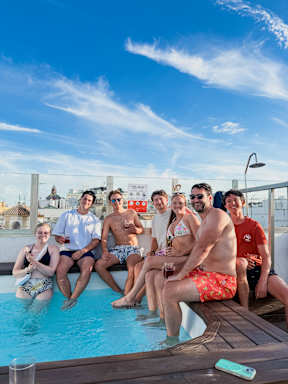
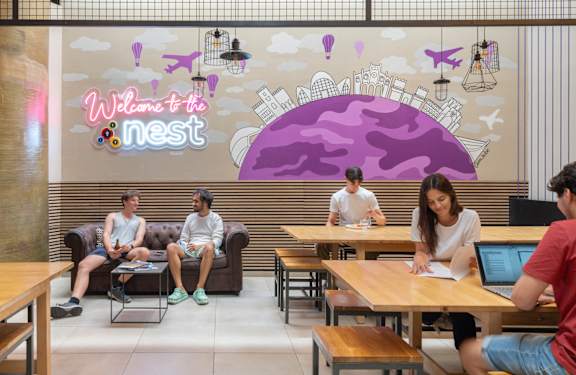
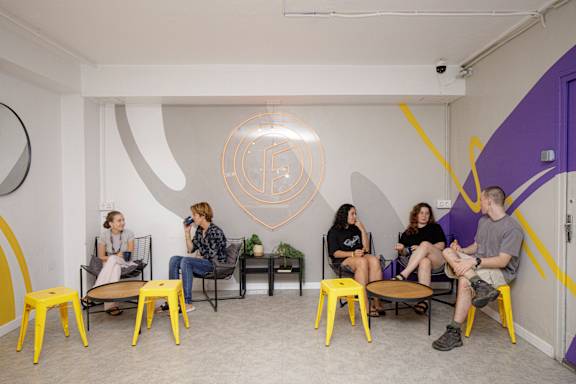
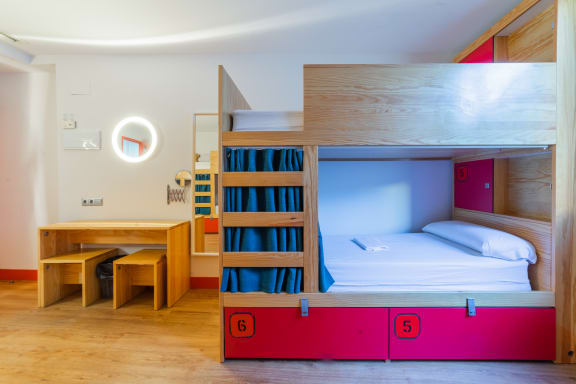
Algeria has very few hostels. Hostelworld lists a couple, in Constantine and Ouargla, with live prices below.
Visa, price and safety details were checked in October 2026. Rules change, so confirm with official sources before you travel.

Compare Algeria hostels: live prices, real reviews and free cancellation on most bookings. Then meet the people already there in the app.

 Get the App.

 Get the App.