Altstadt and cathedral
First-timersThe centre: the cathedral, the old brewhouses, the river and the main station.

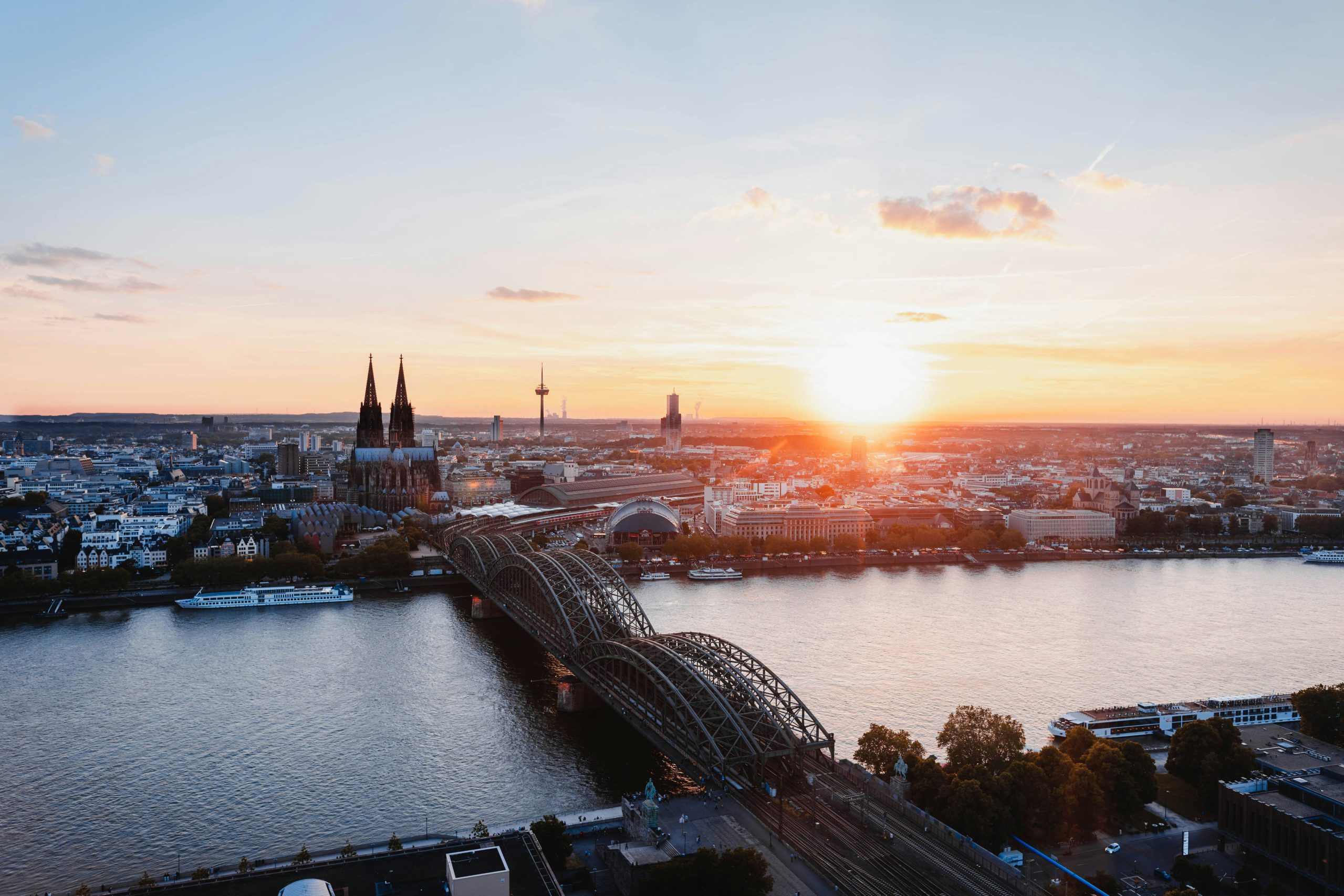
A cathedral that took six hundred years, a river, beer served in 200ml glasses by waiters who keep bringing more, and a Carnival that shuts the city for a week.
Cologne was founded by the Romans, became the largest city in Germany in the Middle Ages, and was bombed almost flat in the Second World War. The cathedral survived, standing in the ruins, and the city rebuilt around it quickly and without much sentiment — which is why the centre is more functional than pretty.
The cathedral is the reason to come. Begun in 1248, abandoned for three centuries, finished in 1880, and briefly the tallest building in the world. It is free to enter, black with age, and considerably more impressive in person than in photographs.
Kölsch is the local beer and comes with rules: 200ml glasses, served by waiters called Köbes who replace your empty without asking and mark your beer mat, and they will keep doing so until you put the mat on top of the glass.
Carnival in February closes the city for the best part of a week and is the biggest street party in Germany.
Two days.
A compact centre on the Rhine, with the lively districts just south and west.
The centre: the cathedral, the old brewhouses, the river and the main station.
West: the best bar district, independent shops and the young crowd.
South along the river: neighbourhood bars, good food and a calmer feel.
North-west: a former industrial district with cheap beds, street art and late venues.
Orange labels are neighbourhoods, dots are the 10 top-rated hostels. Map © MapTiler © OpenStreetMap contributors.
The cathedral is free and takes as long as you give it. Begun in 1248, unfinished for three hundred years, completed in 1880 to the original plans, and the largest gothic church in northern Europe. The Shrine of the Three Kings inside is the largest reliquary in the western world.
Climb the south tower if your legs allow — 533 steps, about €8, and no lift.
The Römisch-Germanisches Museum holds the Roman city beneath the modern one, including a large mosaic found during wartime bomb shelter excavation.
The Ludwig Museum, about €13, has one of the largest Pop Art collections outside the United States and a major Picasso holding.
Drink Kölsch in a brewhouse. Früh, Päffgen and Sion are the traditional ones. The waiters will keep replacing your glass without being asked, and the only way to stop is to put your beer mat on top.
The EL-DE Haus, the former Gestapo headquarters, is a sober and important local history museum.
The cathedral is free to enter, which for a building of that scale is remarkable. Only the tower and the treasury charge.
The Rhine promenade and the Hohenzollern bridge — covered in love padlocks and carrying trains every couple of minutes — are free, and the view back at the cathedral from the far bank is the classic one.
The Belgisches Viertel and Ehrenfeld are free to walk, with street art throughout the latter.
Roman remains sit around the centre, including a preserved section of the north gate at the cathedral and the Praetorium ruins under the town hall.
During Carnival, the street events are free and enormous — Weiberfastnacht and Rosenmontag in particular are simply the whole city out of doors.
Kölsch is the whole culture. It is a pale, light beer served in 200ml glasses called Stangen, and the Köbes — the traditional waiters, who are professionally brusque — bring a fresh one whenever yours is empty, marking your mat each time. To stop, put the mat on top of the glass. Not doing this is how people end up with eleven marks and a surprise.
A Kölsch is €2.20 to €2.80, which is why they are small.
Halver Hahn is a rye roll with aged Gouda, which is not the half chicken the name implies — the joke is traditional and locals enjoy it.
Himmel un Ääd is black pudding with mashed potato and apple, and Rheinischer Sauerbraten is beef marinated for days.
A brewhouse main is €12 to €18, and the Belgisches Viertel has the better modern restaurants.
The Belgisches Viertel is the bar district, Ehrenfeld has the clubs and late venues, and the Altstadt brewhouses are where the evening usually starts.
Cologne has one of the largest LGBTQ+ scenes in Germany, centred on the Rudolfplatz and Schaafenstraße area, and Cologne Pride in July is among the biggest in Europe.
A Kölsch is €2.20 to €2.80, cocktails €9 to €13, and club entry €8 to €15.
Carnival is the defining event: from Weiberfastnacht on the Thursday through to Rosenmontag, the city stops working, everyone is in costume, and the drinking is continuous. It is genuinely one of the great European parties and it is not a spectator event — turning up without a costume marks you out immediately.
Beds during Carnival treble and book out months ahead.
Trams, U-Bahn and buses run on one VRS ticket with a day ticket around €8. The centre is walkable and the cathedral is directly beside the main station.
Validate before boarding. Plainclothes inspectors operate and the fine is €60.
The airport is 15 minutes on the S13 or S19 for about €3.50, which is among the quickest airport links in Germany.
ICE trains reach Frankfurt in an hour, Brussels in under two and Amsterdam in under three, which makes Cologne a good hinge point for a wider trip.
Cycling is flat and easy, and the Rhine paths run in both directions out of the city.
Mid-range for Germany and cheap for drinking. Dorms are €20 to €38, a brewhouse main €12 to €18, and a Kölsch €2.20 to €2.80.
A day is €45 to €85.
The cathedral is free, the Rhine and the bridges are free, and the beer is among the cheapest in any large German city — though the small glasses and the automatic refills make it easy to lose count.
Carnival is the exception: beds treble and book out months ahead for the week before Lent.
Cologne makes a cheap base for the region, with Bonn, Düsseldorf and Aachen all under an hour.
Cologne is a safe city and the crime affecting visitors is petty theft, concentrated around the main station and cathedral square.
The station area attracts a visible street drinking scene and can feel uncomfortable late at night without being especially dangerous.
Carnival is the exception and worth planning for. It is a week of continuous public drinking with enormous crowds, pickpocketing rises sharply, and the density on Rosenmontag is genuinely difficult to move through. Agree a meeting point, because phone networks fail under the load, and keep valuables minimal.
The Kölsch refill system makes it easy to drink far more than intended — the glasses are small, the waiters are efficient, and the marks on the mat add up faster than the evening feels.
The Rhine is fast, cold and industrial, with open promenade edges. Emergency number is 112.
A rival city, a former capital, and Charlemagne's cathedral.
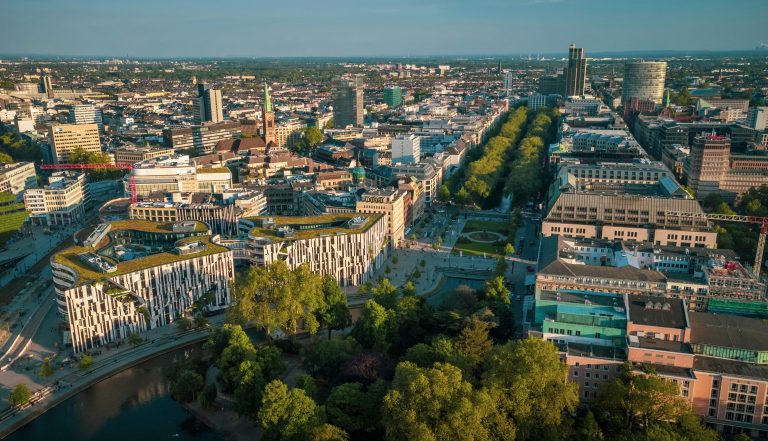
The rival city up the Rhine, with Altbier instead of Kölsch and a rivalry that is half genuine and half performance.
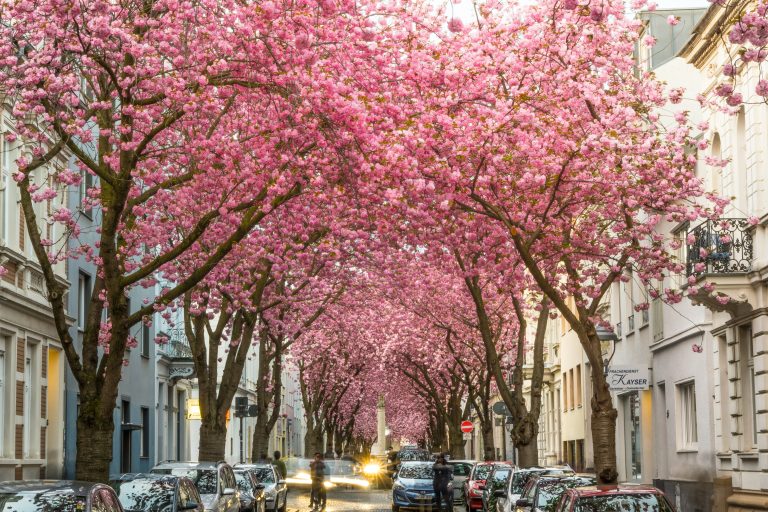
The former West German capital, Beethoven's birthplace, and a good museum mile.
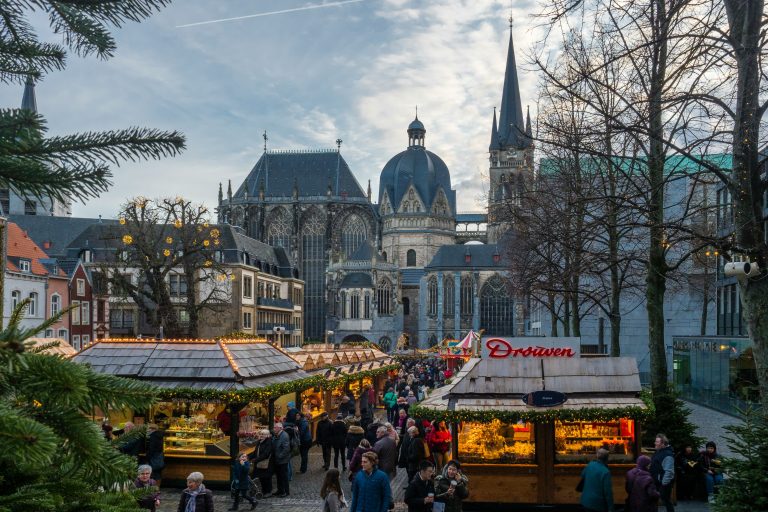
Charlemagne's cathedral, the oldest in northern Europe and UNESCO-listed, plus thermal baths and the Belgian border.
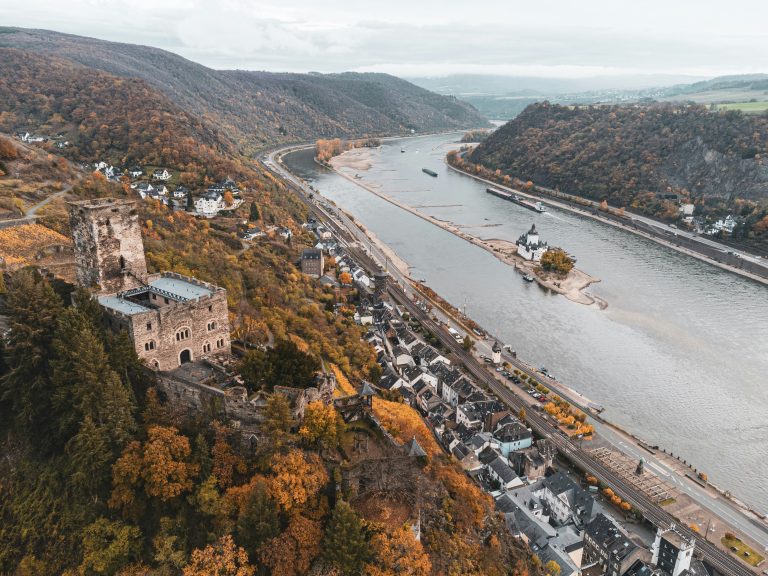
Castles above vineyards between Koblenz and Bingen, best seen from the train or a boat.
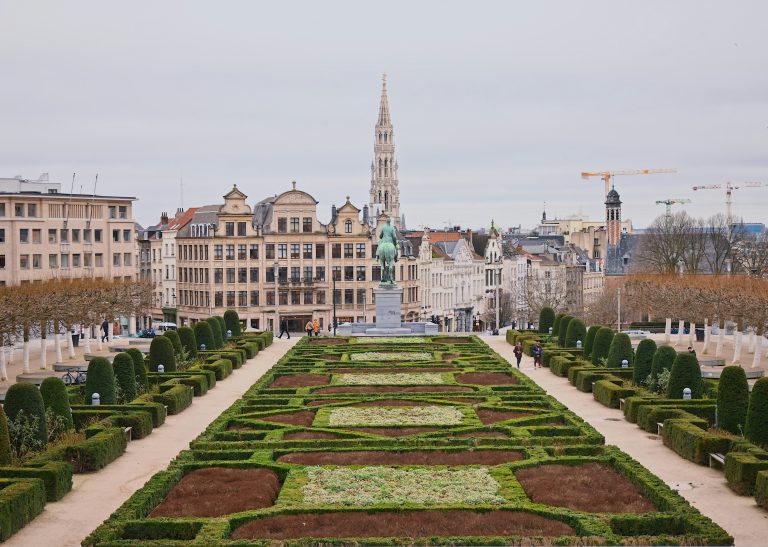
A different country for the day, and closer than most of Germany.
Germany's biggest street party, in the week before Lent.
 Staff pick
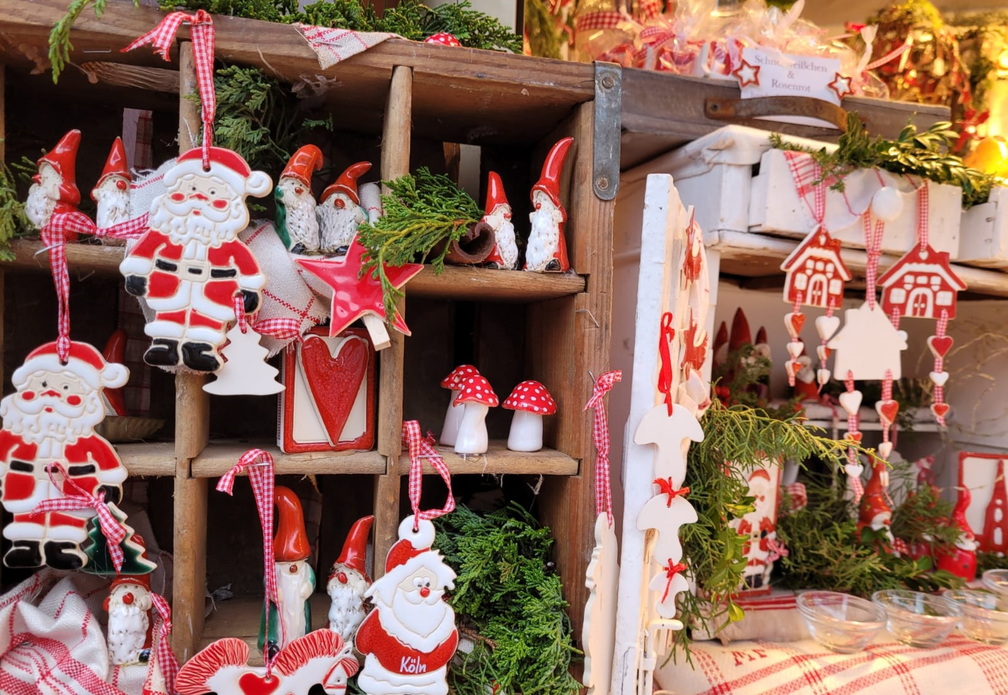
Set against the stunning backdrop of Cologne Cathedral, the Cologne Christmas Market is a beloved tradition that draws visitors from across the globe. Known…
 Staff pick
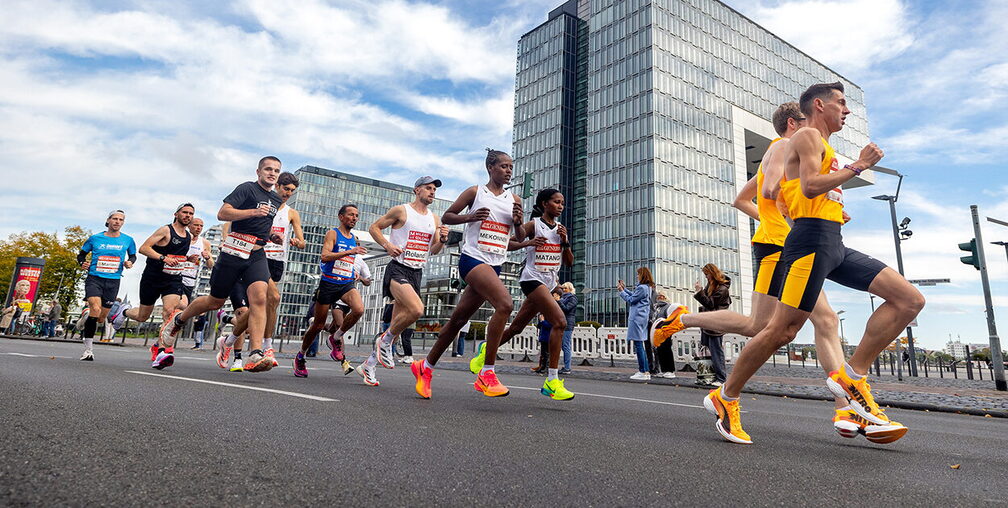
The Generali Cologne Marathon in Cologne, Germany, is renowned for its lively blend of elite competition and community celebration. Runners experience a unique atmosphere…
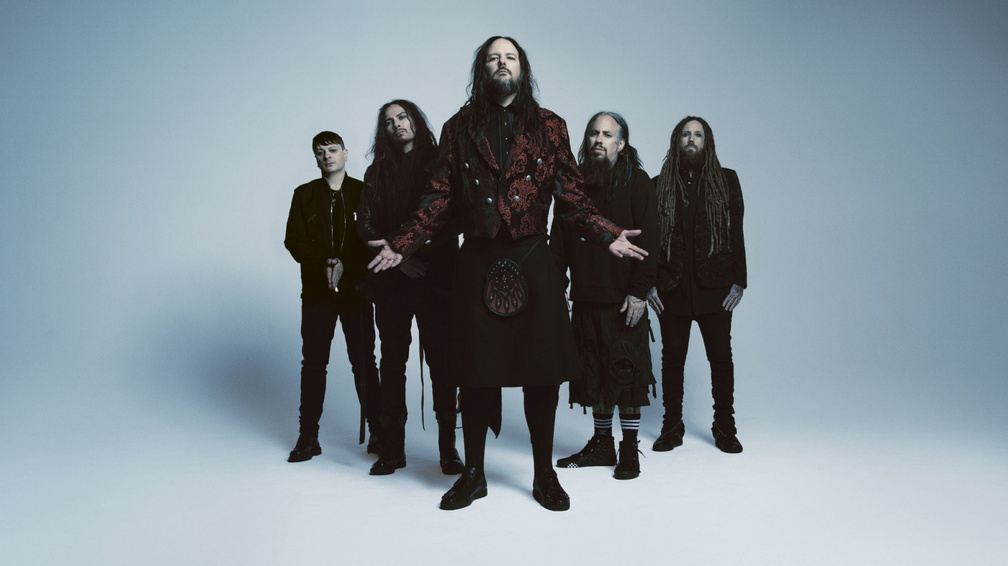 Staff pick
Korn is a nu metal band from California known for their Billboard 200 #1 albums like Follow the Leader and Issues. They have sold…
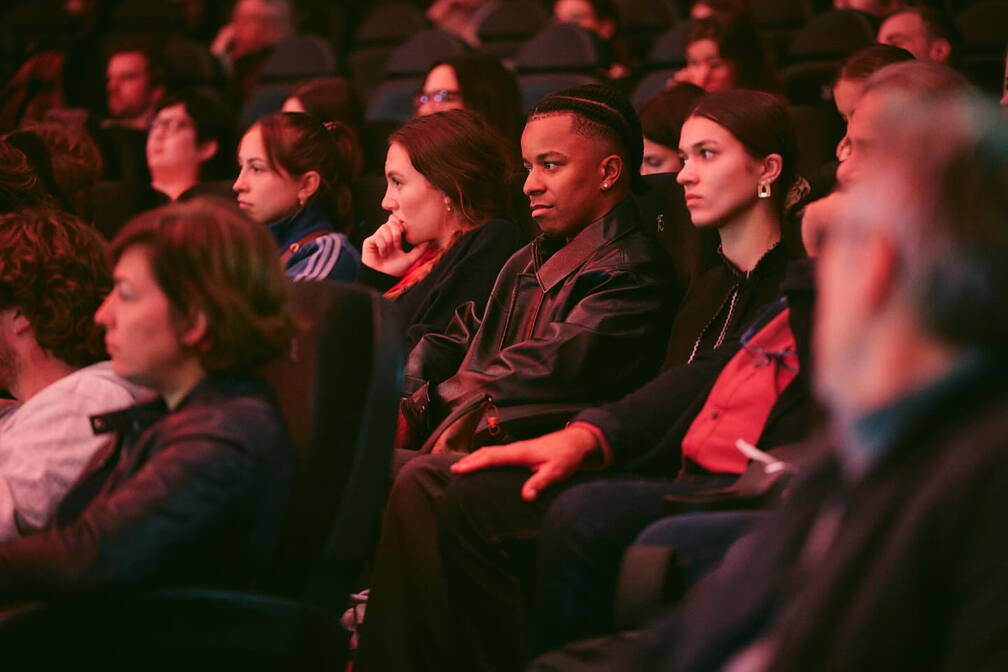 Staff pick
Film Festival Cologne in Cologne, Germany, is a renowned event that celebrates innovative film and television from around the world. The festival is dedicated…
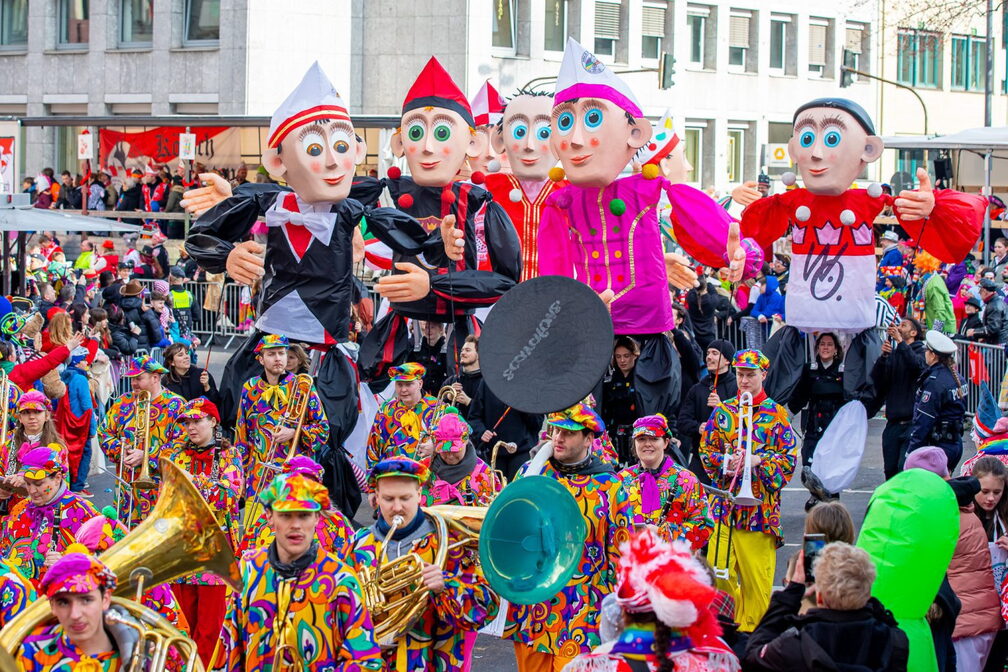 Staff pick
Carnival in Cologne, Germany, transforms the city into a lively celebration filled with music, costumes, and centuries-old traditions. Known as the “fifth season,” this…
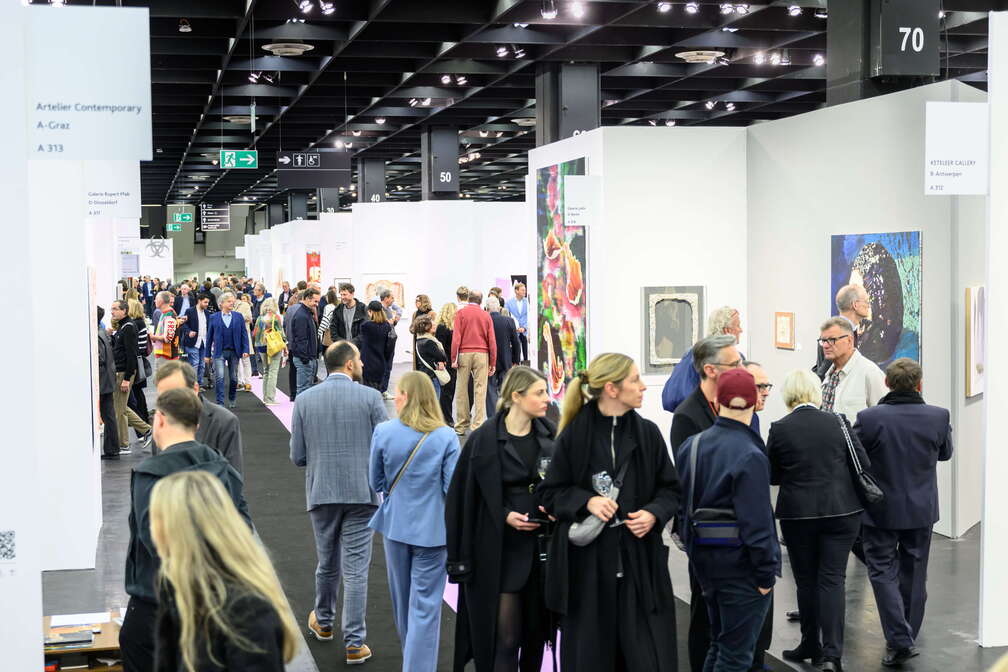 Staff pick
Art Cologne, held at the renowned Koelnmesse in Cologne, Germany, is recognized as the world’s oldest fair dedicated to modern and contemporary art, with…
 Staff pick
Noah Kahan is an American folk singer and songwriter signed to Republic Records in 2017. His debut EP, "Hurt Someone," was released in 2018.…
 Staff pick
Noah Kahan is an American folk singer and songwriter signed to Republic Records in 2017. His debut EP, "Hurt Someone," was released in 2018.…
A reasonable scene near the station and in Ehrenfeld, which vanishes entirely during Carnival. Live from Hostelworld.
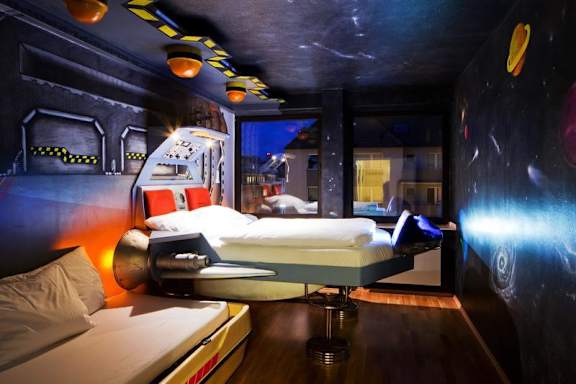
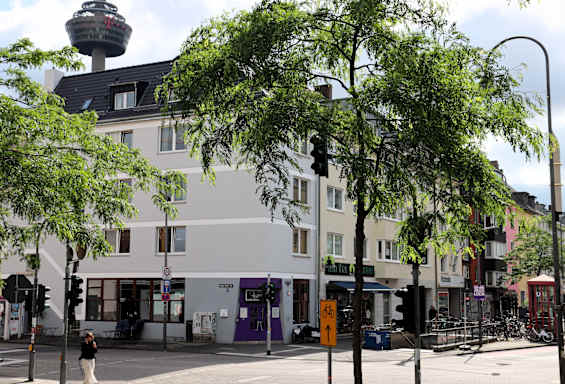
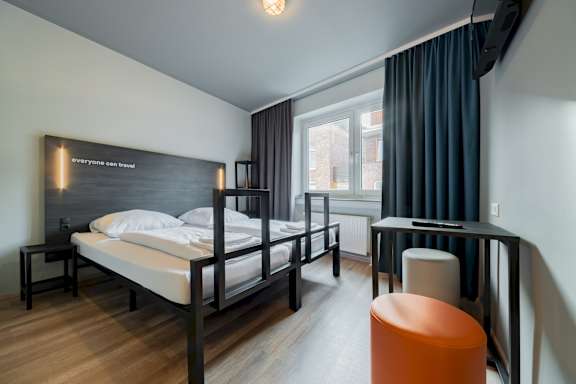 Sustainable
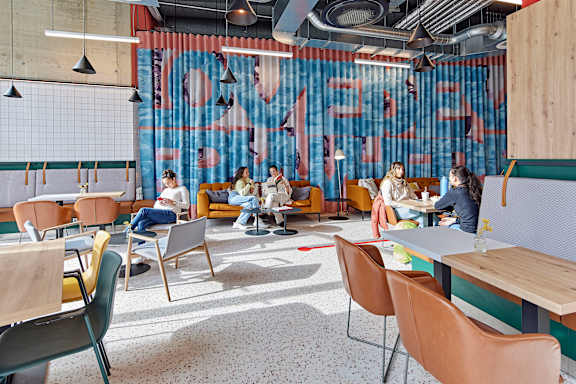
 Sustainable
 Sustainable
May to September, or February for Carnival if that is what you want.
Average highs. Carnival falls in the week before Lent, so the dates move with Easter — usually February, occasionally early March. It is the single biggest factor in what a Cologne trip costs.
Pick how you travel. Per person per night, in euros.
Carnival week runs roughly treble on beds. The doing line is low because the cathedral costs nothing.
The ones we get asked most.

Compare Cologne hostels — live prices, real reviews and free cancellation on most bookings. Then meet the people already there in the app.

 Get the App.
 Get the App.