Barra
Beaches, safest baseThe southern tip of the city, with the lighthouse, beaches and most hostels.

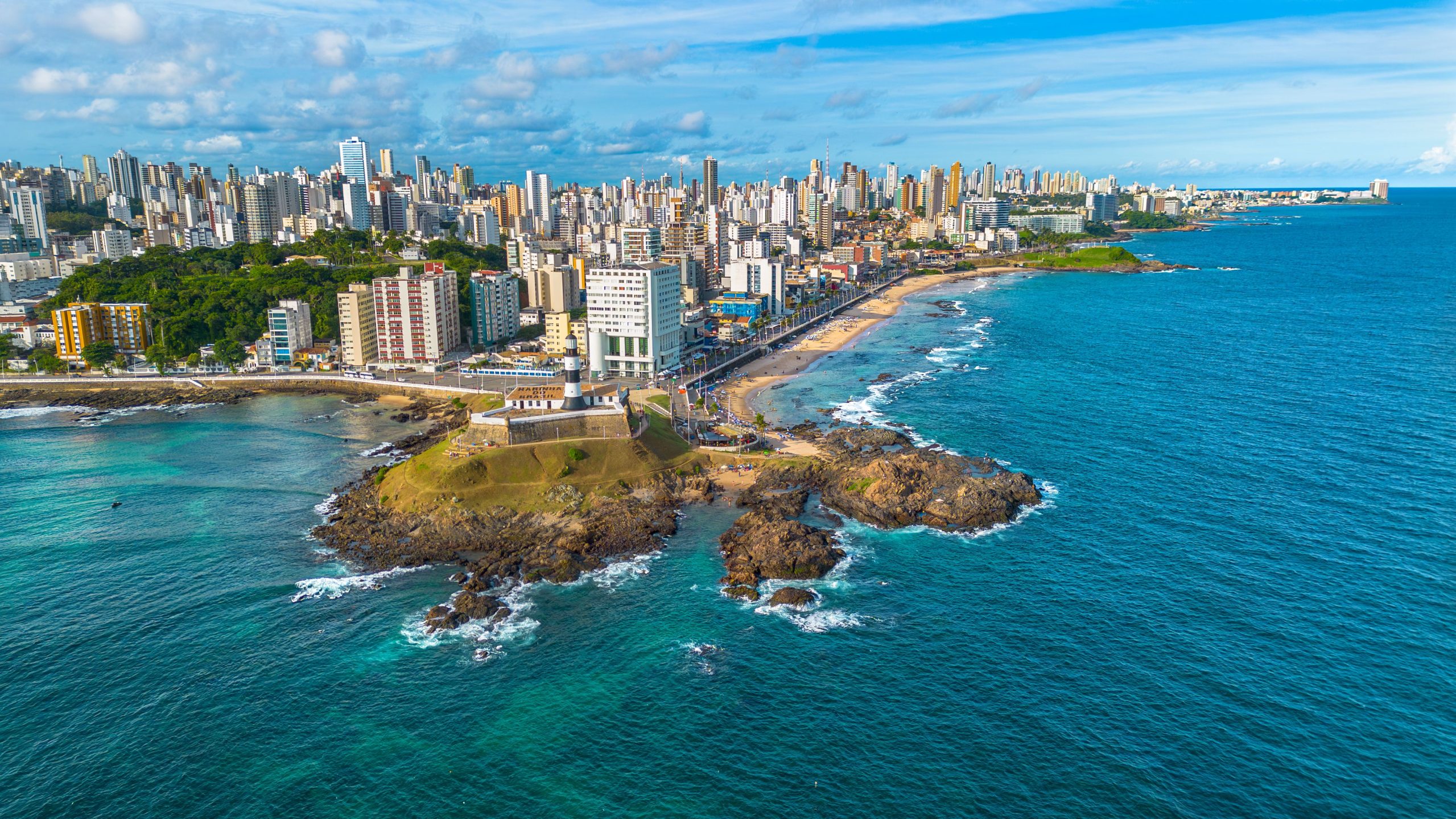
Brazil's first capital and the heart of Afro-Brazilian culture: pastel colonial streets, drumming on Tuesday nights, capoeira in the squares and the biggest street carnival in the world.
Salvador da Bahia was founded in 1549 as the capital of Portuguese Brazil, and for two centuries it was one of the richest cities in the Americas, built on sugar and the labour of enslaved Africans. That history shaped everything: Salvador has one of the largest Black populations of any city outside Africa, and its music, religion, food and dance are rooted in West African traditions.
The city is built on two levels. The Cidade Alta, the upper city, holds the Pelourinho, a UNESCO-listed historic centre of cobbled squares, baroque churches and colourful colonial houses. The Cidade Baixa, the lower city, runs along the bay, linked by the Elevador Lacerda, an art deco lift. South of the centre, Barra and Rio Vermelho have the beaches and the nightlife.
Give Salvador four or five days: two for the Pelourinho and the city's culture, one or two on the beaches, and an evening on Tuesday for the drumming in the streets. Visit with care, as some areas are unsafe, especially after dark.
Barra is the safest and most popular base, with beaches and easy transport. The Pelourinho is atmospheric but quiet late at night. Rio Vermelho is the nightlife district.
The southern tip of the city, with the lighthouse, beaches and most hostels.
The UNESCO-listed historic centre. Atmospheric by day and on Tuesday nights, quiet and less safe late.
The bohemian district between Barra and the northern beaches, with bars and live music.
Just north of the Pelourinho, with guesthouses, small bars and views over the bay.
Orange labels are neighbourhoods, dots are the 7 top-rated hostels. Map data from OpenStreetMap contributors.
Spend a day in the Pelourinho. The São Francisco church is covered inside in gold leaf, the Largo do Pelourinho is one of the most photographed squares in Brazil, and the Afro-Brazilian Museum and the Casa do Benin tell the story of the city's African heritage. Capoeira groups perform and train in the squares, and drumming groups like Olodum rehearse in the streets, especially on Tuesday nights.
Ride the Elevador Lacerda down to the lower city for the Mercado Modelo, a craft market by the bay, and then head south to Barra for the lighthouse, the Farol da Barra, and sunset over the water. The Bonfim church, in the north of the city, is famous for its ribbons, tied on wrists and railings for good luck.
Take a capoeira or drumming class, see a samba de roda performance, and if you can, visit during Carnival, when the city's streets fill with millions of people following trios elétricos, giant sound trucks.
The streets of the Pelourinho are free to wander, and the music, capoeira and street life are part of the show. On Tuesday nights, the free outdoor concerts and drumming in the squares are the city's weekly party.
The beaches in Barra are free, and the sunset at the Farol da Barra is one of the best things to do in Salvador. The Bonfim church and its ribbons are free to visit, and the walk along the bay in the lower city is lovely in the late afternoon.
During Carnival, most of the street parties are free, though the safest way to join is inside a bloco rope, which costs money.
Bahian food is the most distinctive in Brazil, built on African ingredients like palm oil (dendê), coconut milk and chilli. Acarajé, a fritter of black-eyed peas fried in dendê and filled with prawns and spicy vatapá paste, is sold by Baianas in white dresses on street corners and is the essential snack.
Moqueca baiana, a fish or prawn stew cooked in a clay pot with coconut milk and dendê, is the signature dish, served with rice and farofa. Bobó de camarão, a creamy prawn and cassava dish, is another favourite.
Por quilo restaurants and simple local places keep lunch cheap, and the beach bars in Barra serve cold beer and fried fish. Coconut water from a fresh coconut is everywhere.
Rio Vermelho is Salvador's nightlife district, with bars, live music and acarajé stalls around the Largo da Mariquita, busiest from Thursday to Sunday. Barra has beachside bars and a lively crowd, especially in summer.
In the Pelourinho, Tuesday night is the big night, with drumming, concerts and crowds in the squares, and there is live music on weekends too.
Salvador's music is everywhere: axé, samba-reggae and pagode. Use Uber or 99 to move between neighbourhoods at night.
Salvador is spread out, so apps are the easiest way to move between the Pelourinho, Barra and Rio Vermelho, and they are cheap. The Elevador Lacerda links the upper and lower city for a tiny fare.
The metro runs from the centre to the airport and the bus station, and city buses cover the coast. The airport is around 25km north-east of the centre, around 40 minutes by app or connected by metro.
The Rodoviária bus terminal has services to Lençóis for the Chapada Diamantina, Itacaré and the coast. Boats from the Terminal Marítimo cross to Morro de São Paulo and the islands of the bay.
Salvador is cheaper than Rio and São Paulo. Dorm beds run from around €9 to €17, a por quilo lunch costs €4 to €8, and an acarajé less than that.
Carnival changes everything: accommodation can triple and sells out months ahead, and joining a bloco costs extra.
Cards and Pix are widely accepted, but carry some cash for street food and small bars. Keep only what you need on you.
Salvador needs care. Robbery and phone snatching are common, especially at night and in quiet streets. The Pelourinho is well policed by day, but the streets around it empty quickly in the evening, and the area between the Pelourinho and the lower city is best avoided at night.
Use Uber or 99 at night, carry as little as possible and keep your phone out of sight. At Carnival, take only a little cash and a cheap phone, and join a bloco for a safer experience.
Bahianas may offer ribbons or blessings and then ask for money, and some people in the Pelourinho charge for photos. Agree a price first or politely decline. In an emergency, call 190 for police or 192 for an ambulance.
Islands, beaches and the mountains of the Chapada Diamantina.
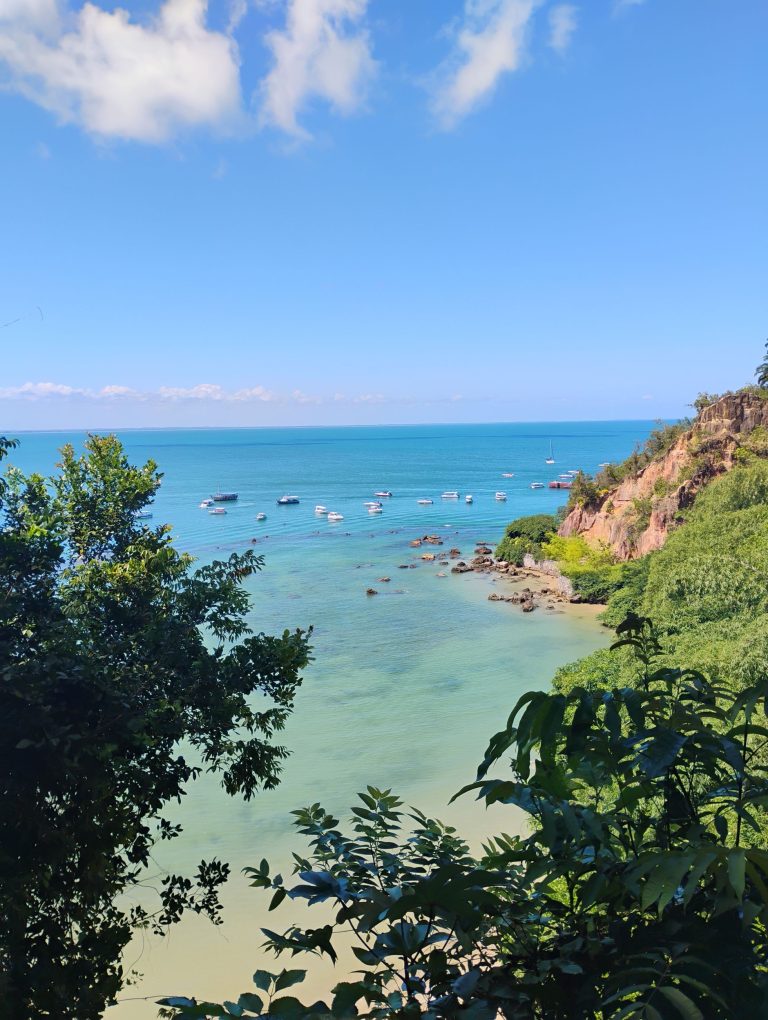
A car-free island village with beaches and nightlife.
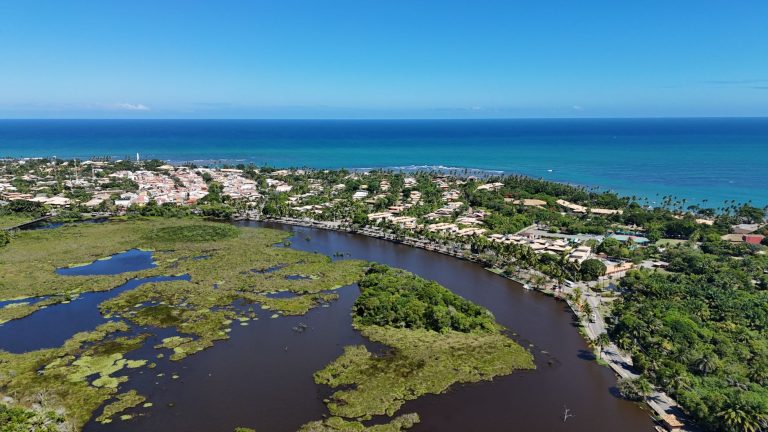
A beach village with a sea turtle conservation project.
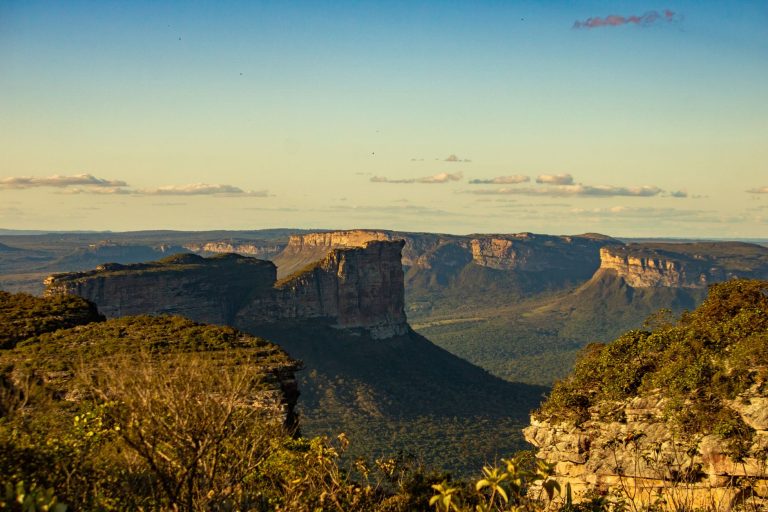
Waterfalls, caves and table mountains. Stay several days.
Salvador has the biggest street carnival in the world, and a festival for almost every month.
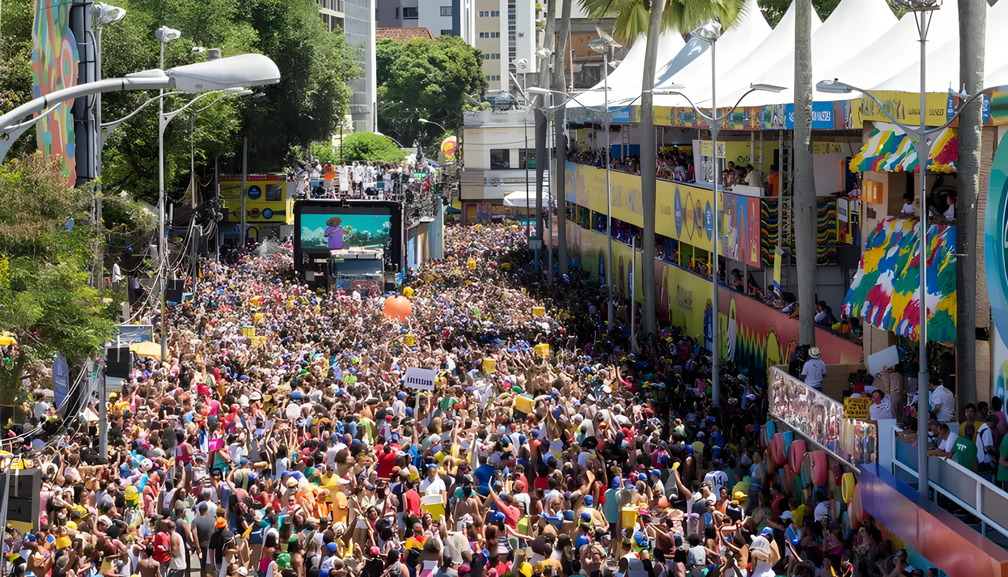 Staff pick
Salvador Carnival in Salvador, Brazil, is a world-renowned street festival that transforms the city into a massive celebration of Afro-Brazilian heritage and music. Crowds…
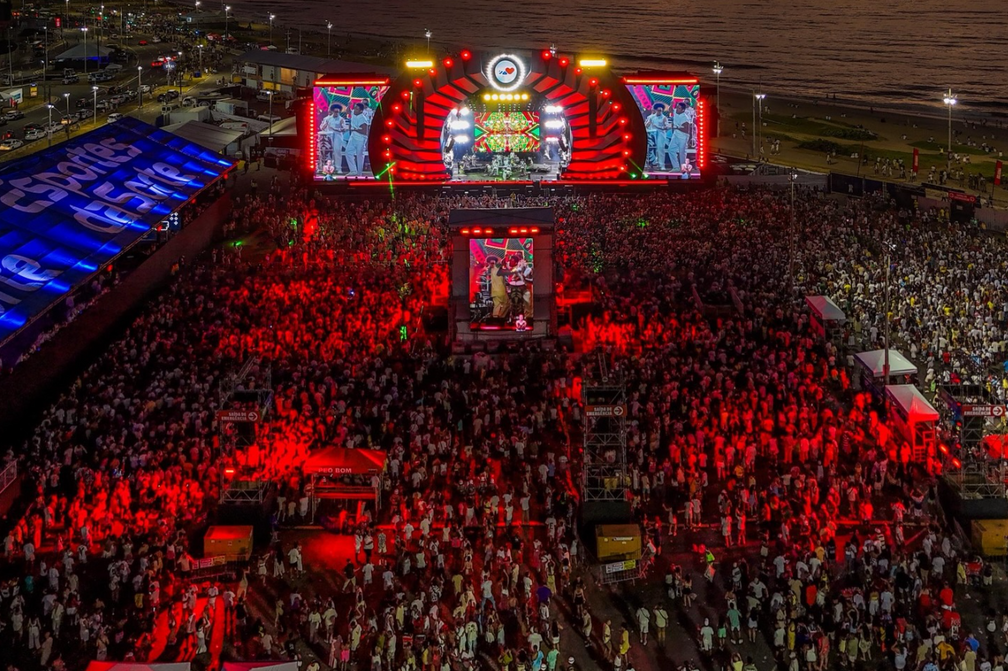 Staff pick
Festival Virada Salvador is a renowned multi-day New Year's Eve celebration in Salvador, Brazil, drawing massive crowds to Arena Canto da Cidade for an…
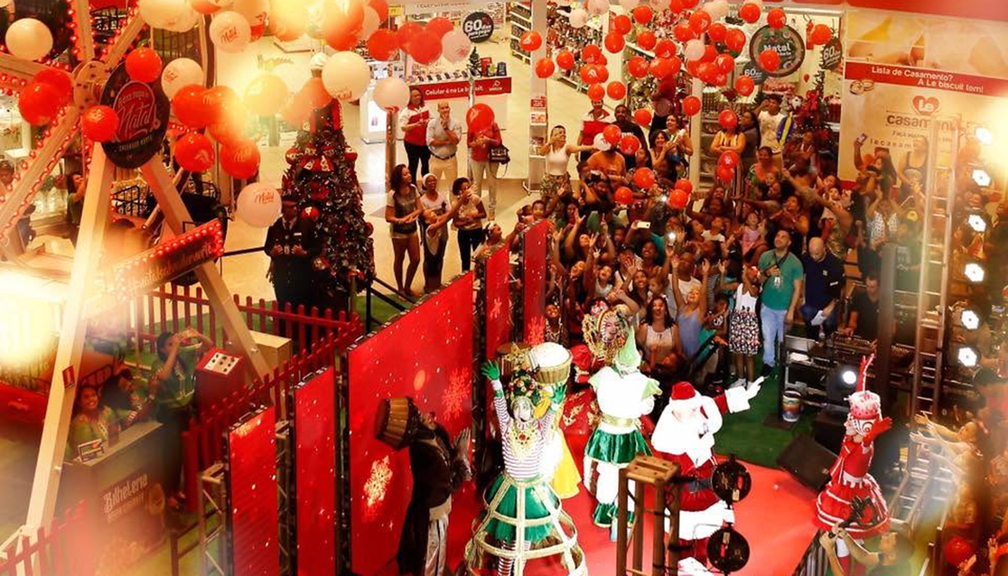
Natal Salvador Norte 2026 brings festive holiday activities including the arrival of Papai Noel, a themed Brinquedolândia, and a Toy Factory with a Noel…
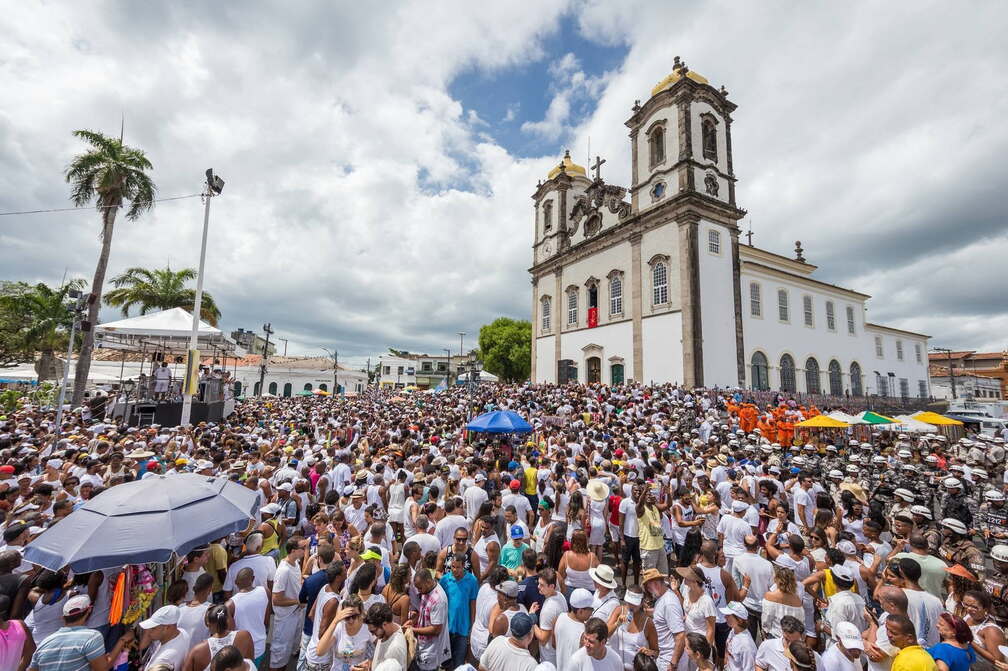
Lavagem do Bonfim is a traditional popular festival celebrated on the second Thursday of the year in Salvador. The event begins with an ecumenical…

The Dominguinho concert brings together celebrated Brazilian artists including Mestrinho and Jota.põª for a night of rich musical traditions. Set in the iconic Arena…
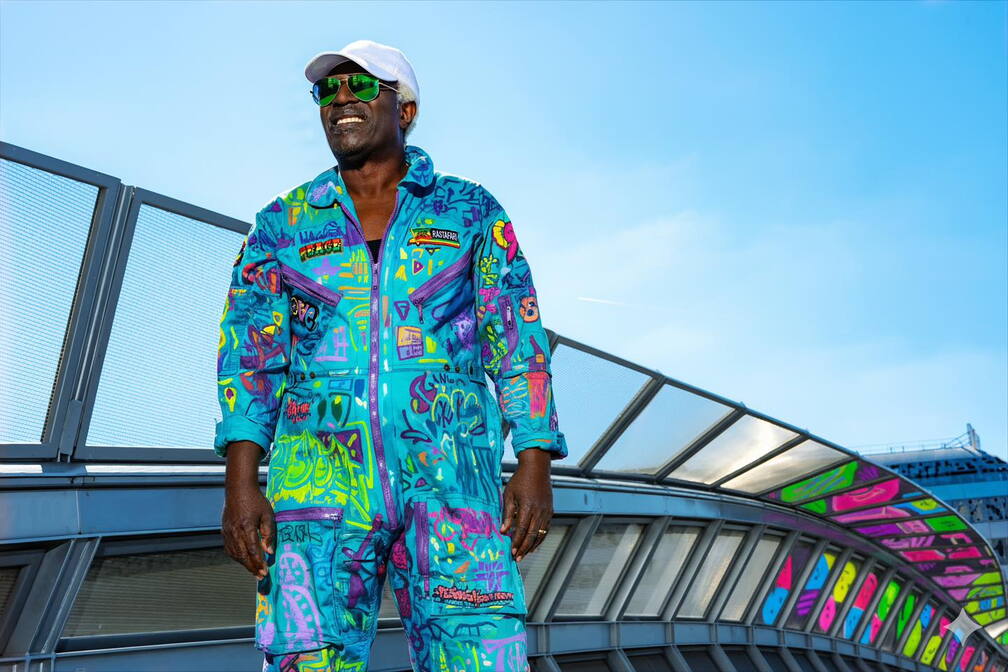
Republica do Reggae 2026 is the largest reggae celebration in Latin America, returning on November 28 at Wet Eventos in Salvador de Bahia. The…
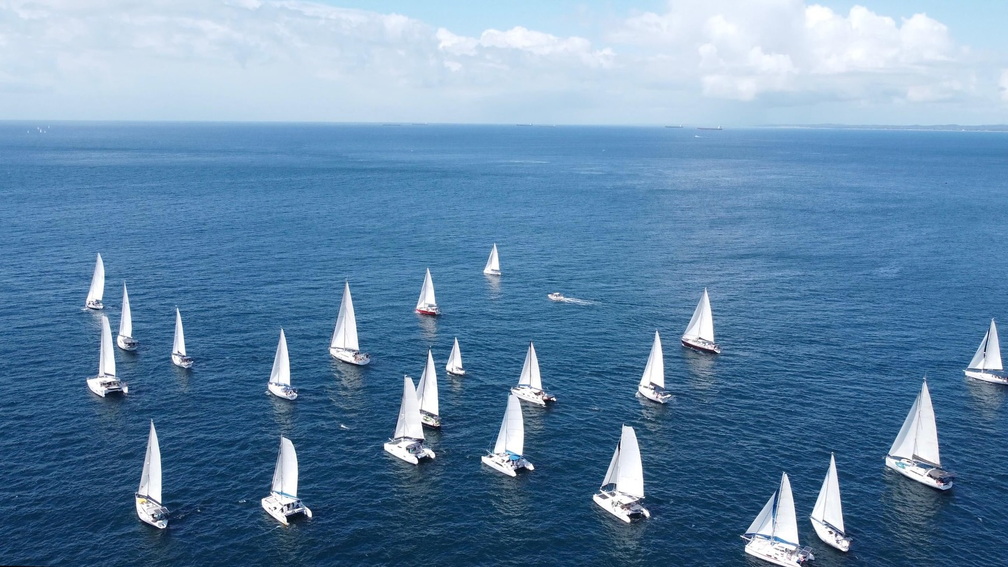
The Nautical Calendar of Salvador 2026 highlights the city's rich tradition in water sports with a series of competitions in rowing, sailing, and sport…

Two of Brazilian football's most consistent clubs meet when EC Bahia hosts Atlético Mineiro at Arena Fonte Nova, a modern stadium in Salvador with…
The highest-rated hostels in Salvador, straight from Hostelworld. Prices and availability are live on each property page.
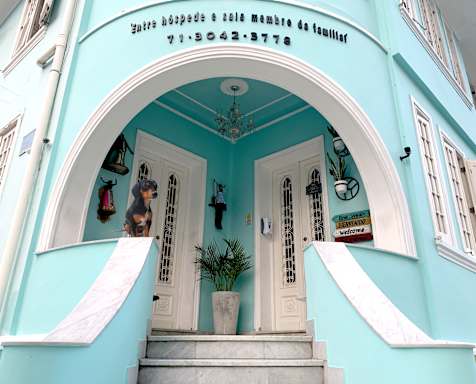
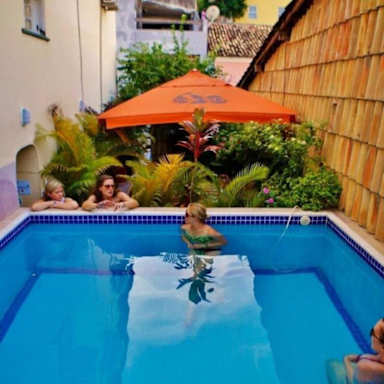
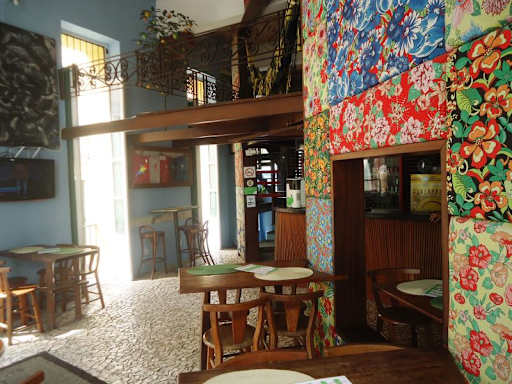
Salvador is warm all year. September to March is the driest and sunniest time; April to July is the rainy season. Carnival is in February or March.
Average highs, rounded. Rain falls in heavy showers rather than all day.
Per night, for one person, based on Salvador prices outside Carnival.
Treat these as a guide. Carnival costs far more.
The ones we get asked most.

Compare hostels across Salvador: live prices, real reviews and free cancellation on most bookings. Then meet the people already there in the app.

 Get the App.
 Get the App.