El Poblado
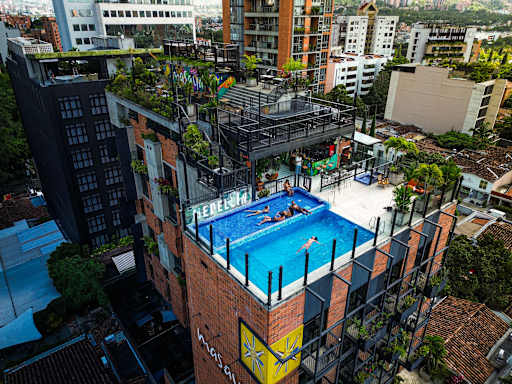
Nightlife, first-timers, most hostelsThe leafy hillside barrio around Parque Lleras and Provenza, with most of the city's hostels, bars and restaurants. Lively, international and pricier.

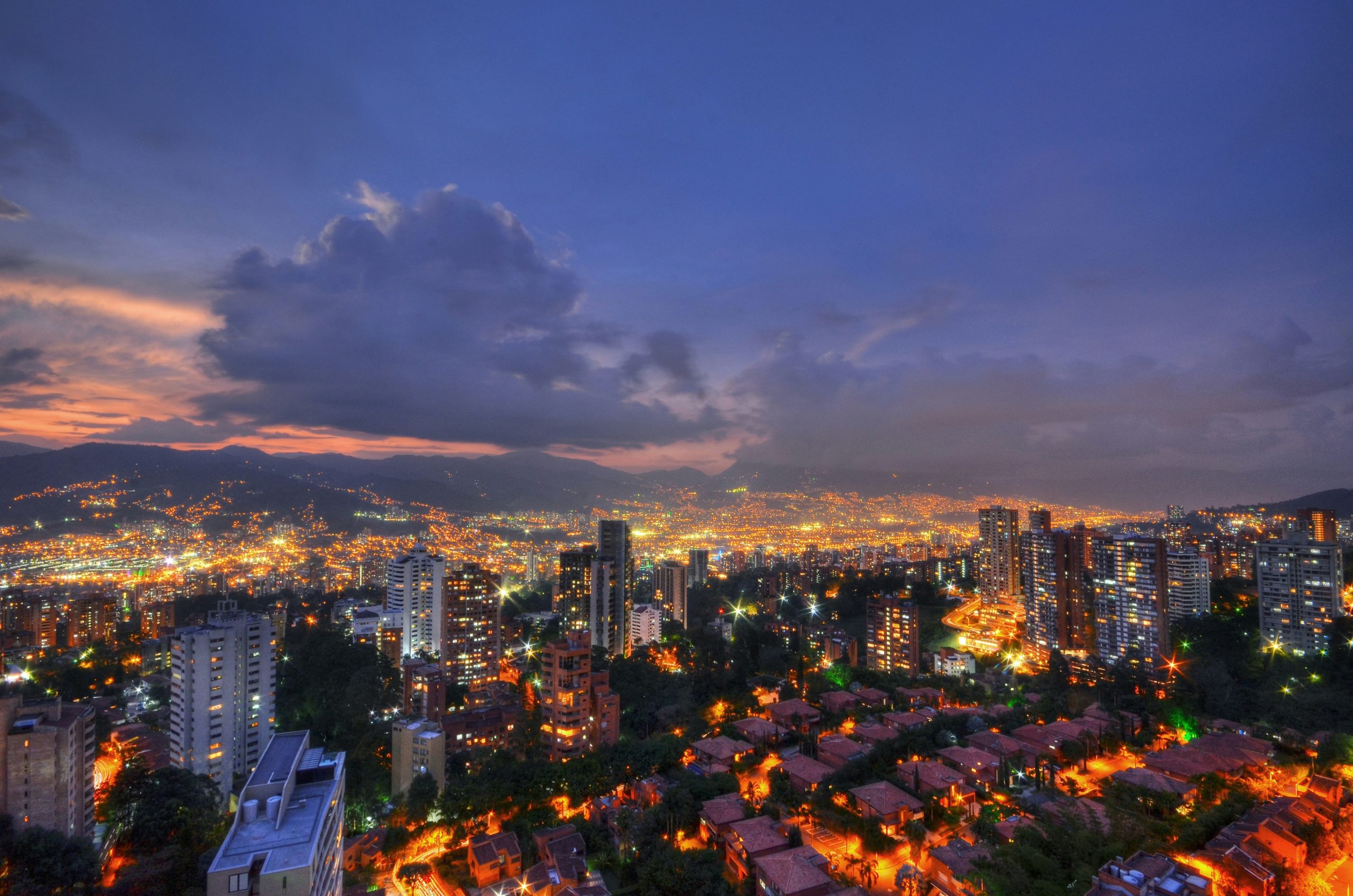
A city of eternal spring in a green Andean valley, with cable cars over the hillsides, a story of transformation told by the people who lived it, and the biggest hostel scene in Colombia.
Medellín fills the Aburrá valley at around 1,500 metres, with the city climbing steeply up both sides. The altitude gives it the climate it is famous for: warm days in the mid to high 20s all year, cool evenings, and rain that comes in short afternoon bursts. Thirty years ago it was one of the most dangerous cities in the world. Today it is the place most travellers name as their favourite in Colombia.
The change came through public investment in the poorest neighbourhoods: a metro, cable cars and outdoor escalators linking the hillside communities to the city, with libraries, parks and schools built at the stations. Riding the Metrocable and walking Comuna 13 with a local guide is the best way to understand it, and the city's museums tell the harder parts of the story honestly.
Give Medellín four or five days. Two or three for the city, one for Guatapé and its giant rock, and one to slow down in Laureles or a café in Envigado. It is an easy place to stay longer, and plenty of people do, with Spanish schools, coworking spaces and a big hostel community in El Poblado.
El Poblado has most of the hostels and the nightlife. Laureles is calmer and more local, Envigado is quieter still, and Belén is the budget option close to Laureles.
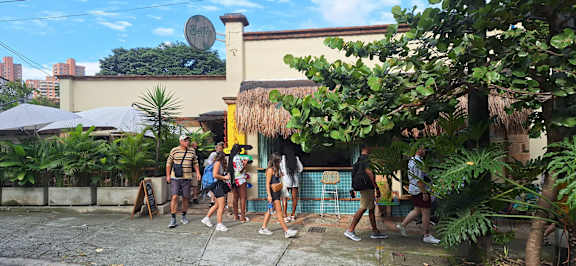
The leafy hillside barrio around Parque Lleras and Provenza, with most of the city's hostels, bars and restaurants. Lively, international and pricier.
A flat, green residential barrio with circular streets, good-value restaurants and the bars of La 70. Calmer than Poblado and well placed for the stadium.
A separate town in the south of the valley, joined to the city by the metro. Known for its parks, cafés and relaxed atmosphere.
A large, traditional barrio next to Laureles, with markets, local food and lower prices, a short ride from the action.
Orange labels are neighbourhoods, dots are the 12 top-rated hostels. Map data from OpenStreetMap contributors.
Start with the Metrocable. The cable car lines are part of the public transport network, so a normal metro fare takes you up over the hillside barrios with the whole valley below. Line K from Acevedo climbs to Santo Domingo, where you can change to Line L to Parque Arví, a large forest park with trails and a farmers' market at weekends (Line L costs extra).
Comuna 13 is the other essential. Once one of the most violent parts of the city, it is now known for its outdoor escalators, murals and hip-hop. Go with a guide from the community: they tell the story from the inside, and the money stays in the neighbourhood. Go in the morning to beat the crowds.
In the centre, Plaza Botero has 23 bronze sculptures by Fernando Botero outside the Museo de Antioquia, which has many more of his works. The Casa de la Memoria museum covers the armed conflict and is free. The Jardín Botánico and the Parque Explora science museum sit next to each other in the north, and a football match at the Atanasio Girardot stadium, Atlético Nacional or Independiente Medellín, is loud and memorable.
Free walking tours leave from the centre most days and are a good first morning, covering Plaza Botero, the Parque de las Luces and the history of the city. Tip the guide at the end.
The Jardín Botánico is free and a calm escape, with a striking wooden canopy, the Orquideorama. The Casa de la Memoria museum is free, and walking Comuna 13's escalators on your own costs nothing, though a guided tour is much better.
The Pueblito Paisa on Cerro Nutibara is a replica village with views across the city, free to walk up to.
Paisa food is hearty. The bandeja paisa is the regional dish: beans, rice, ground beef, chicharrón, chorizo, a fried egg, plantain, arepa and avocado on one plate. Try it once, ideally at lunch. Arepas, buñuelos and empanadas are everywhere, and a menú del día with soup, a main and a juice costs a few euros in any local restaurant.
The Mercado del Río is a food hall with dozens of stalls, good for groups who cannot agree. Provenza and Manila in El Poblado have the city's most fashionable restaurants and cafés, and Laureles has good-value local places along La 70 and around the circulars.
Colombia's best coffee is grown nearby, and Medellín has excellent speciality coffee shops. Fresh juices are made with fruit you may never have seen before: try lulo, maracuyá and guanábana.
El Poblado is the centre of the city's nightlife. Parque Lleras and the streets around it are packed with bars and clubs, Provenza has cocktail bars and rooftop terraces, and most hostel bars run pub crawls. It is lively every night of the week and busiest from Thursday to Saturday.
Laureles has a more local scene along La 70 and the Primer Parque, with bars, salsa and reggaeton, and fewer tourists. Medellín is the home of reggaeton in Colombia, and the clubs play a lot of it.
Nights go late, but take care. Never leave a drink unattended, do not go home with people you have just met, and use ride apps rather than street taxis.
The metro is clean, safe and cheap, and the easiest way to get around, with the Metrocable lines and the Tranvía tram on the same network. Buy a rechargeable Cívica card at stations. Ride apps are widely used and are the safest option at night.
José María Córdova airport is in Rionegro, east of the city over the mountains, around 45 minutes to an hour away by taxi or airport bus. A few domestic flights use the smaller Olaya Herrera airport in the city.
Buses leave from two terminals: Terminal Norte for the coffee region, Guatapé and the north, and Terminal Sur for the south. Bogotá is around nine hours by bus or an hour by plane.
Medellín is good value. Dorm beds start around €8, with the well-rated hostels in El Poblado more like €10 to €18. A menú del día is €3 to €5, a coffee €1 to €2 and a beer €1 to €3, more in Provenza.
Metro journeys cost under a euro, and Comuna 13 tours and walking tours are cheap. Guatapé is the main extra, and is still easy on the budget by bus.
Cards are widely accepted, but carry some cash for markets and small shops. Use ATMs inside shopping centres or banks.
Medellín is far safer than its reputation, but you need more awareness than in Europe. Phone snatching is the most common problem, often by thieves on motorbikes, so keep your phone away on the street. The centre is fine by day but empties at night.
The biggest risk for travellers is being drugged, often with scopolamine, in bars or after meeting someone through a dating app. Never leave your drink, meet new people only in busy public places, and do not take strangers back to your room. This is a serious and recurring problem in El Poblado.
Use ride apps rather than hailing taxis, and do not carry more cash than you need. Tourism linked to drugs or sex work is illegal and fuels harm in the city. In an emergency, call 123.
Lakes, colonial towns and coffee country within a few hours.
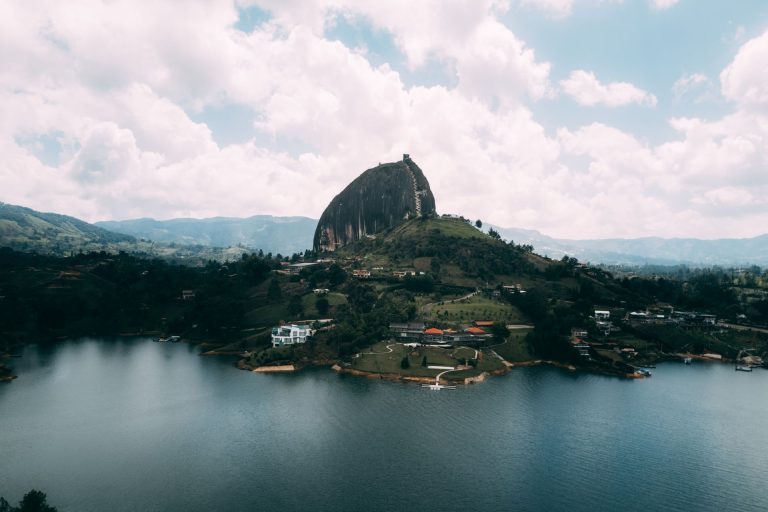
Climb the 700-odd steps up the giant Piedra del Peñol for views over the lakes, then walk the colourful streets of Guatapé.
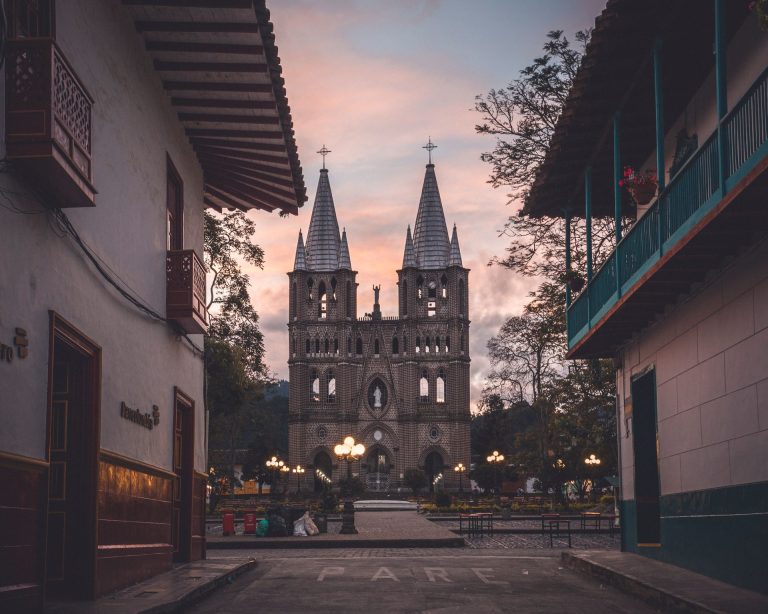
A colonial coffee town with a lovely main square, waterfalls and cable cars. Best with a night.
Flower parades, festivals and big nights out.
 Staff pick
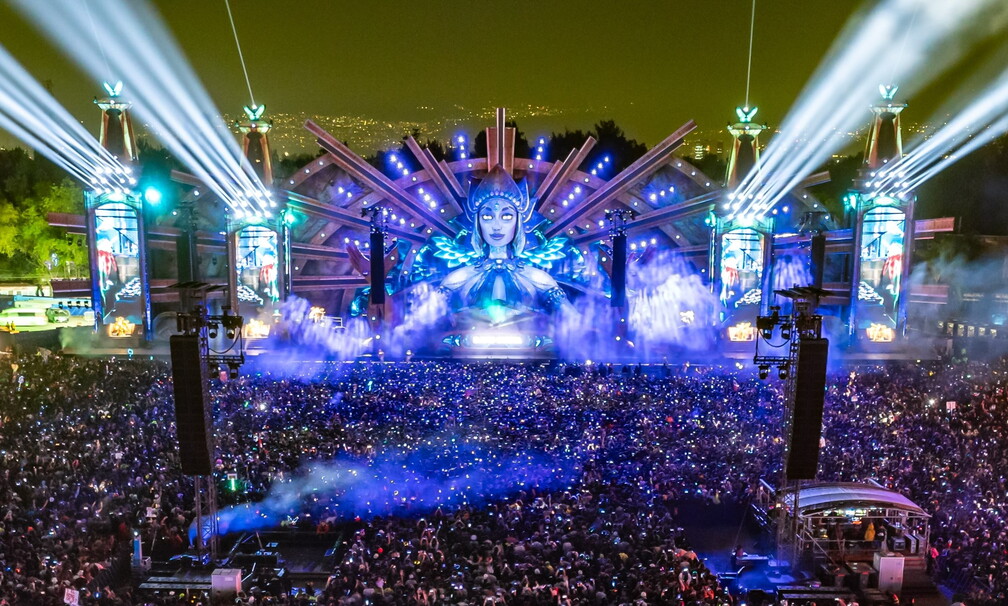
Electric Daisy Carnival brings its legendary celebration of electronic music and creativity to Medellín, Colombia, transforming the city into a hub of dance, art,…
 Staff pick
Ritvales is a major electronic music festival in Medellín, Colombia, that transforms El Parque Norte into a vibrant gathering of sound, art, and community.…
 Staff pick
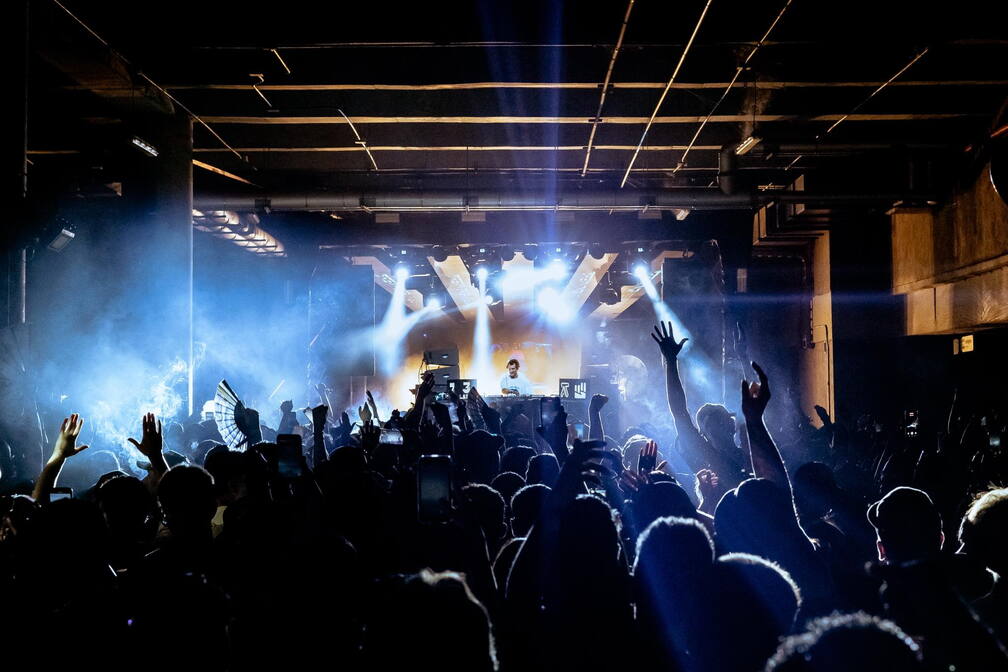
Sirius is a standout techno celebration in Medellín, Colombia, set against the vibrant atmosphere of Parque Norte. It brings together global icons and rising…
 Staff pick
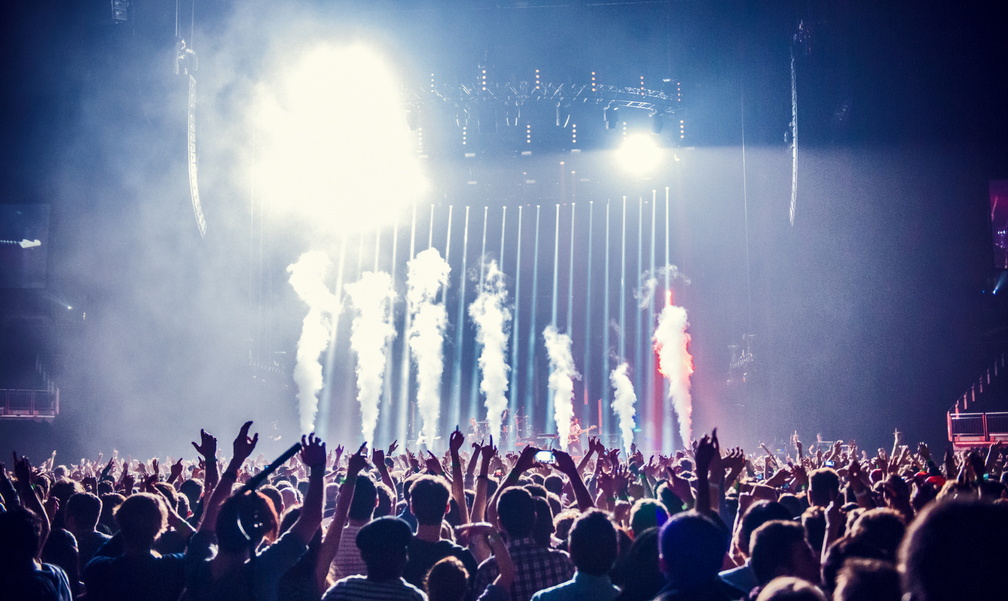
Blackdance is a renowned conceptual techno music event held in Medellín, Colombia, where attendees dress entirely in black to emphasize unity and minimize external…
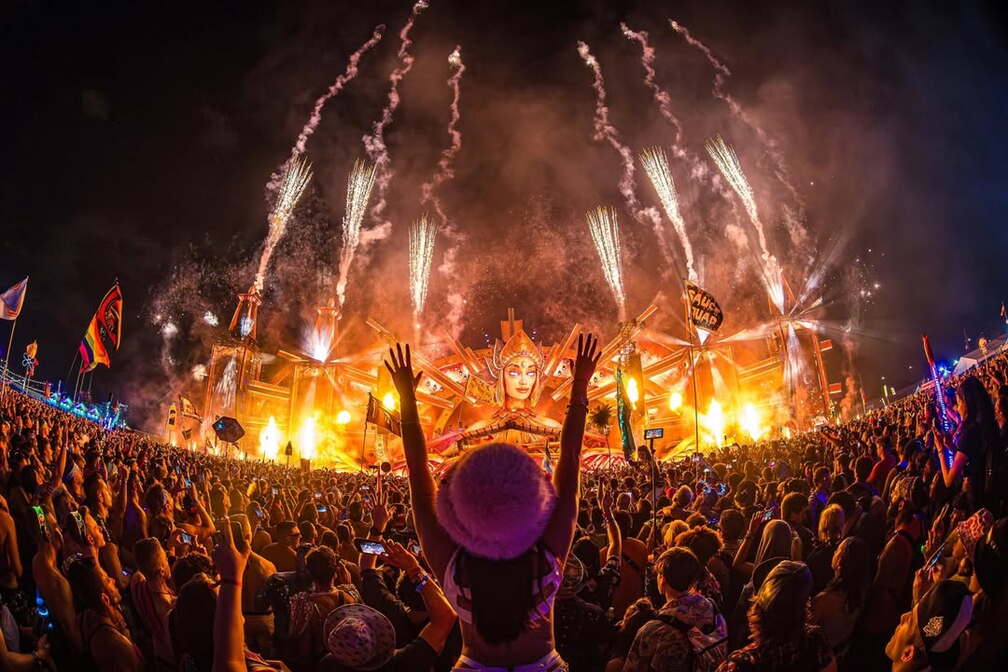
Electric Daisy Carnival Colombia 2026 brings the iconic electronic music festival to Medellín for the first time on October 10 and 11. You will…
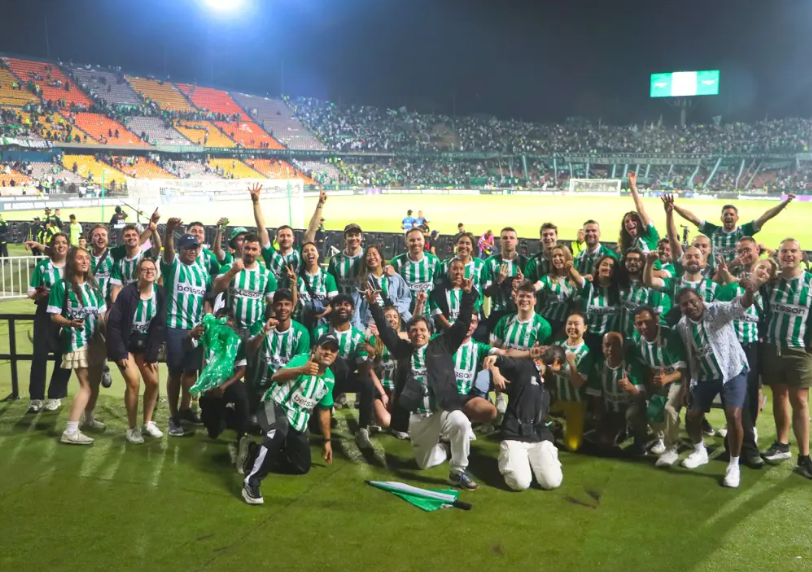
Atanasio Girardot Stadium is known for its vibrant atmosphere during soccer matches, especially those featuring Atlético Nacional de Medellín. This Colombia Primera A match…

These two Colombian clubs have faced each other over 50 times since 2005, making this a well-established rivalry in the Categoría Primera A. The…
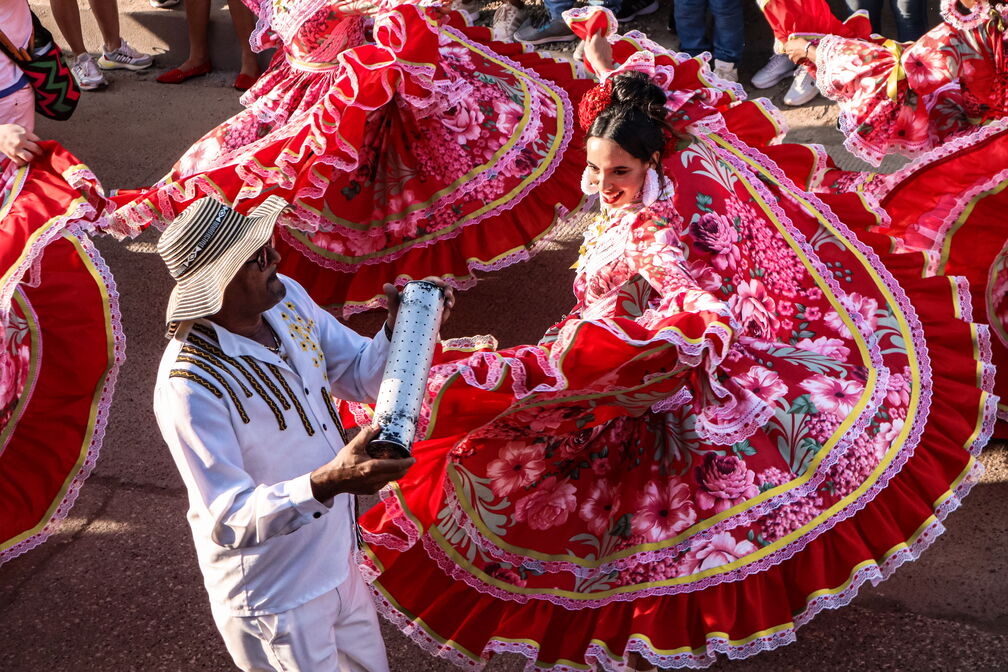
Fiesta de la Diversidad Cultural 2026 celebrates the cultural richness of the city through music, dance, experiences, talks, crafts, and gatherings around diverse identities…
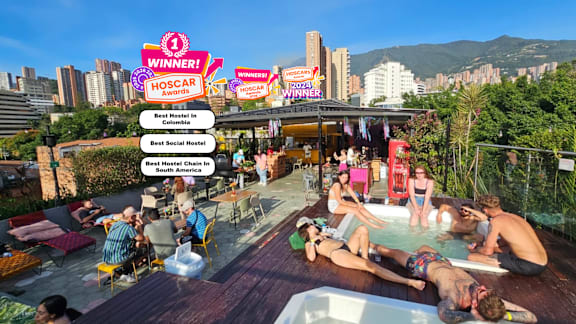
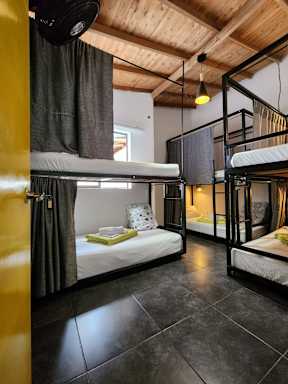
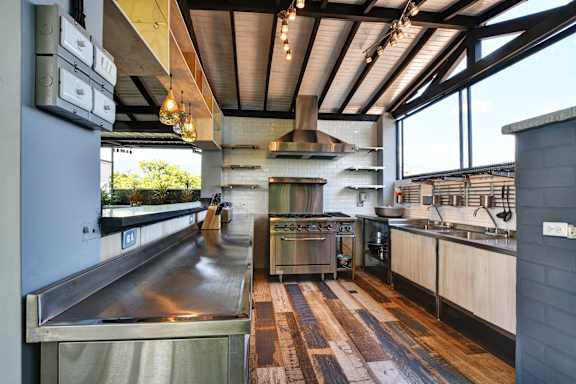
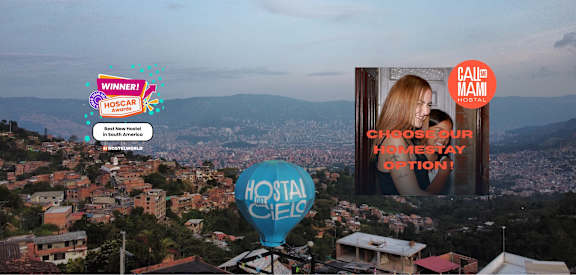
The highest-rated hostels in Medellín, straight from Hostelworld. Prices and availability are live on each property page.
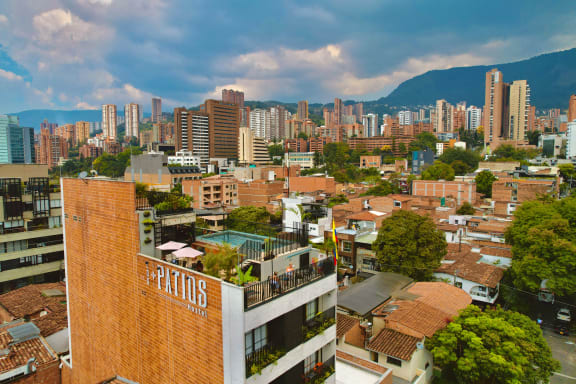
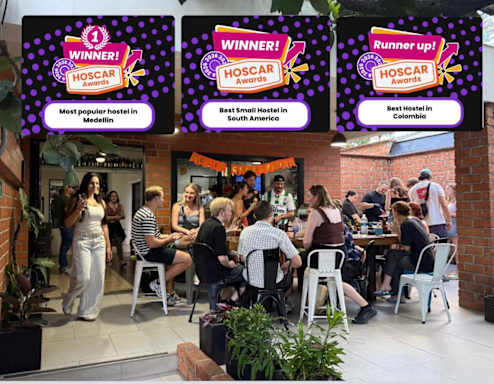
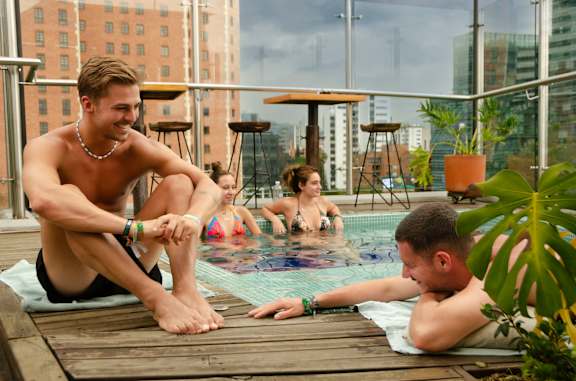
Medellín's climate barely changes, warm days and cool nights all year. December to March and July to August are drier. Early August brings the Feria de las Flores.
Average highs, rounded. Short afternoon showers are possible in any month.
Per night, for one person, based on Medellín prices.
Treat these as a guide. Guatapé and nights out in Provenza cost extra.
The ones we get asked most.

Compare hostels in Medellín: live prices, real reviews and free cancellation on most bookings. Then meet the people already there in the app.

 Get the App.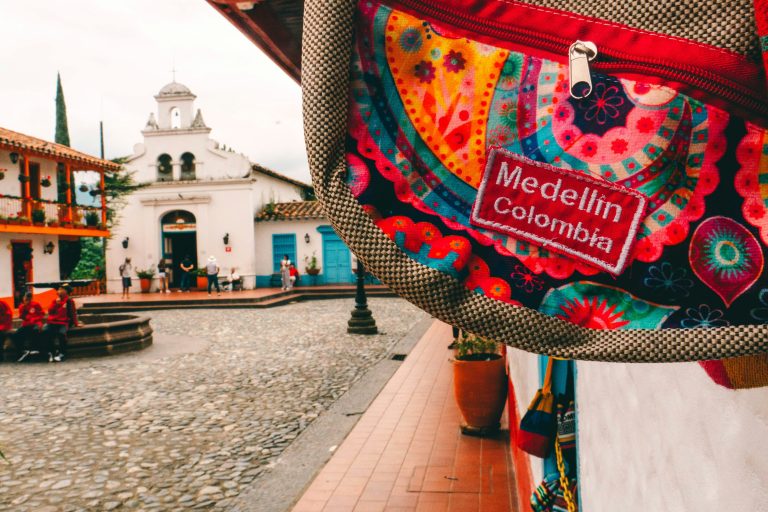




 Get the App.