Historic centre
Hostels, food, buses to TayronaThe streets around the Parque de los Novios and the malecón, with most hostels, restaurants and bars.

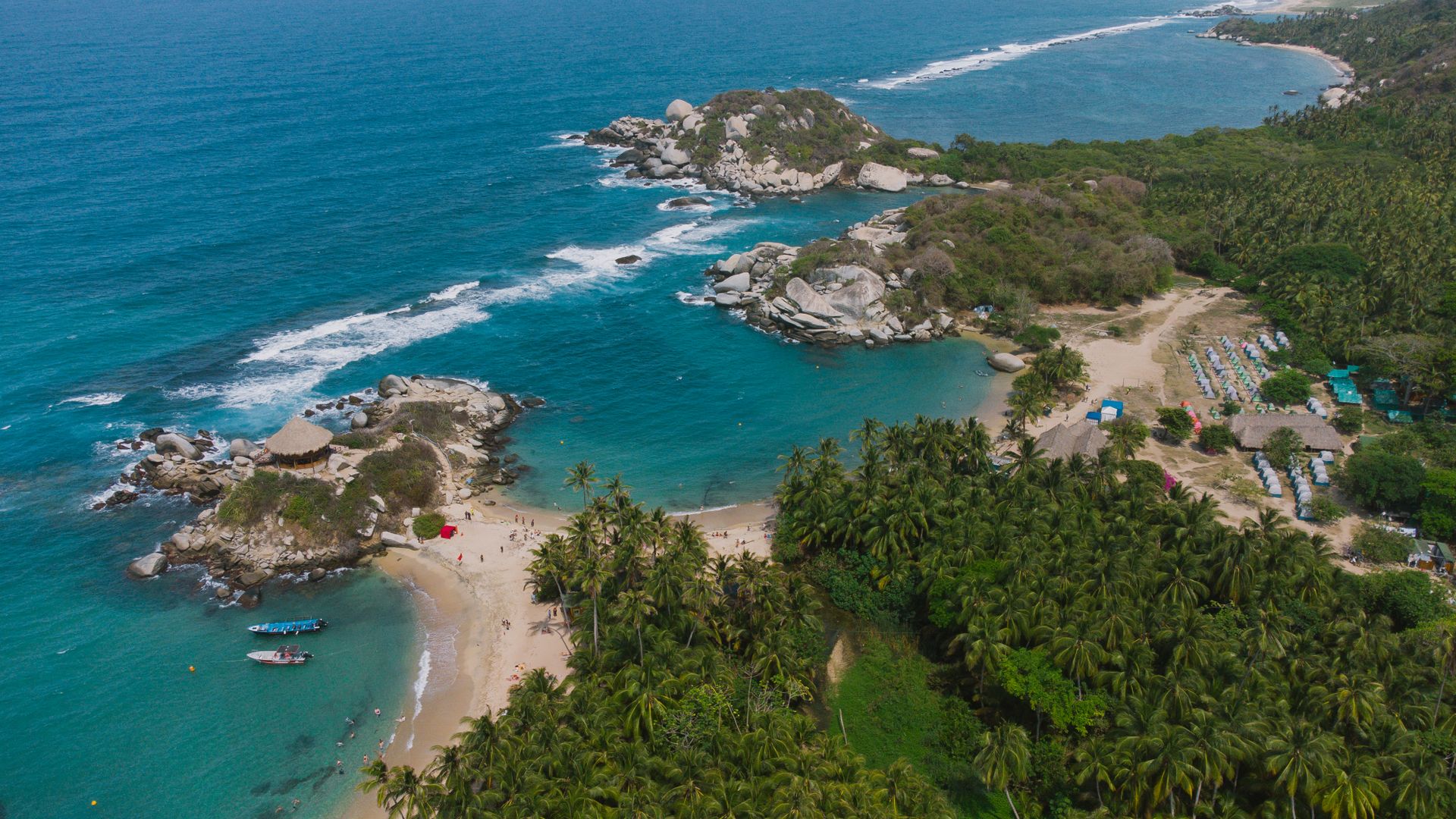
Colombia's oldest city and the base for the Caribbean coast's best adventures: Tayrona's jungle beaches, the four-day trek to the Lost City and the cool coffee hills of Minca.
Santa Marta was founded in 1525, making it the oldest surviving city founded by the Spanish in Colombia. It sits on a bay between the sea and the Sierra Nevada de Santa Marta, the highest coastal mountain range in the world, whose snow-capped peaks rise to more than 5,700 metres just 40 km from the beach.
The city itself is hot, busy and a little rough around the edges, with a pleasant historic centre, a seafront promenade and a lively food and bar scene around the Parque de los Novios. Most travellers use it as a base, and that is its real strength: within two hours you can be in Tayrona National Park, on the trail to the Lost City, in the hills at Minca or on the beach at Palomino.
Give the area a week if you can. One or two days in the city, two or three in Tayrona or Minca, and four for the Lost City trek. Santa Marta is cheaper than Cartagena and much more of a backpacker hub.
The historic centre has most of the hostels and is closest to the buses to Tayrona. El Rodadero is the beach resort, Taganga is a fishing village next door, and Minca is in the hills.
The streets around the Parque de los Novios and the malecón, with most hostels, restaurants and bars.
A beach resort south of the city, popular with Colombian families, with high-rises and a busy beach.
A fishing village in the next bay, with cheap diving and a few hostels. Quieter than it used to be.
A village in the Sierra Nevada, 45 minutes up the mountain, with hostels among coffee farms and waterfalls.
Orange labels are neighbourhoods, dots are the 12 top-rated hostels. Map data from OpenStreetMap contributors.
Tayrona National Park, around an hour east, is the highlight: jungle trails leading to golden beaches between huge boulders, with Cabo San Juan the most famous. Many beaches are unsafe for swimming because of strong currents, so swim only where it is signed as safe. Some travellers camp or sleep in hammocks inside the park. The park was closed in February 2026 and reopened in March, and it also closes for three set periods each year for Indigenous ceremonies: 1 to 15 February, 1 to 15 June and 19 October to 2 November. Check the status before you go.
The Lost City trek, Ciudad Perdida, is one of the best treks in South America: four days through jungle and rivers to the terraces of a city built by the Tayrona people centuries before Machu Picchu. It can only be done with licensed operators, who include food, beds or hammocks, guides and the entrance fee.
In the city, the Quinta de San Pedro Alejandrino is the hacienda where Simón Bolívar died in 1830, and the Museo del Oro Tairona in the Casa de la Aduana is small and free. Minca, 45 minutes up into the Sierra Nevada, has coffee farms, waterfalls and birdwatching in cooler air.
The Museo del Oro Tairona in the historic Casa de la Aduana is free, with gold work and pottery from the Tayrona culture and the history of the city.
The seafront promenade, the cathedral, the Parque de los Novios and the historic centre are free to wander, and the sunset over the bay is excellent from the malecón.
The city beach is free but not the best; walk or take a short ride to Playa Blanca near El Rodadero, or go to Taganga.
Fresh fish, coconut rice and patacones are the coastal staples, and ceviche and arepas de huevo are sold on the street. Cayeye, a mash of green banana with cheese, is a local breakfast.
The Parque de los Novios and the streets around it have the best restaurants and bars, from cheap local places to international cafés. Many hostels have kitchens, and the markets are good for tropical fruit.
Coffee from the Sierra Nevada is excellent, and you can taste it at the farms in Minca.
The Parque de los Novios and the streets around it are the centre of nightlife, with bars, rooftops and live music, busiest from Thursday to Saturday. Several hostels have rooftop bars and run parties.
Taganga used to be a party village, and still has a few bars, but has become quieter.
Nights are hot and relaxed. Keep valuables at the hostel, never leave a drink and use taxis or apps late at night.
The historic centre is walkable. Local buses run along the coast, including to Tayrona's main El Zaino entrance and to Palomino, from the market area. Taxis and ride apps are cheap for short trips.
Simón Bolívar airport is around 20 to 30 minutes south of the centre, with flights from Bogotá and Medellín. Buses and shuttle vans run to Cartagena in around four to five hours and to Barranquilla in around two.
Minca is reached by shared taxis and motorbike taxis from the city, around 45 minutes up a winding road.
Santa Marta is good value, much cheaper than Cartagena. Dorm beds start around €8, with the well-rated hostels in the centre more like €9 to €15. A menú del día is €3 to €5.
The big extras are Tayrona and the Lost City. For foreign adults, Tayrona's 2026 entrance fee is around COP 81,000 in low season and 96,500 in high season (roughly €17 to €21), plus a small insurance. The Lost City trek costs around €400 for four days, all included.
Carry cash for Tayrona, Minca and Palomino, as card machines and ATMs are limited outside the city.
Santa Marta needs normal city care. Petty theft and phone snatching happen, especially at night and around the market and bus areas. Keep your phone away and take taxis or apps after dark.
In Tayrona, swim only on beaches signed as safe: strong currents have drowned visitors. Keep your belongings with you on the beach and in hammock areas.
Only book the Lost City with licensed operators, and check Tayrona's status before going, as the park can close at short notice. Drugs are offered to travellers; say no. In an emergency, call 123.
Most of the reasons to come here are outside the city.
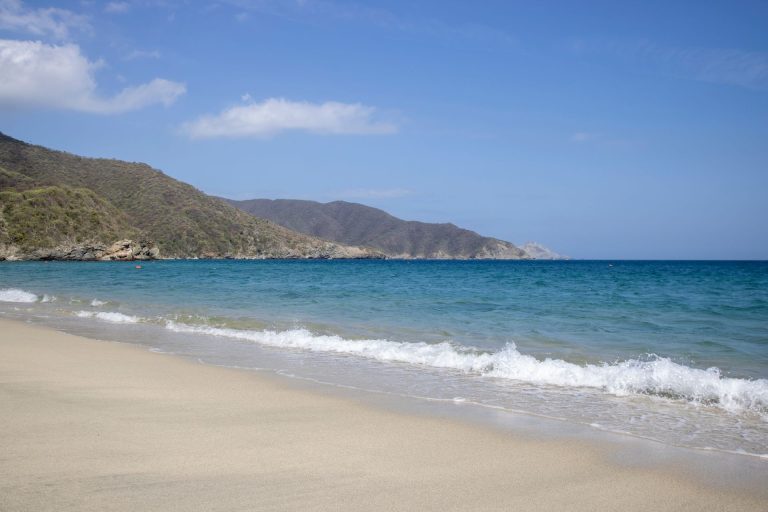
Jungle trails to golden beaches. Check closure dates before going.
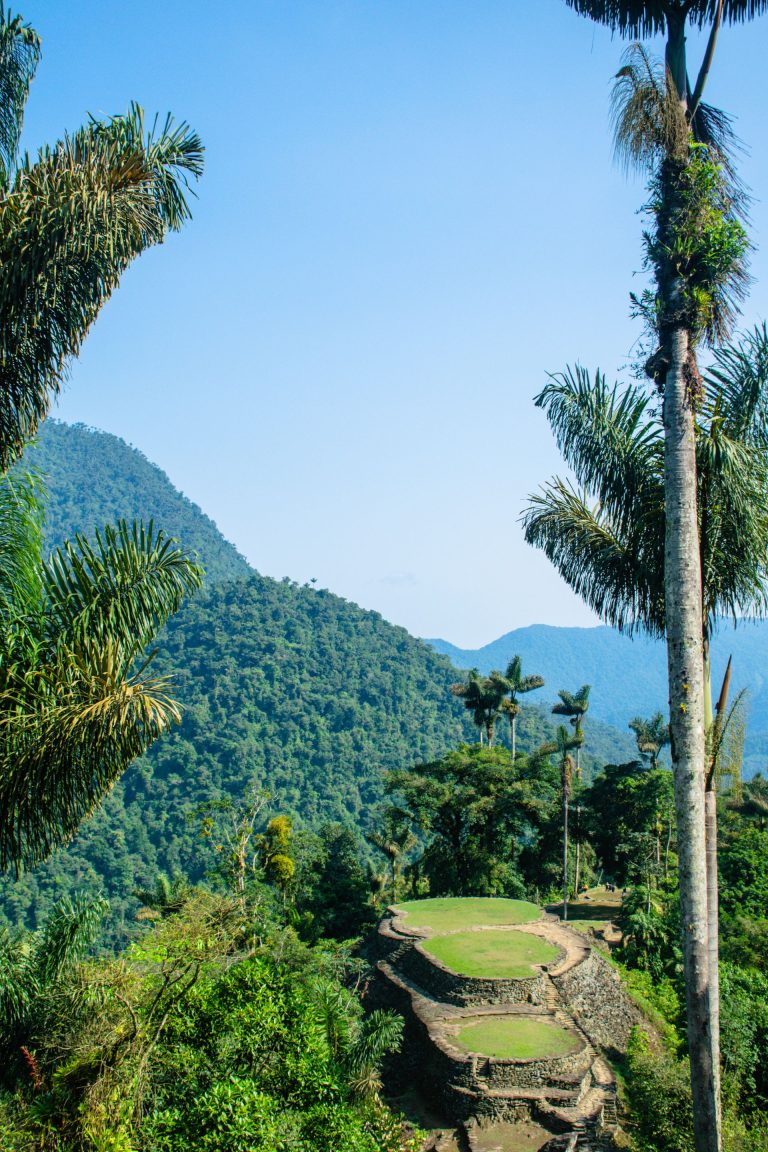
A jungle trek to the terraces of an ancient Tayrona city.
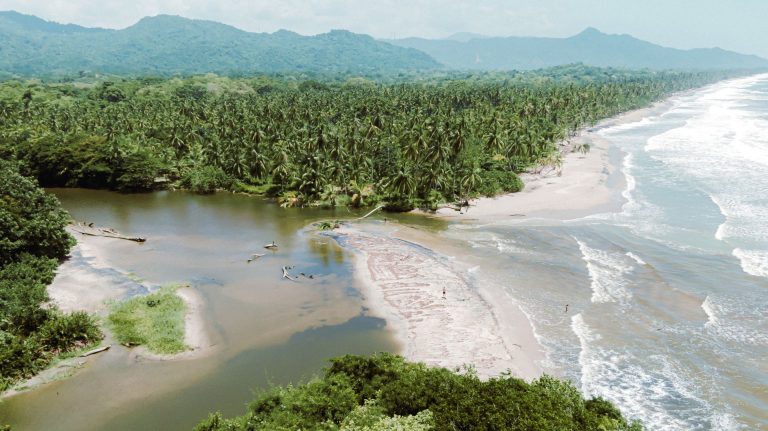
A laid-back beach village. Float down the river to the sea.
Sea festivals, beach parties and holiday crowds.
 Staff pick
FILSMar, the Santa Marta International Book, Arts, and Culture Fair, transforms the city into a dynamic hub for literature, creativity, and cultural exchange. Hosted…

Ikaro Café sits in the historic center of Santa Marta, Colombia, and every Saturday it transforms into a live music destination where you can…

Saturday nights at Chiringuito Santamar bring Caribbean and vallenato rhythms right to the seaside. Starting at 7:00 pm, you can settle in with the…

Two legendary sounds go head to head in this candlelit tribute concert at Universidad Areandina. Musicians perform the iconic hits of Queen and ABBA…

Grab the mic and belt out your favorites at this twice-weekly karaoke night held every Tuesday and Friday. The vibe at 18 36 Pub…

Every Thursday, a salsa class kicks off the evening at this popular rooftop spot in Santa Marta. You'll learn the basics while the coastal…

KHITAJO GASTROBAR is a popular spot in Minca offering a great rooftop experience with fantastic cocktails and a pleasant atmosphere, and their Baile Dance…

Palomino, in northern La Guajira, has evolved beyond its reputation as a backpacker and surf destination into a spiritual haven where travelers come seeking…
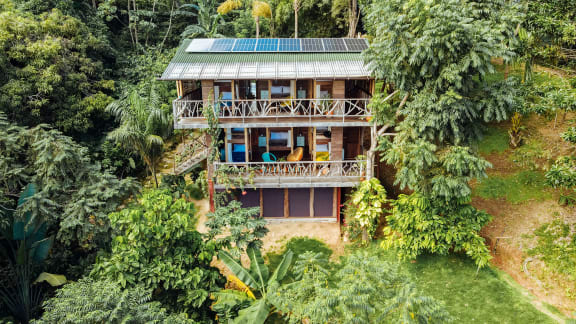
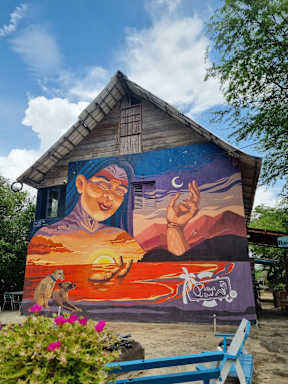
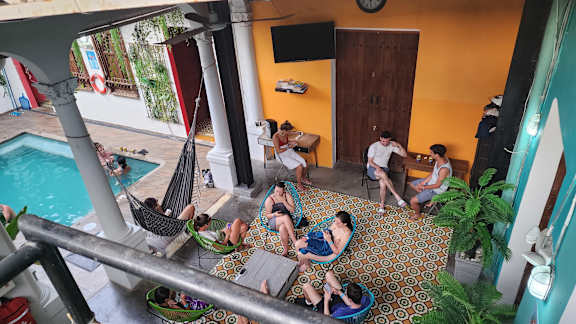
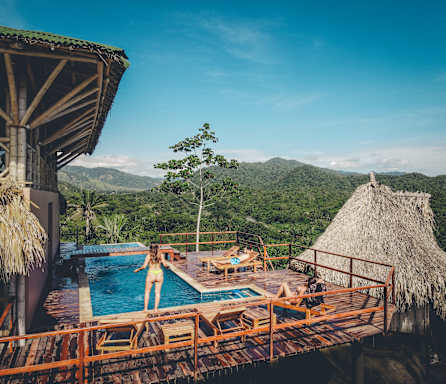
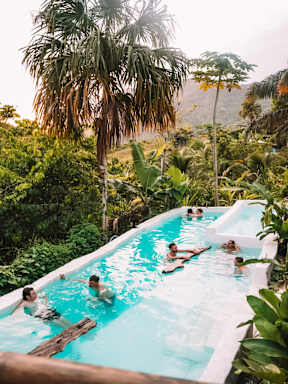
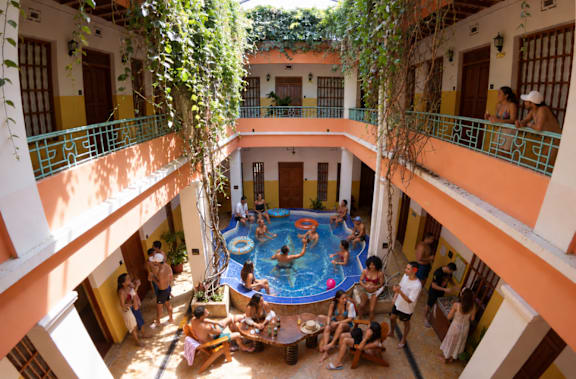
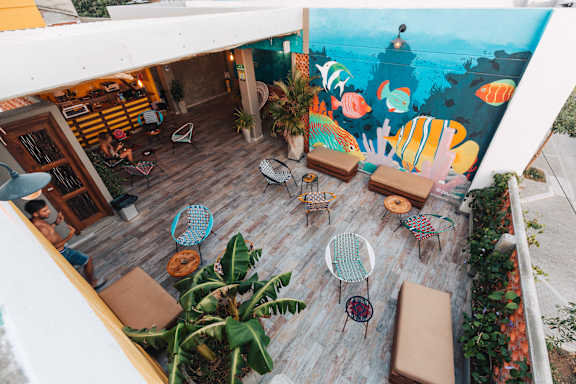
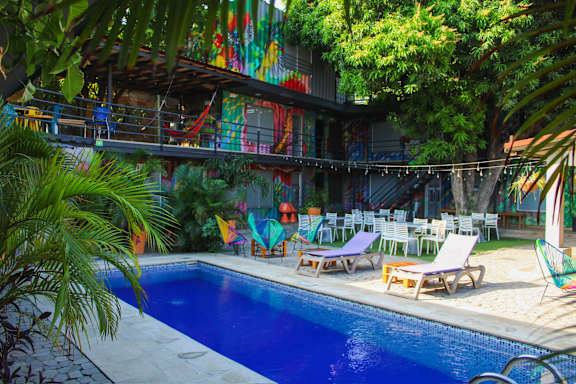
The highest-rated hostels in Santa Marta, straight from Hostelworld. Prices and availability are live on each property page.



December to April is the dry season, the best for Tayrona and the Lost City. September to November is the wettest, with muddy trails and rivers that can rise. Tayrona closes for set periods each year.
Average highs, rounded. Tayrona closes 1 to 15 February, 1 to 15 June and 19 October to 2 November.
Per night, for one person, based on Santa Marta prices.
Treat these as a guide. Tayrona and the Lost City trek cost extra.
The ones we get asked most.

Compare hostels in Santa Marta: live prices, real reviews and free cancellation on most bookings. Then meet the people already there in the app.

 Get the App.



 Get the App.