
Trans-Siberian Railway: Costs, Route and Useful Information
The most enthralling way to visit Eastern Russia is on board a train along the Trans-Siberian Railway.
It will be a thrill to travel on the world’s longest railway line, which, at 9288km, will immerse you in the deepest history of the former Soviet empire, showing you breathtaking landscapes of endless lakes, giant rivers and forests to get lost in. Get off the train and explore the city you have stopped in, feeling part of a new and often very different culture from the one you are used to.
The customs, habits, but also simply the climate you will find during this trip are part of a wonderful experience that will be difficult to repeat.
But let’s look in detail at what the Trans-Siberian Railway is and how to organise a travel itinerary that will allow you to fully experience the emotions that this railway line will give you.
Route
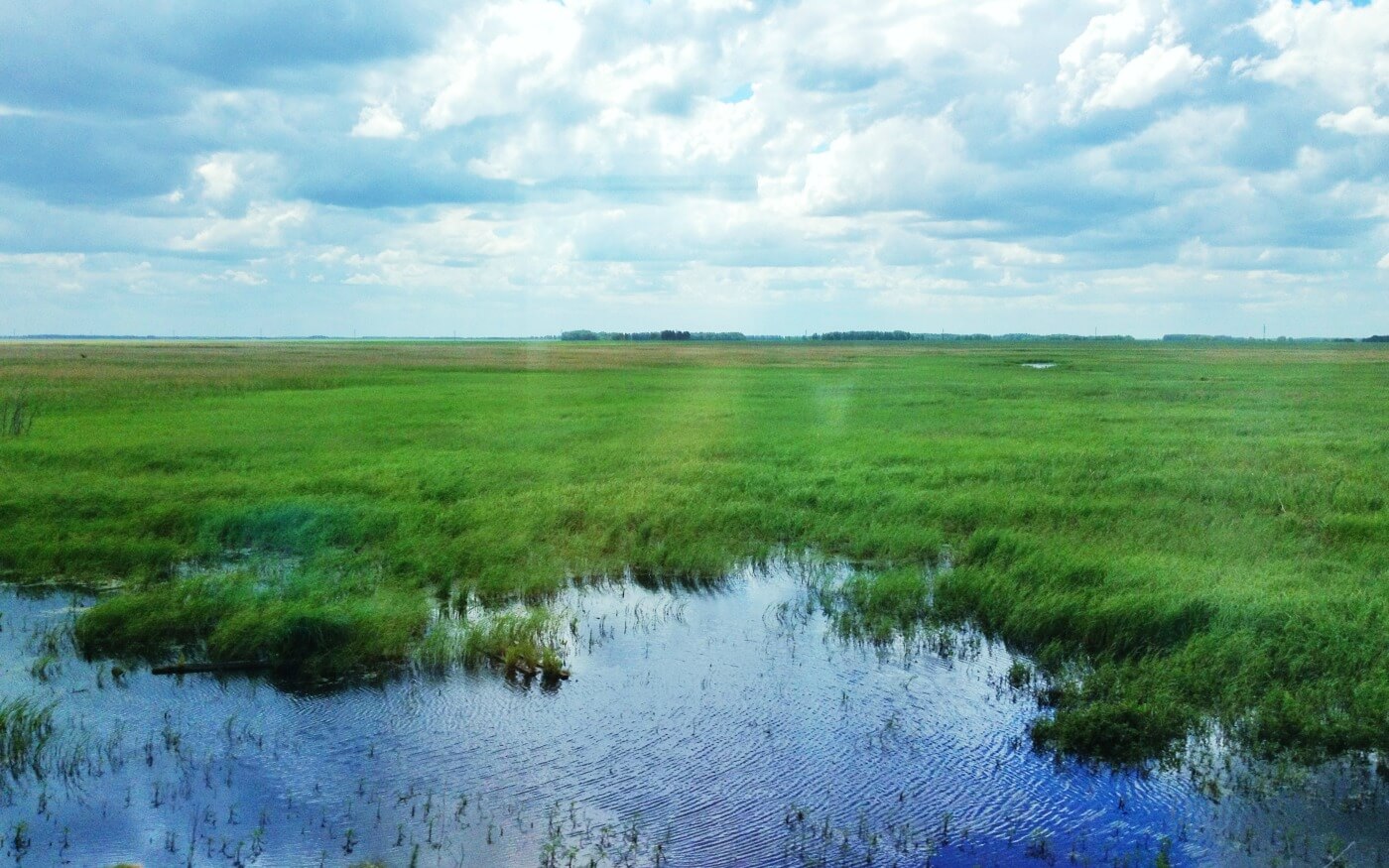
As the Trans-Siberian Railway was created to connect Siberia, it passes through 88 cities, 16 rivers and crosses no less than 7 different time zones. Giving a well-defined route is therefore quite difficult, basically you can go where you want and how you want around the whole of Eastern Russia, even reaching China and Mongolia.
But let’s proceed in order: the most ‘classic’ route when you want to take a trip on the Trans-Siberian Railway is from Moscow to Vladivostok, both of which are in Russia. Different routes can be taken, but the most popular are either via Ekaterinburg – Novosibirsk – Irkutsk – Lake Baikal or via Irkutsk – Lake Baikal – Ulan Ude. Both journeys take about two weeks, of which five days are spent by train.
Whichever route you choose, you will have realised that a stop at Lake Baikal, the largest expanse of fresh water on our planet, is a must. It will fascinate you with its colours, especially at sunset, and with the feeling of peace and tranquillity that it will give you. In this immense expanse of water, there is also an island. Of course, you can get there by boat, but it could take you a really long time because of the high demand and slow means of getting there.
If you have more days to dedicate to your trip, a good alternative to the classic route could be to lengthen the itinerary and go all the way to China via Mongolia. In this case we are talking about Transmongolica, for which you obviously need more days, and above all visas to enter not only Russia, but also Mongolia and China.
Cost
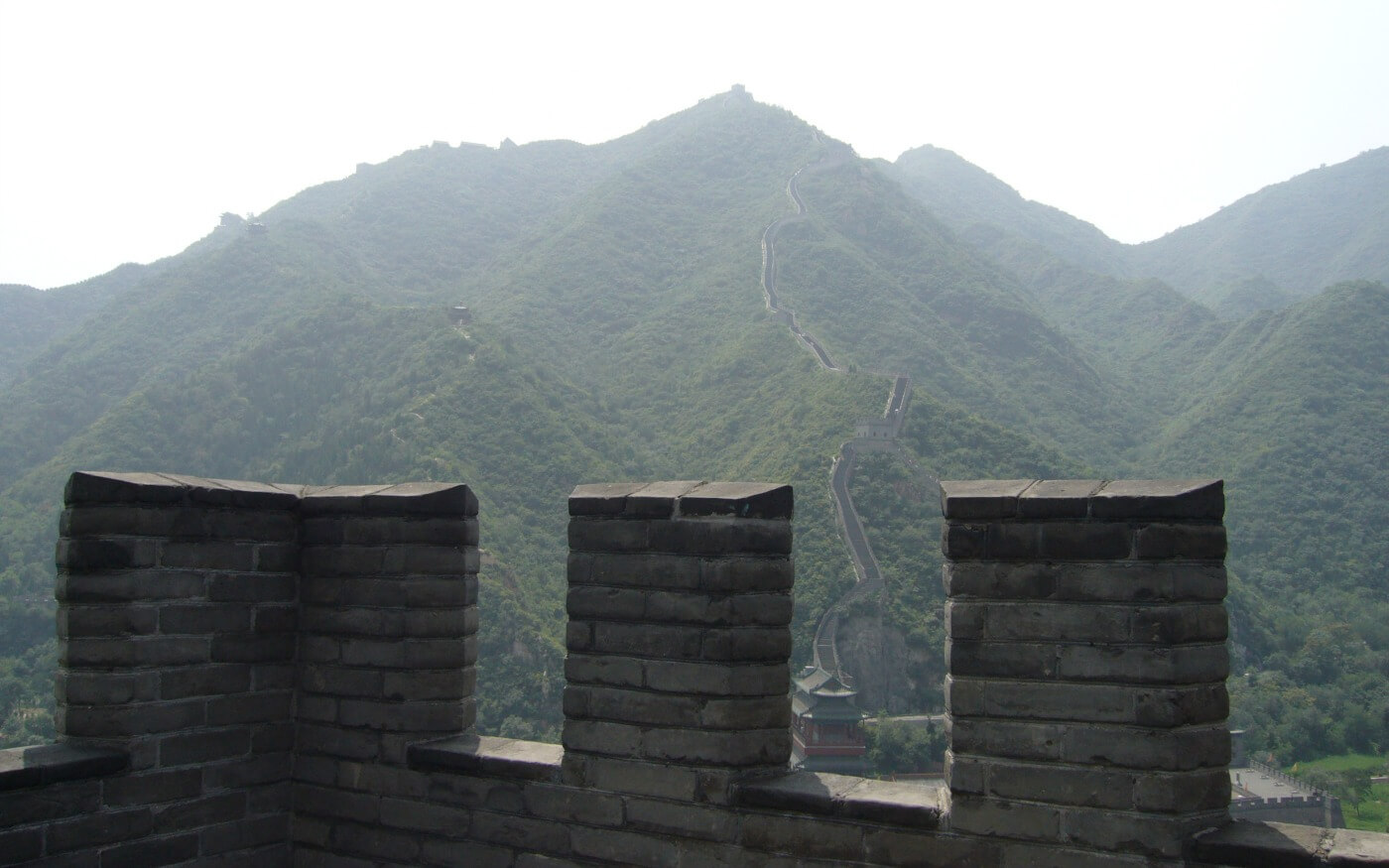
Before going into detail, one fundamental thing must be said: a trip on the Trans-Siberian Railway is an expensive trip. Although the actual cost of the mileage is not high (if we make a ratio between the cost of the ticket and the kilometres travelled, the price is not exorbitant), there is a lot of road to cover and the hours spent on the train as well. Also, as much as it has become a tourist destination, the Trans-Siberian Railway does not have discounted fares for tourists or ‘packages’ that you can buy. So every time you get off the train and get back on, you have to pay for every single ticket.
Having said that, once you’ve decided on your itinerary booking trains is not difficult, you can buy them on the Russian railway website or directly at the station once you’re there, but be careful, the ticket office staff don’t always speak English!
As with most common railways there are different trains and on each type of train there are different classes, depending on which one you choose the price will vary considerably.
We can divide the trains into:
– Firmenny (фирменный), which are the high-end trains, are very comfortable and fast, are mainly used by tourists and are even more expensive than planes. They will provide you with a journey full of comfort for a hefty fee.
– Skory (скорый), trains that stop only in larger cities, are fast and therefore suitable for long journeys, but you will need to consider whether your chosen cities are reached by these.
– Passazhirsky (пассажирский), are very slow and spartan trains, certainly cheap but not particularly suitable if you want to get to your destination without wasting twice as much time as it would take on a higher category train.
The classes into which the train carriages are divided are distinguished not only by the comfort of the seats and the services offered on board, but also by how and where one can sleep when travelling long distances. Indeed, depending on the class chosen, sleeping cars will be more or less crowded.
In the cheapest carriages Russian trains have real ‘dormitories’, just like in a hostel, where the beds are arranged vertically and perpendicular to the corridor, obviously this is the cheapest solution and the most fun for socialising with other passengers. If you want a little more privacy, however, you can choose solutions with beds for 4 or 2 people, obviously at an extra cost.
Useful information
It is good to know that for your trip on the Trans-Siberian Railway you will necessarily have to apply for a visa to enter Russia, this you will have to do from the beginning of the organisation of your trip, when you are still in Italy, at the Russian Consulate. Waiting times can be quite long, so we advise you to move in good time.
Remember that with an ordinary tourist visa you cannot stay more than 30 days in the country, and that when you apply for it you must state where you are staying, otherwise you will not be issued.
We mentioned earlier that the Trans-Siberian Railway travels through 7 different time zones, but the ticket times will always be in Moscow time zone. This means that even if you are in Vladivostok, the time shown on the ticket and on the station clocks is 7 hours earlier than the desired time (if you need a train that leaves in the evening, you will have to take one with an early afternoon time)… quite confusing for travellers!
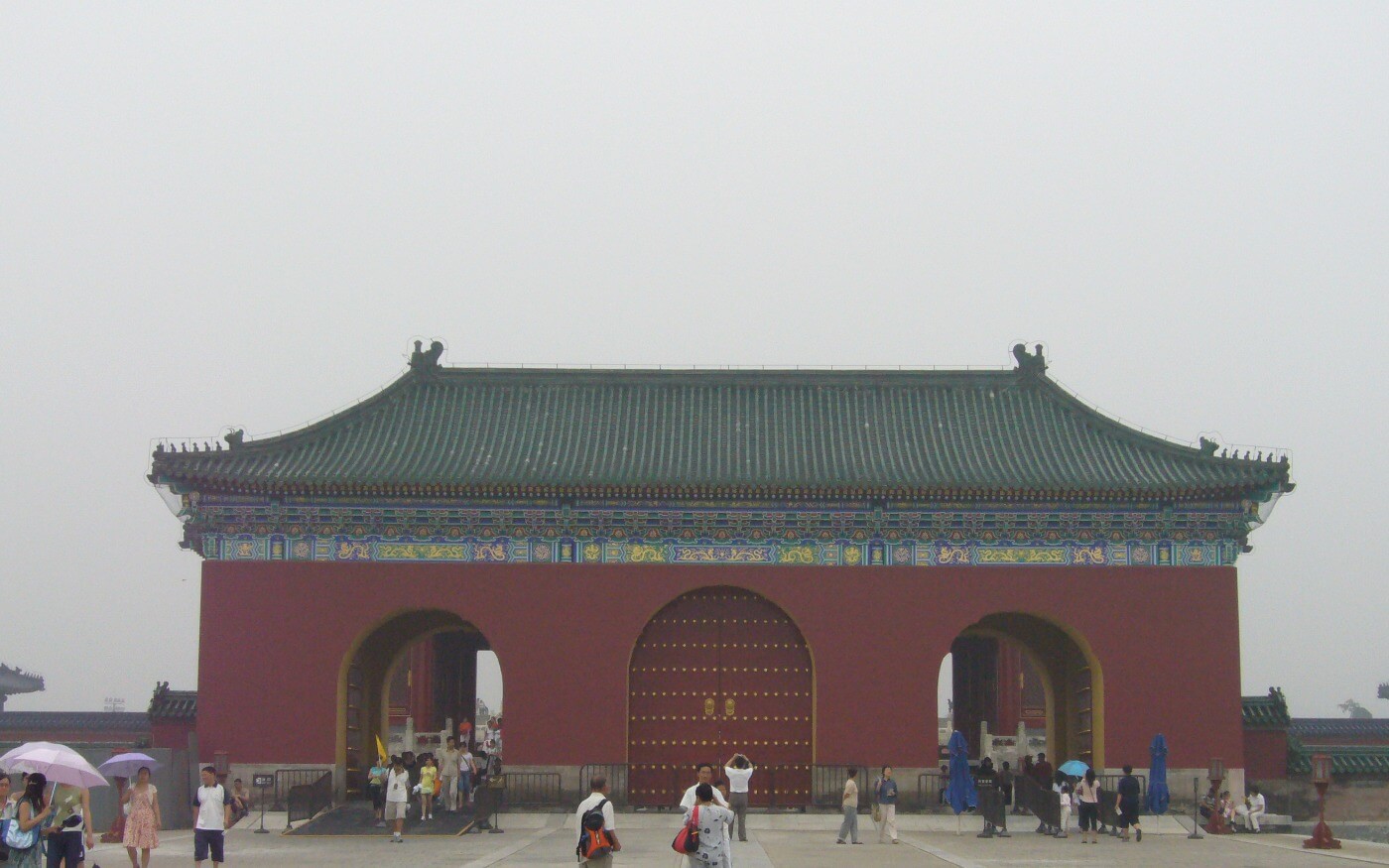
Many thanks to Arran Holloway, neverbutterfly and Boccaccio1 for the great photos on Flickr!

 Get the App.
Leave a Reply
You must be logged in to post a comment.