


Living out of a backpack and staying squeaky clean? Yeah, it’s an art! Whether your next adventure involves bustling city hostels or going totally off-grid, keeping up with personal hygiene isn’t just about health – it’s about staying happy on the road.
So, ready for our best backpacking hygiene tips? We’ll dive into everything from washing your clothes to the must-have products to pack.

Tips for staying clean and healthy as a backpacker
If you’re heading off the beaten track, learning some nifty tricks to stay clean and healthy will be vital for your wellbeing.
1. Wash whenever you can
While staying in a traditional hostel means ample opportunities for showering, those who opt to camp-out may find washing regularly a little trickier. You can still keep clean by taking refreshing dips in fresh lakes or rivers (check they’re safe to swim in first!) and by collecting water in small containers for a makeshift shower or sponge bath. Practicing smart backpacking hygiene helps you stay comfortable no matter your location.
2. Keep your feet as clean as possible

Our feet can get all sorts of nasty fungal infections if we don’t keep them clean. Make sure you wash your feet whenever you can to remove sweat and dirt. Allow them time to breathe every day by taking off your closed shoes or wearing sandals. It’s also never a good idea to reuse dirty socks unless you absolutely have to as they can be crawling with bacteria after several days of wear. Yuck! Good foot care is an often-overlooked part of backpacking hygiene.
3. Avoid wearing cotton clothing
This may seem like an odd suggestion as cotton is often claimed to be the lightest and most breathable fabric. However, when you’re out on the road in sweltering temperatures, cotton can easily absorb your sweat and develop a real stench.
Instead, go for light synthetic fabrics that dry quickly – a bonus both if you’re sweaty and if you’re washing them. Packing a wool jumper is also ideal as it’ll keep you warm if you’re wet or if it’s chilly without developing an odour.
4. Make sure you have good travel insurance!

Travel insurance is absolutely non-negotiable for backpackers in 2026. Beyond slips and bugs, it covers unexpected medical emergencies, trip cancellations due to unforeseen events, and even lost luggage, which can significantly impact your health and well-being on the road. Always ensure your policy covers the activities you plan to do.
Washing your clothes when you’re backpacking
Having clean clothes is something we very much take for granted when we’re at home. If you’re planning a long-term backpacking trip you’ll need to have a plan in place for laundry.
Do hostels have washing machines and dryers?
Many do, but not all. Lots of hostels have self-service washing machines (and often dryers) for guests, while others offer a laundry service where staff wash your clothes for a fee, usually charged by the load or by weight. Some smaller hostels have neither, in which case you’ll need a local laundrette. Check the facilities list on the hostel’s page before you book if laundry day is coming up, and ask at reception when you arrive, as a laundry service can take a day or two to return your clothes.

Pack your own backpacking laundry detergent
Whether it’s to wash underwear in a bathroom sink or to use in a washing machine at your hostel, taking a small bag of washing powder (or a pack of lightweight detergent sheets) is a must. Not every place will supply you with detergents and buying a whole box from a local supermarket can be expensive and illogical.
How to wash clothes in a hostel (by hand)
No machine? No problem. Here’s how most backpackers wash their clothes on the go:
- Plug the sink (a universal sink stopper is worth packing) and fill it with warm water and a little detergent.
- Soak your clothes for 10-15 minutes, then scrub the dirtiest bits (armpits, collars, socks) together.
- Drain, refill with clean water and rinse until the soap is gone.
- Wring everything out as hard as you can, and leave the bathroom tidy for the next person!
How to dry clothes in a hostel
- The towel roll: lay a wrung-out item flat on your microfibre towel, roll it up tightly and twist. It squeezes out a surprising amount of water.
- Bring a travel clothesline: a light elastic line can be strung across your bunk or a balcony. Just be considerate in shared dorms.
- Find the airflow: an open window, a breezy terrace or a fan will speed things up far more than a stuffy room.
- Check the rules: some hostels don’t allow drying clothes in dorms or on heaters, so ask if there’s a drying rack or laundry room you can use.
Freshen up your clothes by airing them out
If you’ve not got the time or the means to wash your clothing, you can freshen them up simply by airing them out. Place items on hangers or hang them somewhere where there’s a slight breeze to get the air flowing through them. This will help dry them out and reduce odours.
Remember there’s nothing shameful about re-wearing dirty clothes!
When packing clothes for your trip, make sure you choose items that you can easily mix and match in case you don’t get the opportunity to wash them very often. Also, if you’re absolutely desperate, there’s nothing wrong with reversing your underwear for the day every now and then!
Your essential backpacking health and hygiene kit
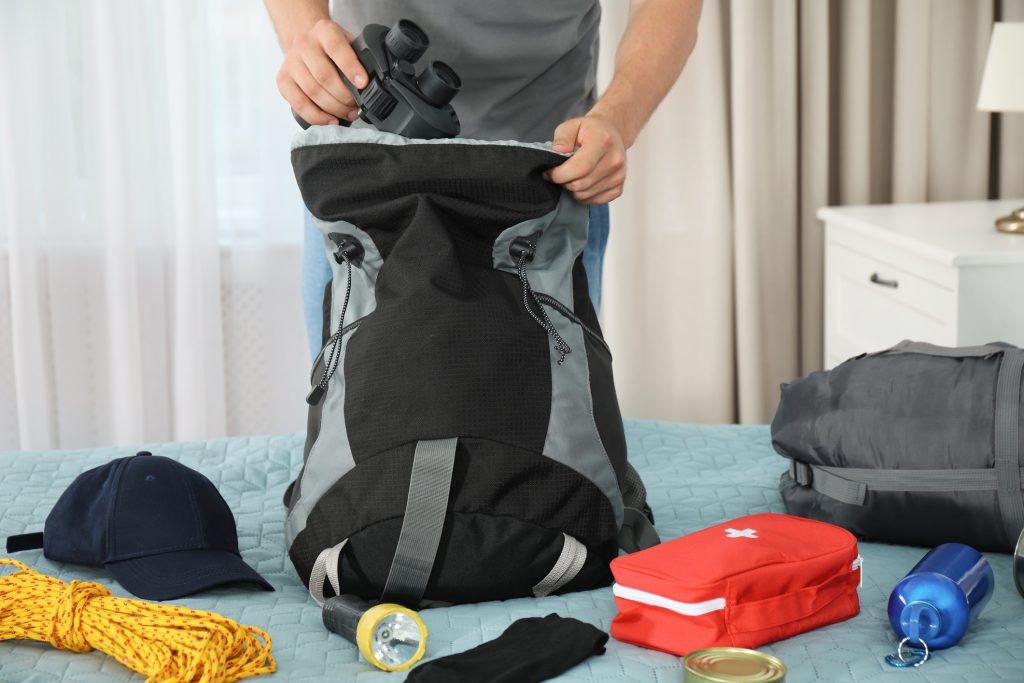
- Baby wipes – If you take one thing with you, make it these. No shower? No problem! Wet wipes are your go-to for a quick refresh. They’re also perfect for cleaning up spills and keeping your hands germ-free when you’re snacking on the move.
- Hand sanitiser – From using public bathrooms to travelling on public transport, sanitising your hands is a must. Choose one with at least 60% alcohol, and go unscented if you’re sharing a dorm.
- First aid kit – Before leaving home, it’s worth putting together a first aid kit of basic items like plasters, painkillers, rehydration sachets and an antiseptic cream for bites. Buying these from a pharmacy or supermarket back home means you can use a recognisable brand with instructions you can easily read.
- An all-purpose bar of soap – Reduce the number of heavy bottles you’ll need to carry with you by bringing one product that does everything. A bar of soap that’s made from all-natural products will keep your hair and skin shiny and clean — just remember to keep it contained in a soap case or zip lock bag.
- Microfibre towels – These are much smaller than regular towels but just as effective at drying you off. They’ll fold up neatly and slip into the top of your rucksack — and they also dry super quickly if you’re in a hurry to pack.
- Plastic bags (preferably biodegradable or recyclable) – Plastic bags are great for a range of things, from storing dirty clothes to keeping valuables from getting wet in your rucksack if you’re walking in the rain. They’re also perfect for stashing your toiletries in so they’re all in one place and aren’t likely to leak on your clothes.
- Dental products – Toothpaste and a toothbrush are givens, but don’t forget to pack floss too. As well as helping to keep your gums clean, it can also double up as string in an emergency.
- Sunscreen – Ending up with horribly uncomfortable burns because you couldn’t be bothered to carry some sunscreen is never a good idea. If you take one large bottle of anything with you backpacking, make it this.
- Insect repellent – Whether you’re island-hopping around Asia or heading to Africa for a trekking and safari trip, insect repellent is a real lifesaver. Try using one that comes in a spray bottle and opt for a natural product made from citronella or eucalyptus.
- And for ladies, sanitary products – Buying these overseas can often be pricey or just plain tricky. Estimate how many of each product you’ll need and bring them along with you if you can. It’s also worth packing eco-friendly nappy sacks to place used items and packaging in if you’re likely to be out and away from a bathroom.

Hygiene Hacks for Diverse Climates & Conditions
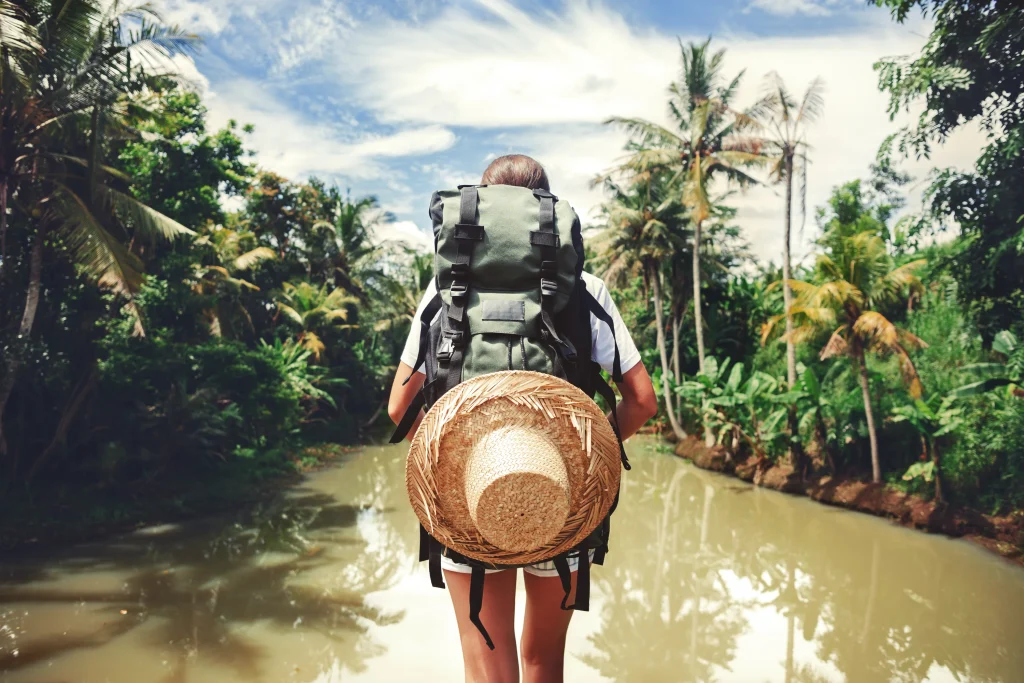
1. Battling the Heat & Humidity: Tropical Climates
Feeling constantly sticky in a tropical paradise? You’re not alone! Hot, humid climates are notorious for making you feel grimy, but staying on top of your hygiene here is crucial for comfort and avoiding skin issues.
- Fabric is Your Friend: Ditch the cotton! Seriously. It traps moisture and takes forever to dry. Opt for quick-drying, moisture-wicking fabrics like merino wool or synthetic blends. These breathable materials pull sweat away from your body, prevent bacterial growth, and dry overnight, meaning less laundry and fewer smelly clothes.
- Embrace the Shower (Even Cold Ones!): Shower as often as you can. Even a quick rinse under a cold shower can make a world of difference to your comfort levels. Always dry thoroughly, especially in skin folds, armpits, and between your toes, to prevent fungal infections.
- Combat Chafing: Humidity and walking can lead to uncomfortable chafing. Pack anti-chafing cream, powder, or even a solid deodorant stick to apply to high-friction areas (inner thighs, under your pack straps). Trust us, your skin will thank you!
- Extra Underwear & Socks: In humid climates, things take longer to dry. Pack a few extra pairs of socks and underwear so you always have a fresh, dry set ready.
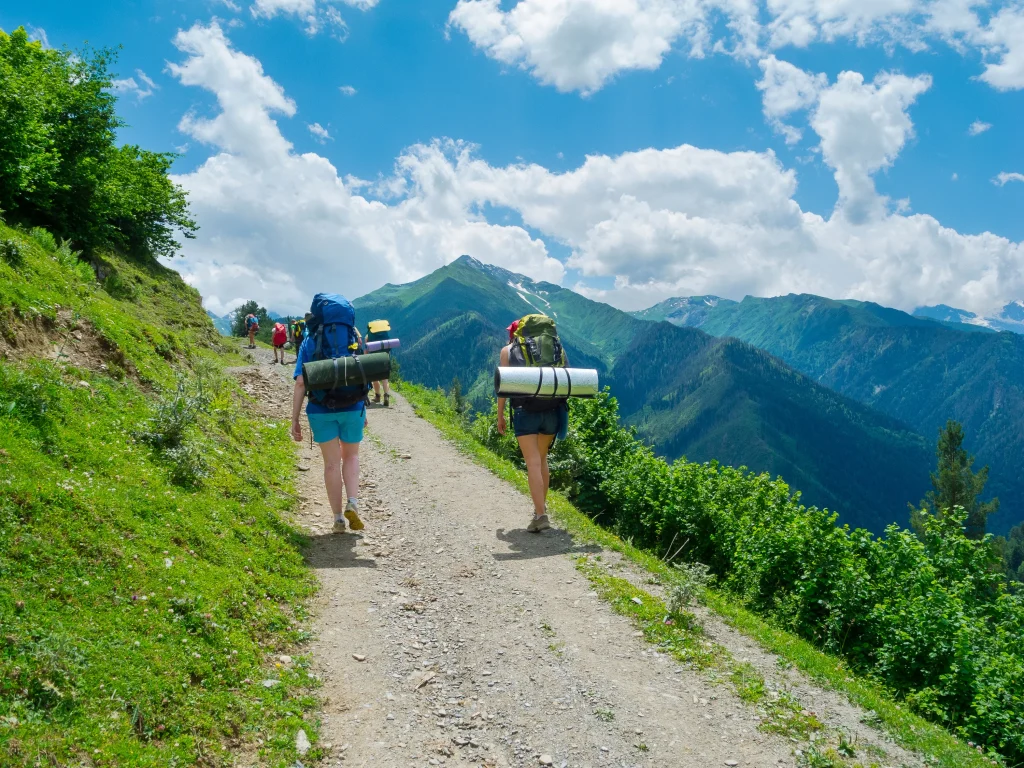
2. Staying Clean Off-Grid: Less Developed Areas
Venturing truly off the beaten path? Fantastic! Just know that consistent running water and spotless facilities might not be a given. But don’t let that stop you from staying clean.
- Hand Hygiene is Paramount: This is your number one defense against stomach bugs. Always pack alcohol-based hand sanitiser (at least 60% alcohol) for moments when soap and water aren’t available. Use it after public transport, before eating, and after using shared facilities.
- Biodegradable Wipes are Gold: For a quick “dry shower” or to wipe down surfaces, biodegradable wet wipes are a lifesaver. Choose unscented, alcohol-free, and compostable options to minimize your environmental footprint. Remember to always dispose of them properly – never flush them, even if they claim to be flushable!
- Water Wise: When brushing your teeth, always use bottled, filtered, or boiled water, never tap water in areas where the quality is questionable. Consider packing a small, travel-sized bidet or portable hygiene sprayer for improved cleanliness in basic restrooms.
- Basic Laundry Solutions: Be ready to hand-wash. A universal sink stopper and a small amount of concentrated travel laundry soap (solid strips are excellent!) are all you need for a quick sink wash.
3. Freshening Up on the Move: Long-Haul Journeys
Marathon bus rides, lengthy train journeys, or epic flight connections can leave you feeling less than sparkling. A little prep makes a huge difference.
- The “Freshen-Up” Pouch: Keep a small bag with essentials accessible in your daypack. This should include a travel toothbrush and toothpaste (or solid toothpaste tabs!), solid deodorant, a small pack of face wipes, and lip balm.
- Change is Good: If you’re on a super long journey (12+ hours), a fresh pair of socks and underwear can instantly make you feel revitalized.
- Hydrate, Hydrate, Hydrate: Drinking plenty of water helps your body function optimally and can reduce that “stale” feeling.
Navigating Niche Hygiene Challenges
Backpacking with Your Period
Managing your period while backpacking doesn’t have to be a hassle. With a little planning, you can keep things clean and comfortable.
- Menstrual Cups: The Ultimate Backpacker’s Choice: These are a game-changer for eco-conscious and long-term travelers. They’re reusable for years, drastically reduce waste, and only need to be emptied and cleaned twice a day. Make sure you have access to clean water and private facilities for emptying and rinsing.
- Sustainable Pads/Tampons: If cups aren’t for you, consider reusable cloth pads (though drying can be a challenge) or organic cotton tampons/pads that are often more biodegradable.
- Disposal Preparedness: If using disposable products, always carry small, opaque disposal bags. In some remote areas, bins might not be readily available, so be prepared to bag your used products and carry them out until you find a suitable disposal site.
Sustainable Hygiene: Be a Planet-Friendly Backpacker
Being clean doesn’t mean creating a mountain of waste. Join the eco-conscious travel movement by making smart, sustainable choices for your hygiene kit.
- Solid Power: Embrace the power of solid shampoo bars, conditioner bars, and multi-purpose soap bars. These eliminate liquid restrictions, last ages, and drastically cut down on plastic bottle waste. Store them in a reusable tin or mesh bag.
- Refill & Reuse: Invest in a set of high-quality, reusable silicone or BPA-free travel bottles. Refill them from larger containers at home, or even from eco-conscious hostels that offer bulk refill stations.
- Bamboo & Beyond: Swap your plastic toothbrush for a bamboo toothbrush, and consider solid toothpaste tablets or powder in a reusable container for a zero-waste brushing routine.
- Reusable Razors: A safety razor with replaceable blades dramatically reduces plastic waste from disposable razors. Just make sure to pack the blades safely in your checked luggage!
🔥 Pro-Tip: Master the Art of Packing Cubes!
Packing cubes aren’t just for organization – they’re your secret weapon for hygiene. Use separate cubes for clean clothes, dirty laundry, and even a small one for damp items. This prevents odors from spreading, keeps your fresh gear pristine, and makes unpacking a breeze, especially in shared dorms!
And what shouldn’t you bring?
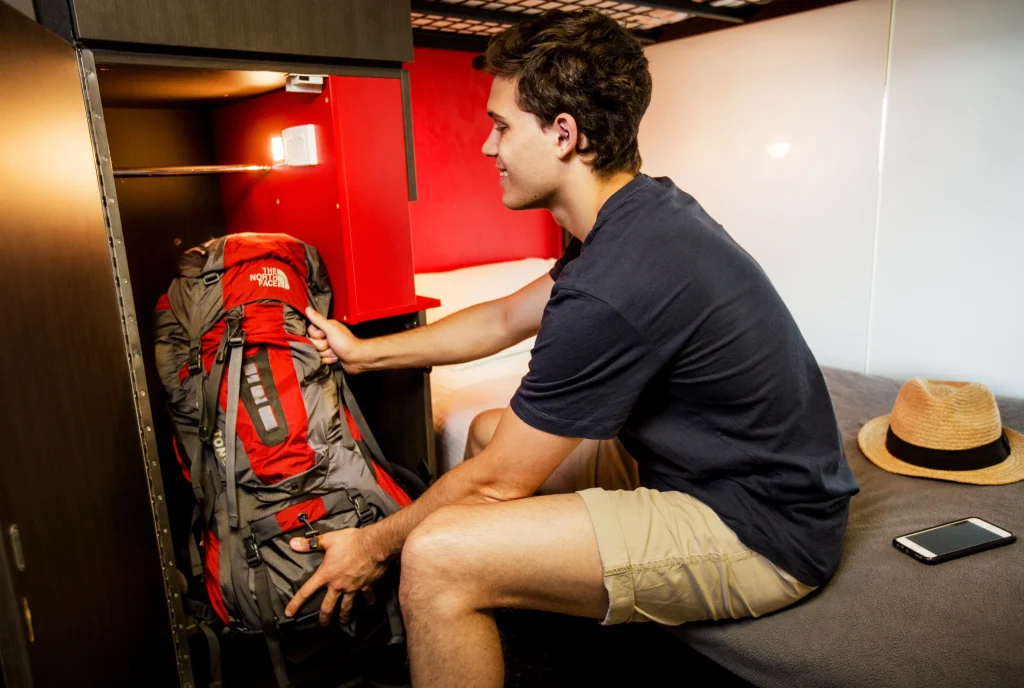
While bringing glass bottles or pressurised cans is an obvious no-no due to their weight and breakability, it’s additionally not worth taking expensive skincare products, heaps of makeup, mirrors or fancy shampoos. Deodorant can also be ditched if you’re planning on being out in the wild as it can attract insects and animals.
Bottom line: anything that adds unnecessary weight to your backpack or you don’t use every day (besides from medications) should stay at home. Honestly, you’ll be fine without it!
What’s New in Backpacking Hygiene (2026)

The world of travel gear is always evolving, and staying fresh on the go just keeps getting easier and smarter! Gone are the days of just a bar of soap and a towel. Here’s what’s new and noteworthy in backpacking hygiene for 2026:
Smart Tech for Staying Squeaky Clean 💡
- Portable UV Water Purifiers: Forget endless plastic bottles! Devices like the Steripen or similar UV purifiers treat clear water against bacteria and viruses. They don’t filter out sediment or chemicals, so pair them with a filter for murky sources. It means you’ve always got clean water for brushing teeth, washing hands, or even a quick face rinse, and it’s a game-changer for staying hygienic off-grid.
- Travel-Size Bidet Attachments: A compact bidet attachment (like those from TUSHY or similar brands) simply screws onto most plastic water bottles, offering a refreshing and eco-friendly alternative to relying solely on toilet paper. They’re surprisingly discreet, easy to use, and a serious upgrade for personal cleanliness, especially in regions where toilet paper isn’t common.
Innovative Products for Next-Level Freshness 🌿
- Laundry Detergent Sheets: Forget messy liquids or bulky powders. These paper-thin sheets dissolve in water, offering a super lightweight and compact way to do laundry on the go. Just toss one in a sink or a hostel washing machine, and you’re good to go. They’re perfect for minimizing weight and preventing spills.
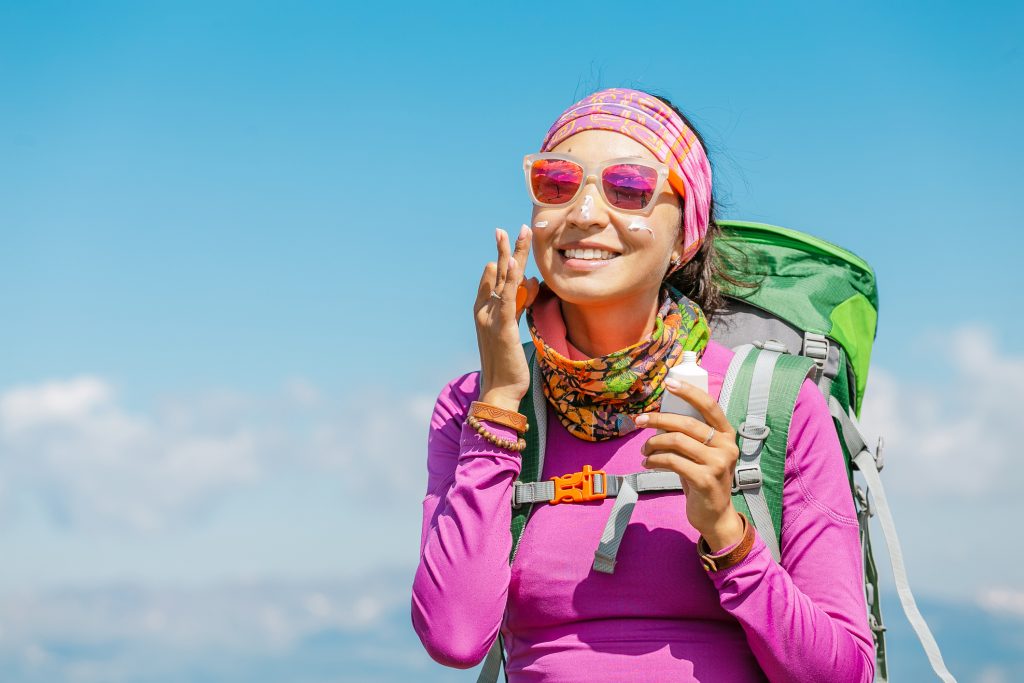
- Solid Skincare & Sunscreen: Expanding beyond just shampoo and conditioner bars, you can now find solid face wash, moisturizers, and even sunscreen sticks. These are brilliant for cutting down on liquids in your pack, preventing leaks, and often come in eco-friendly packaging.
- Antimicrobial Clothing & Liners: Many outdoor and travel clothing brands are integrating antimicrobial technologies into their fabrics. This means your clothes stay fresh longer, even after multiple wears, significantly reducing odor and the need for frequent washing. You can also find antimicrobial pillowcases or sleeping bag liners for an extra layer of cleanliness in hostels.
Packing Smarter, Staying Cleaner 📦
- Dedicated Hygiene Packing Cubes/Bags: Beyond just clothes, travelers are now using specific waterproof or quick-dry packing cubes/bags just for their hygiene essentials. This keeps everything organized, prevents leaks from contaminating other items, and makes it easy to grab your shower kit for a quick dash to the bathroom. Look for ones with mesh panels for ventilation.
- Multi-Chamber Travel Bottles: Newer travel bottles are designed with multiple compartments, allowing you to carry shampoo, conditioner, and body wash all in one compact dispenser. This streamlines your shower kit and saves space.
These advancements mean staying fresh while backpacking is more convenient, sustainable, and effective than ever before. Embrace these new tools to keep yourself healthy and happy on your 2026 adventures!
Download the Hostelworld app to start booking your next backpacking journey


🧼 FAQ: A Guide To Backpacking Hygiene Essentials for Every Trip
👕 How do you wash clothes in a hostel or while backpacking?
You can wash your clothes using the hostel’s laundry room, or by hand in the bathroom sink using travel-friendly detergent. Bringing your own washing powder or laundry sheets is a smart move, especially if machines aren't available.
🧼 Do hostels provide soap or shampoo?
Not always. Some hostels offer basic toiletries, but it’s best to bring your own soap and travel-sized shampoo. All-purpose bars of soap are a great lightweight, eco-friendly option.
🧴 Do hostels provide towels?
Some hostels provide towels for free, while others rent them for a small fee. If you're unsure, check the amenities listed when booking or pack a quick-drying microfiber towel just in case.
👟 How do backpackers keep clothes fresh while traveling?
Backpackers keep clothes fresh by airing them out regularly, packing quick-dry fabrics, and washing essentials when possible. Reversible clothing and layering help stretch clean outfits between washes.
🧳 What should I pack for backpacking hygiene?
Essentials include baby wipes, hand sanitizer, a microfibre towel, travel soap, laundry detergent sheets, and a basic first aid kit. Lightweight and multi-use products are best for saving space.
🧺 What if my hostel doesn’t have a washing machine?
If your hostel lacks laundry facilities, ask staff to recommend a local laundrette. In the meantime, wash smaller items by hand and air them out to reduce odor.
👚 How do I keep my clothes fresh while backpacking?
Keeping clothes fresh involves smart packing and simple habits:
- Choose quick-drying fabrics: Synthetics and merino wool resist odors and dry fast.
- Separate clean/dirty: Use packing cubes or laundry bags to keep smelly items away from fresh ones.
- Air out clothes: Hang worn but not dirty clothes overnight.
- Handwash regularly: Even small items like underwear and socks can be quickly washed in a sink.
- Consider laundry sheets: Compact and easy for on-the-go washing.
💉 Are travel insurance and vaccinations important for hygiene?
Absolutely! They are critical for your overall health and well-being, which directly impacts your ability to maintain hygiene.
- Vaccinations: Protect you from diseases common in certain regions, preventing illness that could make personal hygiene difficult or lead to severe health issues. Consult your doctor well before you travel for region-specific advice.
- Travel Insurance: Covers medical emergencies, including treatment for illnesses or injuries that could result from poor hygiene practices (e.g., severe food poisoning, skin infections). It ensures you can get proper medical care if you fall ill, helping you recover and get back to being clean and healthy.
🩸 How can I manage my period hygiene while backpacking?
Managing your period on the road is easy with a little prep:
- Menstrual cups: A fantastic eco-friendly, reusable option that reduces waste and needs less frequent emptying. Just ensure you have access to clean water for rinsing.
- Period underwear: Offers extra leak protection and comfort, especially on long travel days.
- Disposal bags: Always carry small, opaque bags for used disposable products in areas where bins may be scarce or facilities limited.
🥵 What's the best way to deal with sweating in hot climates?
In hot, humid places, focus on quick-drying clothing (synthetics, merino wool), frequent showers (even quick cold ones), and using absorbent powders or anti-chafing sticks in areas prone to sweat accumulation like inner thighs, armpits, and under your backpack straps. Staying hydrated also helps your body regulate temperature more effectively.
💊 Should I pack a full first-aid kit, or just hygiene basics?
A compact first-aid kit is essential for overall health and preventing small issues from becoming big problems. Include blister plasters, antiseptic wipes, painkillers, rehydration sachets, and any personal medications. This helps you manage minor health concerns that could otherwise impact your ability to maintain personal cleanliness.
✨ What are the best multi-purpose hygiene products for backpacking?
For minimalists, multi-purpose products are gold! Look for:
- Solid soap bars: Works as shampoo, body wash, and even for hand-washing clothes. 🧴
- Solid toothpaste tablets/powder: Replaces messy tubes. 🦷
- Microfibre towels: Dries quickly and can double as a wrap. 🧖♀️
- Biodegradable wet wipes: For quick clean-ups when water is scarce. 🌿
- Hand sanitiser: Essential for anytime, anywhere cleanliness. 🤲

 Get the App.
Comments