Croatia
Croatia country guide

Things To Do In Croatia

A thousand islands, water clear enough to see the bottom at ten metres, and a coast that has gone from backpacker secret to summer institution. Go in June or September and it is still the former.

€20
Dorm bed, from
1,244
Islands and islets
8
National parks
€2
The bus from Split to the beach

The coast, and the country behind it

Croatia is shaped like a croissant and almost everyone travels its outer edge. The Dalmatian coast from Zadar down through Split to Dubrovnik is the trip, with ferries out to Hvar, Brač and Korčula, and it is genuinely as good as the photographs.

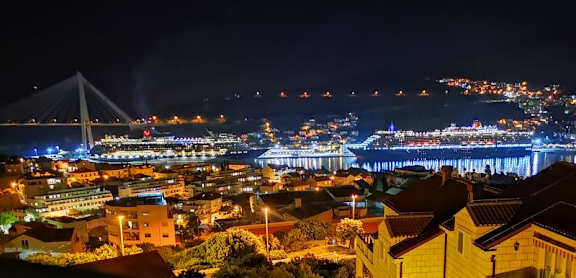
It is also busy. Dubrovnik takes cruise ships that can put thousands of people into a walled town the size of a village, and Hvar in August is a party island with prices to match. Both are transformed by going in June or September, when the sea is warm and the old towns are walkable.

Inland gets forgotten and should not. Zagreb is a proper central European capital with a café culture and a fraction of the coastal prices, Plitvice and Krka are waterfall national parks, and the Istrian peninsula in the north does truffles, hilltop towns and Italian-influenced food at half the Dalmatian mark-up.

Where to go

Buses cover the mainland well and ferries link the islands. There is no useful coastal railway.

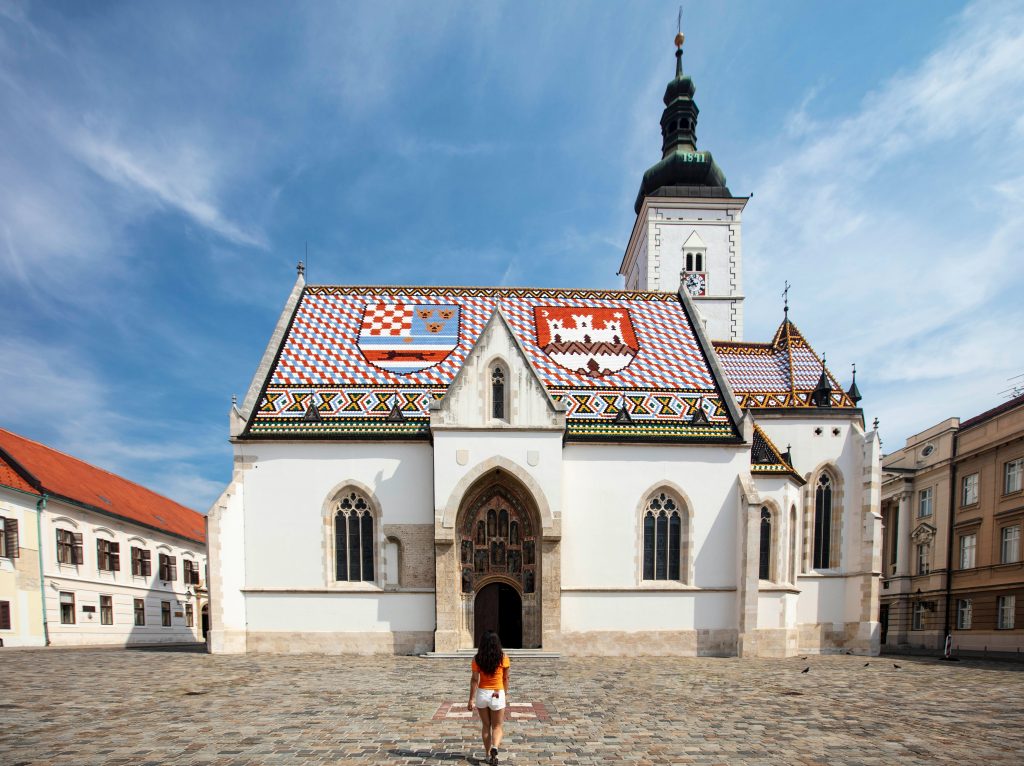
Zagreb

Zagreb

17 hostels · dorms from €10

The capital nobody visits: cafés, museums, and half the price of the coast.

Such a great city! Everything is easy to access and there is a ton to do! The people are nice and the food is great. Can't ask for anything more!

A traveller, on Hostelworld
The Zagreb guide
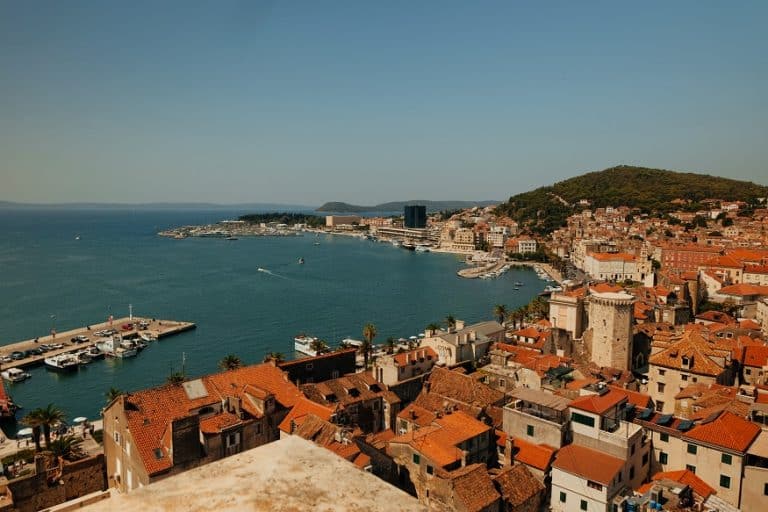
Split

Split

33 hostels · dorms from €21

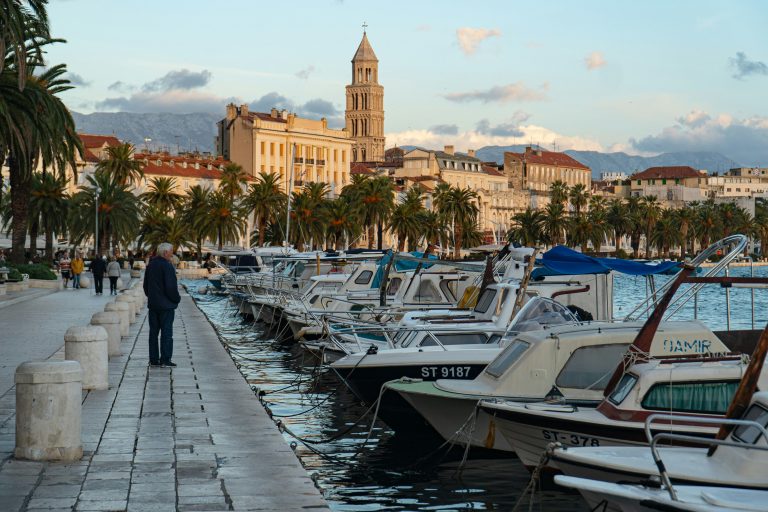
A Roman emperor's palace with a city living inside it, and the ferry hub for the islands.

Amazing host! Super friendly, easy to communicate with! Close to the city center, everything is walkable!

A traveller, on Hostelworld
The Split guide
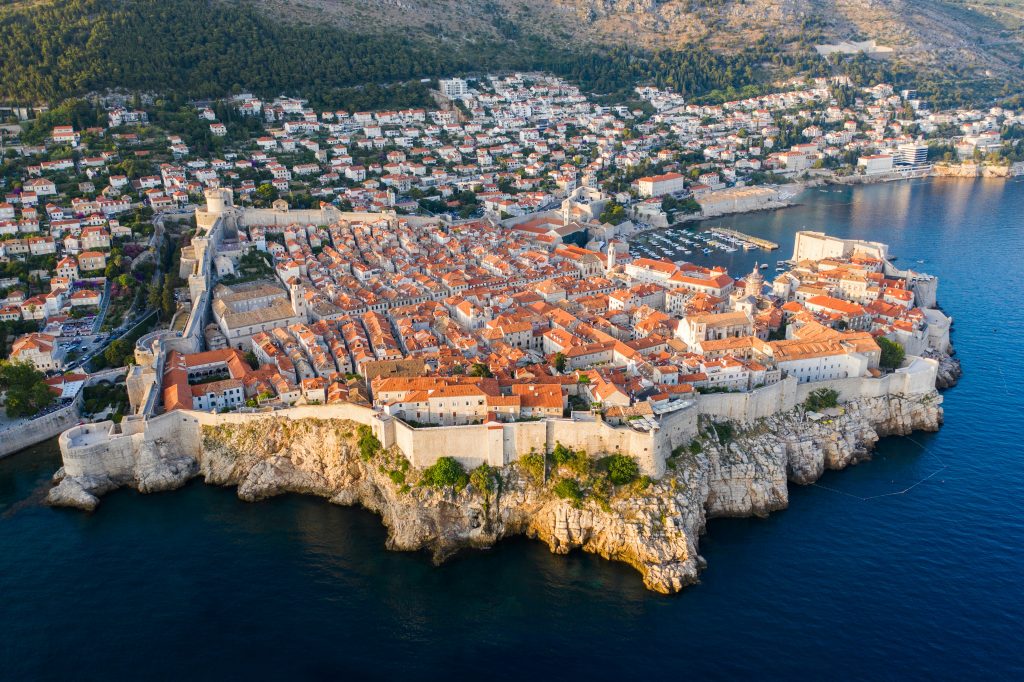
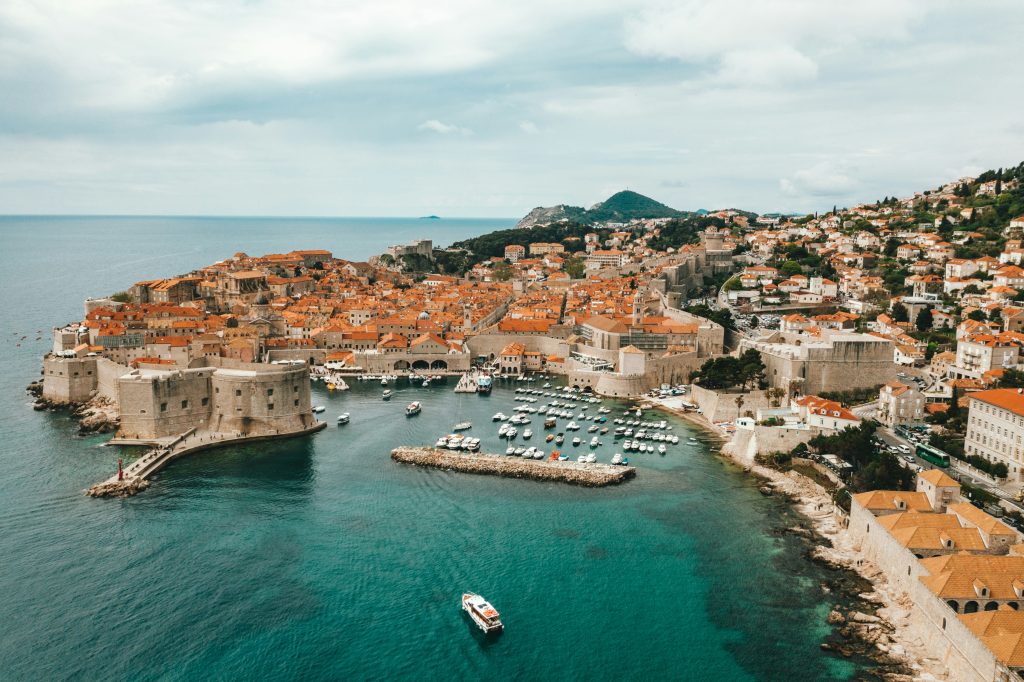
Dubrovnik

Dubrovnik

31 hostels · dorms from €1

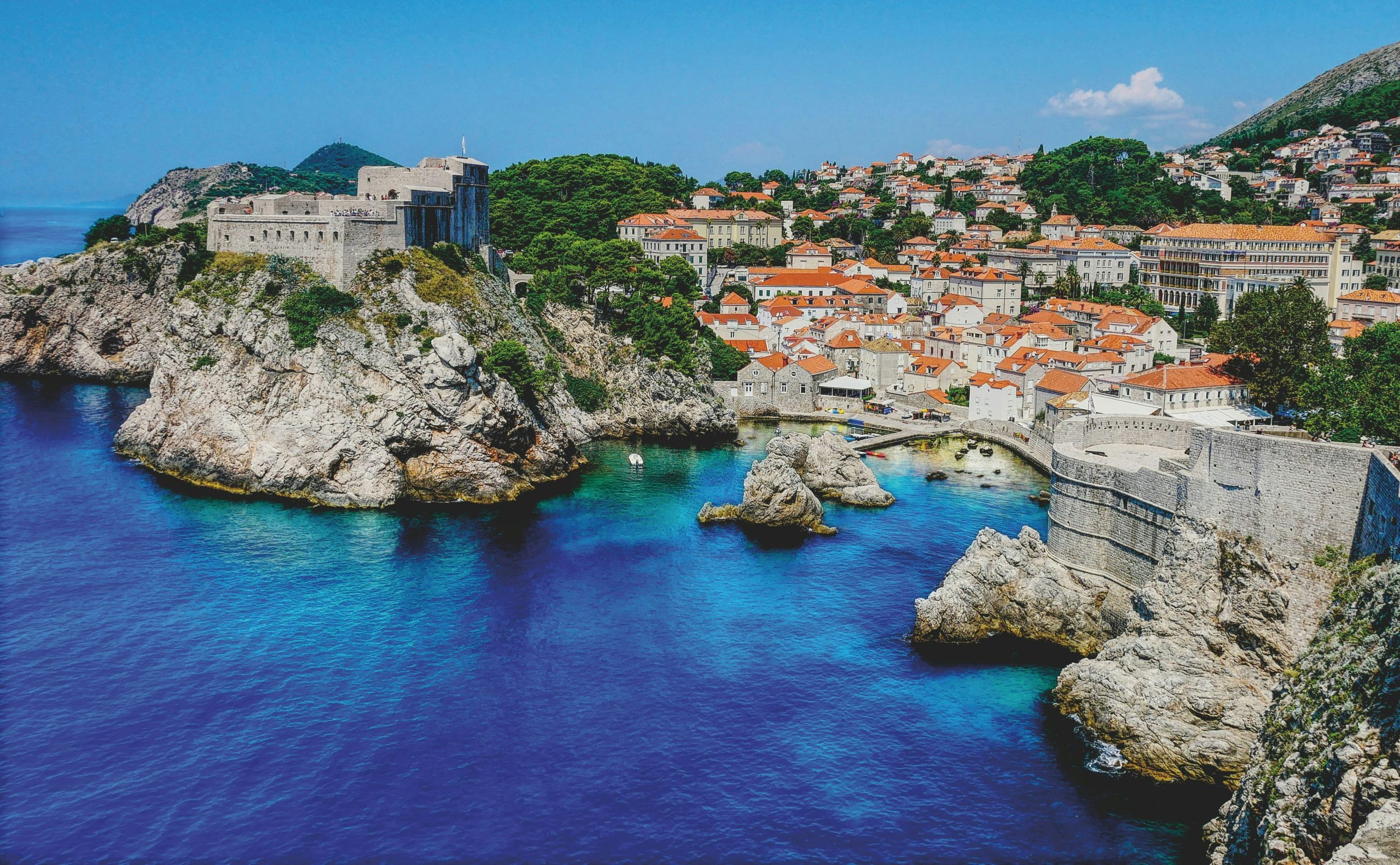
The walled city, spectacular and overwhelmed. Stay the night and walk the walls at opening.

Dubrovnik is a wonderful mainland city. Its pretty big but we never got the "big city" feel. Lots of sights to see and clean beach/sunbathing/swimming areas to hang out.

A traveller, on Hostelworld
The Dubrovnik guide
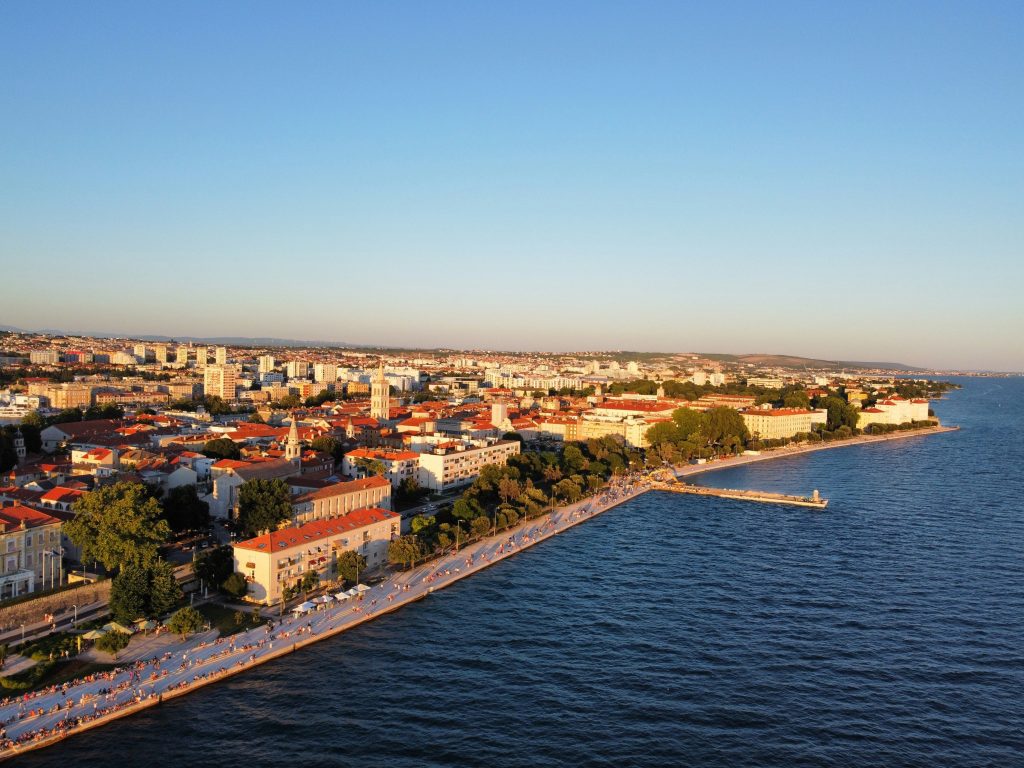
Zadar

Zadar

12 hostels · dorms from €19

Roman ruins, a sea organ and the best sunset on the Adriatic, with fewer visitors than Split.

I absolutely loved the city, I was surprised to love it so much, there was so much culture, it was a cozy romantic city, there was a basketball world tour event and it was a little “plus”, would come back again!

A traveller, on Hostelworld
The Zadar guide
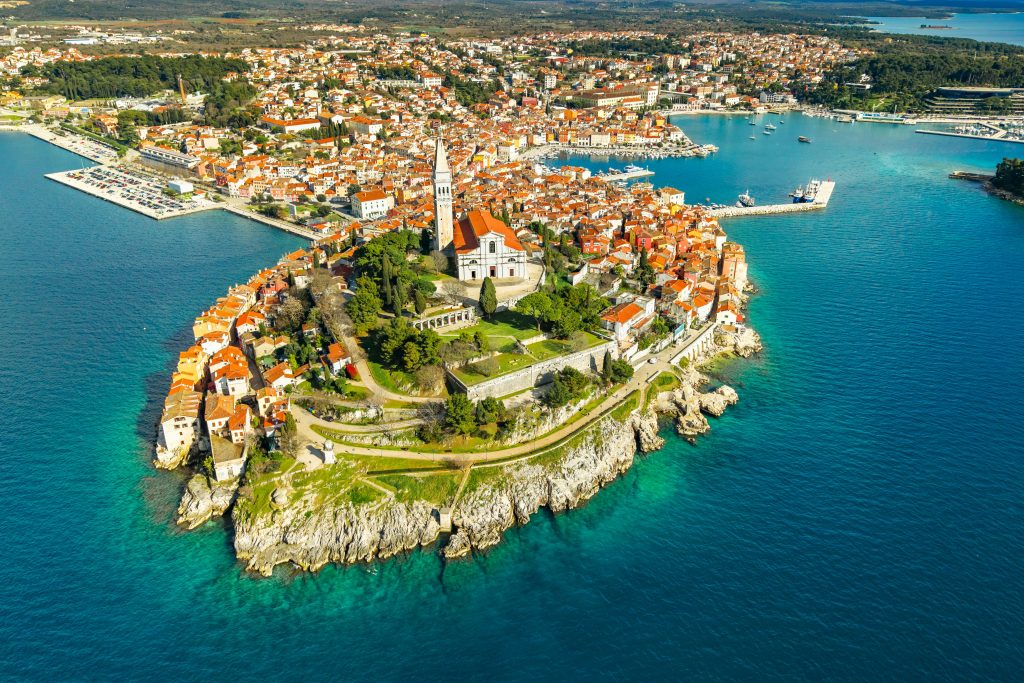
Rovinj

Rovinj

1 hostel

Istrian, Venetian-looking and closer to Trieste than to Dubrovnik. Truffles and hill towns inland.

The Rovinj guide
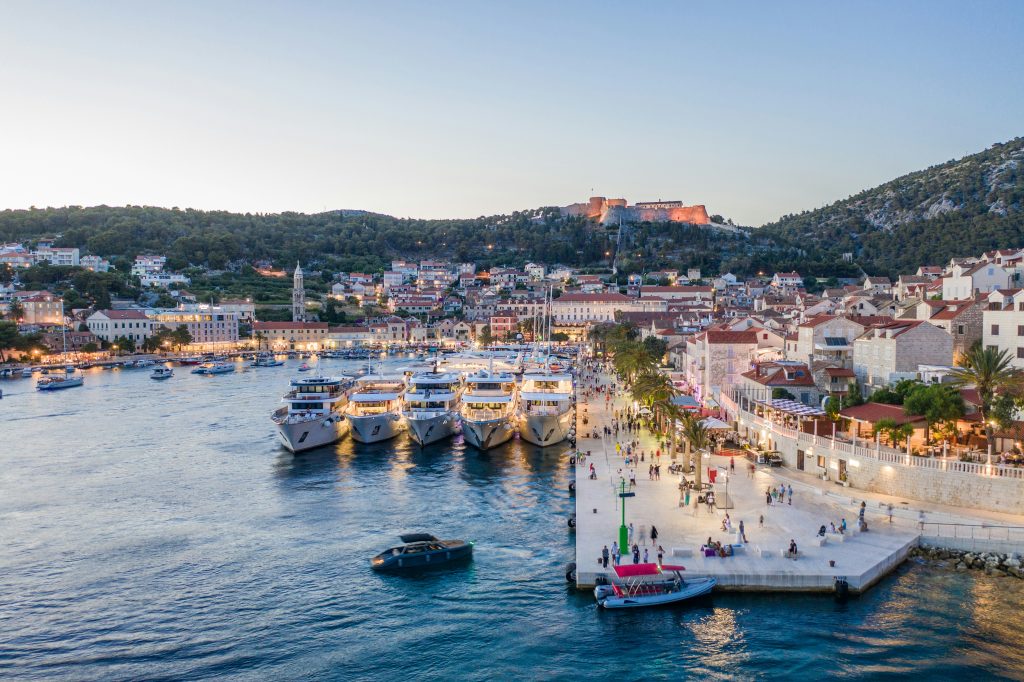
Hvar

Hvar

8 hostels · dorms from €23

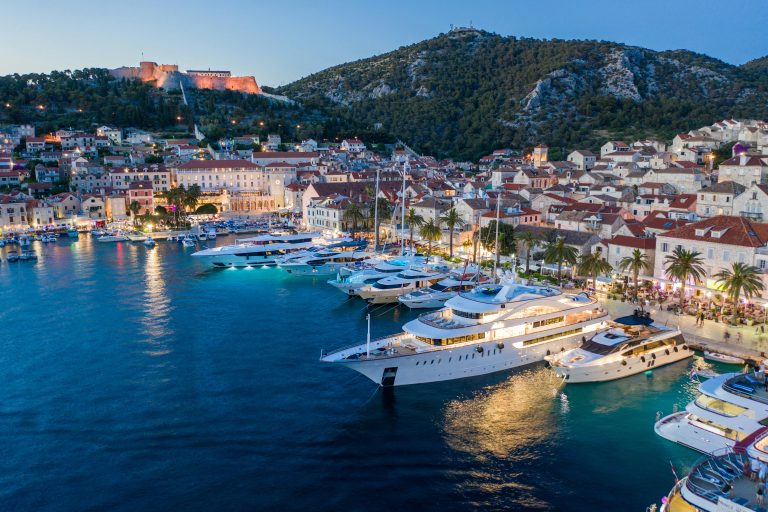
The party island, expensive in August and lovely in the shoulder months.

Super fun place to visit, everything about this place is relaxing and peaceful, and at night it’s really fun too!

A traveller, on Hostelworld
The Hvar guide
Pula

Pula

8 hostels

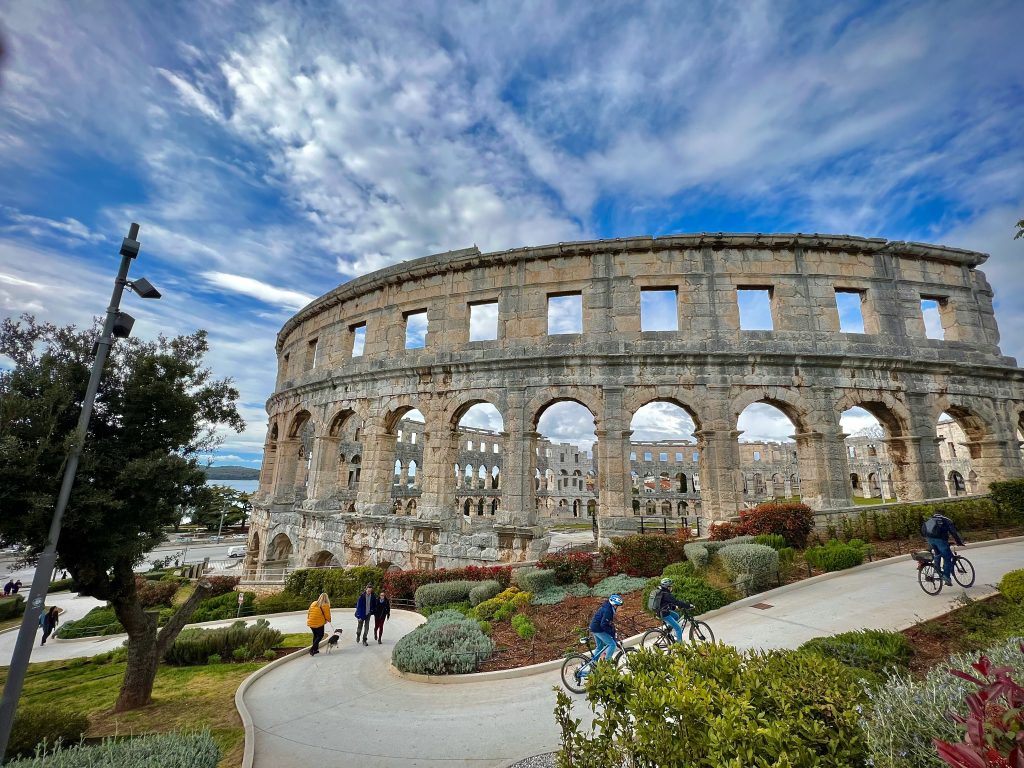
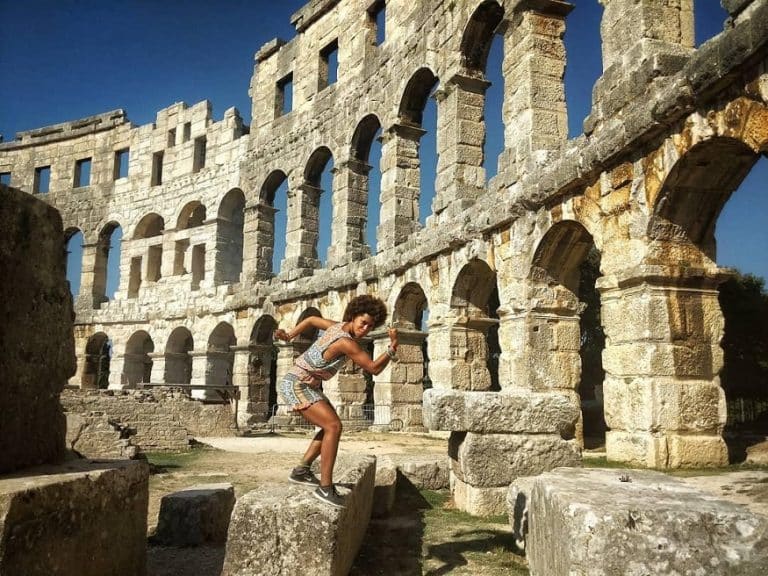
A Roman amphitheatre almost intact, at the tip of Istria, with beaches and a summer concert season inside it.

Great public transport. Lots of food options definitely recommend FURIA for seafood and Mulner bakery for pastries and cheap coffee. Go to the arena and Zerostrasse to sightsee ( you can do both the tunnels and castle on one ticket don’t pay for both!). Zir for genuine Croatian handmade gifts lovely artist who makes everything!

A traveller, on Hostelworld
The Pula guide
Šibenik

Šibenik

4 hostels

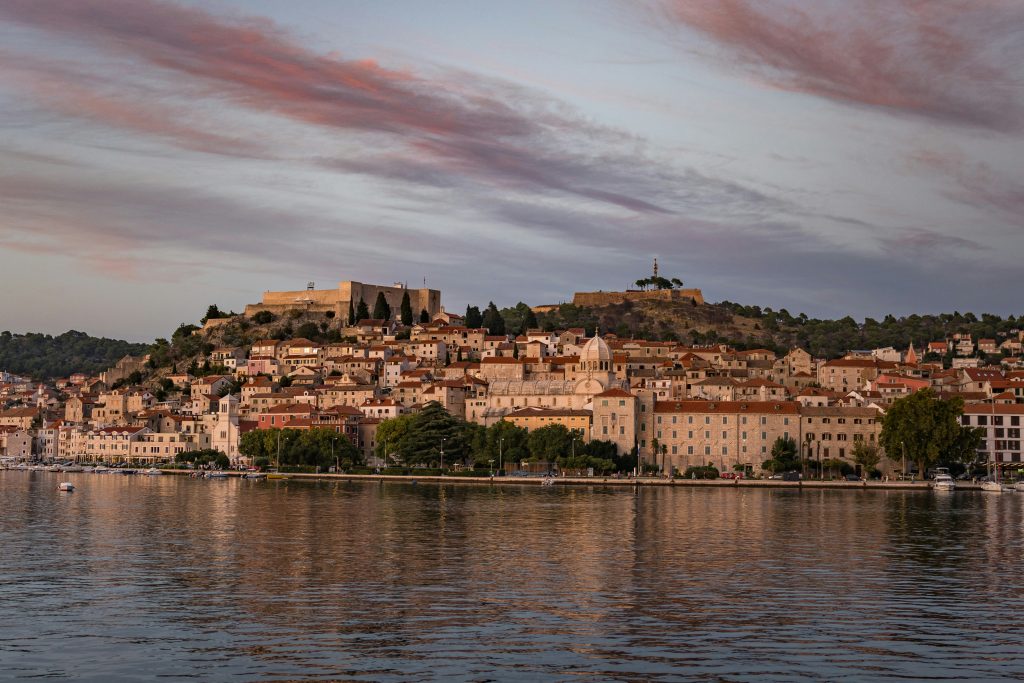
A stone city between two national parks, with a UNESCO cathedral and fewer visitors than its neighbours.

Not a party town but a nice local city with beautiful views a great old town with amazing quiet islands within 25 minutes. Come here to get away from the crowds and have a break from the intensity of the nearby big cities.

A traveller, on Hostelworld
The Šibenik guide

What kind of trip is this?

Croatia is a coast country first, but not only.

Beach in Croatia

Pebble coves and the clearest water in the Mediterranean.

What to do

  • Swim at Zlatni Rat on Brač
  • Kayak under Dubrovnik's walls
  • Find a cove on Vis

Spots to visit

  • Zlatni Rat
  • Stiniva, Vis
  • Sakarun, Dugi Otok

Best cities for it

Things to do

Things to do in Croatia

The coast is the attraction and swimming is the activity. Split's Diocletian's Palace is free to walk through because it is a living neighbourhood rather than a site, and the beaches are a short bus ride away. Dubrovnik's walls cost €40 and are worth it at opening time, before the cruise crowds and the heat.

Plitvice and Krka are the two waterfall parks. Plitvice is larger and stricter — tickets are timed and sell out in summer — while Krka lets you get closer to the water. Both are day trips from Zadar or Split by bus.

Island hopping is best done slowly. Vis, Brač and Korčula reward a couple of nights each, and Vis in particular still feels like the Adriatic before mass tourism.

Food and drink

Eating in Croatia

Coastal cooking is Italian-influenced and fish-led: grilled whole fish sold by the kilo, black risotto, and peka — meat or octopus cooked slowly under a bell — which usually has to be ordered several hours ahead and is the best meal in the country.

Istria is the food region. Truffles, olive oil and pasta that would pass in Italy, at lower prices, in hill towns most visitors drive past on the way to the coast.

Prices track the tourist map exactly. A konoba in a back street does a full meal for €15 to €20; the same plate on Dubrovnik's main street is €35. Bakeries and markets are the cheap option, and burek — a filled pastry — costs €2 to €3 and fills you up.

Nightlife

Going out in Croatia

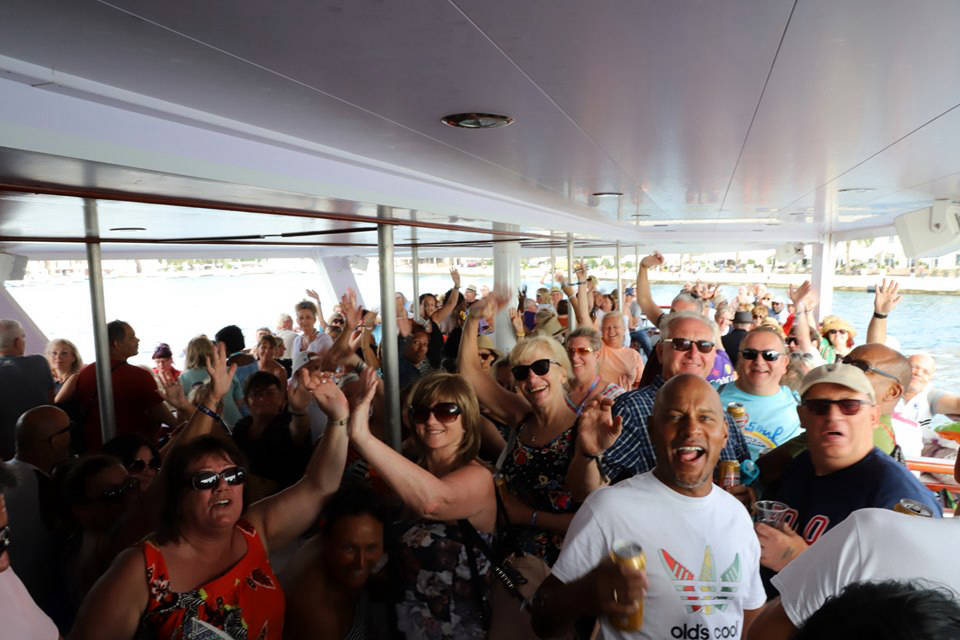
Hvar is the reputation: beach clubs, boat parties and a season that runs from June to September with prices that climb through it. It is genuinely good and genuinely expensive, and out of season the same town is a quiet harbour.

Split has the more sustainable version — bars around the palace, a beach club scene at Bačvice, and Ultra Europe in July, which fills the city entirely.

Zagreb is the year-round answer and the cheapest. Tkalčićeva street is wall-to-wall bars, the student scene keeps prices low, and unlike the coast it does not shut down in October.

Getting around

Getting around Croatia

Buses do the coast. FlixBus and local operators run Zagreb to Split in about five hours and Split to Dubrovnik in four, for €15 to €25, and they are more frequent and faster than the trains, which barely reach the coast at all.

Ferries and catamarans link the islands, run by Jadrolinija and a few private operators. Car ferries are cheaper and slower; catamarans are passenger-only and much faster. Summer schedules are frequent, winter ones are skeletal.

A car helps in Istria and for the national parks, and is a liability in walled old towns where you will pay heavily to park outside them. The Dubrovnik-to-Split road passes through a short stretch of Bosnia — although the Pelješac bridge now bypasses it, so check which route your bus takes if visas are a consideration.

Costs

What Croatia costs

Croatia stopped being cheap around 2015 and joining the euro in 2023 did not help perceptions. It is now mid-priced: dorms from about €20 in Zagreb and the shoulder season, €35 to €45 on Hvar and in Dubrovnik in August.

The seasonal swing is the largest in this part of Europe. A Split bed at €22 in May is €50 in August for the same room, and the ferries and beaches are free either way.

Inland is where the value is. Zagreb, Istria and the national park towns cost a third less than the Dalmatian coast in every category, and the food is often better.

Safety

Staying safe in Croatia

Croatia is a very safe country with low crime, including in the busiest resort towns. Petty theft happens on packed ferries and in crowded old towns, and that is about the extent of it.

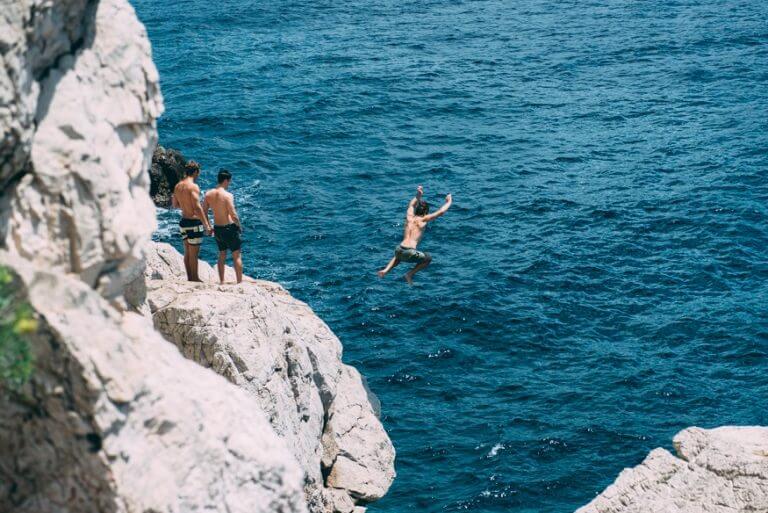
The sea is the thing to respect. The coast is rocky and the pretty coves have sharp limestone and sea urchins — water shoes are worth the €10. Cliff jumping into unfamiliar water causes injuries every summer.

Landmines from the 1990s war still exist in a few clearly marked inland areas well away from the tourist coast. They are signed, mapped and not a practical concern for normal travel, but it is a reason not to wander off marked trails in the former conflict zones near the Bosnian border.

Entry and documents

Entry and documents

Croatia joined the Schengen area in January 2023 and adopted the euro at the same time, so there are no longer border checks from Slovenia or Hungary and no currency to change.

EU citizens need an ID card. UK, US, Canadian and Australian passport holders get 90 days in any 180 across the whole Schengen zone — and because Croatia is now in it, time here counts against the same allowance as Italy or Germany, which was not true before 2023.

Passports need three months' validity beyond departure and to have been issued within the last ten years. ETIAS has been delayed repeatedly; check the official EU site.

When to go

Croatia has a short, intense season. June and September are the answer: warm sea, open ferries, and roughly half the August prices.

10°
Jan
Coast largely closed. Zagreb has a good Christmas market into January
11°
Feb
Quiet. Rijeka Carnival is the exception
14°
Mar
Spring inland, coast still waking up
18°
Apr
Parks are green and empty. Sea still cold
23°
May
Excellent. Ferries increasing, prices low
27°
Jun
The best month. Sea warm, everything open, August prices not yet
30°
Jul
Peak. Ultra in Split, Hvar at full volume
30°
Aug
Busiest and most expensive. Book everything
26°
Sep
Warmest sea of the year and the crowds gone
21°
Oct
Lovely early on, island services thinning by month end
15°
Nov
Coast closing down. Zagreb and Istria still good
11°
Dec
Zagreb's Advent market is one of Europe's best
Bar height is temperature. Colour is how busy it gets: quiet busy peak

Average highs for Split. Zagreb is colder in winter and hotter inland in summer. Island ferry schedules shrink sharply from October to April.

What your trip will cost

Pick how you travel and how long for. Per night, for one person, in June or September rather than August.

Excludes ferries and buses between towns, typically €8–25 a leg. August prices run 60–100% above these figures on the coast.

—
  • Beds—
  • Food and drink—
  • Getting around—
  • Doing things—
What's on

What is on while you are there

Two of these fill the coast completely. The winter one is the reason to visit Zagreb in December.

Croatia travel questions

The ones we get asked most.

How many days do you need in Croatia?
A week covers the Dalmatian coast — Split, one or two islands and Dubrovnik. Ten days lets you add Zagreb or Istria, which are cheaper and less visited than anywhere on the coast.
Is Croatia still cheap?
Not especially. Dorms from €20 in Zagreb and the shoulder season, rising to €35 to €45 in Dubrovnik and on Hvar in August. Inland — Zagreb, Istria, the national park towns — is about a third cheaper than the coast.
When is the best time to visit Croatia?
June or September. The sea is warm, the ferries run a full schedule and prices are roughly half of August. July and August are hot, packed and the most expensive weeks of the year.
Does Croatia use the euro?
Yes, since January 2023. The kuna is no longer legal tender, and Croatia also joined Schengen at the same time, so time spent here counts against the 90-day Schengen allowance.
Which Croatian islands are worth visiting?
Hvar for nightlife, Brač for Zlatni Rat beach, Vis for the quietest version of the Adriatic, and Korčula for a walled town without Dubrovnik's crowds. All are reachable by ferry or catamaran from Split.
Is Dubrovnik worth it?
Yes, with planning. Check cruise ship schedules and walk the walls at opening or in the last hour, and stay overnight so you see the old town when the day visitors have gone. It is the most expensive place in the country.
Do I need a car in Croatia?
Not for the coast, where buses and ferries cover everything. A car helps for Istria, Plitvice and the smaller inland towns, but parking outside walled old towns is expensive and often far from the centre.

Say yes to hostels, meet the world

Compare hostels across Croatia — live prices, real reviews and free cancellation on most bookings. Then meet the people already there in the app.

Get the App. QRGet the App.
Get the App. QR  Get the App.
Scroll to Top