Costa Rica
Costa Rica country guide

Things to do in Costa Rica

Five per cent of the world's biodiversity in a country the size of Denmark, with two coastlines, an active volcano and no army since 1948. The expensive one, and worth it.

€16
Dorm bed, from
5%
Of global biodiversity
28%
Of land protected
0
Armies, since 1948

Small, green and priced accordingly

Costa Rica holds around five per cent of the planet's biodiversity on 0.03 per cent of its land, protects more than a quarter of its territory, and abolished its army in 1948 to spend the money on schools and healthcare. It is the most developed country in Central America and the most expensive by some distance.

The standard route is a loop: La Fortuna for Arenal volcano and hot springs, Monteverde for cloud forest and hanging bridges, and then a coast — Manuel Antonio or Santa Teresa on the Pacific, Puerto Viejo on the Caribbean.

The Caribbean side is the one people skip and shouldn't: Afro-Caribbean culture, calypso, different food, and sloths in the trees at Cahuita.

Two to three weeks covers a proper loop. Pura vida is the national phrase and it is used constantly, as a greeting, a goodbye and a shrug.

Where to go

Shuttles link the traveller towns. Public buses are much cheaper and slower.

La Fortuna

La Fortuna

26 hostels · dorms from €9

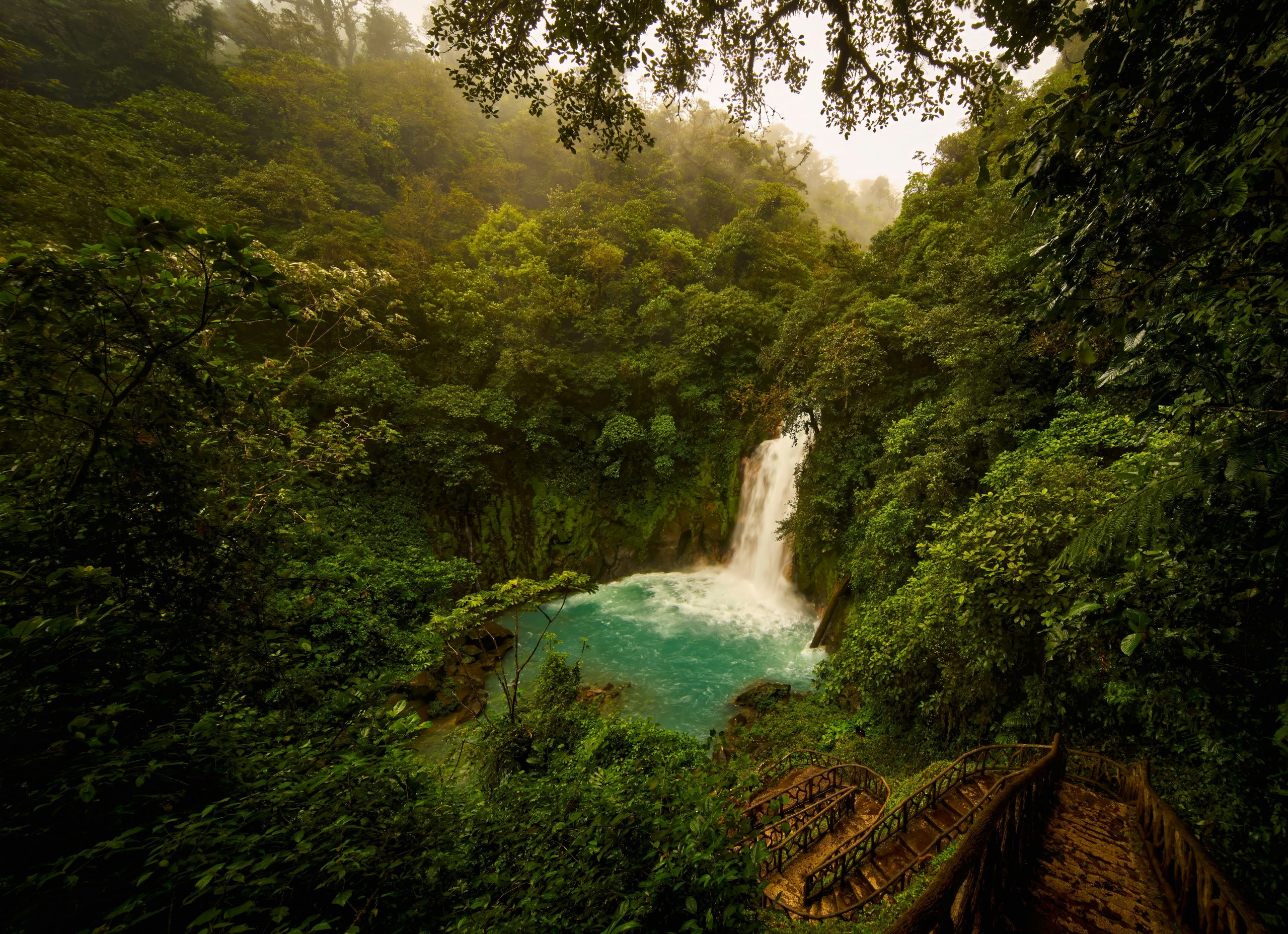
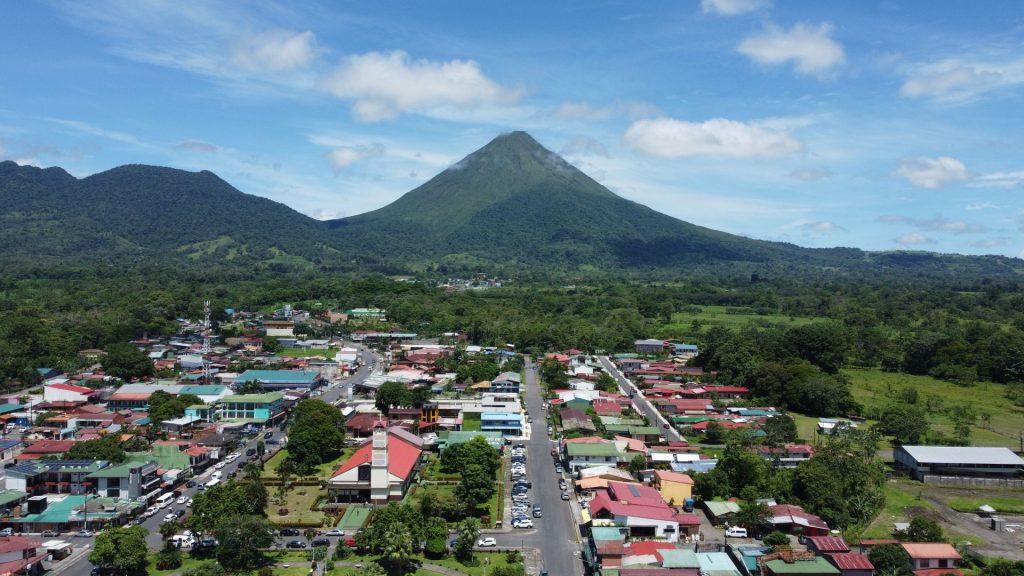
Under Arenal volcano, with hot springs, waterfalls and hanging bridges.

Great adventures with different levels of accessibility for everyone. I recommend hiking the volcano parks and then hitting the hot springs (day passes at hot spring hotels like Baldi are great for rainy days. Zip lining was also amazing at Sky Adventures.

A traveller, on Hostelworld
The La Fortuna guide
Monteverde

Monteverde

21 hostels · dorms from €8

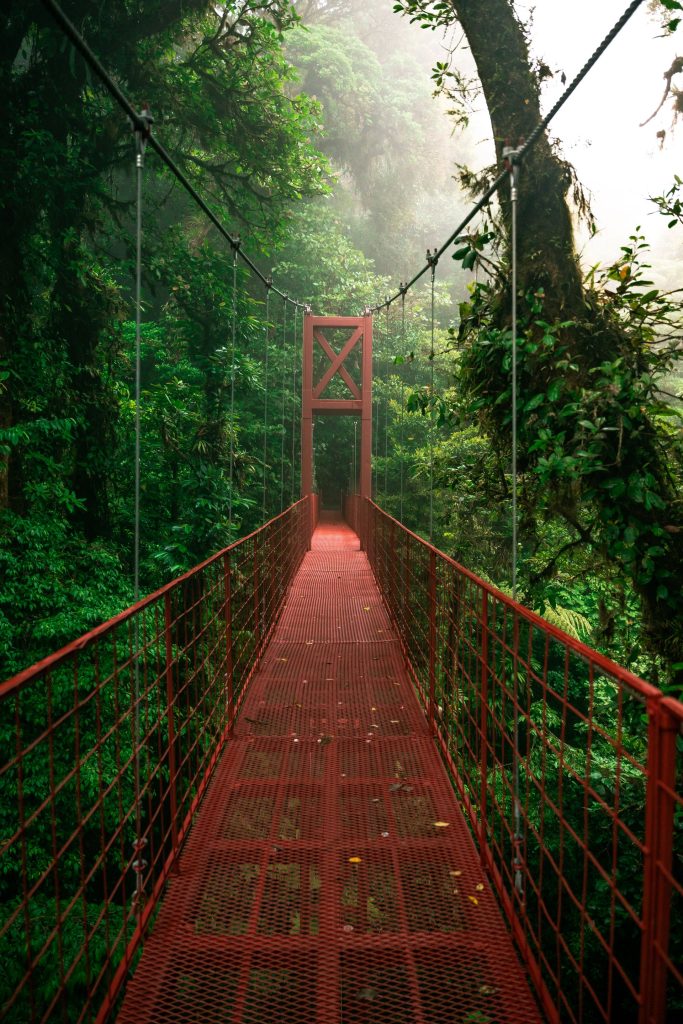
Cloud forest at 1,400m: canopy walkways, zip lines and quetzals if you are lucky.

Monteverde is a little town surrounded by the Cloud Forest, one of the most beautiful places to visit in Costa Rica, maybe my favorite. You can do all sorts of tours and activities around, such as night walks in the forest, skylines, day walks in Santa Elena, coffe or chocolate tours and so much more. Eating out is easy and can be cheap if you decide to go to the typical kiosks around and sodas, but also cooking with the fresh food you find in the supermarkets around.

A traveller, on Hostelworld
The Monteverde guide
Santa Teresa

Santa Teresa

16 hostels · dorms from €11

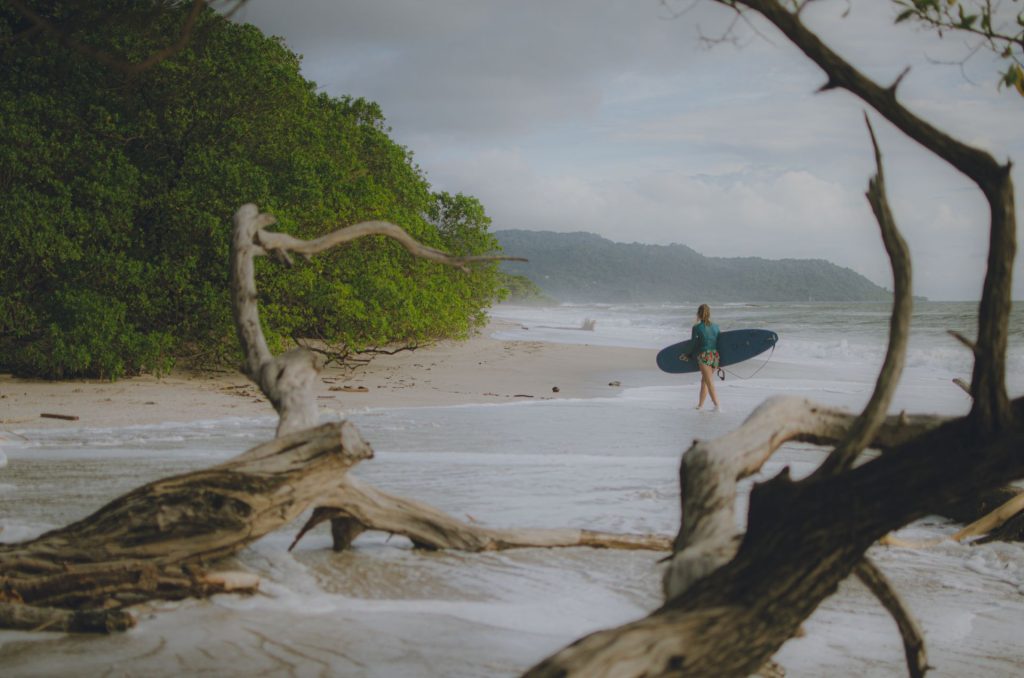
A Pacific surf town on the Nicoya peninsula, long-staying and expensive.

So everyone asked about how I discovered Santa Teresa while I was there, basically I wanted a vibe that was similar to Bali when I went back in 2016. I was looking for surf, yoga, and beach. I entered that into chat GPT and it sold me on booking a trip here. I got all that and more while on vacation, it is totally like Canggu, Bali in 2016 except the prices are just like NYC (where I live) not Bali prices LOL. The beaches are amazing, people are amazing, food is amazing... shall I go on?

A traveller, on Hostelworld
The Santa Teresa guide
Puerto Viejo de Talamanca

Puerto Viejo de Talamanca

23 hostels · dorms from €10

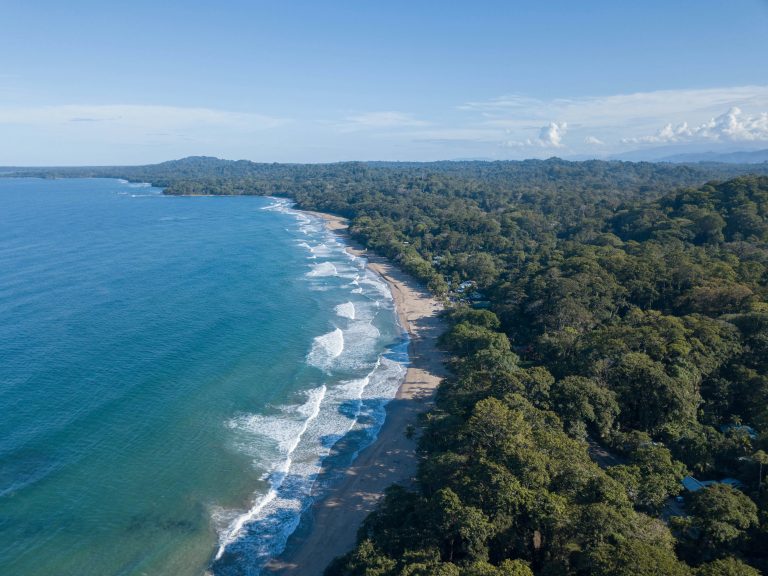
The Caribbean coast: Afro-Caribbean culture, sloths, and a slower everything.

Short answer - yes. If you are looking for a place with gorgeous beaches, people, and food - Puerto Viejo is that place. It has four gorgeous beach areas at your fingertips, easy accessibility with cheap bike rentals and a smooth, easy road to cycle. Great food and shopping and a huge variety of hostels with something for everyone. Only downside is that it is expensive and it is pretty touristy, but I guess that is Costa Rica.

A traveller, on Hostelworld
The Puerto Viejo de Talamanca guide
Manuel Antonio

Manuel Antonio

7 hostels

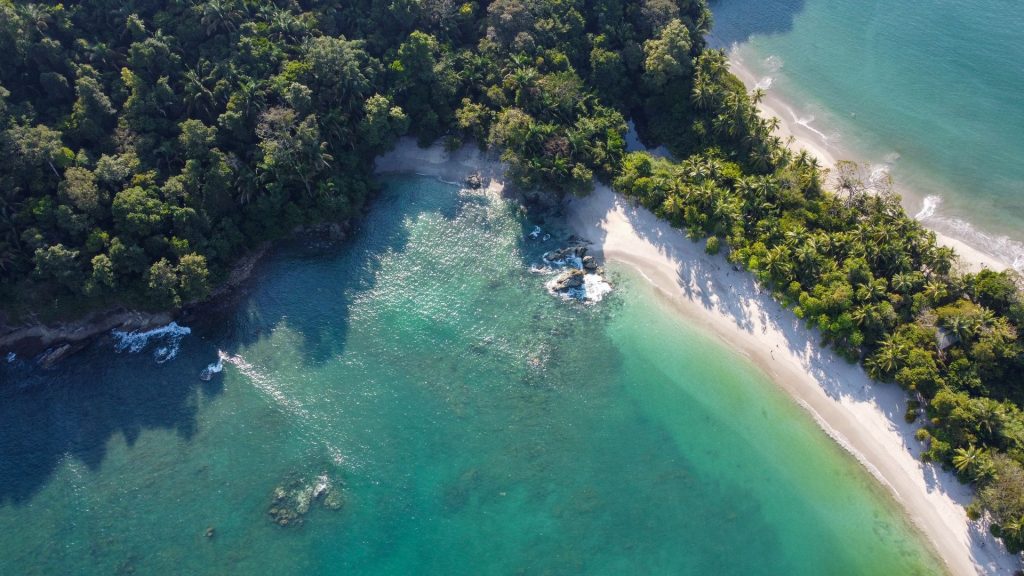
A small national park where rainforest meets beach, with monkeys on the sand.

really enjoyed Manuel Antonio—the vibe, the beautiful sights, friendly people, and all the activities, especially the national park, were amazing. The only downside was the street vendors, who could be a bit annoying at times. I was traveling alone but could easily find new friends.

A traveller, on Hostelworld
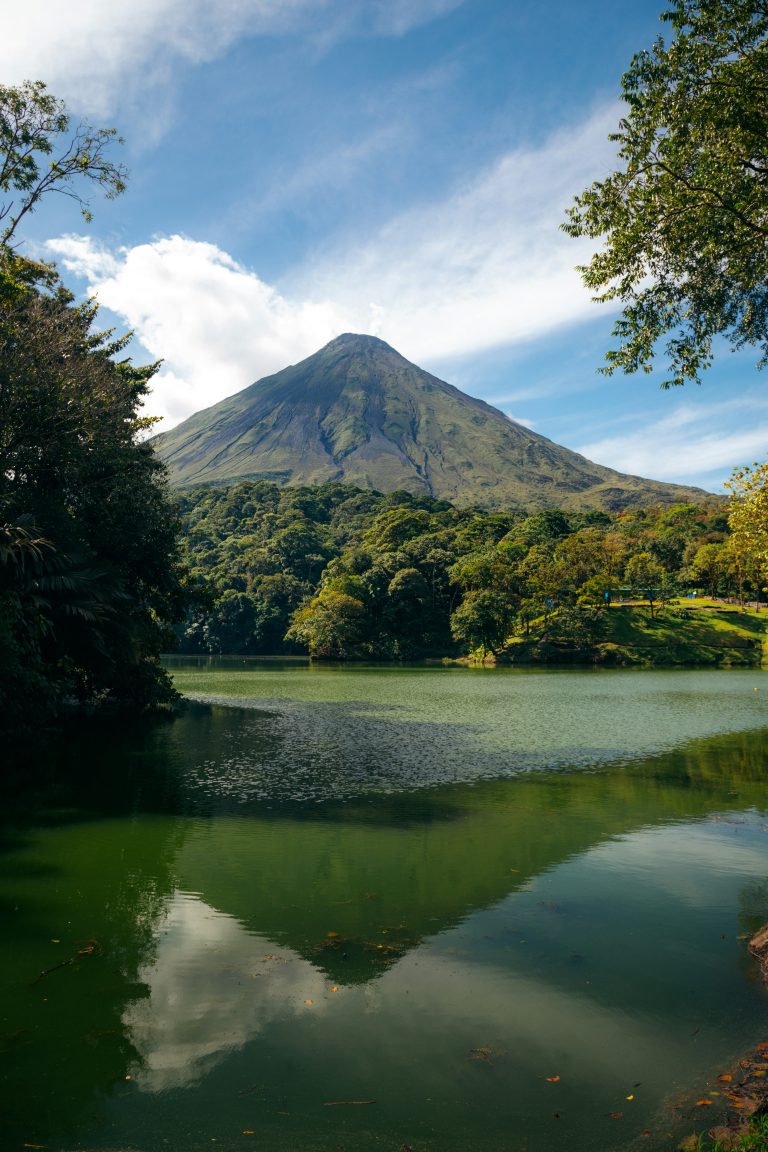
The Manuel Antonio guide
San José

San José

23 hostels

The capital and transport hub, usually passed through rather than stayed in.

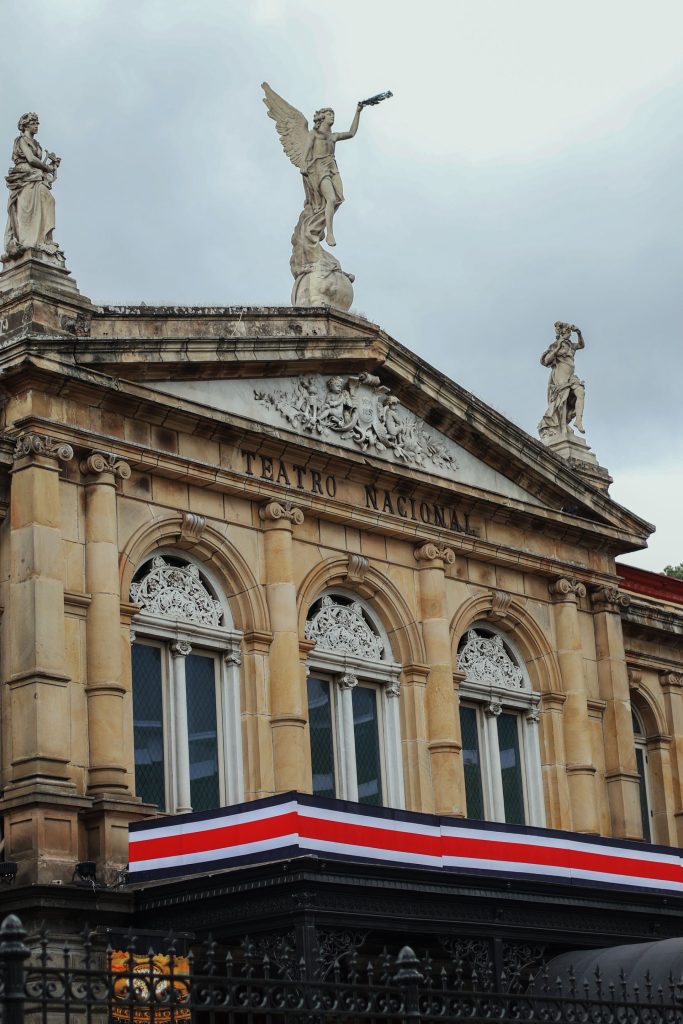
I enjoy very much the culture in San Jose, a lot can be access while walking just have in mind that streets will not be straight (in case you are carrying stuff).

A traveller, on Hostelworld

The San José guide
Tamarindo

Tamarindo

16 hostels

The liveliest Guanacaste beach town: beginner surf, sunset bars and leatherback turtles nearby.

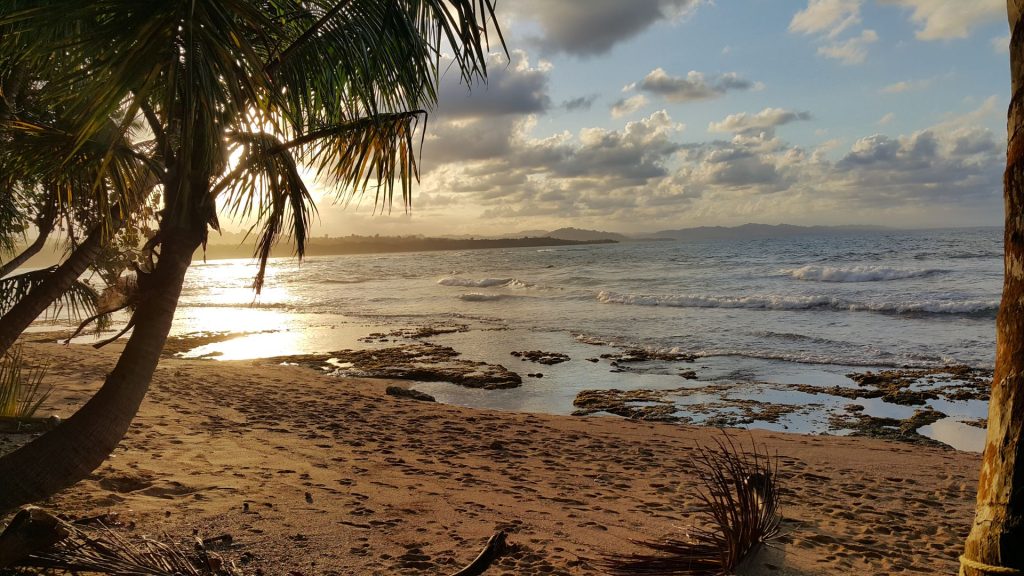
Tamarindo is my favorite place in costa rica is a very friendly town with lots af facilities and amenities Great beach with amazing sunsets

A traveller, on Hostelworld

The Tamarindo guide
Tortuguero

Tortuguero

5 hostels

A boat-only village of rainforest canals and one of the great green turtle nesting beaches.

The Tortuguero guide
Uvita

Uvita

14 hostels

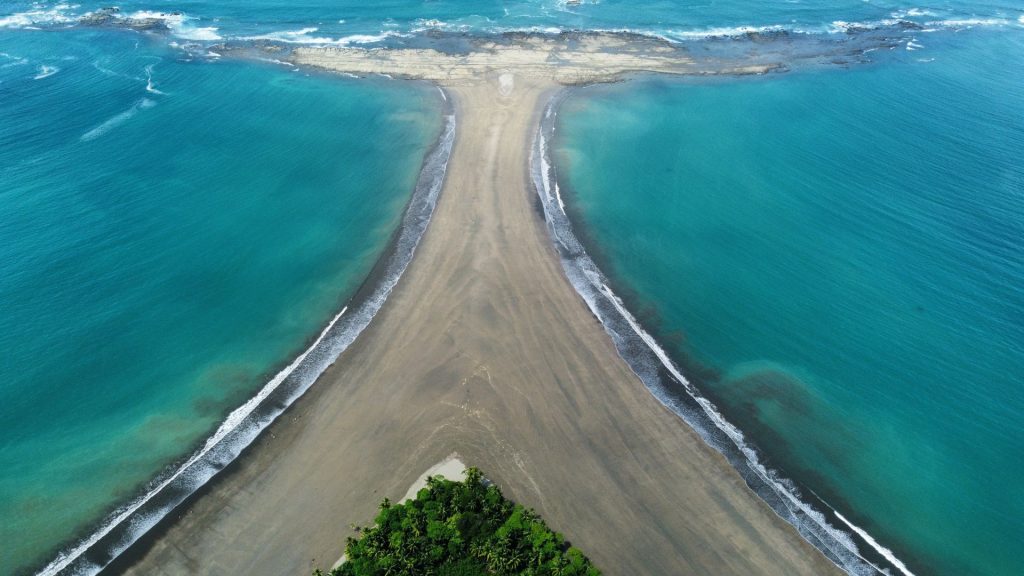
The Whale Coast: the whale-tail sandbar, humpbacks twice a year and jungle waterfalls.

Love the beach access, proximity to national parks, waterfalls, surfing, diving and snorkeling outings, and local food and beer. Happy to have spent 3 weeks here for a combo vacation + working from home trip!

A traveller, on Hostelworld

The Uvita guide

What kind of trip is this?

Costa Rica is a wildlife and adventure country, and it is set up for visitors better than anywhere nearby.

Adventure in Costa Rica

Zip lines, rafting and volcanoes, all professionally run.

What to do

  • Zip line over Monteverde cloud forest
  • Raft the Pacuare
  • Hike Rincón de la Vieja

Spots to visit

  • Monteverde
  • Arenal
  • Pacuare River

Best cities for it

Things to do

Things to do in Costa Rica

Wildlife is the reason to come. Manuel Antonio has monkeys, sloths and iguanas within a small park where rainforest meets beach; Corcovado on the Osa peninsula is the wildest and needs a guide and permits; Tortuguero on the Caribbean has turtle nesting from July to October and is reached only by boat or plane.

Arenal and La Fortuna cover the volcano side: hot springs fed by the volcano, a waterfall you can swim under, and hanging bridges through the forest canopy.

Monteverde's cloud forest is the other landscape, with canopy walkways, night walks and the chance — not the guarantee — of a resplendent quetzal.

A practical note that catches people out: most national parks now require advance online booking with timed entry slots, and popular ones sell out. Book before you travel rather than turning up.

Food and drink

Eating in Costa Rica

The casado is the everyday meal and the way to eat cheaply here: rice, beans, plantain, salad and a protein on one plate for €5 to €9 at a soda, which is what small local restaurants are called. Tourist restaurants charge two or three times that for less.

Gallo pinto is breakfast, with eggs and tortillas.

The Caribbean coast cooks differently — rice and beans in coconut milk, jerk-spiced chicken, patacones and rondón stew — and it is the most distinctive food in the country.

Costa Rican coffee is excellent and the Central Valley fincas run tours from bean to cup. Guaro is the local sugarcane spirit, and Imperial is the beer everyone drinks.

Nightlife

Going out in Costa Rica

Nightlife lives in the beach towns. Santa Teresa has beach bars and a long-staying surf crowd, Tamarindo is the most developed and most touristed, and Jacó is the loudest and least liked.

Puerto Viejo on the Caribbean is the best of them: reggae and calypso, cheap rum, and a mixed crowd of locals, travellers and long-term residents.

San José has a genuine local scene around Barrio Escalante and Barrio Amón, which very few visitors see because they transit the capital.

Imperial beer is €2 to €4 in a bar, guaro is cheap, and cocktails in beach towns run €6 to €10. Things wind down earlier here than in Mexico or Nicaragua.

Getting around

Getting around Costa Rica

Tourist shuttles connect all the main destinations door to door, cost €40 to €70 a leg, and are what most visitors use. Interbus and Caribe Shuttle are the established operators.

Public buses cost a fraction — usually €3 to €12 for the same journey — and are comfortable enough, but they run to San José and back rather than between destinations, so a direct trip often becomes two buses and a day.

Hiring a car gives the most freedom and 4WD matters for some roads, particularly in the rainy season and on the Nicoya peninsula. Costa Rican rental insurance is mandatory and adds significantly to advertised prices, which surprises people.

Domestic flights on Sansa save long days, particularly to Osa and Tortuguero.

Costs

What Costa Rica costs

Costa Rica is roughly double Nicaragua and the gap is obvious the moment you cross the border. Dorms start around €16, tourist restaurant mains are €12 to €22, and shuttles are €40 to €70 a leg.

A day comes to €45 to €75.

The levers are real, though. Eat casados at sodas rather than tourist restaurants and food costs drop by two thirds. Take public buses instead of shuttles and transport drops by eighty per cent. Book national parks yourself online rather than through a tour operator.

Activities are the other cost: zip lining €45 to €75, rafting €70 to €110, guided park walks €40 to €70. US dollars are accepted everywhere alongside colones.

Safety

Staying safe in Costa Rica

Costa Rica is among the safer countries in the region, and the most common problem travellers have is theft from vehicles and beaches rather than anything confrontational. Never leave anything in a parked car, including out of sight, and do not leave belongings unattended on the sand.

Petty crime in San José, particularly around the Coca-Cola bus terminal area, is worth avoiding at night.

The bigger risks are natural. Rip currents on the Pacific coast drown people every year and most beaches have no lifeguards — swim where others are and ask locally about currents. Crocodiles inhabit river mouths and estuaries on both coasts, so heed signage.

Wildlife needs distance and not feeding, particularly monkeys and raccoons around Manuel Antonio, which have become aggressive where visitors have fed them.

Entry and documents

Entry and documents

Most European, UK, US, Canadian and Australian citizens enter visa-free for up to 180 days, though the period granted is at the officer's discretion — check your stamp.

Proof of onward travel is genuinely enforced here, more than in most of the region, and airlines check it at boarding. A refundable or cheap onward bus ticket satisfies it.

Passports need to be valid for the stay. Yellow fever certification is required if arriving from certain South American and African countries. There is a departure tax, usually included in airfares but occasionally payable separately.

When to go

December to April is the dry season on the Pacific side. The Caribbean coast runs on its own calendar and is often driest in September and October, when everywhere else is wettest.

27°
Jan
Peak dry season. Busy and expensive
28°
Feb
Excellent, and the driest month on the Pacific
29°
Mar
Hot and dry. Still peak season
29°
Apr
Dry season ending. Semana Santa fills the beaches
28°
May
Green season starts. Afternoon rain, lower prices
27°
Jun
Wet afternoons, clear mornings. Good value
27°
Jul
A drier spell mid-season, and turtle nesting starts
27°
Aug
Wet on the Pacific, turtles nesting at Tortuguero
27°
Sep
Wettest on the Pacific and driest on the Caribbean
27°
Oct
Same split. Many Pacific businesses close
27°
Nov
Rains ease and the dry season begins
27°
Dec
Peak returns. Book ahead over the holidays
Bar height is temperature. Colour is how busy it gets: quiet busy peak

Average highs for San José. The key thing is that the two coasts are opposite — September and October are the wettest months on the Pacific and among the best on the Caribbean, which is why Puerto Viejo is the smart choice then.

What your trip will cost

Pick how you travel and how long for. Per night, for one person, in euros.

Shuttles at €40–70 a leg and activities like zip lining and rafting sit outside these figures. Eating at sodas rather than tourist restaurants is the single biggest saving.

—
  • Beds—
  • Food and drink—
  • Getting around—
  • Doing things—
What's on

What is on while you are there

Turtle nesting is the natural event worth timing a trip around.

Costa Rica travel questions

The ones we get asked most.

Why is Costa Rica so much more expensive than its neighbours?
It is the most developed country in Central America, with the infrastructure and wages to match, and it has built a high-value tourism model deliberately. Expect roughly double Nicaragua. Eating at sodas and taking public buses rather than shuttles closes a lot of the gap.
Do I need to book national parks in advance?
Yes, for most of them. Timed online entry is now standard and popular parks sell out, particularly Manuel Antonio and Corcovado. Book before you travel rather than turning up.
How long do you need?
Two to three weeks for a proper loop — La Fortuna, Monteverde and one or both coasts. The country is small but shuttle legs eat half-days.
Pacific or Caribbean coast?
Both, if you can. The Pacific has the surf towns and most of the infrastructure. The Caribbean around Puerto Viejo and Cahuita has Afro-Caribbean culture, different food and a slower pace, and it is driest in September and October when the Pacific is at its wettest.
When should I visit?
December to April for the Pacific dry season, though it is the busiest and priciest. The green season from May to November brings afternoon rain, lower prices and much greener landscapes — and September and October are excellent on the Caribbean side.
Is Costa Rica safe?
Among the safer countries in the region. The most common problem is theft from parked cars and unattended beach bags, and the bigger dangers are natural — rip currents drown people yearly on beaches without lifeguards, and crocodiles inhabit river mouths on both coasts.
Do I need a car?
Not necessarily. Shuttles connect everything door to door at €40 to €70 a leg. A car gives more freedom and is better for the Nicoya peninsula, but mandatory Costa Rican insurance adds a lot to advertised rental prices.

Say yes to hostels, meet the world

Compare hostels across Costa Rica — live prices, real reviews and free cancellation on most bookings. Then meet the people already there in the app.

Get the App. QRGet the App.
Get the App. QR  Get the App.
Scroll to Top