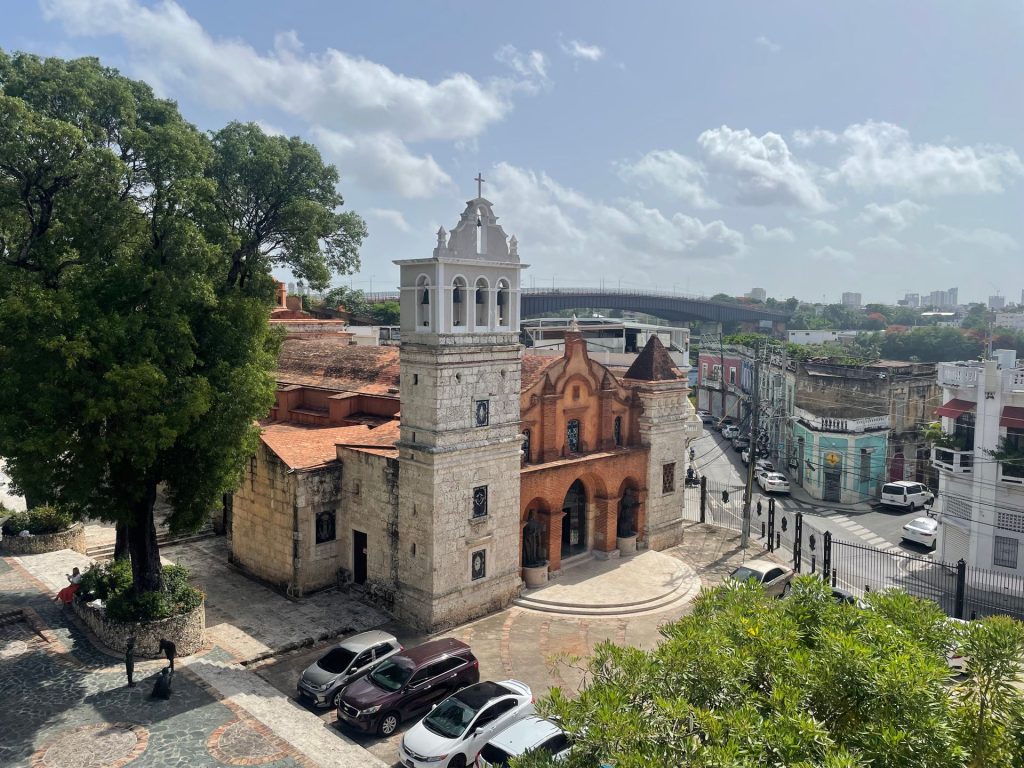
Santo Domingo
6 hostels · dorms from €14
The Zona Colonial: the oldest European city in the Americas, and a real capital around it.

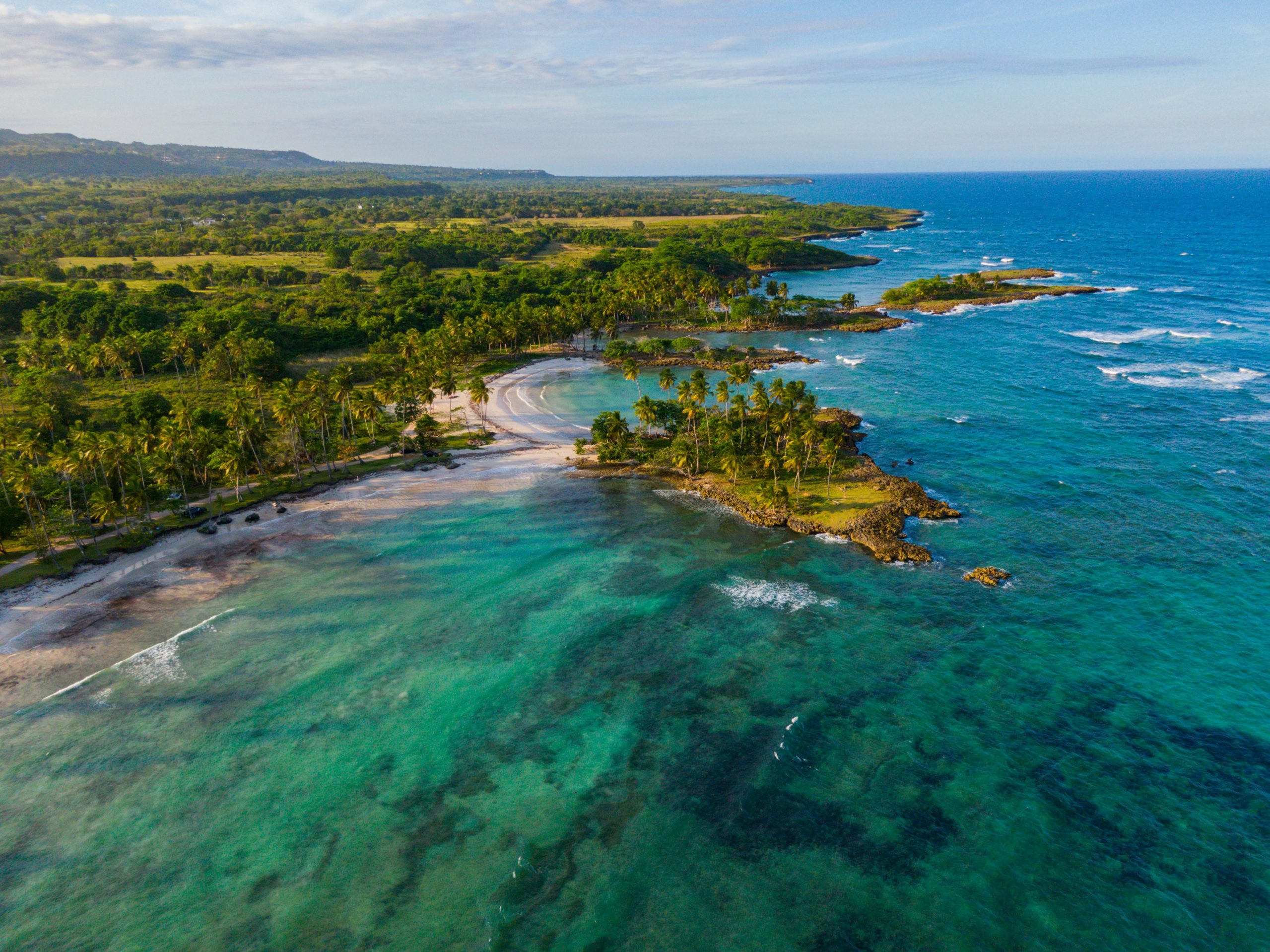
The Caribbean's highest mountain, the oldest European city in the Americas, and 1,600km of coastline. Most people see a resort; the rest of it is better.
The Dominican Republic receives more visitors than anywhere else in the Caribbean, and most of them stay inside a resort in Punta Cana. The independent version is a different country.
Santo Domingo's Zona Colonial is the oldest permanent European settlement in the Americas, founded in 1496, with the first cathedral and the first paved street in the New World, and it is a proper living city rather than a preserved one.
The north coast around Cabarete is the kitesurfing capital of the Caribbean and a long-staying traveller town. The Samaná peninsula has humpback whales from January to March, waterfalls and quieter beaches. Inland, Jarabacoa sits in mountains with rafting, and Pico Duarte at 3,098 metres is the highest peak in the Caribbean.
Two weeks covers the north coast, Samaná and the capital.
Caribe Tours and Metro run good intercity buses. Guaguas fill the gaps for pennies.
The Zona Colonial: the oldest European city in the Americas, and a real capital around it.
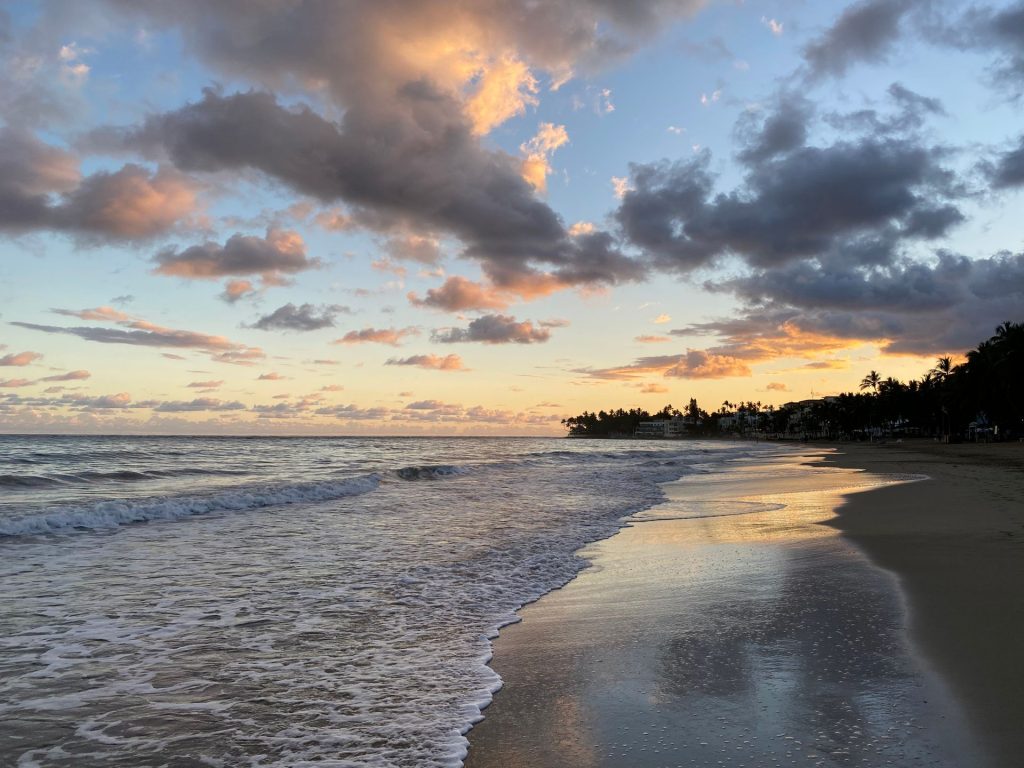
The kitesurf and windsurf capital of the Caribbean, with a long-staying traveller crowd.
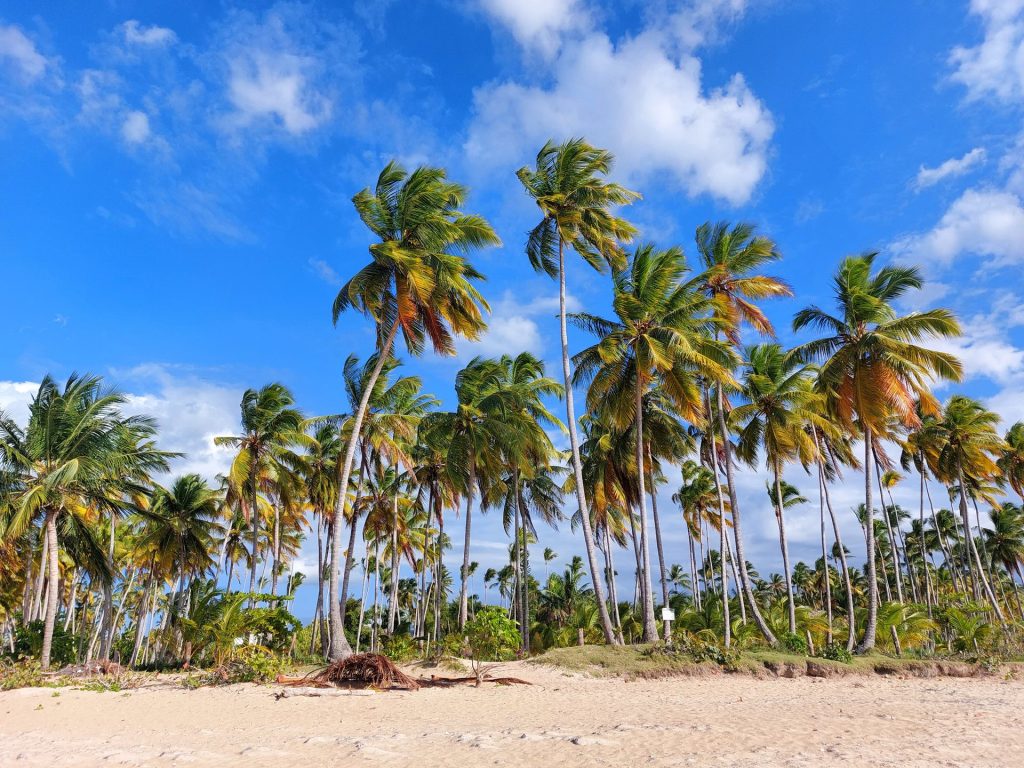
On the Samaná peninsula: beaches, a French and Italian expat influence, good food.
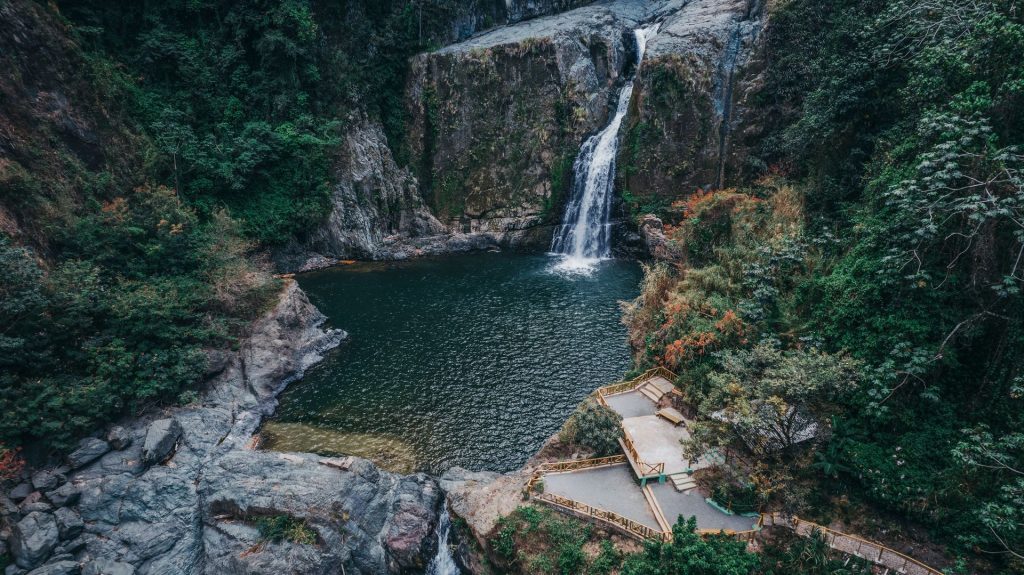
In the mountains: rafting, waterfalls, cooler air and the route up Pico Duarte.
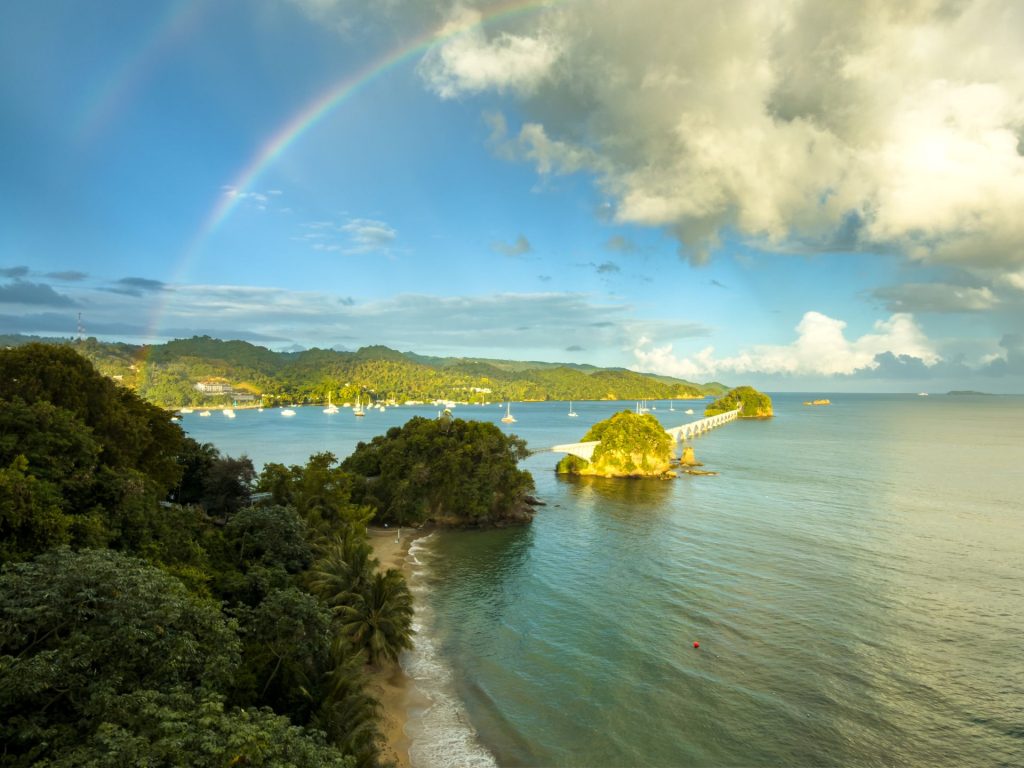
Whale watching in the bay from mid-January to March, Los Haitises, and the quiet beaches of Las Galeras.
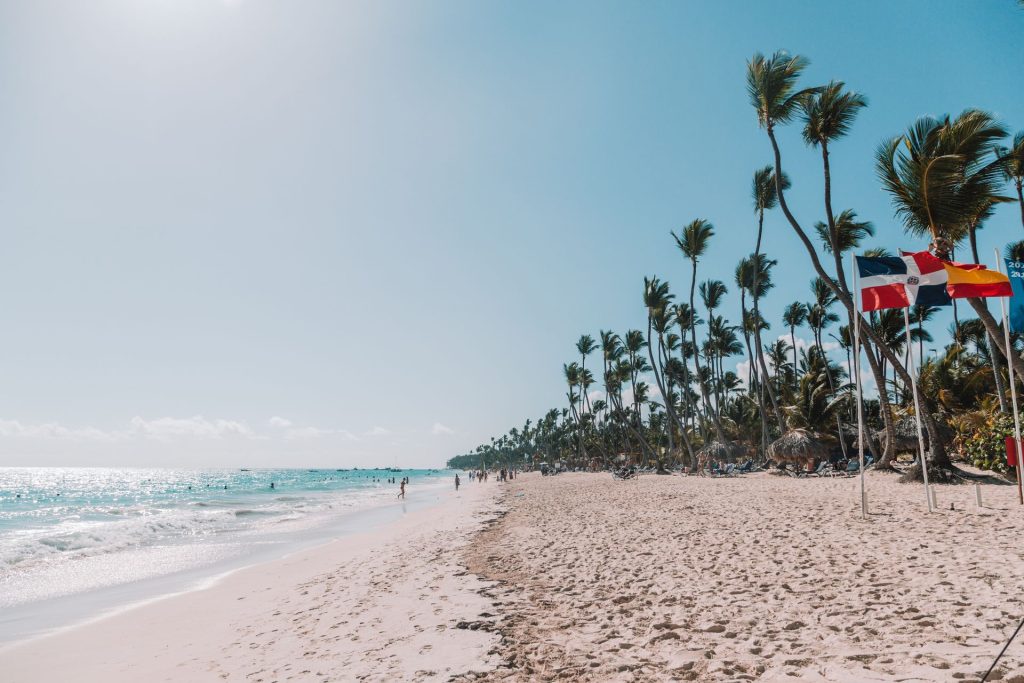
The resort strip, and where most of the country's visitors never leave.
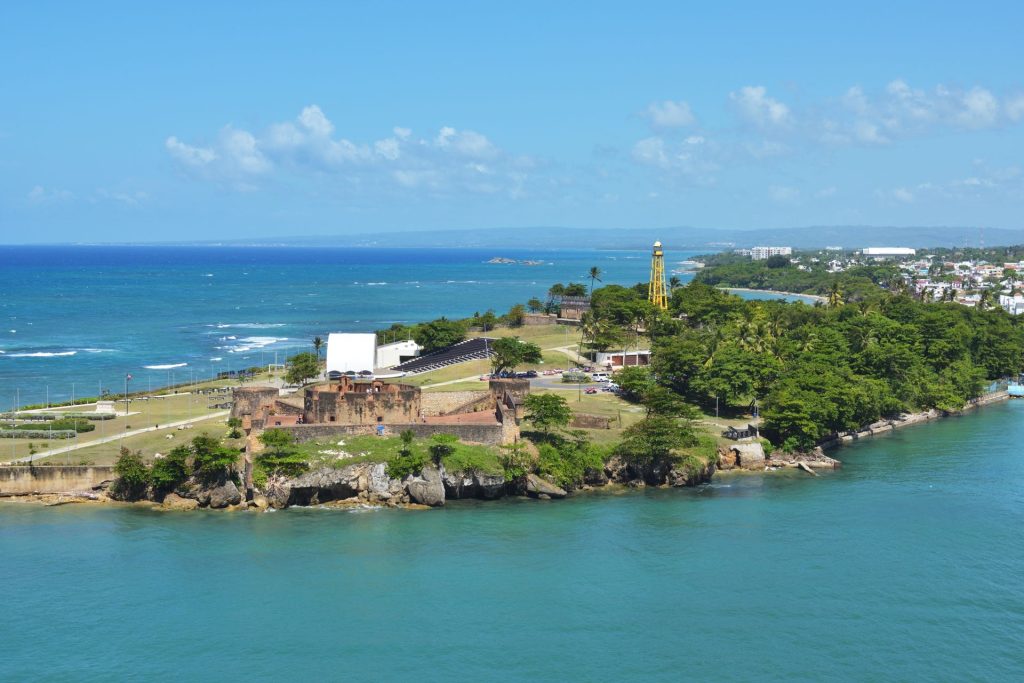
The north coast's old port: Victorian houses, a 16th-century fort and a cheap base for Damajagua.
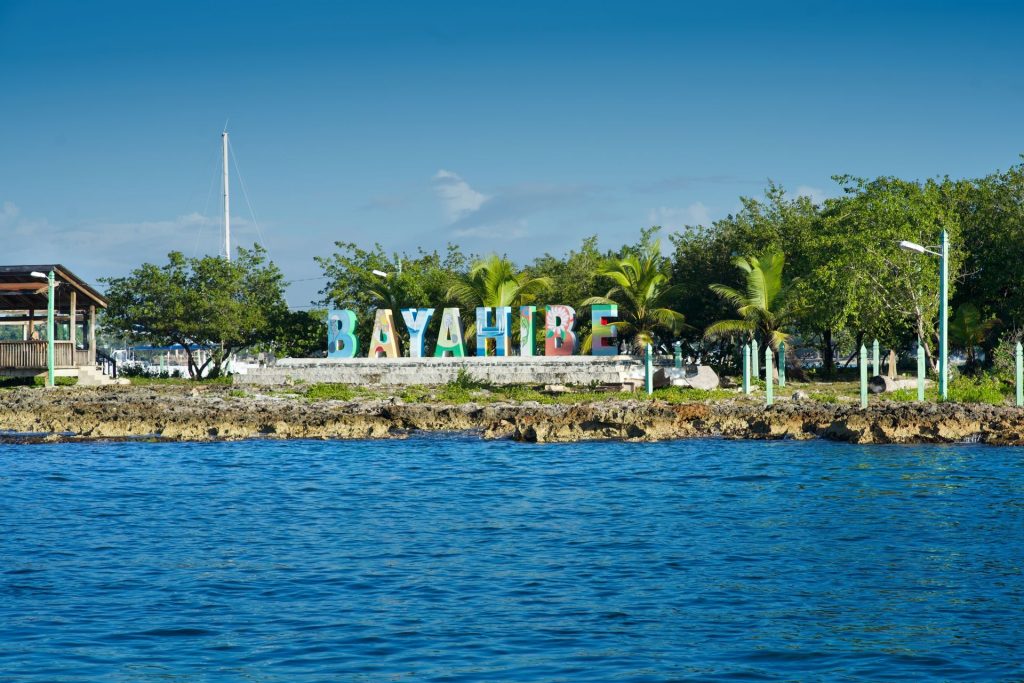
A fishing village on calm water, with the best diving in the country and boats to Saona Island.
The DR is a beach and watersports country with mountains and a genuinely old city attached.
1,600km of coast, and the quiet parts are easy to reach.
Kitesurfing, waterfalls and the Caribbean's highest peak.
The first European city in the Americas, and merengue.
La bandera, fresh fish and street fried food.
Merengue, bachata and street-corner colmados.
Cheap away from the resort zones.
Santo Domingo's Zona Colonial is the historical heart of the Americas: the first cathedral, the first hospital, the first paved street in the New World, all within a walkable grid that is still a working neighbourhood rather than a museum.
Cabarete is the watersports centre, with reliable afternoon wind that has made it a kitesurfing destination for decades, and lessons at a fraction of European prices.
Samaná is where humpback whales come to breed between January and March, and boat trips from Samaná town are among the most reliable whale watching in the Caribbean. The peninsula also has Playa Rincón and Playa Frontón, both regularly listed among the best beaches in the region.
The 27 waterfalls at Damajagua are jumped and slid down with a guide and helmet, and Pico Duarte is a two to three day trek to the highest point in the Caribbean.
La bandera — the flag — is the everyday lunch: rice, beans, meat and salad on one plate for €3 to €6 at a comedor, and it is what the country actually eats.
Mangú is breakfast: mashed plantain with pickled onions, fried cheese, salami and egg, known as los tres golpes.
On the coast, fried fish with tostones is the standard beach meal, and in Samaná the French and Italian influence has produced genuinely good restaurants in Las Terrenas.
Colmados — corner shops with a few chairs outside — are where a lot of eating and drinking happens, selling beer, rum and snacks with music playing into the street.
Presidente is the national beer, drunk very cold, and Brugal and Barceló are the rums.
Dominican nightlife happens partly in the street. Colmados put speakers outside and people drink around them, which is the cheapest and most authentic night out available and costs almost nothing.
Santo Domingo's Zona Colonial has bars in colonial buildings and a genuine local scene, and the city takes merengue and bachata seriously — both were born here, and people dance properly.
Cabarete's bars sit on the sand and run late, with a crowd of kitesurfers and long-stayers, and Las Terrenas has a French-influenced restaurant and bar scene.
Presidente is €1.50 to €3 in a colmado and more in bars. Rum is cheaper. Things start late and Sunday afternoons are a genuine social occasion.
Caribe Tours and Metro run comfortable air-conditioned intercity buses at low prices — Santo Domingo to Puerto Plata is four hours, to Samaná about three — and they are the best way to move between regions.
Guaguas are the local minibuses: cheap, crowded, frequent and stopping anywhere, and they cover everything the big buses do not.
Motoconchos, motorbike taxis, are the short-hop option everywhere. They are cheap and helmets are rarely offered, which is worth weighing.
Hiring a car gives freedom and Dominican driving is assertive — expect undertaking, and avoid driving at night outside cities where unlit vehicles and animals are common.
Away from the resort zones the country is cheap. Dorms start around €14, a la bandera plate is €3 to €6, a beer at a colmado is €1.50 to €3, and intercity buses cost €5 to €12.
A day comes to €30 to €50.
Punta Cana and Bávaro operate as a separate economy with all-inclusive pricing and resort-zone costs for anything outside it, which is why independent travellers generally skip them.
The activities to budget for are kitesurf lessons at €200 to €350 for a course, whale watching from Samaná at €50 to €80, and Pico Duarte treks at €120 to €200 with guides and mules. Cash is useful outside tourist areas; cards work in cities and resorts.
The tourist areas are generally safe and millions of visitors have no trouble, though petty theft and opportunistic crime happen and government advice notes higher crime rates in parts of Santo Domingo and some other cities.
The practical rules are standard: use registered taxis or apps rather than hailing on the street at night, keep valuables out of sight, do not walk on unlit beaches after dark, and be cautious with drinks in tourist bars.
Motoconcho rides without helmets are a genuine injury risk, and road traffic accidents are one of the most common serious problems foreign visitors have here.
Hurricane season runs June to November. Rip currents on the north coast are strong and lifeguards are rare. Sun and dehydration do more damage than anything else on a beach trip.
Most European, UK, US, Canadian and Australian citizens enter visa-free for 30 days, extendable, and the former paper tourist card fee is now included in airfares for most arrivals.
An electronic entry and exit form — the E-Ticket — must be completed online before arrival and before departure. It is free, takes a few minutes, and is genuinely required — airlines check it.
Passports need to be valid for the stay. Proof of onward travel may be requested.
December to April is the dry season and the best window. Whale season in Samaná runs January to March, and hurricane season is June to November.
Average highs for Santo Domingo. The north coast around Cabarete gets more rain and reliable afternoon wind, which is what makes it a kitesurfing destination, and the mountains around Jarabacoa are considerably cooler.
Pick how you travel and how long for. Per night, for one person, in euro equivalents of pesos.
Kitesurf courses at €200–350, whale watching at €50–80 and Pico Duarte treks at €120–200 sit outside these figures. Punta Cana runs on all-inclusive pricing entirely.
Carnival runs through February and whale season overlaps it.
 Staff pick
Festival Presidente in Santo Domingo, Dominican Republic, is a renowned multi-day music event that brings together some of the biggest names in Latin and…
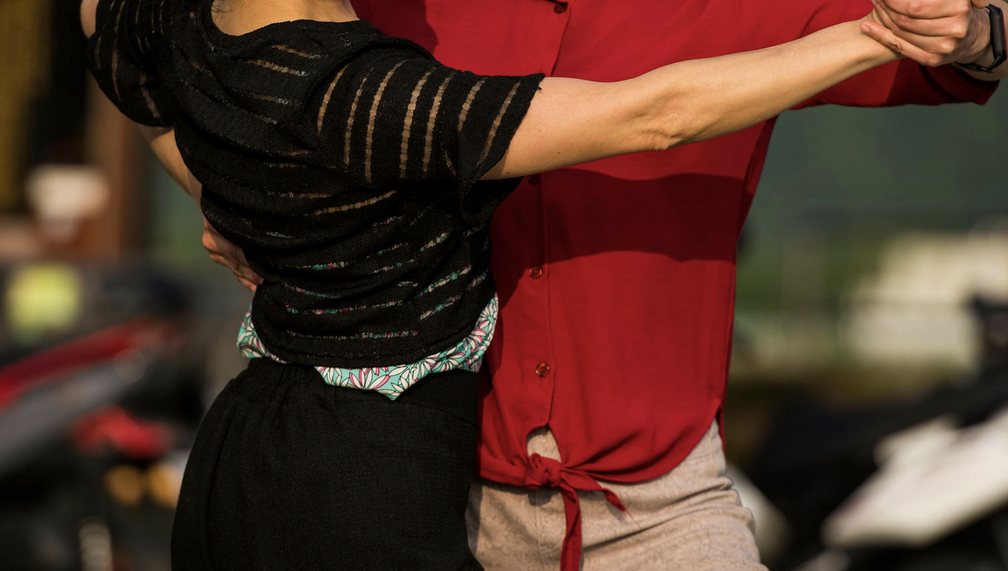 Staff pick
Festival Internacional La Semana de la Cultura Dominicana is a lively, week-long event in Santo Domingo that celebrates the Dominican Republic’s rich cultural heritage.…
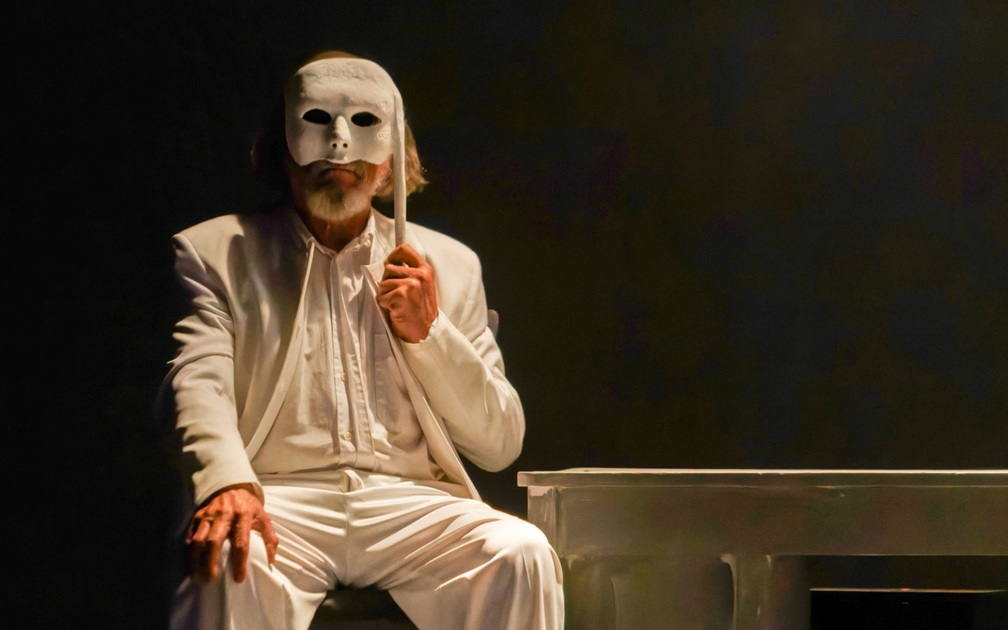 Staff pick
Festival Nacional de Teatro (FENATE) in Santo Domingo, Dominican Republic, is a nationwide celebration of the performing arts that brings innovative theater directly to…
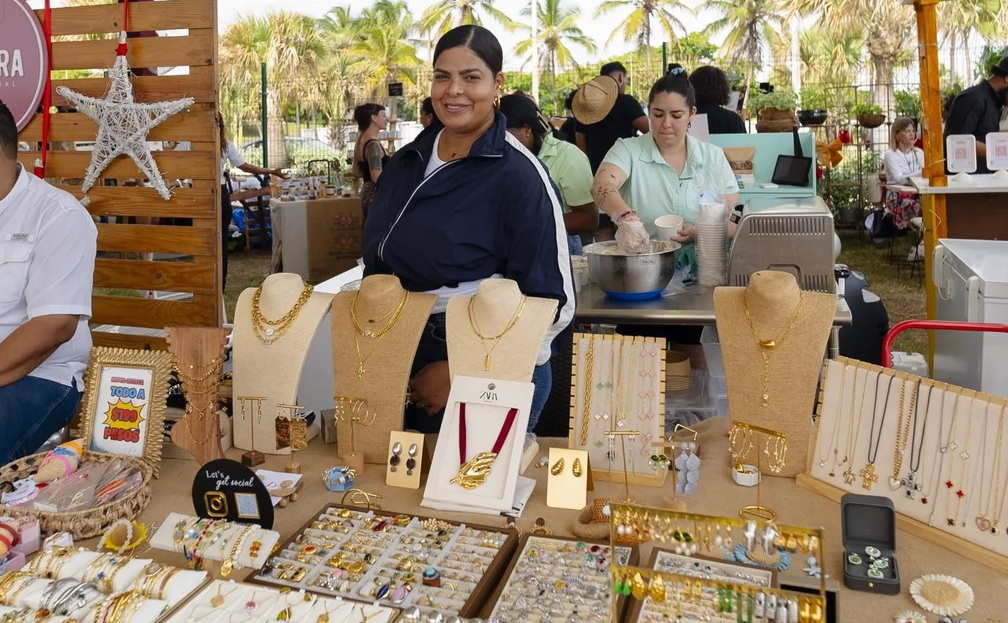 Staff pick
809 Mercado in Santo Domingo, Dominican Republic, is a dynamic pop-up market and cultural initiative founded by Claudia Bienen to spotlight the creativity of…
 Staff pick
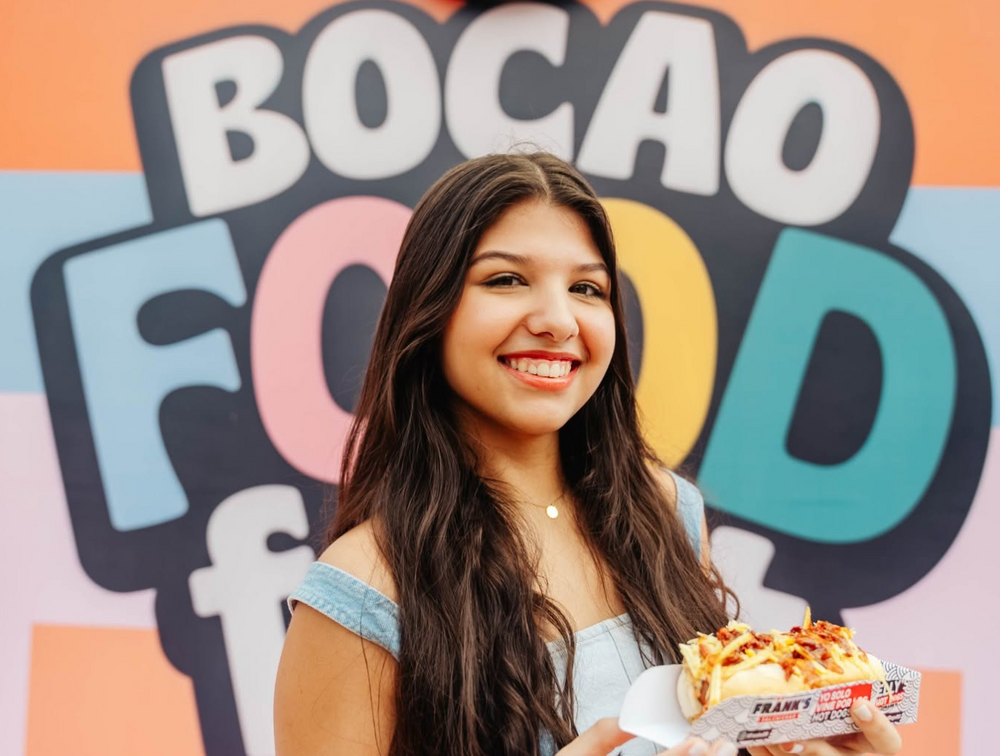
Bocao Food Fest in Santo Domingo is a celebrated gathering for food enthusiasts, showcasing the best of Dominican culinary creativity alongside international flavors. The…
 Staff pick
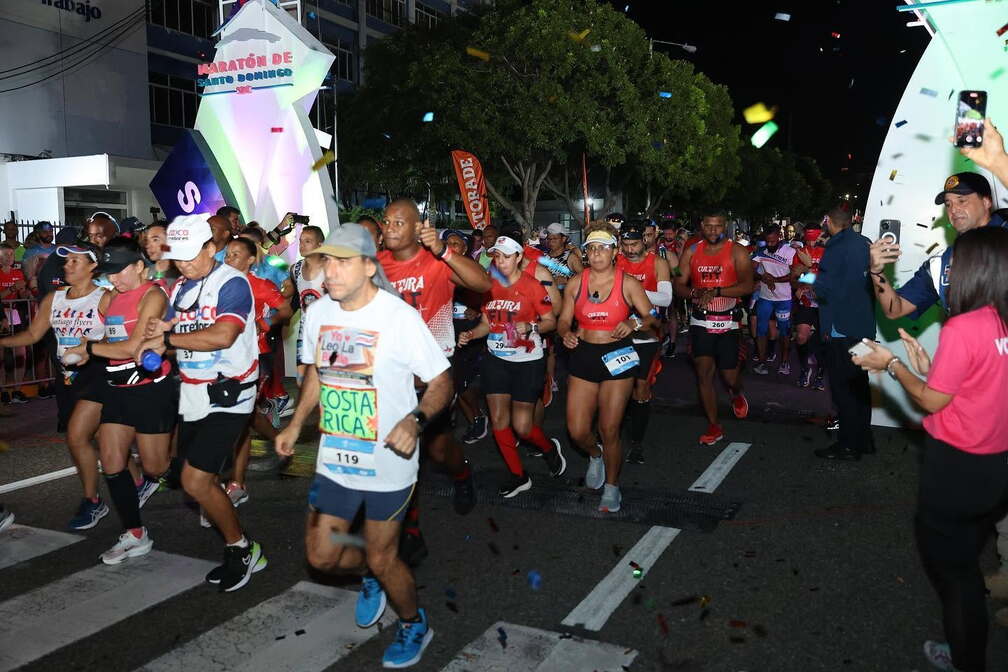
The Maratón Santo Domingo draws more than 4,000 runners from across the globe to experience a scenic race through Santo Domingo, Dominican Republic. Participants…
 Staff pick
Comic Con Dominican Republic is the premier gathering for pop culture enthusiasts, uniting fans of comics, movies, TV series, video games, and anime from…
 Staff pick
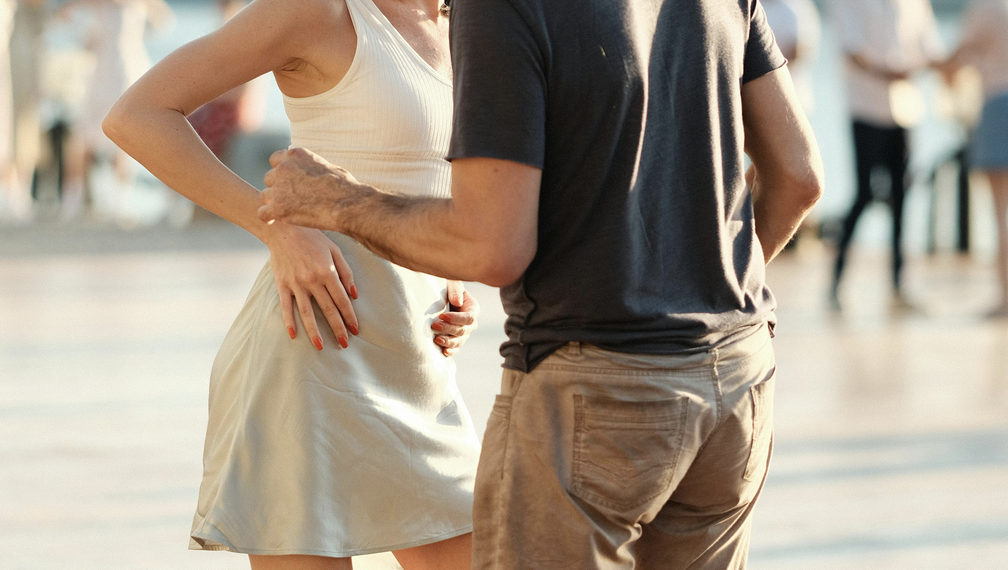
The Santo Domingo Bachata Festival in Ciudad Colonial, Santo Domingo, Dominican Republic, invites dancers and music lovers to immerse themselves in the heart of…
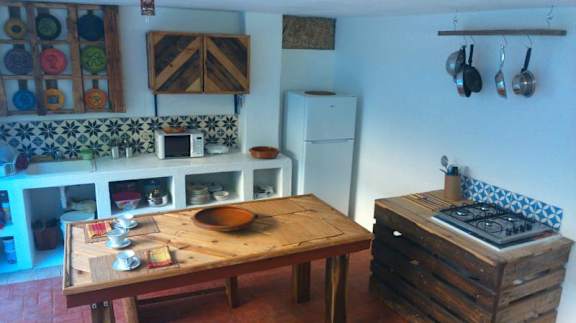
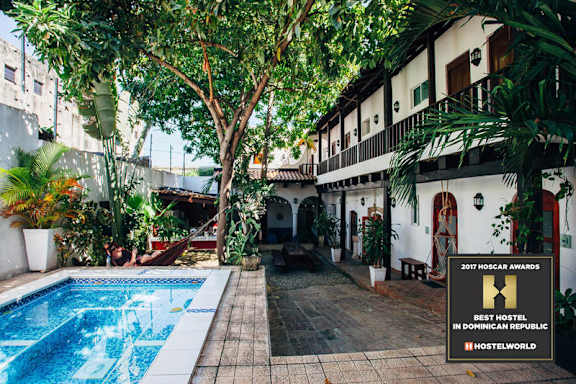
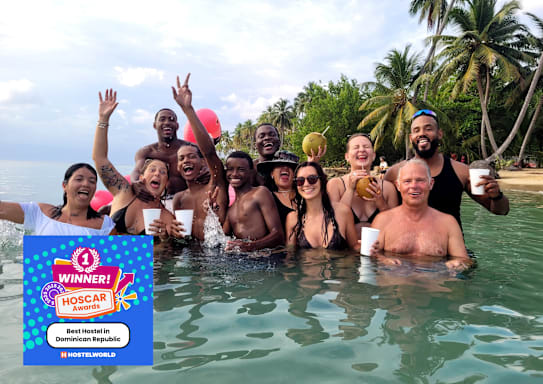
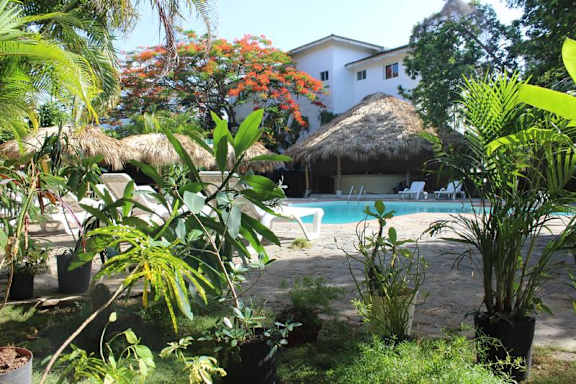
The highest-rated hostels in the country, live from Hostelworld. Santo Domingo, Cabarete and Las Terrenas have the most — Punta Cana is resort territory.
 Sustainable
The ones we get asked most.

Compare hostels across the Dominican Republic — live prices, real reviews and free cancellation on most bookings. Then meet the people already there in the app.

 Get the App.



 Get the App.