
Split vs Dubrovnik: Which City Suits Your Travel Style?
Choosing between Split and Dubrovnik is one of the great Croatian dilemmas. Both cities sit on the Adriatic, both are steeped in history, and both have a way of making you feel like you’ve stumbled into something genuinely special. But they’re not the same city, not even close, and the differences matter when you’re planning a trip.
This guide breaks down everything that sets them apart: the vibe, the beaches, the food, the nightlife, the cost, and the hostel scene. Whether you’re a solo backpacker, a first-time Croatia visitor, or someone trying to squeeze two cities into one trip, here’s everything you need to make the call.

🌆 Split at a Glance
Split is a living city first and a tourist destination second. Locals go about their lives inside a Roman palace, which is either the most extraordinary thing you’ve ever heard or the most Split thing imaginable.
Short snapshot:
- Atmosphere: Authentic, relaxed, Mediterranean to its core
- Best for: History lovers, beach seekers, island hoppers, budget travelers
- Vibe: Coffee on the Riva at 9am, island ferry by noon, cold beer by sunset
Quick tip for first timers: Don’t rush. Split has a pace of its own and it’s one of the best things about it. Wander the palace walls, get lost in the backstreets, and let the city come to you.
🏙️ Dubrovnik at a Glance
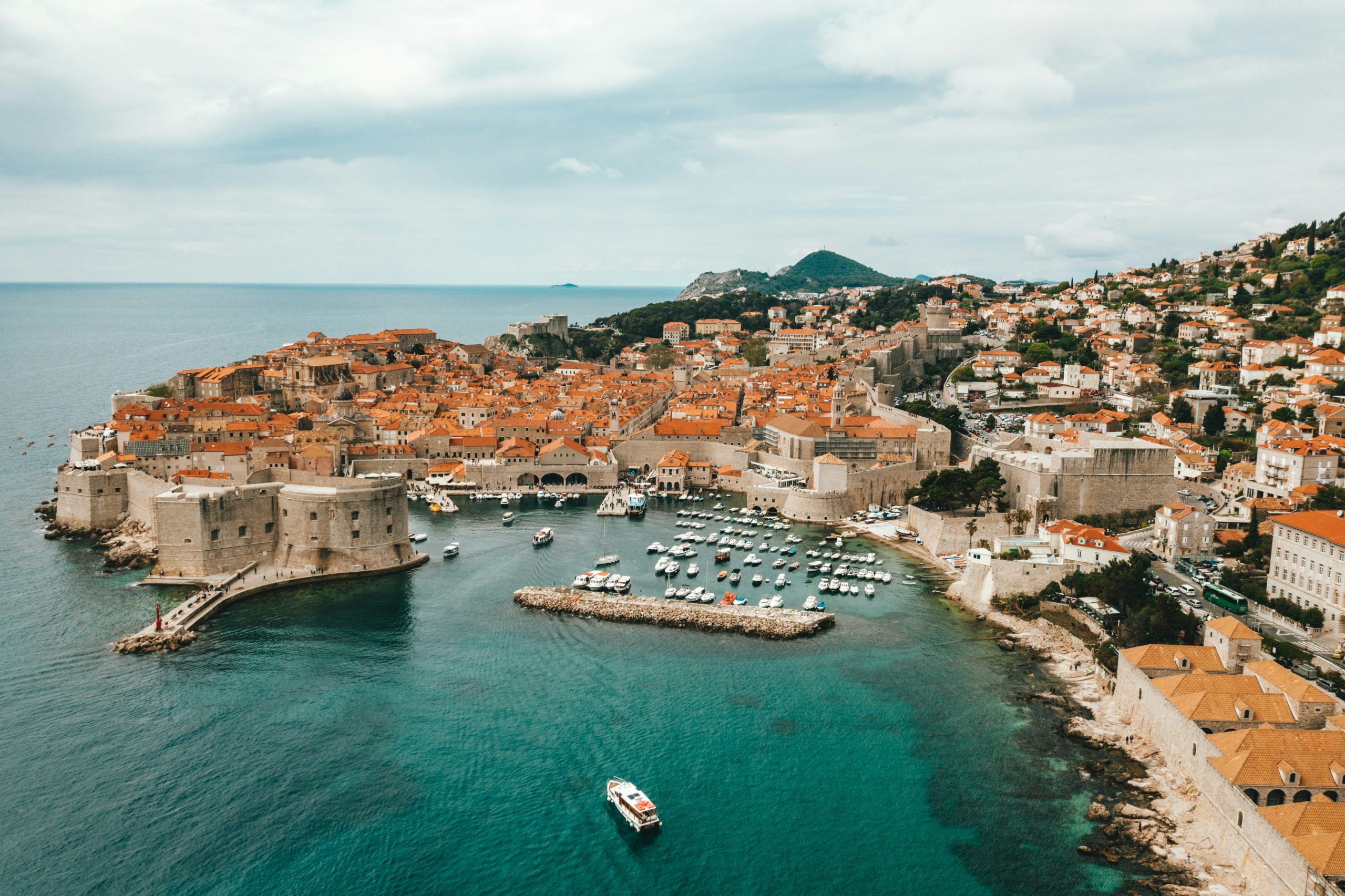
Dubrovnik is one of the most beautiful cities in Europe and it knows it. The old town is ringed by limestone walls, the sea is impossibly blue, and every angle looks like a postcard.
What to expect:
- Atmosphere: Dramatic, polished, undeniably stunning
- Best for: Architecture lovers, Game of Thrones fans, couples, splurge travelers
- Vibe: Morning walks on the walls, afternoon swimming, golden hour cocktails above the Adriatic
If Split is a long novel full of character and texture, Dubrovnik is a photograph so perfect it almost doesn’t feel real. Both are worth your time. They just ask different things of you.
🎨 History & Architecture Showdown
Both cities are UNESCO World Heritage Sites and both carry thousands of years of history in their stones. The experience of engaging with that history, though, feels completely different.
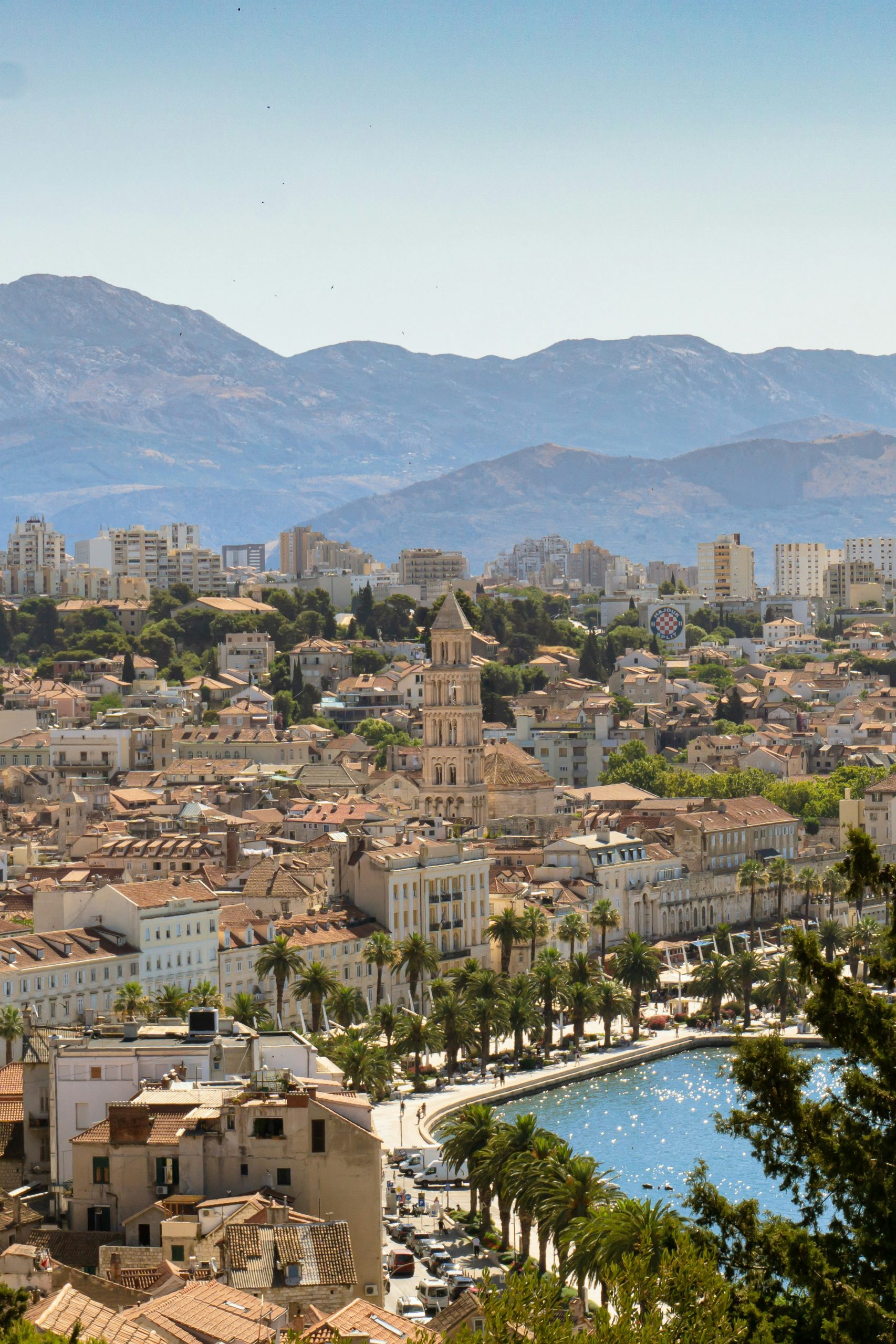
Split’s star is Diocletian’s Palace, a Roman emperor’s retirement complex built in the 4th century that has never stopped being lived in. People have been making it their home for over 1,700 years, and today it contains restaurants, bars, boutiques, apartments, and a cathedral built inside a mausoleum. Walking through it feels less like visiting a monument and more like stumbling through someone’s neighbourhood that happens to be made of ancient marble.
Beyond the palace, Split has the Meštrović Gallery, dedicated to Croatia’s most celebrated sculptor, and the Archaeological Museum, one of the oldest in Croatia. The city also has a working port, a real market, and neighborhoods like Varoš that feel genuinely untouched by tourism.
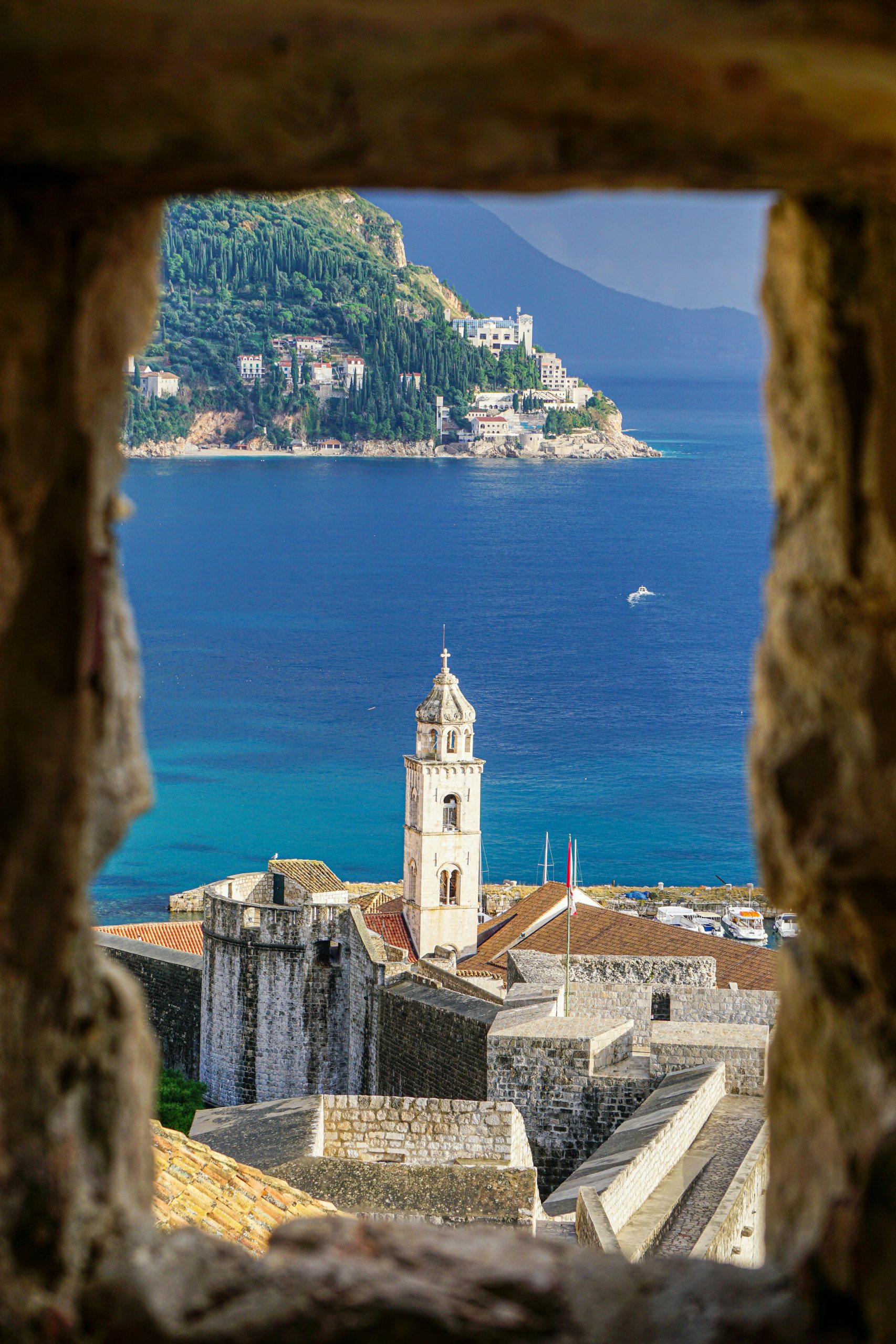
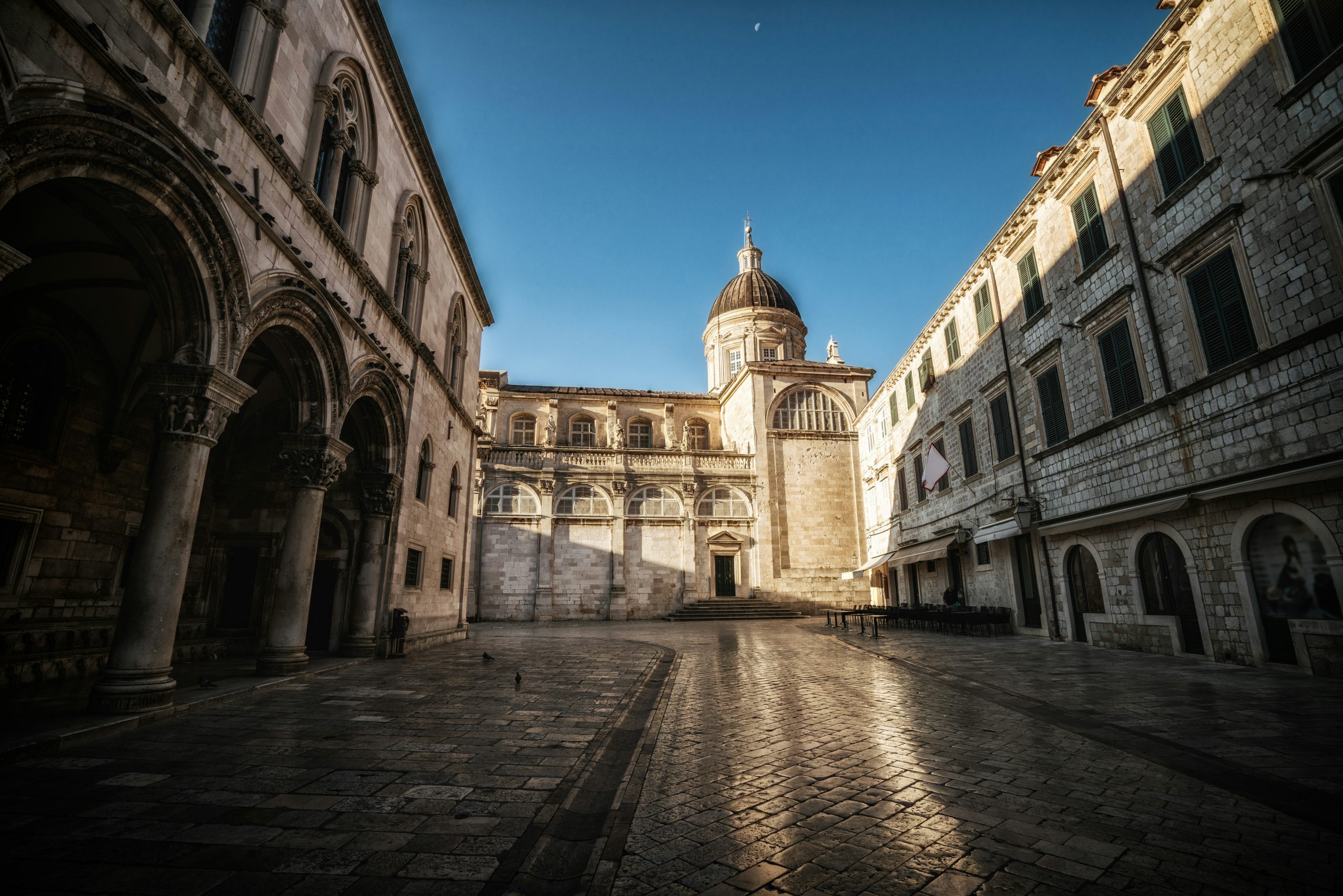
Dubrovnik’s old town is smaller, more contained, and more perfectly preserved. Walking the city walls is the signature experience, a 2km loop above terracotta rooftops and the glittering Adriatic that takes around two hours and is worth every kuna of the entrance fee. The Rector’s Palace, Sponza Palace, and Onofrio’s Fountain give the old town a depth that goes beyond the visual spectacle.
| City | Architectural Strength | Best For |
|---|---|---|
| Split | Living Roman history, authentic urban texture | Diocletian’s Palace, real city life alongside history |
| Dubrovnik | Perfectly preserved medieval walled city | City walls, Gothic and Renaissance architecture, dramatic views |
Split lets you live inside history. Dubrovnik lets you admire it from above. Both approaches are extraordinary.
🌊 Beaches & the Adriatic
Croatia’s coastline is one of its greatest assets, and both cities deliver on the water, just differently.
Split’s beach scene is more varied and more local. Bačvice is the city’s most famous beach, a shallow sandy bay where locals play picigin, a traditional ball game played in knee-deep water that you’ll absolutely stop to watch. It’s lively, social, and right at the edge of the city. Further along the coast, Kaštelet and Žnjan offer quieter stretches popular with families and regulars.
The bigger advantage Split has is its position as a ferry hub. From Split, you can reach the islands of Brač, Hvar, Šolta, and Vis in under two hours. Zlatni Rat beach on Brač is one of the most photographed beaches in the Mediterranean. Hvar Town is beautiful and social. Vis is quieter, wilder, and worth every effort to reach.
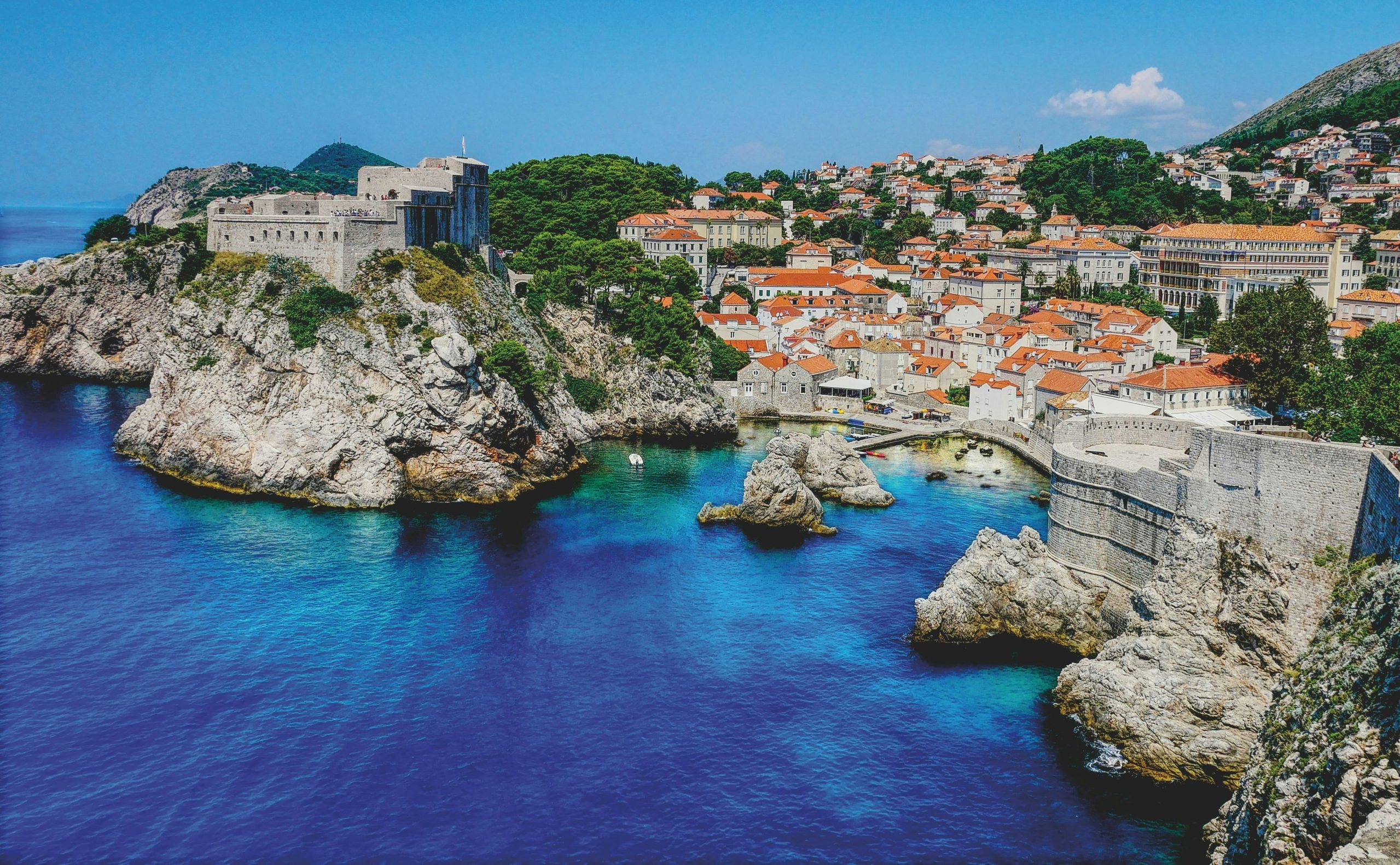
Dubrovnik’s beaches are more dramatic than spacious. Banje Beach just outside the old town gate offers the iconic view of the walls from the water, with sunbeds, bars, and a lively atmosphere. Further along the coast, Sveti Jakov is a local favourite reached by a steep staircase, with clear water and fewer crowds. The island of Lokrum is a short ferry ride away, with rocky shores, a saltwater lake, and peacocks wandering freely, which is exactly as surreal as it sounds.
If beach variety and island access matter, Split wins by a distance. If you want the experience of swimming with ancient walls looming above you, Dubrovnik delivers something truly unique.
🍴 Food – Dalmatian Classics in Two Settings
The good news is that both cities share the same culinary DNA. Dalmatian cuisine is built around fresh seafood, olive oil, grilled meat, and local wine, and it’s excellent in both places.
Split More local, more affordable, and easier to eat well without trying too hard.
- Peka, slow-cooked lamb or octopus under a bell-shaped lid, a true Dalmatian specialty
- Grilled fish sold by weight at the Green Market near the palace
- Brudet, a fisherman’s stew served with polenta
- Fritule, small fried doughnuts dusted with powdered sugar from market stalls
- Local wine from the Plavac Mali grape, grown on the Dalmatian islands
Dubrovnik Excellent quality but at a noticeably higher price, especially inside the old town walls.
- Black risotto made with cuttlefish ink, rich and deeply savory
- Oysters from the Ston bay, some of the best in the Adriatic
- Prstaci, date mussels traditionally eaten in Dubrovnik
- Fresh fish grilled simply with olive oil and herbs at a konoba outside the old town
- Rozata, Dubrovnik’s answer to crème caramel, flavored with rose liqueur
Important note: Eating inside Dubrovnik’s old town walls is expensive. The smartest move is to walk ten minutes outside the gates, where quality stays high and prices drop significantly.
🌙 Nightlife – Mediterranean Summers Done Two Ways
Split and Dubrovnik both come alive at night, but the energy is very different.
Split’s nightlife is social, relaxed, and genuinely fun without being overwhelming. The Riva, Split’s waterfront promenade, is where evenings begin, with locals and travelers alike drinking coffee or wine and watching the ferries come and go. As the night moves on, the old town’s bars fill up, with small venues tucked into the palace walls playing everything from Croatian pop to electronic music. Zenta and Vanilla are popular with a younger crowd. The overall vibe is unpretentious and easy.
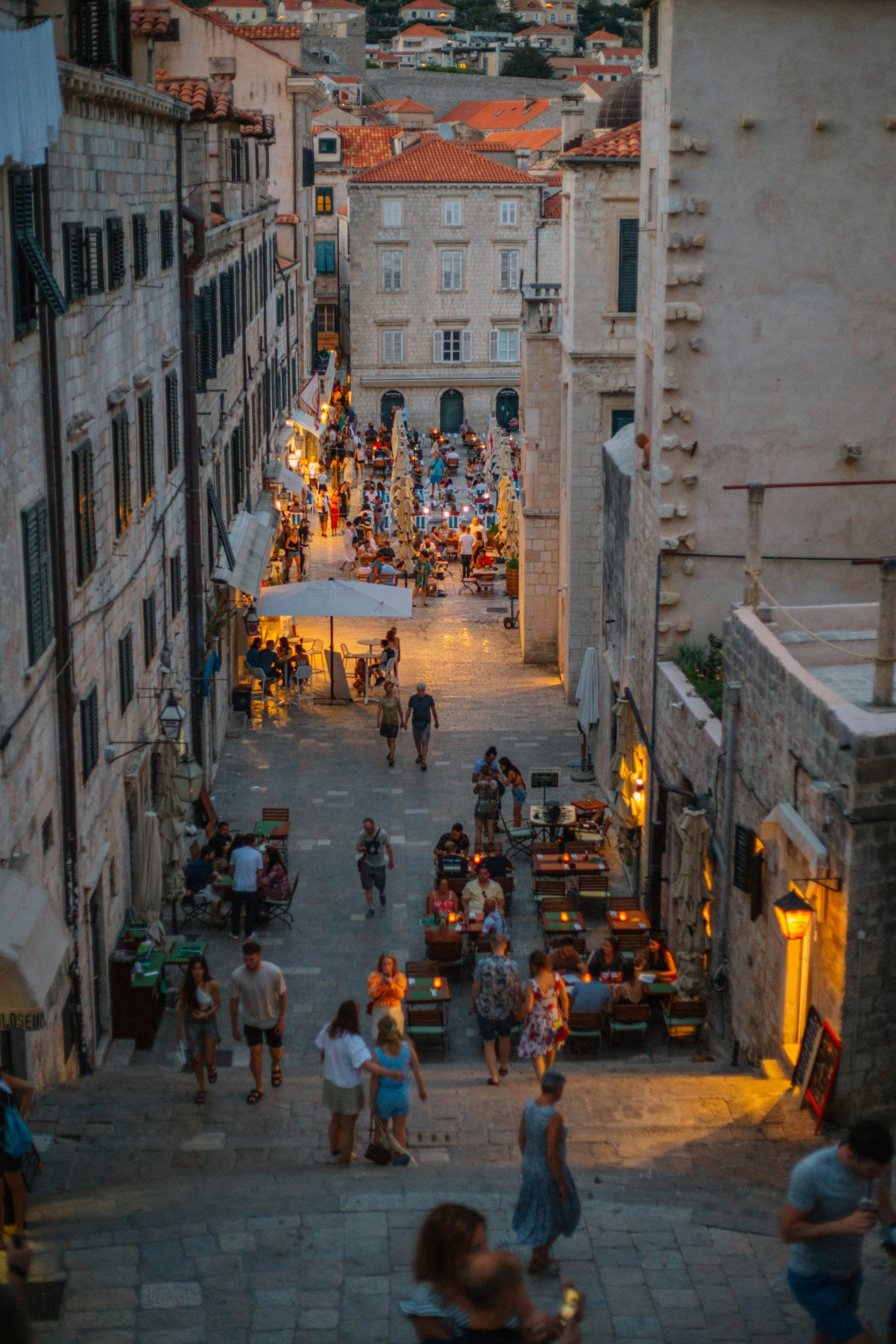
>Dubrovnik’s nightlife is more sophisticated and considerably pricier. The old town has a handful of excellent bars, notably Buža Bar, carved into the city walls above the sea and accessible through a hole in the rocks. Watching the sunset from Buža with a cold drink is one of those travel moments that earns its reputation. Beyond that, Dubrovnik doesn’t have a large club scene. Evenings tend to be about dinners, cocktails, and the atmosphere of the old town at night, which is undeniably beautiful.
Quick tip: Split is the better choice for nightlife variety and value. Dubrovnik is better for a slow, atmospheric evening that prioritises beauty over energy.
🚶 Getting Around & Practical Logistics
A few things worth knowing before you go:
- Split is larger and more spread out, but the old town and waterfront are very walkable. Buses connect the wider city easily.
- Dubrovnik’s old town is entirely pedestrianised and compact. Most of the main sights are within easy walking distance of each other.
- Both cities get extremely crowded in July and August. Dubrovnik in peak season is genuinely intense, with cruise ship passengers flooding the old town from mid-morning.
- Dubrovnik’s cable car up to Mount Srđ is worth the price for views over the old town and the islands beyond.
- Parking and driving into Dubrovnik’s old town is impossible. Most visitors arrive by bus from the Pile Gate or take a taxi from the port.
- Split’s ferry connections to the islands make it a more practical base for island hopping.
Dubrovnik is easier to navigate on foot. Split is better positioned for exploring the wider region.
🏨 Best Hostels in Split 🛏️
Split’s hostel scene has grown significantly in recent years, with options that genuinely reflect the character of the city.

1. En Route Hostel
One of Split’s most popular and best‑rated hostels on Hostelworld. En Route is friendly, well‑organised, and especially loved by solo travellers thanks to its social but calm atmosphere.
Dorms from around €15
2. Hurricane Hostel
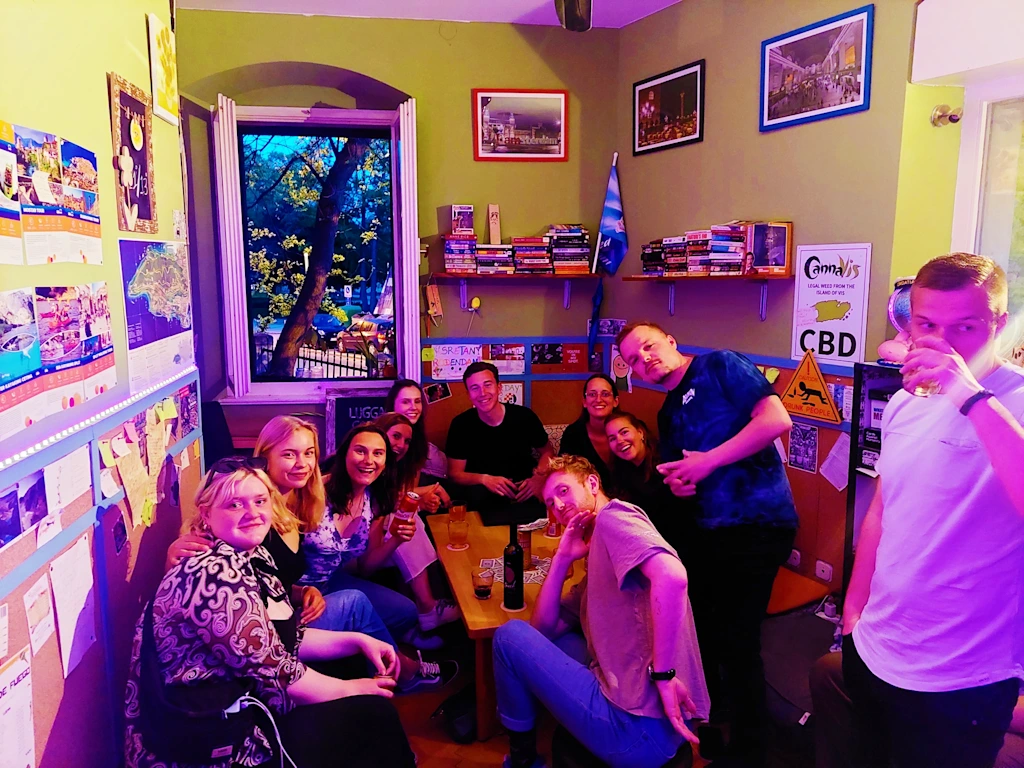
A consistently well-rated hostel known for its friendly staff, clean rooms, and a social atmosphere that makes meeting fellow travelers easy. Great location close to the waterfront and ferry terminals.
Dorms from around €20
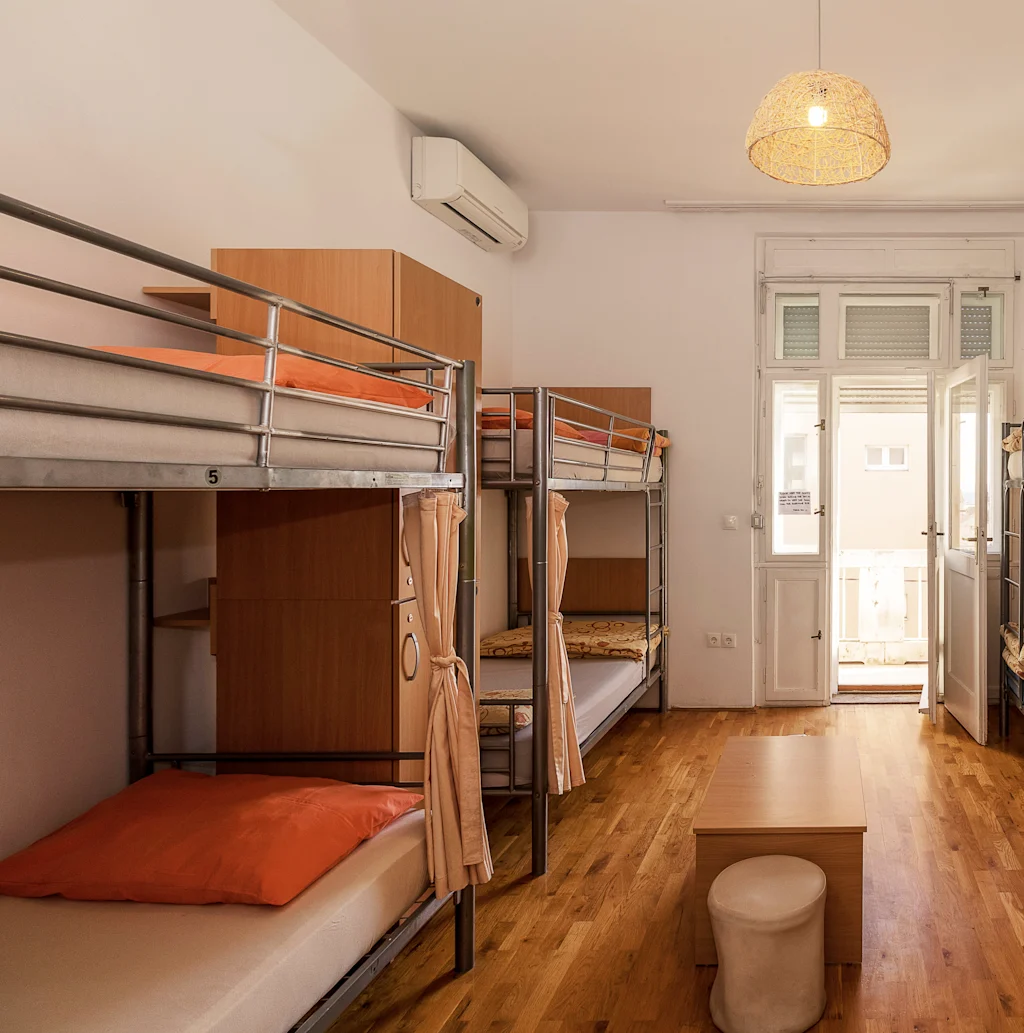
3. Split Backpackers
A relaxed, budget-friendly option popular with the backpacker crowd for its easygoing vibe and helpful staff who know the city well. Good common areas and a location that works well for exploring.
Dorms from around €15
Great value, brilliant locations, and the kind of hostel atmosphere that turns a solo trip into a group adventure.
🚏 Best Hostels in Dubrovnik 🛏️
Dubrovnik’s hostels reflect the city: a little more refined, a little more expensive, but genuinely good.
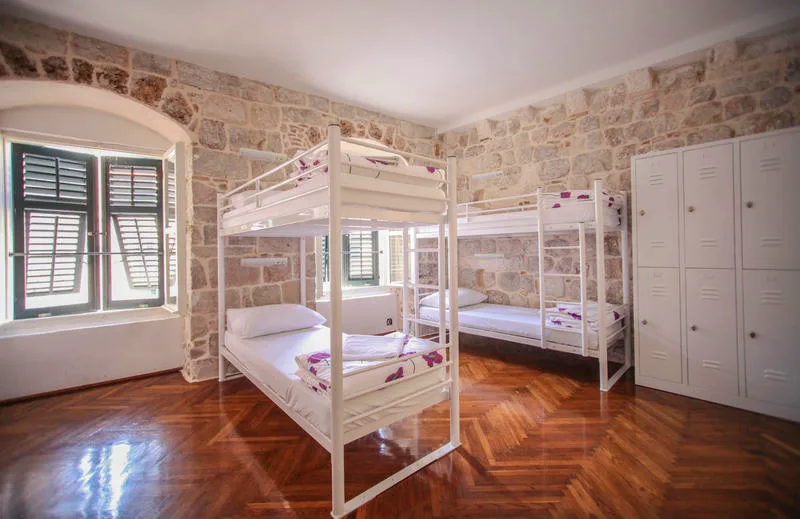
Book Hostel Angelina Old Town Dubrovnik
1. Hostel Angelina Old Town Dubrovnik
One of the most beloved hostels in Dubrovnik, located inside the old town walls. The rooftop views are exceptional and the atmosphere is warm and social. Booking well in advance is essential in summer.
Dorms from around €28
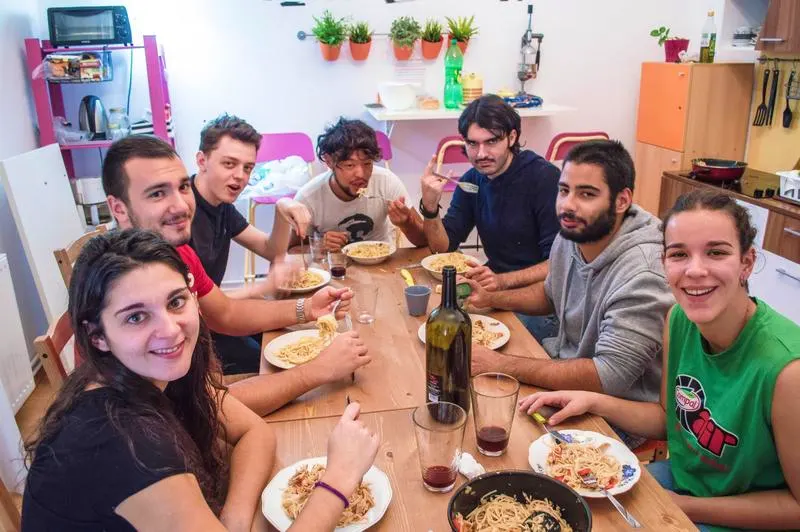
2. Hostel Marker Dubrovnik
A solid, well-run hostel just outside the old town with clean dorms, a friendly vibe, and easy access to the main sights. A good balance of value and location for Dubrovnik standards.
Dorms from around €24
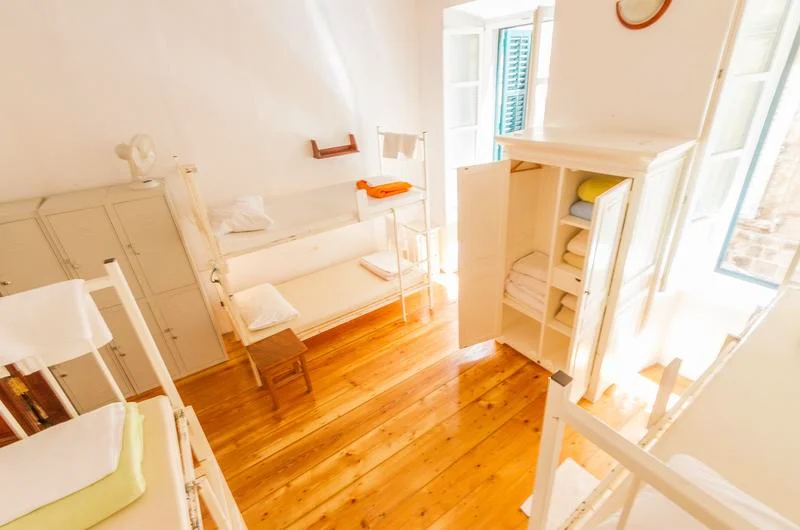
3. Old Town Hostel
A relaxed option in a beautiful restored building, 15 meters away from the main street. Popular with travelers who want a fun, clean and safe place in the Old Town.
Dorms from around €25
Dubrovnik hostels are pricier than Split, but the setting more than justifies it.
🧭 Which City Is Better for Solo Travelers?
Solo travel in both cities is genuinely enjoyable, but the experience of arriving alone feels different in each place.
Split is immediately welcoming and easy to navigate as a solo traveler. The hostel scene is active and social, the old town is compact enough that you bump into the same people repeatedly, and the laid-back pace of the city means there’s never any pressure to have a packed itinerary. Joining a day trip to Hvar or Brač is a natural way to meet people, and the ferry terminal puts you in contact with travelers heading in every direction along the Dalmatian coast.
Dubrovnik can feel slightly more couples and group-oriented, largely because of its romantic setting and the higher price point that filters the traveler demographic slightly. That said, the hostel community is warm, and solo travelers consistently report feeling comfortable and connected. The compact old town means you’re never far from other people, and a shared walking tour of the city walls is one of the easiest ways to meet fellow travelers.
Both cities are safe, welcoming, and easy for solo travel. Split edges ahead for budget solo travelers and those who want an active hostel scene. Dubrovnik suits solo travelers who are happy to spend a little more and prioritise beauty and atmosphere.
🍹 Budget Breakdown – Where Your Money Goes
| Category | Split | Dubrovnik |
|---|---|---|
| Meals & Eating Out | Very good value, especially at local konobas and the Green Market. Street food and casual dining are affordable. | Expensive inside the old town, but much more reasonable just outside the walls. Budget carefully. |
| Hostels & Accommodation | Affordable, with a solid range of budget options in and near the old town. | Noticeably pricier, one of the more expensive hostel destinations in the Balkans. Book early. |
| Public Transport | Good value, with buses connecting the city and reliable ferry connections to the islands. | Limited but walkable. The main costs are the cable car and ferry to Lokrum. |
| Nightlife & Going Out | Affordable to mid-range, with cheap drinks in local bars and no pressure to spend big. | Expensive, especially at bars within the old town walls. Buža Bar is worth it though. |
| Attractions | Diocletian’s Palace is free to explore. Museum entry is minimal. Island ferries are the main cost. | City walls entry is around €35 in peak season. The cable car adds another €15–20. |
| Coffee & Casual Bites | Excellent value, with great coffee culture along the Riva and in the old town. | Higher prices, particularly for anything near the main tourist areas. |
| Day Trips | Island ferries are affordable, and the variety of options makes island hopping very accessible. | Fewer options and slightly pricier day trips. Lokrum ferry is cheap but the island range is limited. |
Bottom line: Split is significantly more affordable across every category. Dubrovnik is worth every cent but requires a bigger budget, particularly in July and August.
🏞️ Day Trips & Adventures
Both cities reward getting out and exploring the surrounding coastline and islands.
From Split, the options are wide, varied, and genuinely brilliant.
You’ll love these if you:
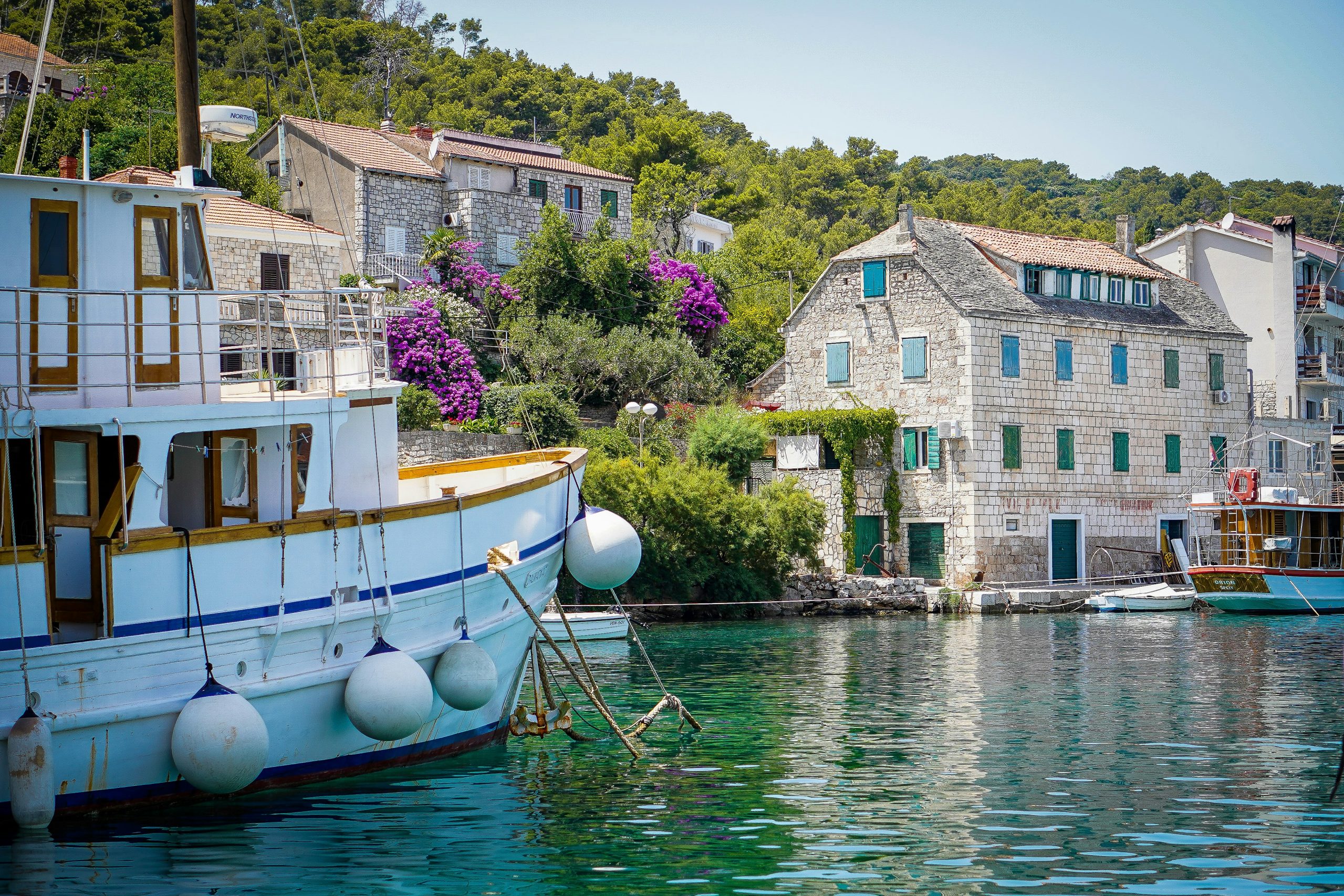
- Want to spend a day on Hvar, one of the most beautiful and social islands in the Adriatic, with lavender fields, medieval streets, and excellent beaches
- Are curious about Brač and the famous Zlatni Rat beach, a shifting pebbly cape that changes shape with the currents
- Want something wilder on the island of Vis, less visited and more authentically Croatian than the busier islands
From Dubrovnik, day trips lean across borders and into dramatic landscapes.
You’ll love these if you:
- Want to cross into Bosnia and Herzegovina to visit Mostar, with its iconic reconstructed bridge and deeply moving wartime history, about two hours by bus
- Feel like exploring Montenegro’s Bay of Kotor, a fjord-like setting with medieval walls and villages that feels like a different world entirely
- Want to visit the Elafiti Islands, a quieter and less visited chain of islands accessible by boat tour from Dubrovnik’s old port
Split wins for sheer island variety. Dubrovnik wins for cross-border adventures and landscapes that change dramatically within a few hours.
🧳 Choosing Based on Travel Style
Split is for travelers who want to feel like they’re living somewhere rather than just passing through it.
You’ll love it if you:
- Want authentic Mediterranean city life alongside world-class history
- Are planning to island hop and need a well-connected base
- Are traveling on a tighter budget without wanting to compromise on experience
- Like cities that reward slow exploration and have more to discover the longer you stay
Dubrovnik is for travelers who want one of the most visually spectacular cities in Europe and are happy to pay for the privilege.
You’ll love it if you:
- Want to walk the city walls and swim in the Adriatic below ancient fortifications
- Are a Game of Thrones fan or simply love dramatic, cinematic settings
- Are traveling as a couple or celebrating something special where atmosphere matters as much as value
- Want a city that delivers its best moments simply by existing around you
✅ Conclusion: Split or Dubrovnik?
Both cities are unforgettable, and both deserve more than a quick overnight stop. Split wins on authenticity, value, island access, and the rare pleasure of a city that hasn’t been entirely reshaped by tourism. Dubrovnik wins on sheer visual drama, the city walls, the Adriatic views, and the feeling of being somewhere that exists almost outside of ordinary time.
If you want real Croatian life, Roman history you can walk through, great beaches, and an excellent base for exploring the islands, choose Split. If you want one of the most beautiful walled cities in the world, dramatic scenery, and an experience that feels genuinely cinematic, choose Dubrovnik.
If you can manage both, do both. The coastal road between them is stunning and the journey is half the point.
Download the Hostelworld app to start booking now


❓ FAQs: Split vs Dubrovnik
Which city is cheaper, Split or Dubrovnik?
Split is significantly cheaper across accommodation, food, drinks, and attractions. Dubrovnik is one of the pricier destinations in the Balkans, particularly in peak season.
Is Split or Dubrovnik better for nightlife?
Split has the more varied and affordable nightlife scene. Dubrovnik is better for atmospheric evening drinks, with Buža Bar being a genuine highlight, but it doesn't have a strong club scene.
Which city is better for beaches?
Split wins on beach variety and island access. Dubrovnik has beautiful swimming spots but fewer options within the city itself.
Which city has better food?
Both share the same Dalmatian culinary traditions and the quality is excellent in each. Split offers better value. Dubrovnik's seafood, particularly oysters from Ston, is exceptional if budget allows.
Which city is better for solo travelers?
Split is the stronger choice for solo travelers on a budget who want a social hostel scene. Dubrovnik suits solo travelers who prioritise atmosphere and are comfortable spending a little more.
How many days do you need in Split?
Two to three days covers the highlights comfortably, though staying longer makes sense if you plan to island hop from Split as a base.
How many days do you need in Dubrovnik?
Two days is enough to walk the walls, explore the old town, and swim at Banje Beach. Three days allows for a day trip to Lokrum or Mostar.
Is it worth visiting both Split and Dubrovnik?
Absolutely. They're around three hours apart by bus or boat, the coastline between them is beautiful, and the two cities complement each other well as a combined Croatia itinerary.
So… Split or Dubrovnik?
For value, authenticity, and island adventures, go for Split. For pure visual drama and one of Europe's most stunning old towns, Dubrovnik is the one.


 Get the App.