Spain
Spain country guide

Things To Do In Spain

Seventeen regions that argue about whether they are one country, 8,000km of coast, and dinner at ten. Spain is the easiest place in Europe to travel badly and the hardest to leave.

17
Regions, each its own thing
€18
Dorm bed, from
4
Official languages
300
Days of sun in the south

One country, several countries

Spain does not travel as one place. The Basque Country has its own language and a food culture built on small plates eaten standing up. Catalonia looks to the sea and to France. Andalusia is Moorish, sun-bleached and slower. Galicia, in the north-west, is green, Celtic and rains like Ireland. Travellers who plan Spain as a single trip usually end up doing the coast and the three big cities, which is a fine holiday and about a quarter of the country.

The practical things are easy. Trains are fast and cheap if you book ahead, hostels are among the best in Europe, and almost every city is walkable. The adjustment is the clock: lunch runs from two, dinner rarely starts before nine, and nightlife genuinely begins at midnight. Fighting that schedule is the most common way to have a worse time than you should.

It is also a country where the season changes the trip completely. July and August in Seville reach 40°C and the cities empty as Spaniards go to the coast. Spring and autumn are the value months, and winter in the south is mild enough for a city break in shirtsleeves.

Where to go

AVE high-speed trains link the big cities in two to three hours. Book early, because fares climb steeply as the date approaches.

Barcelona

Barcelona

112 hostels · dorms from €18

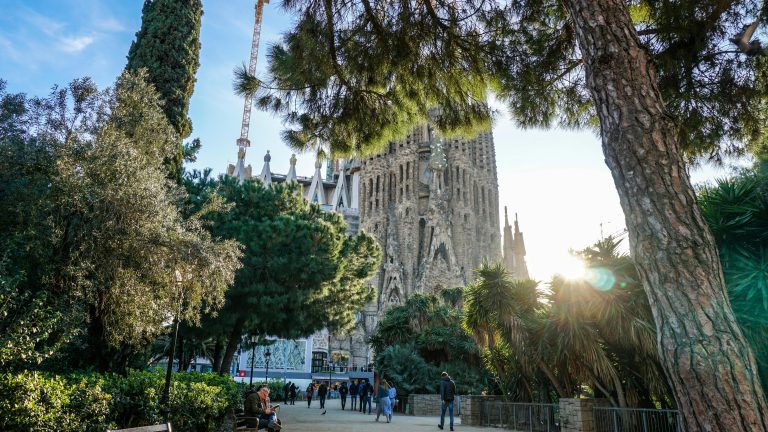
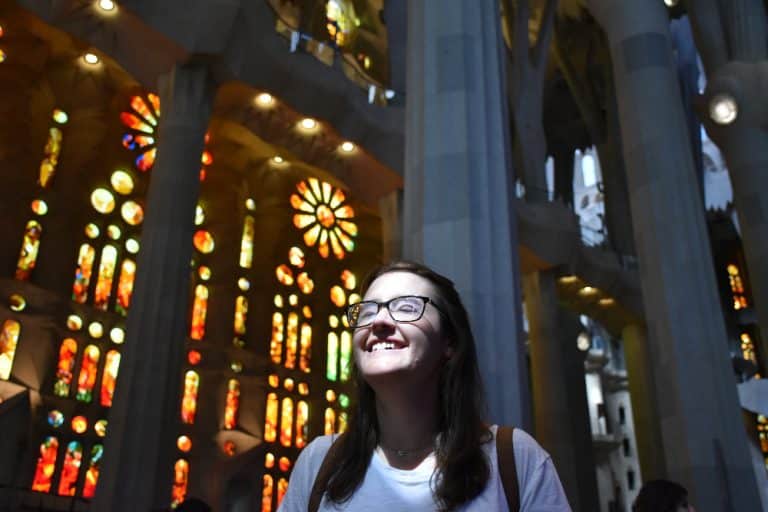
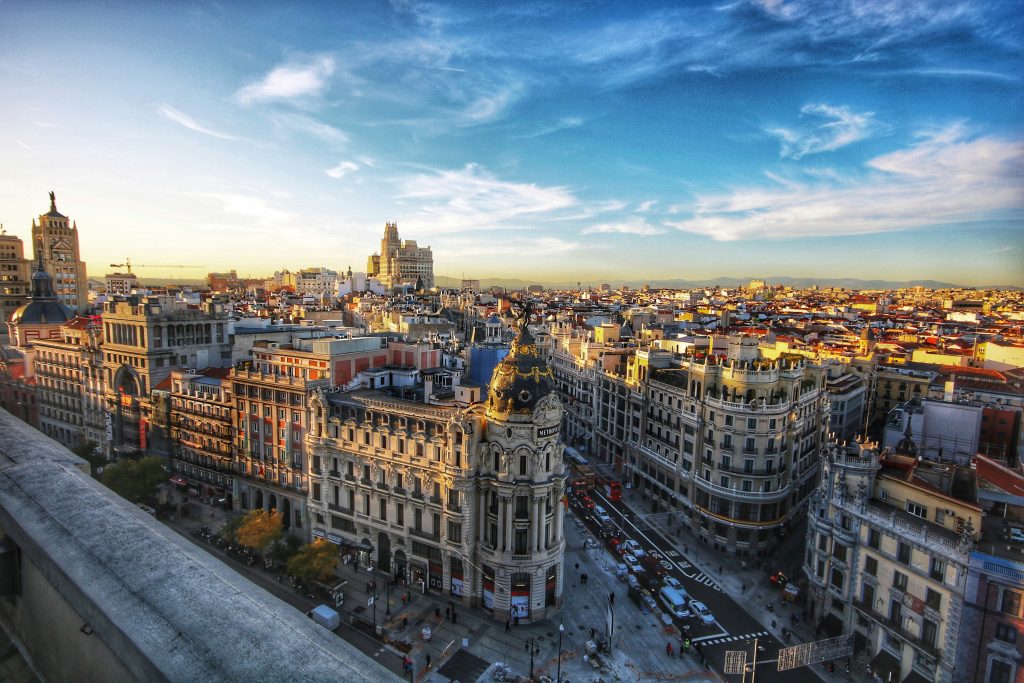
Gaudí, the Gothic Quarter and a beach in the city. Busiest and priciest.

Barcelona is amazing, I felt safe, it was easy to get around with a 24 hour metro travel card and the food was something else!

A traveller, on Hostelworld
The Barcelona guide
Madrid

Madrid

87 hostels · dorms from €13

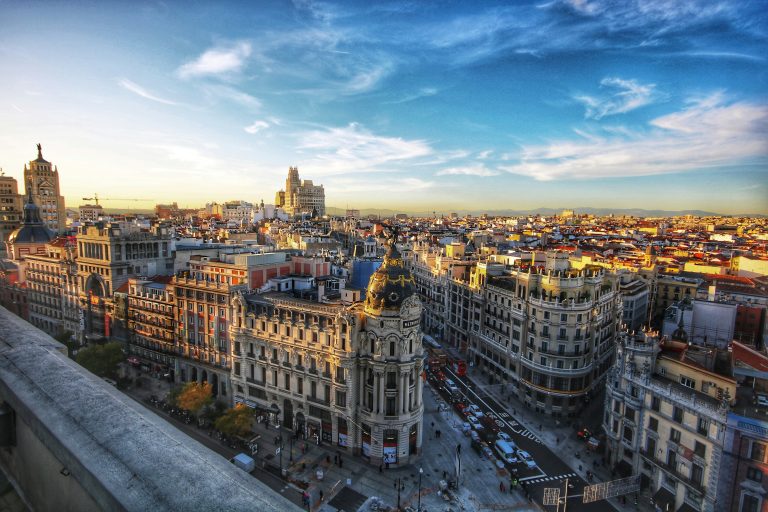
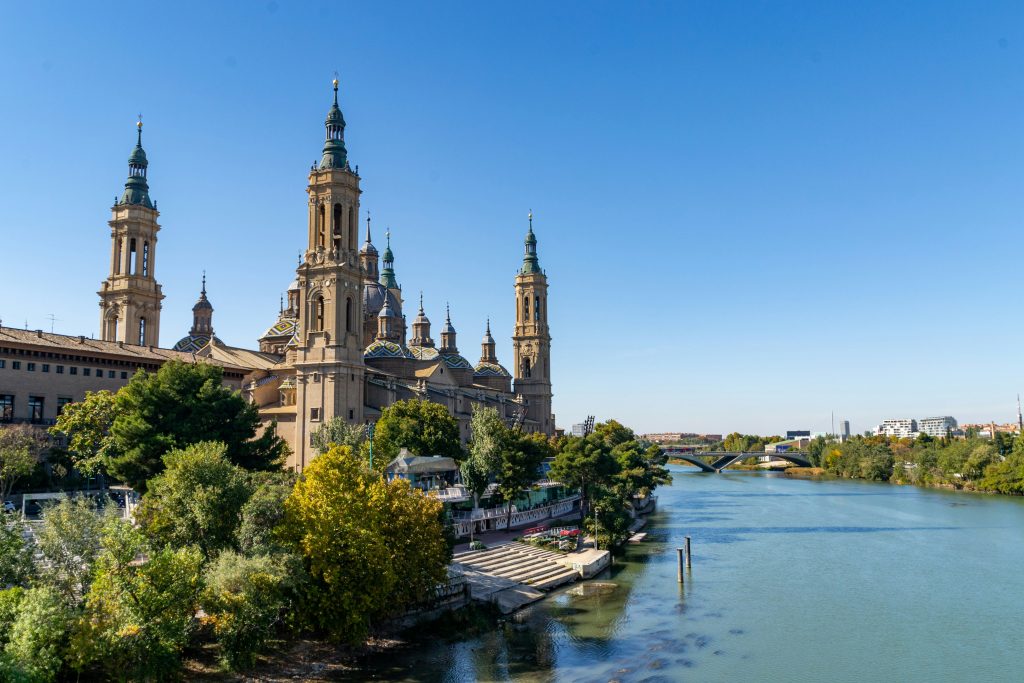
The best art in the country and a nightlife that outlasts everywhere else.

If you love history, great food and love to club then this is the place for you.

A traveller, on Hostelworld
The Madrid guide
Got this long? 24 Hours 2 Days
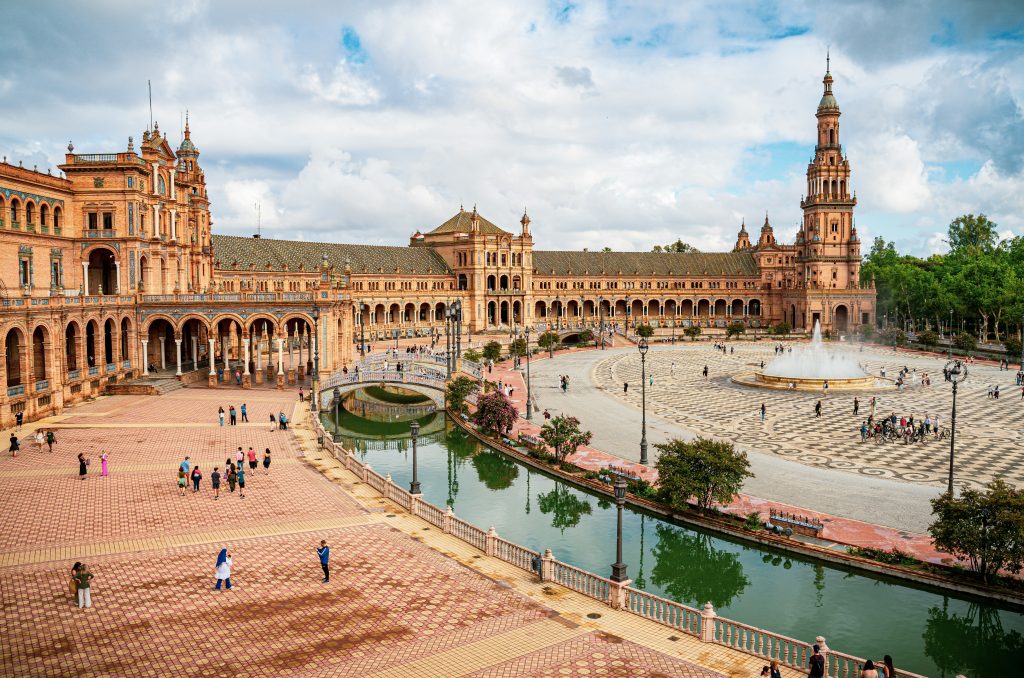
Seville

Seville

41 hostels · dorms from €20

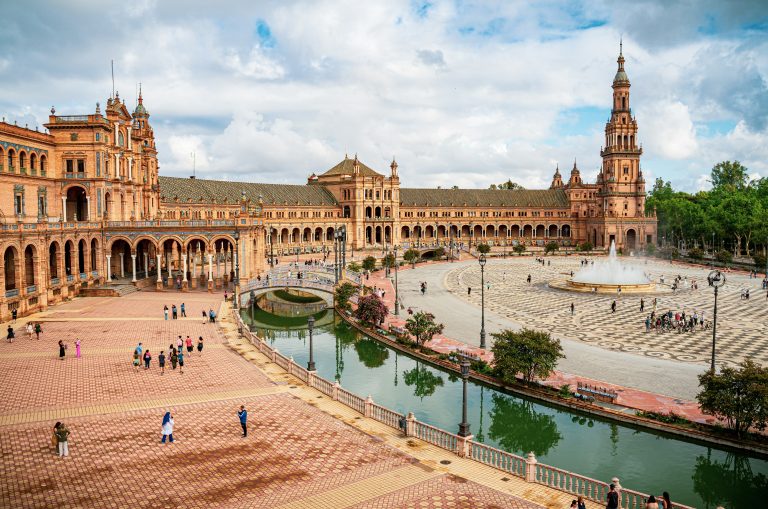
Flamenco, orange trees and Andalusia at its most itself. Avoid August.

Seville is the staple of Andalucía for a reason: beautiful architecture, nice weather, delicious cuisine, nice locals, amazing soccer culture.

A traveller, on Hostelworld
The Seville guide
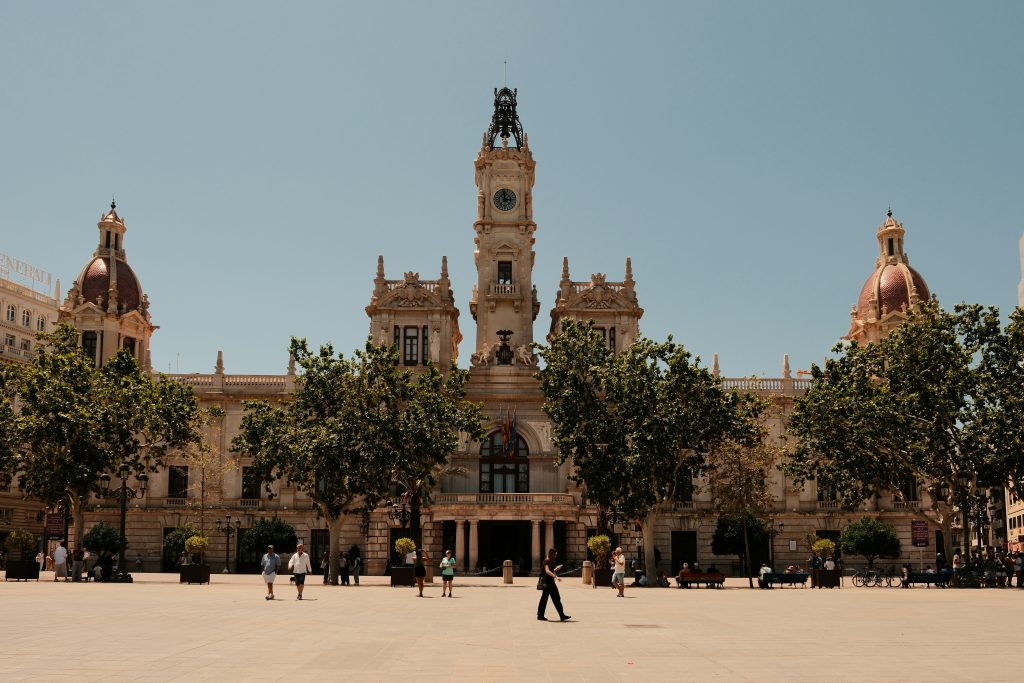
Valencia

Valencia

31 hostels · dorms from €25

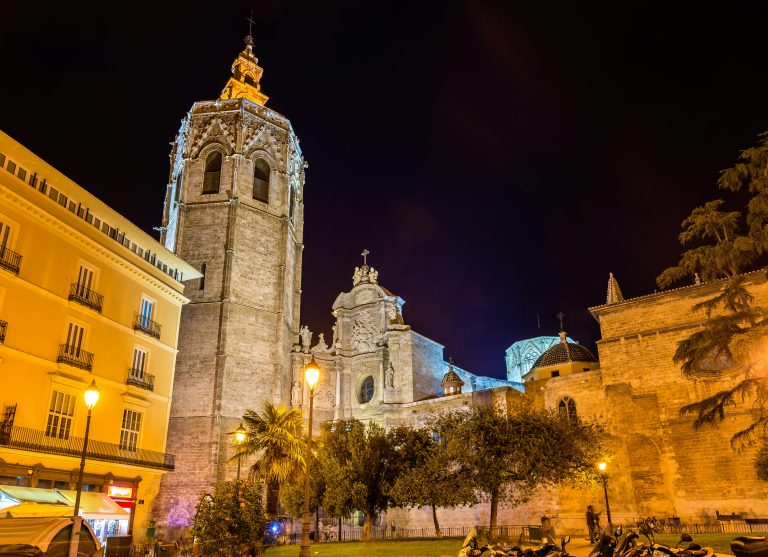
Paella where it was invented, a riverbed park, and fewer crowds than the coast.

Loved the city! The public transport was handy and well maintained, the food was amazing, the sights were stunning

A traveller, on Hostelworld
The Valencia guide
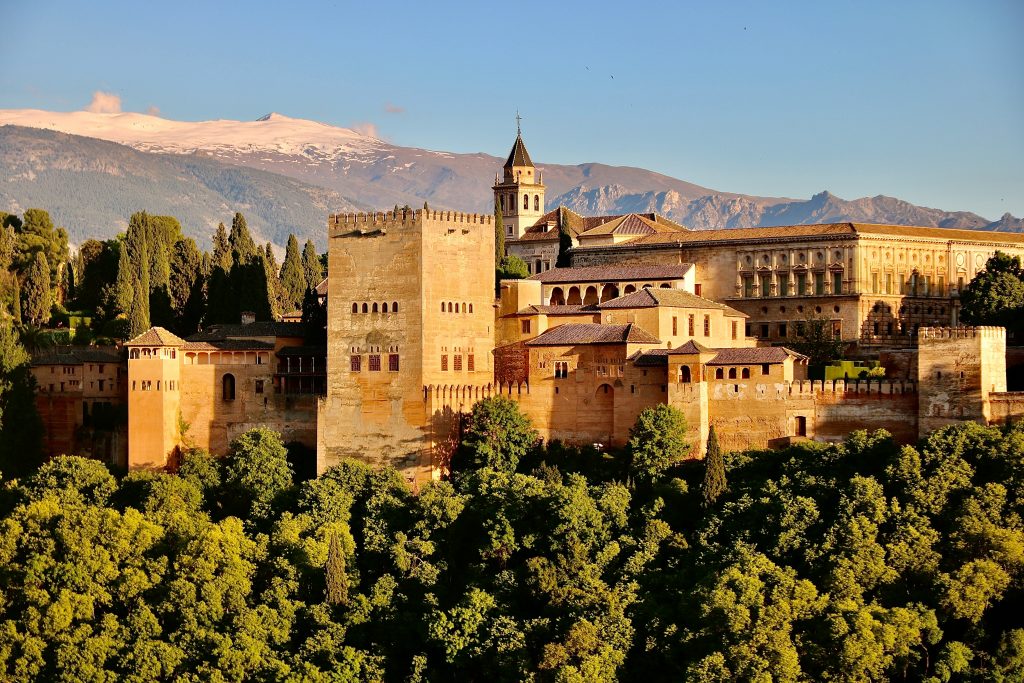
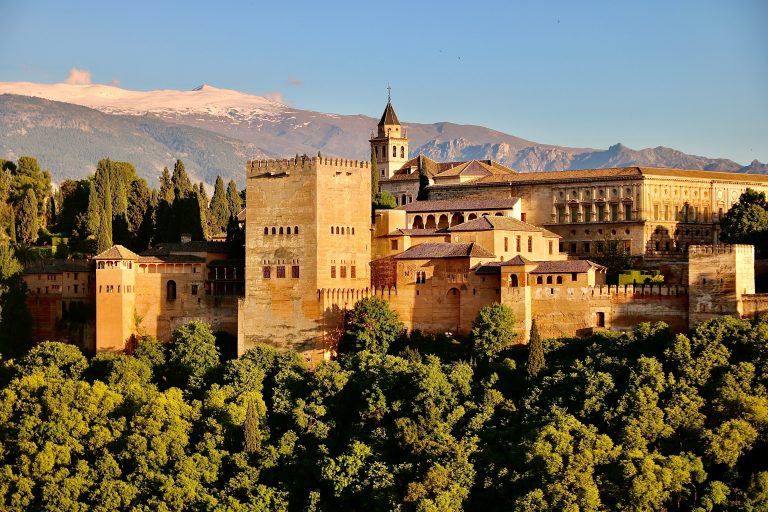
Granada

Granada

32 hostels

The Alhambra, free tapas with every drink, and the Sierra Nevada an hour away.

Beautiful Granada is worth a visit. Go there for culture, food and hikes.

A traveller, on Hostelworld
The Granada guide
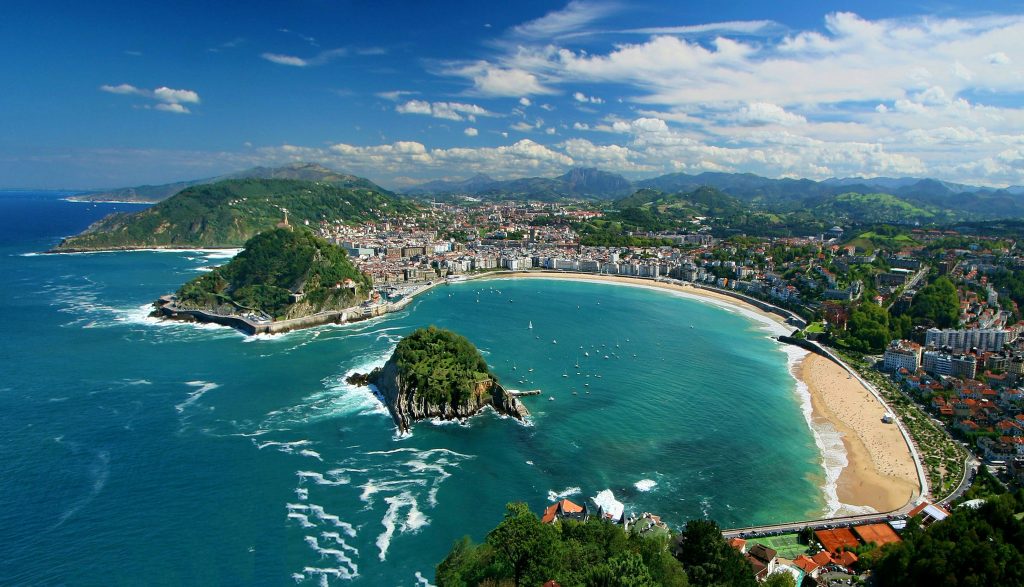
San Sebastián

San Sebastián

19 hostels

Pintxos bars, a perfect city beach and Basque cooking at its best.

Sam Sebastien is the best city I’ve been too with beaches, sites and amenities all close in this compact tourist centre. Wish I’d stayed longer…

A traveller, on Hostelworld
The San Sebastián guide
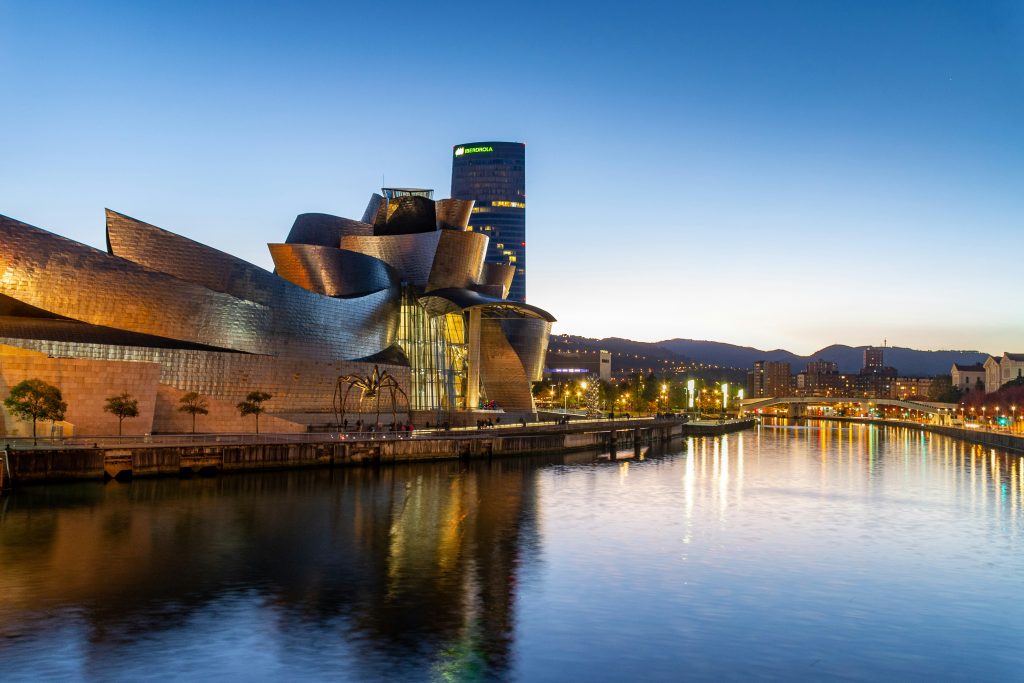
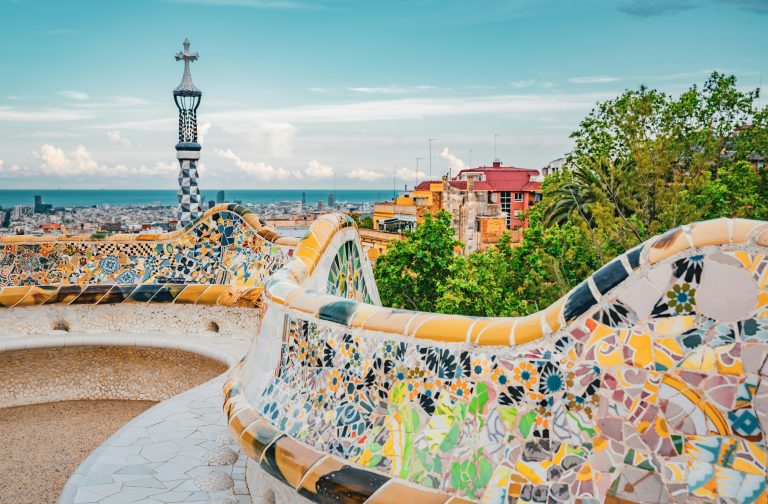
Bilbao

Bilbao

13 hostels

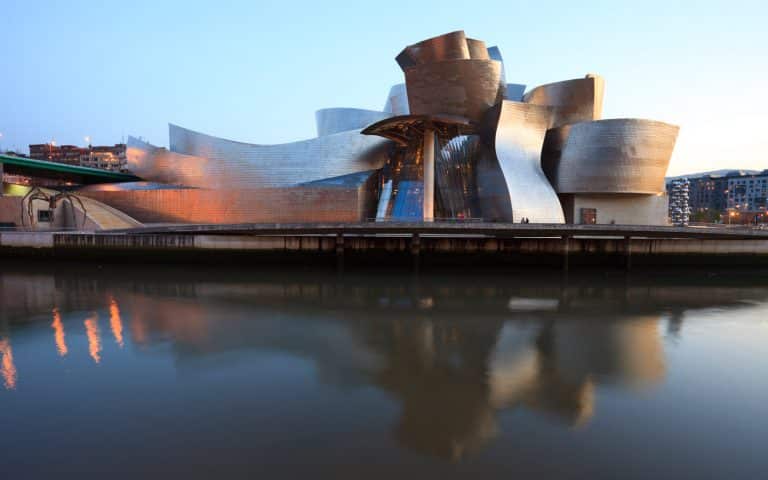
The Guggenheim turned a industrial port into a design city, and the pintxos are cheaper than San Sebastián's.

I would definitely recommend a holiday trip to Bilbao for quite a lot of reasons.History,sights,art and every day life.Great food and polite,friendly people. As there are lots of cultural events I would recommend checking the dates of the events before organising the trip.

A traveller, on Hostelworld
The Bilbao guide
Got this long? 2 Days 3 Days
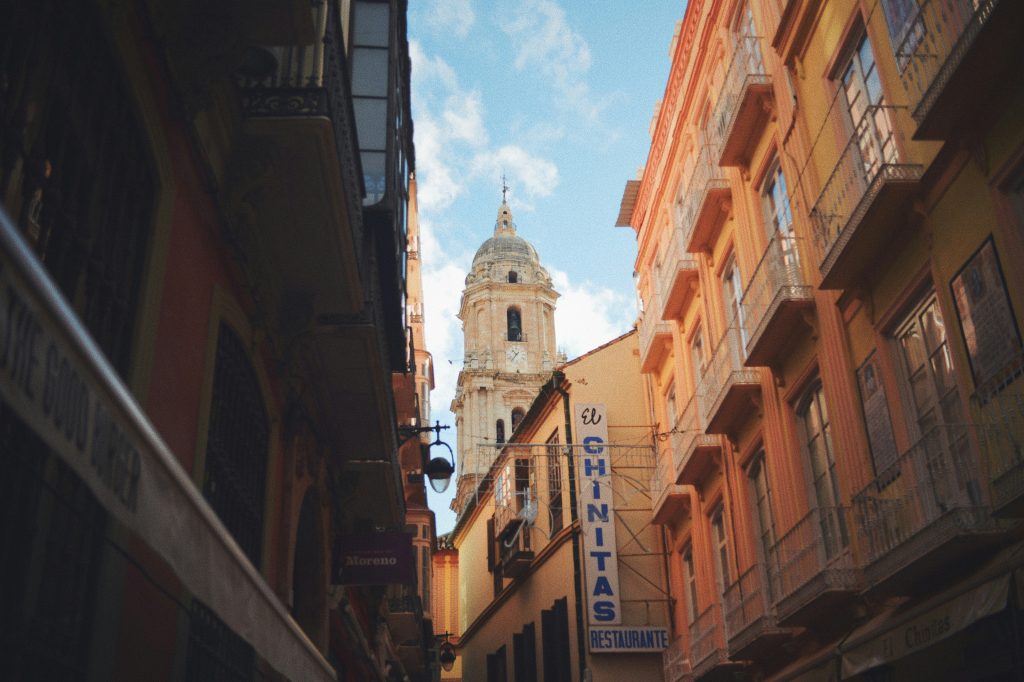
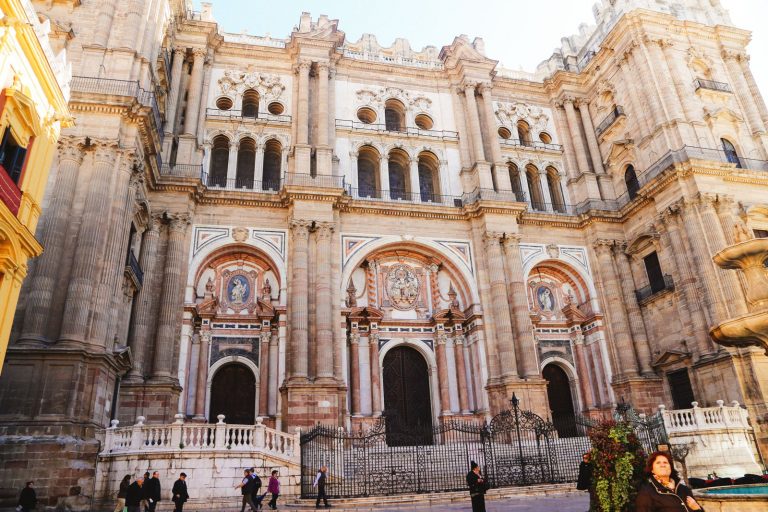
Málaga

Málaga

25 hostels

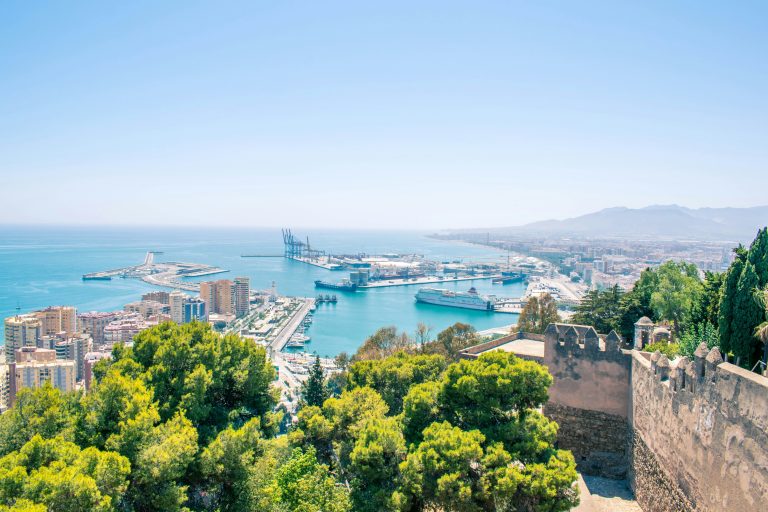
Picasso's birthplace, a working Andalusian port with a beach, and the gateway to the Costa del Sol.

Very vibrant city offering many awesome things to do, see, and eat. Lots of history and museums as well. Walk everywhere, safely and comfortably. Plenty of places to relax, just take it in, and experience, or just chill out on the beach area and parks. Transportation easy, convenient and fair priced including airport, buses, trains. Would definitely recommend a visit.

A traveller, on Hostelworld
The Málaga guide
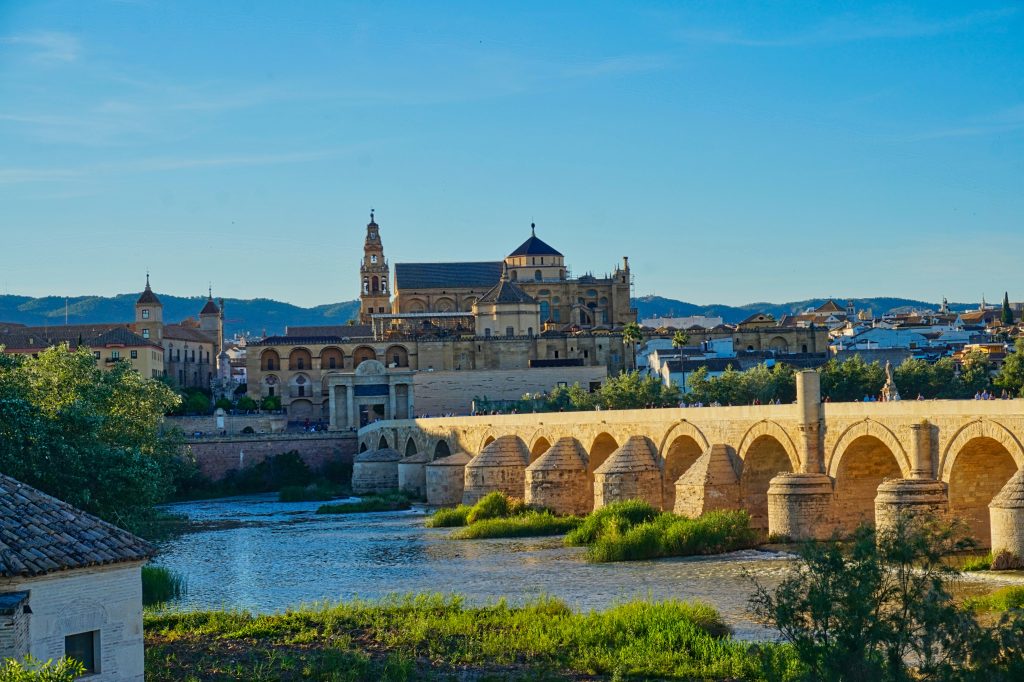
Córdoba

Córdoba

10 hostels

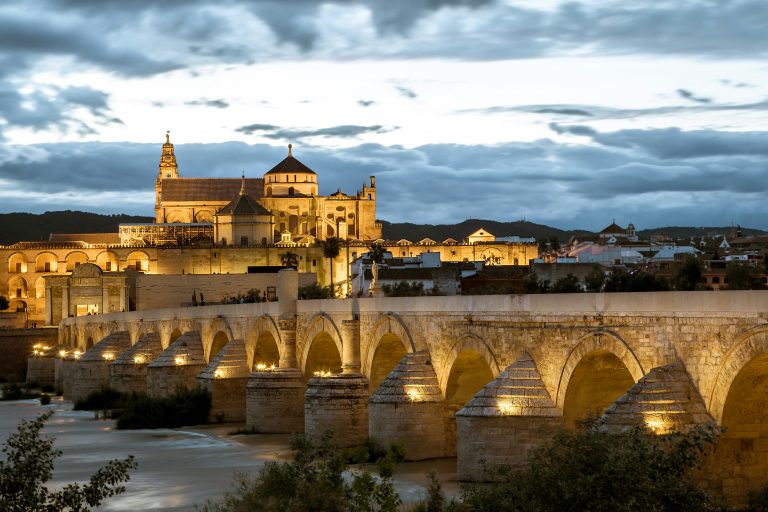
The Mezquita, a mosque with a cathedral built inside it, and patios full of flowers in May.

One of the most beautiful cities I’ve been to

A traveller, on Hostelworld
The Córdoba guide
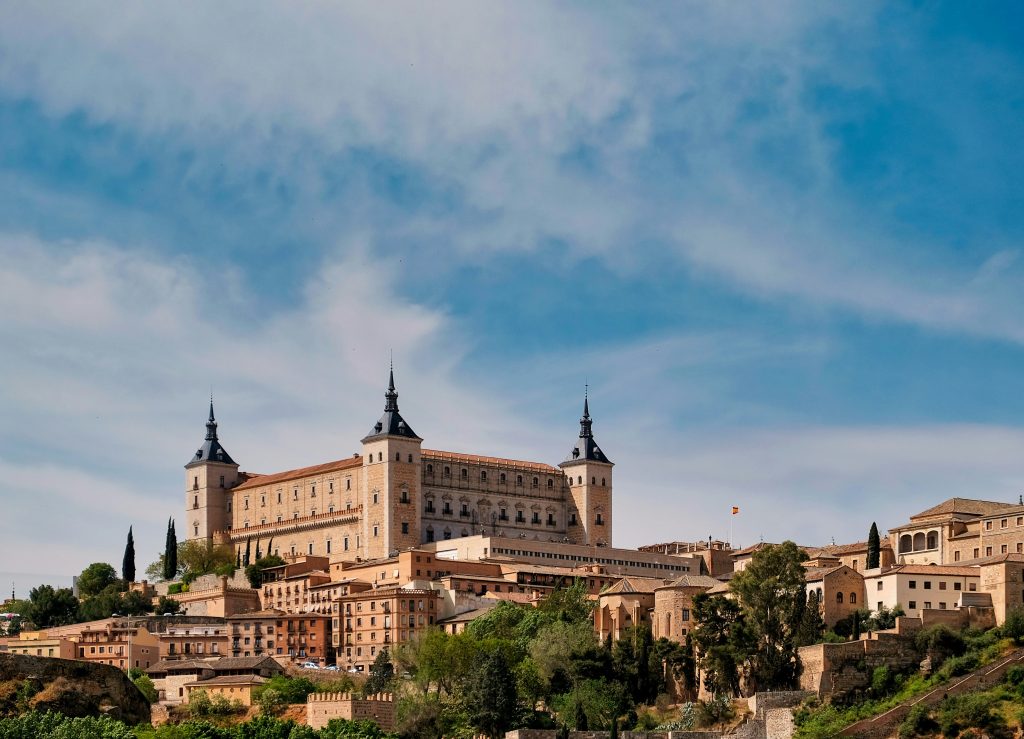
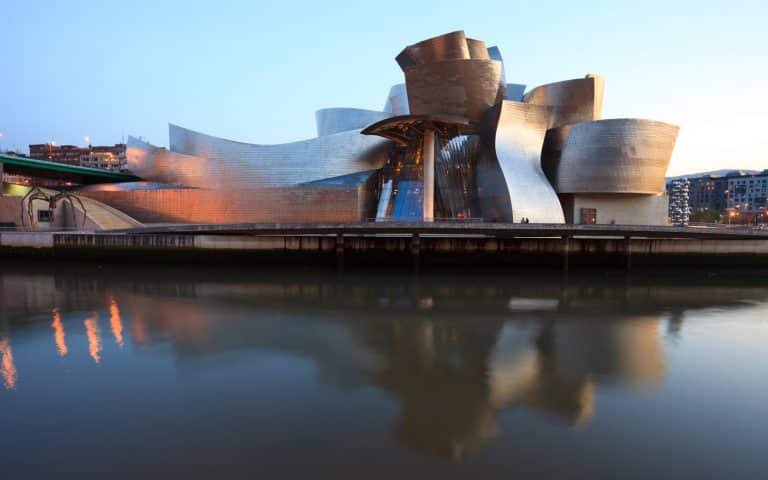
Toledo

Toledo

6 hostels

A walled city on a gorge an hour from Madrid, where three religions built on top of each other.

Toledo is very nice. Views are awesome

A traveller, on Hostelworld
The Toledo guide
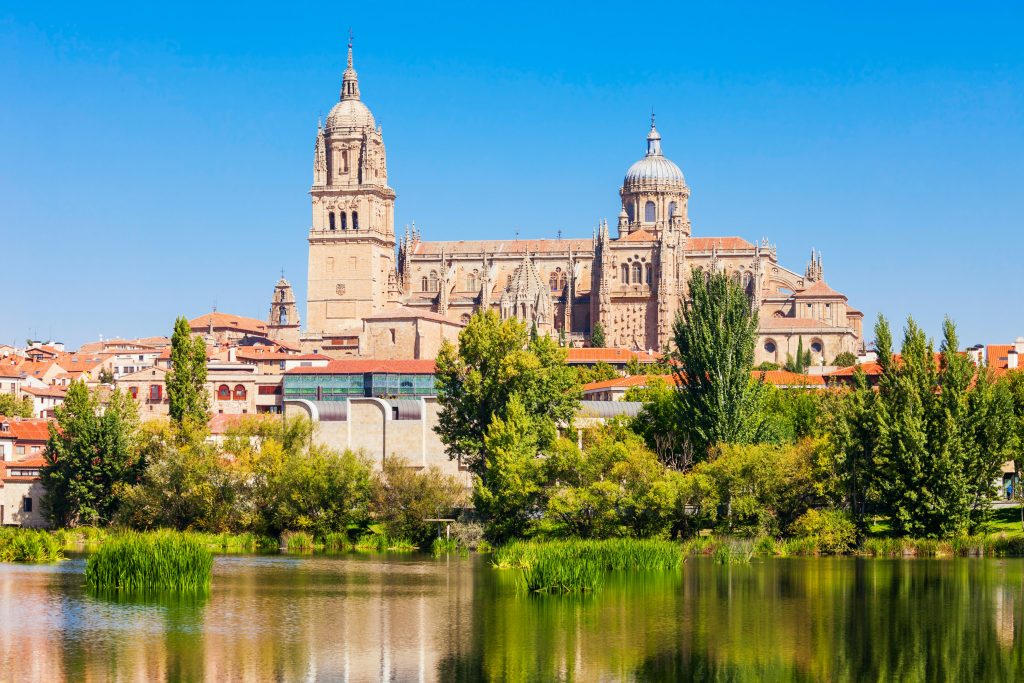
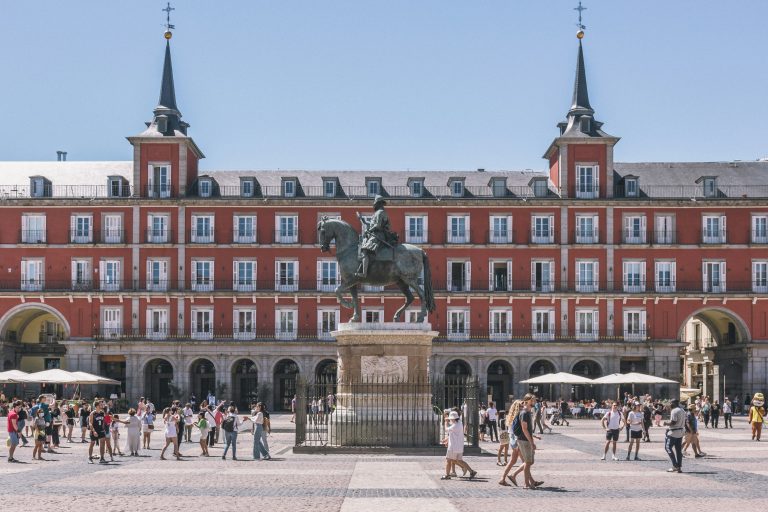
Salamanca

Salamanca

13 hostels

Golden sandstone, the oldest university in Spain, and a student nightlife to match it.

Steeped in history and culture. A great place to slow down and enjoy the scenery. Getting around is cheap whether by taxi or buses. Easy to walk everywhere too.

A traveller, on Hostelworld
The Salamanca guide
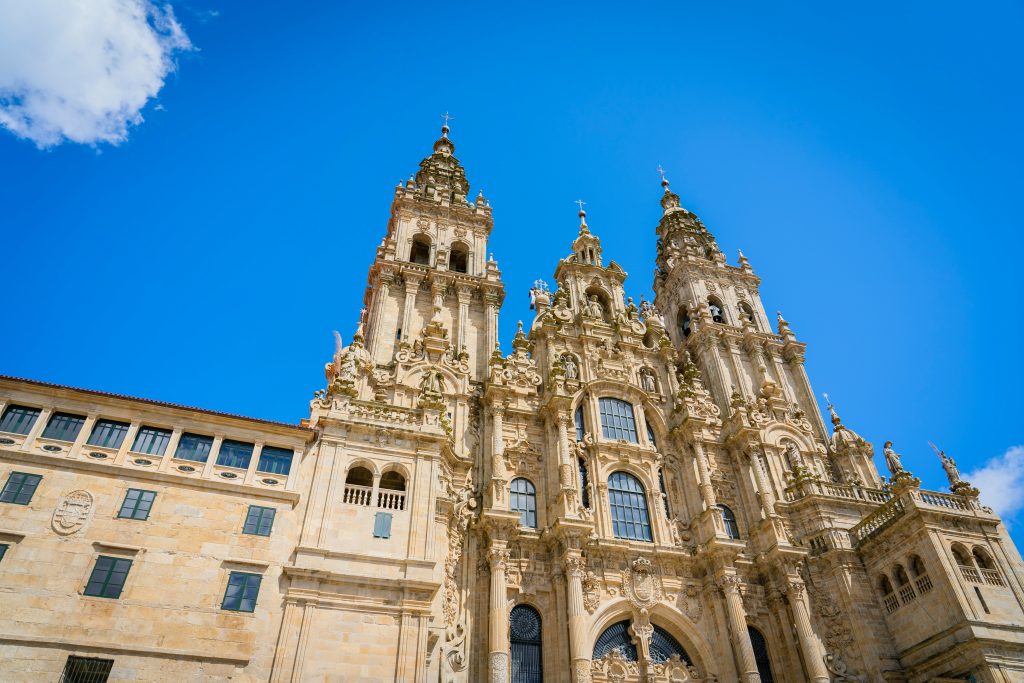
Santiago de Compostela

Santiago de Compostela

11 hostels

The end of the Camino, with pilgrims arriving into the square all day and a granite old town around it.

Had a pilgrims mass at 7:30pm at the Cathedral. Botofumerio was pretty cool We had amazing weather

A traveller, on Hostelworld
The Santiago de Compostela guide
Zaragoza

Zaragoza

3 hostels

Between Madrid and Barcelona, with a basilica on the river, Roman remains and almost no foreign visitors.

The Zaragoza guide
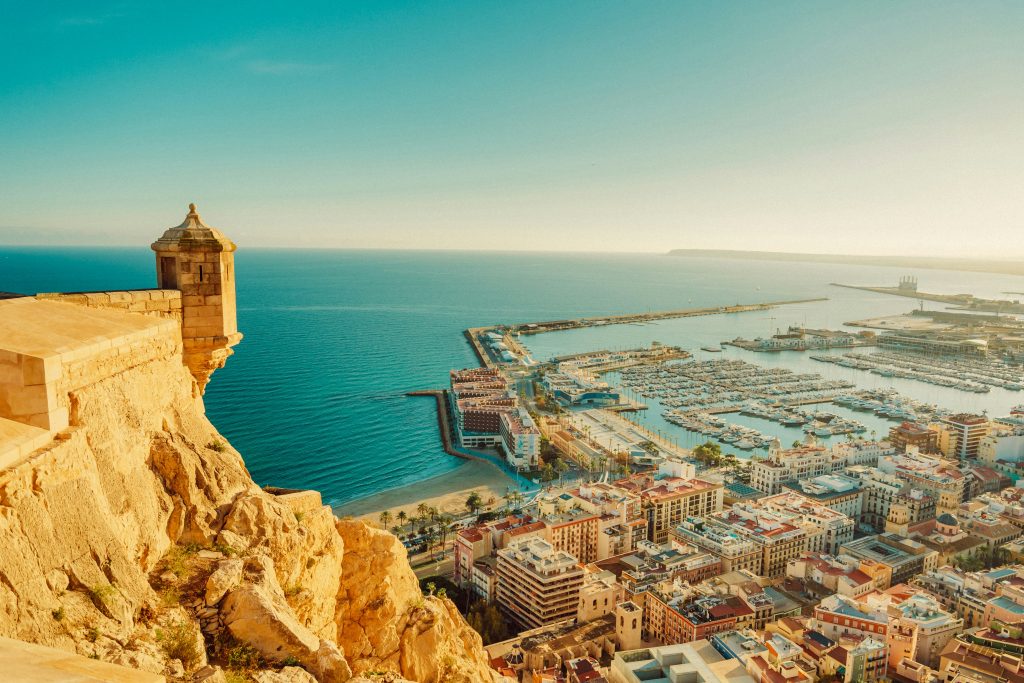
Alicante

Alicante

16 hostels

A castle on a rock above a city beach, a working old town, and the Costa Blanca either side.

A relaxed place. For me, a time to be in the sun, spending time on the beach, meandering and eating out. The trams are very straight forward and I took a trip out. I had a nice walk to the castle . Great views and pretty plants in the castle grounds.

A traveller, on Hostelworld
The Alicante guide
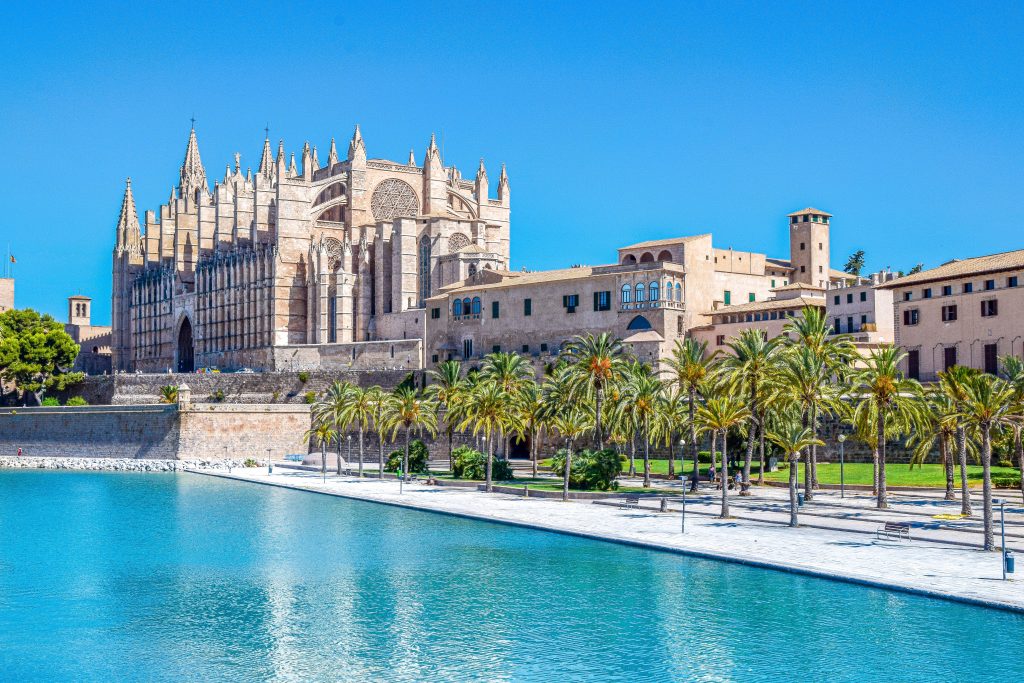
Palma

Palma

1 hostel

Mallorca's capital: a Gothic cathedral over the water, a serious food scene and the Tramuntana mountains inland.

The Palma guide

What kind of trip is this?

Pick one and the page reshuffles around it: what to do, where to go, and the cities that suit it best.

City break in Spain

Three or four days, one city, no train journeys longer than an hour.

What to do

  • A morning at the Prado or the Picasso Museum
  • A free walking tour on day one to get your bearings
  • An evening tapas crawl instead of a sit-down dinner
  • A day trip out to Toledo, Girona or Ronda

Spots to visit

  • Barcelona's Gothic Quarter
  • Madrid's Retiro and the museum triangle
  • Seville's Alcázar
  • Valencia's City of Arts and Sciences

Best cities for it

Things to do

Things to do in Spain

The honest advice is to do less. Spain rewards sitting in one place long enough to eat properly, and punishes the three-cities-in-five-days itinerary with a lot of time in train stations.

If you only do a handful of things: see the Alhambra, eat pintxos in San Sebastián, spend an evening in a Madrid neighbourhood bar with no plan, and get out to one small town. Ronda, Girona, Cudillero or Toledo will all tell you more about the country than another museum.

Food and drink

Eating and drinking

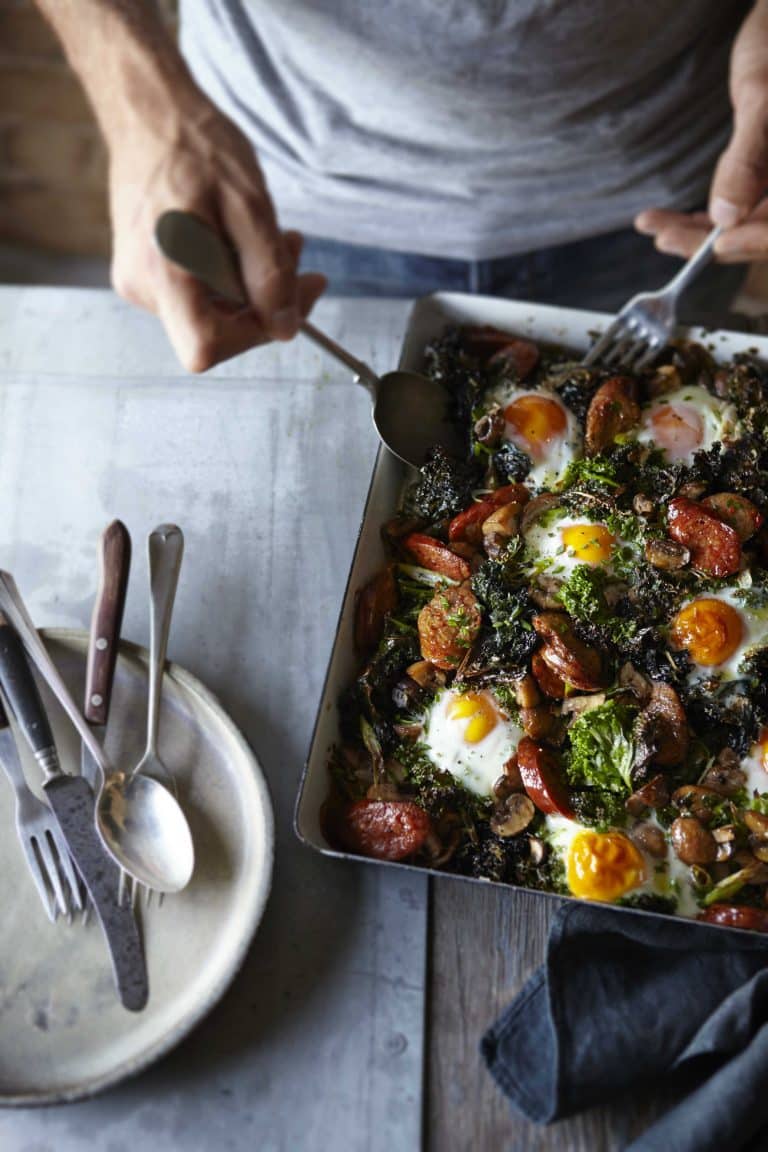
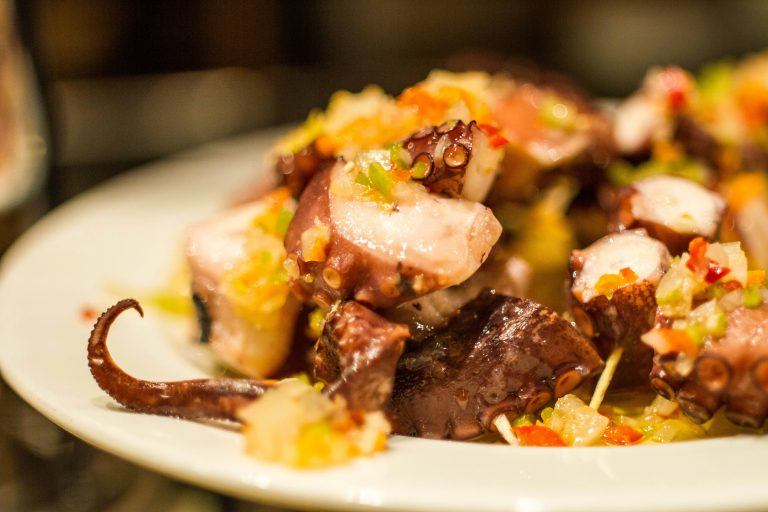
There is no single Spanish cuisine. The north-west does seafood and cider, the Basque Country does pintxos, Valencia does rice, Andalusia does fried fish and gazpacho. Paella is Valencian and eaten at lunch; ordering it for dinner on a tourist strip is how you get a bad one.

Tapas culture varies too. In Granada and parts of León a small plate arrives free with every drink. In Barcelona and Madrid you pay for each one. Either way, the move is to have one and a drink, then move on to the next bar rather than settling in.

Meal times are the real adjustment. Lunch is the big meal, from around two. Dinner starts at nine and kitchens often stay open past midnight. Most bars serve something all afternoon if you get the timing wrong.

Nightlife

Going out

Spanish nights run on a schedule that catches people out. Bars fill around eleven, clubs do not get going until two, and it is normal to leave at sunrise and get churros on the way home. Turning up to a club at midnight means having it to yourself.

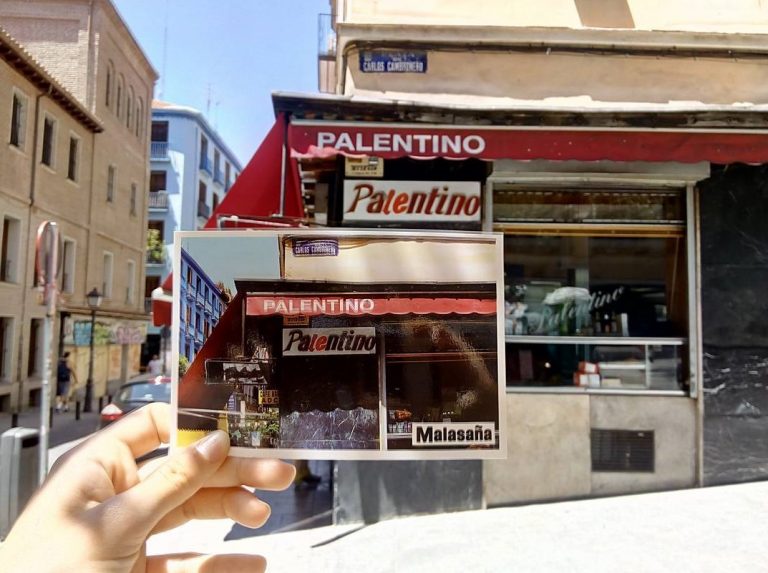
Madrid has the deepest scene, spread across neighbourhoods rather than a single strip: Malasaña for bars, Lavapiés for a younger crowd, Chueca for the best of the city's LGBTQ+ nightlife. Barcelona is beach clubs and El Born. Ibiza is its own economy, and far more affordable in May or October than in August.

Getting around

Getting around

Spain has one of the best rail networks in Europe. AVE high-speed trains connect Madrid to Barcelona, Seville, Valencia and Málaga in two to three hours, and advance fares are a fraction of the walk-up price. Booking a month out is the single biggest saving on a Spanish trip.

Buses cover everything the trains miss, especially in Andalusia and the north, and cost less again. Cities are walkable with good metros. A car is only worth it for the Picos, rural Andalusia or the Basque coast, where the driving is the point.

Costs

What it costs

Spain sits in the middle of Western Europe on price: cheaper than France or the Netherlands, more than Portugal or the Balkans. A dorm bed runs €18–28, more in Barcelona and on the coast in August, less inland and out of season.

A realistic day with a dorm, a menú del día, tapas in the evening, local transport and one paid sight comes to €45–65. You can do it for less by eating at the bar and using the free museum hours, and much more if you are eating dinner in restaurants every night.

Safety

Staying safe

Spain is a safe country to travel, including alone. Violent crime against travellers is rare. Pickpocketing is not, and Barcelona in particular has a reputation for it: Las Ramblas, the metro, the beach and crowded bars are where it happens.

The practical version is dull and works. Keep your phone out of your back pocket, use the hostel locker, do not leave a bag on the back of a chair, and be aware that most scams involve someone creating a distraction. Emergency services are 112, English-speaking operators are usually available, and pharmacies handle minor problems without an appointment.

Entry and documents

Entry and documents

Spain is in the Schengen Area. Most visitors from outside the EU can stay 90 days in any 180-day period without a visa, and your passport generally needs to be valid for three months beyond the date you intend to leave. EU, EEA and Swiss citizens can travel on a national ID card.

Rules change, and they differ by nationality, so check your own government's travel advice and the Spanish consulate before you book rather than trusting a blog post, this one included. Hostels are legally required to register guests, so bring the passport or ID you booked with.

When to go

Spain has three seasons that matter: the shoulder months when everything is comfortable and cheap, high summer when the south is too hot to walk around in, and winter, which is mild in the south and genuinely cold in the middle.

11°
Jan
Cheapest month. Cold in Madrid, mild on the coast
13°
Feb
Carnival, and almost no queues
16°
Mar
Las Fallas in Valencia
18°
Apr
Semana Santa and Feria push prices up
22°
May
The best month almost everywhere
28°
Jun
Hot in the south, perfect in the north
33°
Jul
Peak prices. Coast over cities
33°
Aug
Cities empty out, prices do not
28°
Sep
Sea still warm, crowds thinning
23°
Oct
The other best month
17°
Nov
Quiet, cheap, occasional rain
13°
Dec
Markets, then a spike over Christmas
Bar height is temperature. Colour is how busy it gets: quiet busy peak

Temperatures are rough national averages and vary a lot between Seville and Bilbao. Check the city you are going to before you pack.

What your trip will cost

Pick how you travel and how long you are going for. These are per-night figures for one person, based on what Spain actually costs rather than what looks good in a table.

Excludes flights and long-distance trains between cities. Add roughly €30–60 for each intercity hop booked in advance.

—
  • Beds—
  • Food and drink—
  • Getting around—
  • Doing things—
What's on

What is on while you are there

Spain builds its year around these. They are also the dates that will double the price of a bed if you turn up without a booking, so they are worth planning around either way.

Spain travel questions

The ones we get asked most.

How many days do you need in Spain?
Ten days covers two cities properly with a day trip from each. A fortnight lets you add the coast or the north. Under a week, pick one city and stay there rather than moving every second day.
What is the cheapest time to visit Spain?
January to March, outside the Christmas and Easter weeks. Late September to October is the better trade: prices well off their August peak, the sea still warm, and the cities comfortable to walk in.
Is Spain safe for solo travellers?
Yes, and it is one of the most popular solo destinations in Europe. Petty theft is the realistic risk rather than anything worse. The hostel scene is well established in every city, which makes meeting people easy if you want to.
Do I need to speak Spanish?
No, but a little goes a long way outside the big cities and tourist areas. English is widely spoken in Barcelona, Madrid and along the coast, less so in small towns and in the north.
What is the best way to travel between cities?
Trains for the main routes, booked as far ahead as you can, since AVE fares climb sharply near the date. Buses are cheaper and reach the places trains do not, particularly in Andalusia.
When do Spanish people eat?
Lunch from around two, and it is the big meal of the day. Dinner from nine, later at weekends. Most bars serve something in between, so you will not go hungry while you adjust.
Is tipping expected in Spain?
No. Rounding up or leaving small change for good service is normal, and anything more is unusual outside high-end restaurants.

Say yes to hostels, meet the world

Compare hostels across Spain — live prices, real reviews and free cancellation on most bookings. Then meet the people already there in the app.

Get the App. QRGet the App.
Get the App. QR  Get the App.
Scroll to Top