
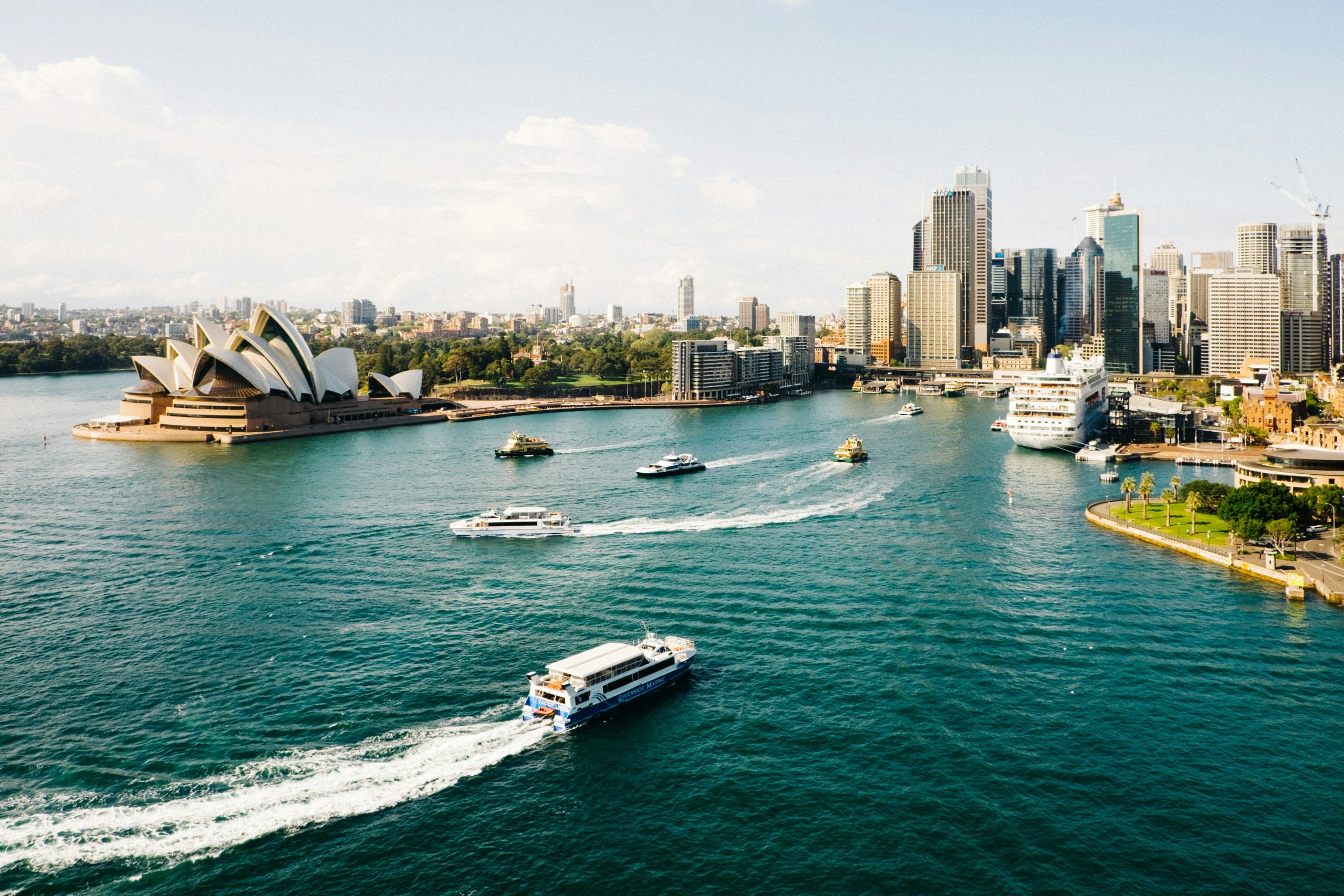
Oceania Travel Guide
Two countries built for long stays and a scattering of islands that are the reason people fly this far. Working holidays, campervans, and the best hostel culture anywhere.
A long way to go, so stay a while
Nobody comes to Oceania for a fortnight. The flight is twenty hours from Europe and the distances inside it are enormous — Perth to Sydney is the same as London to Tehran — so the trips that work here are measured in months.
That is why the working holiday visa shapes everything. Australia and New Zealand both offer one to under-31s, or under-36s from some countries, and most travellers you meet in hostels here are six months into a year. It turns an unaffordable continent into an affordable one, because you earn in the same currency you spend.
The two countries are not interchangeable. Australia is vast, hot and coastal, and you will spend real money covering it. New Zealand is compact, green and drivable end to end in three weeks. The Pacific islands — Fiji, Samoa, Vanuatu — are a different trip again, and usually an add-on to one of the other two.
Read the full Australia guideWork while you travel
Working holiday visas for both countries turn a year abroad into something you can afford.
Campervans everywhere
Sleeping in the van is normal here, and free camping sites are marked on apps everyone uses.
Hostel culture at its best
Long-stay travellers, shared kitchens and noticeboards that still get people jobs and lifts.
Start with a country
Every country page carries its cities, what a day costs there, when to go and the hostels we would book ourselves.
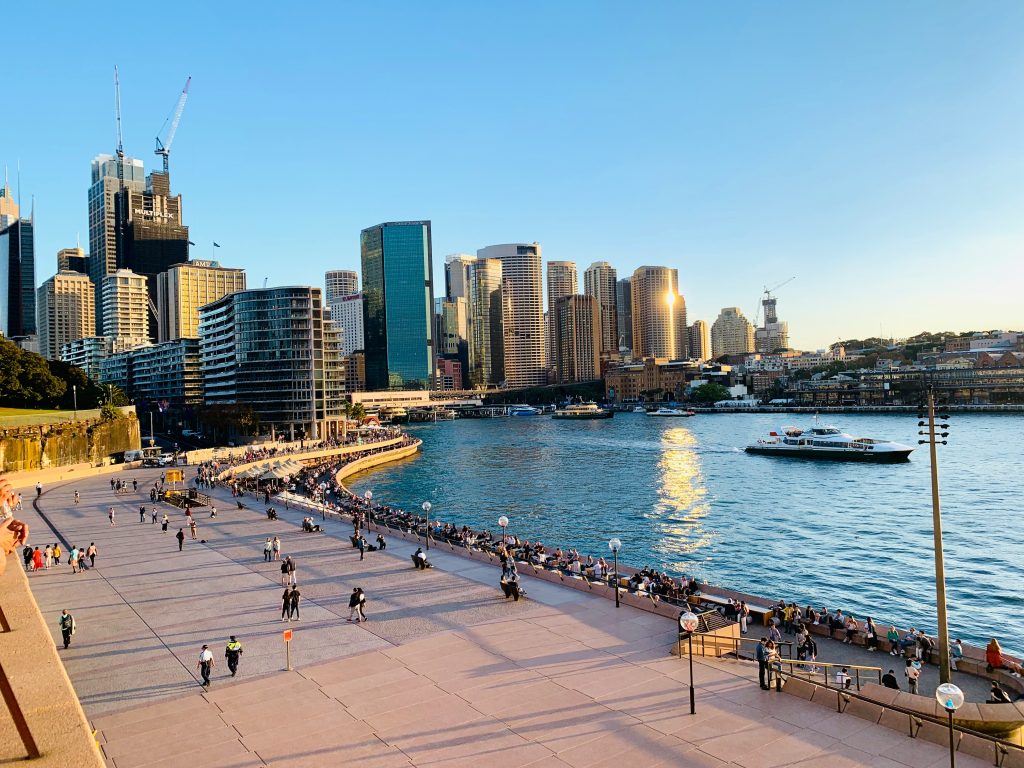
Australia
Sydney · Melbourne · Brisbane · Cairns
5 city guides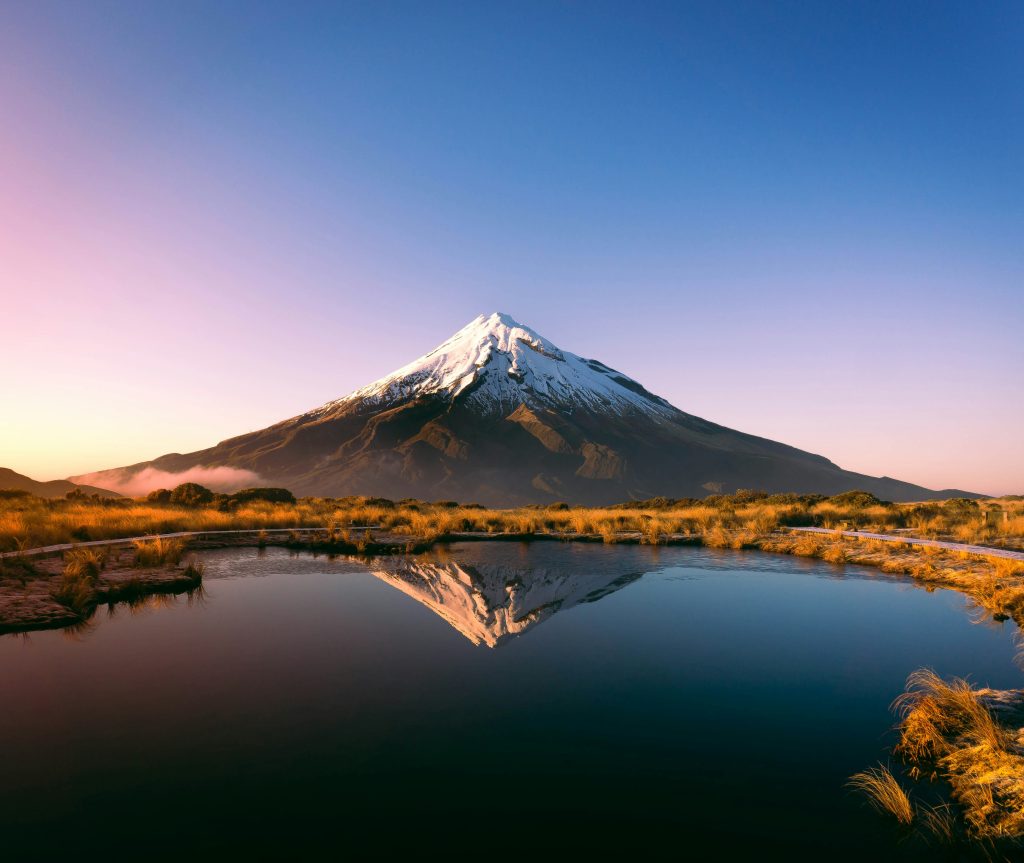
New Zealand
Auckland · Queenstown · Christchurch · Wellington
6 city guides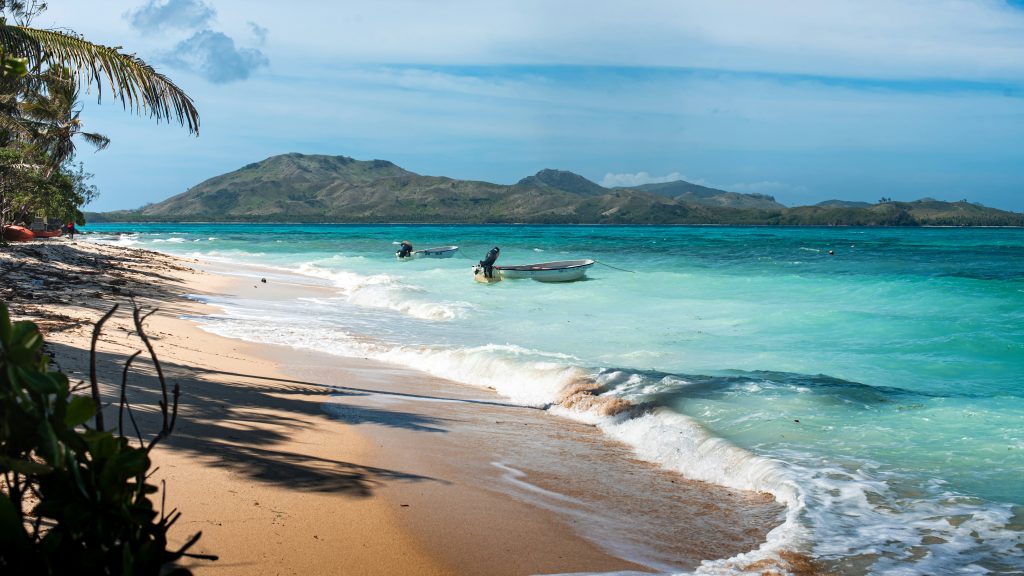
Fiji
Nadi · Yasawa Islands · Coral Coast · Taveuni
3 city guides
Samoa
Apia · Lalomanu · Savai'i
1 city guide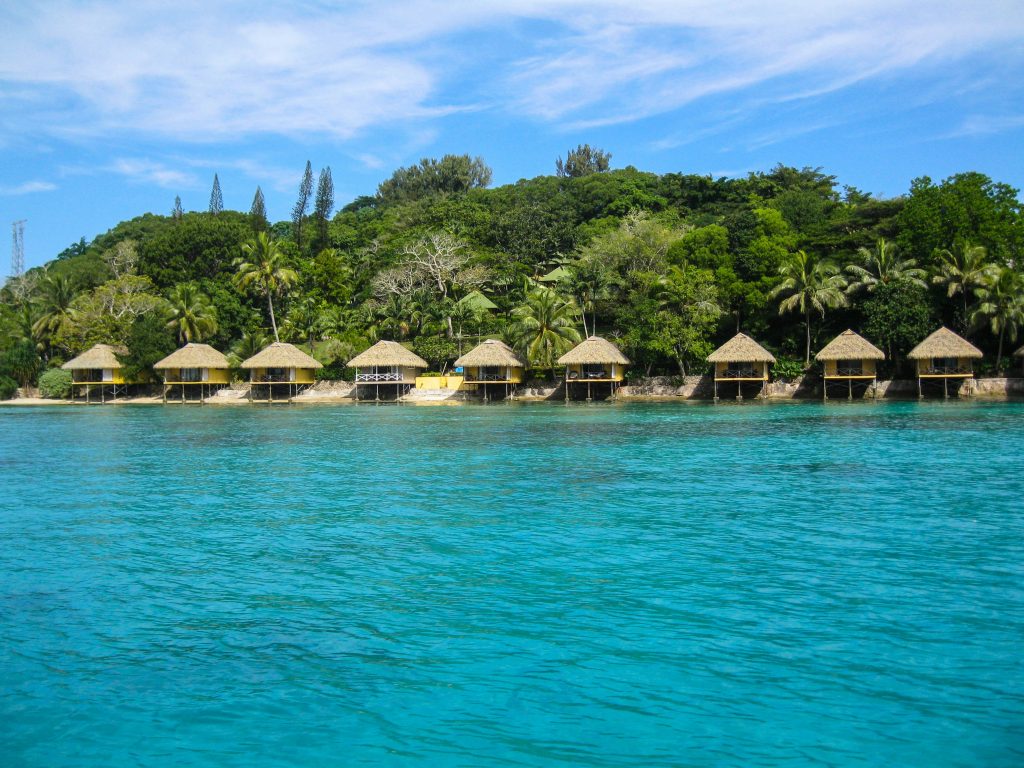
Vanuatu
Port Vila · Espiritu Santo · Tanna
2 city guides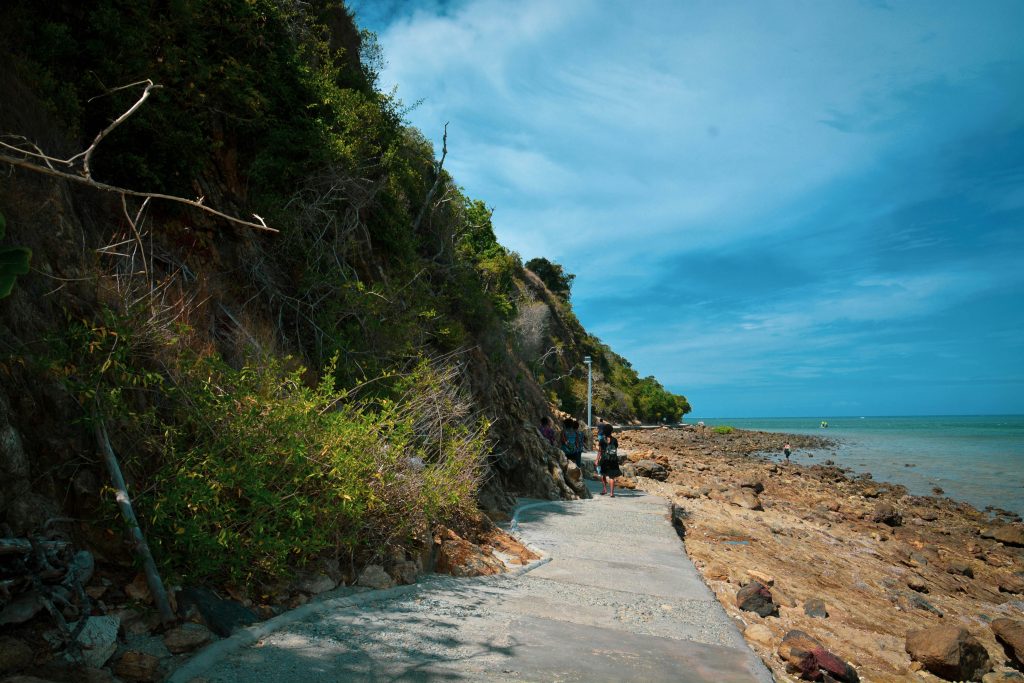
Papua New Guinea
Port Moresby · Madang · Mount Hagen
1 city guideAustralia's east coast
Where almost every trip startsNew Zealand's North Island
Volcanoes, beaches and Māori cultureNew Zealand's South Island
The one people come forThe Pacific islands
Reefs, villages and slow timeOr start with how you travel
Same continent, filtered by tripWhere to stay while you do it
The hostels travellers rate most highly across Australia, New Zealand and the Pacific. Prices and availability are live on each property page.
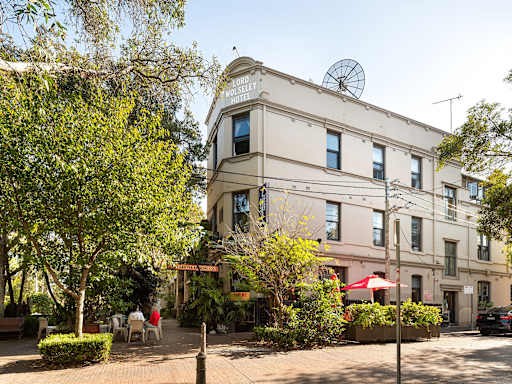
Lord Wolseley

The Nunnery
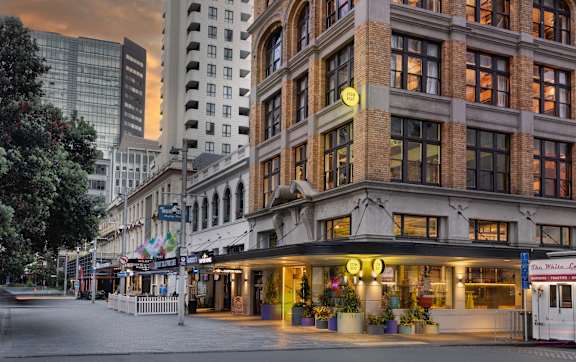
JO&JOE Auckland

Tequila Sunrise Podstel Brisbane
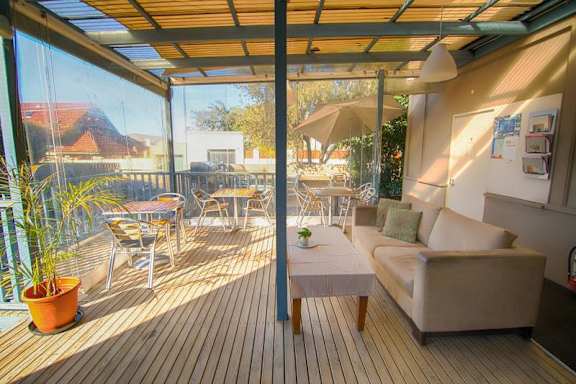
Cambridge Lodge Budget Hostel

Space Hotel

Haka House Auckland K’ Road
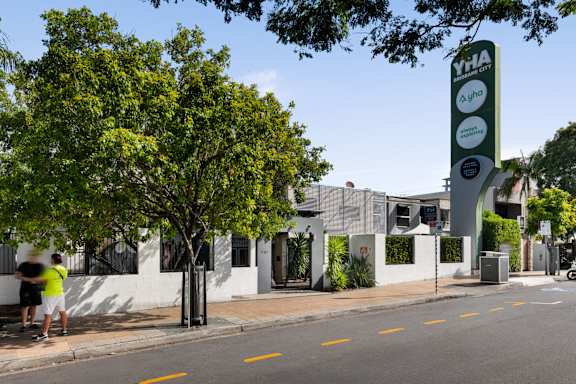
YHA Brisbane City
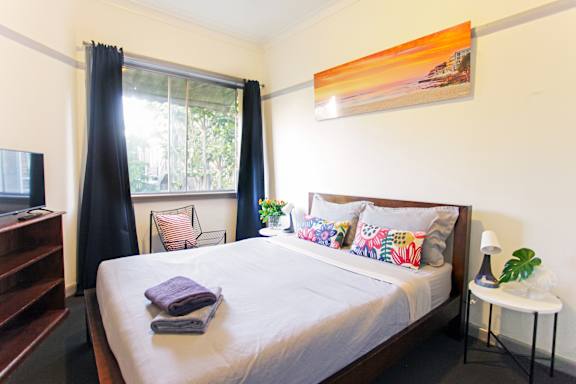
Coogee Beach House

Nomads St Kilda
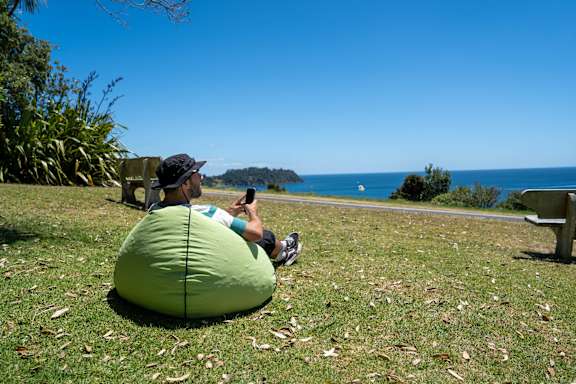
Waiheke Backpackers Hostel

City Backpackers HQ
Southern seasons, tropical north
December is midsummer and July is winter. Northern Australia adds a second pattern on top: a wet season from November to April that floods roads and closes gorges, and a dry season that is the only sensible time to be there.
Beach weather across the south, school holidays, and every east coast hostel full. Far north Queensland and Darwin are in the wet and best avoided.
- Book Sydney and Byron months ahead
- Stinger season in the tropical north
- New Zealand at its busiest
Warm water, thinning crowds and lower prices in the south. The northern wet season ends and the gorges reopen.
- Best month for the east coast
- New Zealand in autumn colour
- Prices fall after Easter
Ski season in New Zealand and the Australian Alps, and the only comfortable time in the Outback and the tropical north.
- Queenstown books out for ski season
- Perfect weather in Cairns and Darwin
- Cold and wet in Melbourne
Whale season along both coasts, wildflowers in Western Australia, and the shoulder prices before the Christmas rush.
- Whale watching from September
- Cheapest campervan rates
- Book before December doubles everything
What a day actually costs
Daily budgets cover a bed, food, local transport and one paid activity. Oceania is expensive by any measure, and the two ways people make it work are cooking in hostel kitchens and working as they go.
The campervan changes the maths more than anything else. Split between two or three, a van covers your bed and your transport in one payment, and free camping sites are everywhere in New Zealand and much of Australia.
Indicative figures for a traveller in dorms cooking most meals. A working holiday changes the picture entirely, since hospitality and farm work pay in the same currency.
You will need wheels
Public transport connects the cities and almost nothing else. Greyhound runs the Australian east coast and InterCity covers New Zealand, both cheap and slow, and both fine if you only want the well-known stops.
Everyone else drives. Campervans are the default here in a way they are not anywhere else: rent one, or buy one at the start of a long trip and sell it at the end, which is standard practice and well documented on every hostel noticeboard. Distances are the catch — Sydney to Cairns is 2,400km, and Australians fly it.
Campervanning Australia and New Zealand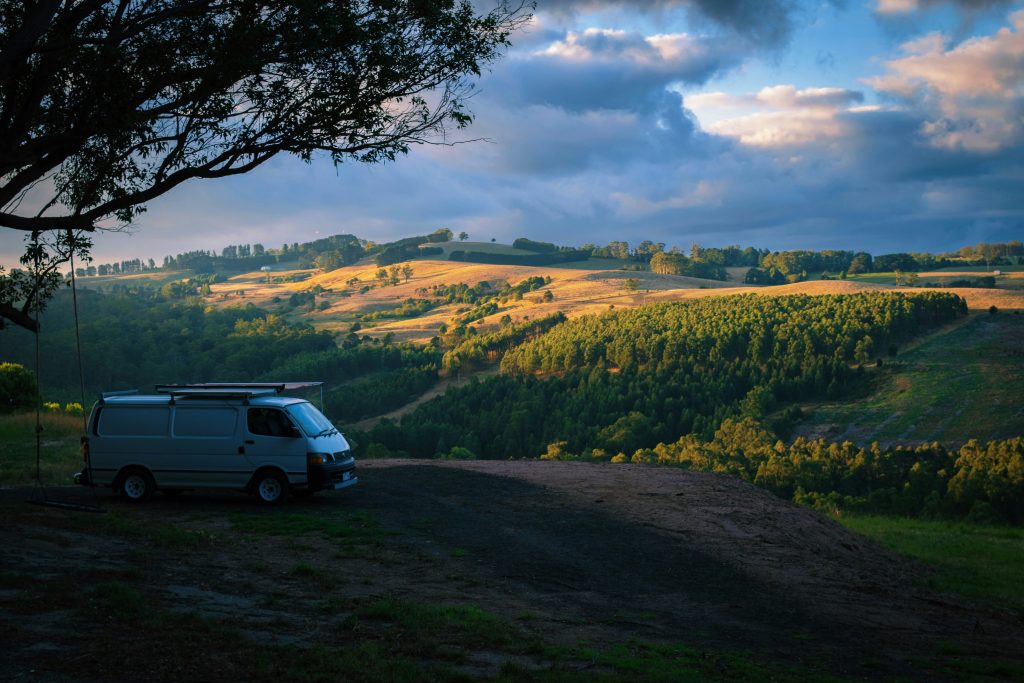
The east coast run
Sydney, Byron Bay, Noosa, Airlie Beach and the Whitsundays, Cairns. The most travelled route in the southern hemisphere, and the easiest to do alone.
New Zealand end to end
Auckland, Rotorua, Wellington, ferry across, Kaikōura, Queenstown, Milford Sound. A campervan, two islands and no wasted days.
The red centre and the top end
Adelaide, Coober Pedy, Uluru, Kings Canyon, Alice Springs, Darwin. Long empty roads and the oldest landscape on earth.
Worth building a route around
These are also the dates that will triple your accommodation costs if you turn up without a booking. Both facts are worth planning for.
 Staff pick
Sydney New Year’s Eve
Ring in the new year with style and spectacle at Sydney New Year’s Eve, one of the world’s most iconic celebrations. From dazzling fireworks…
 Staff pick
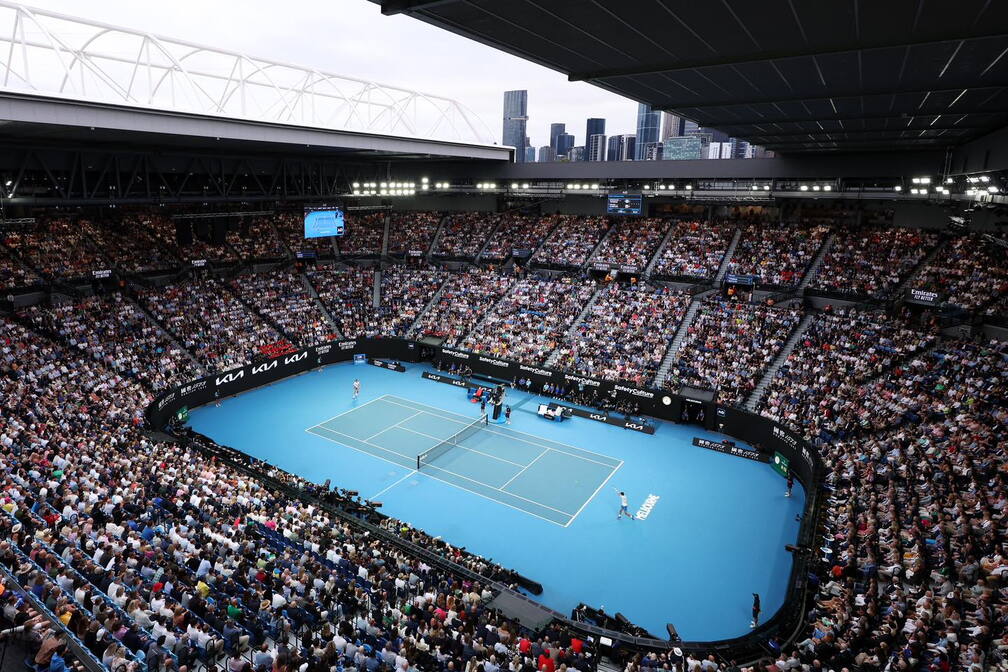
Australian Open
The Australian Open, one of the four Grand Slam tennis tournaments, attracts the world's top players and avid fans to Melbourne each January. With…
 Staff pick
Sculpture by the Sea
Sculpture by the Sea transforms the iconic Bondi Beach into a breathtaking 2km coastal sculpture park, showcasing around 100 works by artists from Australia…
 Staff pick
Boost Mobile Gold Coast 500
Experience the thrill of Australia's premier Supercars Championship event as Surfers Paradise transforms into a high-speed racing paradise. This action-packed weekend combines world-class motorsport…
 Staff pick
Australian Motorcycle Grand Prix
The Australian Motorcycle Grand Prix is a major race on the MotoGP calendar, drawing top riders and fans from around the world. Held on…
 Staff pick
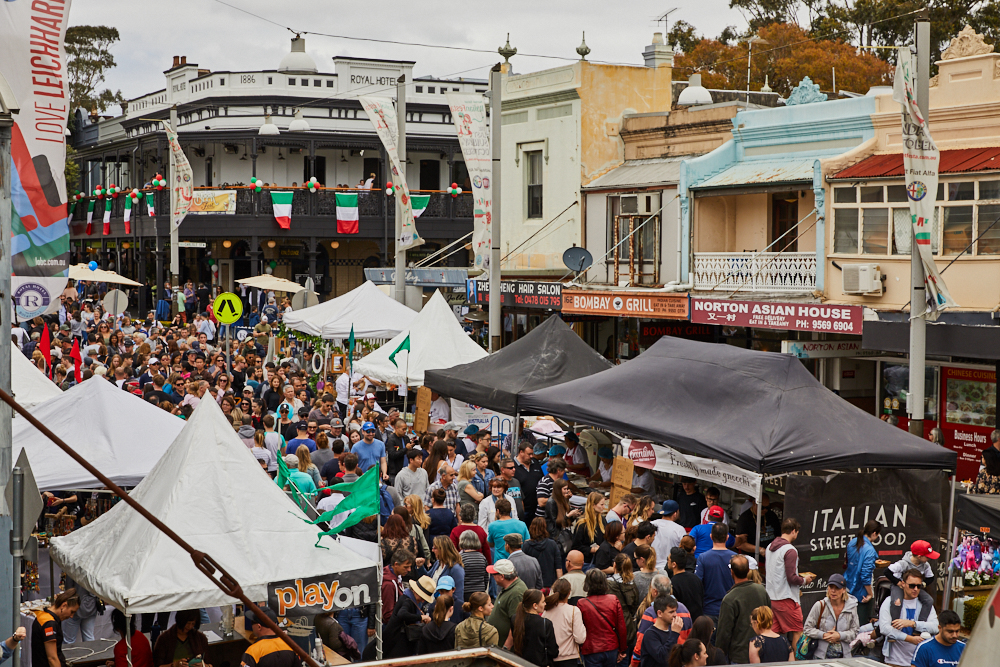
Norton Street Italian Festa
The Norton Street Italian Festa is a beloved celebration of Italian heritage and community spirit in Sydney’s iconic ‘Little Italy’ precinct of Leichhardt. Drawing…
 Staff pick
Ghost Festival
Ghost Festival transforms The Rocks, New South Wales, into a thrilling Halloween playground filled with wild parties, immersive experiences, and electrifying street performances. Attendees…
 Staff pick
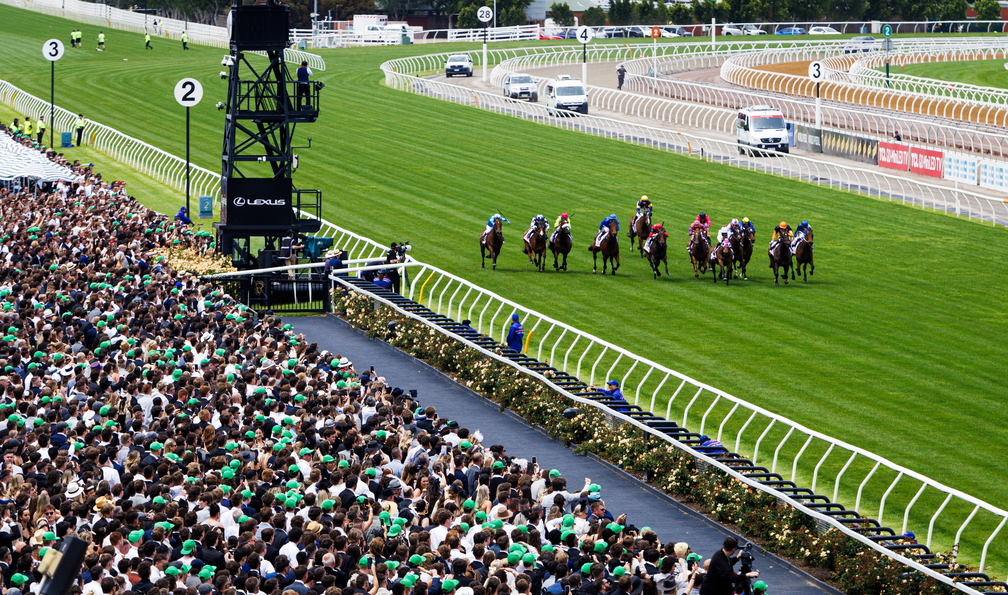
Melbourne Cup Carnival
The Melbourne Cup Carnival is the pinnacle of Australia's horse racing season, drawing in nearly 300,000 spectators each year. This prestigious event features world-class…
Oceania guides
Written by our travel writers and the travellers who host them.
Things to do, city by city
Short itineraries you can follow as written, in the cities most routes pass through.
 Guides for this are on the way.
Getting around
Campervans, buses, cheap flights and the drives worth the detour.
Guides for this are on the way. Working holidays
Visas, jobs, tax and what a year on one actually looks like.
Guides for this are on the way. Doing it cheaply
What things cost, where the money goes and how to afford a year down here.
Guides for this are on the way. Oceania travel questions
The ones we get asked most.

How much does a month in Australia cost?
Who can get a working holiday visa?
How long do I need for New Zealand?
Is it better to rent or buy a campervan?
When is the best time to visit Australia?
Is Oceania safe for solo travellers?
Can I visit the Pacific islands cheaply?
Also trending this week

Say yes to hostels, meet the world
Compare hostels across 40 European countries — live prices, real reviews and free cancellation on most bookings. Then meet the people already there in the app.


 Get the App.