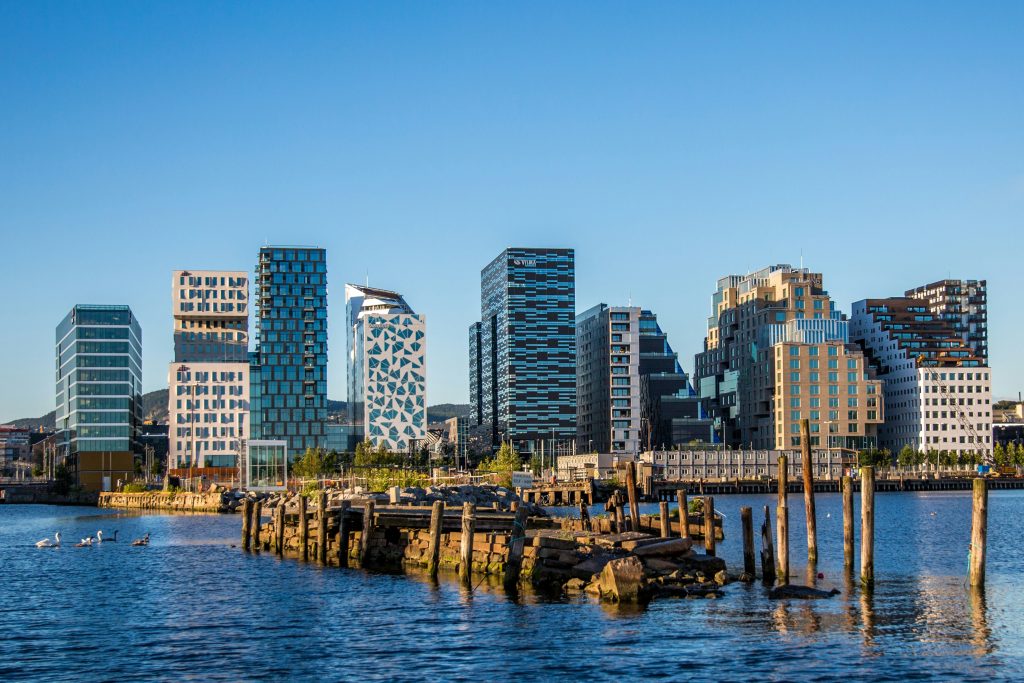
Oslo
5 hostels · dorms from €49
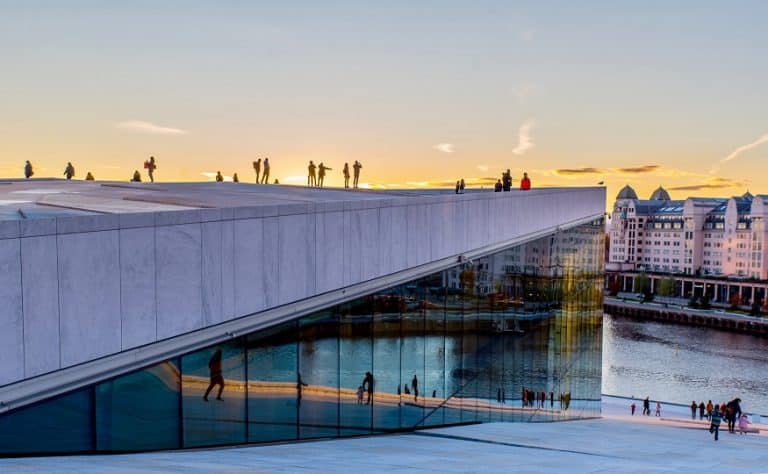
The capital: harbour swimming, an opera house you can walk on, and the Munch Museum and the Fram.
So safe, not touristy, amazing mueseums, great swimming
A traveller, on Hostelworld

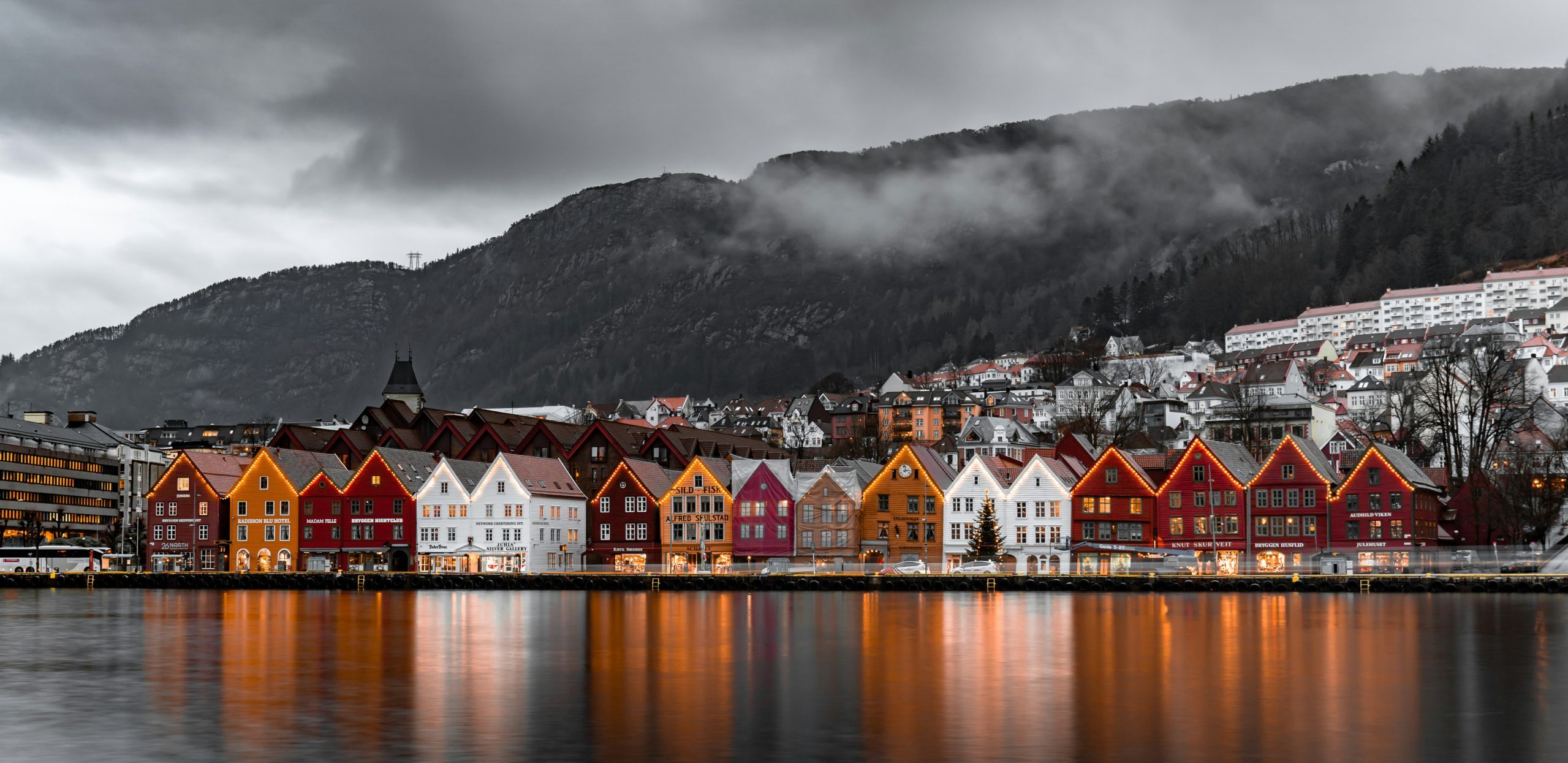
Fjords that justify every photograph, the most expensive beer in Europe, and a legal right to camp anywhere. The second and third facts are connected.
Nobody comes to Norway for the cities, and that is not a criticism. Oslo and Bergen are pleasant, walkable and worth a day or two each, but the country's case is made by what is between them: fjords cut hundreds of metres deep, plateaus above the tree line, and roads and railways engineered through both.
The classic route is Oslo to Bergen by train — one of the great rail journeys anywhere — with a detour down the Flåm line and a fjord boat through Nærøyfjord. It can be done in a long day or stretched across three, and it costs a fraction of an organised tour.
North of that is a different country again: Lofoten's peaks straight out of the sea, Tromsø for northern lights, and the midnight sun from late May to July. It is a long way and worth the flight.
Trains, buses and coastal ferries link the country, and the Bergen railway is a journey in itself.
The capital: harbour swimming, an opera house you can walk on, and the Munch Museum and the Fram.
So safe, not touristy, amazing mueseums, great swimming
A traveller, on Hostelworld
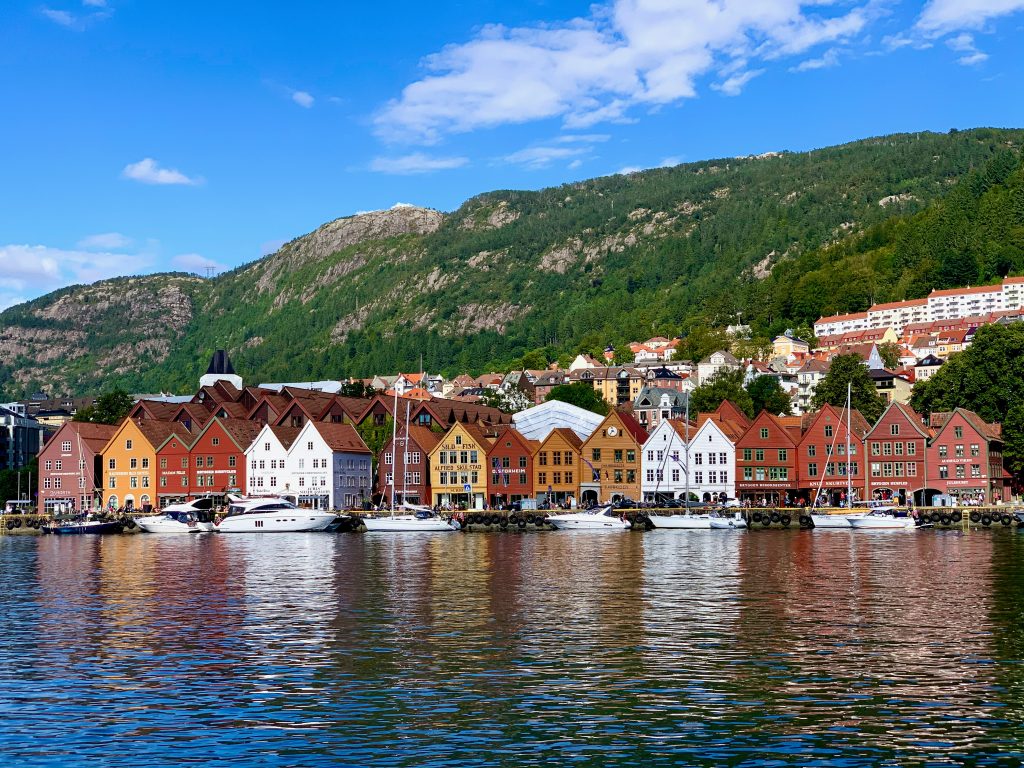
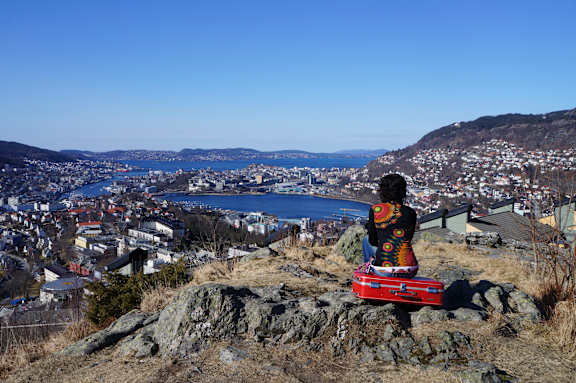
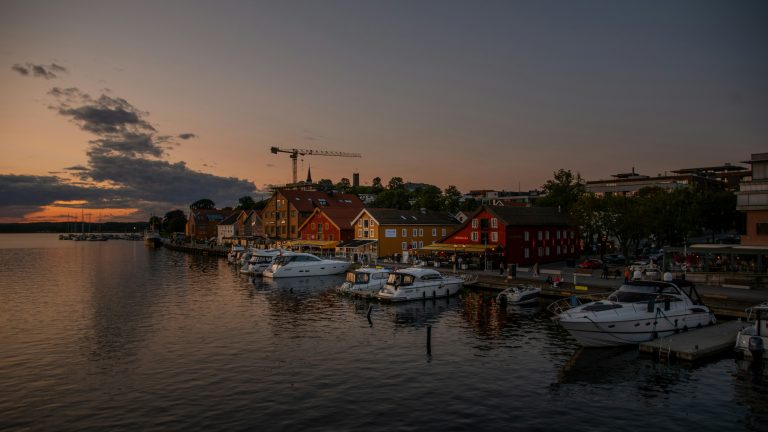
Wooden warehouses on the harbour, seven mountains around it, and rain most days. The fjord gateway.
I loved my stay in Bergen. Its a fatastic and very beautiful city surrounded ny 7 mountains. I enjoyed some delicious food, cake and coffees. I also took a boat trip from there to the Monstraumen fjord which was stunning. Its fairly pricey but definately worth visiting. I really hope to return to spend more time in Bergen
A traveller, on Hostelworld
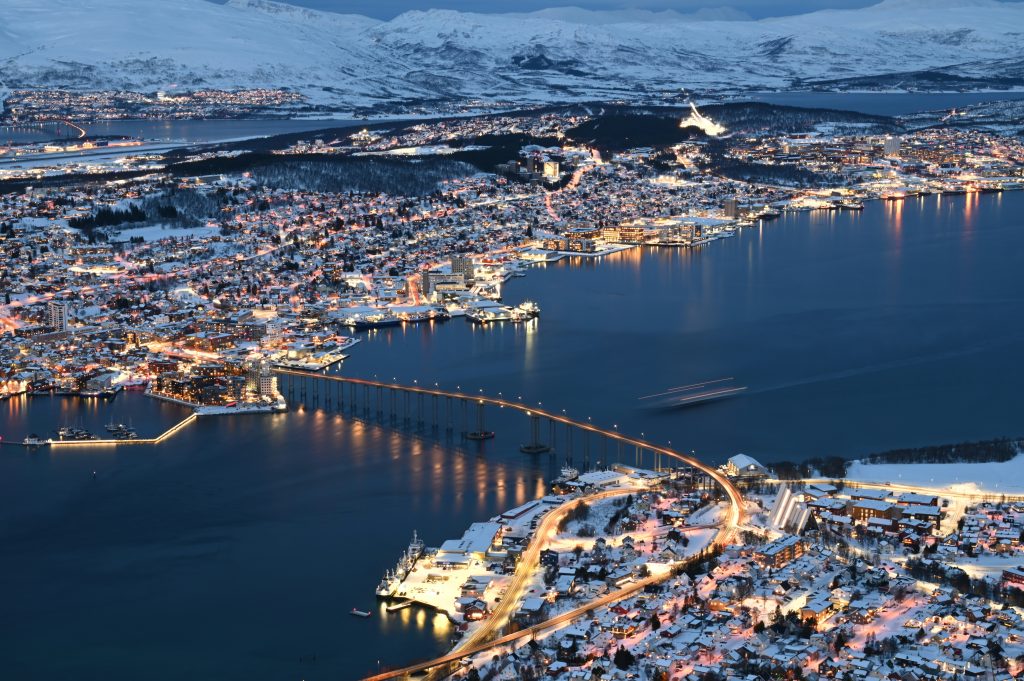
Above the Arctic Circle: northern lights, midnight sun, and more bars per head than anywhere in Norway.
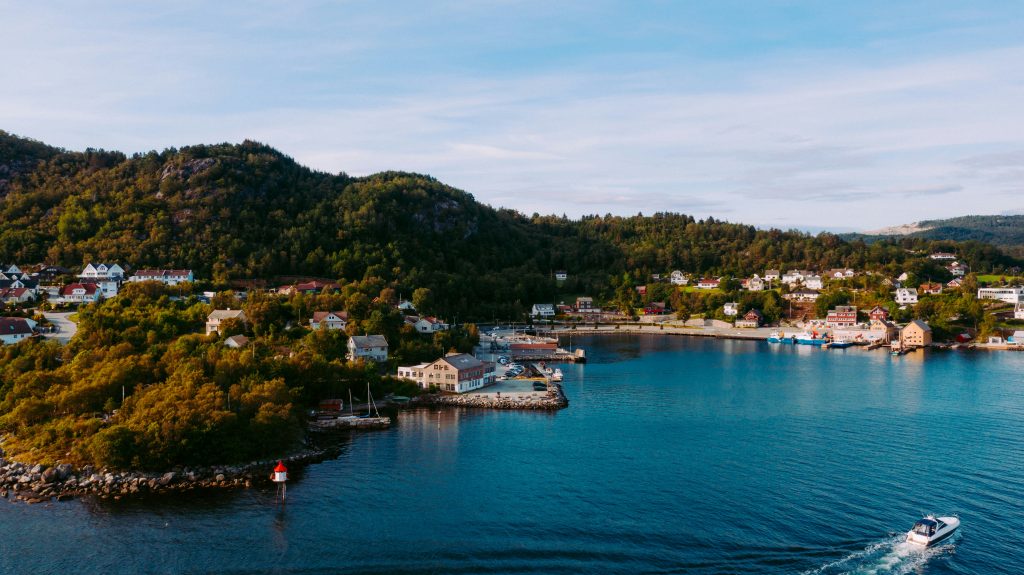
The base for Preikestolen, the cliff everyone photographs, and an old town of white wooden houses.
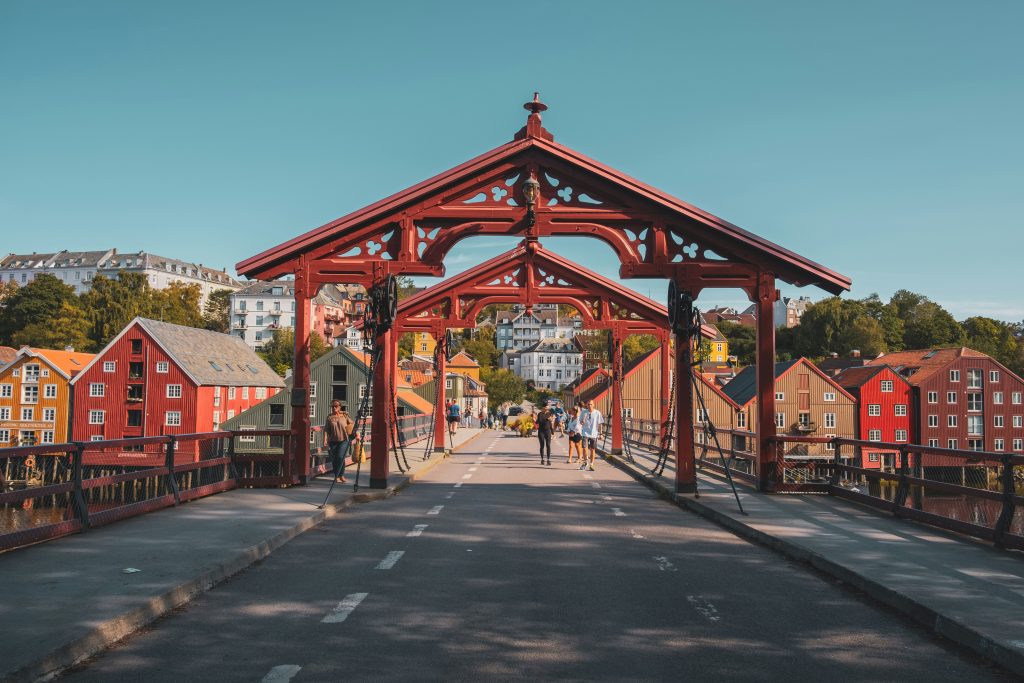
The medieval capital, with a cathedral built over a saint's grave, a student population and wooden warehouses on the river.
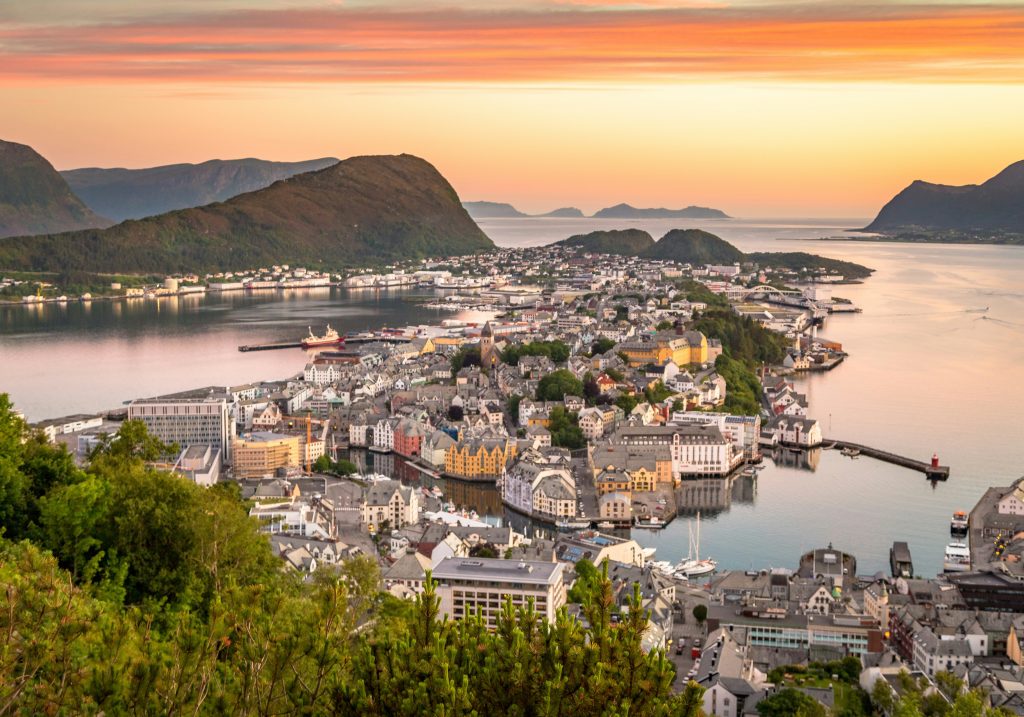
Rebuilt entirely in art nouveau after a 1904 fire, on islands between fjords, with the Geirangerfjord south of it.
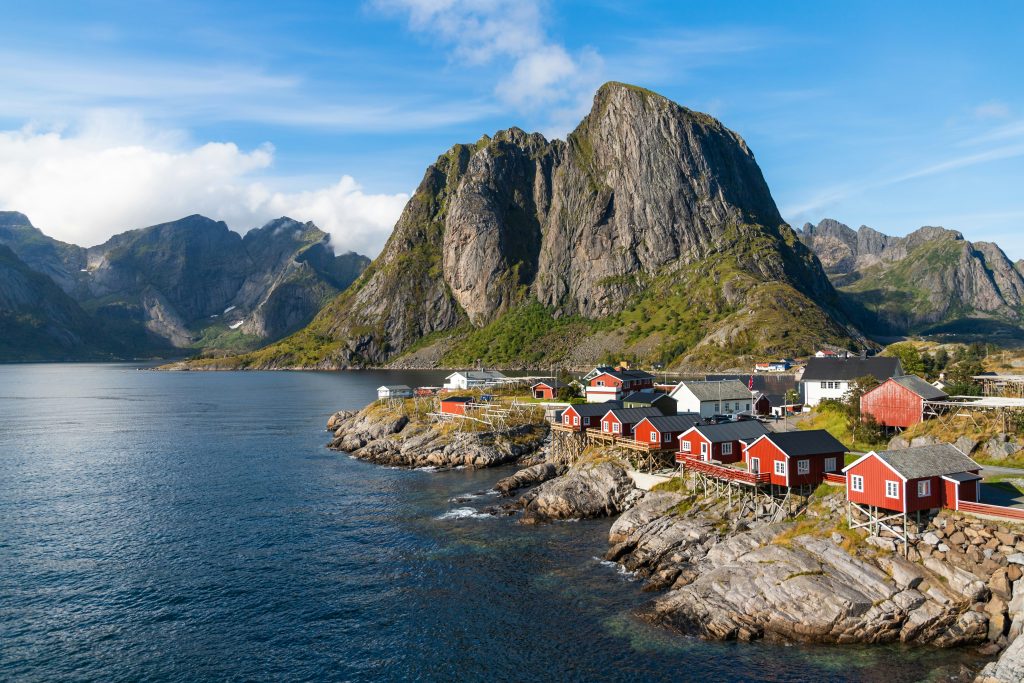
The main town in Lofoten: peaks straight out of the sea, fishing cabins to sleep in, and the sea eagle safaris.
Norway is an outdoors country with two cities attached. Most trips are shaped by season.
Hiking above fjords, and the right to sleep where you stop.
The fjord roads, ferries included, and the Atlantic Road.
Vikings, Munch and a lot of very good architecture.
The most expensive country here, and the one with free beds.
White sand in the Arctic, and water that will stop your breath.
The Oslo to Bergen railway is the single best thing you can do here for the price of a train ticket: seven hours across the Hardangervidda plateau, above the tree line for much of it. Break it at Myrdal for the Flåm line, which drops 865 metres in twenty kilometres, and take the fjord boat from Flåm through Nærøyfjord.
The famous hikes — Preikestolen, Kjeragbolten, Trolltunga — are all day walks of four to twelve hours, free, and require proper boots and weather checks rather than technical skill. Preikestolen is the shortest and busiest; Trolltunga is ten to twelve hours and should not be underestimated.
In the north, Lofoten in summer has midnight sun and hiking, and Tromsø between September and March is the most reliable northern lights base in the country.
Eating out in Norway is a decision rather than a habit. A restaurant main is €30 to €45 and a beer in a bar is €10 to €13. Almost every traveller here cooks, and hostels are built around that.
The supermarkets to know are Rema 1000, Kiwi and Coop Extra, and the Norwegian habit of matpakke — a packed lunch of open sandwiches — is what locals do too, not a budget compromise.
Worth paying for once: fresh seafood on the Bergen fish market or in Lofoten, brown cheese if you are curious, and a cinnamon bun from a bakery. Supermarkets sell beer up to 4.75% until the evening; wine and anything stronger comes from Vinmonopolet, the state off-licence, which is expensive but a fraction of bar prices, and closes early and entirely on Sundays.
A beer in an Oslo bar is €10 to €13, so Norwegians pre-drink at home with beer from the supermarket or wine and spirits from Vinmonopolet, and go out late. Visitors who do not plan for that spend their food budget in one evening.
Oslo's Grünerløkka has the bars worth going to, Bergen's are around the harbour, and Tromsø has a genuinely disproportionate scene for a city of 77,000 — partly because during polar night there is not much else to do.
Summer moves everything outside, and the light means you can be sitting out at eleven with the sun still up, which is worth experiencing even if the round costs what dinner does elsewhere.
Trains cover the south and the Oslo–Bergen and Oslo–Trondheim lines are journeys in their own right. Vy sells minipris fares months ahead that cost a fraction of the walk-up price, and they are the single biggest saving available in Norwegian travel.
Buses and ferries reach everything the trains do not, and in fjord country the ferry is simply part of the road. Express boats along the coast are faster and pricier; Hurtigruten, the coastal steamer, is a cruise rather than transport.
A car or campervan makes the fjords much easier and, combined with allemannsretten and campsites, can be the cheapest way to travel here. Tolls are automatic and billed to the rental, and ferries take cars without booking on most routes.
Norway is the most expensive country in this guide. Dorms start around €38, a restaurant main is €30 to €45, and a beer is €10 to €13. There is no version of this where eating and drinking out daily is affordable on a normal budget.
What makes it workable is that the best things are free. Allemannsretten gives you the legal right to camp on uncultivated land away from houses, every major hike costs nothing, and the landscape does not charge admission.
The travellers who do Norway cheaply cook everything, camp or use hostel kitchens, book minipris train fares months ahead, and treat a bar as an occasional event. That takes a day from €160 to something near €70.
Norway has very little crime and the cities are safe at any hour. Everything that goes wrong here is weather, water or terrain.
The famous hikes kill people most years, almost always through underestimation: starting too late, turning back too slowly, no waterproofs, no food, phone as the only light. Trolltunga in particular is a ten to twelve hour day in mountain weather, not a photo stop.
Fjord and sea water is cold enough to cause cold shock in minutes. And in winter, roads close, daylight in the north is measured in a couple of twilight hours, and driving conditions require winter tyres and experience.
Norway is in the Schengen area but not the EU. EU and EEA citizens need an ID card; UK, US, Canadian and Australian passport holders get 90 days in any 180 across the whole Schengen zone.
Passports need three months' validity beyond departure and to have been issued within the last ten years. ETIAS has been postponed repeatedly — check the official EU site.
Because Norway is outside the EU customs union, there are strict limits on bringing alcohol in, and they are enforced. Given bar prices, people do check.
Summer gives you the fjords, the hikes and the midnight sun. Winter gives you northern lights and very little daylight. There is not much in between.
Average highs for Oslo. Bergen is milder and much wetter, the Arctic north far colder, with midnight sun from late May to late July and polar night from late November.
Pick how you travel and how long for. Per night, for one person. Camping legally takes the bed line to zero.
Shoestring assumes hostel kitchens or camping and minipris train fares booked far ahead. Hiking and scenery cost nothing, which is why the doing column can be zero.
A short, intense summer calendar, and a winter one built around darkness.
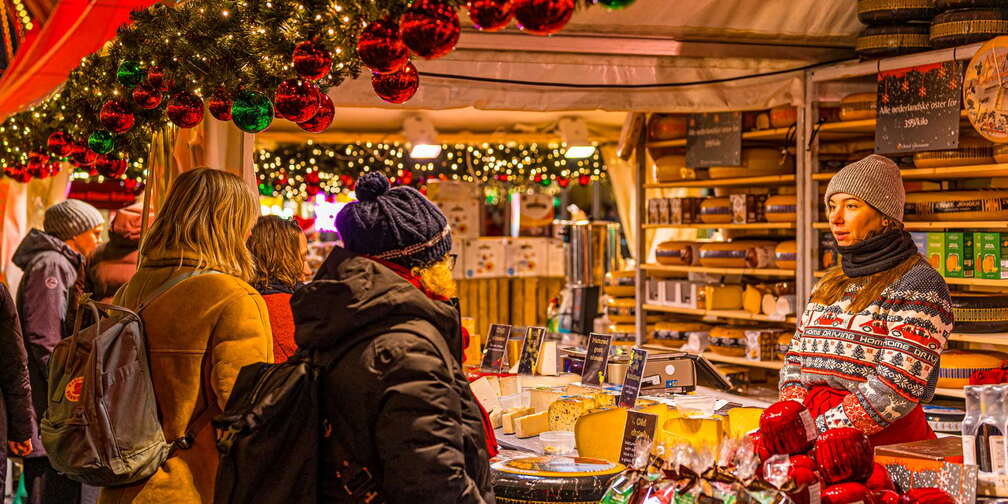 Staff pick
Bergen, Norway, transforms into a festive wonderland each holiday season with the Bergen Christmas Market at Festplassen. Visitors can stroll through rows of beautifully…
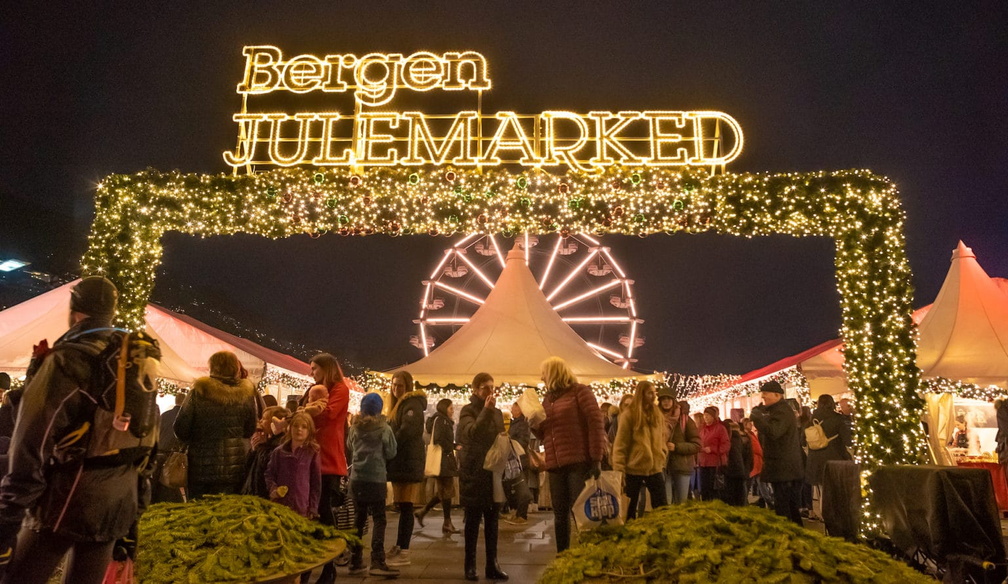 Staff pick
Looking for the ultimate holiday experience? Explore the enchanting Bergen Julemarked, crowned as Norway's Best Christmas Market in 2020. With over 300,000 visitors annually,…
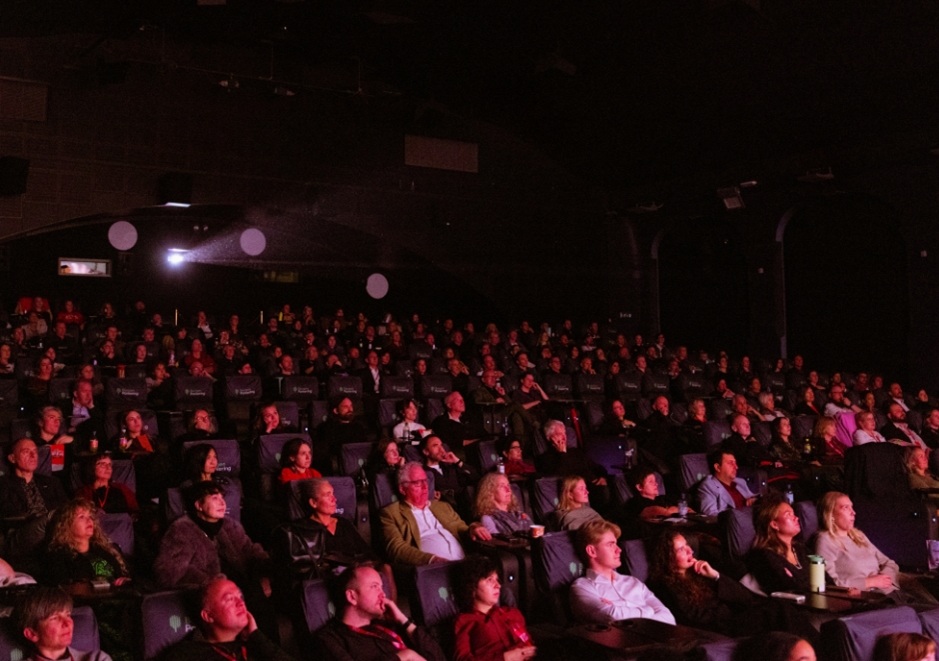 Staff pick
Bergen International Film Festival (BIFF) is Norway’s largest film festival, drawing over 50,000 attendees to Bergen each year. Established in 2000, BIFF presents a…
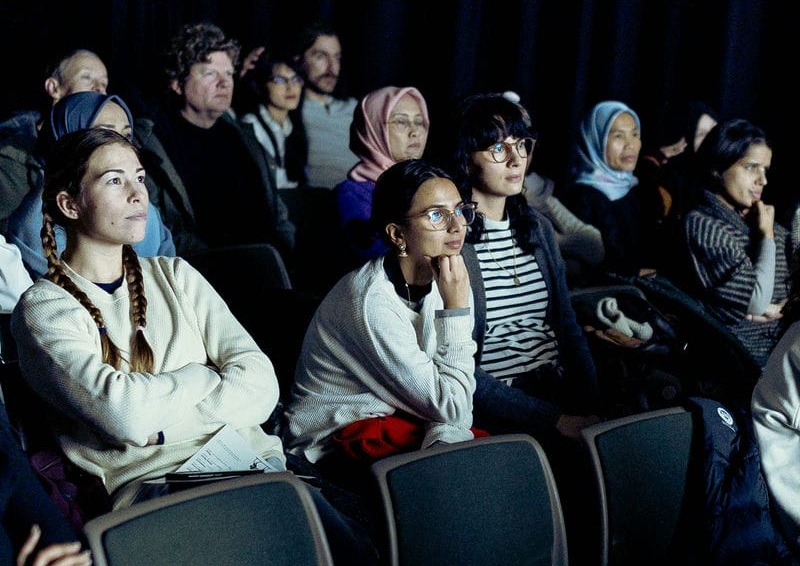 Staff pick
The Oslo Film Festival in Oslo, Norway, is an annual celebration of independent cinema, founded in 2017. The festival is dedicated to highlighting innovative…
 Staff pick
Natalie Renée McIntyre, better known by her stage name Macy Gray, is a singer and actress from Ohio. Known for her distinctive raspy voice…
 Staff pick
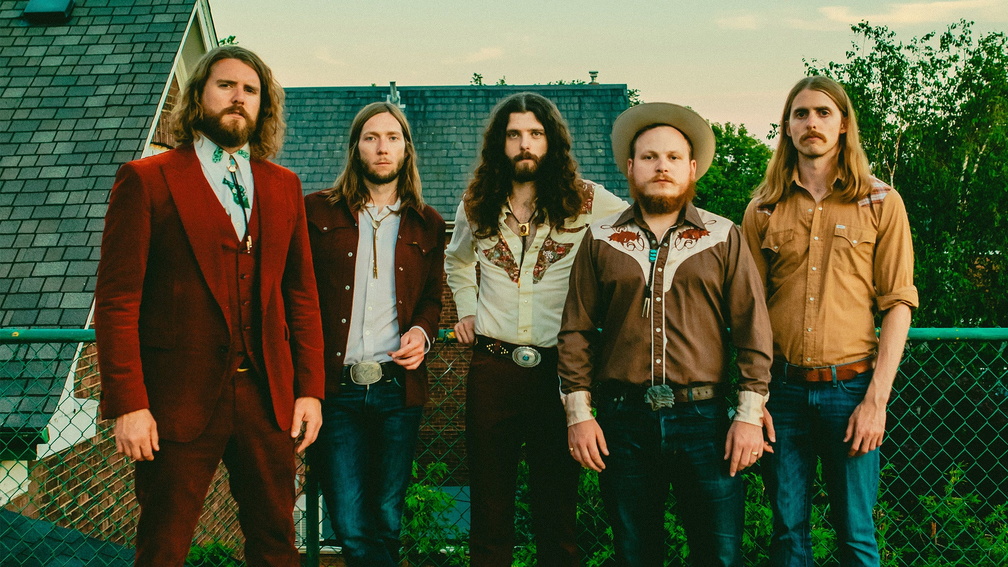
The Sheepdogs are a Canadian rock band celebrated for their vintage-inspired guitar riffs and harmonies reminiscent of 1970s classic rock. Their live performances are…
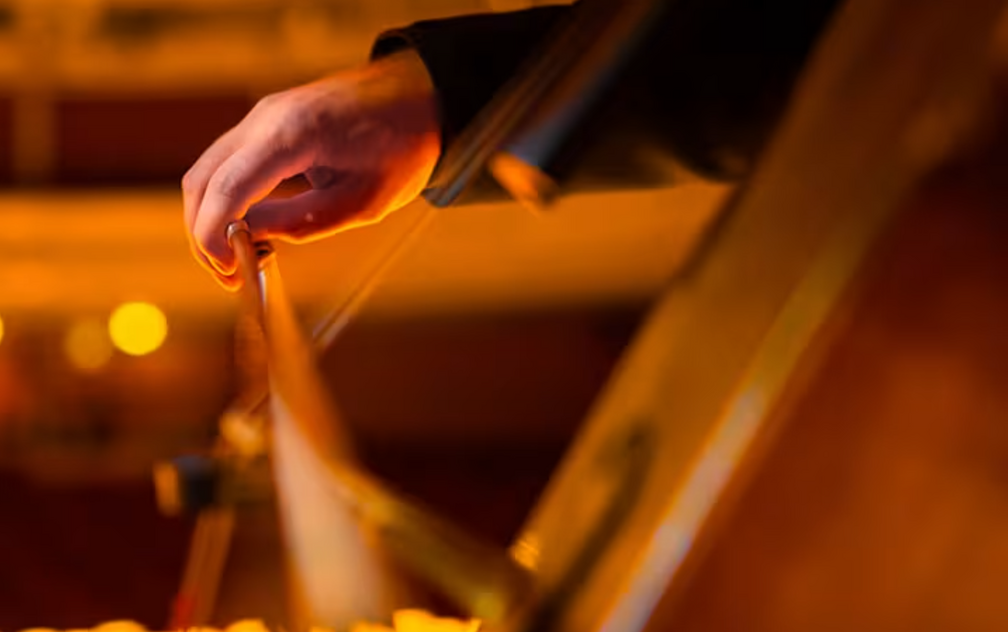
You can enjoy a unique Candlelight concert featuring the music of Coldplay and Imagine Dragons performed by a string quartet in the atmospheric setting…
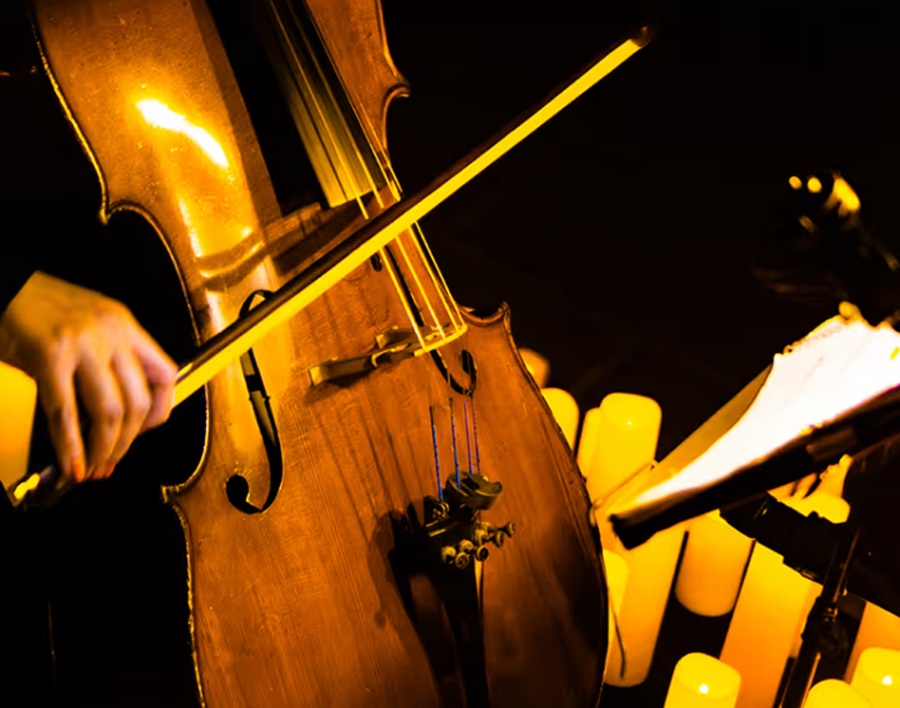
Candlelight: Tribute to Coldplay is a live musical experience featuring a string quartet performing Coldplay's music in an atmospheric setting illuminated by candlelight. The…
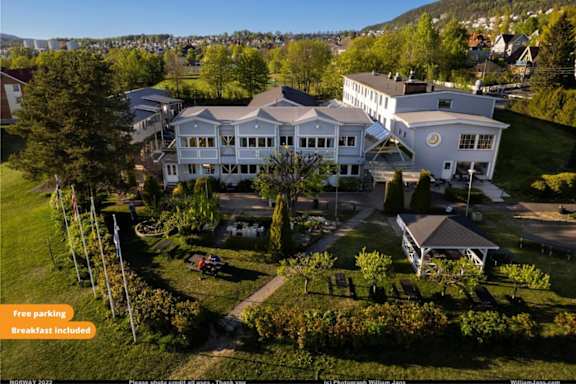
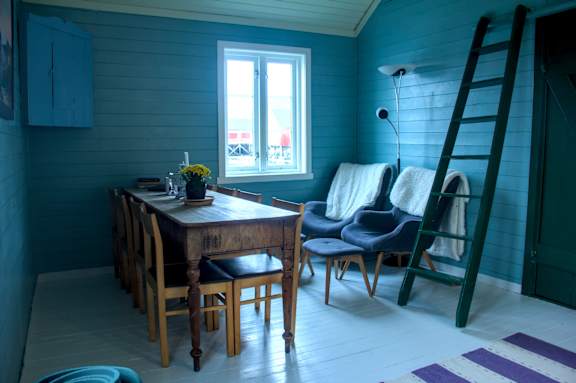
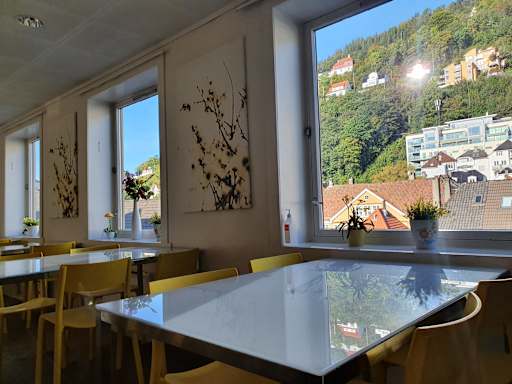
The highest-rated hostels in the country, live from Hostelworld. Kitchens matter more here than anywhere — check the listing has one before booking.
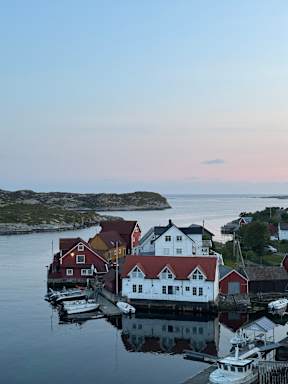
 Sustainable
 Sustainable
The ones we get asked most.

Compare hostels across Norway — live prices, real reviews and free cancellation on most bookings. Then meet the people already there in the app.

 Get the App.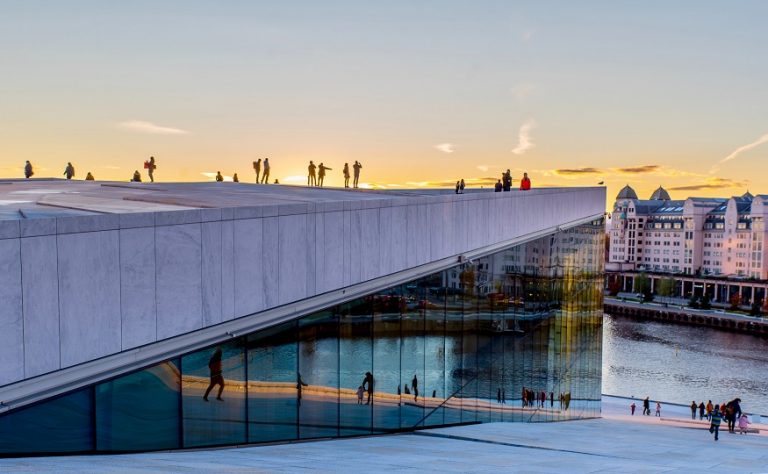
 Get the App.