Portugal
Portugal country guide

Things To Do In Portugal

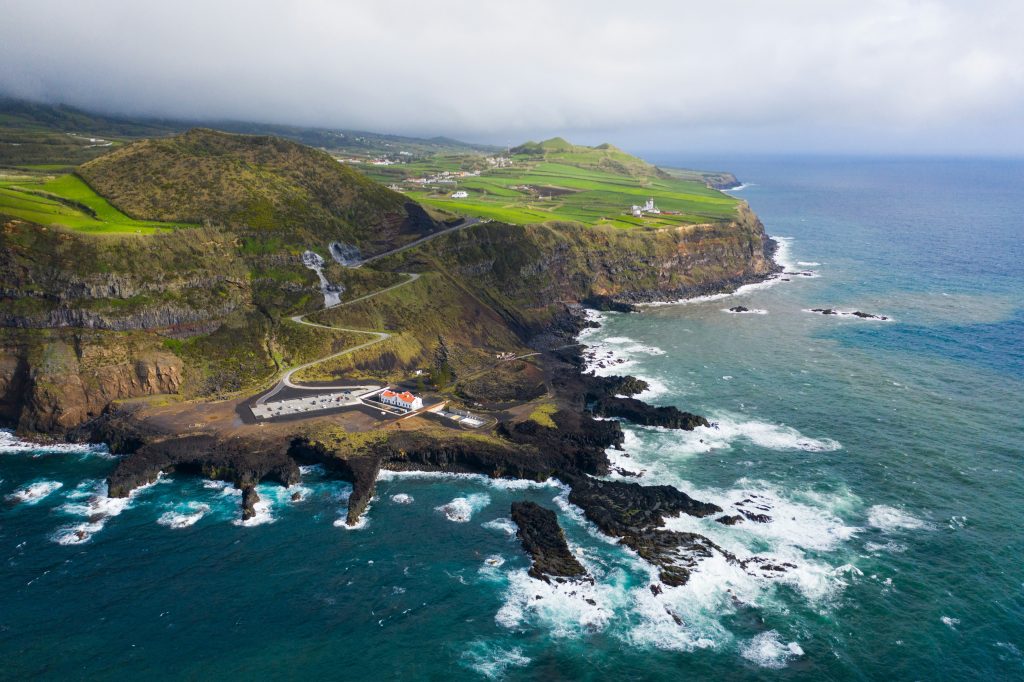
Eight hundred kilometres of Atlantic coast, two cities everyone falls for, and the cheapest good food in western Europe. Small enough to cross in a day, worth two weeks.

€19
Dorm bed, from
832km
Of coastline
2,800
Hours of sun a year in the Algarve
3h
Lisbon to Porto by train

Small country, long coast

Portugal is the size of Scotland and you can drive its length in six hours, which makes it the easiest country in Europe to see properly in two weeks. Almost everything of interest sits on or near the Atlantic, and the train down the coast links most of it.

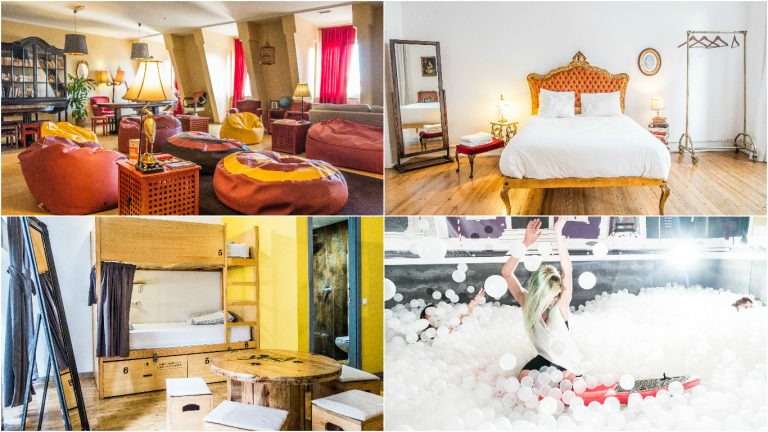
Lisbon and Porto carry the reputation, and both deserve it — hills, tiles, riverfronts, and hostels that are consistently among the best-rated anywhere. But the country between them is where prices drop and the crowds thin: Coimbra, Aveiro, the Alentejo villages, and a surf coast that runs the whole way down.

The Algarve is a separate decision. In July and August it is a package-holiday coast with prices to match; in May or October it is warm, half-empty and among the best value in Europe. Lagos is the backpacker capital either way.

Where to go

Trains link the main cities cheaply, and buses reach the rest. The islands are a flight of two to three hours.

Lisbon

Lisbon

81 hostels · dorms from €20

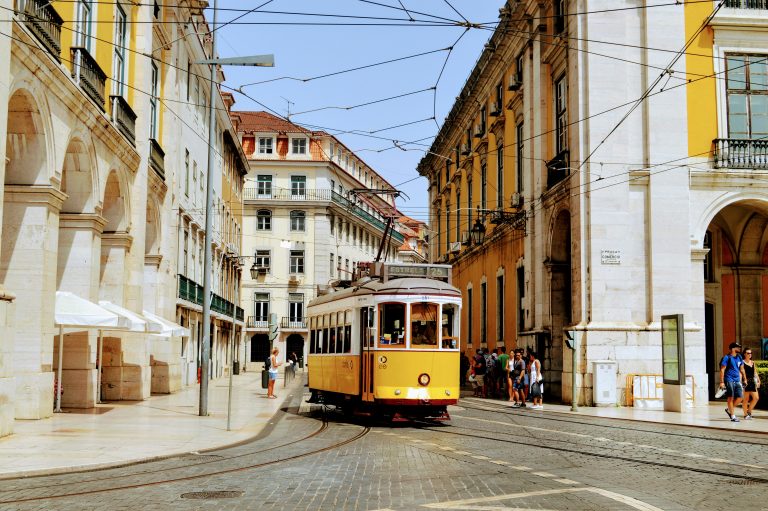
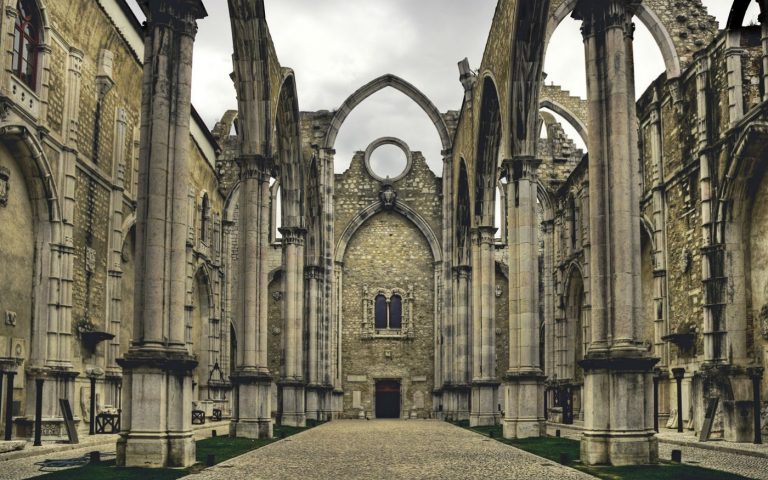
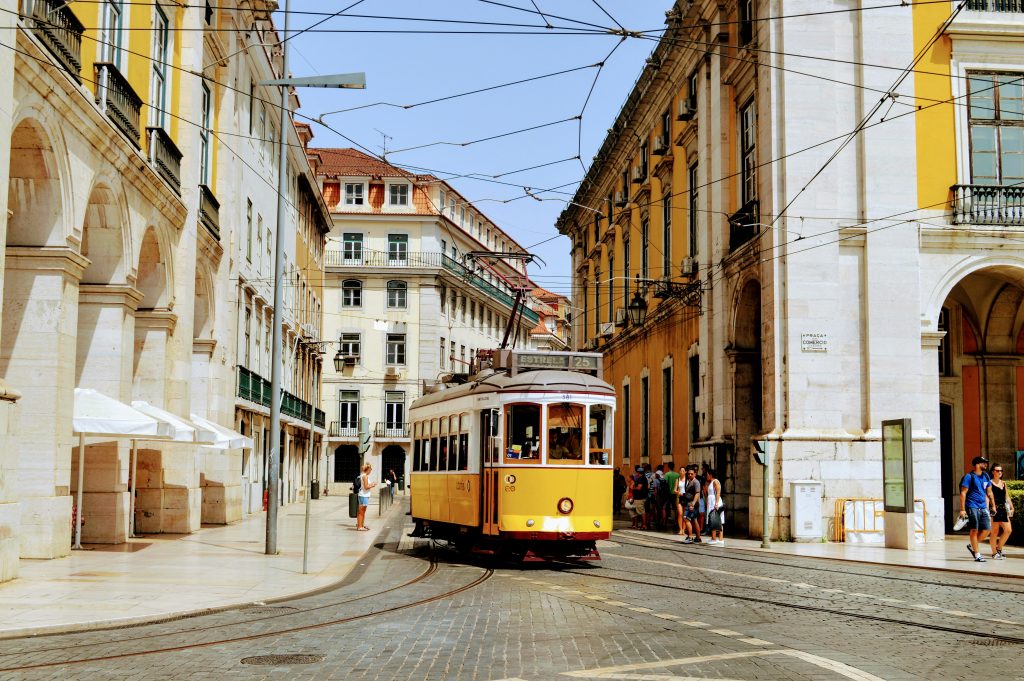
Seven hills, yellow trams and the best hostel scene in Europe. Busy, and still cheaper than any comparable capital.

Lisbon is a beautiful city with rich history and fascinating architecture- an eclectic mix of old and new. We only had a short visit but greatly enjoyed it!

A traveller, on Hostelworld
The Lisbon guide
Porto

Porto

61 hostels · dorms from €20

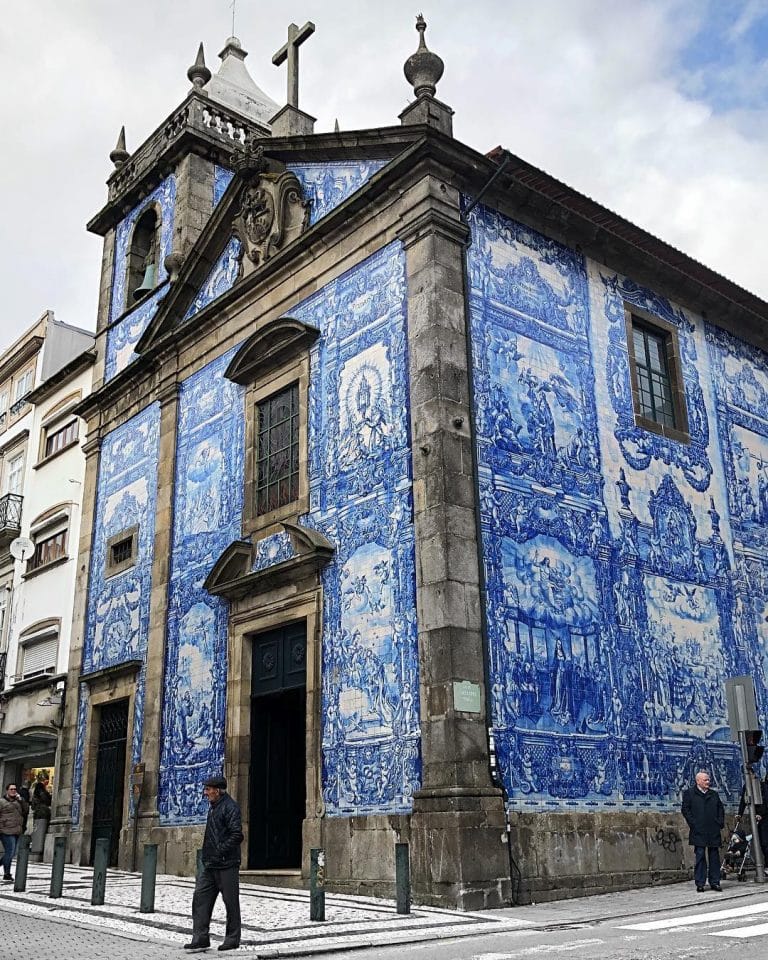
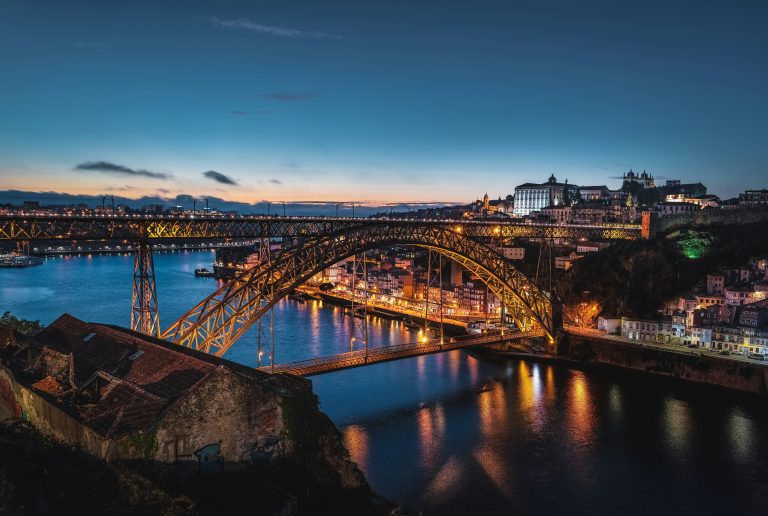
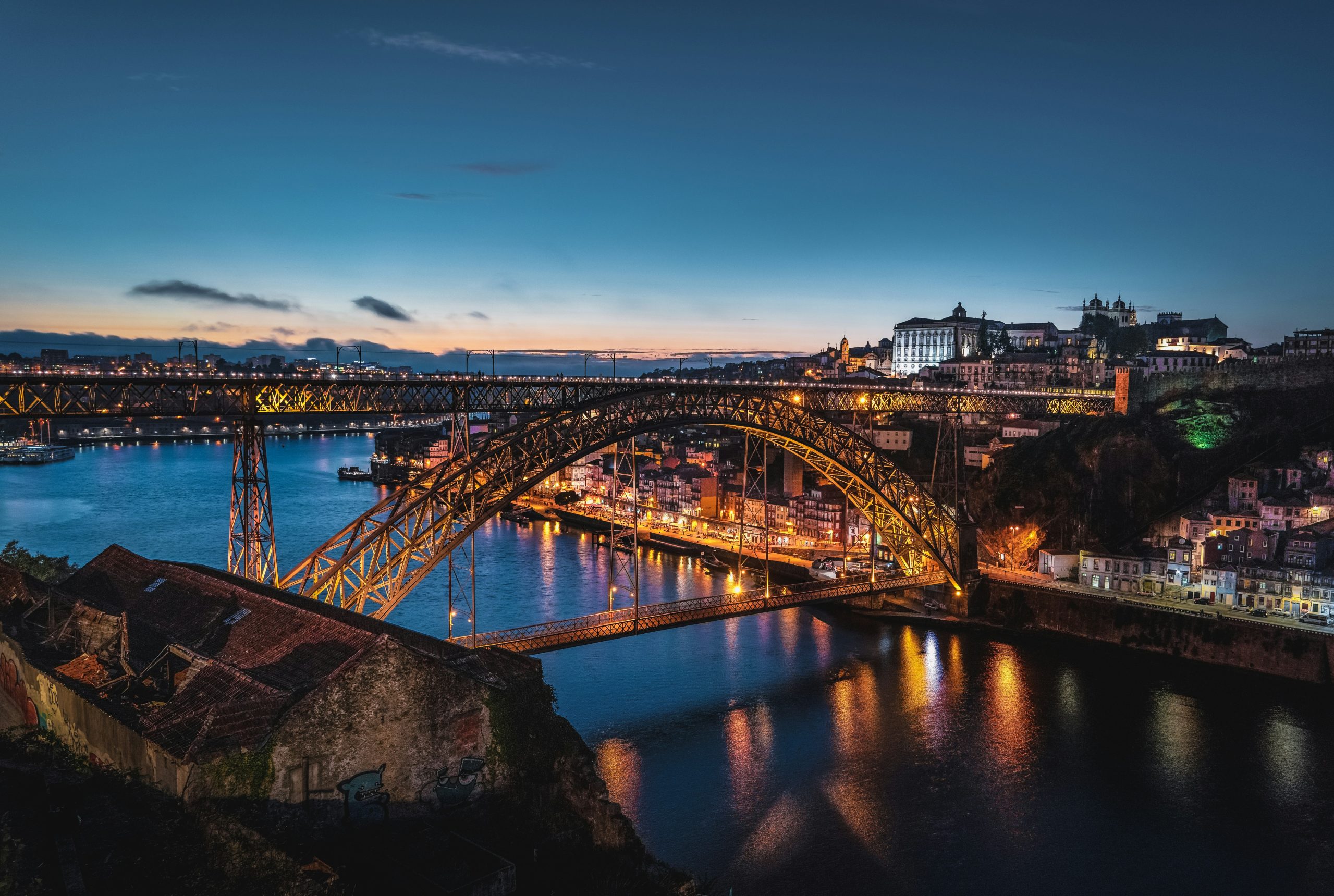
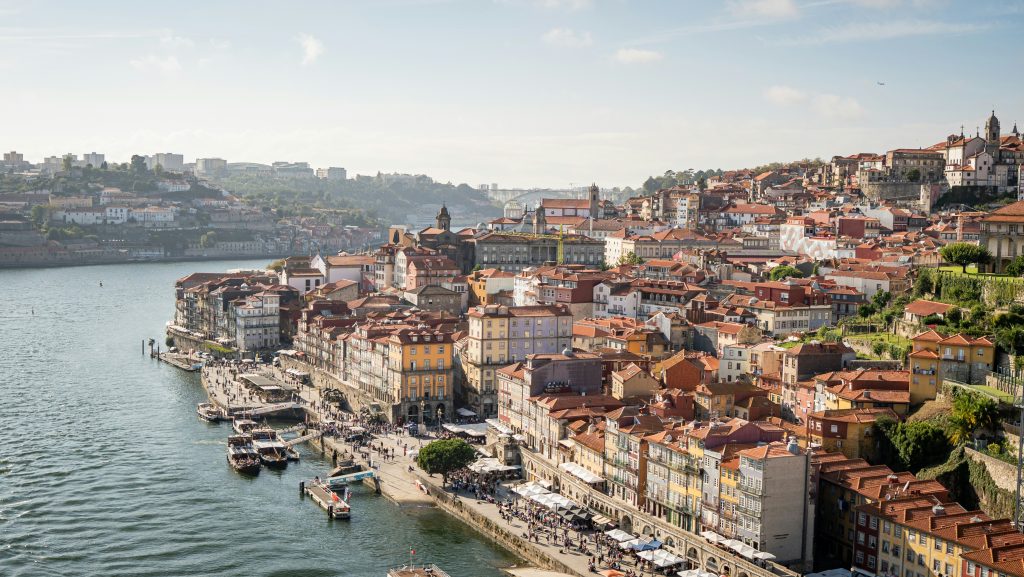
Smaller, steeper and grittier than Lisbon, with port cellars across the river. Many people prefer it.

Porto is visually stunning, safe and offers something for everyone. Beaches, rivers, tours, parties and culture. Whatever you need, Porto has it.

A traveller, on Hostelworld
The Porto guide
Lagos

Lagos

31 hostels · dorms from €27

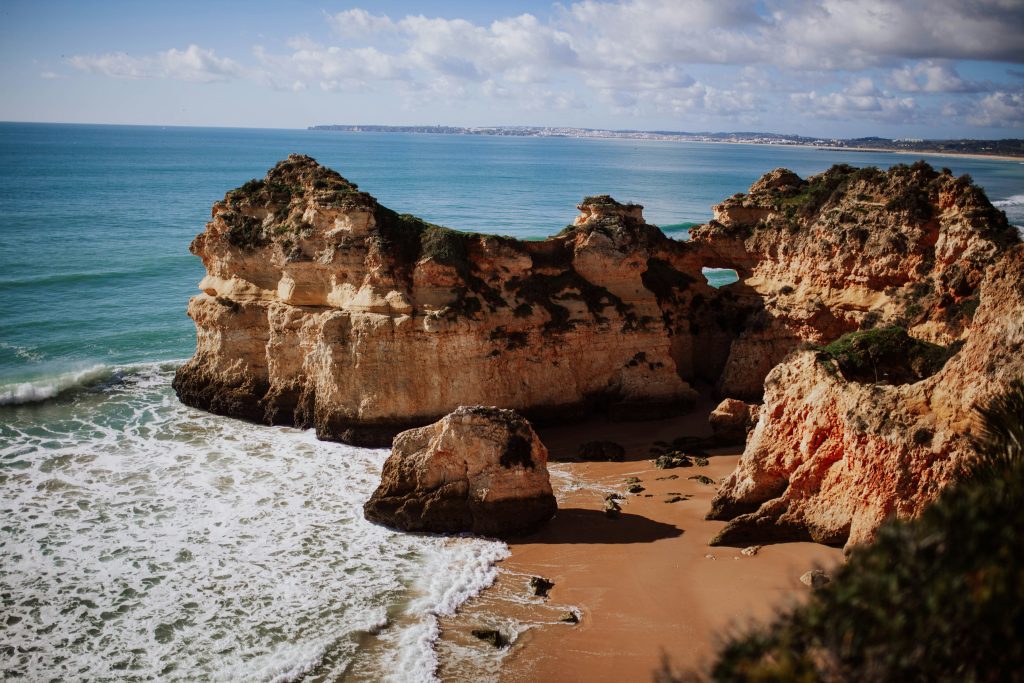
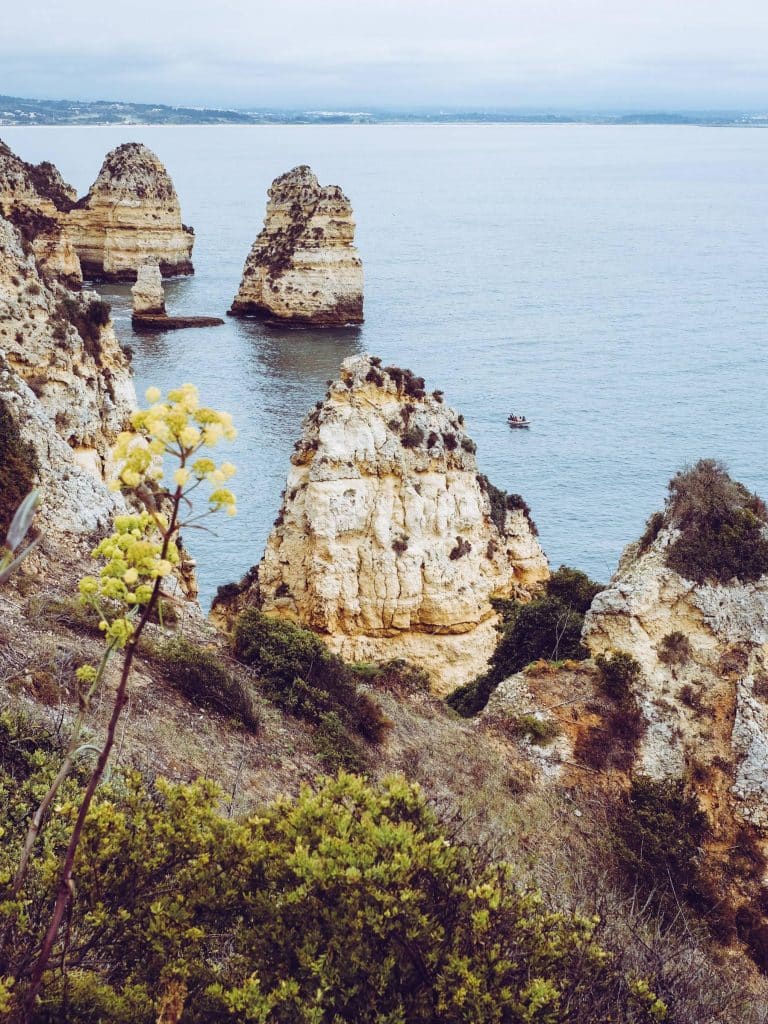
The Algarve backpacker town: cliffs, coves, boat trips and a party that runs all summer.

Lots to do and lots to see, great beaches, great boat trip excursions, and loads of nice places to eat and drink.

A traveller, on Hostelworld
The Lagos guide
Faro

Faro

21 hostels · dorms from €25

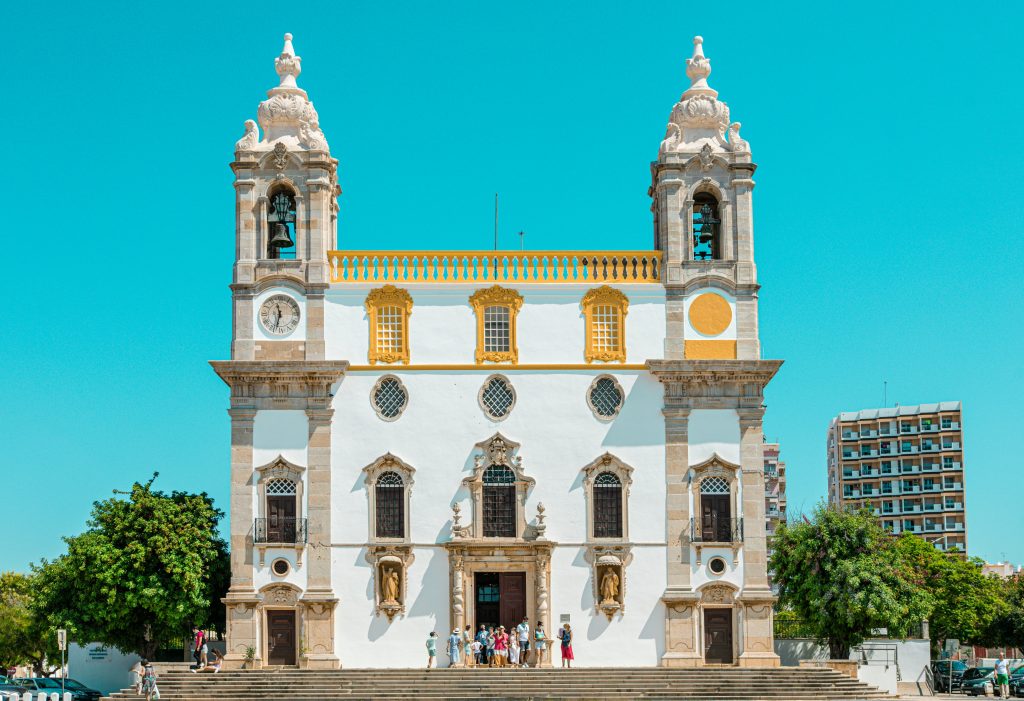
The airport city everyone skips. Old town, lagoon islands and a fraction of Lagos prices.

Lovely town with nice little touristy shopping streets and great access to gorgeous beaches and wetlands.

A traveller, on Hostelworld

The Faro guide
Coimbra

Coimbra

5 hostels

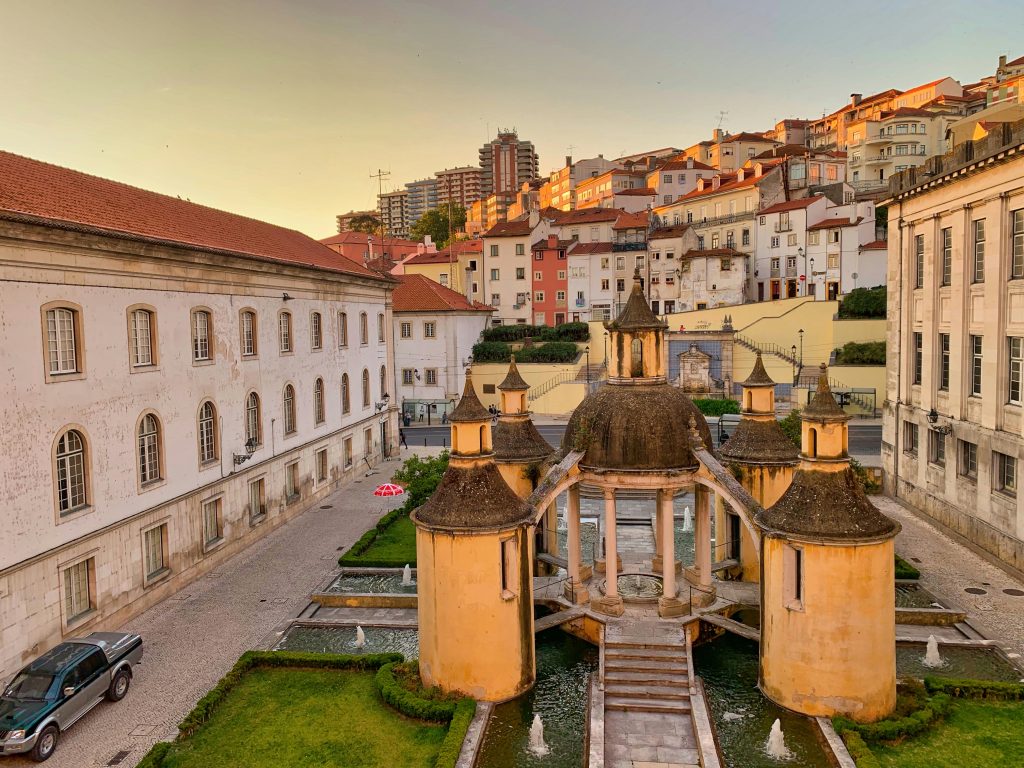
A university city with one of Europe's oldest libraries, and almost no visitors between the two big cities.

Coimbra is a charming small city that still oozes culture. Unlike many other cities that have suffered over-tourism , Coimbra is still hanging on. A must visit.

A traveller, on Hostelworld
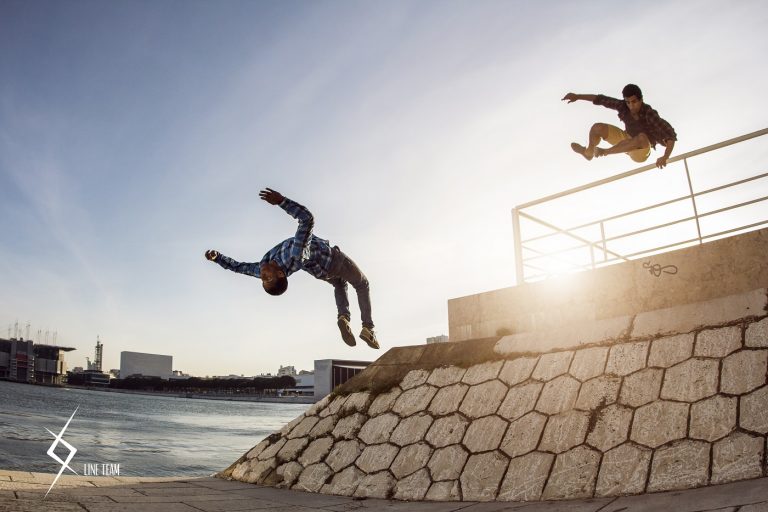
The Coimbra guide
Ericeira

Ericeira

15 hostels · dorms from €18

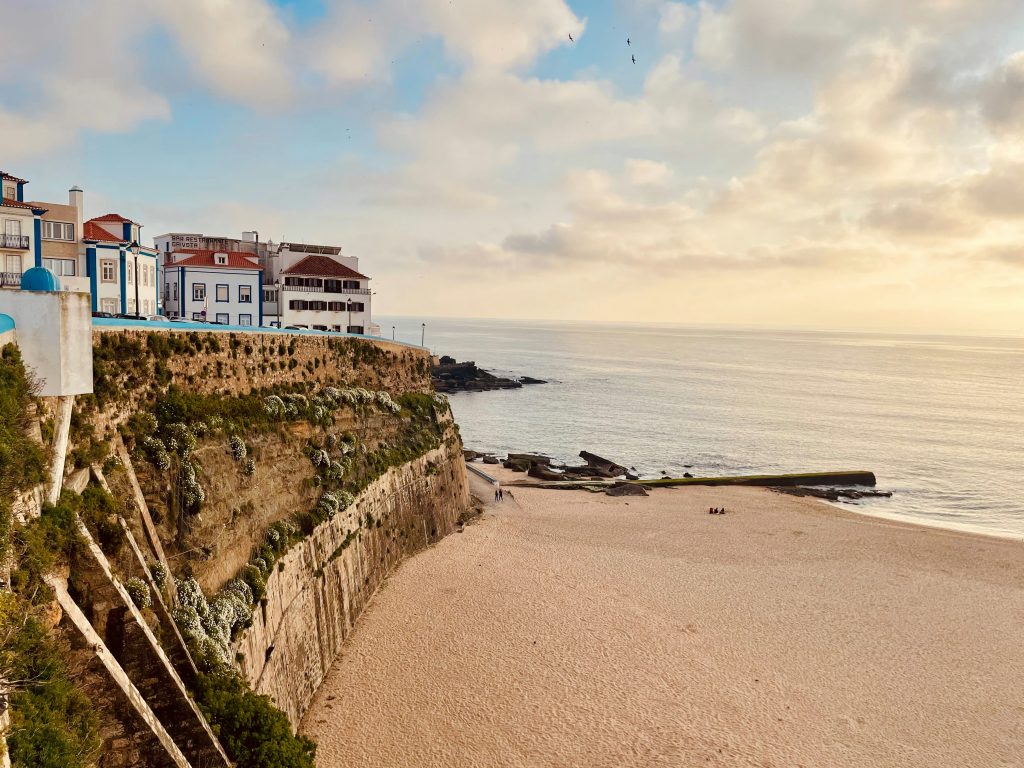
A World Surfing Reserve forty minutes from Lisbon. Surf schools, seafood and no nightlife to speak of.

I had a great time in Ericeira. If you are looking for a very pretty city where you can surf in Ericeira is perfect:) you have a lot of pretty beaches and the city center is beautiful. The city is not too big so you can ge to places by walking. Also Bolt (an App like Uber ) is very popular and a cheap way to travel.

A traveller, on Hostelworld
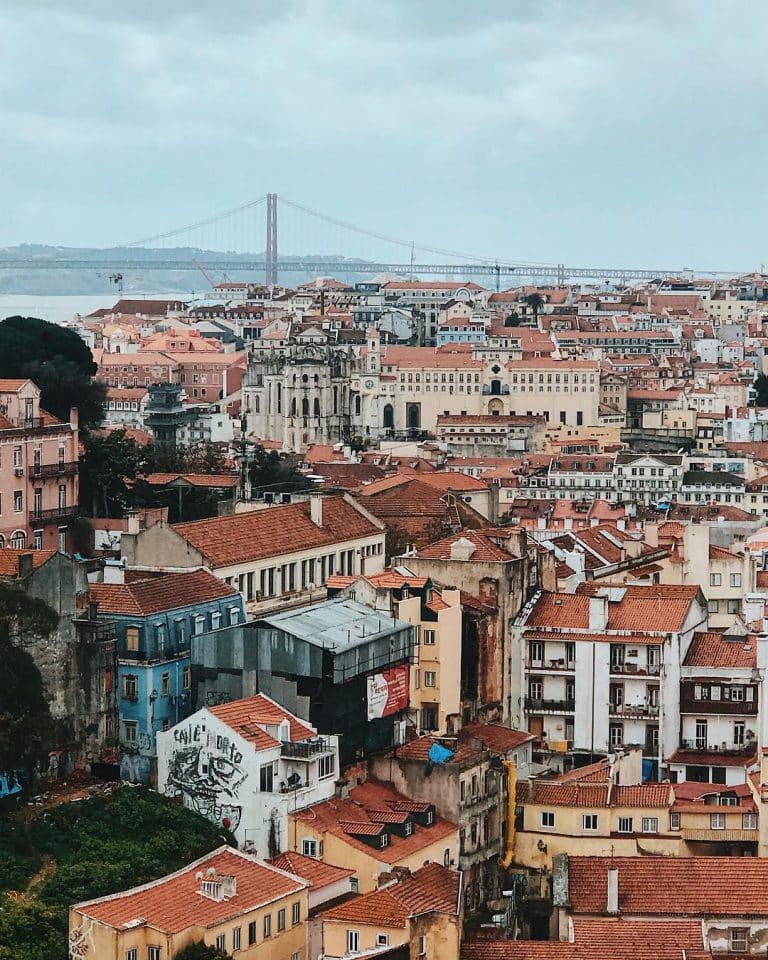
The Ericeira guide
Évora

Évora

2 hostels

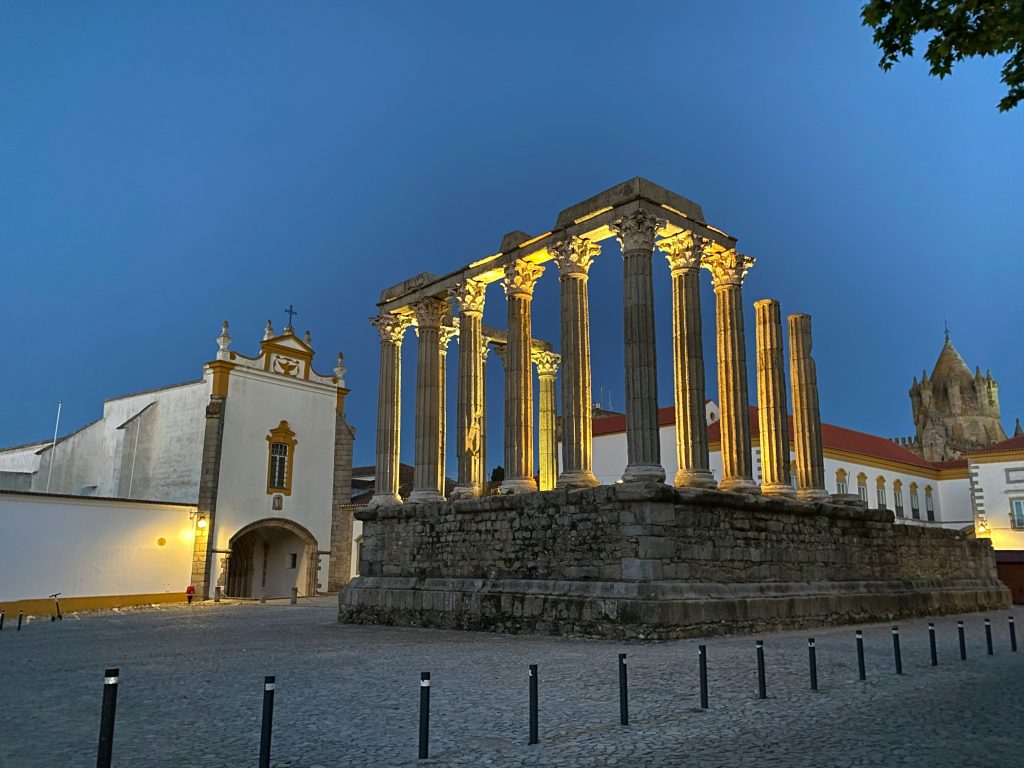
A walled Roman and medieval town in the Alentejo, with a chapel of bones and the best food in inland Portugal.

The Évora guide
Braga

Braga

5 hostels

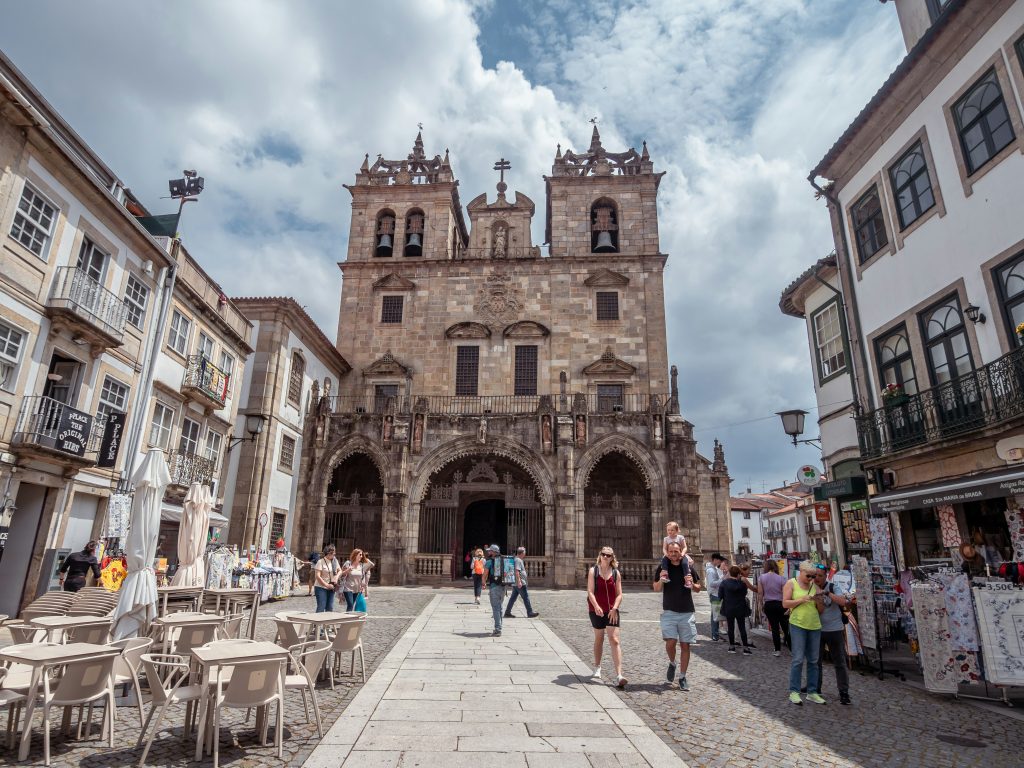
The religious capital, older than the country itself, with a baroque stairway and a student population.

The Braga guide
Aveiro

Aveiro

4 hostels

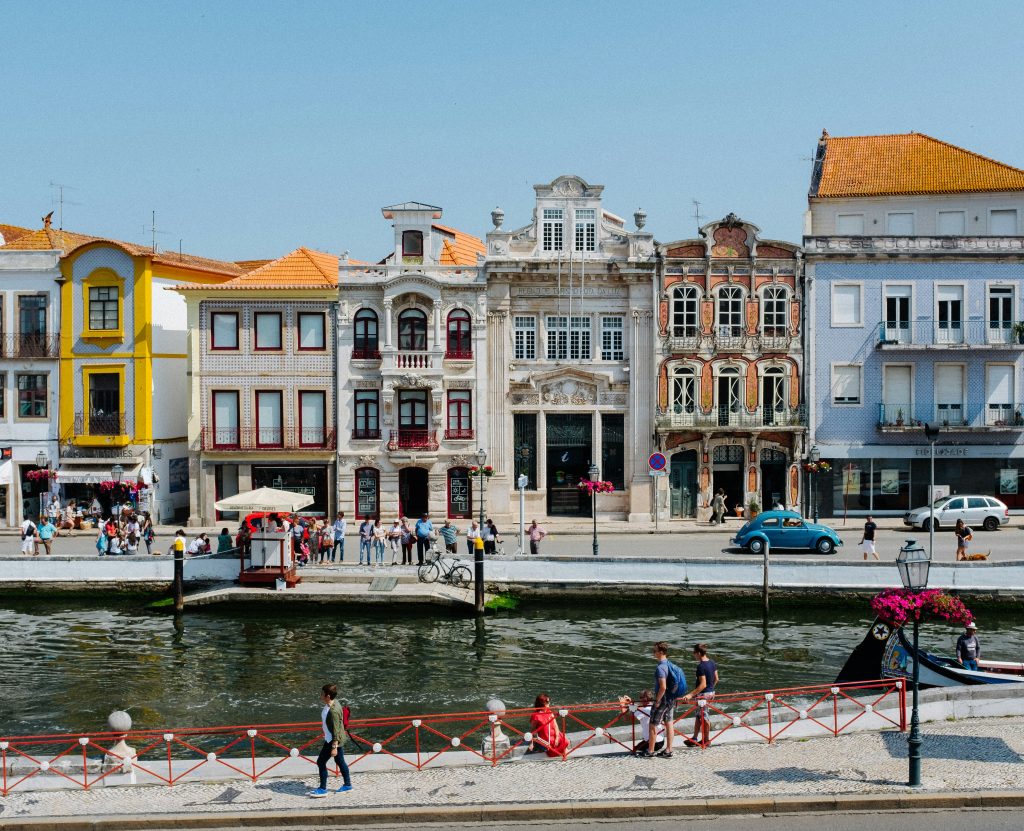
Canals, painted boats and art nouveau, with a long beach and egg-yolk sweets forty minutes from Porto.

The Aveiro guide
Funchal

Funchal

8 hostels

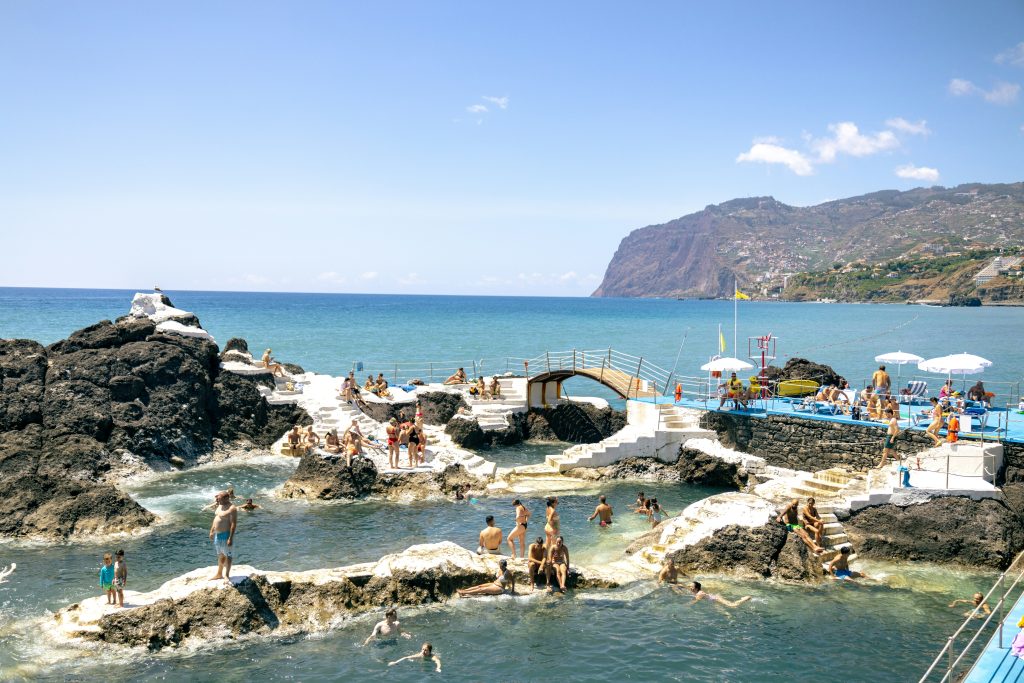
Madeira's capital: levada walks from the door, a cable car, and a year-round spring climate.

Loved the culture and walking everywhere. Sitting by the water with our books was relaxing too.

A traveller, on Hostelworld
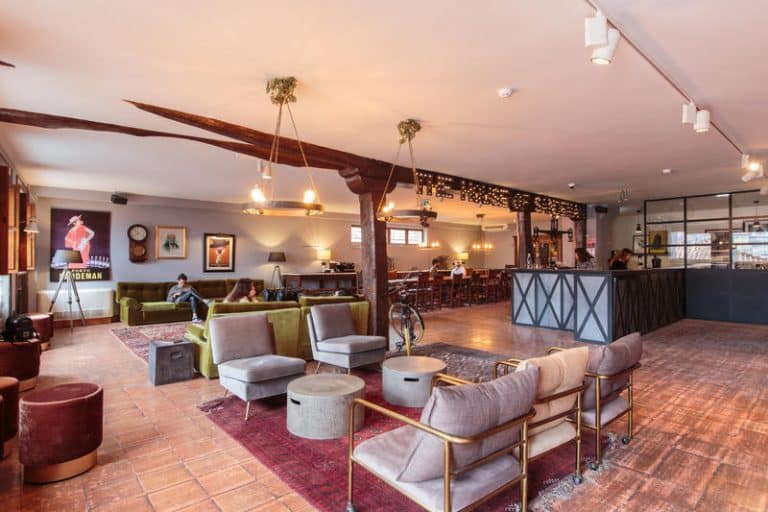
The Funchal guide
Ponta Delgada

Ponta Delgada

23 hostels

The Azores base on São Miguel: crater lakes, hot springs and whale watching in the middle of the Atlantic.

Ponta Delgada is easy to a lovely city, with helpful people and good transportation to get around.

A traveller, on Hostelworld
The Ponta Delgada guide

What kind of trip is this?

Portugal does most of these well. Pick the one that sounds like your week.

City break in Portugal

Three or four days in one city, no transport to plan.

What to do

  • Tram 28 early, before the queues
  • A day in Sintra
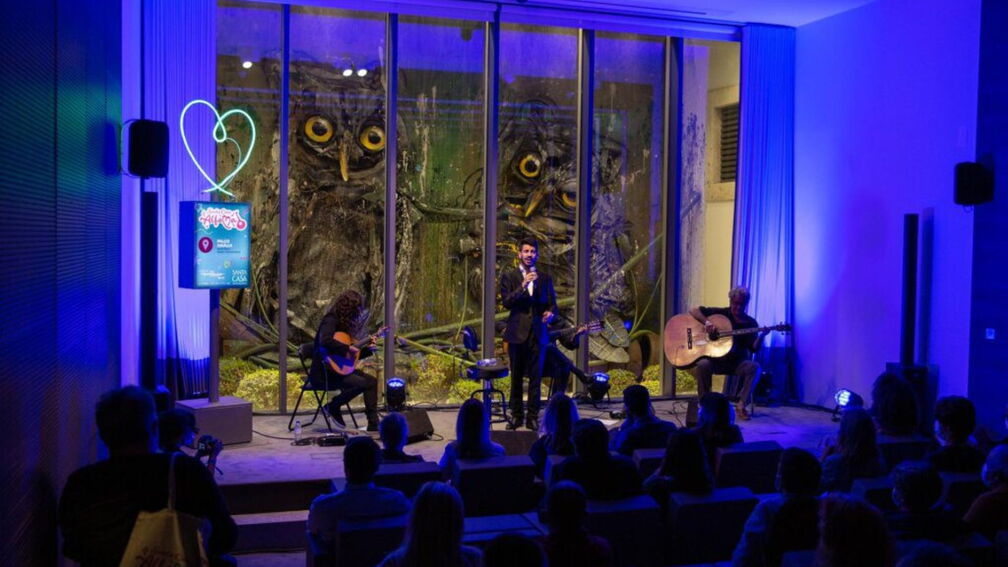
  • Fado in Alfama

Spots to visit

  • Alfama, Lisbon
  • Ribeira, Porto
  • Belém

Best cities for it

Things to do

Things to do in Portugal

Lisbon and Porto are walking cities that punish the unprepared with hills, so wear proper shoes and use the funiculars. In Lisbon, the Belém monuments, a day in Sintra and an evening of fado cover the essentials; in Porto, the Ribeira, a port cellar in Gaia and the Livraria Lello if you can face the queue.

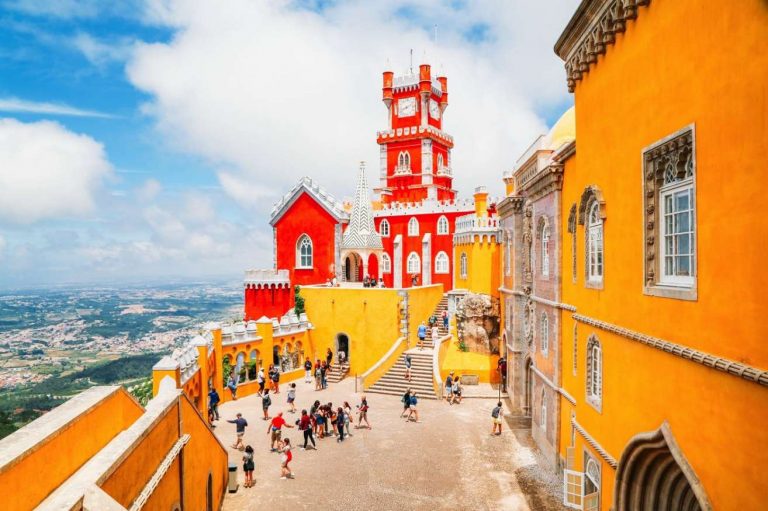
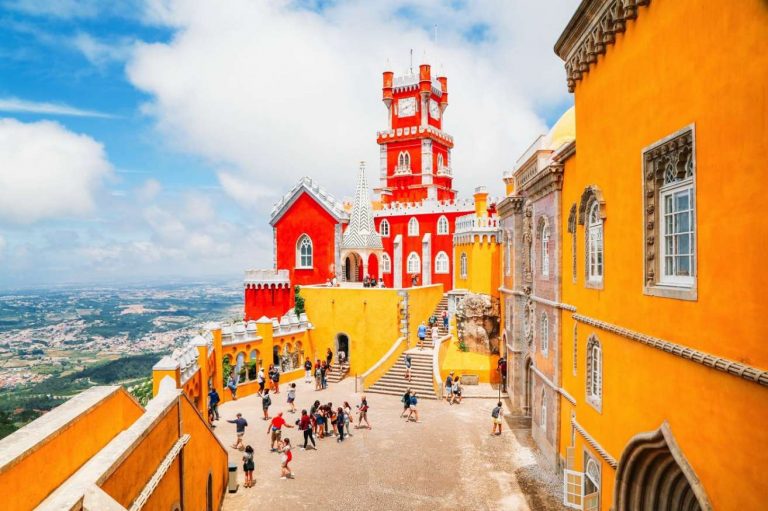
Sintra is the day trip everyone does and it deserves the reputation, but it is also a victim of it — go early, buy tickets in advance, and do two palaces rather than four.

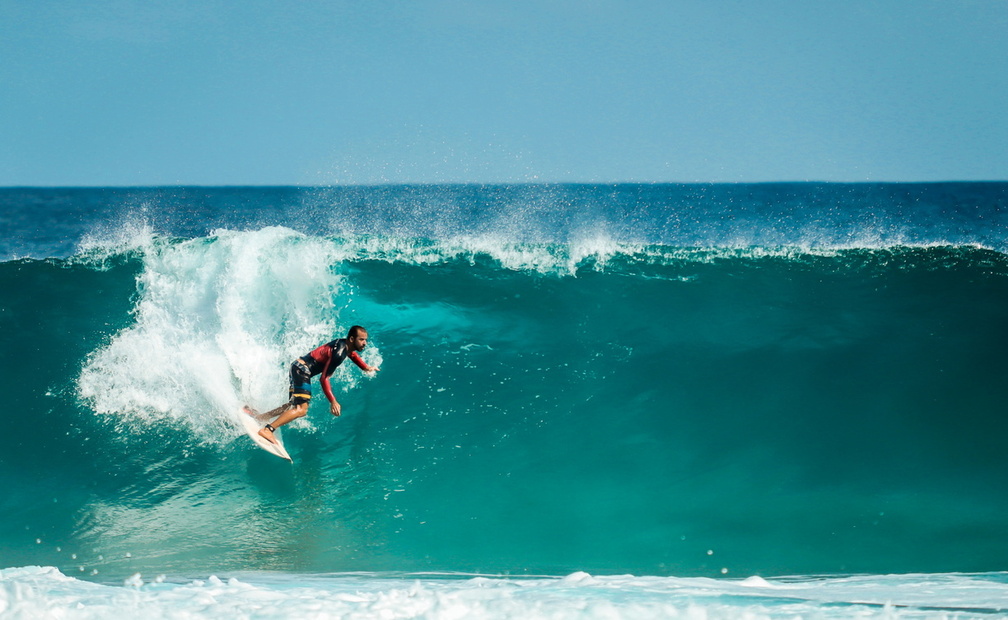
Away from the cities, the coast is the attraction. Cave boat trips at Lagos, surf lessons at Ericeira or Peniche, and the Rota Vicentina walking route down the southwest coast, which is the best thing in the country that nobody outside Portugal has heard of.

Food and drink

Eating in Portugal

Portugal is the best-value eating country in western Europe, and it is not close. A prato do dia — the lunchtime dish of the day, usually with soup and a drink — runs €8 to €12 in a proper tasca, and it is the same food the staff eat.

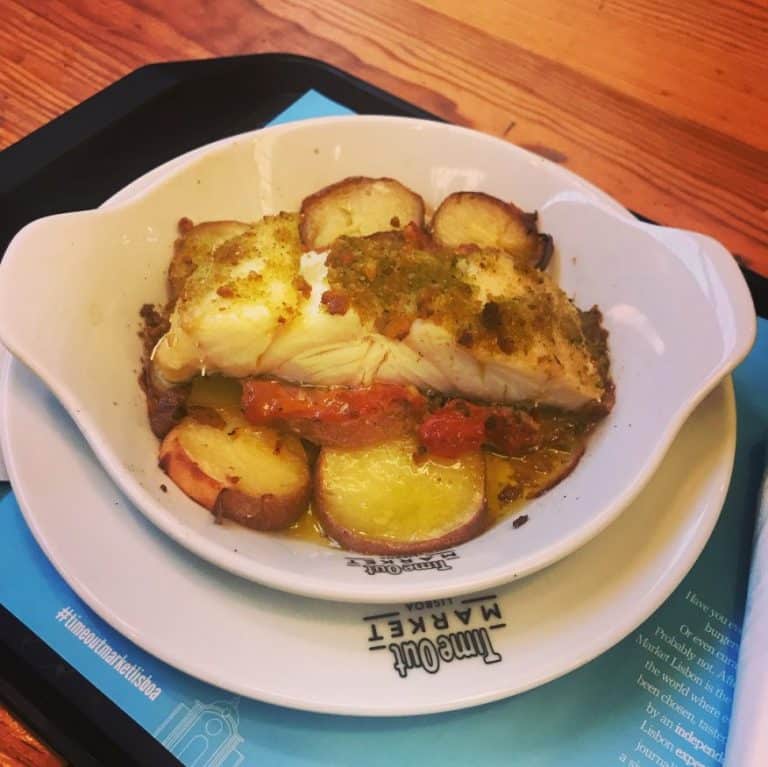
Seafood is the point. Grilled sardines in summer, cataplana on the coast, and bacalhau in a claimed 365 preparations. Inland the cooking turns to pork, bread stews and heavy Alentejo reds that cost less than the bottled water in some countries.

Pastéis de nata deserve their fame. The original recipe lives at Pastéis de Belém in Lisbon, though most Portuguese will argue their local pastelaria does them better, and they are usually right.

Nightlife

Going out in Portugal

Lisbon's nightlife happens in the street. Bairro Alto sells cheap drinks through bar windows and everyone stands outside until two, when the crowd moves down to Cais do Sodré and the clubs on Pink Street. It is sociable, walkable and cheap.

Porto is smaller and more student-driven, concentrated on Rua Galeria de Paris and the surrounding streets. Drinks cost less than Lisbon and the night starts later.

The Algarve in summer is a different animal — Lagos runs organised crawls out of the hostels and the strip stays open until dawn. Out of season the same town is quiet by eleven.

Getting around

Getting around Portugal

Comboios de Portugal runs the trains, and the Lisbon to Porto line is the one you will use: three hours on the Alfa Pendular, cheaper and slower on the Intercidades, and both a fraction of northern European fares. Book online a few days ahead for the discount.

Rede Expressos buses go where the trains do not, including the Alentejo and much of the Algarve interior. They are comfortable, cheap and usually the only sensible option for the surf towns.

A car is worth it for the Algarve coast, the Alentejo and the Douro valley, where the villages are the point and the buses are infrequent. In Lisbon and Porto it is a burden — parking is scarce and the hills are not designed for it.

Costs

What Portugal costs

Portugal is the cheapest country in western Europe and the gap is real: dorms from about €19, a full lunch for €10, a coffee for under a euro. Lisbon has risen sharply in the last decade and is no longer a bargain by Portuguese standards, but it still undercuts Madrid, Barcelona and every capital further north.

The Algarve is where the seasonal swing bites. A Lagos dorm that is €18 in May can be €40 in August, and the same beach is free either way.

Sightseeing is modest. Sintra's palaces are the biggest single expense at €15 to €20 each, and most museums sit under €10.

Safety

Staying safe in Portugal

Portugal is consistently ranked among the safest countries in the world and feels it. Violent crime against travellers is rare, and walking home at night in Lisbon or Porto is unremarkable.
Pickpocketing is the exception, concentrated on Lisbon's tram 28, the metro at rush hour and crowded viewpoints. Drug dealers approach visitors constantly in Baixa and Bairro Alto — what they are selling is usually fake, and the interaction is a nuisance rather than a threat.

The Atlantic is the underestimated risk. The currents are strong, the water is cold year-round, and unpatrolled beaches drown swimmers every summer. Swim between the flags, and treat the surf as genuinely powerful rather than scenic.

Entry and documents

Entry and documents

Portugal is in the Schengen area. EU citizens need an ID card only. UK, US, Canadian and Australian passport holders get 90 days in any 180 across the entire Schengen zone, which is counted across all member countries rather than per country.

Passports must have three months' validity beyond your departure date and have been issued within the last ten years. ETIAS, the EU's pre-travel authorisation, has had its launch postponed several times, so check the official EU site before travelling rather than relying on older articles.

Portugal has become a common base for remote workers, and there are specific visas for it — the digital nomad and D7 routes — but none of them are things you arrange on arrival.

When to go

Portugal has a long shoulder season that other countries would call summer. April to June and September to October are warm, cheap and uncrowded, and the sea is coldest exactly when the air is hottest.

15°
Jan
Cheapest month. Mild, wet, and the cities are yours
16°
Feb
Carnival, and still almost no visitors
18°
Mar
Warming up, wildflowers in the Alentejo
20°
Apr
Excellent. Easter lifts prices for a week
22°
May
The best month. Warm, dry, sea still cold
25°
Jun
Santos Populares fills Lisbon for a fortnight
28°
Jul
Hot and busy. Algarve at peak prices
29°
Aug
Peak everything, and Portuguese holidays on top
27°
Sep
Warmest sea of the year, crowds thinning
23°
Oct
The other best month. Surf season starts properly
19°
Nov
Quiet and wet, and very cheap
16°
Dec
Mild, with a spike over Christmas and New Year
Bar height is temperature. Colour is how busy it gets: quiet busy peak

Average highs for Lisbon. The Algarve runs two to three degrees warmer, Porto cooler and wetter. The Atlantic stays between 15 and 20°C all year.

What your trip will cost

Pick how you travel and how long for. Per night, for one person, at Portuguese prices rather than western European averages.

Excludes intercity travel. Lisbon to Porto is about €25 by train booked ahead, less by bus.

—
  • Beds—
  • Food and drink—
  • Getting around—
  • Doing things—
What's on

What is on while you are there

Portugal's calendar is smaller than its neighbours' and better for it. These are the weeks worth planning around.

Portugal travel questions

The ones we get asked most.

How many days do you need in Portugal?
A week covers Lisbon and Porto with a day trip from each. Two weeks lets you add the Algarve or the surf coast, and the country is small enough that nothing needs a long transfer.
Is Portugal cheap?
It is the cheapest country in western Europe. Dorms from €19, a full lunch for €8 to €12, coffee under a euro. Lisbon has got more expensive but still undercuts every capital north of it.
When is the best time to visit Portugal?
May, September and October. April and June are also good, with June bringing the Santos Populares festivals to Lisbon. July and August are hot, busy and expensive on the Algarve.
Lisbon or Porto?
Lisbon is bigger, sunnier and has more to do; Porto is more compact, cheaper and many people find it more charming. Three hours apart by train, so the honest answer is both.
Is Portugal safe for solo travellers?
Among the safest countries in Europe, and the hostel culture makes it one of the easiest to travel alone. Watch for pickpockets on tram 28 and respect the Atlantic — the currents are strong and the sea is cold all year.
Do I need a car in Portugal?
Not for Lisbon, Porto or anywhere on the train line. Worth renting for the Algarve coast, the Alentejo or the Douro valley, where buses are infrequent and the villages are the attraction.
Is the Algarve worth it in summer?
It is beautiful and it is busy: prices roughly double in July and August and the popular beaches fill by mid-morning. May, June, September and October give you the same coast at half the price.

Say yes to hostels, meet the world
Compare hostels across Portugal — live prices, real reviews and free cancellation on most bookings. Then meet the people already there in the app.
Get the App. QRGet the App.
Get the App. QR  Get the App.
Scroll to Top