Nature's calendar

Nature’s Calendar: When and Where To See Natural Phenomena

See what's on this month

  • 13moments in nature
  • 41places to see them
  • 24countries

Dates checked October 2026

Plan by month

Nature's calendar at a glance

Pick a month to see what is happening where, or scan the whole year below.

Moment Jan Feb Mar Apr May Jun Jul Aug Sep Oct Nov Dec
Cherry blossom season Kyoto, Tokyo, Washington DC Kyoto, Tokyo, Seoul, Washington DC
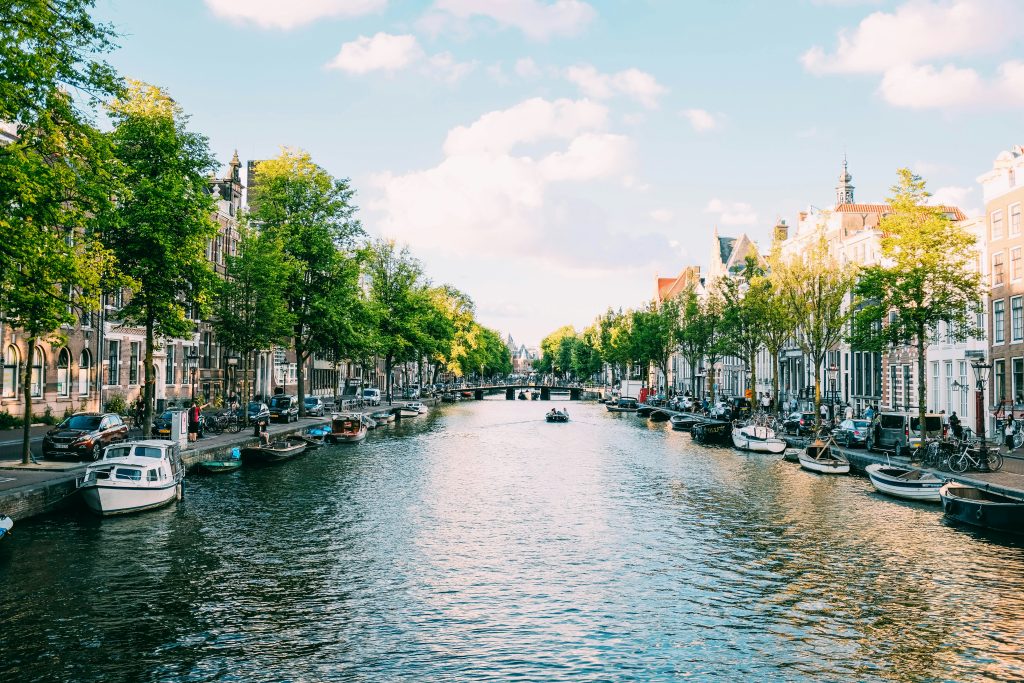
Tulip season Keukenhof and the bulb fields, Lisse, Amsterdam Keukenhof and the bulb fields, Lisse
Jacaranda season Mexico City Mexico City Mexico City Lisbon Lisbon Pretoria Pretoria
Lavender season Valensole Plateau, Provence Valensole Plateau, Provence, Furano, Hokkaido
Firefly season Kuala Selangor (Kampung Kuantan and Bukit Belimbing) Kuala Selangor (Kampung Kuantan and Bukit Belimbing) Kuala Selangor (Kampung Kuantan and Bukit Belimbing) Kuala Selangor (Kampung Kuantan and Bukit Belimbing) Elkmont, Great Smoky Mountains National Park, Kuala Selangor (Kampung Kuantan and Bukit Belimbing) Tokyo area (Fussa, Hachioji, Mitaka and Ome), Elkmont, Great Smoky Mountains National Park, Kuala Selangor (Kampung Kuantan and Bukit Belimbing) Kuala Selangor (Kampung Kuantan and Bukit Belimbing) Kuala Selangor (Kampung Kuantan and Bukit Belimbing) Kuala Selangor (Kampung Kuantan and Bukit Belimbing) Kuala Selangor (Kampung Kuantan and Bukit Belimbing) Kuala Selangor (Kampung Kuantan and Bukit Belimbing) Kuala Selangor (Kampung Kuantan and Bukit Belimbing)
Bioluminescent bays and beaches Mosquito Bay, Vieques, Laguna Grande, Fajardo, Maldives (Vaadhoo and other local islands) Mosquito Bay, Vieques, Laguna Grande, Fajardo, Maldives (Vaadhoo and other local islands) Mosquito Bay, Vieques, Laguna Grande, Fajardo, Maldives (Vaadhoo and other local islands), Toyama Bay firefly squid, Namerikawa Mosquito Bay, Vieques, Laguna Grande, Fajardo, Maldives (Vaadhoo and other local islands), Toyama Bay firefly squid, Namerikawa Mosquito Bay, Vieques, Laguna Grande, Fajardo, Maldives (Vaadhoo and other local islands), Toyama Bay firefly squid, Namerikawa Mosquito Bay, Vieques, Laguna Grande, Fajardo, Maldives (Vaadhoo and other local islands) Mosquito Bay, Vieques, Laguna Grande, Fajardo, Maldives (Vaadhoo and other local islands) Mosquito Bay, Vieques, Laguna Grande, Fajardo, Maldives (Vaadhoo and other local islands) Mosquito Bay, Vieques, Laguna Grande, Fajardo, Maldives (Vaadhoo and other local islands) Mosquito Bay, Vieques, Laguna Grande, Fajardo, Maldives (Vaadhoo and other local islands) Mosquito Bay, Vieques, Laguna Grande, Fajardo, Maldives (Vaadhoo and other local islands) Mosquito Bay, Vieques, Laguna Grande, Fajardo, Maldives (Vaadhoo and other local islands)
Turtle hatching season Mon Repos, Bundaberg Mon Repos, Bundaberg Mon Repos, Bundaberg Rekawa Beach Rekawa Beach Rekawa Beach Laganas Bay, Zakynthos, Rekawa Beach Laganas Bay, Zakynthos Tortuguero National Park, Laganas Bay, Zakynthos Tortuguero National Park Tortuguero National Park Tortuguero National Park
Whale watching season São Miguel (Ponta Delgada), Azores São Miguel (Ponta Delgada), Azores São Miguel (Ponta Delgada), Azores Húsavík, São Miguel (Ponta Delgada), Azores, Hermanus Hervey Bay, Húsavík, Hermanus Hervey Bay, Húsavík, Hermanus Hervey Bay, Hermanus Hervey Bay, Hermanus Hermanus
The Great Migration Southern Serengeti and Ndutu plains Southern Serengeti and Ndutu plains Masai Mara National Reserve Masai Mara National Reserve Masai Mara National Reserve Masai Mara National Reserve
Autumn leaves Vermont, Algonquin Provincial Park, Ontario Vermont, Algonquin Provincial Park, Ontario, Highland Perthshire (Pitlochry) Kyoto
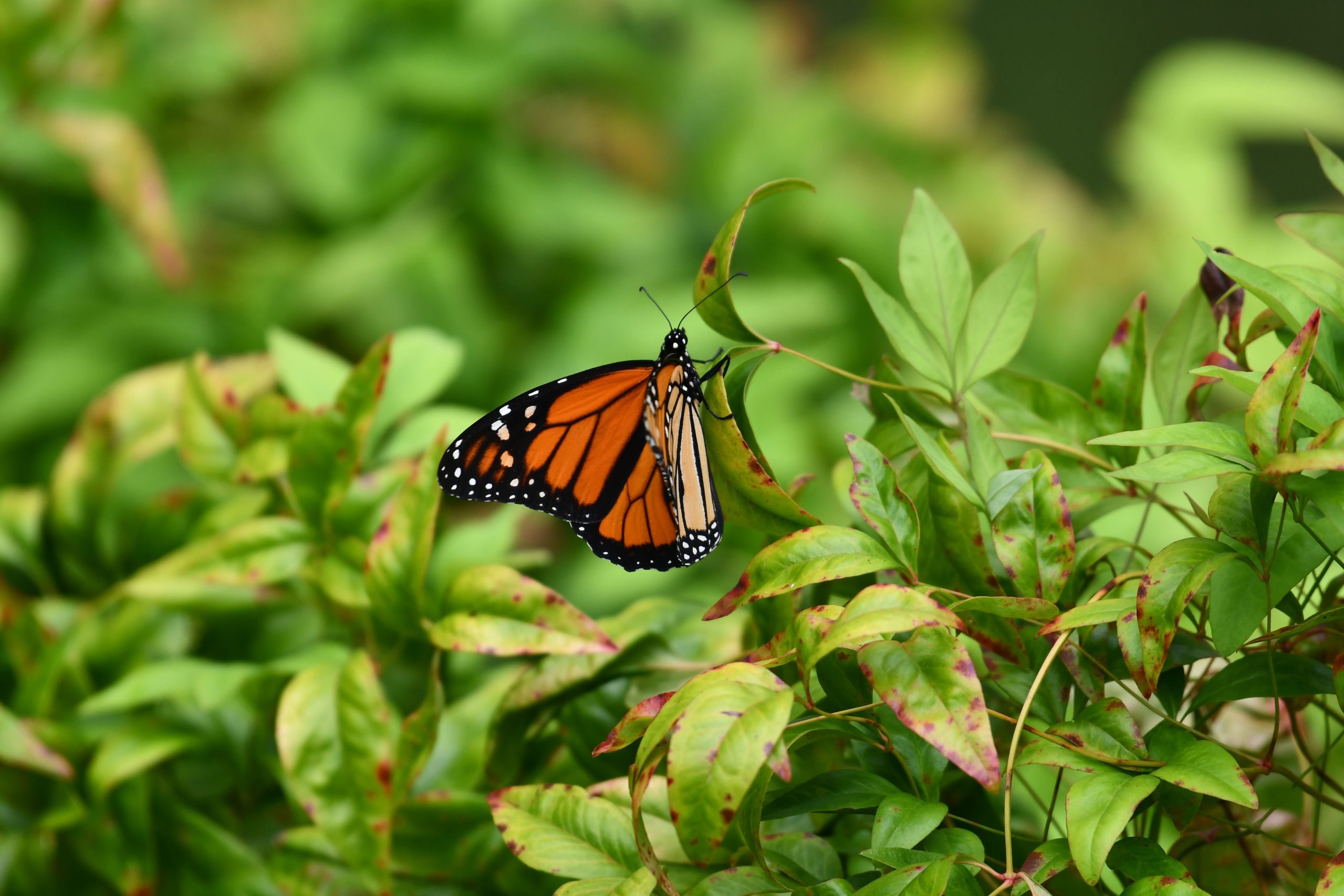
Monarch butterfly migration El Rosario Sanctuary, Monarch Butterfly Biosphere Reserve, Pacific Grove Monarch Sanctuary El Rosario Sanctuary, Monarch Butterfly Biosphere Reserve El Rosario Sanctuary, Monarch Butterfly Biosphere Reserve El Rosario Sanctuary, Monarch Butterfly Biosphere Reserve, Pacific Grove Monarch Sanctuary El Rosario Sanctuary, Monarch Butterfly Biosphere Reserve, Pacific Grove Monarch Sanctuary
Northern lights Tromsø, Iceland (Reykjavík and beyond), Rovaniemi, Finnish Lapland, Abisko, Swedish Lapland Tromsø, Iceland (Reykjavík and beyond), Rovaniemi, Finnish Lapland, Abisko, Swedish Lapland Tromsø, Iceland (Reykjavík and beyond), Rovaniemi, Finnish Lapland, Abisko, Swedish Lapland Tromsø, Iceland (Reykjavík and beyond), Rovaniemi, Finnish Lapland Tromsø, Iceland (Reykjavík and beyond), Rovaniemi, Finnish Lapland Tromsø, Iceland (Reykjavík and beyond), Rovaniemi, Finnish Lapland, Abisko, Swedish Lapland Tromsø, Iceland (Reykjavík and beyond), Rovaniemi, Finnish Lapland, Abisko, Swedish Lapland Tromsø, Iceland (Reykjavík and beyond), Rovaniemi, Finnish Lapland, Abisko, Swedish Lapland Tromsø, Iceland (Reykjavík and beyond), Rovaniemi, Finnish Lapland, Abisko, Swedish Lapland
Southern lights Lake Tekapo / Takapō Stewart Island / Rakiura, Lake Tekapo / Takapō Southern Tasmania (kunanyi/Mount Wellington, Bruny Island, South Arm), Stewart Island / Rakiura, Lake Tekapo / Takapō Southern Tasmania (kunanyi/Mount Wellington, Bruny Island, South Arm), Stewart Island / Rakiura, Lake Tekapo / Takapō Southern Tasmania (kunanyi/Mount Wellington, Bruny Island, South Arm), Stewart Island / Rakiura, Lake Tekapo / Takapō Southern Tasmania (kunanyi/Mount Wellington, Bruny Island, South Arm), Stewart Island / Rakiura, Lake Tekapo / Takapō Southern Tasmania (kunanyi/Mount Wellington, Bruny Island, South Arm), Stewart Island / Rakiura, Lake Tekapo / Takapō

01 Blooms March to April

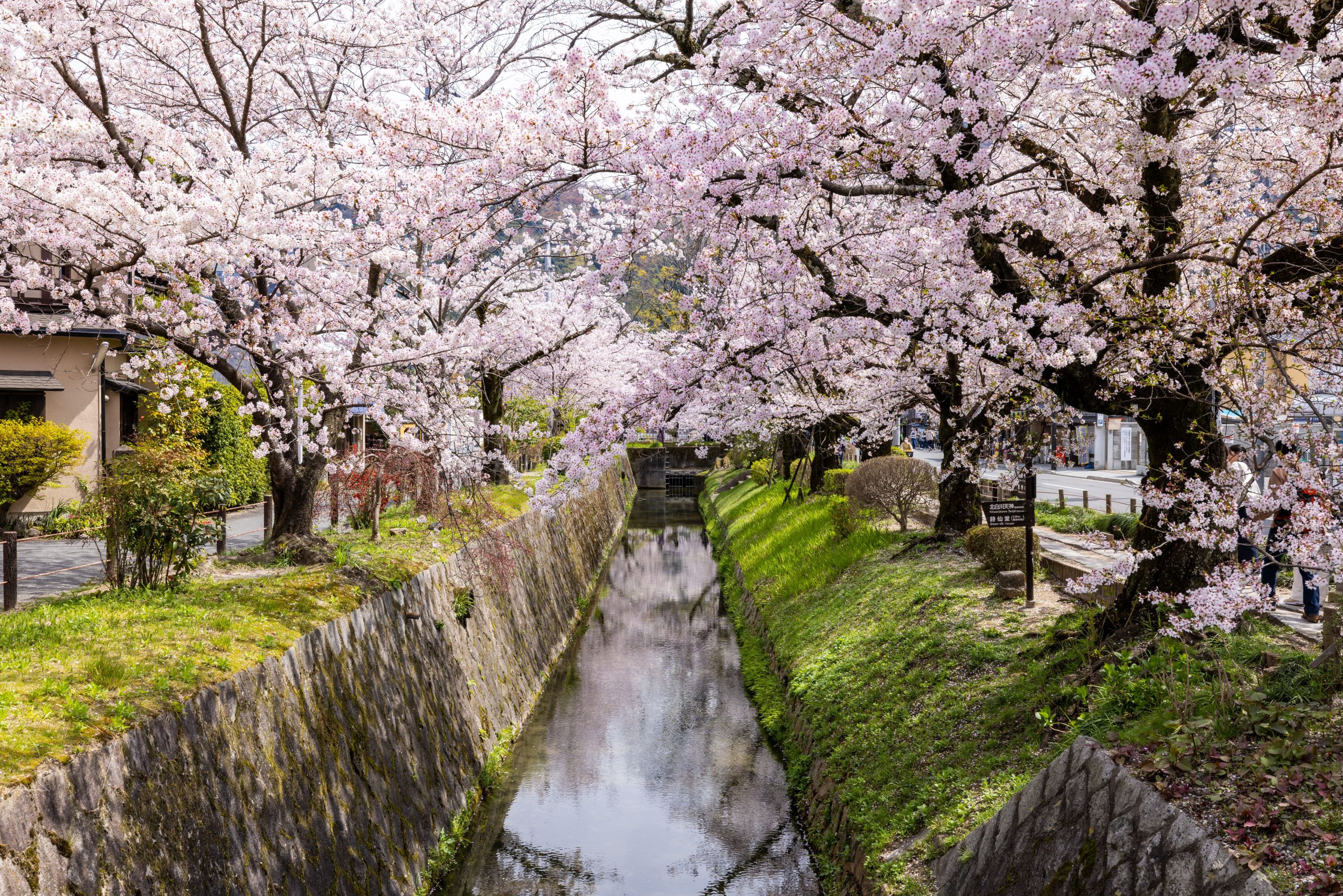
Cherry blossom season: when and where to see it

For a few short weeks each spring, cherry trees turn parks, rivers and temple gardens pink, and whole cities head outside to picnic under them. The bloom only lasts around a week or so in each place, so timing is everything. Watch the forecasts, stay flexible and you can catch it in more than one city.

Kyoto

Kyoto, Japan (Late March to mid-April)

When Late March to mid-April

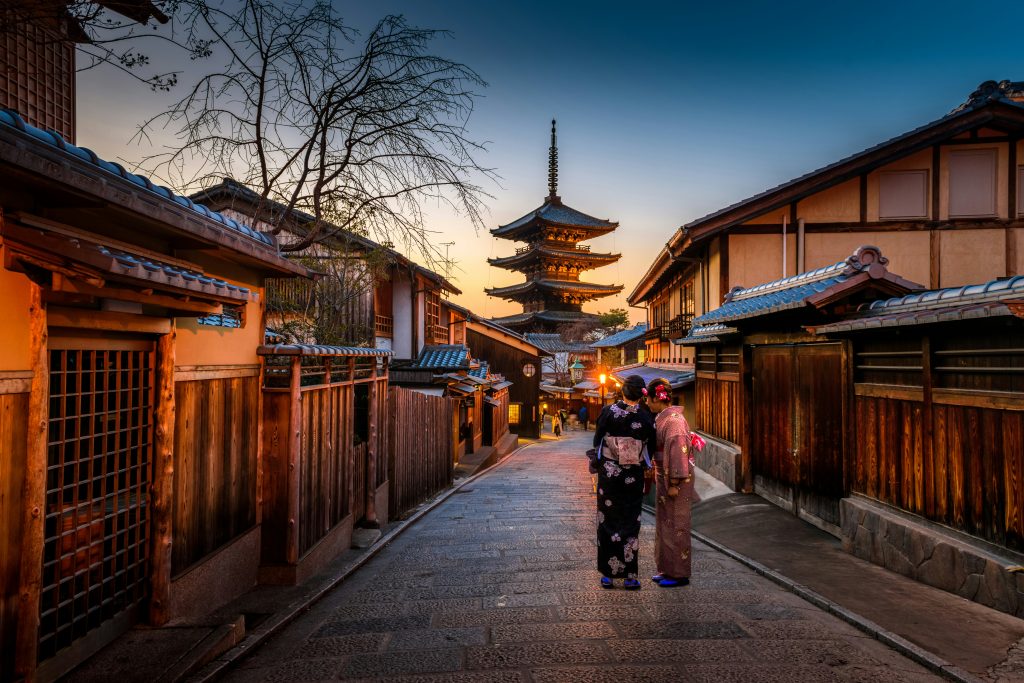
Kyoto pairs its blossom with temples, wooden teahouses and lantern-lit lanes, which makes it the most atmospheric place in Japan to see it. It also tends to bloom a little later than Tokyo, so you can often catch both on one trip.

Good to know

Maruyama Park is the classic spot, with a huge weeping cherry that is lit up in the evenings, but it gets very busy. Head to Shinbashi-dori in Gion after dark, when lanterns light up the trees and old wooden houses, or try Arashiyama around Togetsukyo Bridge.

Dates move each year. Shifts each year with the weather. Japanese forecasters such as the Japan Meteorological Corporation publish bloom forecasts from early in the year and update them through March.

Tokyo

Tokyo, Japan (Late March to early April)

When Late March to early April

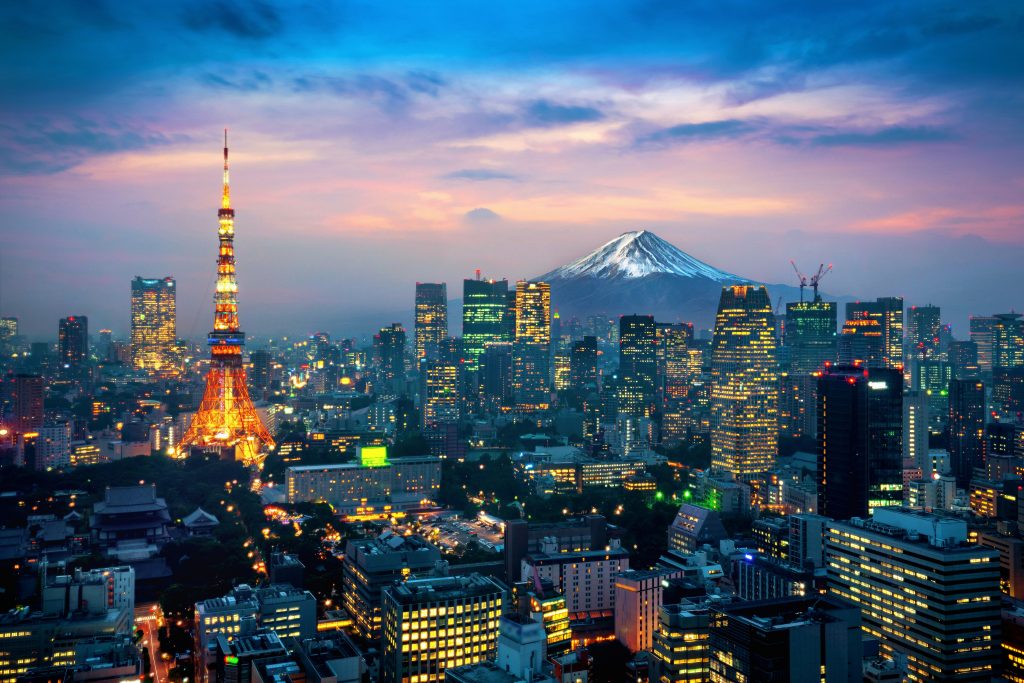
Tokyo turns hanami into a citywide picnic, with locals spreading out under the trees in its big parks and along its rivers. It is the easiest place to start a blossom trip, with cheap convenience-store food and trains to every viewing spot.

Good to know

Ueno Park and Yoyogi Park are where locals throw hanami picnics, so grab a convenience store snack, bring something to sit on and arrive early to claim a patch of grass. Weekends at full bloom are packed, so a weekday morning is your best bet.

Dates move each year. Shifts each year with the weather. Forecasts for Tokyo are announced as early as January and updated through March.

Seoul

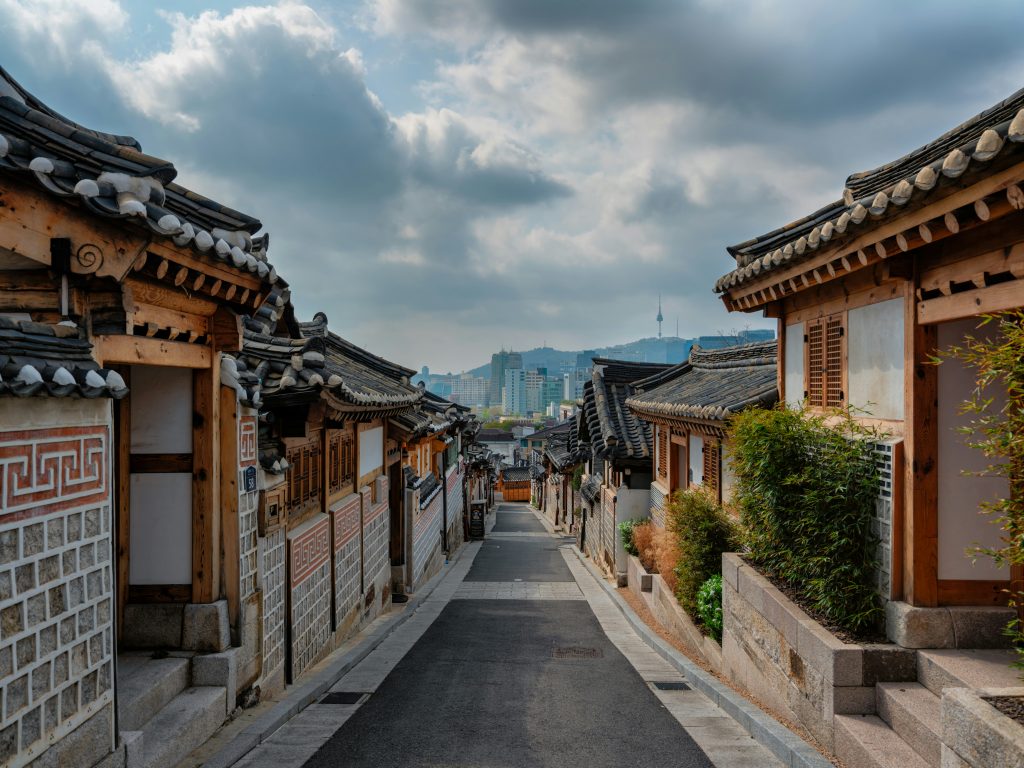
Seoul, South Korea (Early to mid-April)

When Early to mid-April

Seoul blooms a little after Japan, so it is a good backup if you miss the forecast there. The city's two big spots are an avenue of around 1,800 trees on Yeouido and the lakeside paths around Seokchon Lake.

Good to know

Walk the 1.7km Yeouiseo-ro (once called Yunjung-ro) on Yeouido, a tunnel of around 1,800 cherry trees, from National Assembly Station on Line 9. Seokchon Lake, a few minutes from Jamsil Station (Lines 2 and 8), has over 1,000 trees and lights them up at night during its festival.

Dates move each year. Shifts each year with the weather. Seoul's local festival dates (Yeouido Spring Flower Festival, Seokchon Lake Cherry Blossom Festival) are announced each spring on Visit Seoul.

Washington DC

Washington DC, USA (Late March to early April)

When Late March to early April

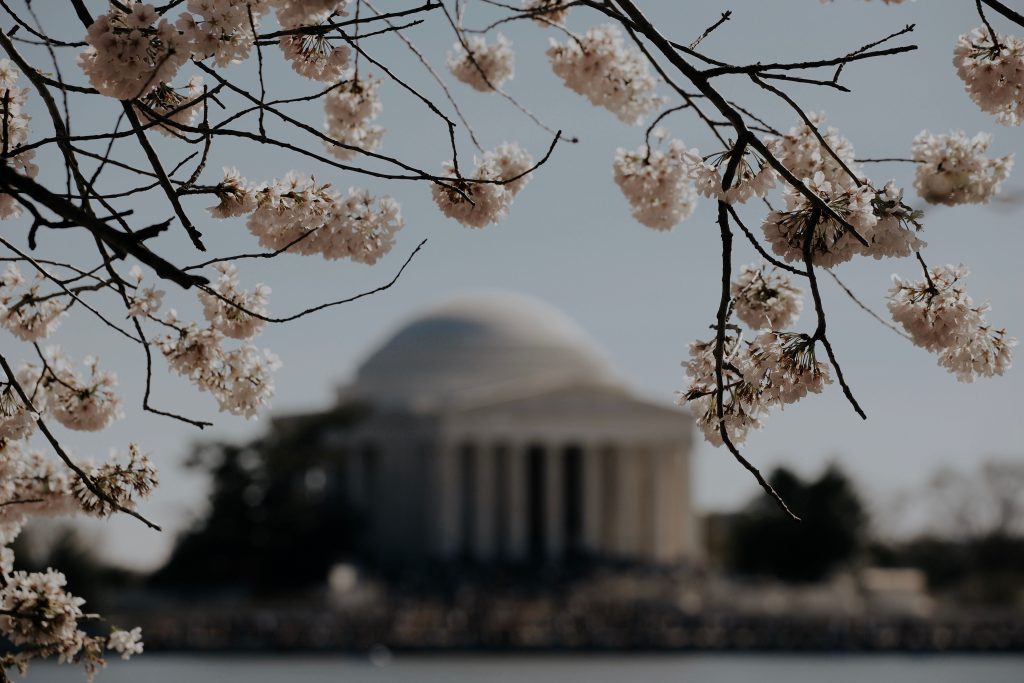
The cherry trees around the Tidal Basin were a gift from Tokyo in 1912 and now frame the city's monuments every spring. Peak bloom only lasts a few days, so the whole city watches the National Park Service forecast.

Good to know

The Yoshino cherry trees around the Tidal Basin are the main event, and the full loop around the water stays open even with restoration works going on. Go at sunrise on a weekday to beat the crowds, and remember peak bloom only lasts a few days, so check the latest update before you set off.

Dates move each year. Shifts each year. The National Park Service announces its peak bloom forecast in early March and tracks bud stages on its Bloom Watch page (nps.gov/cherry).

02 Blooms April to May

Tulip season in the Netherlands: when and where to see it

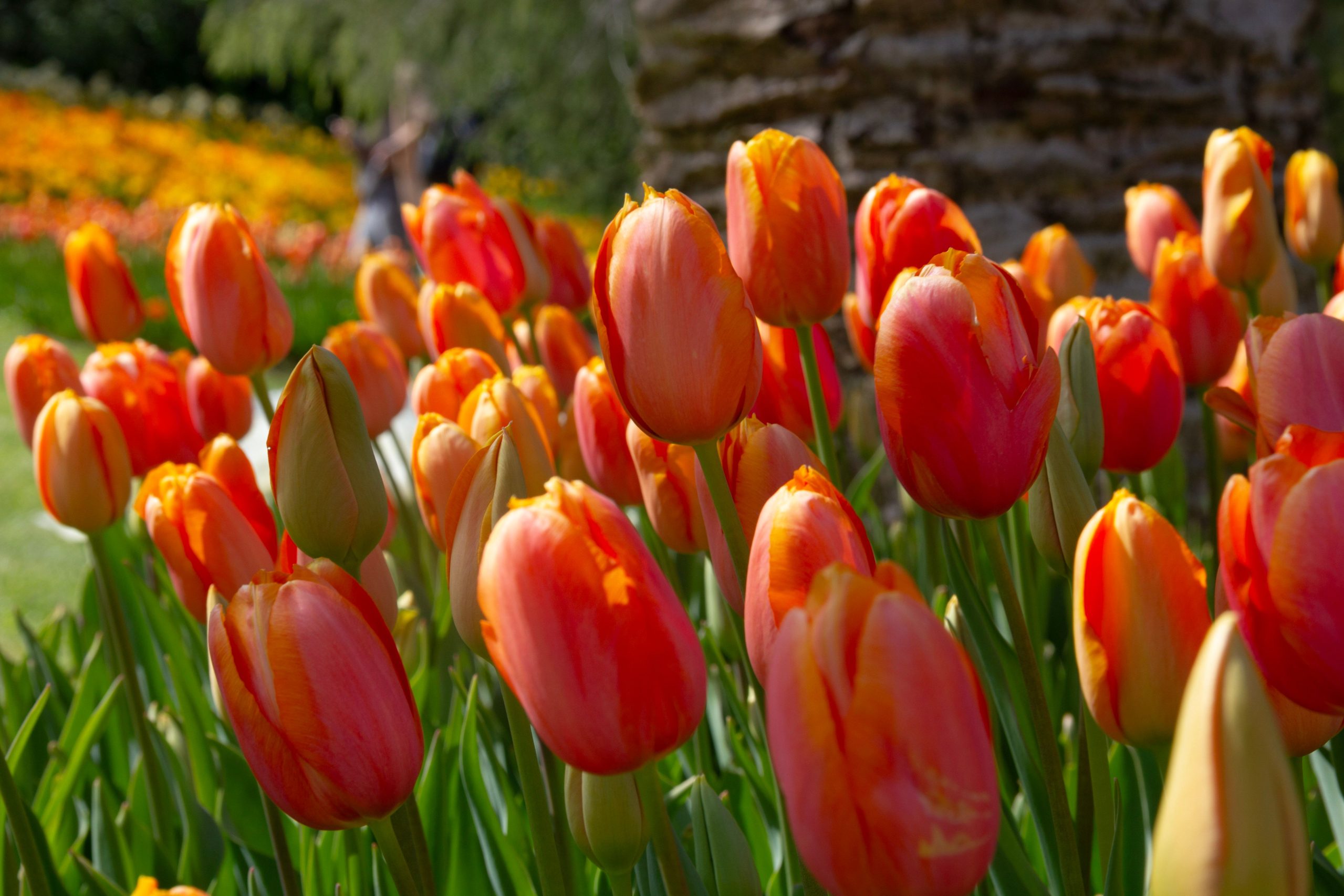
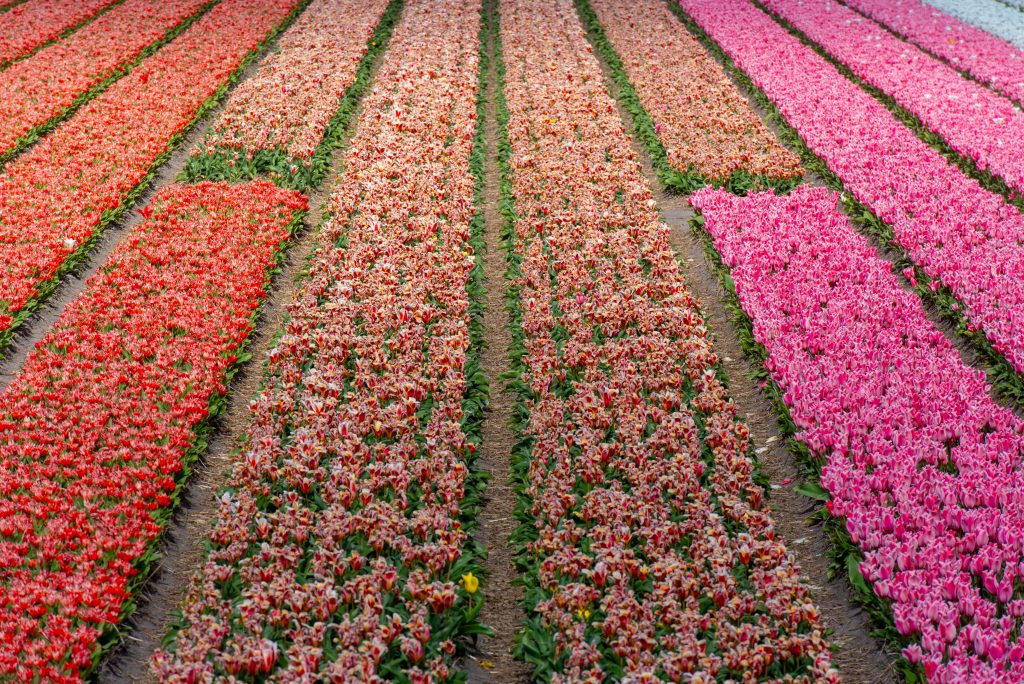
Every spring the fields south of Amsterdam turn into stripes of red, yellow and pink, and Keukenhof fills with millions of bulbs. It is one of the easiest nature trips in Europe to do on a budget, since you can be in the bulb fields within an hour of the city. Mid-April is the sweet spot for the most colour.

Keukenhof and the bulb fields, Lisse

Keukenhof and the bulb fields, Lisse, Netherlands (Mid-April to early May (Keukenhof is open mid-March to mid-May))

When Mid-April to early May (Keukenhof is open mid-March to mid-May)

Keukenhof is the world-famous flower park, planted with millions of bulbs every year, and the working bulb fields around Lisse stripe the countryside in colour. It is an easy half-day trip from Amsterdam by bus.

Good to know

From Amsterdam, get to Schiphol Airport (bus 397 from Leidseplein or Museumplein) and change to the Keukenhof Express bus 858, which takes about 30 minutes; a combi ticket covers the bus and entry. The fields around Lisse are working farms, so admire and photograph them from the paths and roadsides rather than walking between the rows.

Dates move each year. Keukenhof publishes its opening dates each year (2027: 18 March to 10 May). Which flowers are out depends on the weather, so check Keukenhof's flowering updates before you go.

Amsterdam

Amsterdam, Netherlands (April)

When April

You do not have to leave the city to see tulips in April. The Amsterdam Tulip Festival plants them outside museums, in parks and on squares across town, and it costs nothing to walk round.

Good to know

During the Amsterdam Tulip Festival, which runs through April, tulips are planted across the city, including at the Rijksmuseum, Vondelpark, Rembrandtplein and EYE Filmmuseum. It is a free way to see them if you are not heading out to Lisse.

03 Blooms February to June, September to October

Jacaranda season: when and where to see the purple trees

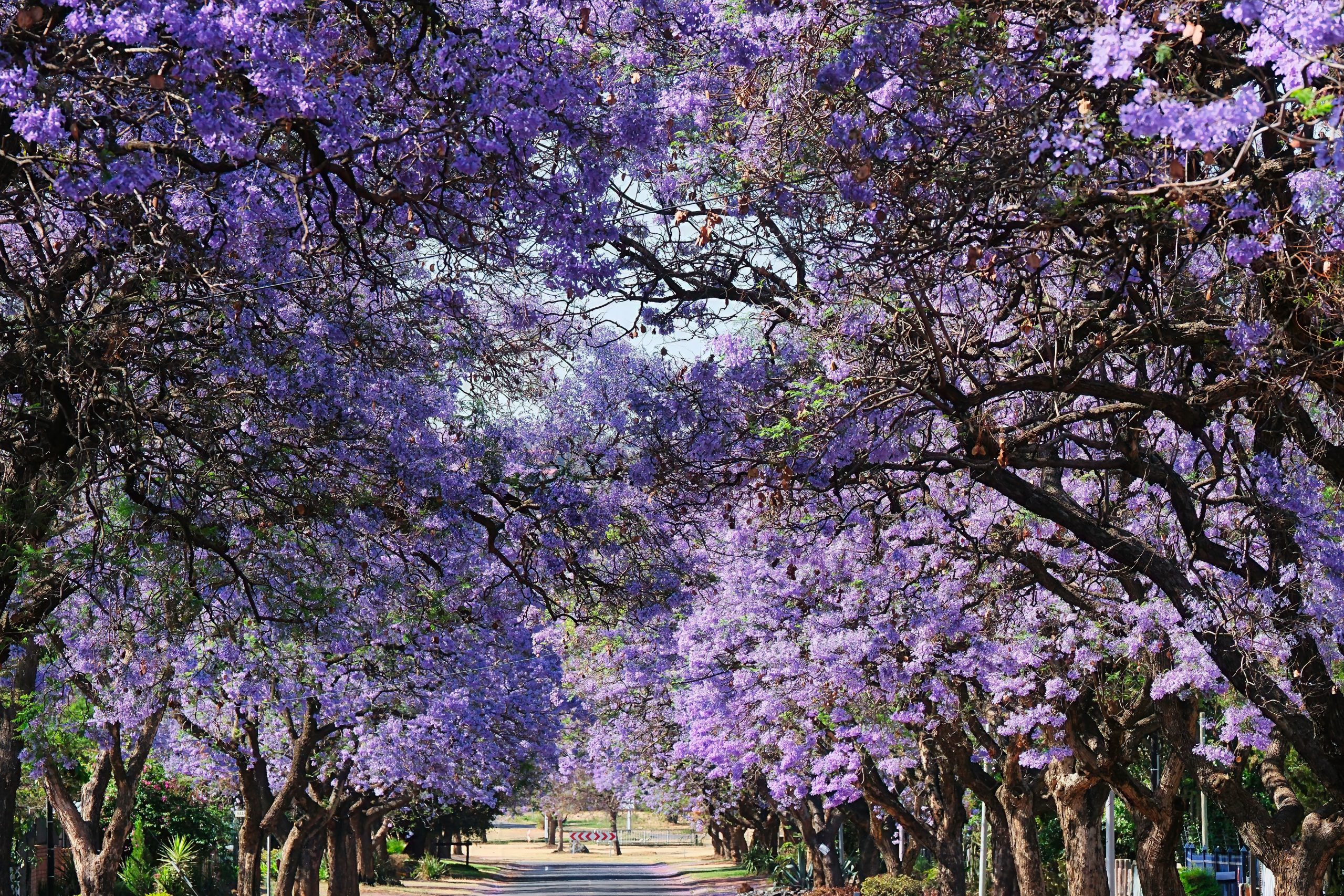
Jacaranda trees cover streets and squares in purple flowers for a few weeks a year, and because they grow in both hemispheres, you can find them in bloom at very different times. Mexico City goes purple in March, Lisbon in May and June, and Pretoria in October. All three are great value cities to wander on foot while the trees are out.

Lisbon

Lisbon, Portugal (May to June)

When May to June

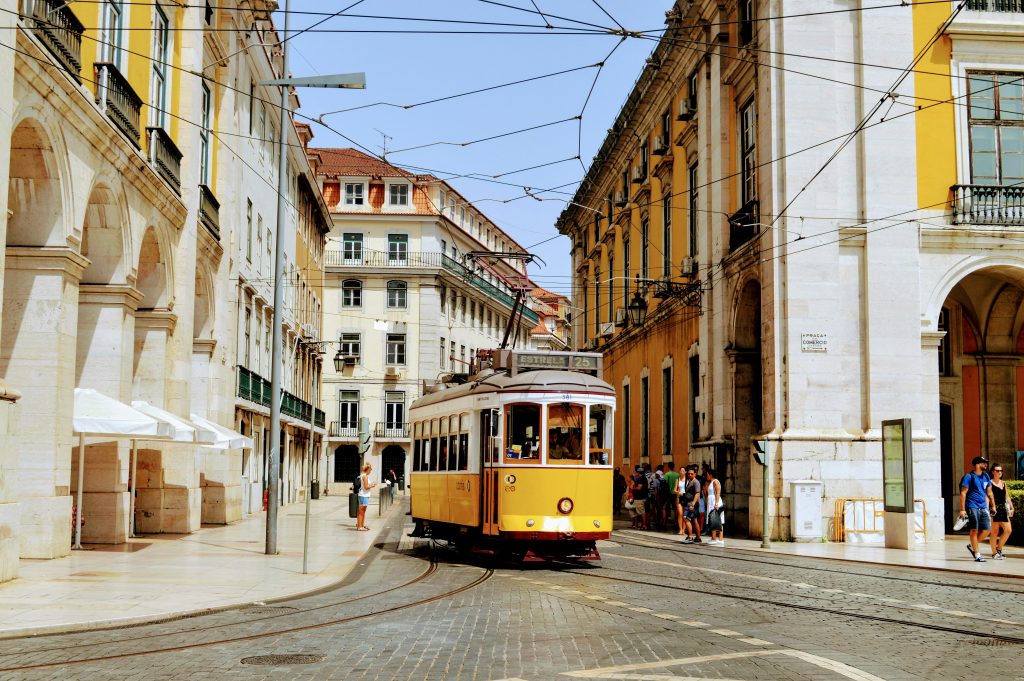
In late spring, Lisbon's squares and avenues turn purple as the jacarandas flower above the tiles and trams. The trees are dotted all over the city, so you will find them on any walk between Chiado, Rato and Belém.

Good to know

Some of the best spots are Largo do Carmo, Largo do Rato, Parque Eduardo VII, Avenida Dom Carlos I and Avenida da Torre de Belém. Largo do Carmo is a short walk from the Chiado and Rossio areas, so it is easy to fit in between other sights.

Dates move each year. Bloom starts once late-spring temperatures arrive, so it can shift by a couple of weeks. Visit Lisboa says the trees can be seen in flower until the end of June.

Pretoria

Pretoria, South Africa (Late September to October, sometimes into early November)

When Late September to October, sometimes into early November

Pretoria is nicknamed the Jacaranda City, and with around 65,000 trees it earns it. In spring the streets are lined in purple and the fallen flowers carpet the pavements.

Good to know

Pretoria has around 65,000 jacaranda trees, so you will see them all over the city. The University of Pretoria's Hatfield campus alone has more than 200, and it makes an easy base for a walk.

Dates move each year. Timing depends on spring temperatures and rain, so check local news or social media in September for how the trees are coming along.

Mexico City

Mexico City (February to April, peaking in March)

When February to April, peaking in March

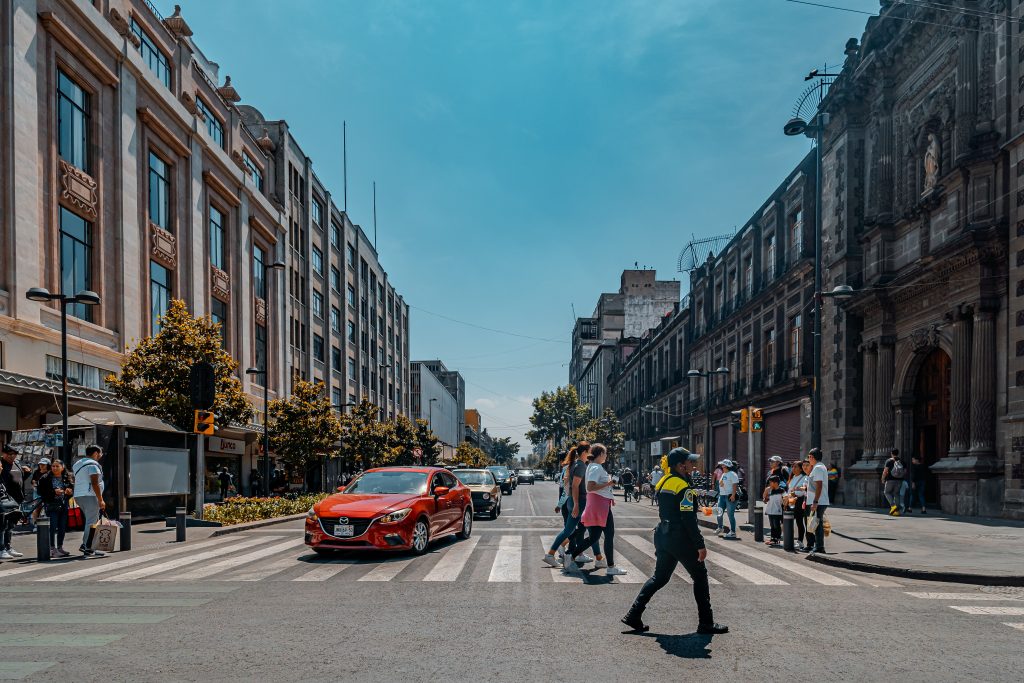
Mexico City's jacarandas flower in late winter and spring, turning its grand avenues and leafy neighbourhoods purple. Paseo de la Reforma, Roma and Condesa are the classic places to see them, all easy on foot.

Good to know

Paseo de la Reforma is lined with jacarandas for kilometres, and the leafy streets of Roma and Condesa, including Parque México and Parque España, are lovely to explore on foot. Alameda Central and Chapultepec are good free stops too, and mornings are quieter for photos.

Dates move each year. In recent years the bloom has started earlier than usual, so check local news from February.

04 Blooms June to July

Lavender season: when and where to see the lavender fields

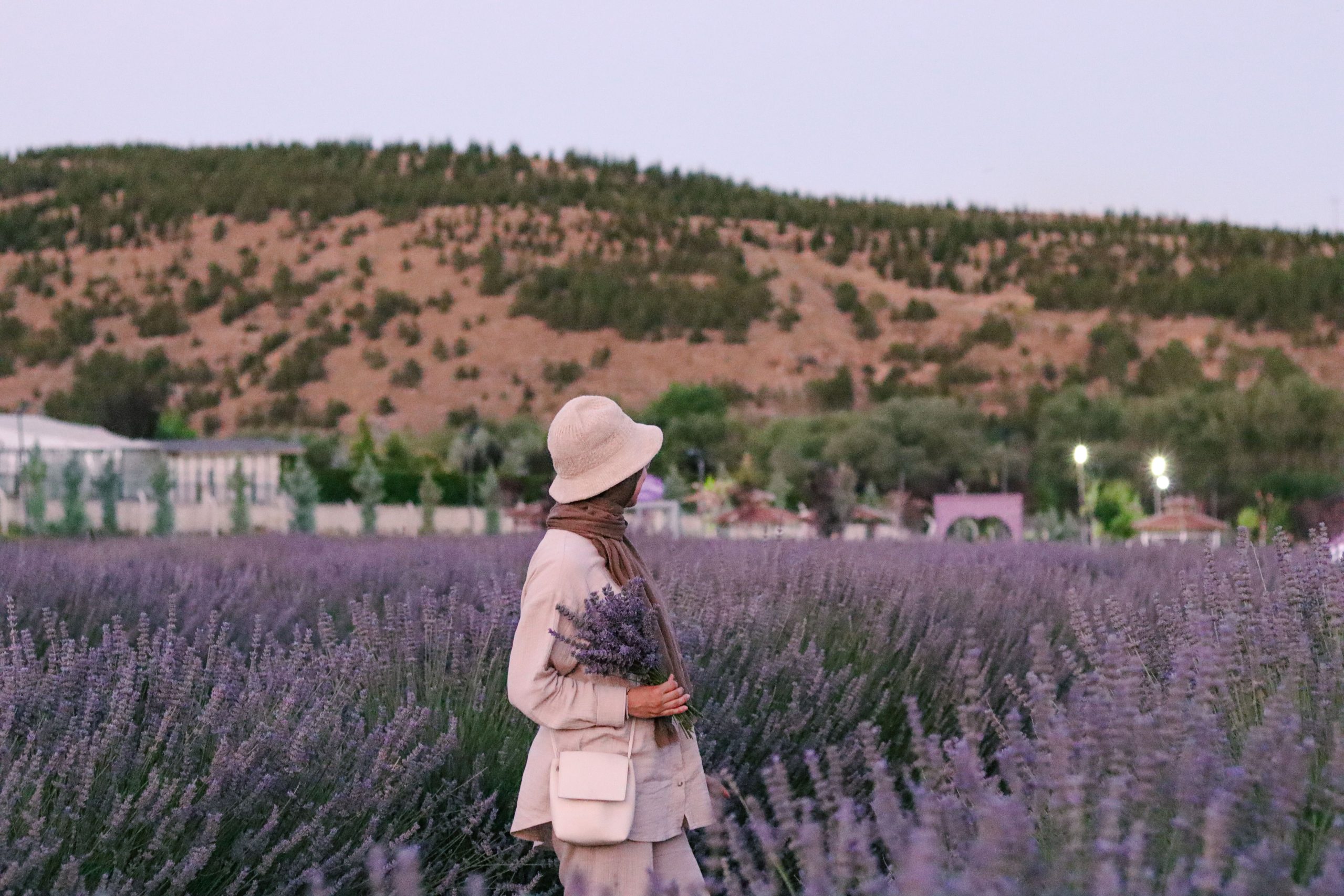
Rows of purple lavender stretching to the horizon are a summer classic, and the smell alone is worth the trip. The flowers only last a few weeks before they are harvested, so it pays to plan. Provence peaks in early July, while Hokkaido is at its best a little later in the month.

Valensole Plateau, Provence

Valensole Plateau, Provence, France (Mid-June to mid-July, peaking in early July)

When Mid-June to mid-July, peaking in early July

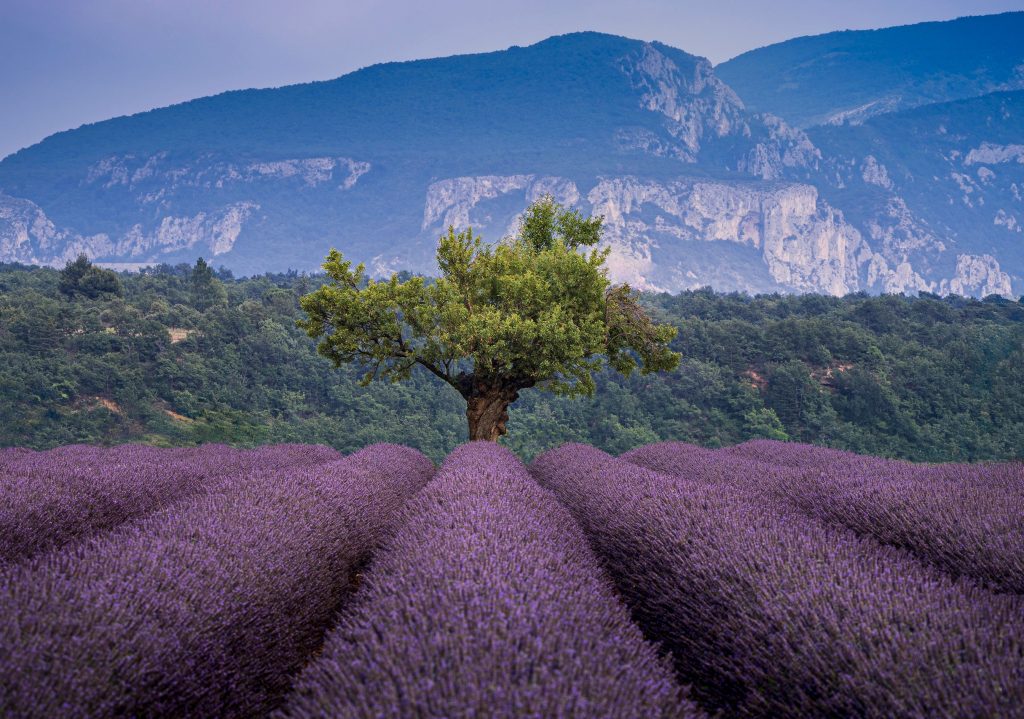
The Valensole Plateau is the postcard view of Provence: long rows of lavender running to the horizon, with the odd farmhouse and field of wheat in between. It is at its best for a few weeks before the harvest.

Good to know

Go early, as the fields look their best at sunrise and the plateau is quieter before the day trippers arrive. Public transport is limited, so hire a car or join a lavender tour from Aix-en-Provence or Marseille, and stay at the edge of the fields rather than walking down the rows.

Dates move each year. Harvest usually starts around mid-July, so fields can be cut earlier in a hot year. Aim for late June to early July to be safe.

Furano, Hokkaido

Furano, Hokkaido, Japan (Late June to early August, peaking mid to late July)

When Late June to early August, peaking mid to late July

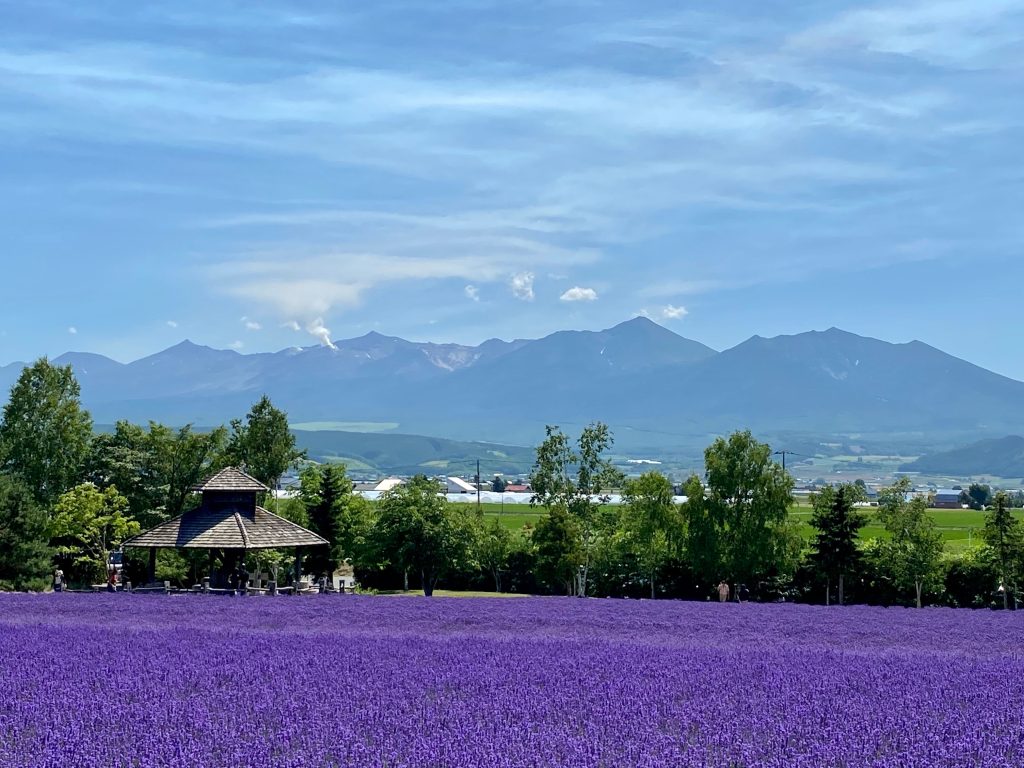
Furano, in central Hokkaido, is Japan's lavender country, with farms planted in stripes of purple and other summer flowers. Farm Tomita is the best known, and the area is an easy day trip from Sapporo.

Good to know

Farm Tomita in Nakafurano is the best-known farm, about five minutes by taxi from JR Nakafurano Station. It gets very busy in July, so arrive soon after opening, and it is an easy day trip by train from Sapporo.

Dates move each year. Flowering varies between farms and years, so check farm or Hokkaido tourism updates before you travel.

05 Light All year

Firefly season: when and where to see fireflies

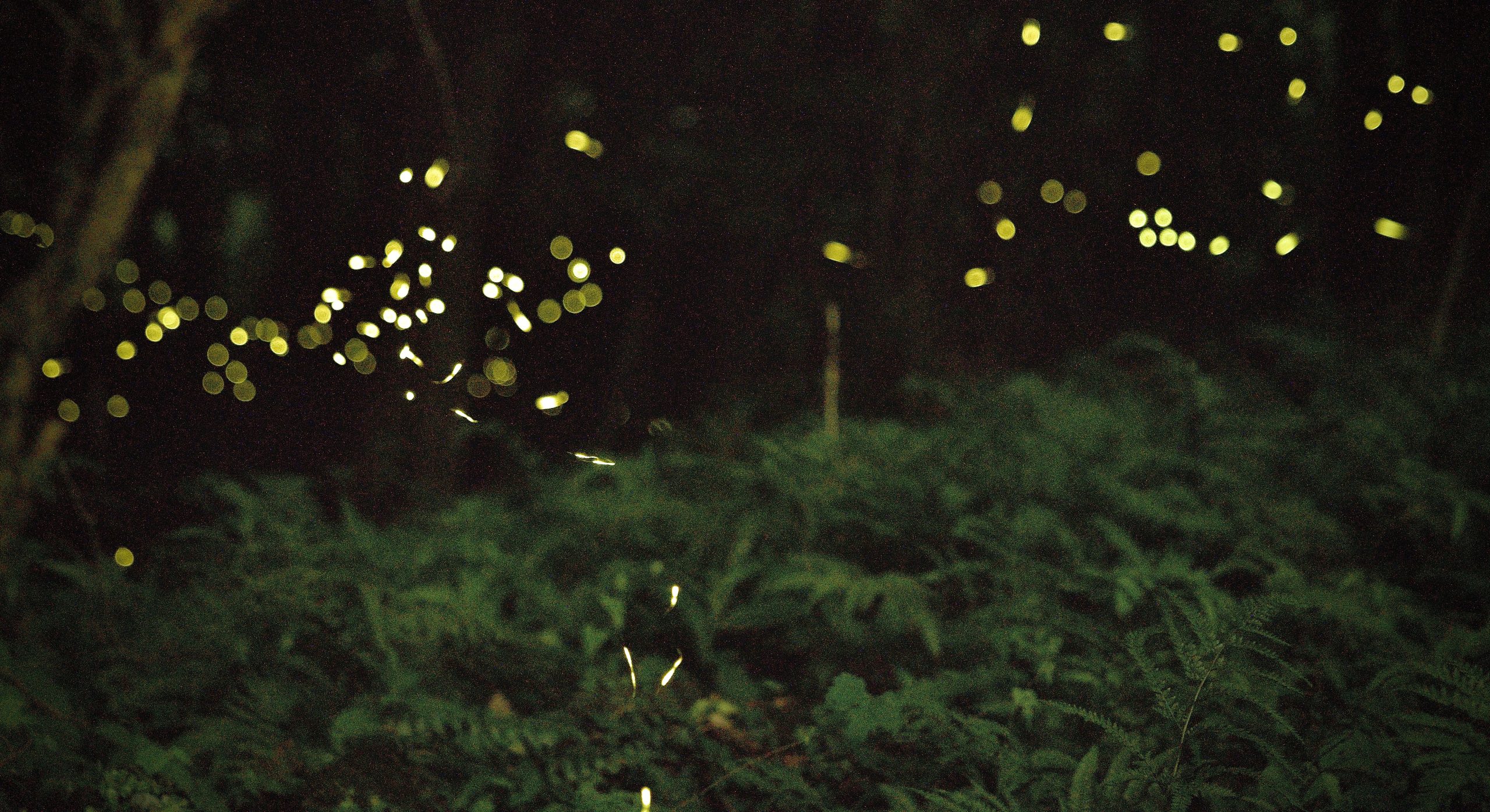
Few things feel as magical as a riverbank or forest flickering with thousands of tiny lights. Firefly displays are short, fragile and happen after dark, so timing and good manners matter. Here is where to catch them, from Tokyo's June streams to a mangrove river near Kuala Lumpur.

Tokyo area (Fussa, Hachioji, Mitaka and Ome)

Tokyo area (Fussa, Hachioji, Mitaka and Ome), Japan (Mid to late June, from sunset to around 9pm)

When Mid to late June, from sunset to around 9pm

Fireflies glow along streams and in parks on the leafier edges of Tokyo in early summer. It is an easy evening trip from the centre, and Fussa even holds its own firefly festival.

Good to know

Head to spots like Hotaru Park in Fussa, which holds a firefly festival in June, and arrive around 7pm. Do not catch the fireflies, skip flash photos and, if you need a torch, point it at the ground.

Elkmont, Great Smoky Mountains National Park

Elkmont, Great Smoky Mountains National Park, USA (About eight nights between late May and mid-June, dates set each spring)

When About eight nights between late May and mid-June, dates set each spring

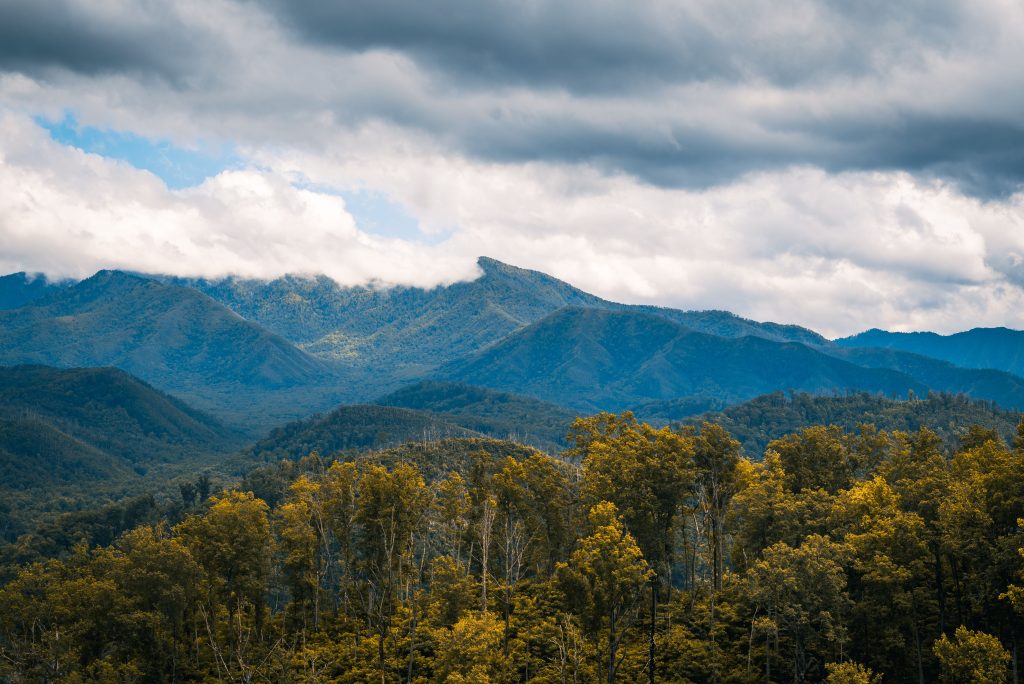
Elkmont is home to synchronous fireflies, which flash in time with each other for a short spell each year. Viewing nights are so popular that the national park runs a lottery for places.

Good to know

Access to Elkmont during the viewing nights is by vehicle reservation only, through a lottery on Recreation.gov that opens in late April. Cover your torch with red cellophane, point it at the ground, switch it off once you are in place and stay on the trail.

Dates move each year. The park predicts peak dates from soil temperature and announces them each spring (2025: 29 May to 5 June; 2026: 20 to 27 May). Check the park's news releases and Recreation.gov in April.

Kuala Selangor (Kampung Kuantan and Bukit Belimbing)

Kuala Selangor (Kampung Kuantan and Bukit Belimbing), Malaysia (Clear, moonless nights, best just after 8pm)

When Clear, moonless nights, best just after 8pm

On the river at Kuala Selangor, the mangrove trees fill with fireflies that blink together after dark. You see them from a small boat, and it is an easy evening trip from Kuala Lumpur.

Good to know

Go on a dry, moonless night and be on the river soon after 8pm, as the fireflies flash less once they have found a mate. Flash photography is strictly banned, and bring mosquito repellent.

Dates move each year. Displays stop when it rains and are dimmer under a bright moon. Check the weather forecast and a moon phase calendar before booking a boat.

06 Light All year

Bioluminescent bays: when and where to see glowing water

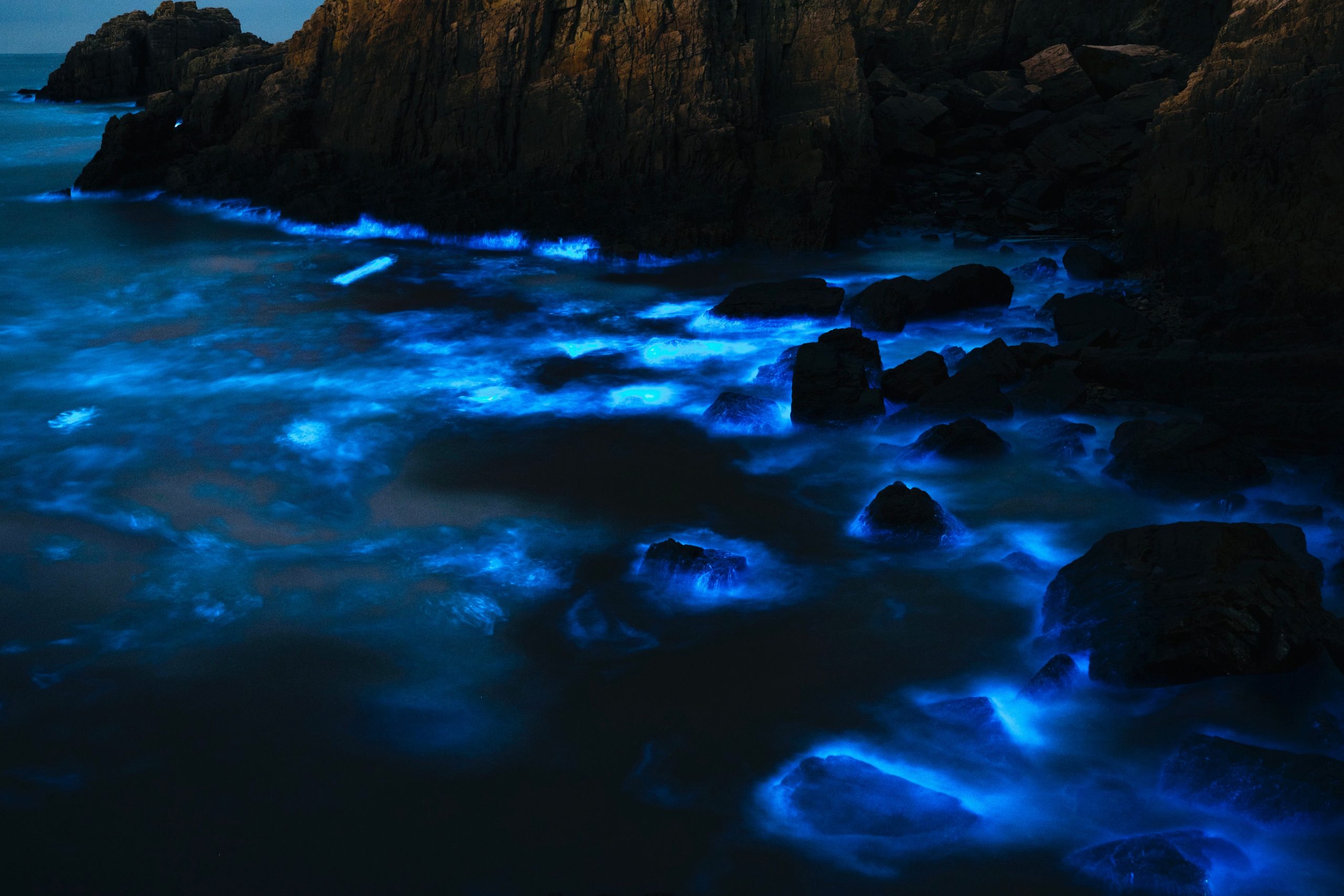
Paddle through a dark bay and every stroke lights up blue, thanks to tiny glowing plankton in the water. It works best on the darkest nights, so plan around the moon rather than the season. These are the spots worth building a trip around.

Mosquito Bay, Vieques

Mosquito Bay, Vieques, Puerto Rico (Year-round, best on new moon or crescent moon nights)

When Year-round, best on new moon or crescent moon nights

Mosquito Bay on the island of Vieques is known as one of the brightest bioluminescent bays in the world. Paddle out after dark and every stroke of your kayak lights up the water.

Good to know

Book a kayak tour for a night near the new moon and avoid full moon dates. Swimming is not allowed, and skip sunscreen and bug spray before you go. Vieques is a 25-minute flight from San Juan or a 45-minute ferry from Ceiba.

Laguna Grande, Fajardo

Laguna Grande, Fajardo, Puerto Rico (Year-round, best on moonless nights)

When Year-round, best on moonless nights

Laguna Grande is a glowing lagoon on Puerto Rico's east coast, reached by kayak through a narrow mangrove channel. It is the easiest bio bay to visit from San Juan.

Good to know

This is the easiest bio bay to reach from San Juan without a ferry, by kayak tour through a narrow mangrove channel. Pick a date close to the new moon, and remember swimming is not allowed.

Maldives (Vaadhoo and other local islands)

Maldives (Vaadhoo and other local islands) (Unpredictable, can appear on any atoll when conditions are right)

When Unpredictable, can appear on any atoll when conditions are right

On some nights, the beaches of the Maldives light up blue as the waves break, a sight known as the sea of stars. It cannot be planned for, but it is a magical bonus if it happens while you are there.

Good to know

There is no reliable season, so treat it as a bonus rather than the reason for your trip. Walk the beach after dark on the darkest nights and follow local social media for recent sightings.

Dates move each year. Visit Maldives says sightings depend on water temperature, salinity, tides and nutrients. Check recent posts from local islands and guesthouses before heading out.

Toyama Bay firefly squid, Namerikawa

Toyama Bay firefly squid, Namerikawa, Japan (Spawning season March to May, with dawn boat tours in April and early May)

When Spawning season March to May, with dawn boat tours in April and early May

Every spring, millions of tiny firefly squid rise to the surface of Toyama Bay to spawn and glow electric blue. Dawn boat trips from Namerikawa take you out to see them.

Good to know

Sightseeing boats leave the Hotaruika Museum in Namerikawa at around 2:30am and must be booked ahead, as they sell out quickly. The museum is an 8-minute walk from Namerikawa Station.

Dates move each year. Boat tour dates are set each year and depend on the squid and sea conditions. Check the Hotaruika Museum website (hotaruikamuseum.com) for the current season.

07 Wildlife All year

Turtle hatching season: when and where to see baby turtles

Watching hatchlings scramble out of the sand and make a dash for the sea is one of the best wildlife moments you can have on a beach. Most of it happens at night, on protected beaches, with rangers or local guides. Here is when to go so you catch the hatching rather than an empty beach.

Tortuguero National Park

Tortuguero National Park, Costa Rica (Green turtles nest July to October, hatchlings emerge September to December)

When Green turtles nest July to October, hatchlings emerge September to December

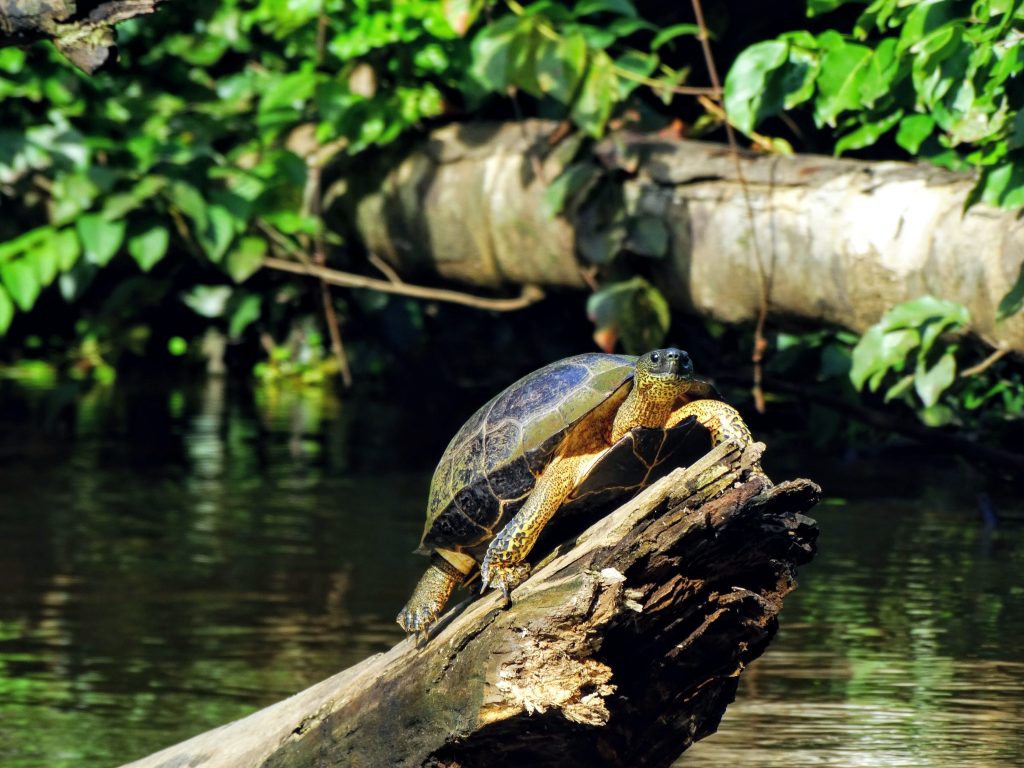
Tortuguero, on Costa Rica's Caribbean coast, is one of the most important nesting beaches for green turtles in the western hemisphere. The village and park are reached by boat, which is half the adventure.

Good to know

You can only go on the beach at night with an authorised local guide, and turtle tours run between 8pm and 10pm. Leave the camera flash and torch off unless your guide says otherwise.

Mon Repos, Bundaberg

Mon Repos, Bundaberg, Australia (Hatching from late January to the end of March)

When Hatching from late January to the end of March

Mon Repos near Bundaberg has the largest concentration of nesting turtles on Australia's east coast. Rangers run night-time tours so you can watch nesting and, later in the season, hatchlings heading for the sea.

Good to know

From November to late March the beach is open at night only on ranger-guided Turtle Encounter tours, which you must book online, and weekends sell out fast. Light-up shoes and glow sticks are banned and photos are only allowed when your ranger says so.

Laganas Bay, Zakynthos

Laganas Bay, Zakynthos, Greece (Hatching from mid-July to late September)

When Hatching from mid-July to late September

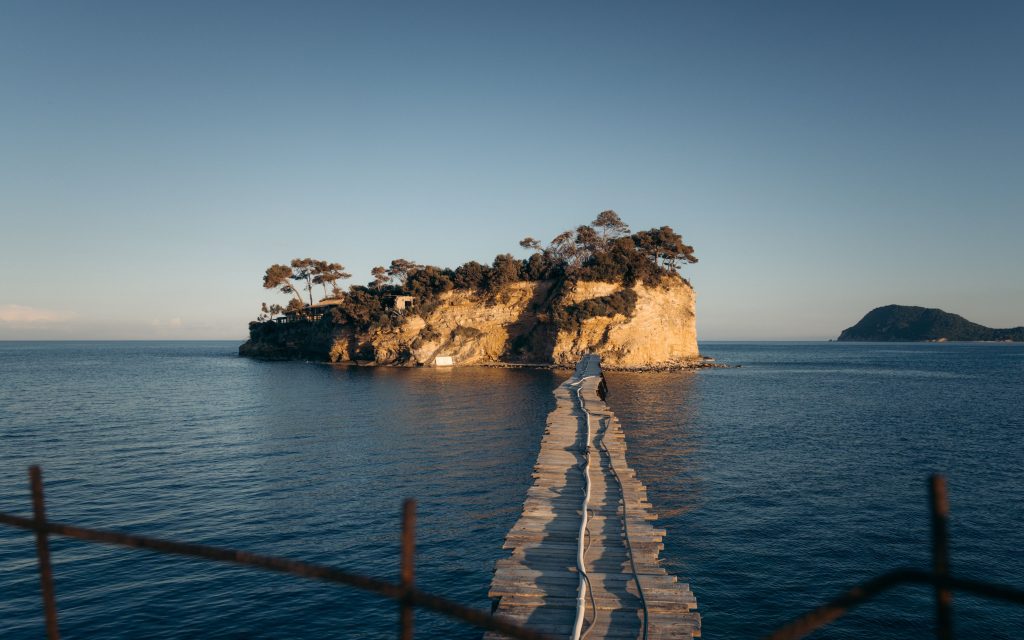
The beaches of Laganas Bay on Zakynthos are one of the main nesting areas for loggerhead turtles in the Mediterranean. Part of the bay is a protected marine park, so the nesting beaches have strict rules.

Good to know

Keep off the nesting beaches at night, keep lights off and never touch hatchlings or carry them to the water. If you see one in the daytime, shade it with your body or a towel and let it find the sea on its own.

Rekawa Beach

Rekawa Beach, Sri Lanka (Nesting year-round, busiest from April to July)

When Nesting year-round, busiest from April to July

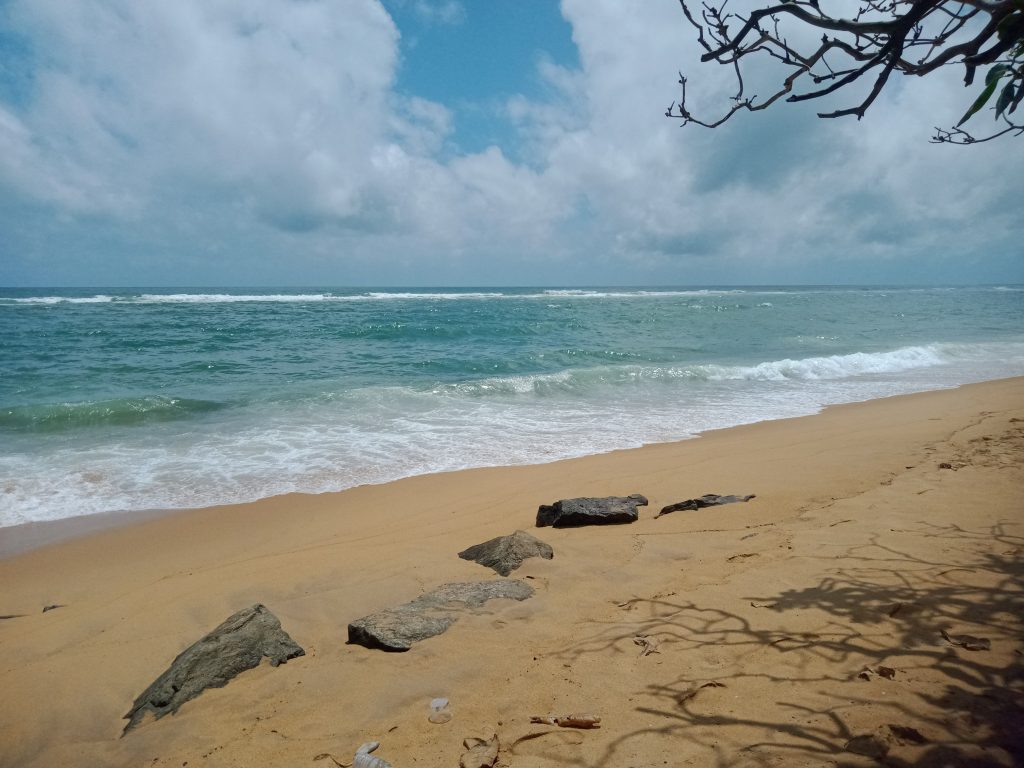
Rekawa, near Tangalle on Sri Lanka's south coast, is known for night-time turtle watching run by local conservation guides.

Good to know

Turtle watching here is a night-time nesting visit led by local conservation guides, starting after sunset. Camera flashes are not allowed, and keep quiet on the beach.

Dates move each year. Sightings on any given night are not guaranteed. Ask your guesthouse in Tangalle or the local turtle watch guides about recent activity before you go.

08 Wildlife March to November

Whale watching season: when and where to see whales

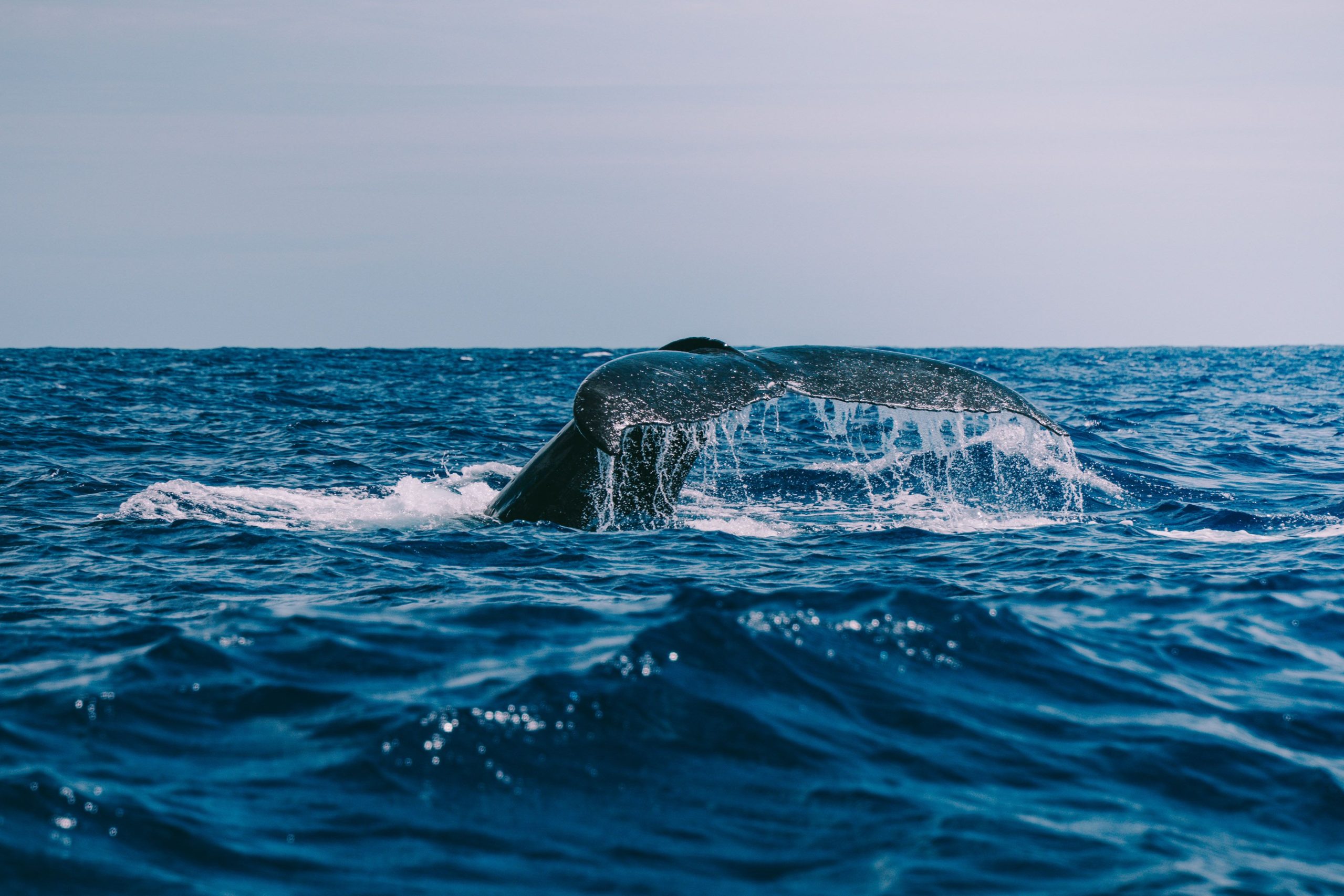
Every year, whales travel thousands of kilometres between feeding and breeding grounds, and a handful of coastal towns sit right on their route. Time it well and you can watch humpbacks, blue whales or southern rights from a small boat or even a clifftop path. Because the seasons fall at different times in each hemisphere, there is a whale trip somewhere for most of the year.

Hervey Bay

Hervey Bay, Australia (Mid-July to late October; mothers and newborn calves from September)

When Mid-July to late October; mothers and newborn calves from September

Humpback whales stop to rest in the calm waters of Hervey Bay on their migration south, often with newborn calves. Tours leave from the marina, and the whales are known for coming close to the boats.

Good to know

August is one of the busiest months for humpbacks resting in the bay, while September and October are the time for mothers and calves. Book early if you are going during weekends or Australian school holidays, and pack a warm layer as it is cooler on the water.

Húsavík

Húsavík, Iceland (March to November, with summer (June to August) the most reliable for sightings)

When March to November, with summer (June to August) the most reliable for sightings

Húsavík, a small harbour town in north Iceland, calls itself the country's whale watching capital. Tours head out into Skjálfandi Bay, where humpbacks and minke whales are the most common sightings.

Good to know

Húsavík calls itself Iceland's whale watching capital, and you are most likely to see humpbacks and minke whales on the classic tours. If you are coming from Akureyri, the Eyjafjörður tours run from June to September as an alternative.

São Miguel (Ponta Delgada), Azores

São Miguel (Ponta Delgada), Azores, Portugal (March to June for migrating blue, fin and sei whales; sperm whales and dolphins all year)

When March to June for migrating blue, fin and sei whales; sperm whales and dolphins all year

The Azores sit in the middle of the Atlantic, right on the route of migrating whales. From Ponta Delgada you can see some of the largest animals on the planet, and dolphins and sperm whales all year.

Good to know

Spring is when the biggest whales pass the islands on their way north, so it is worth planning around it if a blue whale is on your list. Outside that window you can still head out from Ponta Delgada, as sperm whales and dolphins live around the Azores all year.

Hermanus

Hermanus, South Africa (June to November (some whales stay into December); Hermanus Whale Festival in early October)

When June to November (some whales stay into December); Hermanus Whale Festival in early October

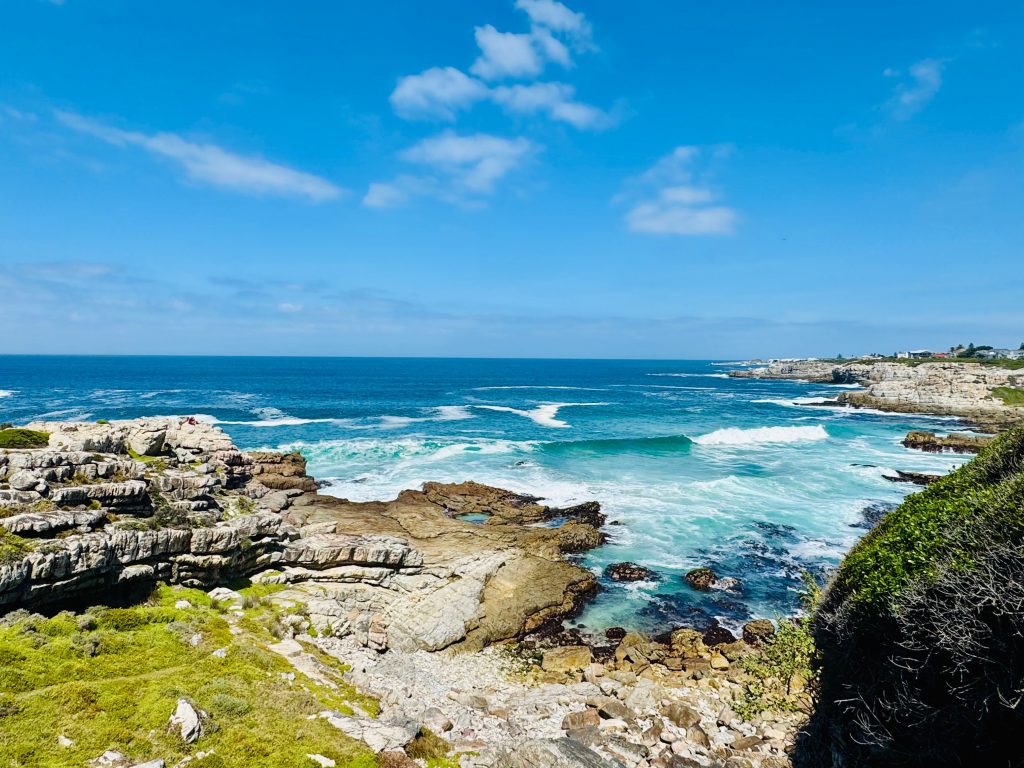
Hermanus is famous for whale watching from land, as southern right whales come right into Walker Bay. The town even has a whale crier who blows a horn when they are spotted.

Good to know

Southern right whales come so close to shore here that you do not need a boat: walk the 12km Cliff Path and listen out for the whale crier's horn, who works from 10am to 4pm in season. Gearing's Point and the Old Harbour terraces are good free viewpoints.

09 Wildlife January to February, July to October

The Great Migration: when and where to see it

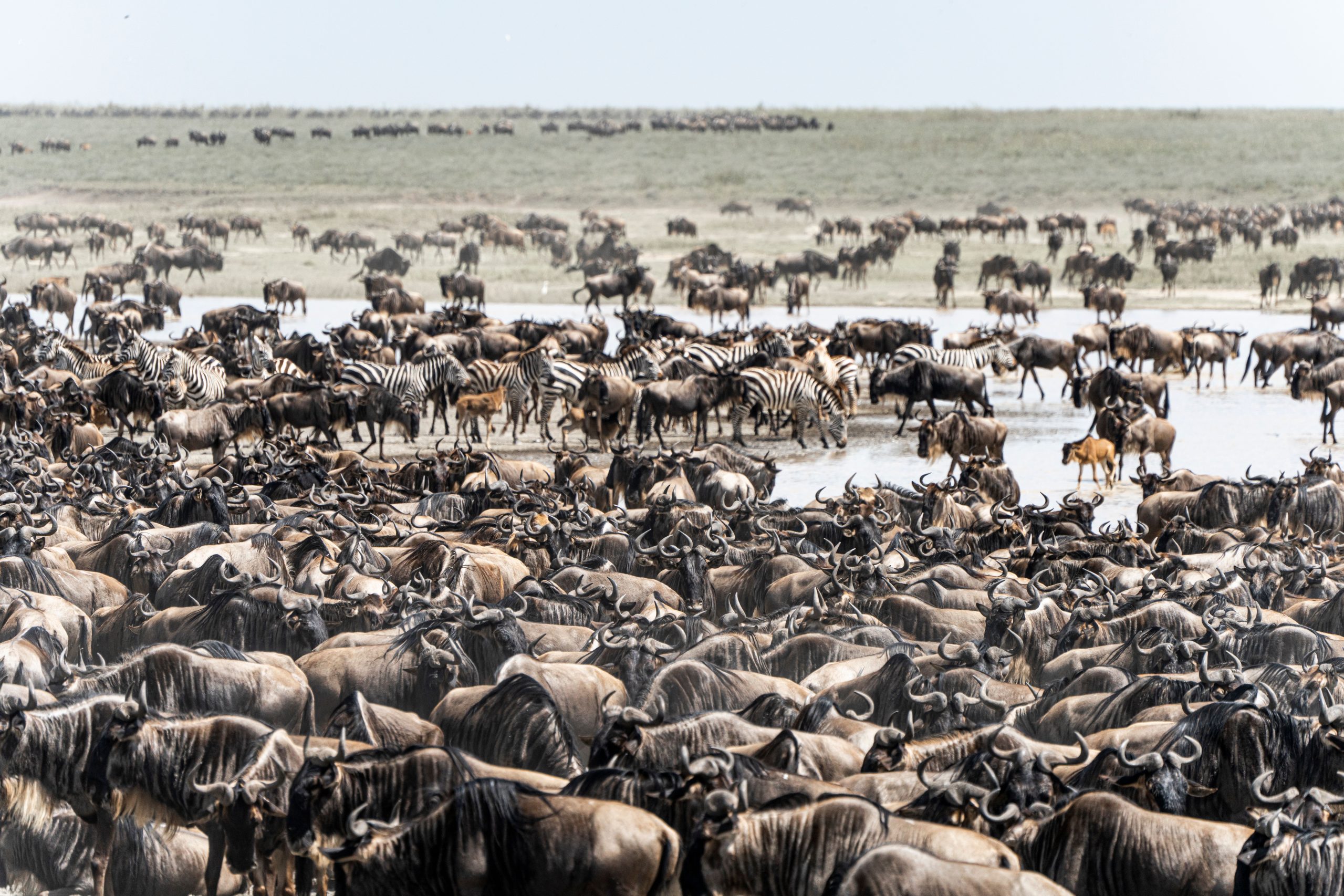
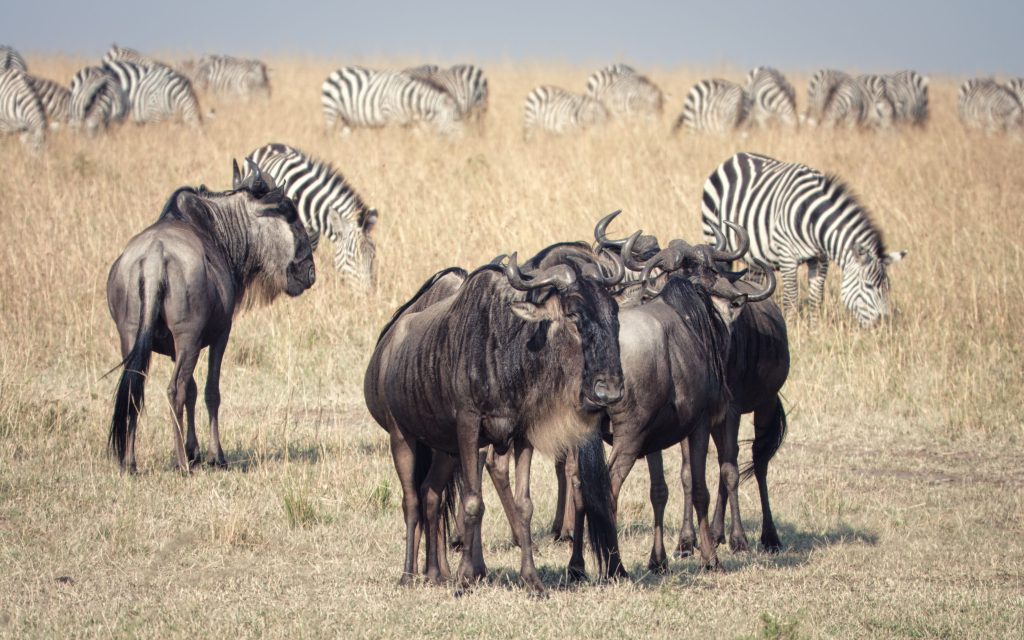
More than a million wildebeest, along with zebras and gazelles, follow the rains in a loop through Tanzania's Serengeti and Kenya's Masai Mara. Where you go depends on what you want to see: newborn calves on the southern plains early in the year, or herds crossing the Mara River later on. The herds move with the weather, so build some flexibility into your plans.

Masai Mara National Reserve

Masai Mara National Reserve, Kenya (July to October for the herds and Mara River crossings; herds can arrive from June and stay into November)

When July to October for the herds and Mara River crossings; herds can arrive from June and stay into November

In the Masai Mara, the huge herds of wildebeest and zebra gather to cross the Mara River, one of the most dramatic wildlife sights on earth. Game drives leave from camps across the reserve.

Good to know

River crossings are never scheduled, so give yourself at least two or three days of game drives rather than a single day trip to boost your chances. The Mara Triangle, run by the Mara Conservancy, is one area where the herds cross.

Dates move each year. Timing shifts with rainfall each year. Check recent sightings in the Mara Conservancy monthly reports (maratriangle.org/mara-monthly) before booking.

Southern Serengeti and Ndutu plains

Southern Serengeti and Ndutu plains, Tanzania (January to February for the calving peak; herds are on the southern plains from late December to April)

When January to February for the calving peak; herds are on the southern plains from late December to April

Early in the year, the herds gather on the short-grass plains of the southern Serengeti and Ndutu to give birth. Thousands of calves are born within a few weeks, and the predators follow.

Good to know

Aim for the Ndutu area, in the Ngorongoro Conservation Area on the edge of the southern Serengeti, where thousands of calves are born in a few weeks. Predators follow the calving, so this is also a good time for big cat sightings.

Dates move each year. Calving follows the short rains, so the exact weeks vary. Ask your safari operator where the herds are shortly before you travel.

10 Landscapes September to November

Autumn leaves: when and where to see fall foliage

For a few weeks each year, whole forests swap green for red, orange and gold, and it costs nothing to walk through them. The colour moves with latitude and altitude, so you can catch it in North America in late September and still find it in Japan in November. Pack a warm layer, plan midweek if you can and follow the official colour reports.

Vermont

Vermont, USA (Last week of September to mid October (northern and higher areas turn first, valleys and the south last))

When Last week of September to mid October (northern and higher areas turn first, valleys and the south last)

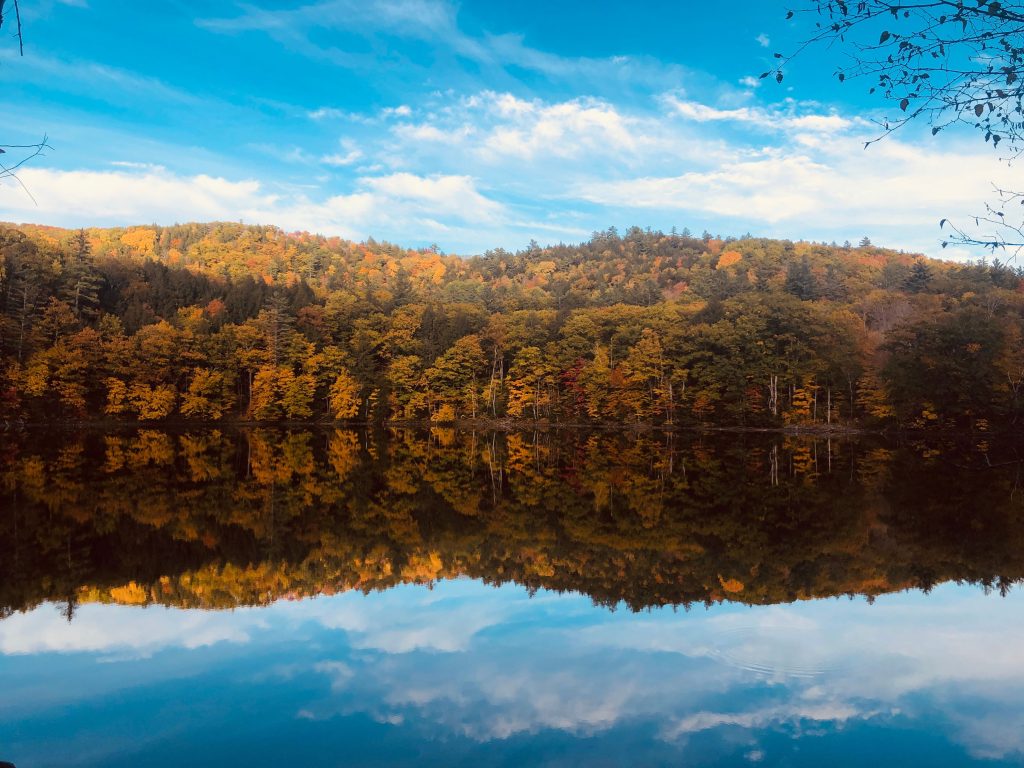
Vermont is the classic New England autumn: maple-covered hills, covered bridges and small towns with white churches. The colour starts in the north and the mountains and moves south and down into the valleys.

Good to know

Burlington and the Lake Champlain valley tend to peak last, around early to mid October, so base yourself there and day trip to higher ground earlier in the season. Vermont's official tourism site publishes a weekly fall foliage report from mid September to mid October.

Dates move each year. Timing shifts with weather each year; check the weekly Fall Foliage Report and Foliage Forecaster Map on vermontvacation.com before you travel.

Kyoto

Kyoto, Japan (Colour starts at the end of October, peaks around mid November and fades by the end of November)

When Colour starts at the end of October, peaks around mid November and fades by the end of November

Autumn turns Kyoto's temple gardens and mountainsides red and gold, and many temples light up their gardens in the evening during the season. The higher areas around the city change first.

Good to know

Higher spots such as Mt Hiei, Ohara and Takao change earlier than the temples in the city centre, so head up there first if you arrive at the start of November. Popular temple gardens get very busy at peak, so go at opening time.

Dates move each year. Peak moves by a week or two depending on autumn temperatures; check the seasonal information page on Kyoto's official tourism site (kyoto.travel) closer to your trip.

Algonquin Provincial Park, Ontario

Algonquin Provincial Park, Ontario, Canada (Maples peak around 27 September on average; aspens follow in early to mid October and tamaracks in mid to late October)

When Maples peak around 27 September on average; aspens follow in early to mid October and tamaracks in mid to late October

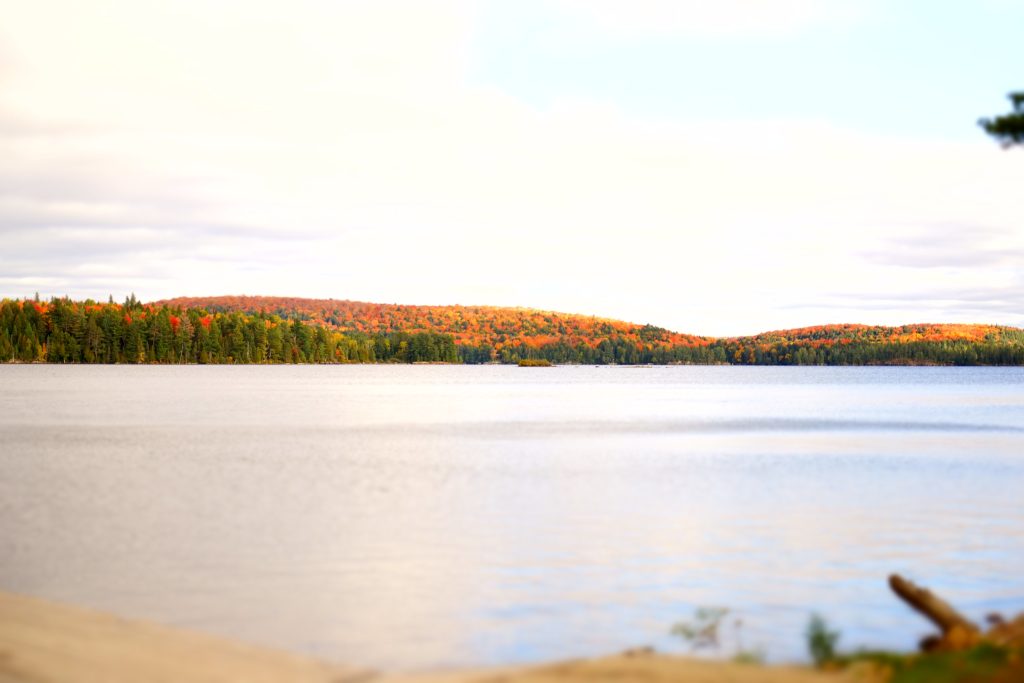
Algonquin is Ontario's best-known park for autumn colour, with red maples first and yellow aspens and gold tamaracks following. It is a few hours' drive north of Toronto.

Good to know

Visit midweek and arrive early in the morning, as the park says late morning to mid afternoon on autumn weekends (and Thanksgiving weekend) is the busiest time. If you miss the red maples, the yellow aspens give a second 'golden encore' a couple of weeks later.

Dates move each year. Historic maple peaks range from 15 September to 9 October; check the Fall Colour Report on algonquinpark.on.ca, updated through the season.

Highland Perthshire (Pitlochry)

Highland Perthshire (Pitlochry), Scotland (October)

When October

Highland Perthshire is known as Scotland's Big Tree Country, and in October its forests and riversides turn copper and gold. Pitlochry makes an easy base, reachable by train from Edinburgh.

Good to know

Known as Scotland's 'Big Tree Country', Highland Perthshire is easy to reach by train from Edinburgh. Walk Faskally Forest by Pitlochry, the riverside paths at the Linn of Tummel or The Hermitage near Dunkeld.

Dates move each year. There is no official weekly colour tracker for Scotland; October is the official peak month per VisitScotland, but exact timing depends on the weather that year.

11 Wildlife November to March

Monarch butterfly migration: when and where to see it

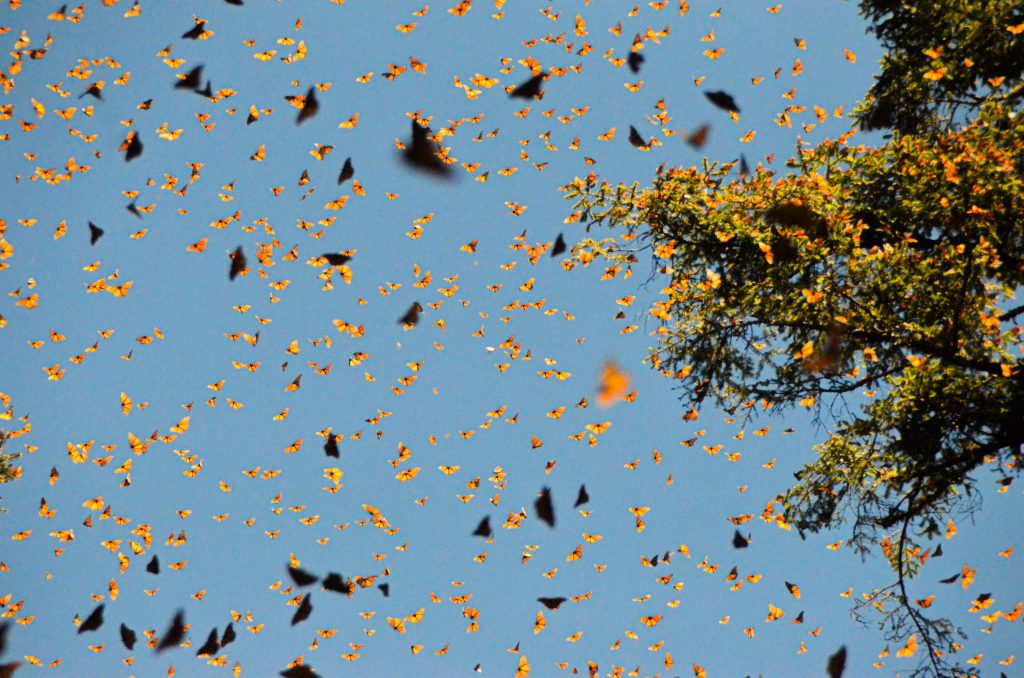
Each autumn, millions of monarch butterflies fly south from Canada and the United States to spend the winter in a few small patches of forest. In Mexico they cover whole fir trees in orange, and on the California coast they cluster in eucalyptus and pine groves. Both are easy to reach on a budget and cost little or nothing to visit.

El Rosario Sanctuary, Monarch Butterfly Biosphere Reserve

El Rosario Sanctuary, Monarch Butterfly Biosphere Reserve, Mexico (Late November to late March (the 2025/26 season ran from 21 November to 21 March))

When Late November to late March (the 2025/26 season ran from 21 November to 21 March)

In the mountain forests of Michoacán, millions of monarch butterflies spend the winter clustered on fir trees, turning whole branches orange. El Rosario is the best known of the sanctuaries open to visitors.

Good to know

El Rosario, Sierra Chincua and Senguio are the sanctuaries open to visitors in Michoacán, and they open every day from 8am to 6pm during the season. Go on a sunny day if you can, when the butterflies are more likely to be flying.

Dates move each year. Opening dates are set each season. Check Visit Mexico or CONANP for the current season's dates before booking.

Pacific Grove Monarch Sanctuary

Pacific Grove Monarch Sanctuary, USA (Mid-October to mid-February, peaking November to January)

When Mid-October to mid-February, peaking November to January

Pacific Grove, on the Monterey Peninsula, is known as Butterfly Town USA. Monarchs gather in clusters in its eucalyptus and pine grove over the winter, and entry is free.

Good to know

Entry is free and you do not need to book. Arrive before 11am or on a cool, overcast day to see the butterflies clustered together, and look out for volunteer docents with viewing scopes, usually there from 11am to 3pm.

Dates move each year. Numbers and arrival dates change from year to year with the weather. The Pacific Grove Museum of Natural History posts updates (pgmuseum.org/monarchs).

12 Light August to April

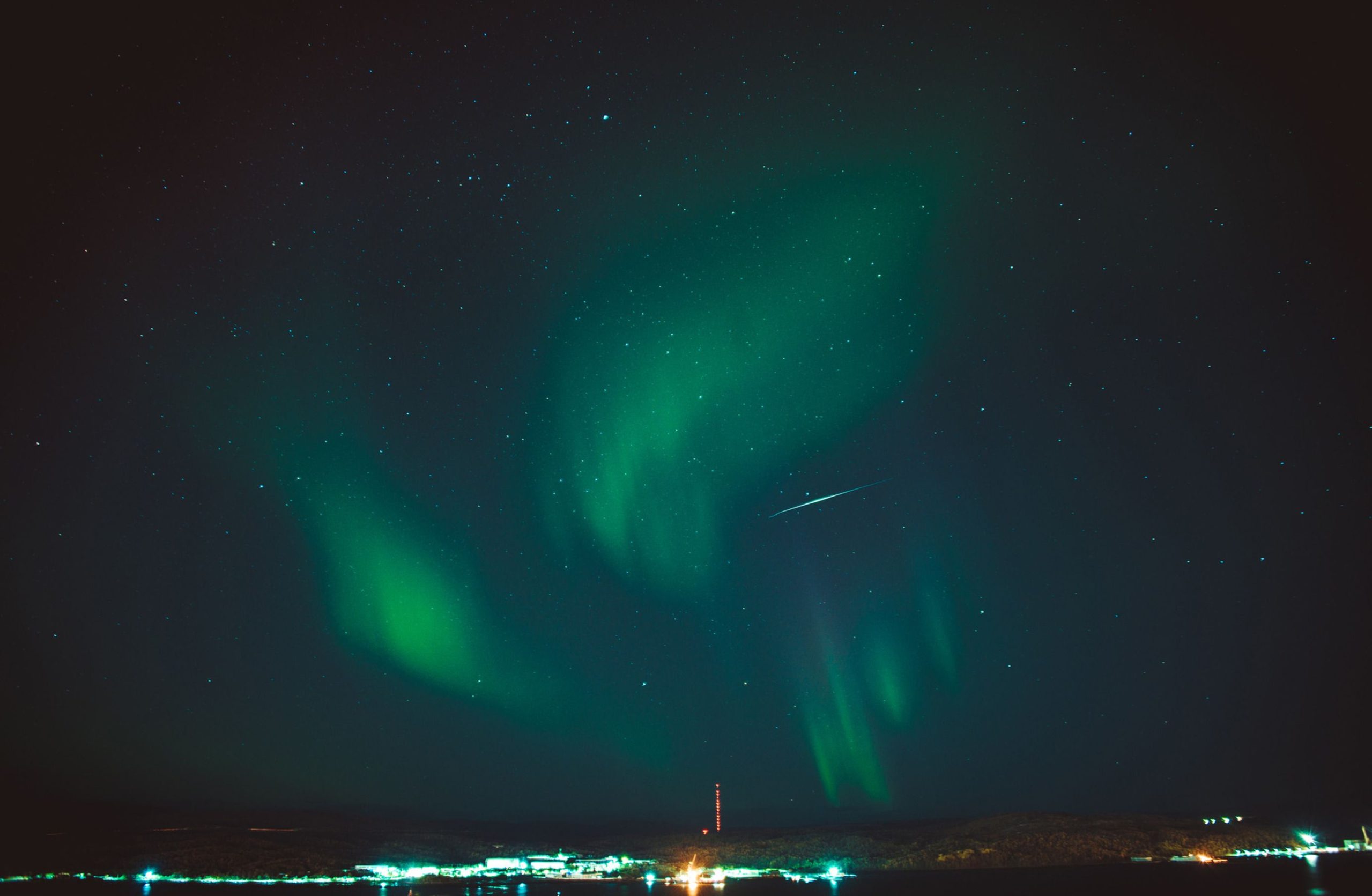
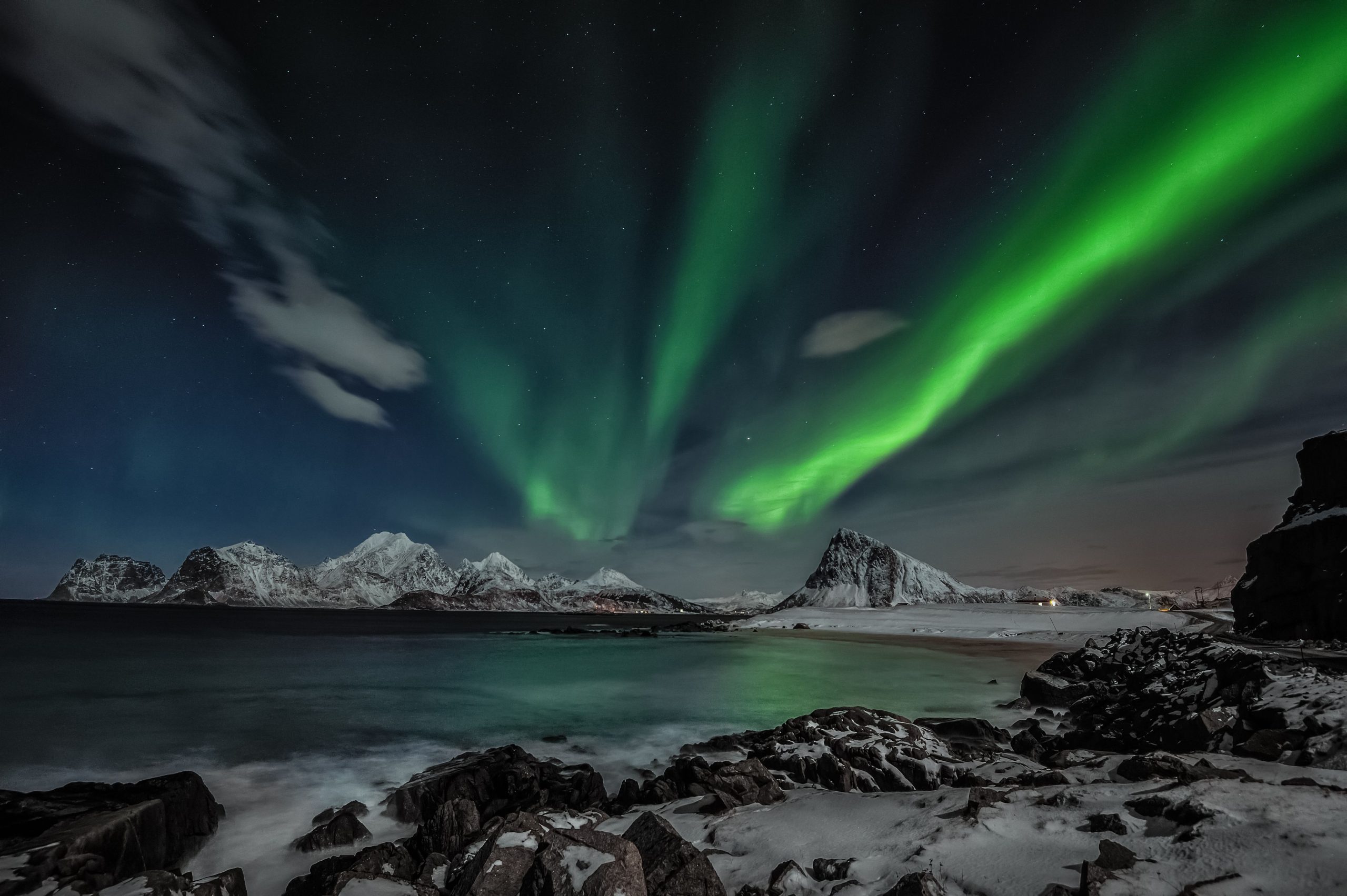
Northern lights season: when and where to see the aurora

Seeing the aurora borealis comes down to three things: being far enough north, proper darkness and a clear sky. From around September to March, the Arctic gets long nights and the lights can appear on any clear one. Give yourself several nights rather than one, because cloud is the usual spoiler, not a lack of aurora.

Tromsø

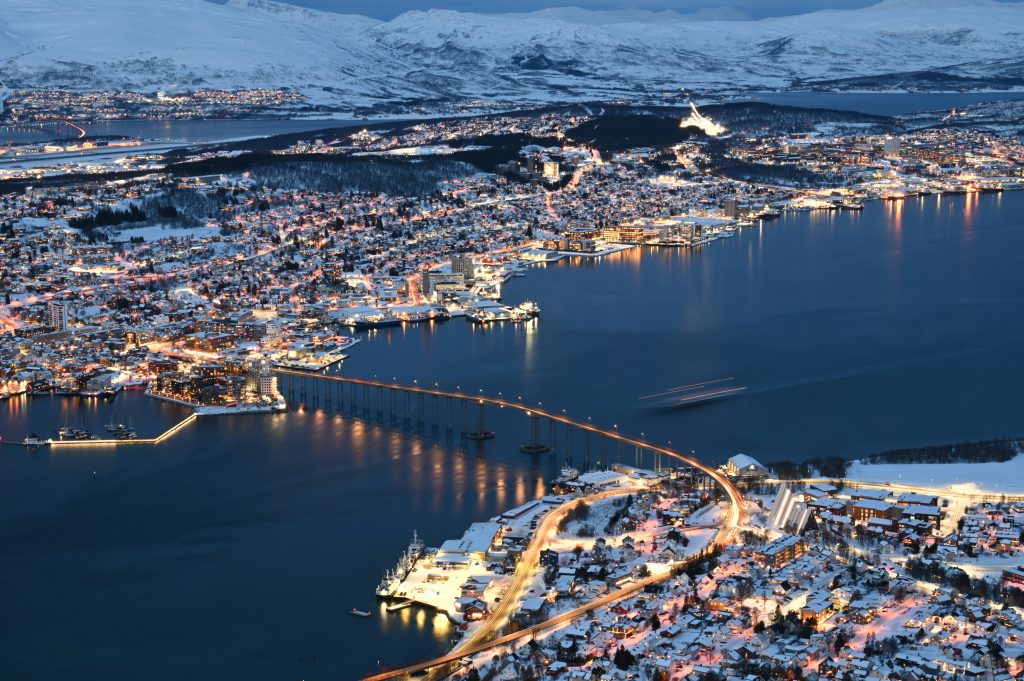
Tromsø, Norway (Late August to early April)

When Late August to early April

Tromsø sits high above the Arctic Circle, right under the auroral oval, which makes it one of the easiest cities in the world to see the northern lights from. It has plenty of tours and places to stay.

Good to know

Tromsø sits inside the auroral zone, so even moderate activity can be visible overhead. Get out of the city lights and keep an eye on the cloud forecast, as clear skies matter more than a high aurora score.

Dates move each year. Never guaranteed; depends on solar activity and cloud. Check aurora and cloud forecasts on the night and stay flexible.

Iceland (Reykjavík and beyond)

Iceland (Reykjavík and beyond) (Late August to early April, best from November to March)

When Late August to early April, best from November to March

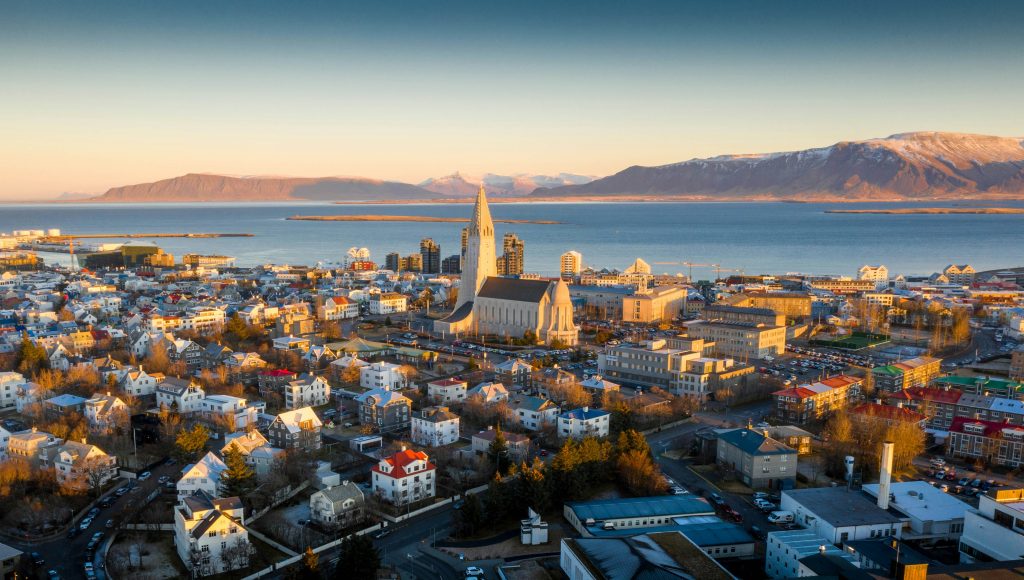
Iceland's long winter nights and wide open landscapes make it a great aurora destination, and on a good night you can even see the lights from the edge of Reykjavík.

Good to know

Use the Icelandic Met Office aurora forecast at vedur.is, which pairs an activity score with a cloud cover map (white areas are clear). Without a car, Grótta Lighthouse on the edge of Reykjavík has a dark horizon over the sea.

Dates move each year. Depends on solar activity and cloud; check the aurora forecast on vedur.is each evening.

Rovaniemi, Finnish Lapland

Rovaniemi, Finnish Lapland, Finland (Late August to early April)

When Late August to early April

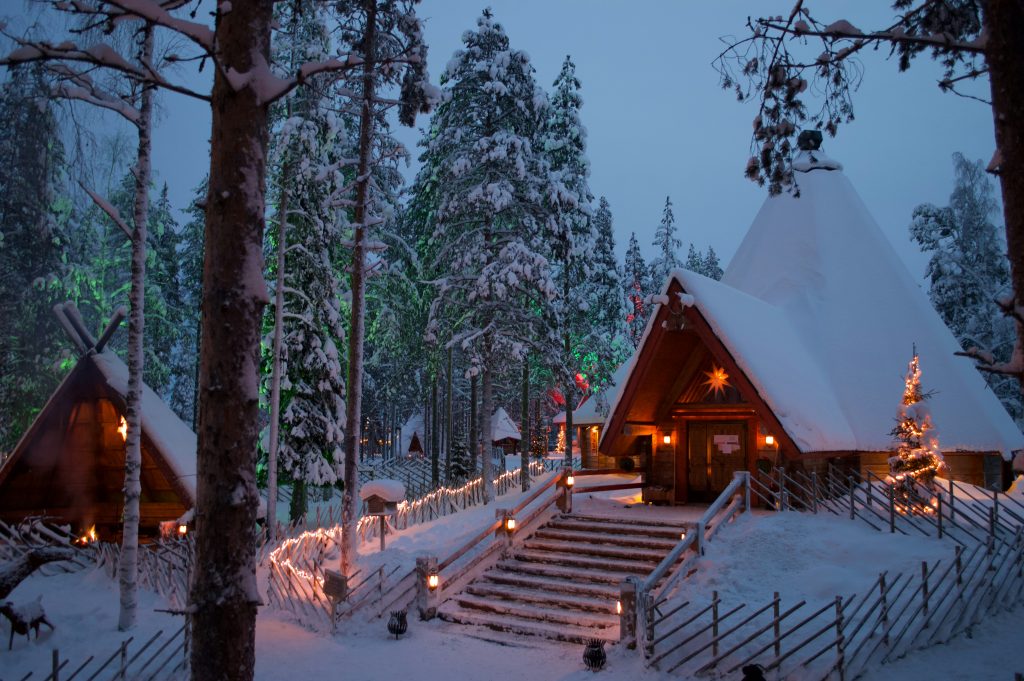
Rovaniemi, the capital of Finnish Lapland, sits right on the Arctic Circle. The aurora appears on around 150 nights a year here when the sky is clear.

Good to know

The aurora shows on around 150 nights a year in Finnish Lapland when skies are clear. Walk a few minutes out of the centre to a frozen riverbank or join a guided tour that drives to wherever the clouds are breaking.

Dates move each year. Depends on solar activity and cloud; the Finnish Meteorological Institute's Auroras Now service (aurorasnow.fmi.fi) shows current activity.

Abisko, Swedish Lapland

Abisko, Swedish Lapland, Sweden (September to March)

When September to March

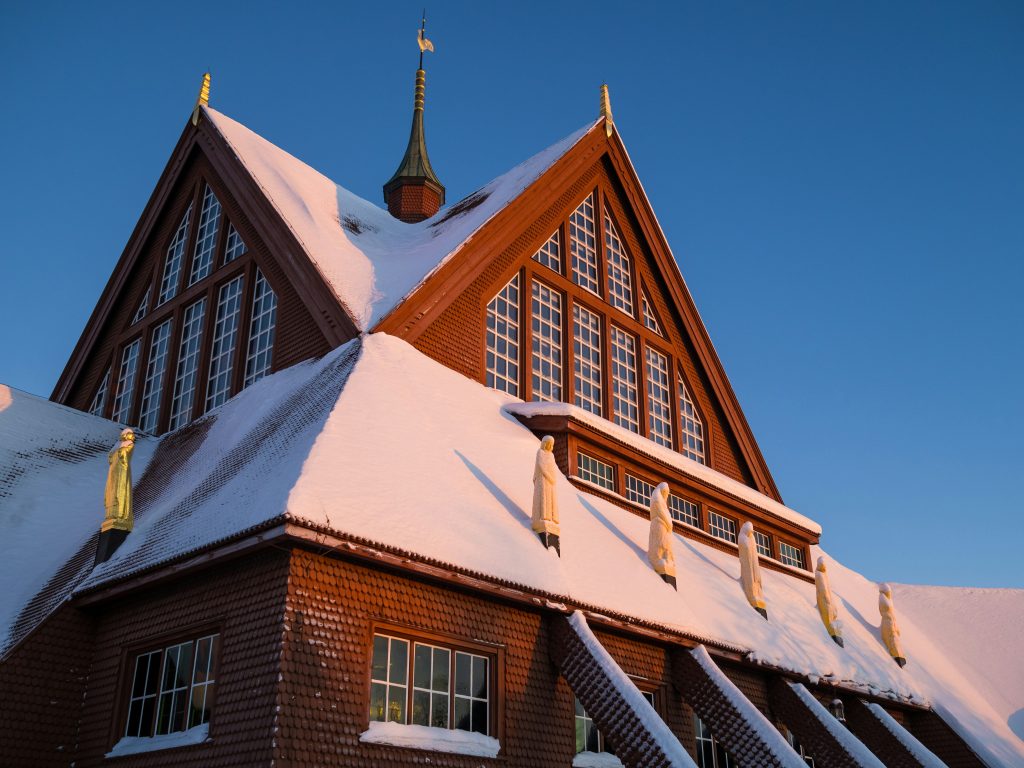
Abisko is famous for its blue hole, a patch of clear sky that often stays open when the rest of the region is cloudy. That makes it one of the most reliable places in Europe to see the aurora.

Good to know

Abisko gets less rain than the rest of Sweden and often has a clear patch of sky, known as the 'blue hole', when it is cloudy elsewhere. Fly to Kiruna or take the train from Stockholm, then ride the chairlift to the Aurora Sky Station on Mount Nuolja.

Dates move each year. Depends on solar activity and cloud; check an aurora forecast and the local weather on the night.

13 Light March to September

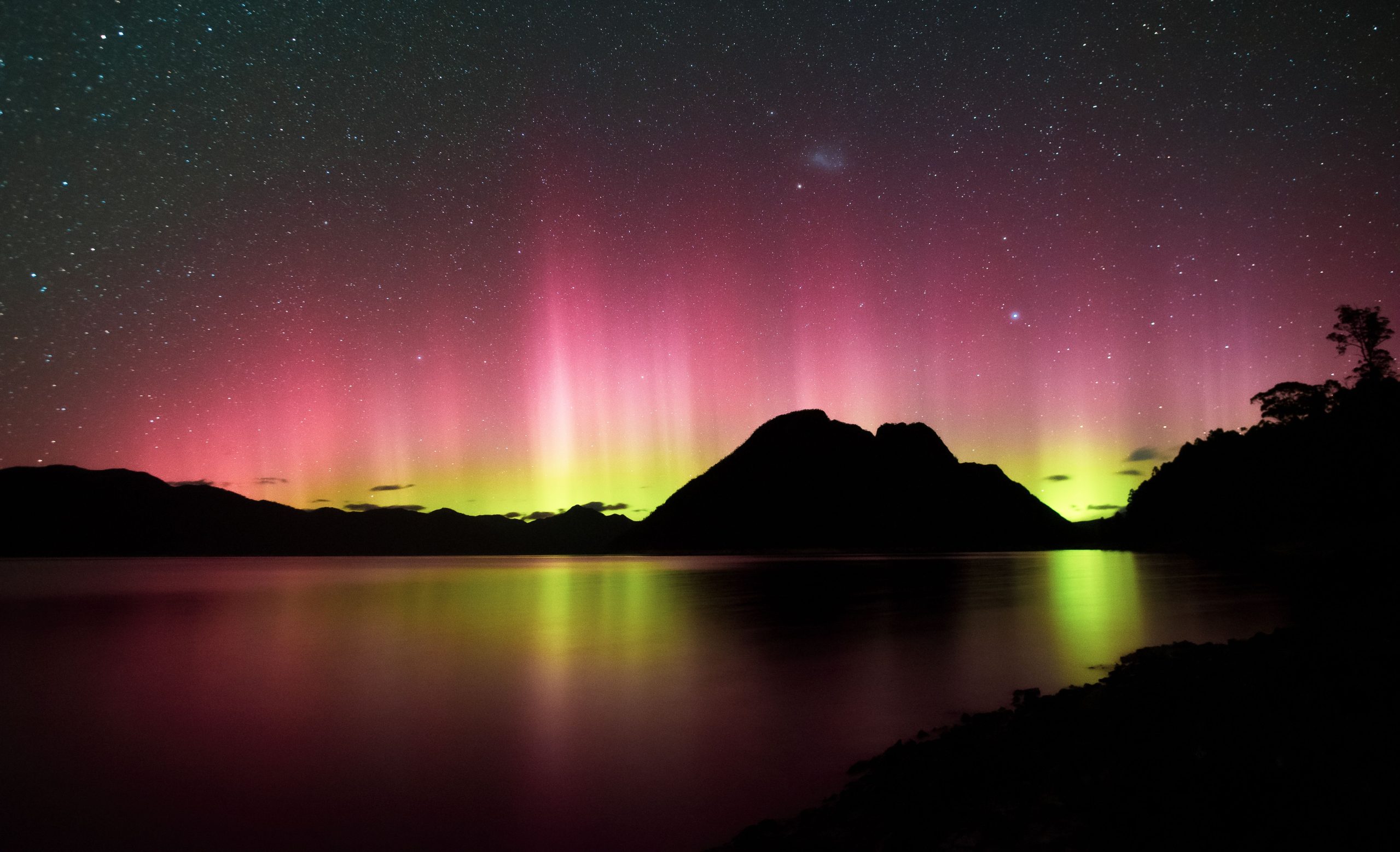
Southern lights (aurora australis): when and where to see them

The aurora australis is the southern hemisphere's version of the northern lights, and it is easier to reach than many people think. Southern Tasmania and the bottom of New Zealand's South Island get the best shows during the long, dark nights of the southern autumn and winter. Expect pale beams to the naked eye and much richer colour through a phone camera.

Southern Tasmania (kunanyi/Mount Wellington, Bruny Island, South Arm)

Southern Tasmania (kunanyi/Mount Wellington, Bruny Island, South Arm), Australia (May to September (possible year round))

When May to September (possible year round)

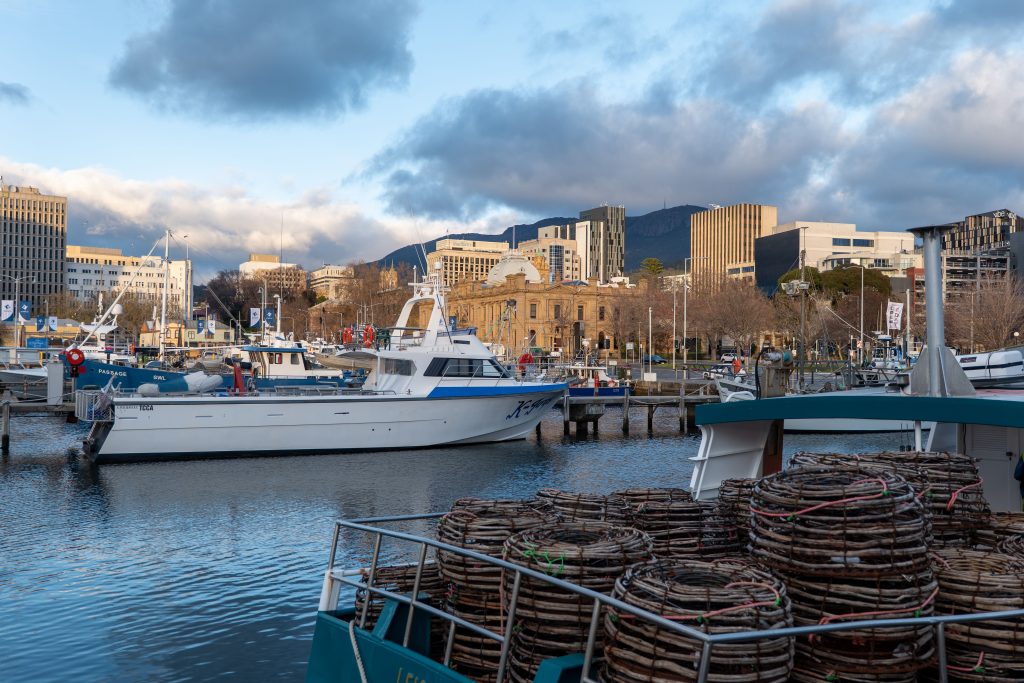
Tasmania is the best place in Australia to see the southern lights, thanks to its far southern position and dark skies. Hobart makes an easy base, with good viewing spots a short drive away.

Good to know

Sign up for free aurora alerts from the Bureau of Meteorology's Space Weather Services (sws.bom.gov.au) and pick a night when the moon is no more than a quarter full. From Hobart, kunanyi/Mount Wellington and the South Arm Peninsula are both a short drive.

Dates move each year. Aurora can only be predicted a few days ahead at best; check Bureau of Meteorology Space Weather Services alerts and local sighting groups.

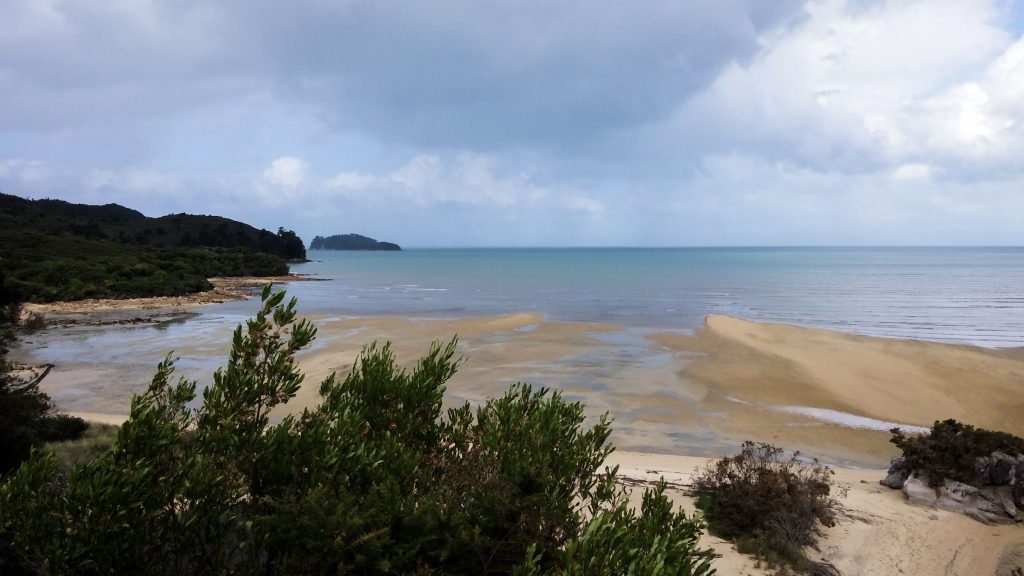
Stewart Island / Rakiura

Stewart Island / Rakiura, New Zealand (April to September)

When April to September

Stewart Island, at the very bottom of New Zealand, has a Māori name meaning land of the glowing skies. It is an International Dark Sky Sanctuary, with very little light pollution.

Good to know

Rakiura means 'land of the glowing skies' and the island has been an International Dark Sky Sanctuary since 2019. Winter brings darkness from about 7pm to 6.30am, and you will usually need KP4 or higher plus a clear sky.

Dates move each year. Not guaranteed; check an aurora alert service for the Kp index and the cloud forecast before crossing from Bluff.

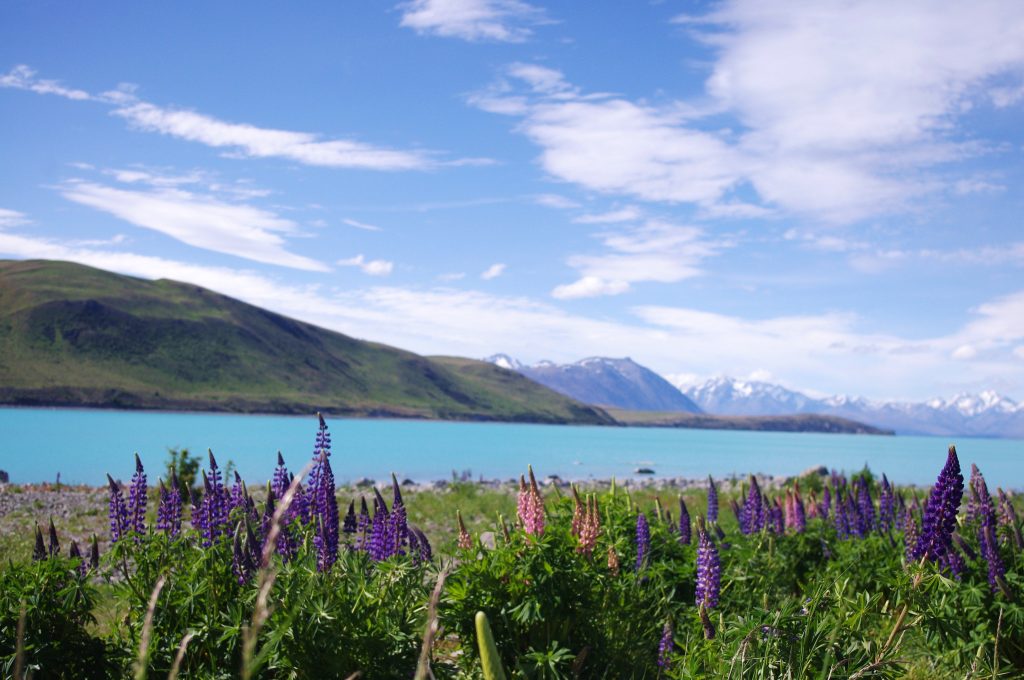
Lake Tekapo / Takapō

Lake Tekapo / Takapō, New Zealand (March to September, with autumn (March to May) a strong time)

When March to September, with autumn (March to May) a strong time

Lake Tekapo sits inside the Aoraki Mackenzie International Dark Sky Reserve, the largest in the southern hemisphere. Clear, dark nights here are among the best for stargazing anywhere.

Good to know

Tekapo sits in the Aoraki Mackenzie International Dark Sky Reserve, the largest in the southern hemisphere, so light pollution is minimal. Look low over the southern horizon on clear, moonless nights.

Dates move each year. Depends on solar activity, cloud and moonlight; check an aurora alert service and the moon phase before heading out.

Questions about seeing nature at its best

What is the best month to see natural phenomena?

There is something to see every month. Spring brings cherry blossom, tulips and Mexico City's jacarandas. Summer is lavender, fireflies and whale watching in Iceland. From July to October the herds cross the Mara River, autumn leaves peak from late September to November, and winter is the time for the northern lights, monarch butterflies in Mexico and turtle hatchlings at Mon Repos in Australia.

When is cherry blossom season?

In Tokyo and Washington DC it is usually late March to early April, Kyoto runs into mid-April and Seoul is early to mid-April. The blossom only lasts around a week in each place, so follow the official forecasts, which come out from January in Japan and early March in Washington DC.

When is lavender season in Provence?

The lavender on the Valensole Plateau flowers from mid-June to mid-July and is at its best in early July. Harvest usually starts around mid-July, so aim for late June or early July to be safe.

When do the jacarandas bloom in Lisbon?

Lisbon's jacarandas flower in May and June, turning squares like Largo do Carmo and avenues across the city purple. Mexico City blooms earlier, from February to April, and Pretoria later, from late September to October.

When is the best time to see the northern lights?

From late August to early April in Tromsø, Iceland and Finnish Lapland, and from September to March in Abisko. You need a dark, clear sky, so plan several nights in one place rather than one night in many.

Where can you see bioluminescence all year round?

Puerto Rico's Mosquito Bay on Vieques and Laguna Grande in Fajardo glow all year. Go on a kayak tour on a night close to the new moon, when the water looks brightest.

When can you see baby turtles hatching?

It depends on the beach. Hatchlings emerge in Tortuguero, Costa Rica, from September to December, at Mon Repos in Australia from late January to the end of March, and on Laganas Bay in Zakynthos, Greece, from mid-July to late September. Always go with a ranger or local guide and keep lights off.

When is whale watching season?

Humpbacks rest in Hervey Bay, Australia, from mid-July to late October, and southern right whales can be seen from the shore in Hermanus, South Africa, from June to November. In Húsavík, Iceland, tours run from March to November, with summer the most reliable.

When can you see the Great Migration river crossings?

The herds are usually in Kenya's Masai Mara from July to October, which is when the Mara River crossings happen. Earlier in the year, from January to February, they are on Tanzania's southern Serengeti plains for the calving season.

Do these dates change every year?

Most of them do, because blooms, migrations and hatchings follow the weather. Each place on this page says where to check the latest forecast or official dates before you book.

Where these dates come from

Every date window on this page was checked against the tourism boards, national parks and official sources below. Nature keeps its own schedule, so always check the latest forecast before you book.

Cherry blossom season

Tulip season

Jacaranda season

Lavender season

Firefly season

  • Tokyo area (Fussa, Hachioji, Mitaka and Ome): gotokyo.org
  • Elkmont, Great Smoky Mountains National Park: nps.gov
  • Elkmont, Great Smoky Mountains National Park: home.nps.gov
  • Elkmont, Great Smoky Mountains National Park: wate.com
  • Kuala Selangor (Kampung Kuantan and Bukit Belimbing): visitselangor.com

Bioluminescent bays and beaches

Turtle hatching season

Whale watching season

The Great Migration

Autumn leaves

Monarch butterfly migration

Northern lights

Southern lights

Get the App. QRGet the App.
Get the App. QR  Get the App.
Scroll to Top